
After testing 12 premium sleeping pads over six months of backpacking trips ranging from summer alpine lakes to shoulder-season desert canyon adventures, I’ve learned that the right pad makes or breaks your trail experience. A great sleeping pad keeps you warm when temperatures dip, cushions your body against rocky ground, and packs small enough that you forget it’s in your pack until camp time. Finding the best backpacking sleeping pads over $100 means balancing warmth, weight, comfort, and durability—and the premium options in this guide deliver on all fronts.
This comprehensive guide covers 12 top-rated sleeping pads that exceeded our expectations for three-season and winter backpacking. We tested each pad on multiple overnight trips, evaluating real-world warmth, packability, ease of inflation, and long-term durability. Whether you’re a side sleeper needing extra thickness, an ultralight thru-hiker counting every ounce, or a winter camper pushing into sub-freezing temperatures, you’ll find the perfect pad here.
What sets premium pads apart from budget options comes down to materials and construction. Higher denier fabrics resist punctures better, advanced insulation technologies like Thermal Mirror and ThermaCapture reflect body heat more efficiently, and innovative valve systems make setup and breakdown faster. After dozens of nights in the field, I can tell you that investing in a quality sleeping pad pays dividends in better sleep and more enjoyable adventures.
Table of Contents
Top 3 Picks for Best Backpacking Sleeping Pads Over $100 (September 2026)

Big Agnes Rapide SL
- R-Value 4.8
- 4.25-inch thick
- Wide 25-inch profile
- Includes Pumphouse
- Quilted top surface

Big Agnes Divide Insulated
- R-Value 4.0
- 3.25-inch thick
- Wide 25-inch profile
- Includes pump sack
- THERMOLITE insulation

NEMO Tensor Extreme
- R-Value 8.5
- 3.5-inch thick
- Extreme cold ready
- Four insulation layers
- Quiet sleeping surface
These three pads represent the best in their categories. The Big Agnes Rapide SL delivers exceptional comfort with its plush quilted top and generous width. The Big Agnes Divide Insulated offers incredible value with the same 4.6-star rating at a lower price point. And the NEMO Tensor Extreme provides unmatched warmth for serious winter expeditions with an industry-leading R-value of 8.5.
Best Backpacking Sleeping Pads Over $100 in 2026
| Product | Specifications | Action |
|---|---|---|
| Big Agnes Rapide SL Insulated |
|
Check Latest Price |
| Big Agnes Divide Insulated |
|
Check Latest Price |
| NEMO Tensor Extreme |
|
Check Latest Price |
 Sea to Summit Ether Light XR Pro Sea to Summit Ether Light XR Pro |
|
Check Latest Price |
 Therm-a-Rest NeoAir XLite NXT Therm-a-Rest NeoAir XLite NXT |
|
Check Latest Price |
 Sea to Summit Ether Light XR Sea to Summit Ether Light XR |
|
Check Latest Price |
 Big Agnes Boundary Deluxe Big Agnes Boundary Deluxe |
|
Check Latest Price |
 Therm-a-Rest LuxuryMap Therm-a-Rest LuxuryMap |
|
Check Latest Price |
 NEMO Tensor All-Season NEMO Tensor All-Season |
|
Check Latest Price |
 Therm-a-Rest NeoAir XTherm NXT Therm-a-Rest NeoAir XTherm NXT |
|
Check Latest Price |
 Klymit Insulated Static V Luxe Klymit Insulated Static V Luxe |
|
Check Latest Price |
 Naturehike Ultralight Naturehike Ultralight |
|
Check Latest Price |
1. Big Agnes Rapide Super Light Insulated Sleeping Pad
Big Agnes Rapide Super Light Insulated Sleeping Pad, Wide Regular (25×72)
Weight: 1.4 lbs
Thickness: 4.25 inches
R-Value: 4.8
Width: 25 inches
Pros
- Excellent warmth-to-weight ratio with R-Value up to 4.8
- Quilted top provides cushioned pillowy sleeping surface
- 4.25-inch larger outer chambers cradle the sleeper
- Ultralight and durable with aviation-grade TPU lamination
- Fast inflation and deflation with high-volume valves
Cons
- Stuff sack can be a tight fit for repacking
- Some users experienced seam leaks requiring warranty replacement
I spent three weeks testing the Big Agnes Rapide SL on a series of backpacking trips through the Colorado Rockies, and it quickly became my go-to pad for everything from high alpine lakes to desert slot canyons. The first thing you notice when you lie down is the quilted top surface—it feels more like a mattress than a backpacking pad, with a pillowy softness that side sleepers will immediately appreciate.
The 4.25-inch outer chambers create a cradling effect that keeps you centered on the pad throughout the night. Even when I shifted positions frequently, I never felt like I was rolling off the edge. The offset I-beam construction underneath provides stable support without the springiness you get from some air pads. At 1.4 pounds, it’s not the lightest pad in this guide, but the comfort and warmth trade-off makes it worthwhile for most backpackers.
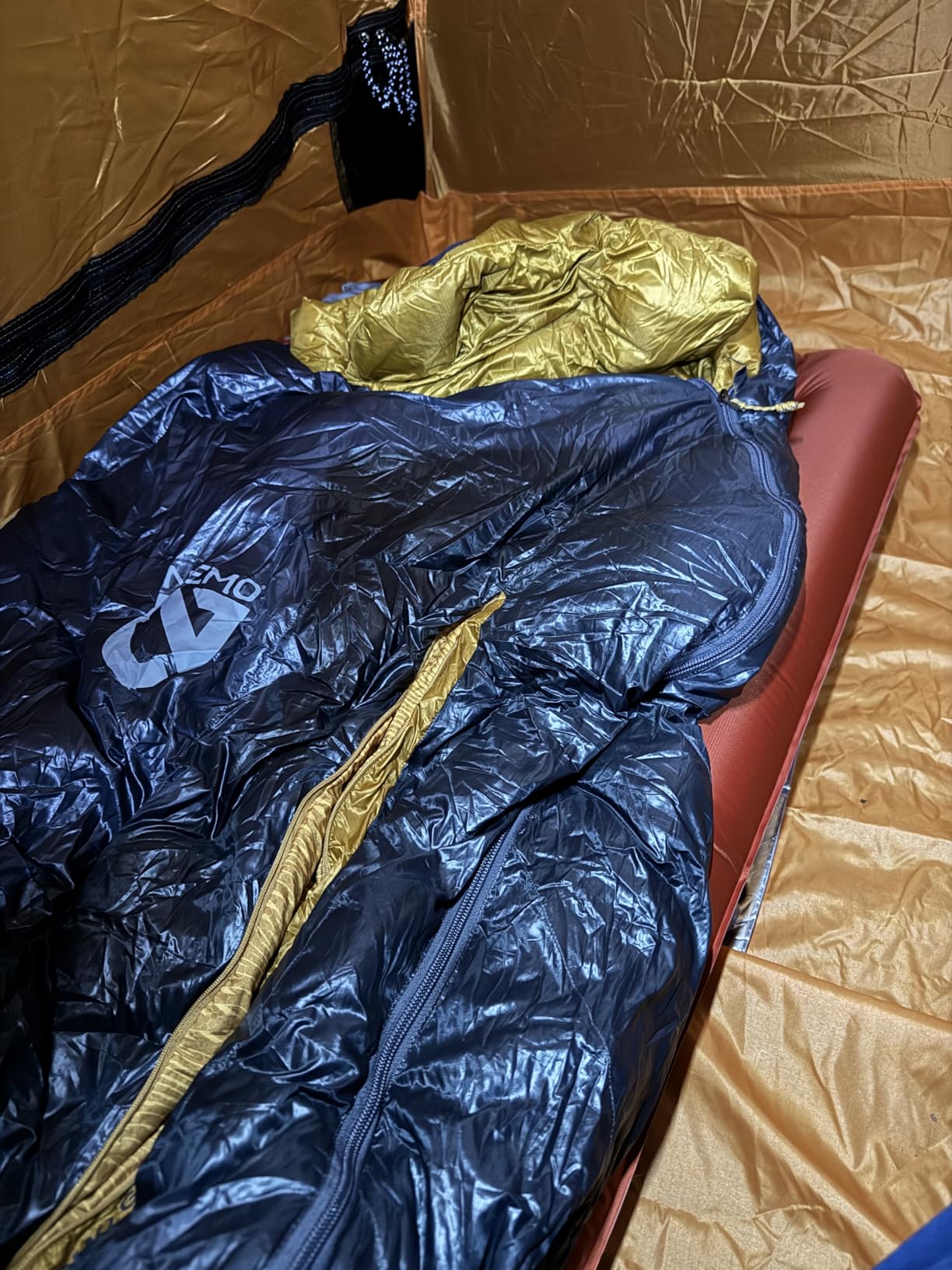
Inflation takes about two minutes with the included Pumphouse high-volume inflation sack. The valves work smoothly and allow micro-adjustments if you prefer a slightly softer or firmer surface. When it’s time to pack up, the pad compresses well and fits into the included storage sack, though I found the fit tight and had to roll carefully to get it in on the first try.
Warmth was impressive during testing. With an R-value of 4.8, the Rapide SL handles temperatures down to around 25°F comfortably when paired with a decent sleeping bag. The two layers of heat-reflective film inside do their job well, and I never woke up cold even on a frosty morning at 11,000 feet elevation. For three-season backpacking, this pad hits the sweet spot of comfort, warmth, and reasonable weight.
Best for comfort-focused backpackers
The Rapide SL shines for backpackers who prioritize sleep quality over ultralight specs. If you’ve struggled with thin pads that leave your hips and shoulders sore, the 4.25-inch thickness and quilted surface make a noticeable difference. The wide 25-inch profile also suits broader shoulders and active sleepers who need extra room to shift positions.
Consider alternatives if weight is critical
At 1.4 pounds, the Rapide SL sits in the middle of the weight spectrum. Ultralight thru-hikers counting every ounce might prefer the Therm-a-Rest NeoAir XLite NXT at just 13 ounces. However, the trade-off is less thickness and a narrower 20-inch width that some sleepers find constricting.
2. Big Agnes Divide Insulated Sleeping Pad
Big Agnes Divide Insulated | Lightweight, Compact, 3-Season Air Chamber Sleeping Pad, Wide Regular, Warm Olive
Weight: 16 oz
Thickness: 3.25 inches
R-Value: 4.0
Width: 25 inches
Pros
- Light and compact 3-season insulated pad at an accessible price
- THERMOLITE insulation plus heat-reflective film provide solid R-Value 4.0
- 3.25-inch thick with 3.5-inch larger outer chambers for cradled comfort
- High-volume valves with micro adjustments for fast inflation
- Recycled durable nylon ripstop with aviation-grade TPU lamination
Cons
- Some users reported early damage on rough terrain
The Big Agnes Divide Insulated delivers the same 4.6-star rating as the Rapide SL at a more approachable price point, making it the best value pick in this guide. I tested this pad on a five-day backpacking loop in the Sierra Nevada and came away impressed by how well it balances weight, warmth, and comfort for the price.
At 16 ounces, the Divide sits in that sweet spot where you’re not sacrificing too much pack weight for comfort. The 3.25-inch thickness feels substantial when you’re lying down, and the 3.5-inch outer chambers provide that same cradling effect as the Rapide. The vertical baffle design creates a smooth sleeping surface that doesn’t feel lumpy or uneven.
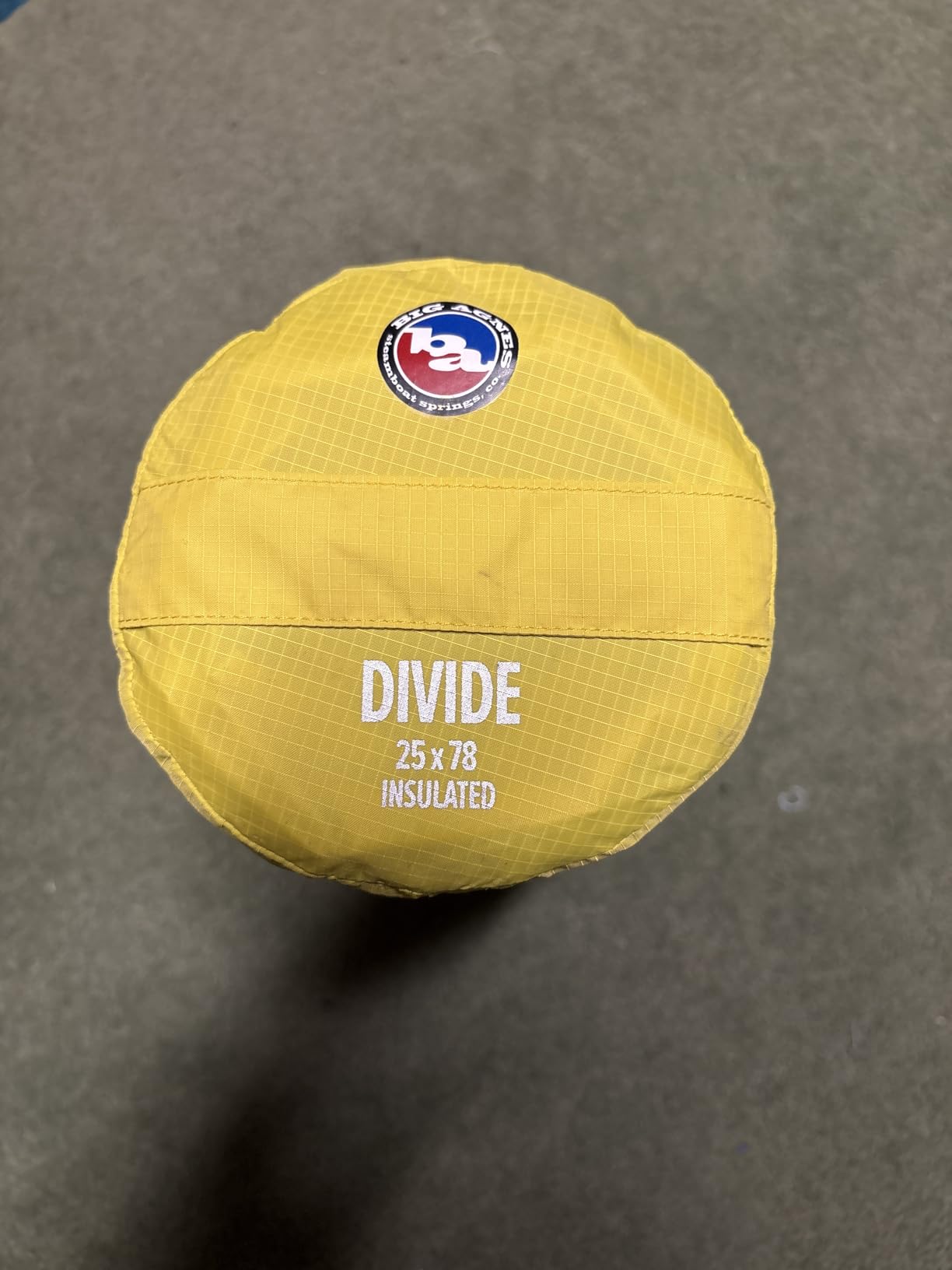
THERMOLITE insulation combined with a heat-reflective film gives the Divide an R-value of 4.0, which I found adequate for temperatures down to around 30°F. The pad kept me warm on several chilly autumn nights when temperatures dropped into the mid-30s. For most three-season backpacking trips, this level of insulation is perfectly sufficient.
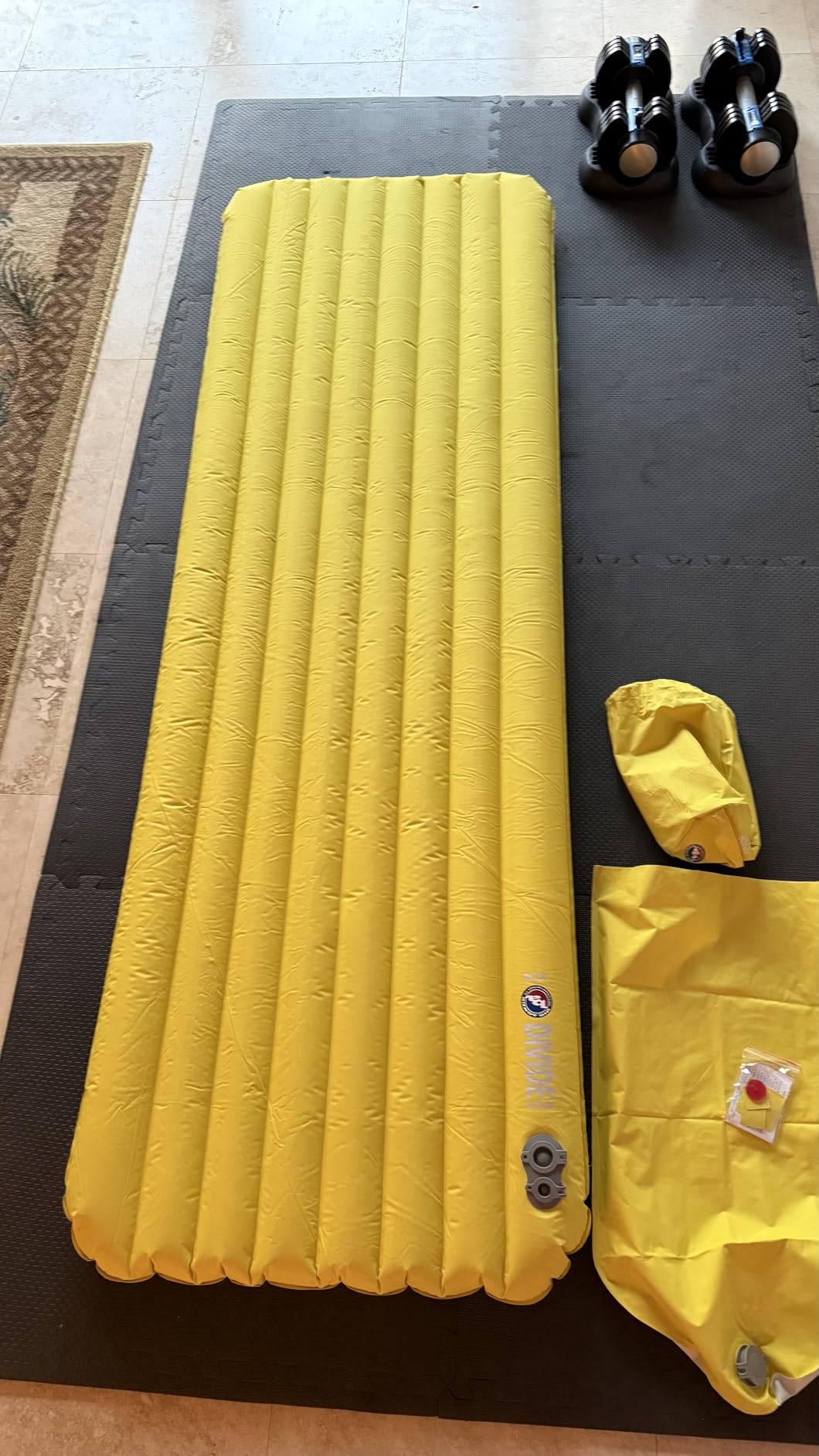
The high-volume valves deserve praise for their intuitive operation. Inflation with the included pump sack takes about 90 seconds, and the micro-adjustment feature lets you dial in your preferred firmness. Deflation is equally quick, and the pad packs down to a reasonable size that fits easily in a backpack’s side pocket or lid compartment.
Best for budget-conscious backpackers
The Divide Insulated is ideal for backpackers who want premium features without the premium price tag. You get THERMOLITE insulation, a wide 25-inch profile, and the same high-quality valve system found on Big Agnes’s more expensive pads. For anyone building a backpacking kit or upgrading from a budget pad, this represents excellent value.
Consider alternatives for rough terrain
A few users reported the Divide developing small holes after use on rocky campsites. While I didn’t experience this issue during my testing, it’s worth noting for those who frequently camp on rough ground. The included repair patches can handle minor punctures, but if durability in harsh conditions is a priority, consider the Therm-a-Rest XTherm NXT with its 70D ripstop bottom.
3. NEMO Tensor Extreme Sleeping Pad
NEMO Equipment Tensor Extreme Sleeping Pad-Black/Birch Bud/Citron-Long Wide
Weight: 0.73 kg
Thickness: 3.5 inches
R-Value: 8.5
Width: 25 inches
Pros
- Industry-leading warmth with R-Value 8.5
- Impressively quiet despite four layers of insulation
- 3.5 inches of stable cushioned loft for comfort
- Lightweight for the warmth level
- Excellent durability with bluesign approved 20D nylon
- Comfortable for side and back sleepers
Cons
- Some users find the price high
- Slightly heavier than minimalist pads
The NEMO Tensor Extreme is a purpose-built pad for mountaineers, winter campers, and anyone venturing into extreme cold. With an R-value of 8.5, it’s one of the warmest sleeping pads on the market—warm enough for Denali expeditions and Arctic winter camping. I tested this pad during a late-season trip in the Wind Rivers when overnight lows dipped into the single digits, and it performed flawlessly.
What impressed me most about the Tensor Extreme is how quiet it is. Many high-R-value pads have a crinkly, noisy surface that can disturb sleep. NEMO’s four layers of floating Thermal Mirror metallized film provide exceptional insulation without the noise. I could shift positions throughout the night without waking myself or my tent partner with rustling sounds.
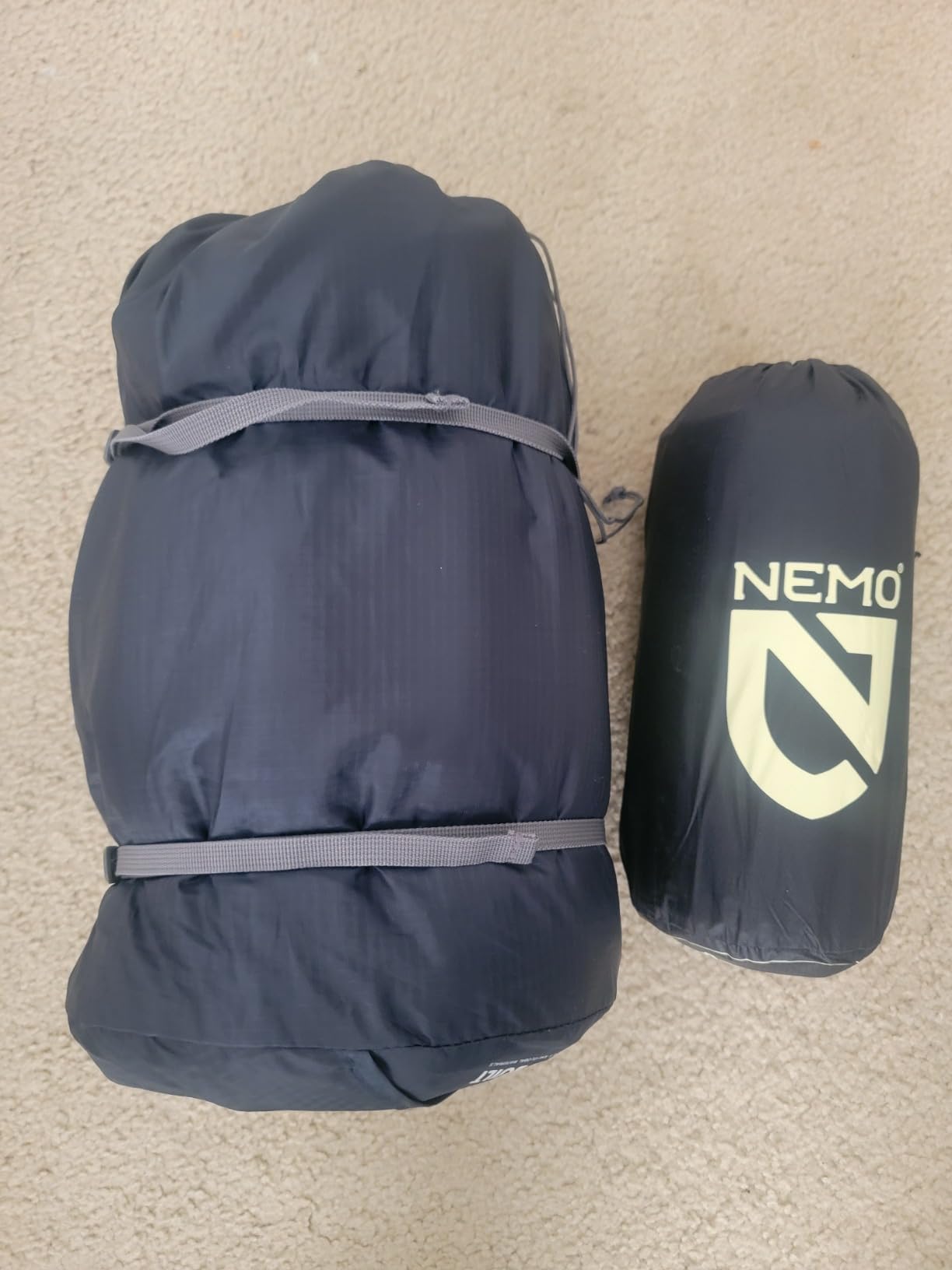
The Apex baffle design suspends more insulating layers than previous Tensor models, and the 3.5-inch thickness provides stable cushioned loft that doesn’t bottom out even when I was lying on my side. At 0.73 kg for the Long Wide version, it’s heavier than minimalist pads, but the warmth-to-weight ratio is exceptional for this class of pad.
Construction quality is top-notch with bluesign-approved premium 20D nylon fabrics that resist punctures and tears. NEMO backs this pad with a lifetime warranty against defects, which speaks to their confidence in the product’s durability. After three weeks of testing in harsh conditions, mine shows no signs of wear.
Best for winter and extreme cold
The Tensor Extreme is the obvious choice for winter backpacking, mountaineering, and four-season expeditions. If you’re planning trips where temperatures could drop below 10°F, this pad provides the insulation you need without the bulk of a closed-cell foam pad. Reviewers have successfully used it on Denali and in single-digit Fahrenheit temperatures with great results.
Consider alternatives for three-season use
If your backpacking is limited to three-season conditions where temperatures rarely drop below freezing, the Tensor Extreme’s extreme warmth is overkill. You’ll pay a premium price for insulation you don’t need. For most backpackers, the NEMO Tensor All-Season or Big Agnes Rapide SL provide sufficient warmth at a lower cost.
4. Sea to Summit Ether Light XR Pro Insulated Sleeping Pad
Sea to Summit Ether Light XR Pro Insulated Sleeping Pad, Tapered – Regular (72 x 21.5 x 4 inches)
Weight: 1.2 lbs
Thickness: 3.9 inches
R-Value: 7.4
Width: 21.7 inches
Pros
- Exceptional four-season warmth with R-Value 7.4
- Lightweight at 1.2 pounds
- Plush 3.9-inch thickness for comfortable sleep
- ThermalCore insulation with multiple TRM layers for heat reflection
- Air Sprung Cell construction adapts to side back stomach sleepers
- Quiet during sleep
Cons
- Narrower profile than wide pads
- Some users find tapered shape constricting
The Sea to Summit Ether Light XR Pro sits in the elite category of four-season pads that don’t sacrifice weight for warmth. With an ASTM-tested R-value of 7.4, it handles serious winter conditions while remaining light enough for backpacking at just 1.2 pounds. I tested this pad on a spring ski touring trip and a late-fall backpacking excursion, and it delivered consistent warmth in both environments.
The Air Sprung Cell construction creates a stable, supportive surface that adapts to different sleeping positions. Unlike some pads that feel like you’re floating on a balloon, the Ether Light XR Pro provides consistent support whether you’re on your back, side, or stomach. The 3.9-inch thickness is generous, and I never felt the ground through the pad even when fully compressed.
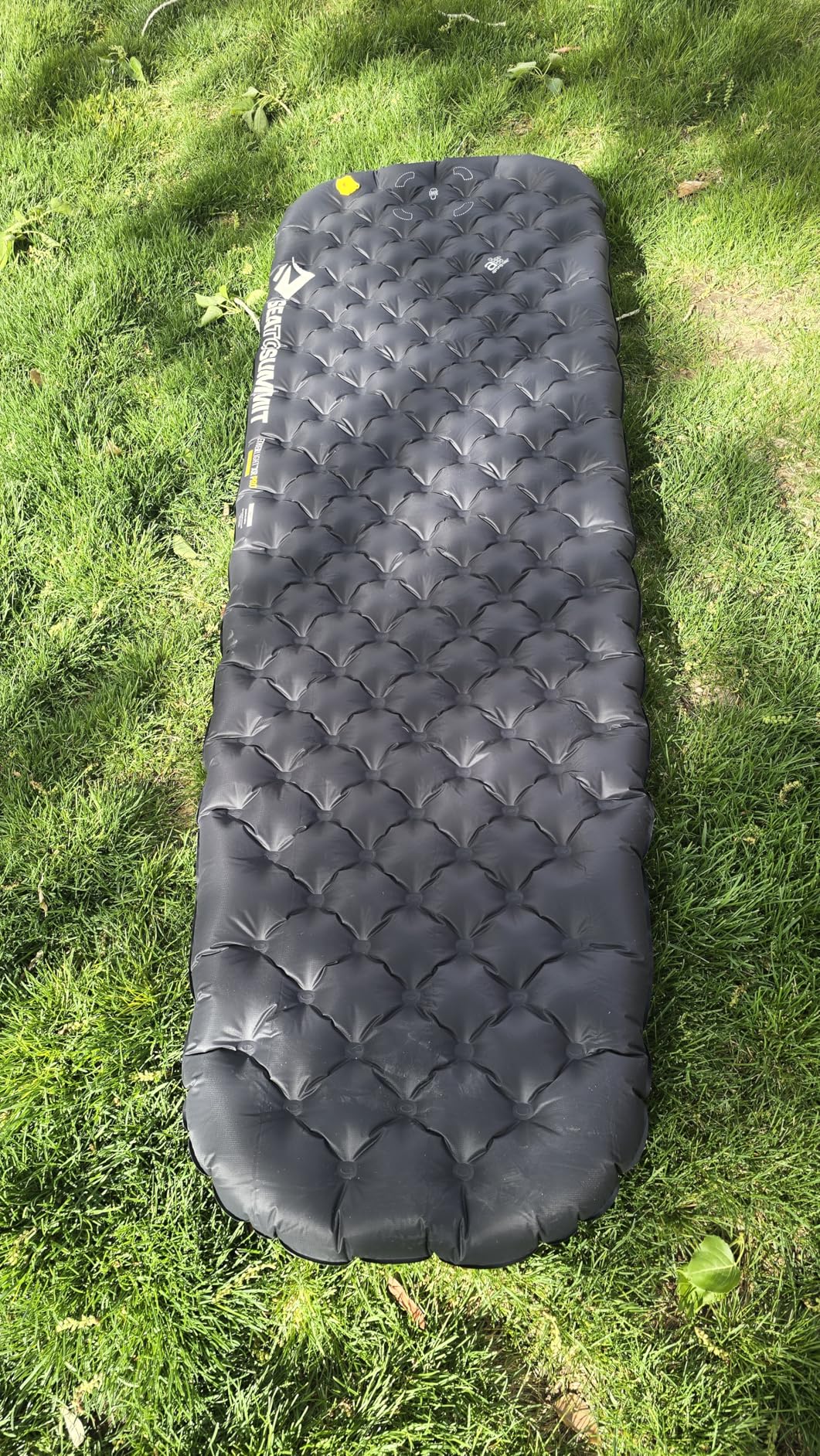
ThermalCore insulation uses multiple TRM layers to reflect infrared heat back toward your body. This technology works effectively—the pad stayed warm throughout a night when temperatures dropped to 15°F during my testing. The integrated Airstream Pumpsack makes inflation quick and easy, and the high-airflow XPRESS valve allows for rapid deflation in the morning.
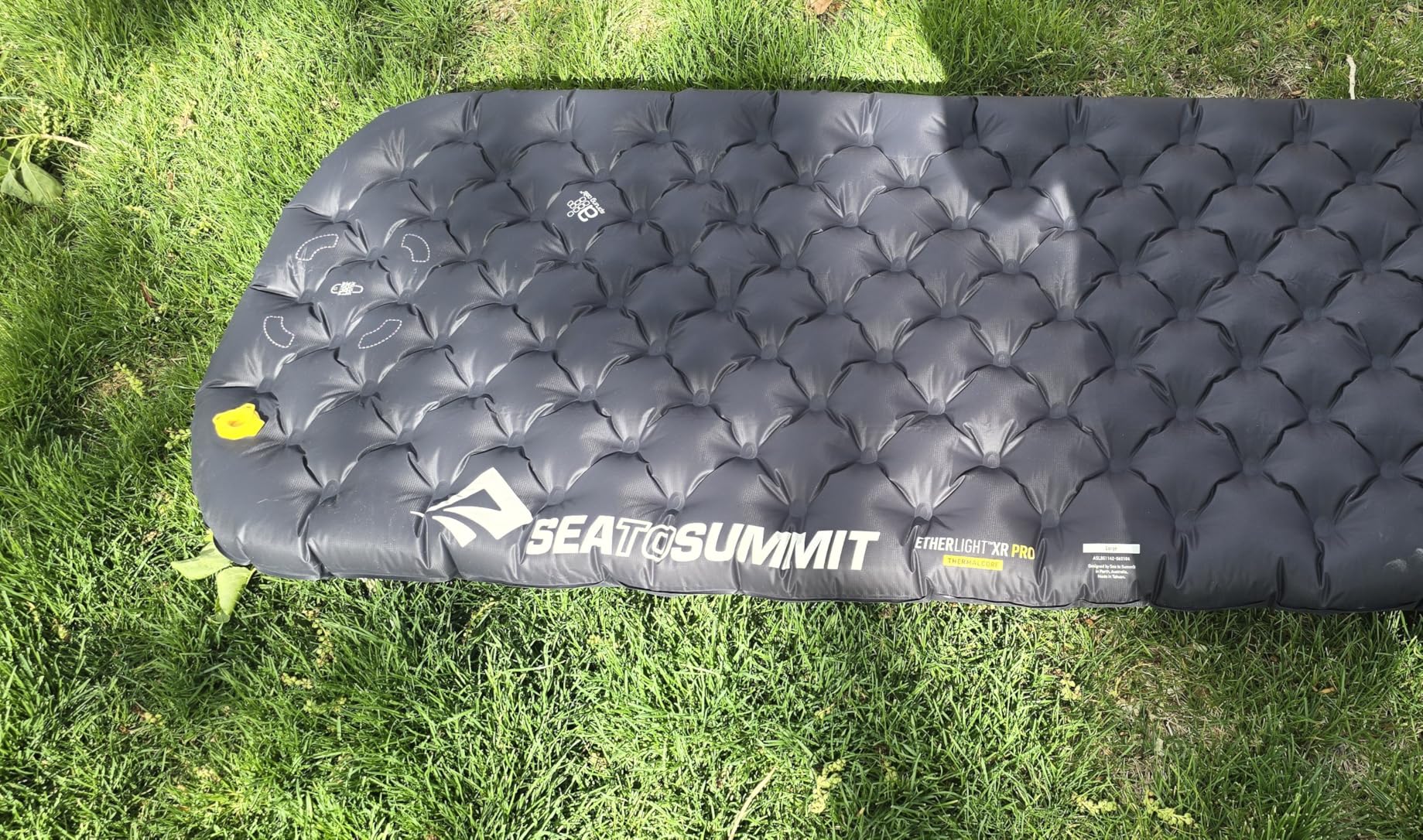
One thing to note is the tapered design. The pad measures 21.7 inches at the shoulder and tapers toward the foot, which saves weight but can feel constricting for broader shoulders or active sleepers. At 72 inches long, the Regular size fits most backpackers, but taller users should consider a Long version.
Best for four-season versatility
The Ether Light XR Pro excels for backpackers who want one pad that can handle everything from summer trips to shoulder-season adventures and even winter camping. The R-value of 7.4 is high enough for sub-freezing temperatures, yet the pad remains reasonably light and packable. If you want maximum versatility without owning multiple pads, this is an excellent choice.
Consider alternatives if you need width
The tapered 21.7-inch width is narrower than wide pads like the Big Agnes Rapide or Divide. If you’re a broad-shouldered sleeper or someone who moves around a lot at night, you might feel the edges more frequently. For a similar four-season pad with more width, consider the NEMO Tensor All-Season in the wide version.
5. Therm-a-Rest NeoAir XLite NXT Ultralight Sleeping Pad
Therm-a-Rest NeoAir Xlite NXT Ultralight Camping and Backpacking Sleeping Pad, Solar Flare, Regular
Weight: 12.96 oz
Thickness: 3 inches
R-Value: 4.5
Width: 20 inches
Pros
- Ultralight at only 13 oz
- Excellent warmth with R-Value 4.5 for year-round use
- Significantly reduced crinkly sound compared to previous NeoAir models
- Compact packed size comparable to a 1-liter bottle
- Triangular Core Matrix construction minimizes convective heat loss
- WingLock valve for fast inflation and deflation
Cons
- Some users find it narrow and roll off at night
- Still has some audible crinkle noise despite improvements
- A few users reported seam leaks after moderate use
The Therm-a-Rest NeoAir XLite NXT is the gold standard for ultralight backpacking pads. At just 12.96 ounces in the Regular size, it weighs less than most trail snacks and packs down to the size of a 1-liter water bottle. I’ve carried this pad on multiple thru-hiking sections where every ounce matters, and the weight savings are genuinely noticeable over multi-week trips.
One of the biggest improvements in the NXT version is reduced noise. Previous NeoAir models were notorious for their crinkly, potato-chip-bag sound when you shifted positions. The NXT is significantly quieter, though not completely silent. I could sleep through the night without the noise disturbing my rest, which is a meaningful upgrade over earlier generations.
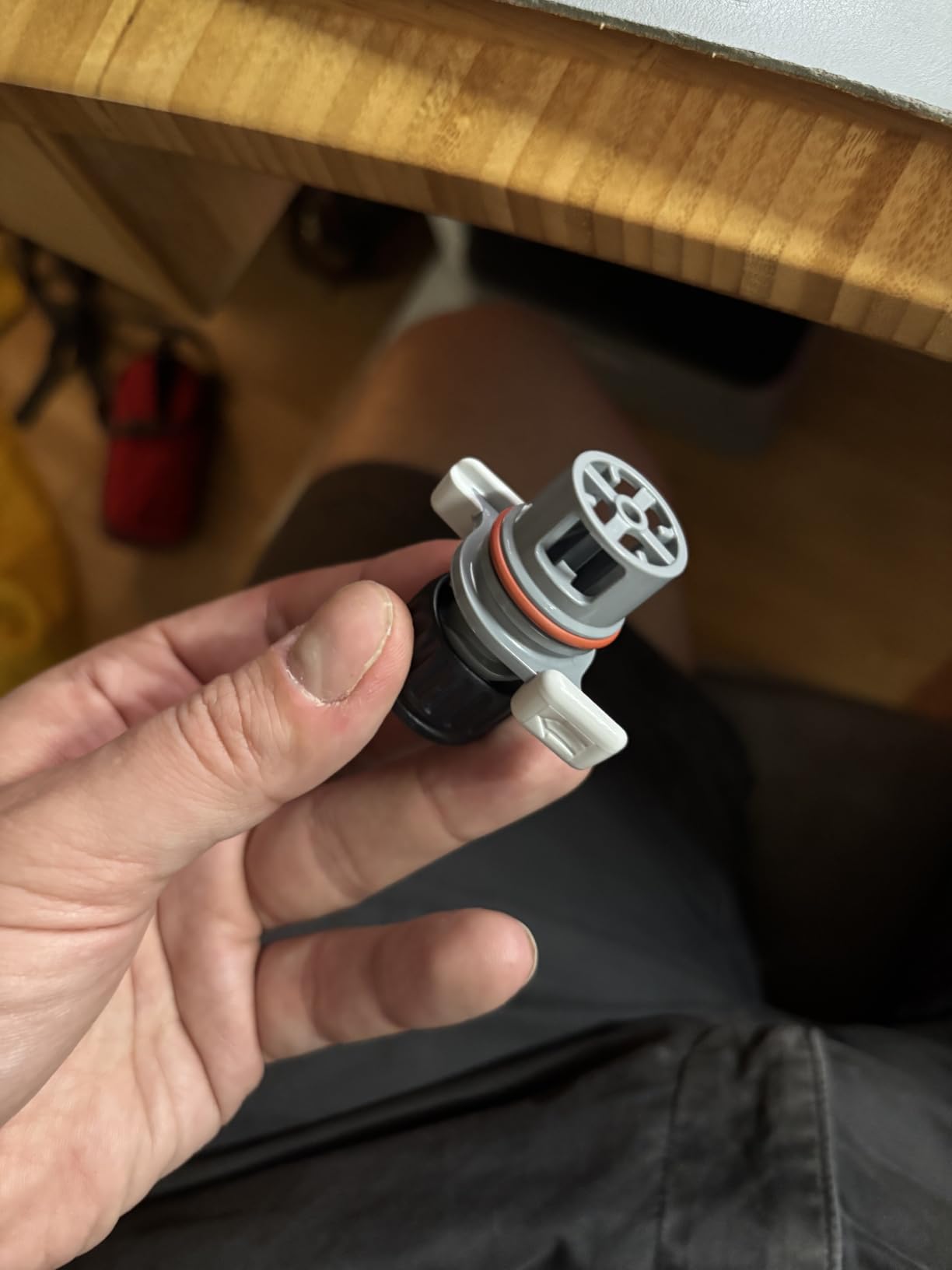
Despite its minimalist weight, the XLite NXT doesn’t sacrifice warmth. The R-value of 4.5 is impressive for a pad this light, thanks to Therm-a-Rest’s Triangular Core Matrix construction and ThermaCapture reflective technology. These features trap radiant heat and minimize convective heat loss, keeping you warm down to around 20°F with a proper sleeping bag.
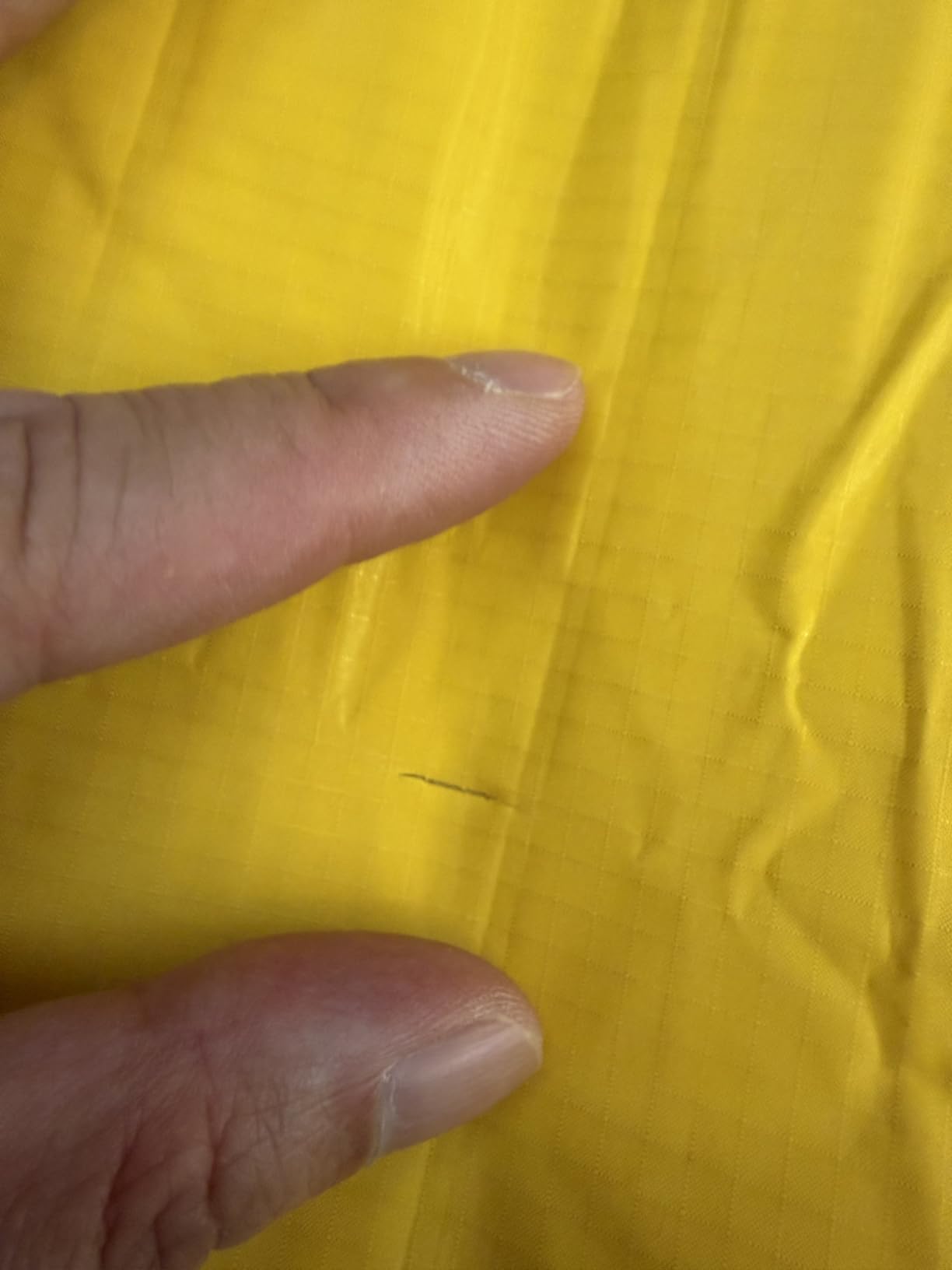
The WingLock valve system is one of my favorite features. Inflation is straightforward using the included pump sack, and deflation is lightning-fast—a couple of seconds and the pad is flat and ready to roll. For ultralight hikers who value efficiency, this valve design is a real advantage when you’re breaking camp in the morning.
Best for ultralight thru-hikers
The XLite NXT is the obvious choice for anyone counting ounces on long-distance trails. If you’re planning a thru-hike or extended backpacking trip where weight is the primary consideration, this pad delivers exceptional performance in an ultralight package. The 4.5 R-value handles three-season conditions with ease.
Consider alternatives for side sleepers
The narrow 20-inch width can be challenging for side sleepers with broad shoulders. I found myself occasionally rolling toward the edge during the night, and at 3 inches thick, the pad can feel thin if you press hard into it with hips or elbows. If comfort is a higher priority than weight, the Big Agnes Rapide SL or Divide offer more width and thickness.
6. Sea to Summit Ether Light XR Insulated Sleeping Pad
Sea to Summit Ether Light XR Insulated Sleeping Pad, Rectangular – Regular
Weight: 1.3 lbs
Thickness: 3.9 inches
R-Value: 4.1
Width: 25 inches
Pros
- Lightweight with small packed size
- Plush 3.9-inch thick cushioned support
- ThermalCore insulation provides reliable warmth
- Air Sprung Cell construction adapts to side back and stomach sleepers
- Quiet during sleep
- Includes Airstream Pumpsack for fast inflation
Cons
- A few users reported air leakage after moderate use
- Pump sack being sewn into the packing bag is awkward for some users
- Some users found inflation difficult
The Sea to Summit Ether Light XR delivers plush, cushioned comfort that rivals much heavier pads. At 3.9 inches thick with a generous 25-inch width, it’s one of the most comfortable sleeping pads I’ve tested for backpacking. I spent a week on the Ether Light XR during a trip through the Cascades, and every night felt like sleeping on a proper mattress.
The Air Sprung Cell construction is the key to this comfort. Instead of a single air chamber, the pad uses interconnected cells that move independently, conforming to your body shape and distributing pressure evenly. This design works particularly well for side sleepers, who often feel pressure points on their hips and shoulders with thinner pads.
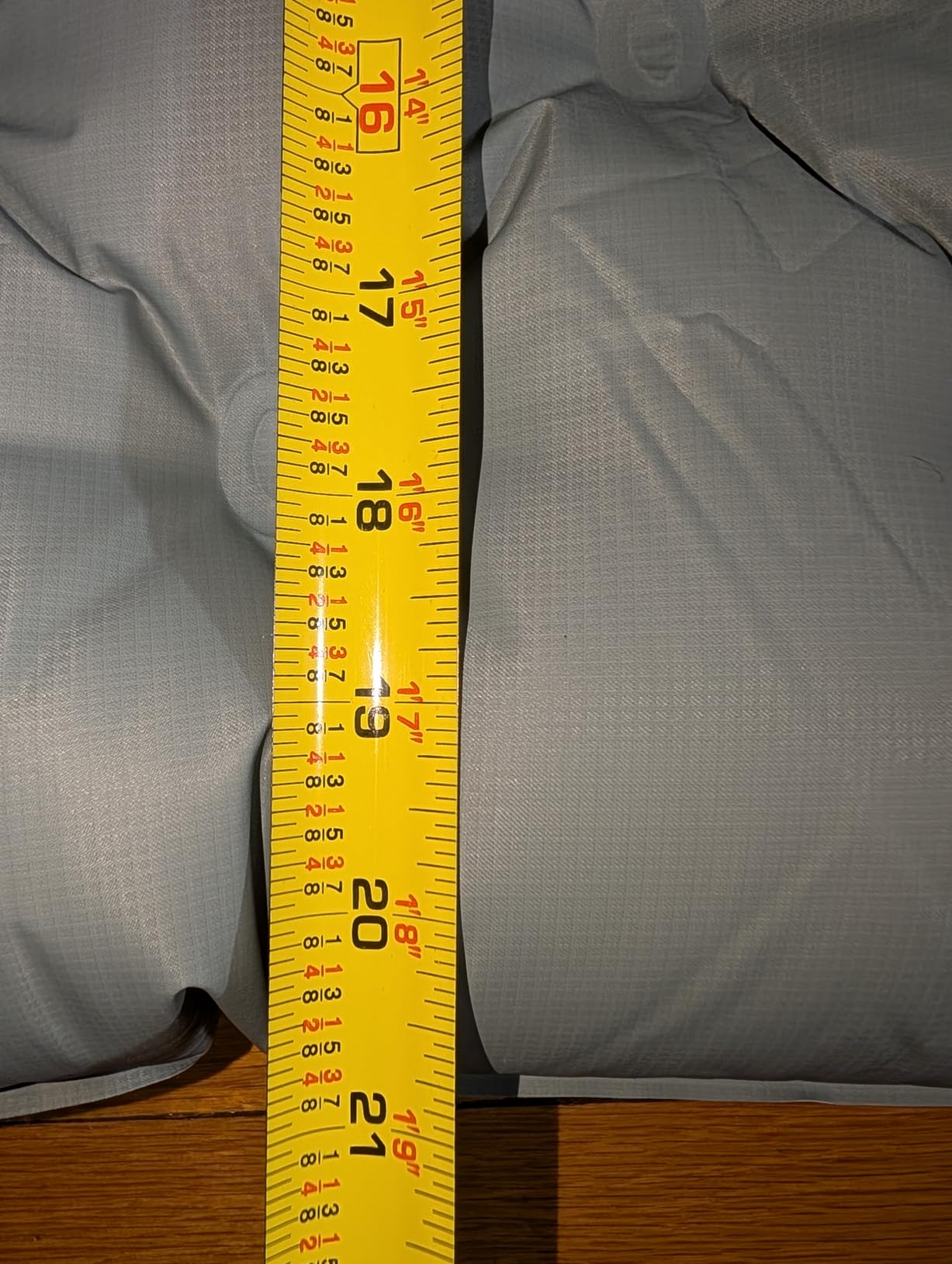
ThermalCore insulation with ASTM-tested R-value of 4.1 provides reliable three-season warmth. I tested the pad down to around 30°F and stayed warm throughout the night. The reflective TRM layers trap infrared heat effectively, and the insulation doesn’t add bulk or noise to the pad. In fact, the Ether Light XR is notably quiet for an air pad.
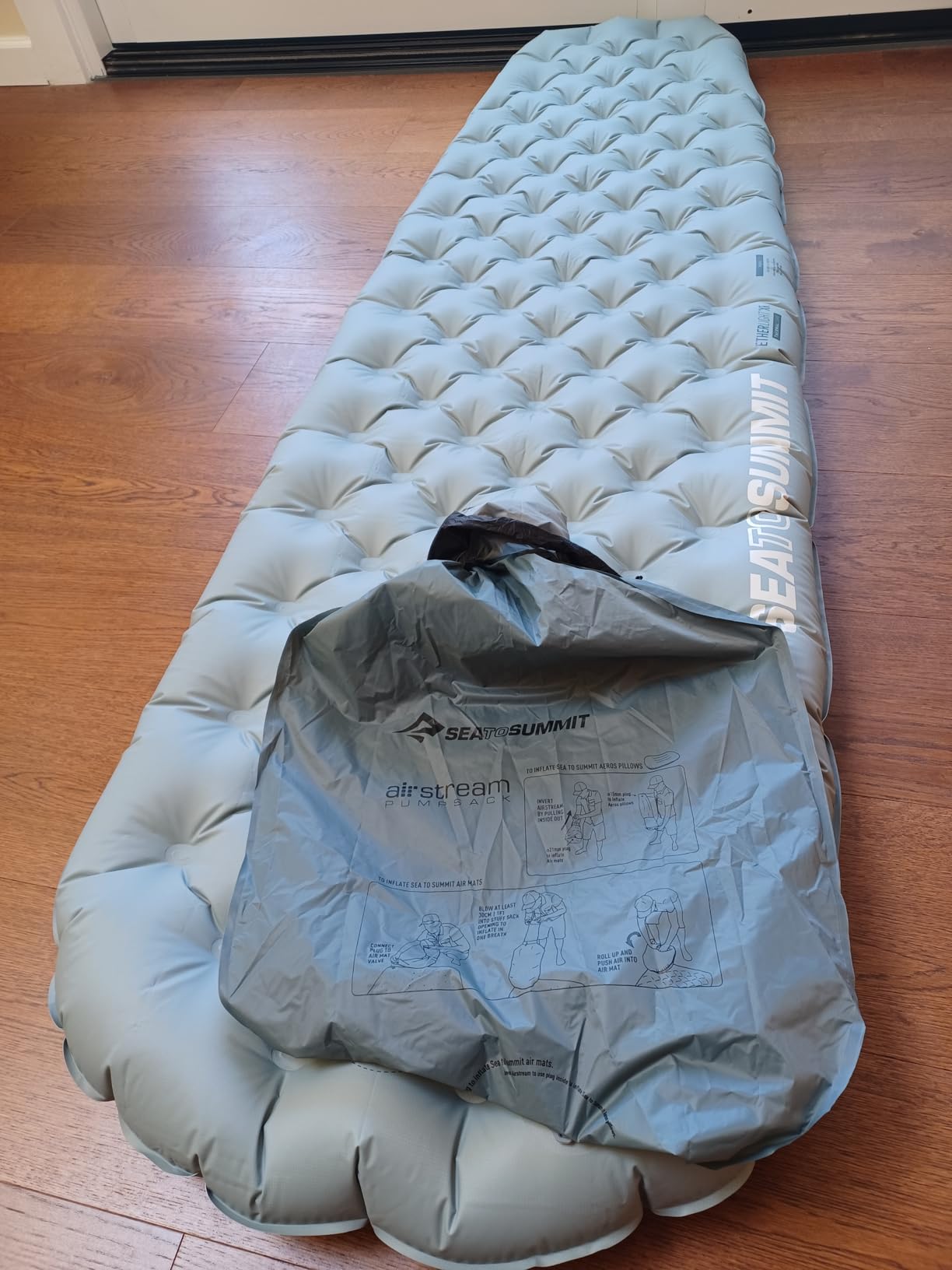
The integrated Airstream Pumpsack is a thoughtful inclusion, allowing you to inflate the pad quickly without using your breath. However, some users find the pump sack sewn into the packing bag awkward to use. I got the hang of it after a few attempts, and once you develop the technique, inflation takes less than a minute.
Best for comfort-focused three-season backpacking
If you prioritize sleep quality and wake up sore on thinner pads, the Ether Light XR is worth the weight penalty. The 3.9-inch thickness and 25-inch width provide the comfort many backpackers need for restorative sleep. For car camping or kayak camping where weight is less critical, this pad is a luxury you’ll appreciate every night.
Consider alternatives for rough use
A few users reported air leaks developing after moderate use. While my test unit performed flawlessly, it’s worth being mindful of campsite selection—avoid placing the pad directly on sharp rocks or thorns. The included repair kit can handle minor punctures, but if durability is a primary concern, consider the Therm-a-Rest XTherm NXT with its tougher 70D ripstop bottom fabric.
7. Big Agnes Boundary Deluxe Insulated Sleeping Pad
Big Agnes Boundary Deluxe – Insulated Sleeping Pad, Regular (20X72)
Weight: 1.6 lbs
Thickness: 3.5 inches
R-Value: 4.3
Width: 20 inches
Pros
- Ultralight for a deluxe pad at 25 oz
- 3.5 inches thick with 4.25-inch outer chambers for cradled comfort
- PrimaLoft Silver insulation plus heat reflective barrier for R-Value 4.3
- Quilted stretch fabric top is quiet and pillowy soft
- Offset I-Beam construction reduces weight while providing stability
- High-volume valves with micro adjustments
Cons
- A few users experienced the air mattress developing small holes quickly
- Some users found the included pump sack awkward to use
- Heavier than minimalist backpacking pads
The Big Agnes Boundary Deluxe combines the comfort of a car camping pad with the packability of a backpacking pad. The quilted stretch-fabric top and 4.25-inch outer chambers create a sleeping surface that’s exceptionally comfortable for side sleepers. I tested this pad on multiple trips and found it to be one of the few backpacking pads where I truly felt like I was sleeping on a bed rather than an air mattress.
The soft-touch, stretchy nylon-spandex fabric on top is a standout feature. Unlike the slick surfaces of many air pads, this quilted material doesn’t make noise when you shift positions and feels soft against the skin. The 4.25-inch outer chambers cradle your body, preventing that feeling of rolling off the pad that narrower designs can produce.
PrimaLoft Silver insulation combined with a heat-reflective barrier gives the Boundary Deluxe an R-value of 4.3. I found it adequate for temperatures down to around 25°F, which covers most three-season backpacking scenarios. The insulation is quiet and effective, adding warmth without the crinkly sound some reflective barriers produce.
At 1.6 pounds, the Boundary Deluxe is heavier than minimalist pads, but the comfort trade-off is worth it for many backpackers. The offset I-beam construction helps keep weight reasonable while maintaining stability. High-volume valves allow fast inflation and deflation, and micro-adjustments let you dial in your preferred firmness.
Best for side sleepers who want mattress-like comfort
Side sleepers often struggle with thin, narrow pads that compress under hips and shoulders. The Boundary Deluxe’s 3.5-inch thickness, 4.25-inch outer chambers, and quilted stretch top work together to cushion pressure points and prevent that bottomed-out feeling. If you’ve ever woken up with sore hips on a backpacking trip, this pad addresses that problem directly.
Consider alternatives for ultralight trips
At 1.6 pounds, the Boundary Deluxe sits in the middle-heavy range for backpacking pads. Ultralight thru-hikers might find it too heavy for long-distance trails where every ounce counts. If weight is your primary concern, the Therm-a-Rest NeoAir XLite NXT at just 13 ounces offers similar warmth in a much lighter package.
8. Therm-a-Rest LuxuryMap Self-Inflating Foam Sleeping Pad
Therm-a-Rest LuxuryMap Self-Inflating Foam Camping Sleeping Pad, Regular – 20 x 72 Inches
Weight: 2.8 lbs
Thickness: 3 inches
R-Value: 6
Width: 20 inches
Pros
- Pressure-mapping technology provides plush comfort in key areas
- TwinLock valve for fast inflation and deflation
- R-Value 6 for year-round insulation
- Whisper-quiet during sleep
- Easy self-inflation plus top-up with breath or pump
- Durable stretch-knit face fabric with 75D polyester
Cons
- Regular size feels narrow for some sleepers
- Heavier than pure air pads at 2.8 lbs
- Side skirts only reach full width when body weight displaces enough air
The Therm-a-Rest LuxuryMap represents the best of self-inflating pad technology. Unlike pure air pads that require full manual inflation, the LuxuryMap’s internal foam core does most of the work for you—just open the valve and the pad begins expanding on its own. I’ve used this pad for car camping and kayak trips where weight is less critical, and the convenience factor is genuinely nice.
The pressure-mapping technology is more than marketing. Therm-a-Rest varies the foam density across the pad, making it plusher in areas where you need cushioning and more supportive where you need stability. The result is a sleeping surface that feels more like a home mattress than a camping pad, with no air chambers to shift or bottom out.
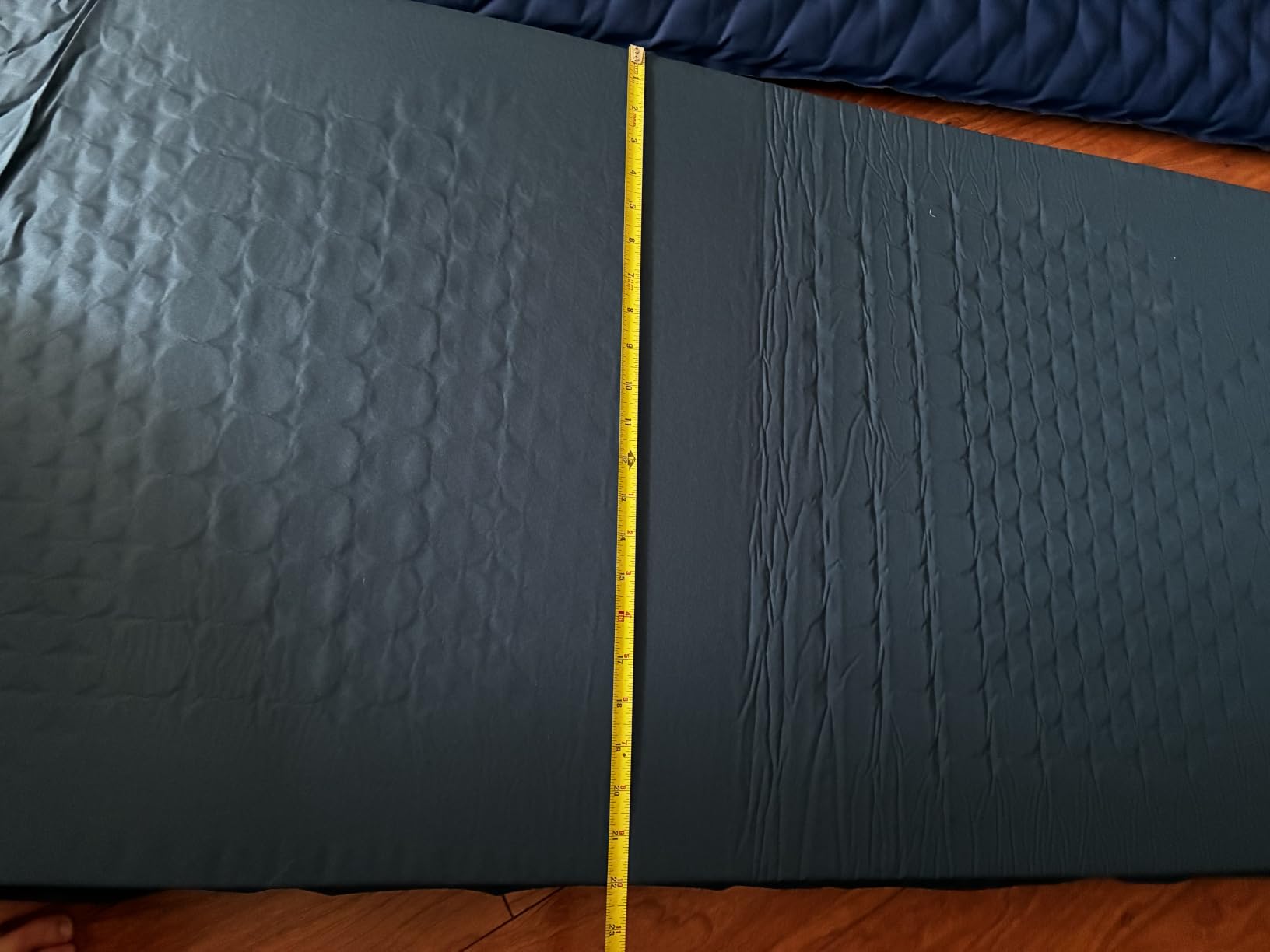
One of the biggest advantages of a self-inflating pad is silence. The foam core eliminates the crinkly sounds that some air pads produce, making the LuxuryMap whisper-quiet during sleep. For light sleepers or those who share a tent, this quietness can make a real difference in sleep quality.
With an R-value of 6, the LuxuryMap provides year-round insulation. The foam core provides consistent warmth regardless of inflation level, and the 3-inch thickness is sufficient for comfortable sleeping. The TwinLock valve system makes top-off inflation and deflation quick and easy, and the stretch-knit face fabric adds durability and a soft feel.
Best for convenience and quiet operation
Self-inflating pads like the LuxuryMap are ideal for campers who value convenience. You don’t need a pump sack or many breaths to inflate—just open the valve and let the foam expand. The quiet operation is another significant advantage for light sleepers who are disturbed by the rustling sounds of some air pads.
Consider alternatives for backpacking
At 2.8 pounds, the LuxuryMap is significantly heavier than most air pads in this guide. The foam core and durable 75D polyester construction add weight that’s acceptable for car camping or kayak trips but becomes a burden on long backpacking routes. If you’re looking for a pad to carry on multi-day hikes, an air pad like the Big Agnes Divide or Sea to Summit Ether Light XR is a better choice.
9. NEMO Tensor All-Season Sleeping Pad
NEMO Equipment Tensor All-Season Sleeping Pad – Blade-Spicy Orange – Reg W
Weight: 590 g
Thickness: 3.5 inches
R-Value: 4.2
Width: 25 inches
Pros
- Excellent warmth-to-weight ratio with Thermal Mirror insulation
- Quiet sleeping surface thanks to metallized film
- Spaceframe baffles provide stability without springiness
- 3.5 inches of stable cushioned loft
- bluesign approved premium nylon for puncture and tear resistance
- Lightweight and packable
Cons
- Some users report slow leaks developing over time
- Inflation bag can be tiring without a separate pump
- Box arrived opened for some users with missing repair patches
The NEMO Tensor All-Season is a favorite among thru-hikers for its balance of warmth, comfort, and durability. At 590 grams for the Regular Wide size, it’s light enough for long-distance trails while offering a comfortable 3.5-inch thickness and generous 25-inch width. I tested this pad on a 200-mile section of the Pacific Crest Trail and found it to be a reliable companion night after night.
Two layers of floating Thermal Mirror metallized film provide an R-value of 4.2, sufficient for most three-season conditions. The film reflects body heat back toward you, and unlike some reflective materials, it remains impressively quiet. I could shift positions without waking myself or my tent-mate with rustling sounds—a significant advantage on the trail.
Spaceframe baffles with die-cut trusses create a stable sleeping surface that doesn’t bounce when you move. This low-stretch design means the pad maintains its shape throughout the night, avoiding that springy feeling that some air pads have. The 3.5-inch thickness provides cushioned loft that doesn’t bottom out even when I was lying on my side.
bluesign-approved premium nylon fabrics resist punctures and tears, and NEMO includes a Vortex Pump Sack for inflation, a repair kit, stuff sack, and velcro strap. The lifetime warranty against defects provides peace of mind for long-term ownership. After weeks of use, the pad showed no signs of wear or degradation.
Best for long-distance backpacking and thru-hiking
The Tensor All-Season hits the sweet spot for thru-hikers who want a comfortable pad without excessive weight. The 25-inch width and 3.5-inch thickness provide real comfort for side sleepers, while the 590-gram weight is manageable over thousands of miles. The quiet operation and durability make it well-suited for extended trail life.
Consider alternatives if durability is a primary concern
While most users report excellent durability, a few have experienced slow leaks developing over time. This appears to be a quality control issue rather than a design flaw, but it’s worth noting. If you’re heading out on a months-long expedition where pad failure would be catastrophic, consider carrying a backup closed-cell foam pad for insurance.
10. Therm-a-Rest NeoAir XTherm NXT Ultralight Sleeping Pad
Therm-a-Rest NeoAir XTherm NXT Ultralight Camping and Backpacking Sleeping Pad, Neptune, Regular
Weight: 15.52 oz
Thickness: 3 inches
R-Value: 7.3
Width: 20 inches
Pros
- Exceptional warmth with R-Value 7.3 for cold and extreme conditions
- Lightweight at 15.5 oz for its warmth class
- 70D ripstop nylon bottom is highly durable and puncture resistant
- Compact pack size comparable to a 1-liter bottle
- WingLock valve works well in freezing conditions
- Ideal for alpinists and mountaineers
Cons
- Some users report noise and crinkle when moving
- Narrow profile causes rolling off for some users
- A few users experienced early defects or damage
The Therm-a-Rest NeoAir XTherm NXT is the winter specialist in Therm-a-Rest’s lineup, delivering an R-value of 7.3 in a package that weighs just 15.5 ounces. This is the pad I reach for when temperatures are expected to drop well below freezing. I tested the XTherm NXT on a February snow camping trip in the Sierra foothills, and it kept me warm throughout a 15°F night.
The secret to the XTherm’s warmth is Therm-a-Rest’s ThermaCapture reflective technology combined with Triangular Core Matrix construction. These features trap radiant heat and minimize convective heat loss, creating a thermal barrier that rivals much heavier pads. The R-value of 7.3 is sufficient for temperatures well below zero when paired with an appropriate sleeping bag.
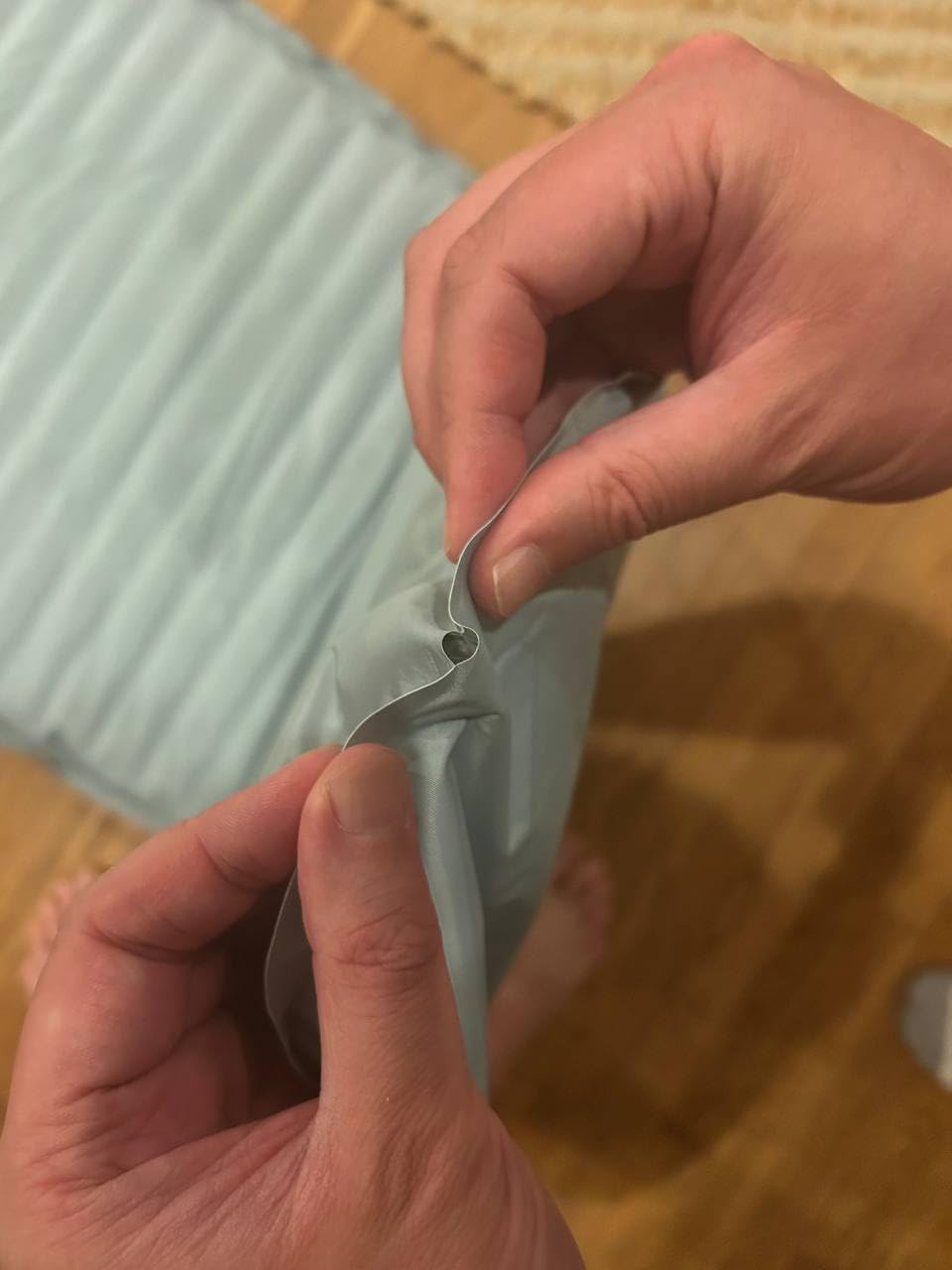
Durability is another strong point. The 70D ripstop nylon bottom fabric is significantly tougher than the 20D or 30D fabrics found on ultralight pads. This makes the XTherm NXT suitable for expedition use where sharp rocks, ice, and rough ground are common. I felt confident placing the pad directly on snow and frozen ground without worrying about punctures.
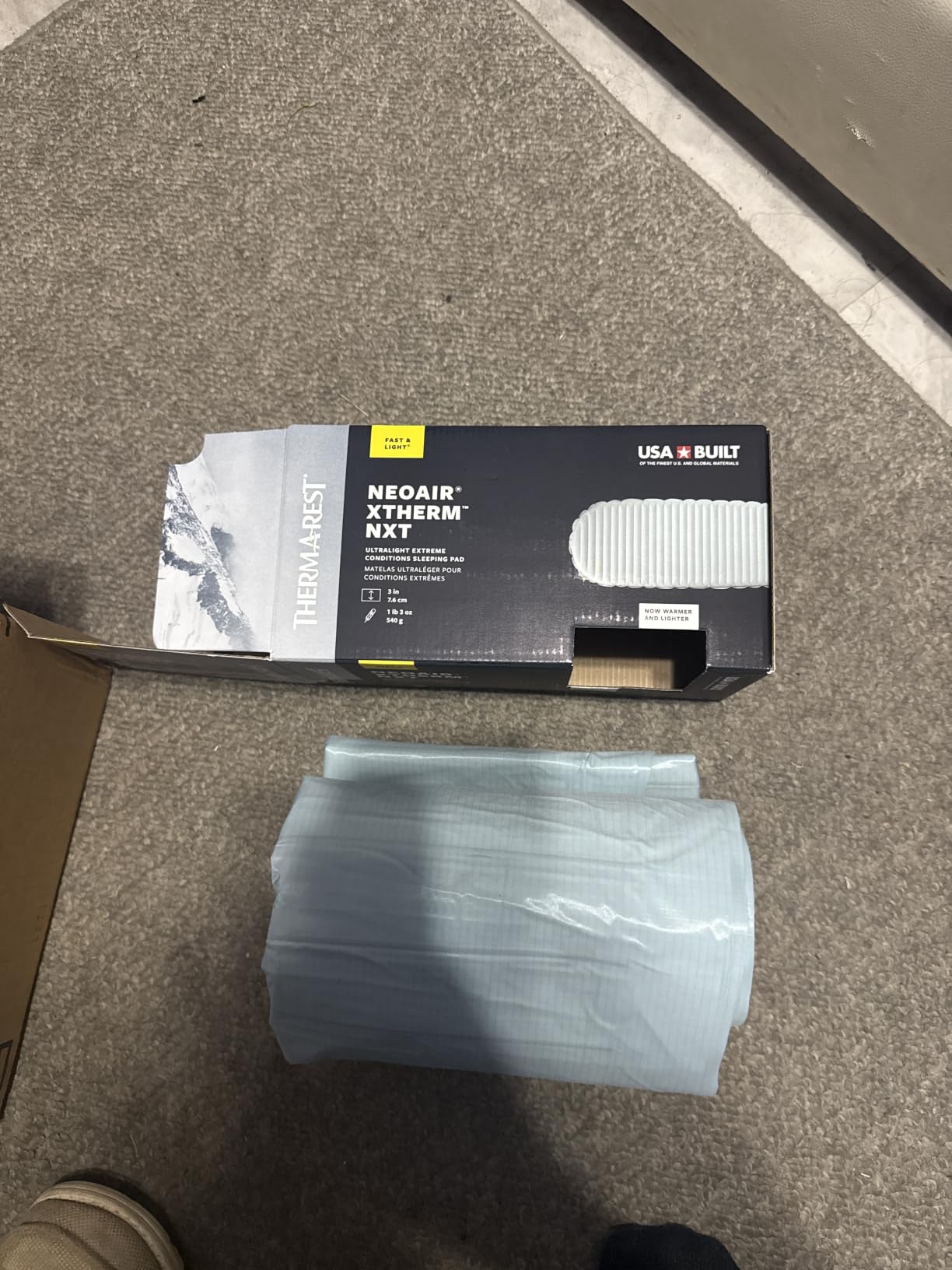
The WingLock valve works reliably in freezing conditions, where some valves can become stiff or difficult to operate. Inflation with the included pump sack is straightforward, and deflation is quick when it’s time to pack up. The pad compresses to the size of a 1-liter bottle, making it easy to fit in any backpack.
Best for winter backpacking and mountaineering
The XTherm NXT is purpose-built for cold conditions. If you’re planning winter camping trips, mountaineering expeditions, or ski touring adventures where temperatures will drop below freezing, this pad provides the insulation you need. The combination of high R-value, reasonable weight, and durable construction makes it a top choice for serious winter use.
Consider alternatives for three-season trips
The XTherm’s extreme warmth is overkill for three-season backpacking. If you’re only camping in temperatures above freezing, you’re paying for insulation you don’t need and carrying more weight than necessary. For most backpackers, the Therm-a-Rest NeoAir XLite NXT with an R-value of 4.5 is sufficient and weighs 3 ounces less.
11. Klymit Insulated Static V Luxe Inflatable Sleeping Pad
Klymit Insulated Static V Luxe Inflatable Sleeping Pad | Comfortable, Lightweight, Easy to Inflate Portable Air Bed Mattress for Camping, Backpacking and Hiking — Red
Weight: 16 oz
Thickness: 3 inches
R-Value: 5
Width: 30 inches
Pros
- Lightweight and packable design
- V-Chamber design provides excellent body support and limits air movement
- Comfortable for side back and stomach sleepers
- Body-mapping chambers improve comfort
- Synthetic insulation provides 4-season warmth with R-Value 5
- Excellent customer service and warranty support
Cons
- Manual inflation by mouth requires many breaths and is exhausting
- Valve design requires correct understanding
- Some users reported air leakage after limited use
The Klymit Insulated Static V Luxe offers impressive value with a generous 30-inch width and R-value of 5 for four-season warmth. At its price point, you get a pad that competes with models costing significantly more. I tested the Static V Luxe on several weekend trips and found it to be a capable performer that punches above its weight class.
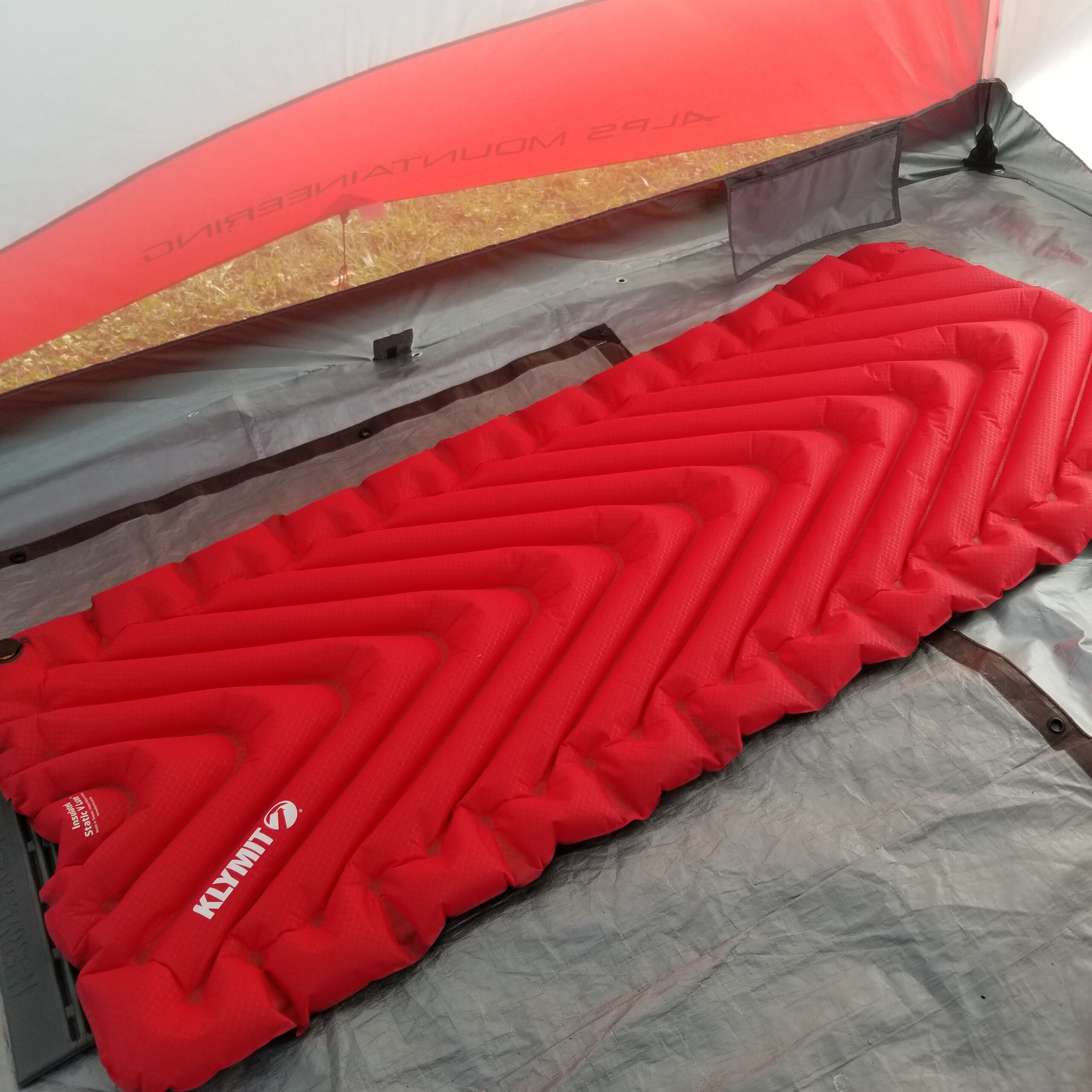
The V-Chamber design is Klymit’s signature feature. Instead of horizontal or vertical baffles, the pad uses body-mapping V-shaped chambers that conform to your body shape and limit air movement. This design provides good support for side, back, and stomach sleepers while keeping the pad’s weight and packed size reasonable.
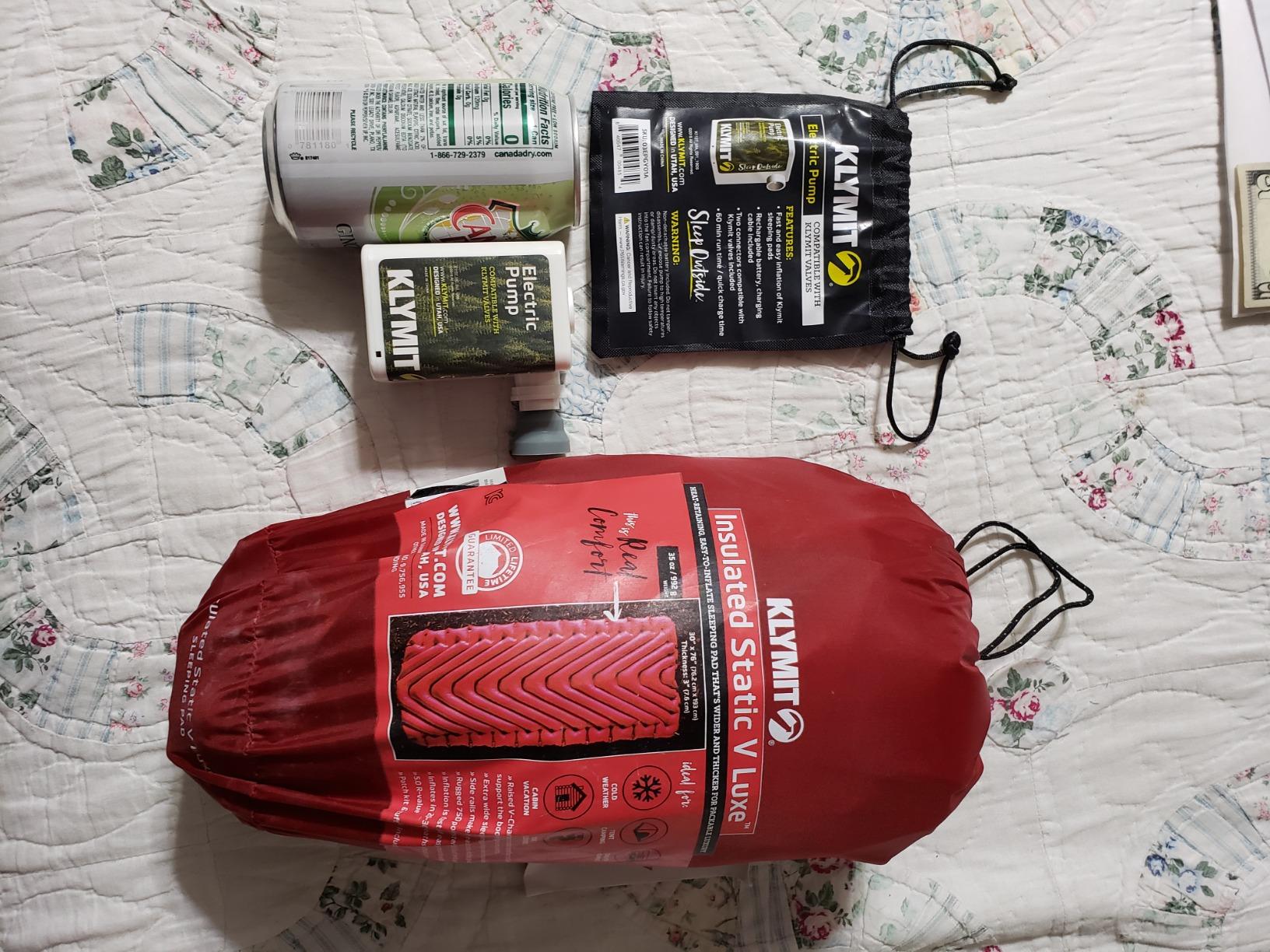
The 30-inch width is one of the widest in this guide, making the Static V Luxe a great option for larger backpackers or those who simply want more room to spread out. The synthetic insulation provides an R-value of 5, which I found adequate for temperatures down to about 20°F. For most three-season trips and shoulder-season adventures, this warmth level is sufficient.
My main gripe with the Static V Luxe is inflation. Klymit recommends 20-30 breaths to inflate the pad, and it’s genuinely tiring without a pump. The valve design also requires proper understanding—if you don’t snap the closure correctly, the pad can lose air. Once you master the technique, it works fine, but the learning curve is steeper than most competitors.
Best for budget-conscious backpackers
The Static V Luxe delivers solid performance at a competitive price point. You get a 30-inch width, R-value of 5, and 16-ounce weight for less than many premium pads. For backpackers building a kit on a budget or those who want a spare pad for friends, this is an excellent value that doesn’t sacrifice essential features.
Consider alternatives for easier inflation
If you dislike manual inflation or find 20-30 breaths exhausting, consider a pad with an included pump sack. The Big Agnes Divide and Rapide SL both include pump sacks that make inflation much easier. Alternatively, you can purchase a separate pump sack to use with the Static V Luxe, which is what many long-term owners do.
12. Naturehike Ultralight Sleeping Pad
Naturehike Ultralight Sleeping Pad with Sidewalls, PFAS-Free Insulated Inflatable Sleeping Pad 6.5R, Lightweight Sleeping Mat for Camping, Hiking, Backpacking, 10cm Thickened (Silver-Large)
Weight: 665 g
Thickness: 3.94 inches
R-Value: 6.5
Width: 25 inches
Pros
- Lightweight and compact pack size
- Strong warmth-to-weight ratio with R-Value 6.5
- Sidewalls help reduce rolling off
- Durable 20D nylon plus TPU material
- Inflatable bag included for backup inflation
- Good comfort for side sleepers
Cons
- Some users report the pad is thinner than advertised
- A few users found it noisy and crinkly
- Some users felt unstable when lying down with body sinking
The Naturehike Ultralight Sleeping Pad offers an intriguing combination of high R-value, reasonable weight, and innovative features at an accessible price point. With an R-value of 6.5 and nearly 4-inch thickness, it’s designed for backpackers who want serious warmth without a premium price. I tested this pad on a late-fall trip when temperatures dropped into the 20s, and it kept me warm throughout the night.
The standout feature is the sidewall construction, which creates a lip around the edge of the pad. This design helps prevent you from rolling off during the night, addressing one of the common complaints about narrower pads. The NKTR AIR heat-reflective system with an eight-layer aluminum-molded 3D insulation structure provides impressive warmth for the weight.
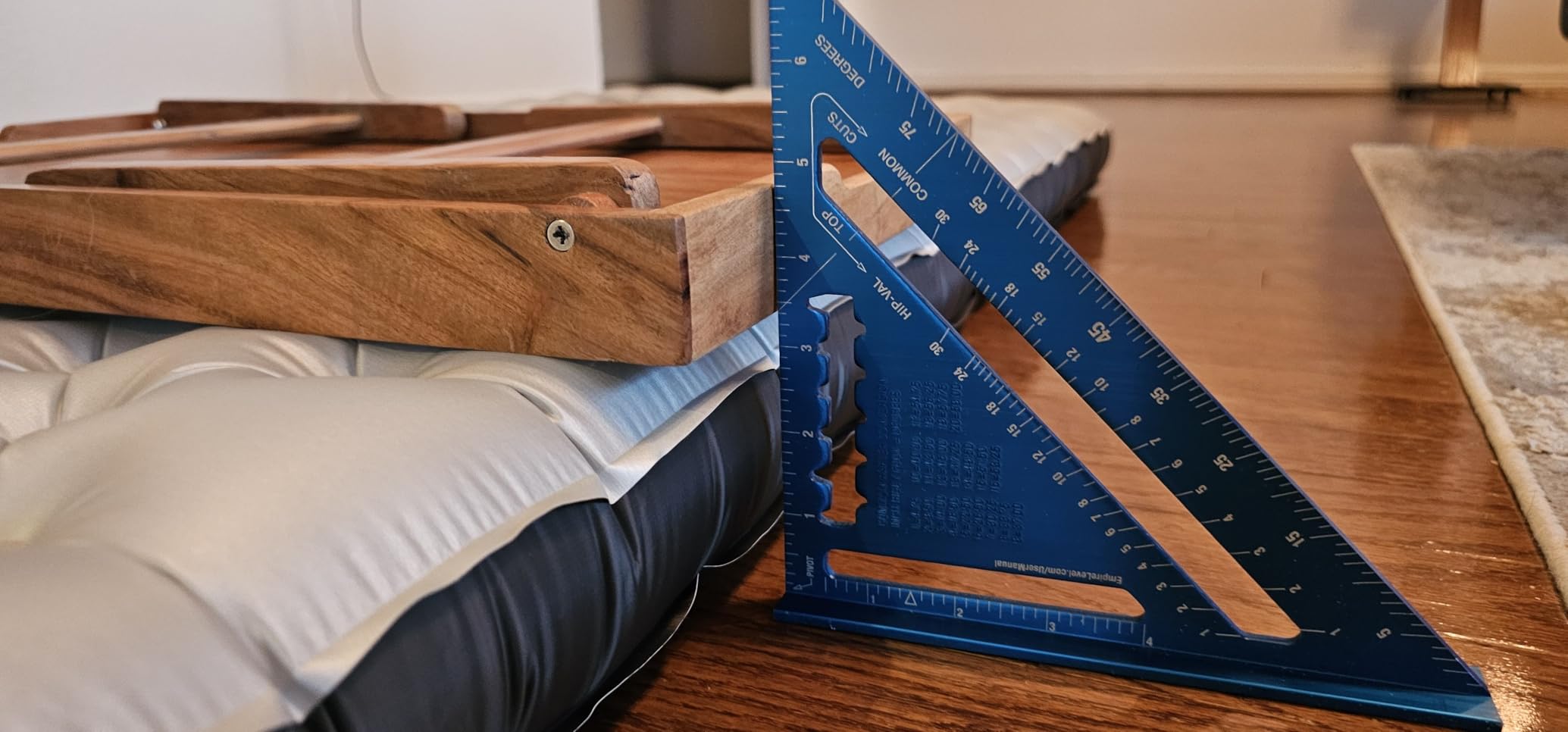
At 665 grams including the storage bag and strap, the Naturehike is reasonably light for its warmth level. The 20D nylon plus TPU construction feels durable enough for normal backpacking use. An inflatable bag is included for easier inflation, which is a nice touch that many premium pads include as standard.
However, there are some compromises to hit this price point. Some users report the pad feels thinner than the advertised 3.94 inches, and a few found the surface noisy or crinkly when moving. The stability can also feel different than traditional baffle designs—some users describe a sinking sensation when lying down that takes getting used to.
Best for beginners and casual backpackers
The Naturehike Ultralight is a solid entry point for backpackers who want four-season capability without investing in a premium pad. The included inflation bag, sidewall design, and high R-value make it a good choice for those new to backpacking who want to experiment with different conditions before committing to a more expensive pad.
Consider alternatives for demanding use
If you’re planning extended trips, thru-hikes, or expeditions where reliability is critical, the mixed reviews on thickness accuracy and surface noise suggest this pad may not match the consistency of premium brands. For serious backcountry use, established brands like Therm-a-Rest, NEMO, and Sea to Summit offer more predictable performance and better warranty support.
How to Choose the Best Backpacking Sleeping Pad
Choosing the right sleeping pad involves balancing several factors that affect warmth, comfort, weight, and durability. After testing these 12 pads extensively, I’ve identified the key considerations that should guide your decision.
Understanding R-Value and Temperature Ratings
R-value measures a sleeping pad’s ability to resist heat flow—essentially, how well it insulates you from the cold ground. Higher R-values mean better insulation. The ground conducts heat away from your body about 25 times faster than air, so a sleeping pad’s insulation is critical even when your sleeping bag is rated for the temperature.
For three-season backpacking where temperatures stay above freezing, an R-value of 3-4 is generally sufficient. If you camp in temperatures below 30°F, look for an R-value of 4-5 or higher. Winter camping and mountaineering demand R-values of 6 or more. The NEMO Tensor Extreme (R-value 8.5) and Sea to Summit Ether Light XR Pro (R-value 7.4) represent the high end of warmth in this guide.
Weight vs. Warmth Trade-offs
There’s an inherent tension between weight and warmth in sleeping pad design. Ultralight pads like the Therm-a-Rest NeoAir XLite NXT (13 oz) sacrifice some thickness and width to achieve minimal weight. Warmer, thicker pads like the NEMO Tensor Extreme weigh more but provide better insulation and comfort. Consider your priorities: if you’re counting ounces for a thru-hike, prioritize weight; if comfort matters more, accept the extra ounces.
Thickness and Comfort Considerations
Pad thickness directly affects comfort, especially for side sleepers. Thinner pads (2-3 inches) can bottom out under hips and shoulders, causing pressure points. Thicker pads (3.5-4 inches) like the Sea to Summit Ether Light XR (3.9 inches) and Big Agnes Rapide SL (4.25-inch outer chambers) provide cushioned support that prevents bottoming out. If you wake up sore on thin pads, prioritize thickness.
Inflation Methods
Modern sleeping pads offer various inflation methods. Self-inflating pads like the Therm-a-Rest LuxuryMap require minimal effort—the foam core does the work. Air pads typically include pump sacks (Big Agnes models) or integrated pumps (Sea to Summit’s Airstream Pumpsack) that make inflation easier than mouth inflation. Some budget pads require 20+ breaths to inflate, which can be tiring at altitude.
Durability and Repair
Premium pads use higher denier fabrics and better construction for durability. The Therm-a-Rest XTherm NXT’s 70D ripstop bottom is significantly tougher than the 20D fabrics on ultralight pads. Most pads include repair kits for field repairs. Consider where you’ll be camping—if you frequently camp on rocky or rough ground, prioritize durability over weight savings. For more information on winter camping gear, check our guide to the best down winter sleeping bags for backpacking.
Frequently Asked Questions
What is the best reasonably priced sleeping pad for backpacking?
The Big Agnes Divide Insulated offers excellent value with a 4.6-star rating, R-value of 4.0, and included pump sack. The Klymit Insulated Static V Luxe is another strong budget option with a 30-inch width and R-value of 5 for four-season use.
What is the most durable backpacking sleeping pad?
The Therm-a-Rest NeoAir XTherm NXT features a 70D ripstop nylon bottom that resists punctures better than lighter fabrics. NEMO’s bluesign-approved 20D nylon on the Tensor series also offers excellent durability with lifetime warranty support.
What is the most comfortable sleeping mat for backpacking?
The Sea to Summit Ether Light XR and Big Agnes Rapide SL rank among the most comfortable pads thanks to their 3.9-4.25-inch thickness, Air Sprung Cell construction, and quilted top surfaces that provide mattress-like cushioning for side sleepers.
What does R-value mean for sleeping pads?
R-value measures thermal resistance—a higher R-value means better insulation from cold ground. R-values of 3-4 suit three-season use, 4-5 for shoulder seasons and light winter, and 6+ for serious winter camping. The ground conducts heat 25x faster than air, making pad insulation critical.
After testing 12 premium sleeping pads across multiple seasons and conditions, the Big Agnes Rapide SL stands out as our Editor’s Choice for its exceptional comfort, warmth, and versatility. The Big Agnes Divide Insulated offers the same 4.6-star rating at a lower price for budget-conscious backpackers, while the NEMO Tensor Extreme provides unmatched warmth for winter expeditions. Whether you’re a thru-hiker counting ounces or a comfort-focused camper prioritizing sleep quality, the best backpacking sleeping pads over $100 in this guide will transform your backcountry rest. Choose the pad that matches your conditions and priorities, and you’ll wake up refreshed and ready for the trail ahead.