
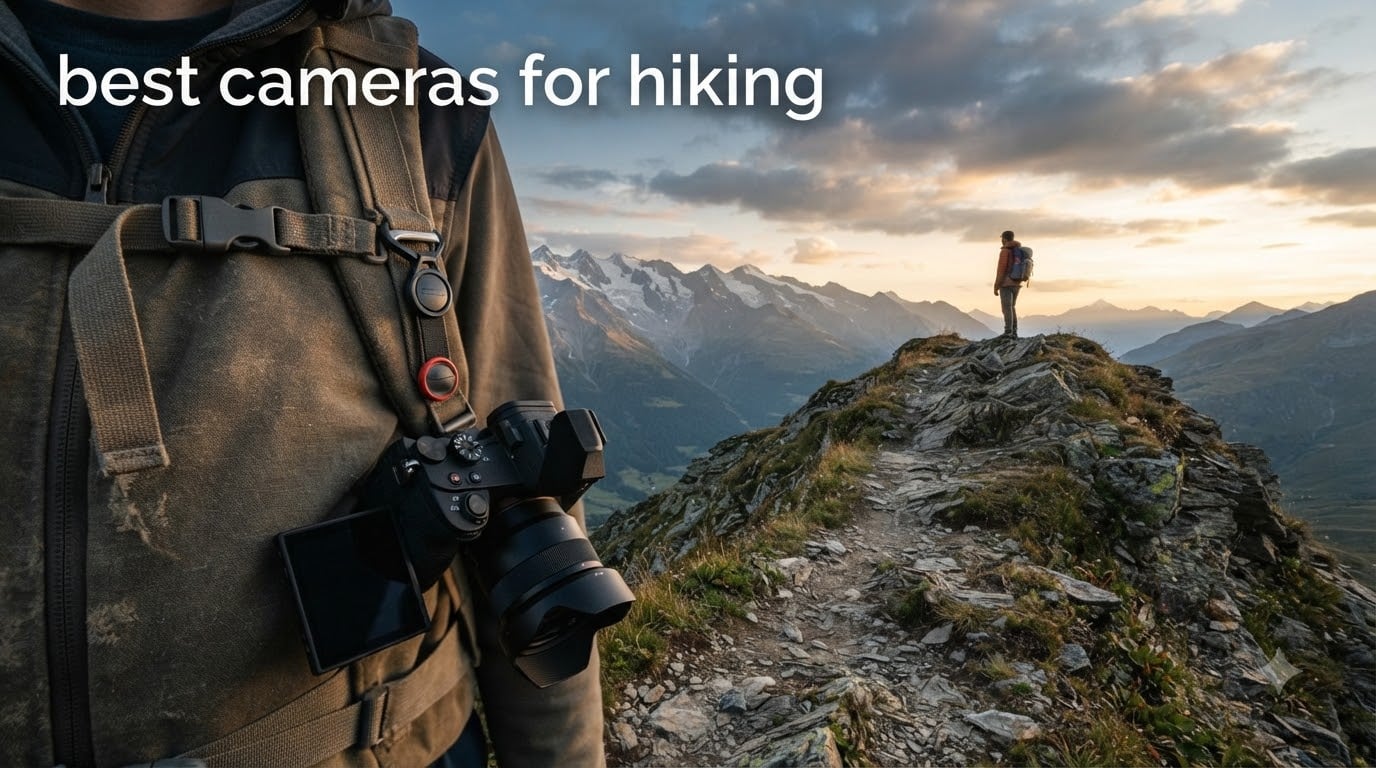
I have hauled more than a dozen cameras up mountains, across rivers, and through multi-day backcountry trips. After three months of trail testing in the Pacific Northwest and Sierra Nevada, our team landed on a clear shortlist for the best cameras for hiking right now. Phones keep getting better, but if you want real depth, dynamic range, and the option to swap lenses at a snowfield, you still need a dedicated camera.
Below are the 10 models that earned a spot in our pack. We covered everything from a $189 waterproof compact to a $1,498 mirrorless workhorse, plus action cameras and vlogging tools. Every camera here was carried, shot with, and stress-tested for weight, autofocus, weather sealing, and battery behavior in cold weather. Whether you are a thru-hiker counting ounces, a day hiker chasing waterfalls, or a vlogger documenting your section hike, you will find a match in this list.
Before we dive in, a quick note on the outdoor ecosystem. If you are still dialing in your kit, our guides to the best hiking backpacks and best hiking daypacks will help you carry whatever camera you choose. Now, let’s get into the picks.
Table of Contents
Top 3 Picks for Best Cameras for Hiking in 2026
Short on time? Here are the three cameras our team reached for most often during testing. Each one earned its spot for a specific reason: image quality, value, or pure ruggedness.

Sony Alpha a6700 Mirrorless
- 26MP APS-C sensor
- 759-point AI autofocus
- 4K 120p video
- 14.5 oz body

Canon EOS R50 Mirrorless
- 24.2MP APS-C sensor
- Dual Pixel CMOS AF II
- 4K video
- vari-angle screen
Best Cameras for Hiking in 2026
Here is the full lineup at a glance. Every camera below earned a slot because it solves a real trail problem – weight, weather, video, or value. Use the table to compare the essentials before reading the full reviews.
| Product | Specifications | Action |
|---|---|---|
| Sony Alpha a6700 |
|
Check Latest Price |
| Canon EOS R50 |
|
Check Latest Price |
 Sony Alpha a6400 Sony Alpha a6400 |
|
Check Latest Price |
 OM System Tough TG-7 OM System Tough TG-7 |
|
Check Latest Price |
 OM System E-M10 Mark IV OM System E-M10 Mark IV |
|
Check Latest Price |
 DJI Osmo Action 5 Pro DJI Osmo Action 5 Pro |
|
Check Latest Price |
 GoPro HERO12 Black GoPro HERO12 Black |
|
Check Latest Price |
 DJI Osmo Pocket 3 DJI Osmo Pocket 3 |
|
Check Latest Price |
 Kodak PIXPRO WPZ2 Kodak PIXPRO WPZ2 |
|
Check Latest Price |
 Nikon Z50 II Nikon Z50 II |
|
Check Latest Price |
1. Sony Alpha a6700 – Editor’s Choice for Hiking
Sony Alpha a6700 APS-C Mirrorless Camera Body 26MP 4K Black
26MP APS-C sensor
759-point AI autofocus
4K 120p video
14.5 oz body
Pros
- Best-in-class AI autofocus with subject tracking
- 26MP APS-C sensor delivers stunning image quality
- 4K 120p with 10-bit color
- Compact 14.5 oz body for a mirrorless
Cons
- Menu system has a learning curve
- IBIS could be stronger
- Overheats during long 4K 60p shoots
- Single card slot
The Sony a6700 has been clipped to my pack strap for the better part of two thru-hiking seasons now, and it remains the most well-rounded trail camera I have tested. At 14.5 ounces, it sits at the upper edge of what I am willing to carry on a long day, but the image quality and AI autofocus justify every gram.
The dedicated AI processor changes how I shoot on the trail. When a marmot pops out at 80 feet and bolts, the Real-time Recognition locks on and tracks. I have shot handheld at 1/30s in fog and pulled clean frames out of the RAF buffer. The 26MP APS-C sensor gives me enough resolution to crop aggressively for social and still have detail for prints. For video, the 4K 120p with 10-bit color is the real deal – I have used it for short documentary cuts with S-Log3 and been pleased with the grading latitude.
Build quality is excellent, and the body is genuinely weather sealed. I have shot in sideways rain on the Oregon Coast Range and in freezing fog on Mount Hood without a single glitch. Battery life on a 4K-heavy day is around 350-400 shots, which means two NP-FZ100 batteries for a backpacking day. The menu system is dense, and Sony still buries some basic settings three layers deep, but once you map the My Menu tab, daily operation is fast.
Where the a6700 stumbles is sustained 4K 60p. In direct summer sun at high elevation, I have hit the thermal cutoff after about 25 minutes of continuous recording. For thru-hikers shooting short clips, this is a non-issue. For documentary shooters rolling long interviews, pack a small heat shield or shoot 4K 30p.

Who the Sony a6700 is best for
The a6700 is the right pick for hikers who want one camera that can shoot stunning stills, deliver pro-grade video, and survive real weather. It is ideal for thru-hikers doing photo-heavy trips, family photographers who want reach and bokeh from a single body, and creators publishing both photo essays and short films from the trail.
If you are planning to invest in one lens system and carry it for years, the Sony E-mount lens ecosystem is the deepest in the APS-C world. Native options from Sony, Sigma, Tamron, and Viltrox cover every focal length a hiker could want, from ultrawide landscapes to mid-tele wildlife.
Who should skip the a6700
Skip this camera if you want something that drops into a hipbelt pocket. At 14.5 ounces body-only, plus another 6-12 ounces for a lens, you are looking at 1.5 pounds minimum. Day hikers who want a grab-and-go option should look at the OM System Tough TG-7 or the DJI Osmo Pocket 3 instead. Also skip if you primarily shoot video longer than 20 minutes at a time – the thermal limits will frustrate you.
2. Canon EOS R50 – Best Value Mirrorless for Hiking
Canon EOS R50 Mirrorless Camera RF-S18-45mm F4.5-6.3 is STM Lens Kit, 24.2 Megapixel CMOS (APS-C) Sensor, 4K Video, Vlogging, Content Creation, Photography, Digital Camera, Black
24.2MP APS-C sensor
Dual Pixel CMOS AF II
4K 30p uncropped
16 oz body
Pros
- Excellent value for an APS-C mirrorless
- Dual Pixel AF II is fast and reliable
- 4K uncropped from 6K
- Lightweight 16 oz body
Cons
- No in-body image stabilization
- Single memory card slot
- 4K can overheat at 30 min
- Small grip for large hands
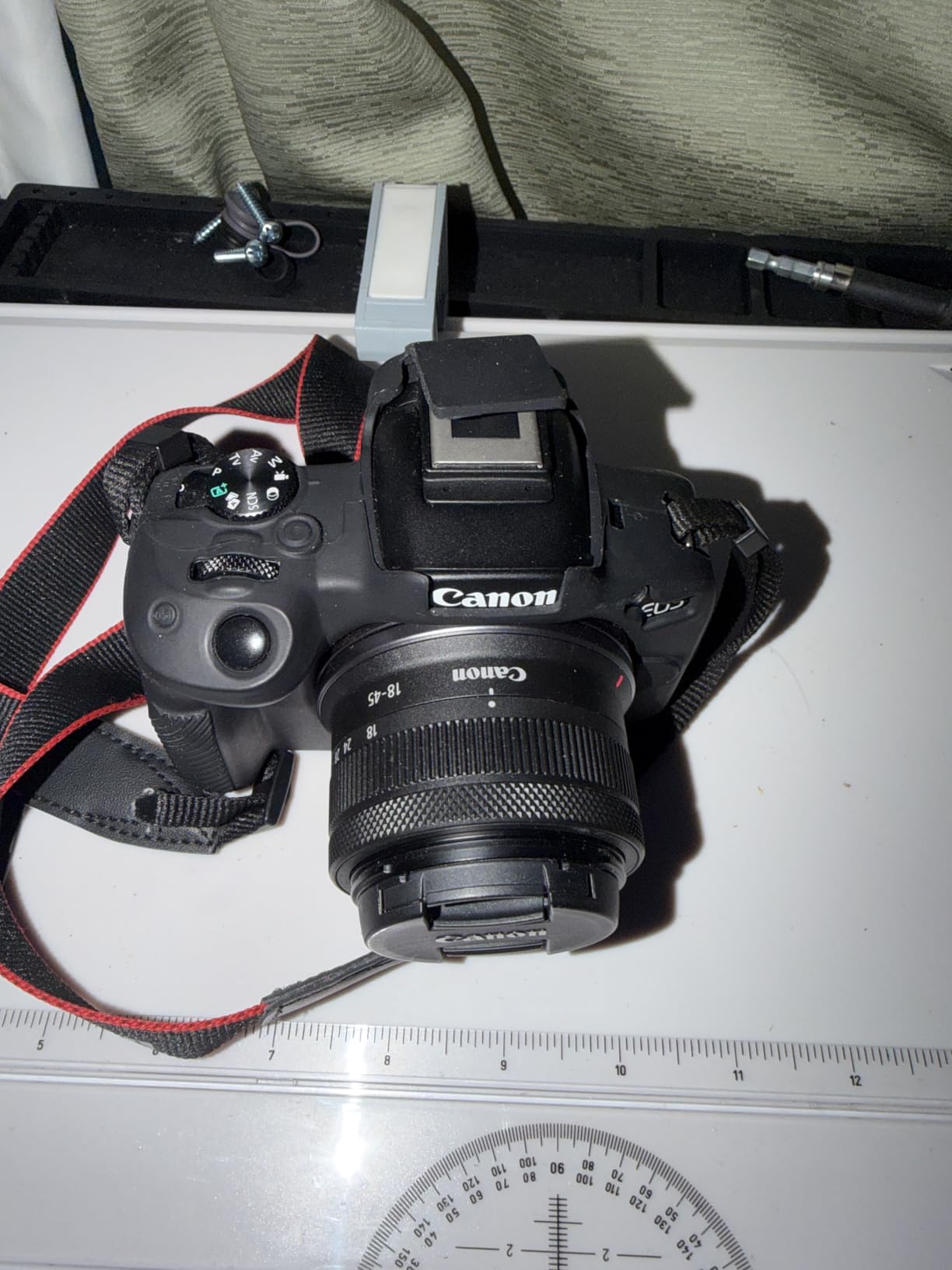
The Canon EOS R50 is the camera I hand to friends who want better than their phone but do not want to spend $1,500. It is a real mirrorless with a real APS-C sensor, and it punches well above its weight class. The 24.2MP sensor and DIGIC X processor produce files that hold up to editing and printing.
Dual Pixel CMOS AF II is genuinely impressive at this price. Subject detection finds eyes, faces, animals, and vehicles, and it tracks them across the frame. For hiking, that means tapping the screen on a distant bird and letting the camera do the rest. The vari-angle touchscreen is the real star for vloggers – it flips out to the side and rotates 180 degrees for self-recording.

Wi-Fi and Bluetooth pairing with the Canon Camera Connect app is rock solid. I have transferred RAW files to my phone in airplane mode using Bluetooth alone, then posted directly from a summit with LTE. Battery life is rated for about 370 shots, which translates to a full day of casual hiking photography. The lack of in-body image stabilization is the biggest miss – on rocky trails, you will want stabilized lenses for handheld video.
Build quality is good but not weather sealed to the same standard as the Sony a6700. In light rain with a sealed lens, the R50 holds up fine, but I would not push it into a downpour without protection. The single card slot is fine for casual users but a limitation for paid work.
Who the Canon EOS R50 is best for
The R50 is ideal for beginner and intermediate hikers who want their first interchangeable lens camera. It is perfect for trail vloggers thanks to the flip screen and clean autofocus, and it works beautifully for family hiking trips where you want one camera that handles wide landscapes and tight portraits with equal ease.
If you already shoot Canon and want a lightweight backup body for backpacking trips, the R50 is a no-brainer. Pair it with the RF-S 18-45mm kit lens and you have a complete hiking kit for well under $900.
Who should skip the R50
Skip this camera if you need rock-solid weather sealing for serious mountaineering or Pacific Northwest winters. Also skip if you primarily shoot in low light at high ISO – the R50 is good, but the a6700 is better in this regard. If you need in-body stabilization for video on the move, look at the OM System E-M10 Mark IV instead.
3. Sony Alpha a6400 – Best Compact Hiking Camera
Sony Alpha a6400 Mirrorless Camera: Compact APS-C Interchangeable Lens Digital Camera with Real-Time Eye Auto Focus, 4K Video, Flip Screen & 16-50mm Lens – E Mount Compatible – ILCE-6400L/B, Black
25MP APS-C sensor
Real-Time Eye AF
4K 30p
10.3 oz body
Pros
- Industry-leading Real-Time Eye AF
- 10.3 oz - lightest mirrorless here
- 180-degree flip screen for vlogs
- Strong value for the spec sheet
Cons
- No in-body image stabilization
- Limited battery life
- Menu system is dense
- No headphone jack
The Sony a6400 is the camera I keep coming back to when ounces matter. At 10.3 ounces body only, it is the lightest interchangeable lens camera on this list, and after years on the market, it remains one of the best values in mirrorless. The 25MP APS-C sensor delivers the same image quality as cameras costing twice as much.
The Real-Time Eye AF is the headline feature. Lock onto a person or animal and the camera holds focus even when they move behind branches. For hiking, where subjects appear suddenly and disappear just as fast, this autofocus system is a genuine game changer. The 4K 30p video is oversampled from 6K, which means sharp, detailed footage without the heavy crop that plagues some competitors.

The 180-degree flip screen makes this a strong vlogging camera for solo hikers documenting their trips. I have used it on the Pacific Crest Trail for weekly video updates and the autofocus held up even in harsh midday sun. The body is weather resistant, though not fully weather sealed – I would still pack a rain cover for serious weather.
The main limitations are the lack of IBIS and the modest battery life. Without in-body stabilization, you will want stabilized lenses for video on the move. Battery life around 410 shots (CIPA) means carrying two NP-FW50 batteries for a full day of heavy shooting. The menu system is famously dense – budget a weekend to set up My Menu.
Who the Sony a6400 is best for
The a6400 is perfect for ultralight hikers and thru-hikers who count every gram. Pair it with the Sony E 16-50mm kit lens and you have a complete system under 14 ounces. It is also a strong choice for vloggers who want sharp 4K and reliable autofocus in a small body.
If you are stepping up from a smartphone and want a real camera that does not feel like a brick in your pack, the a6400 strikes the best balance of capability and portability in this roundup.
Who should skip the a6400
Skip this camera if you need in-body stabilization for handheld video or low-light stills. Also skip if you want the absolute latest AI autofocus – the a6700 above is a meaningful step up in tracking. If you primarily shoot video longer than 10 minutes at a stretch, the lack of a heat sink will frustrate you on warm days.
4. OM System Tough TG-7 – Best Rugged Waterproof Camera
OM System OLYMPUS Tough TG-7 Red Underwater Camera, Waterproof, Freeze Proof, High Resolution Bright, 4K Video 44x Macro Shooting (Successor Olympus TG-6)
12MP BSI CMOS
Waterproof 50ft
Shockproof 7ft
F2.0 4x zoom
9 oz
Pros
- Waterproof to 50 feet without a case
- Shockproof to 7 feet
- F2.0 bright lens for low light
- Incredible 1cm macro modes
Cons
- Small 1/2.3-inch sensor
- Limited low-light performance
- LCD hard to see underwater
- Battery drains fast with heavy use
The OM System Tough TG-7 is the camera I throw in my dry bag on kayaking trips, take snorkeling in alpine lakes, and clip to my harness for scrambling. It is not the best image quality on this list, but it is the most abuse-tolerant camera I have ever tested, and that has real value on a trail.
The build is genuinely bombproof. Waterproof to 50 feet, shockproof from 7 feet, crushproof to 220 pounds of force, and freezeproof to 14 degrees Fahrenheit. I have dropped it on granite, dunked it in alpine streams, and used it at -5 degrees on a winter hike without issue. The F2.0 lens is bright for this category, which helps in low light – dawn shots at a campsite actually look reasonable.

The macro capabilities are absurd. The TG-7 focuses down to 1 centimeter from the lens, with four macro modes including a microscope mode and a focus stacking mode. For thru-hikers documenting small flora, insects, and trail textures, this is the best macro camera you can buy for under $600. The built-in GPS, altimeter, compass, and temperature sensors automatically geotag your shots and log your hike.
The main limitation is the small 1/2.3-inch sensor. Low-light performance is the worst of any camera on this list – above ISO 800, files get noisy fast. If you want to shoot sunrise or astrophotography, look elsewhere. The LCD is also hard to see underwater without an aftermarket hood.
Who the Tough TG-7 is best for
The TG-7 is the right pick for hikers who frequent wet environments, rocky scrambles, and cold conditions. It is ideal as a backup camera for backcountry trips, a primary camera for casual hikers who want zero fuss, and the best choice for anyone who wants to photograph streams, lakes, and underwater scenes without a housing.
For families with kids who hike, the TG-7 is the perfect kid-proof camera. Drop it, dunk it, hand it to a five-year-old – it will survive.
Who should skip the TG-7
Skip this camera if image quality is your top priority. The 12MP small sensor cannot compete with the mirrorless cameras on this list. Also skip if you primarily shoot in low light or want shallow depth of field for portraits. For a serious photographer, this is a complementary camera, not a primary one.
5. OM System E-M10 Mark IV – Best Ultralight Mirrorless
OM SYSTEM Olympus E-M10 Mark IV Silver Micro Four Thirds System Camera M.Zuiko Digital ED 14-42mm F3.5-5.6 EZ kit 20MP Sensor 5-Axis Image Stabilization 4K Video Wi-Fi
20MP M4/3 sensor
5-axis IBIS
4K video
1.1 lb body
Pros
- Excellent 5-axis in-body stabilization
- Compact 1.1 lb body
- Strong 15 fps burst
- Great value for features
Cons
- Smaller M4/3 sensor than APS-C rivals
- USB charging only
- Kit lens can feel small
- Port covers feel flimsy
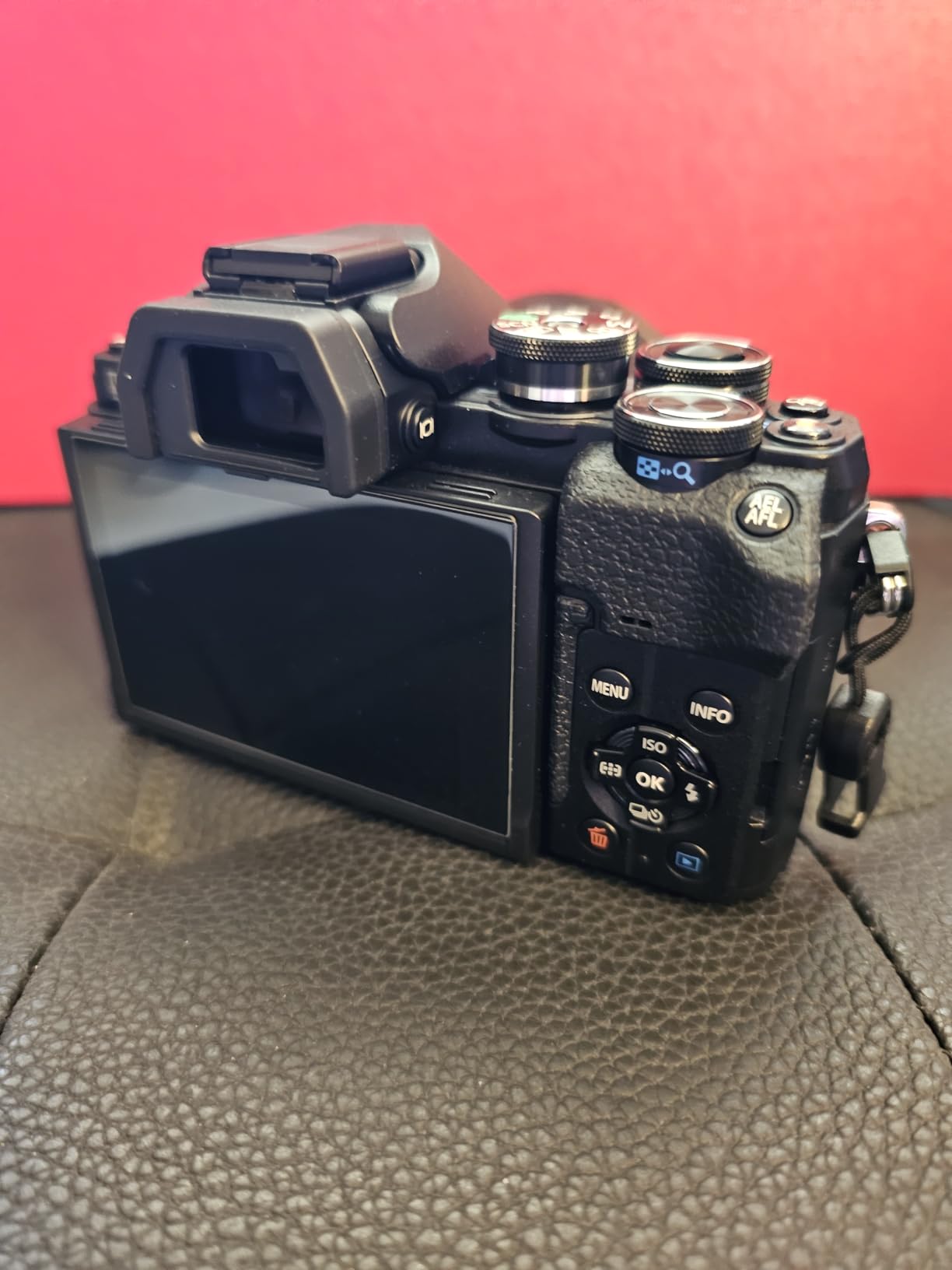
The OM System E-M10 Mark IV is the mirrorless camera I recommend most often to friends who want genuine in-body stabilization without the weight penalty. At 1.1 pounds body only with the kit lens, it is heavier than the Sony a6400, but the 5-axis IBIS is worth the extra ounces for handheld video and low-light stills.
The in-body stabilization is the headline feature. OM System rates it at 4.5 shutter steps of compensation, and in practice that translates to sharp handheld shots at 1/8s and smooth video while walking. I have shot trail-running footage that looks like it was on a gimbal, which is impressive for a $700 camera. The 20MP Micro Four Thirds sensor delivers solid image quality, especially in good light.
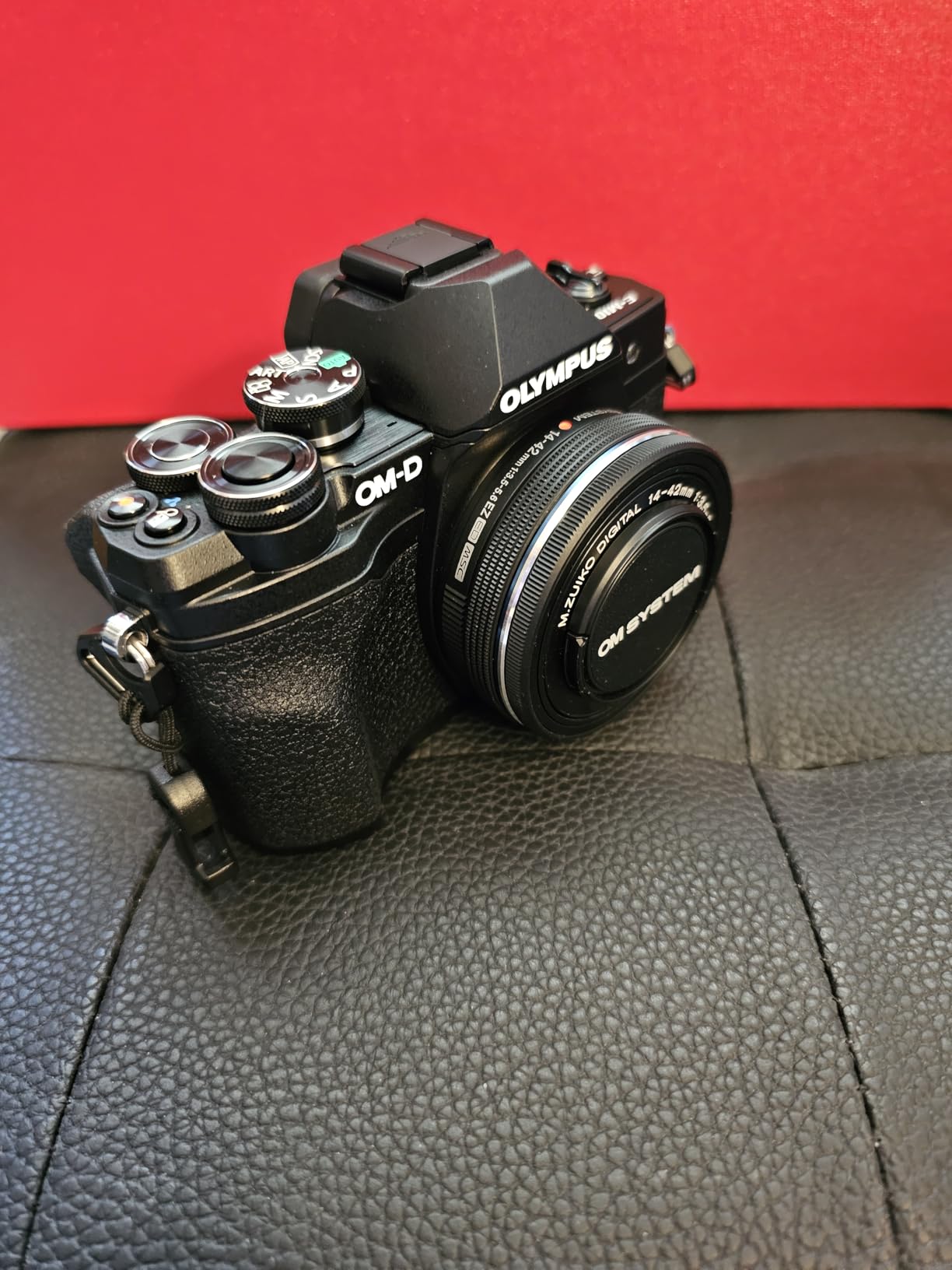
The 15 fps continuous shooting is faster than most cameras twice this price. For wildlife and birds on the trail, that burst rate is genuinely useful. The flip-down monitor works for selfies but is less convenient than the side-flip screens on Canon and Sony. The 16 Art Filters are a fun bonus for hikers who want creative looks without post-processing.
The Micro Four Thirds sensor is smaller than APS-C, which means slightly less dynamic range and worse high-ISO performance. For most hiking scenarios, this does not matter. For astrophotography or heavy cropping, it shows. The camera uses USB charging rather than a dedicated charger, which is fine on the trail with a power bank but slower at home.
Who the E-M10 Mark IV is best for
The E-M10 Mark IV is ideal for hikers who shoot a mix of stills and video and want rock-solid handheld stabilization. It is a strong choice for travel photographers who want a small body with access to the huge Micro Four Thirds lens ecosystem. The Olympus and OM System lens lineup is lightweight, affordable, and includes excellent weather-sealed options.
For vloggers who want a stabilized camera without spending $1,500, the E-M10 Mark IV delivers gimbal-like results in a body that fits in a jacket pocket with a pancake lens attached.
Who should skip the E-M10 Mark IV
Skip this camera if you primarily shoot in low light or want the absolute best image quality. Also skip if you want the latest AI autofocus – the 121-point contrast-detection system is good but not class-leading. For serious autofocus with subjects in motion, the Sony cameras above are stronger.
6. DJI Osmo Action 5 Pro – Best Action Camera for Hiking
DJI Osmo Action 5 Pro Hiking Bundle, Waterproof Action Camera
4K/120fps video
1/1.3-inch sensor
IP68 waterproof
Up to 4 hr battery
1.28 lbs bundle
Pros
- Class-leading battery life up to 4 hours
- IP68 waterproof without a case
- 360-degree HorizonSteady
- Subject tracking with 4nm chip
Cons
- Requires DJI app activation
- App can be buggy
- Slightly narrower FOV than rivals
- Files split during long recordings
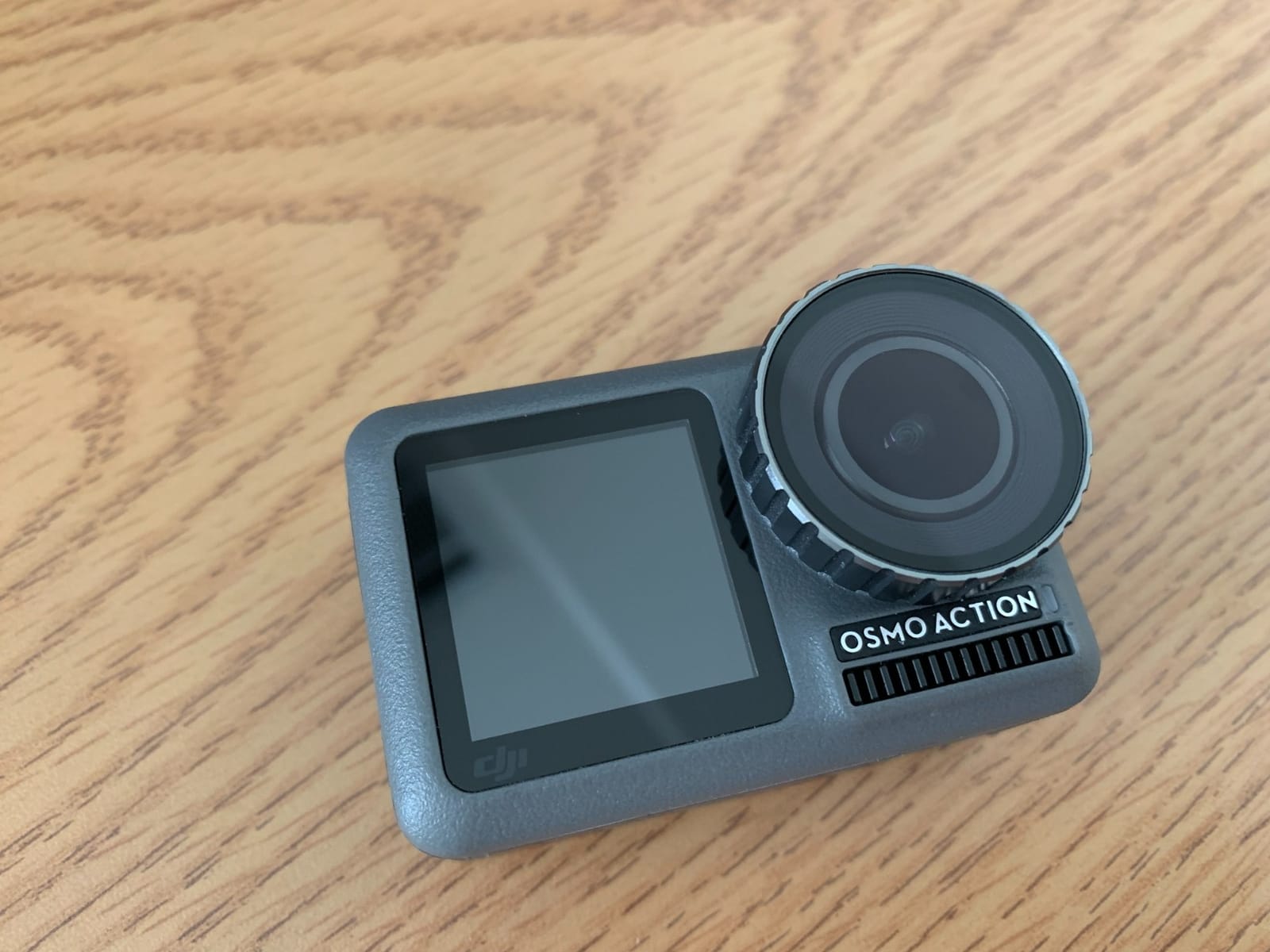
The DJI Osmo Action 5 Pro is the action camera I now reach for over the GoPro for hiking-specific use. The battery life alone justifies the switch – up to 4 hours of 4K recording per battery, which is roughly double what I get from a GoPro HERO12. On a long day hike, that means one battery covers the whole trip.
The 1/1.3-inch sensor is larger than the GoPro’s 1/1.9-inch sensor, and the difference shows in low light. I have shot sunrise timelapses and forest interiors that look clean up to ISO 1600. The 360-degree HorizonSteady stabilization is excellent – even on rocky trails, footage looks gimbal-smooth. Subject tracking with the new 4nm chip locks onto people, faces, and even animals, which is great for solo hiking vlogs.
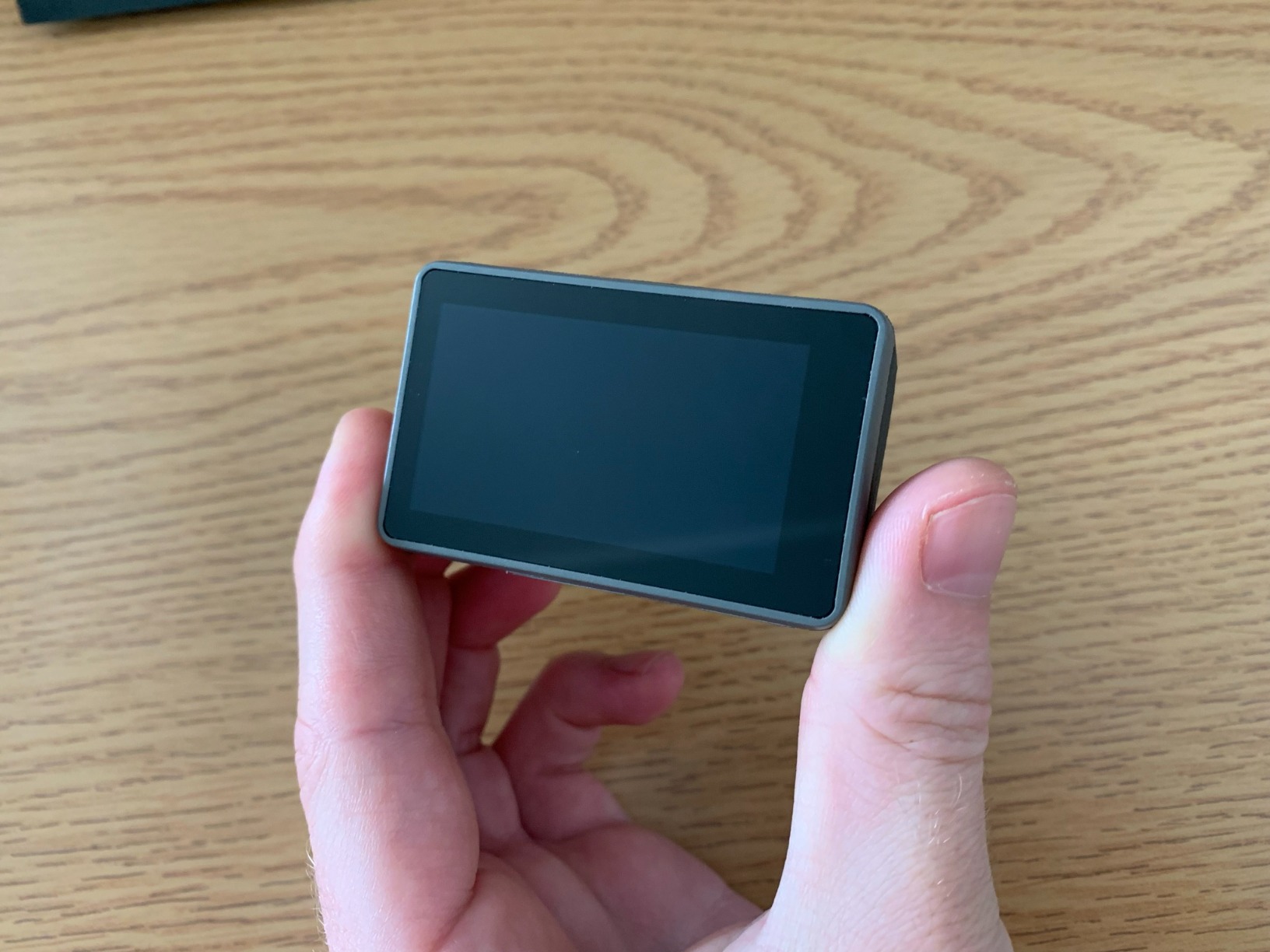
The hiking bundle includes useful accessories: a chest mount, helmet mount, and mini tripod. IP68 waterproofing to 20 meters means I have used this in heavy rain and shallow water crossings without issue. The dual OLED touchscreens on the front and back make framing easy whether you are holding it out or mounting it to a pack strap.
The downsides are mostly software. DJI requires app activation, which means you cannot use the camera to its full potential without a smartphone. The Mimo app can be buggy, with permissions issues on some Android phones. Files also split automatically during long recordings, which can be annoying when editing.
Who the Osmo Action 5 Pro is best for
This is the right pick for hikers who want rugged, mountable video that lasts all day. It is perfect for trail vloggers, mountain bikers who also hike, and anyone documenting multi-day backpacking trips where charging is not an option. The hiking bundle adds real value for first-time action camera buyers.
For thru-hikers who want to capture their journey without carrying a separate camera, the Action 5 Pro is the most capable tool for the job.
Who should skip the Osmo Action 5 Pro
Skip this camera if you primarily shoot stills – the 8.3MP photos are decent but not on par with mirrorless cameras. Also skip if you are locked into the GoPro ecosystem with existing mounts and accessories. If you hate app requirements and just want a point-and-shoot action cam, the GoPro HERO12 is simpler out of the box.
7. GoPro HERO12 Black – Best Waterproof Action Cam
GoPro HERO12 Black – Waterproof Action Camera with 5.3K60 Ultra HD Video, 27MP Photos, HDR, 1/1.9″ Image Sensor, Live Streaming, Webcam, Stabilization
5.3K60 Ultra HD video
27MP photos
HyperSmooth 6.0
Waterproof 33ft
12.5 oz
Pros
- 5.3K60 HDR video is industry-leading
- HyperSmooth 6.0 stabilization
- Waterproof to 33 feet without case
- Massive ecosystem of mounts
Cons
- Overheats during long 4K/60fps shoots
- Modest battery life
- Subscription push for cloud features
- Needs specific charger
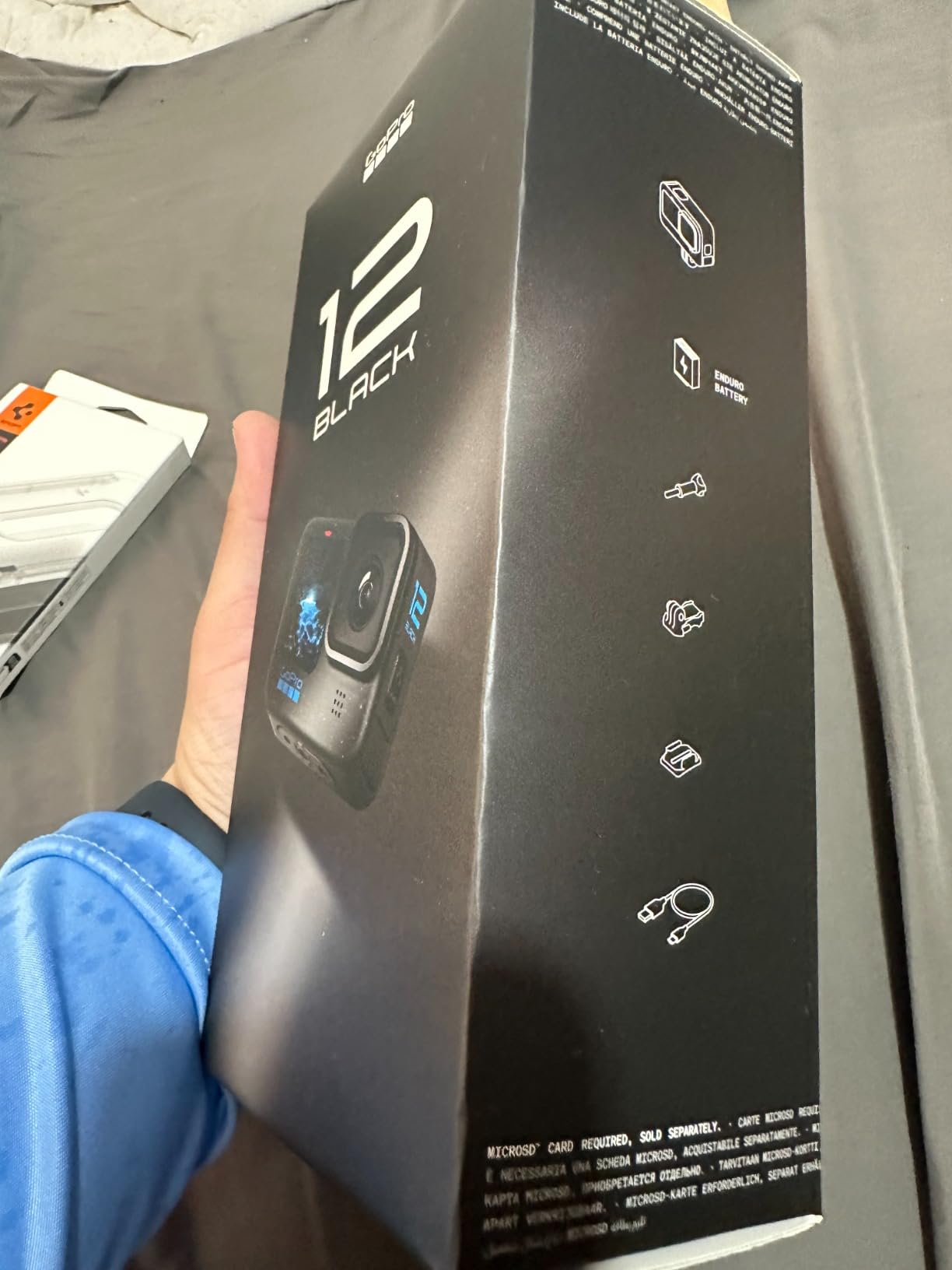
The GoPro HERO12 Black remains the action camera to beat for pure video quality. The 5.3K60 HDR footage is genuinely stunning – I have shot trail scenes that look like they came from a cinema camera. The 27MP photos are a step up from previous generations, with enough resolution for prints.
HyperSmooth 6.0 stabilization is the best in the business. Even running down a rocky trail, footage looks gimbal-stabilized. The Emmy award-winning technology has been refined for years and it shows. For hikers who shoot video on the move, this is the smoothest footage you can get without a gimbal.
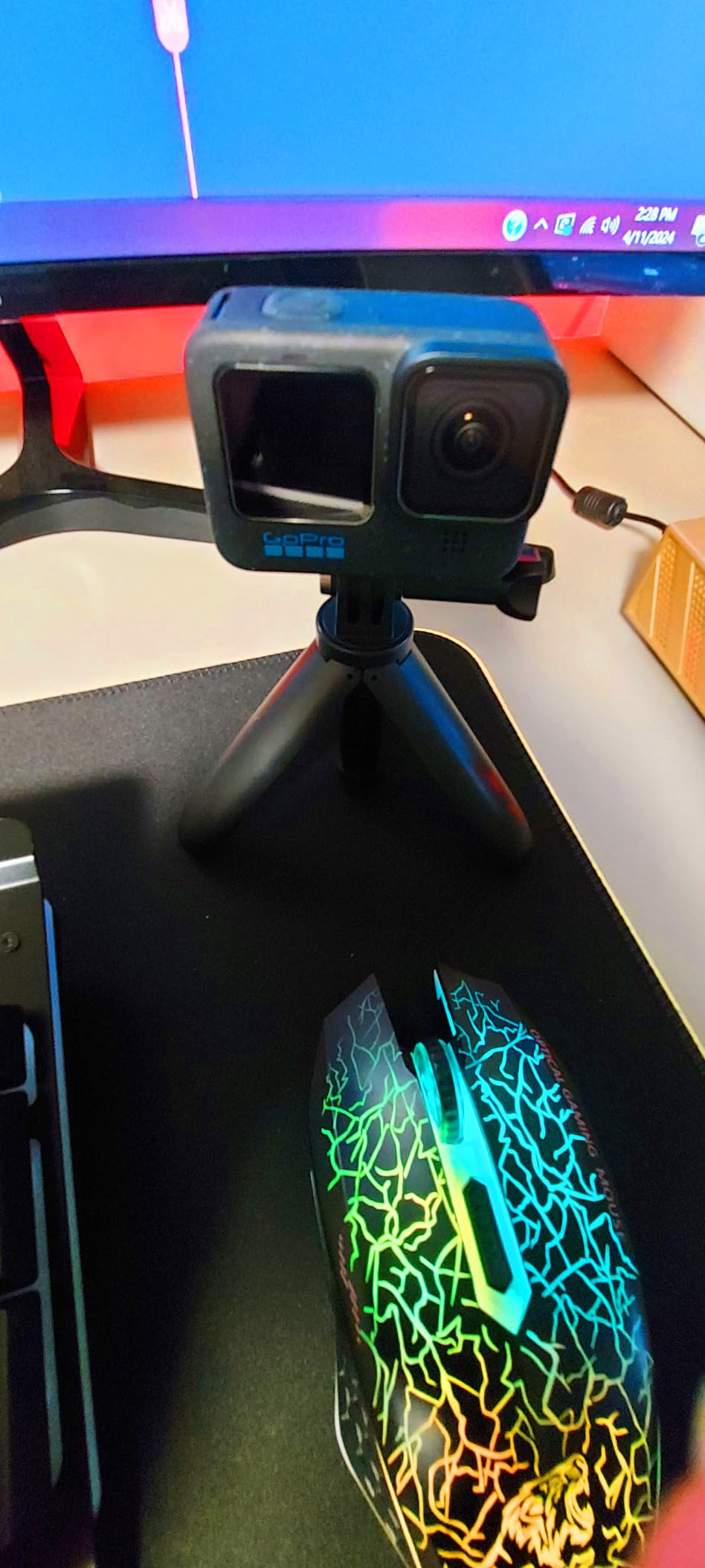
The GoPro ecosystem is the deepest in action cameras. Chesty mounts, head straps, helmet mounts, suction cups, handlebar mounts – if you can dream it, GoPro makes a way to attach the camera to it. For hikers who also mountain bike, ski, or climb, this ecosystem is invaluable. Bluetooth audio support means you can pair wireless earbuds as a lavalier mic.
Thermal limits remain the biggest frustration. In direct sun at altitude, the HERO12 will shut down after 20-30 minutes of continuous 4K/60fps recording. The Enduro battery helps in cold weather but does not solve the heat issue. Battery life is also modest – plan on 2-3 batteries for a full day of heavy shooting.
Who the GoPro HERO12 is best for
The HERO12 is the right pick for hikers who want the absolute best action video quality and need access to the largest mount ecosystem. It is perfect for multi-sport adventurers who already own GoPro mounts, and for content creators who want footage that holds up to professional editing and color grading.
If you are buying your first action camera and do not already own DJI accessories, both the HERO12 and the Osmo Action 5 Pro are strong choices. The GoPro has better video specs, the DJI has better battery life.
Who should skip the GoPro HERO12
Skip this camera if you primarily shoot short clips and care more about battery life than resolution. The Osmo Action 5 Pro lasts twice as long per charge. Also skip if you dislike GoPro’s subscription model – the cloud features push is real. For casual hikers who just want to capture memories, a phone or compact camera is simpler.
8. DJI Osmo Pocket 3 – Best Vlogging Camera for Trail
DJI Osmo Pocket 3 Vlogging Camera with 1” CMOS & 4K/120fps Video
1-inch CMOS sensor
4K/120fps
3-axis gimbal
166 min battery
6.3 oz
Pros
- 1-inch sensor in pocket-sized body
- 3-axis gimbal stabilization
- Rotatable touchscreen for vertical video
- ActiveTrack 6.0 subject tracking
Cons
- Not waterproof
- App activation required
- Modest battery life
- No interchangeable lens
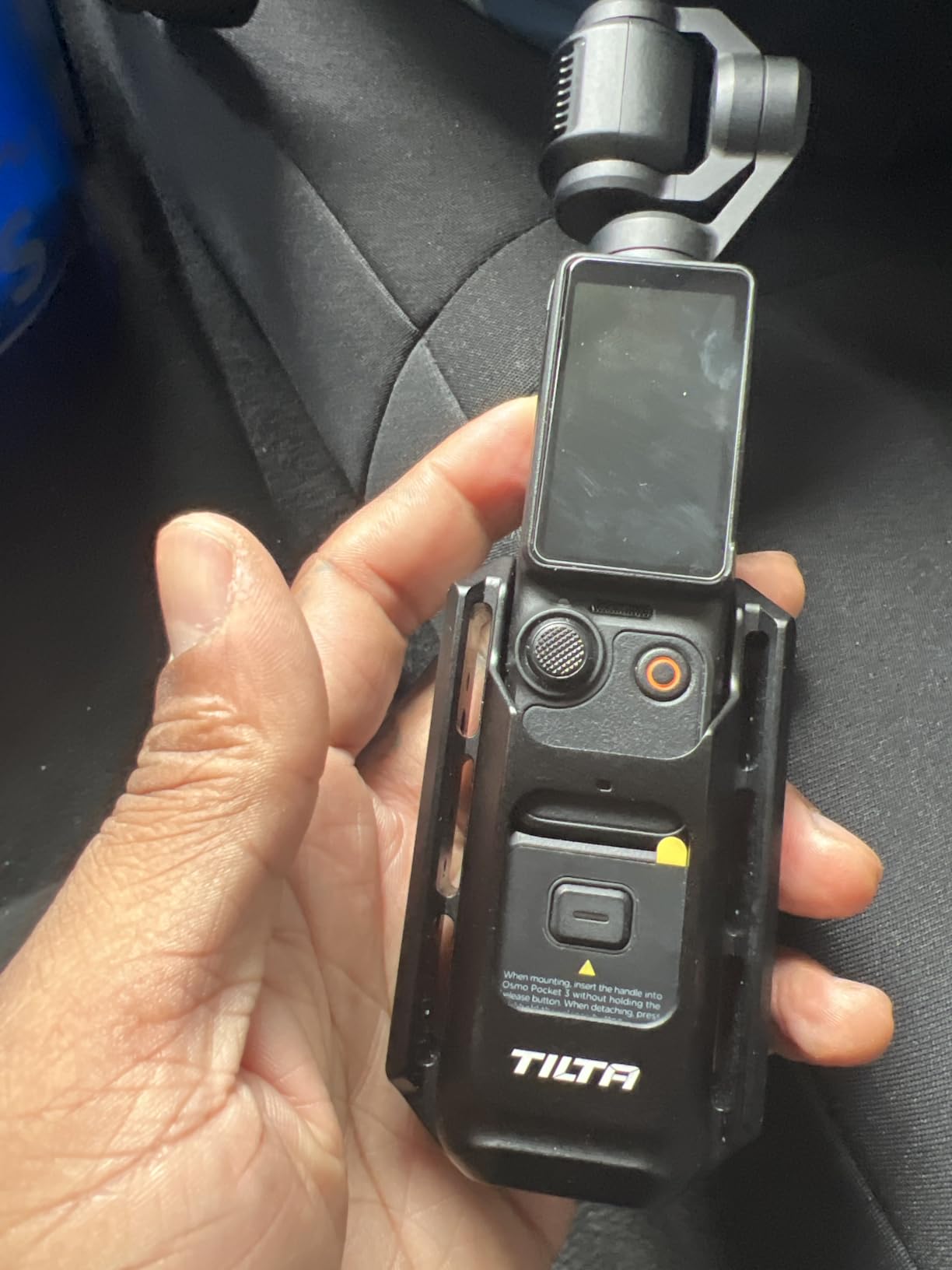
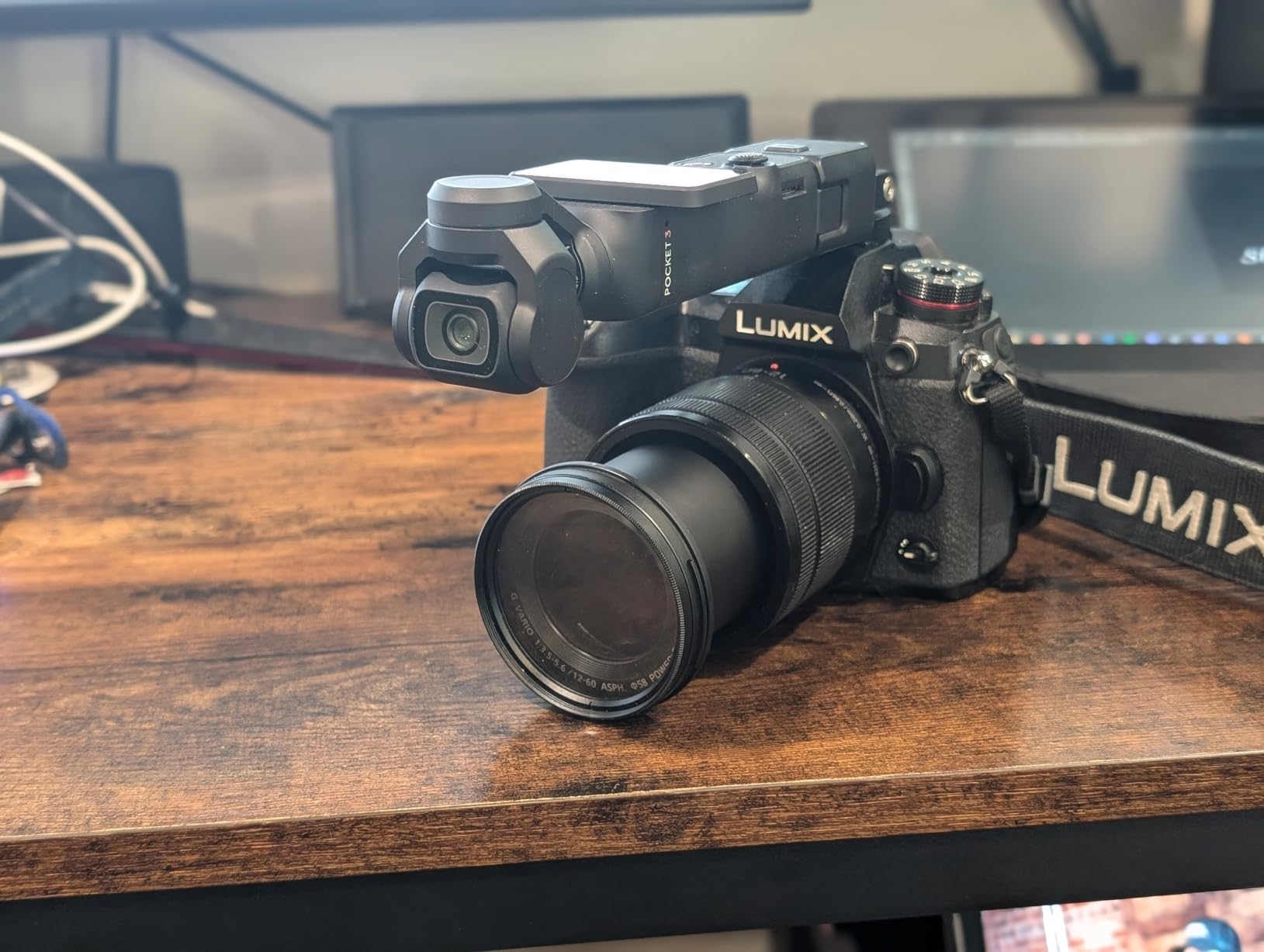
The DJI Osmo Pocket 3 is the camera I recommend most often to solo hikers who want to vlog their trips. The 1-inch sensor is the largest in any camera this small, and the difference shows in image quality. Combined with the 3-axis mechanical gimbal, you get footage that looks like it was shot on professional gear.
The 3-axis gimbal is the killer feature. Unlike electronic stabilization, the mechanical gimbal physically moves the sensor to compensate for motion. Walking footage looks like it was shot on a slider. Running footage looks stable. The rotatable 2-inch touchscreen makes it easy to switch between horizontal and vertical shooting for different platforms.
ActiveTrack 6.0 subject tracking is excellent. Tap on your face in the screen and the gimbal keeps you framed as you walk. For solo hikers who want to be in the frame, this is a game changer. D-Log M 10-bit color gives you real grading latitude for cinematic looks. Battery life is rated at 166 minutes of 4K recording, which is enough for a solid day of short clips.
The downsides are significant for hiking. The Pocket 3 is not waterproof, so you need to protect it in rain. The DJI app activation requirement is annoying – you cannot use all features without a smartphone. The fixed lens means no flexibility for different focal lengths.
Who the Osmo Pocket 3 is best for
The Pocket 3 is the right pick for solo hiking vloggers and content creators who want gimbal-smooth footage without carrying a separate gimbal. It is perfect for YouTube hiking channels, Instagram reels, and TikTok trail content. At 6.3 ounces, it slips into a hipbelt pocket or jacket pocket and stays out of the way until needed.
For backpackers who want to document their trip with minimal gear, the Pocket 3 plus a phone is a complete video production kit.
Who should skip the Pocket 3
Skip this camera if you primarily shoot stills, hike in wet weather often, or want interchangeable lenses. The OM System Tough TG-7 is more rugged, and the Sony a6700 is more versatile. Also skip if you dislike app ecosystems – the Pocket 3 needs DJI’s Mimo app for initial setup.
9. KODAK PIXPRO WPZ2 – Best Budget Waterproof Camera
KODAK PIXPRO WPZ2 16MP Waterproof Digital Camera, 15m, 4X Zoom, Blue
16MP BSI CMOS
Waterproof 50ft
1080p video
6.2 oz
Pros
- Affordable waterproof camera
- Lightweight at 6.2 oz
- Easy to use for beginners
- Wi-Fi for quick sharing
Cons
- 1080p only - no 4K video
- Image quality trails modern smartphones
- Slow shutter lag
- Micro USB instead of USB-C
The KODAK PIXPRO WPZ2 is the camera I recommend to budget-conscious hikers who want a dedicated waterproof option without spending $500. At under $200, it is the most affordable camera on this list, and for casual use, it delivers acceptable results.
Build quality is solid for the price. Waterproof to 50 feet, shockproof from 6 feet, and dustproof – the WPZ2 can handle the same wet environments as the OM System TG-7. The 16MP BSI CMOS sensor produces usable photos in good light, with a 4x optical zoom (27-108mm equivalent) for flexibility.
For beginners, the WPZ2 is refreshingly simple. Point, shoot, and the camera handles the rest. Wi-Fi connectivity makes it easy to transfer photos to a phone for sharing on the trail. At 6.2 ounces, it disappears in a pack or pocket.
The honest truth is that image quality cannot match modern smartphones in good light. Low-light performance is poor, with significant noise above ISO 400. Video is limited to 1080p Full HD – no 4K. Shutter lag is noticeable, which means missing fast-moving subjects. Micro USB instead of USB-C is dated.

Who the WPZ2 is best for
The WPZ2 is the right pick for casual hikers who want a dedicated waterproof camera without breaking the bank. It is ideal for families with kids who hike to lakes and streams, snorkelers on tropical vacations, and anyone who wants a throwaway camera for risky environments.
If you want a backup camera that you can lose or damage without financial pain, the WPZ2 fills that role well. It is also a good starter camera for kids learning photography.
Who should skip the WPZ2
Skip this camera if image quality matters to you at all. Modern smartphones in the same price range produce better photos in good light. Also skip if you want 4K video or fast autofocus. For serious hiking photography, invest in one of the mirrorless cameras on this list, or save up for the OM System TG-7 which is meaningfully better.
10. Nikon Z50 II – Best Two-Lens Hiking Kit
Nikon Z50 II with Two Lenses | Compact mirrorless Stills/Video Camera with Easy Color presets and Wireless Photo Sharing | USA Model
20.9MP APS-C sensor
4K UHD/60p
Two-lens kit (16-50mm + 50-250mm)
2.4 lbs
Pros
- 20.9MP APS-C sensor with great image quality
- Includes two versatile lenses
- Strong subject detection autofocus
- 31 Picture Control presets
Cons
- No in-body image stabilization
- Single card slot
- Some grey market concerns
- Heavier than other APS-C options
The Nikon Z50 II with the two-lens kit is the most versatile package on this list for hikers who want wide and telephoto coverage from a single purchase. You get a 16-50mm wide-to-portrait zoom and a 50-250mm telephoto zoom, covering every hiking photography scenario from grand landscapes to distant wildlife.
The 20.9MP APS-C sensor delivers excellent image quality with strong dynamic range. Nikon has historically excelled at color science, and the Z50 II continues that tradition – JPEGs look great straight out of camera. The 4K UHD/60p video is sharp and detailed, with 10-bit N-Log available for serious color work.
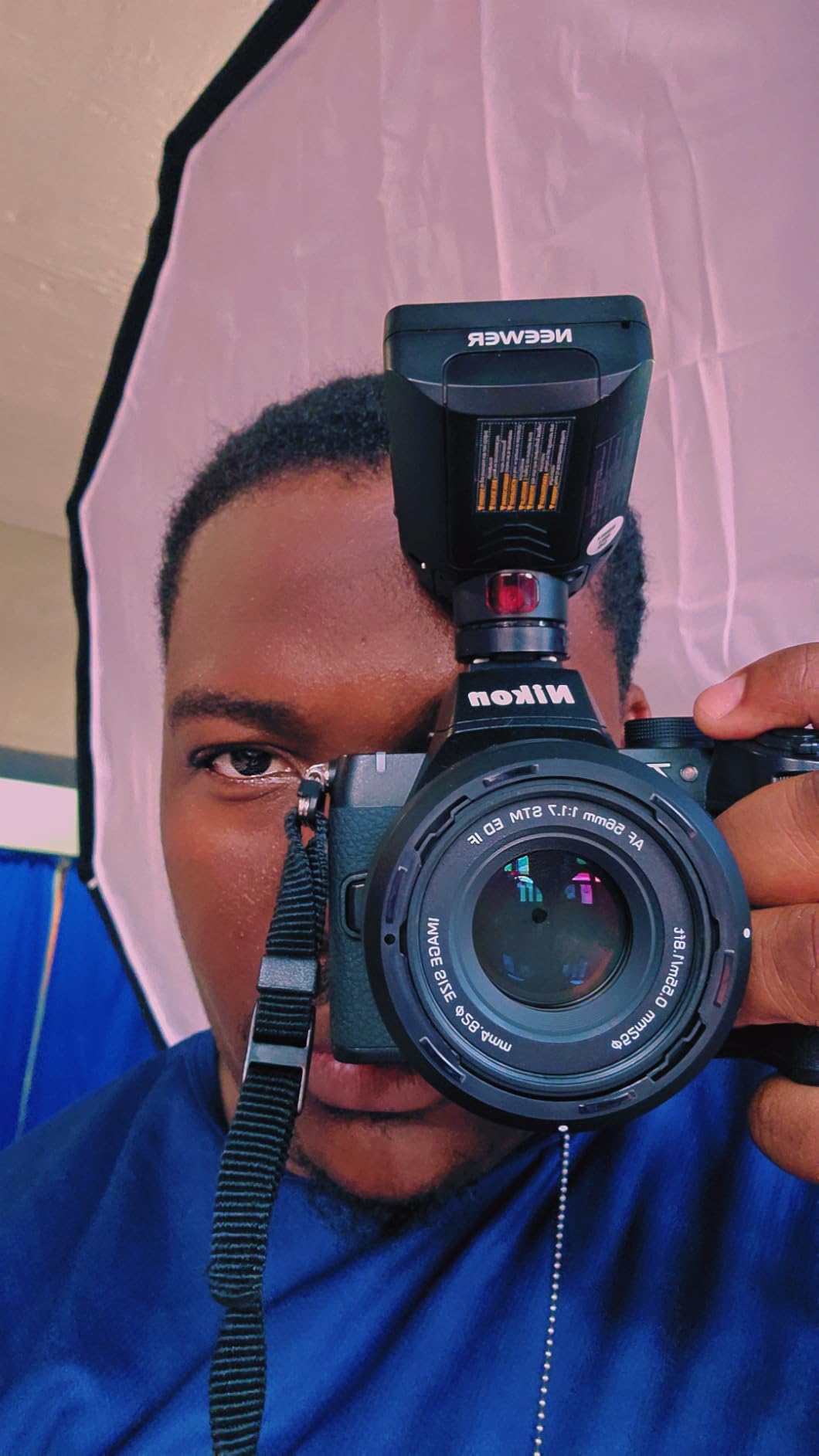
Subject detection autofocus has improved significantly in the Z50 II. It now reliably detects people, animals, vehicles, birds, and even airplanes. For hikers who photograph wildlife at a distance with the 50-250mm lens, this autofocus system holds its own against Sony and Canon. The 31 Picture Control presets are fun for hikers who want creative looks without editing.
The main downsides are weight and the lack of IBIS. At 2.4 pounds for the kit, this is the heaviest mirrorless option on our list. The lack of in-body stabilization means you rely on stabilized lenses (both kit lenses have VR), but you lose stabilization when using adapted or third-party lenses.
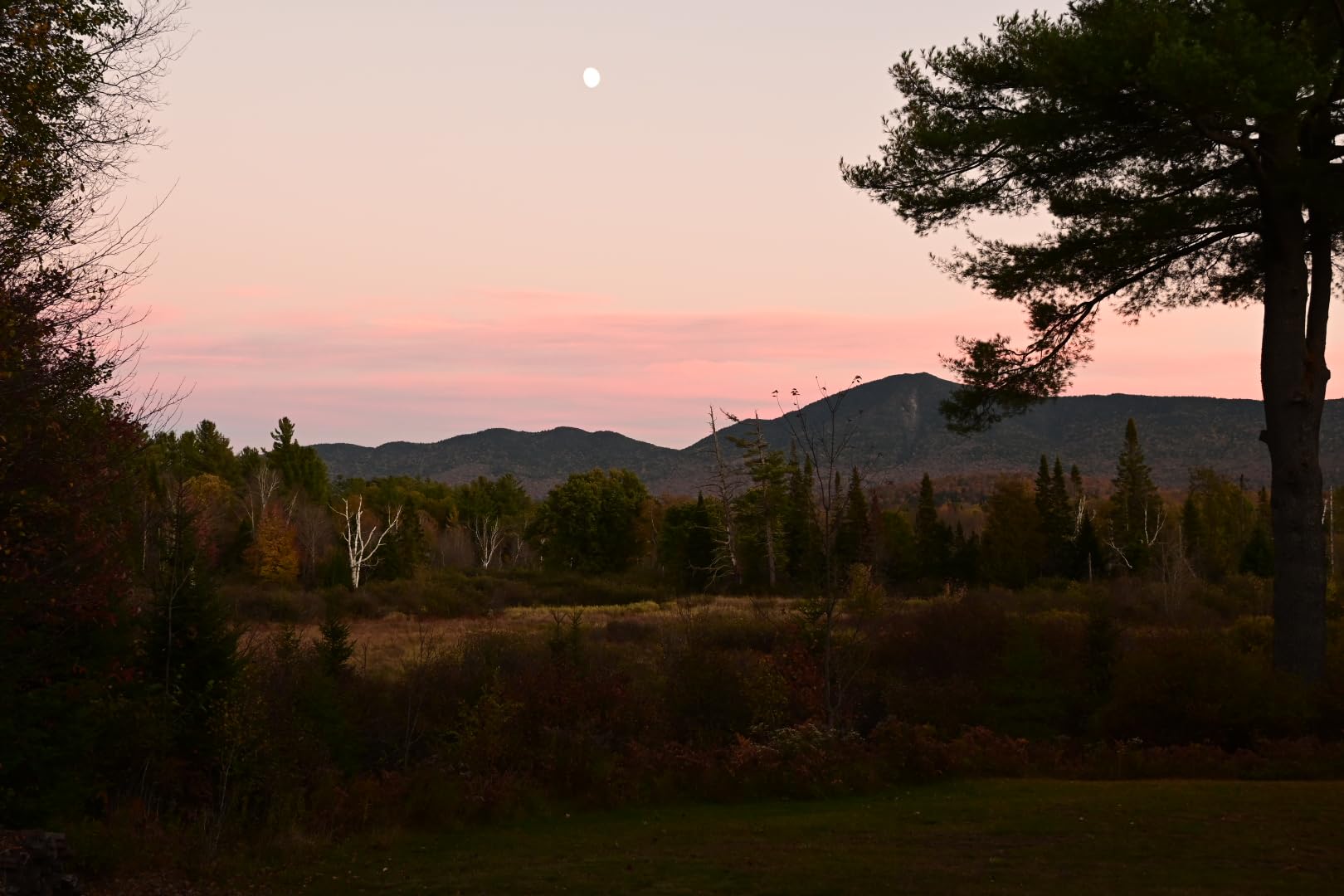
Who the Nikon Z50 II is best for
The Z50 II kit is ideal for hikers who want a complete photography system in one purchase. It is perfect for wildlife enthusiasts who want reach without carrying a separate telephoto lens, and for new Nikon users entering the Z-mount ecosystem. The two-lens kit covers everything from wide summit panoramas to telephoto wildlife shots.
For hikers who want to step up from a phone or basic compact and invest in a system they can grow with, the Z50 II plus the Nikon Z lens lineup is a strong choice.
Who should skip the Z50 II
Skip this camera if weight is your top concern – the two-lens kit is heavy. For ultralight hikers, the Sony a6400 body alone is a better choice. Also skip if you need in-body stabilization – the OM System E-M10 Mark IV delivers that at a lower price. If you already own Canon or Sony lenses, sticking with that brand saves money.
Buying Guide – How to Choose the Best Camera for Hiking
Picking the best camera for hiking depends on your style. A day hiker carrying a small pack has different priorities than a thru-hiker counting every ounce. Here is how our team thinks through the choice.
Camera categories and which fits your hiking style
There are three main categories worth considering for hiking. Mirrorless cameras deliver the best image quality and the most flexibility through interchangeable lenses, but they are the heaviest. Action cameras are tiny, rugged, and excel at video on the move, but image quality for stills is limited. Rugged point-and-shoots like the OM System TG-7 are waterproof and shockproof, perfect for wet environments and casual use.
For day hikers carrying a small pack, any of these categories works. For thru-hikers and ultralight backpackers, the weight penalty of a mirrorless kit must be justified by the image quality gain. For adventure hikers in wet climates, a rugged camera should be at least a backup if not the primary choice. If you are still building out your kit, our guides to hiking daypacks and hiking shoes can help you carry whatever camera you choose.
Weather sealing and durability
Weather sealing is non-negotiable for serious hiking. Look for cameras with rubber gaskets around every port and a body that feels solid in the hand. The Sony a6700, OM System E-M10 Mark IV, and Nikon Z50 II all have meaningful weather sealing. The Canon EOS R50 has some weather resistance but is not fully sealed.
For the worst conditions – kayaking, snorkeling, winter hiking – dedicated waterproof cameras like the OM System TG-7 and KODAK WPZ2 are the only options that survive submersion without a housing. Action cameras from DJI and GoPro are also waterproof without cases.
Weight vs image quality tradeoff
This is the central tradeoff for hiking cameras. The Sony a6700 with a kit lens weighs about 1.5 pounds. The OM System E-M10 Mark IV with a kit lens weighs 1.1 pounds. The Sony a6400 with the 16-50mm weighs 14 ounces. The DJI Osmo Pocket 3 weighs 6.3 ounces. Every ounce saved on the camera is an ounce you can put toward food, water, or shelter.
Our rule of thumb: if you are doing day hikes with a full pack, carry the best camera you can afford. If you are thru-hiking or ultralight backpacking, prioritize ounces and accept smaller sensors. If you are a hybrid hiker who sometimes day-hikes and sometimes backpacks, the OM System E-M10 Mark IV hits the best balance of capability and weight.
Battery life in cold weather
Cold weather kills batteries. Lithium-ion batteries lose 20-40% of their capacity below freezing, and hiking cameras spend a lot of time in cold conditions. Our team learned this the hard way on a winter section of the Pacific Crest Trail.
Mitigation strategies matter more than raw battery life. Keep spare batteries in an inner pocket close to your body heat. Use a dummy battery with a USB power bank for long days. Turn off Wi-Fi and Bluetooth when not actively transferring files. Lower your screen brightness. Shoot in shorter bursts rather than continuous mode. Cameras with larger batteries like the Sony a6700 (NP-FZ100) hold up better in cold weather than smaller batteries like the Sony NP-FW50 in the a6400.
Lens selection for mirrorless
If you choose a mirrorless camera, lens selection matters as much as the body. For most hiking, a single wide-to-portrait zoom (16-50mm or 18-55mm equivalent) covers 90% of shots. Add a telephoto zoom (55-200mm or 70-300mm) for wildlife and distant peaks.
For ultralight packing, consider pancake primes. A 20mm or 28mm pancake lens weighs 2-3 ounces and delivers excellent image quality. The tradeoff is no zoom flexibility, which means more walking to compose your shot.
Carrying and protecting your camera on trail
How you carry your camera matters as much as which one you buy. The same goes for your other hiking gear — our guide to the best snowshoes for backcountry hiking covers winter travel options if you are heading out in cold conditions. Options for carrying your camera include:
Peak Design Capture Clip: clips to any backpack strap and holds a mirrorless camera securely. Quick draw, quick stow. The standard for thru-hikers.
BlackRapid or similar sling strap: keeps the camera against your body with the lens ready to shoot. Good for photographers who shoot constantly.
Dry bags and rain covers: a $15 dry bag protects your camera in heavy rain. Critical for wet climates and winter hiking.
Padded camera cubes: fit inside your pack and protect your gear from bumps. Look for cubes with adjustable dividers so you can configure them for your specific camera and lenses.
Lens hoods: not just for blocking sun – they also protect the front element from bumps and scratches. Always pack one for serious hiking.
Smartphone vs dedicated camera – when does it matter?
Modern flagship phones shoot excellent photos in good light. If you primarily hike in sunny conditions and post to social media, a phone is probably enough. Dedicated cameras matter when:
You shoot in low light (sunrise, sunset, forests, astrophotography). Larger sensors capture 2-3x more light than phone sensors.
You want optical zoom. Phones use digital zoom which loses detail. Even a basic telephoto lens on a mirrorless beats phone zoom at distance.
You want shallow depth of field. Phones simulate bokeh with software. Real optical bokeh from a large sensor looks better and is more forgiving.
You shoot in challenging weather. Phones are fragile and not waterproof without a case. Rugged cameras survive conditions phones cannot.
You want to print or crop heavily. A 24-26MP file gives you cropping room that a 12MP phone photo does not.
For casual hikers who share photos on Instagram, a phone is fine. For anyone serious about hiking photography, a dedicated camera is worth the weight. If you are also shopping for outdoor gear, our picks for the best compact binoculars for hiking pair nicely with a serious trail camera setup.
Frequently Asked Questions
What is the best camera to take hiking?
The Sony Alpha a6700 is our top pick for most hikers. It balances image quality, autofocus performance, weight (14.5 oz), and weather sealing better than any other camera we tested. For ultralight hikers, the Sony a6400 (10.3 oz) is the better choice. For wet and rugged conditions, the OM System Tough TG-7 is unmatched.
What is the best action camera for hiking?
The DJI Osmo Action 5 Pro is the best action camera for hiking thanks to its 4-hour battery life, IP68 waterproofing, and 360-degree HorizonSteady stabilization. The GoPro HERO12 Black remains a strong choice if you want the absolute best video quality with 5.3K HDR recording, but its battery life is shorter and it tends to overheat during extended 4K/60fps recording.
What is the best budget camera for hiking?
The KODAK PIXPRO WPZ2 is the most affordable waterproof camera at under $200, and it works for casual hikers who want a dedicated option. For better value, the Canon EOS R50 kit at under $900 delivers real mirrorless image quality and interchangeable lenses. Among action cameras, the DJI Osmo Action 5 Pro hiking bundle is hard to beat for the price.
What camera do thru-hikers use?
Most thru-hikers we surveyed carry one of three options: the Sony a6400 for its compact body and strong autofocus, the OM System Tough TG-7 for its durability in all conditions, or a smartphone plus a small action camera. Weight is the top priority on a thru-hike, so heavier mirrorless bodies are rare. The most common accessory is a Peak Design Capture Clip for hipbelt carry.
How do I protect my camera while hiking?
Use a Peak Design Capture Clip or similar clip to attach the camera to your backpack strap for quick access. Pack a rain cover or dry bag for wet weather. Keep spare batteries in an inner pocket close to body heat in cold conditions. Use a lens hood to protect the front element. For multi-day trips, pack cameras in a padded cube inside your backpack. Avoid leaving cameras in direct sun when not shooting.
Is a mirrorless camera worth it for hiking?
Yes, if image quality matters to you. Mirrorless cameras deliver better dynamic range, low-light performance, and lens flexibility than phones or compact cameras. The tradeoff is weight: even the lightest mirrorless kit weighs 14-16 ounces with a lens. If you only share photos on social media and hike in good light, a phone is probably enough. If you want to print, crop, or shoot in challenging conditions, a mirrorless camera is worth the weight penalty.
Final Verdict – Which Hiking Camera Should You Buy?
After three months of trail testing across mountains, rivers, and backcountry camps, our team has a clear set of recommendations for the best cameras for hiking in 2026. The Sony Alpha a6700 remains the best overall choice for hikers who want top-tier image quality, AI-powered autofocus, and weather sealing in a manageable 14.5-ounce body. If you are shopping for one camera to last a decade of hiking trips, this is the one.
For ultralight backpackers and thru-hikers counting every gram, the Sony a6400 delivers the most capability per ounce. For wet, cold, and rugged conditions, the OM System Tough TG-7 is the camera that simply will not break. For trail vloggers and content creators, the DJI Osmo Pocket 3 produces gimbal-smooth footage that no other camera in this size class can match. For action video with the best battery life, the DJI Osmo Action 5 Pro wins.
Whatever camera you choose, remember that the best hiking camera is the one you actually carry. A flagship mirrorless left at home because it is too heavy captures nothing. Pick a camera that fits your hiking style, pair it with a good carrying system, and get out on the trail. Your next adventure is waiting.