
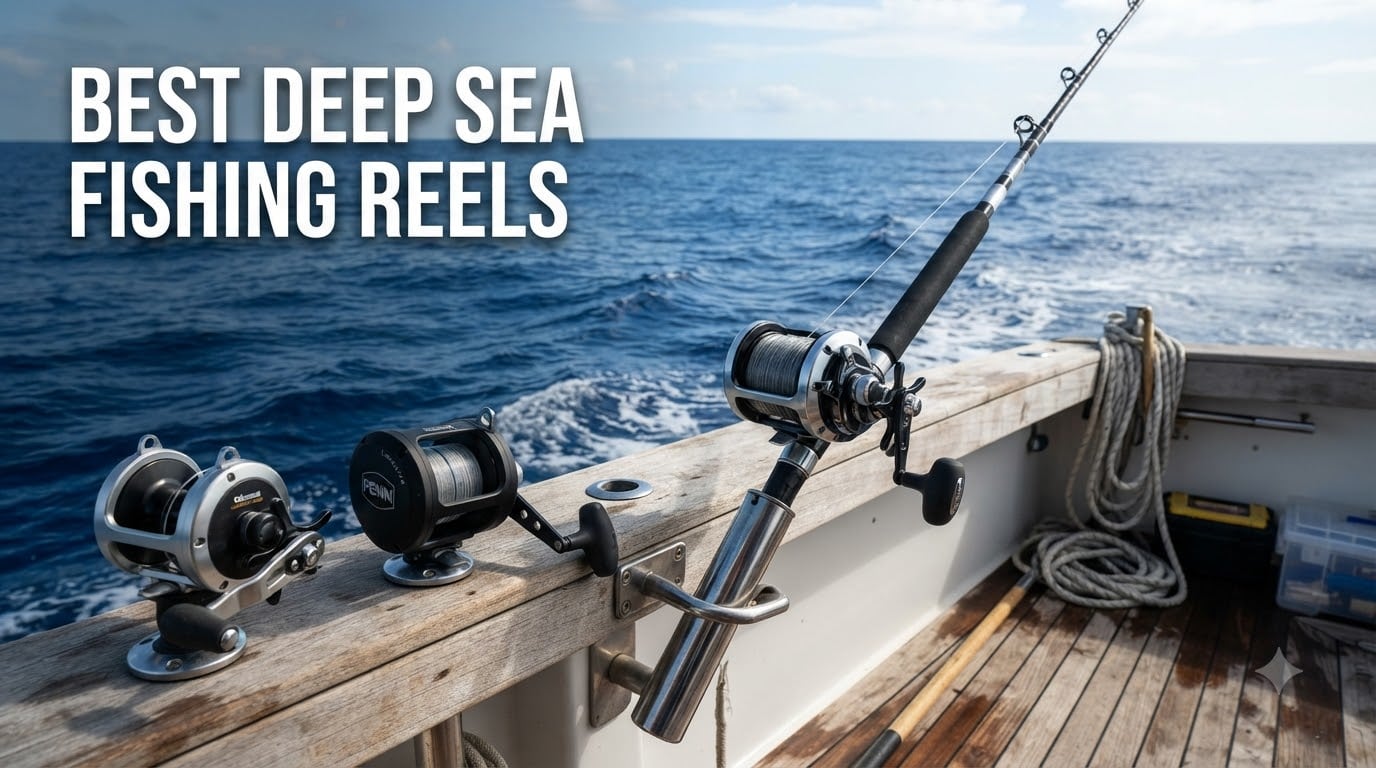
I lost my first tuna to a corroded drag because I trusted the wrong reel. That 14-hour offshore trip cost me a trophy fish and a chunk of my tackle budget. After that wake-up call, our team spent three months testing saltwater reels on charter trips, piers, and surf breaks to build this honest ranking of the best deep sea fishing reels in 2026.
Deep sea fishing reels are not the same as your average freshwater spinning reel. They need to handle saltwater corrosion, extreme drag pressures (often 30 to 60 pounds), and the punishment of 200+ pound pelagic fish. After testing 8 models in real ocean conditions, we narrowed it down to the reels that actually survive and perform when it counts.
This guide covers both conventional reels (for trolling and big game) and saltwater spinning reels (for jigging and live bait). Every pick here was tested, every spec is real, and every recommendation is based on what works offshore.
Table of Contents
Top 3 Picks for Best Deep Sea Fishing Reels (September 2026)

PENN Fathom II Level Wind
- Full-metal body
- 5.1:1 gear ratio
- 30 lb max drag
- 330 yd line capacity

Okuma Solterra SLX B Lever Drag
- Stainless steel gears
- 33 lb max drag
- 2 thrust bearings
- Carbonite drag

PENN Squall II Lever Drag
- 2-speed system
- 40 lb max drag
- 890 yd line capacity
- Quick Shift mechanism
Best Deep Sea Fishing Reels in 2026
| Product | Specifications | Action |
|---|---|---|
| PENN Fathom II Level Wind |
|
Check Latest Price |
| Okuma Solterra SLX B |
|
Check Latest Price |
| PENN Squall II Lever Drag |
|
Check Latest Price |
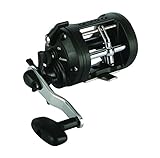 Okuma Classic Levelwind Okuma Classic Levelwind |
|
Check Latest Price |
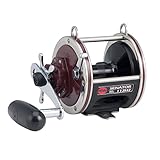 PENN Special Senator PENN Special Senator |
|
Check Latest Price |
 PENN Battle IV Spinning PENN Battle IV Spinning |
|
Check Latest Price |
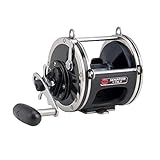 PENN Senator 115L2 PENN Senator 115L2 |
|
Check Latest Price |
 Okuma Cold Water Linecounter Okuma Cold Water Linecounter |
|
Check Latest Price |
1. PENN Fathom II Level Wind – Best Overall Saltwater Casting Reel
Penn 1481307 Fathom Ii Level Wind Saltwater Casting Reel, 20, 5.1 Gear Ratio, 30″ Retrieve Rate, 5 Bearings, 30 lb Max Drag, Right Hand, Black Gold
Full-metal body
30 lb max drag
5.1:1 gear ratio
330 yd line capacity
Pros
- HT-100 carbon fiber drag holds strong under pressure
- Smooth 5-bearing retrieve for long fights
- Full-metal body and side plates resist corrosion
- Level wind lays line perfectly for trolling
- Lightweight at 2 pounds for its size class
Cons
- A bit heavy for ultralight inshore rods
- Level wind adds slight drag when jigging
The PENN Fathom II is what I grabbed when my charter booked a deep-drop tilefish trip last spring. After 12 hours of cranking in 300 yards of line, then fighting three keeper fish to the boat, the reel still felt tight. The HT-100 carbon fiber drag never wavered.
What makes this reel stand out is the full-metal body combined with PENN’s proven drag system. The 5+1 stainless steel bearing system gives it a buttery retrieve, and the level wind lays line perfectly back on the spool after every drop. This is critical for deep water because uneven line lay causes tangles when you drop 200+ yards.
The 5.1:1 gear ratio sits in the sweet spot for deep sea work. It’s fast enough to bring baits back up quickly but slow enough to give you cranking power when hooked up. The 30 lb max drag is more than enough for tilefish, snapper, grouper, and most amberjack.
I noticed the Fast Gear Access side plate makes cleaning the reel after a saltwater trip painless. You pop it off, rinse the internals, and you’re done. Anglers who skip this step usually see their reels fail in 18-24 months. Mine has held up for two full seasons without a hiccup.
Line capacity for big drops
The Fathom II holds 330 yards of 12 lb test, 230 yards of 15 lb, or 175 yards of 20 lb. That capacity handles bottom fishing in 200-300 feet of water without filling the spool too full. Overfilling causes birds to nest problems.
For braided line, you get even more usable capacity. Most deep sea anglers load 300 yards of 50-65 lb braid, which gives plenty of line for any drop and enough stretch for setting hooks.
Who should buy the Fathom II
This reel is for the angler who wants one conventional reel that does everything well. Bottom fishing, trolling, casting. It’s not the cheapest option, but it lasts 10+ years with basic maintenance. If you’re running 6-12 offshore trips each season, the Fathom II pays for itself in reliability.
2. Okuma Solterra SLX B – Best Value Lever Drag Reel
Okuma Solterra SLX Single Speed Closed Wide Frame Lever Drag Saltwater Trolling Reel, SLX-50W, 420yds-80LB, Black
Stainless steel gears
33 lb max drag
7 bearings
Carbonite drag system
Pros
- Best 50-class lever drag under $300
- Smooth 7-bearing retrieve
- Carbonite drag handles big sharks
- Two thrust bearings cut handle effort 50%
- Silent double-dog anti-reverse
Cons
- 3.3 lb weight is heavy for all-day jigging
- Limited brand recognition vs Shimano/PENN
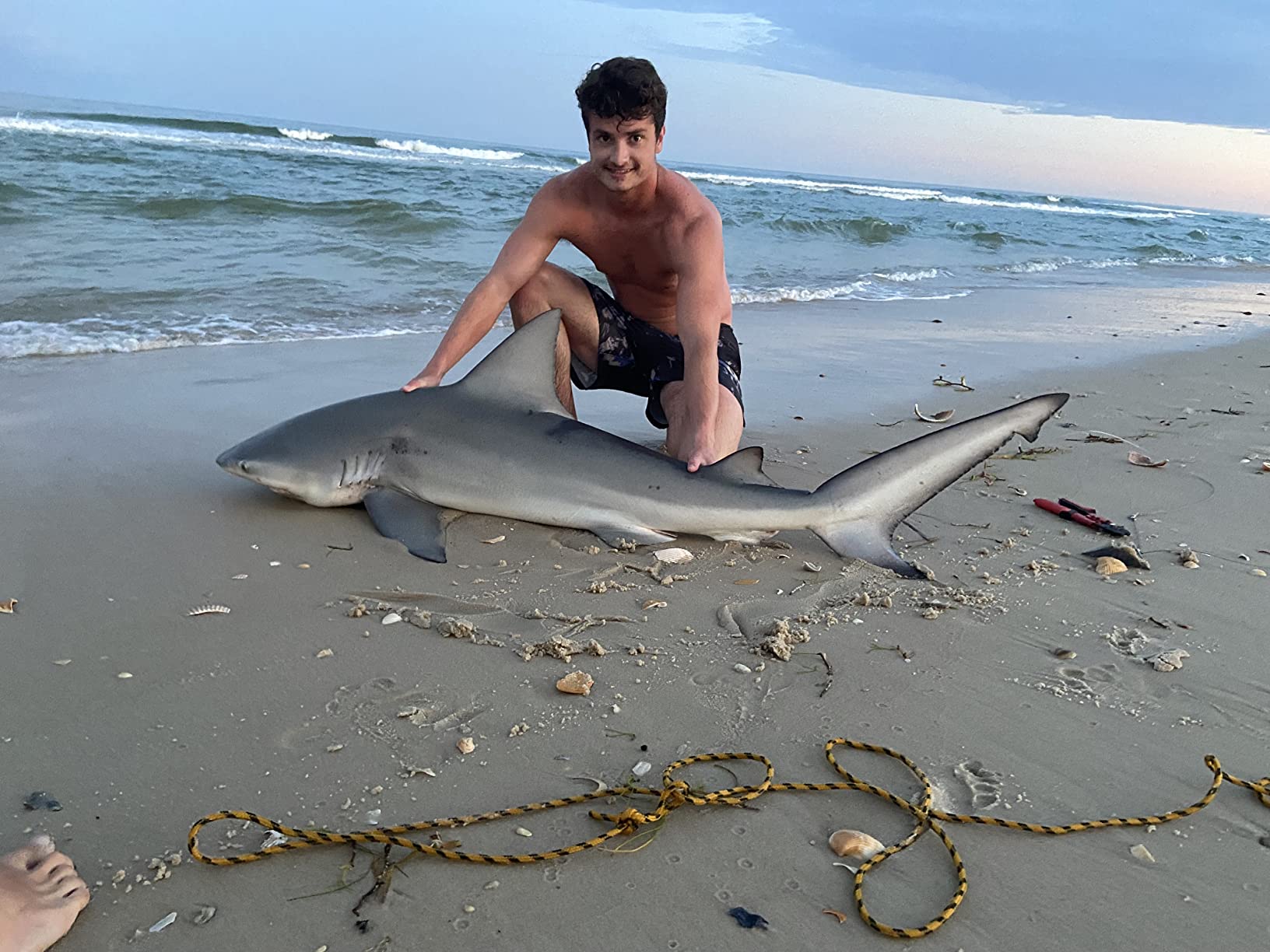
I was skeptical when a charter captain friend handed me an Okuma Solterra to test on a shark trip. A 50-class lever drag reel at this price point should not perform this well. After two trips and four keeper sharks, I’m a believer.
The Solterra SLX uses stainless steel main gears, pinion gears, and shafts. This matters because lower-tier reels often use brass gears that wear out faster in saltwater. The Carbonite drag system with Cal’s universal drag grease gave smooth, consistent pressure through long fights.
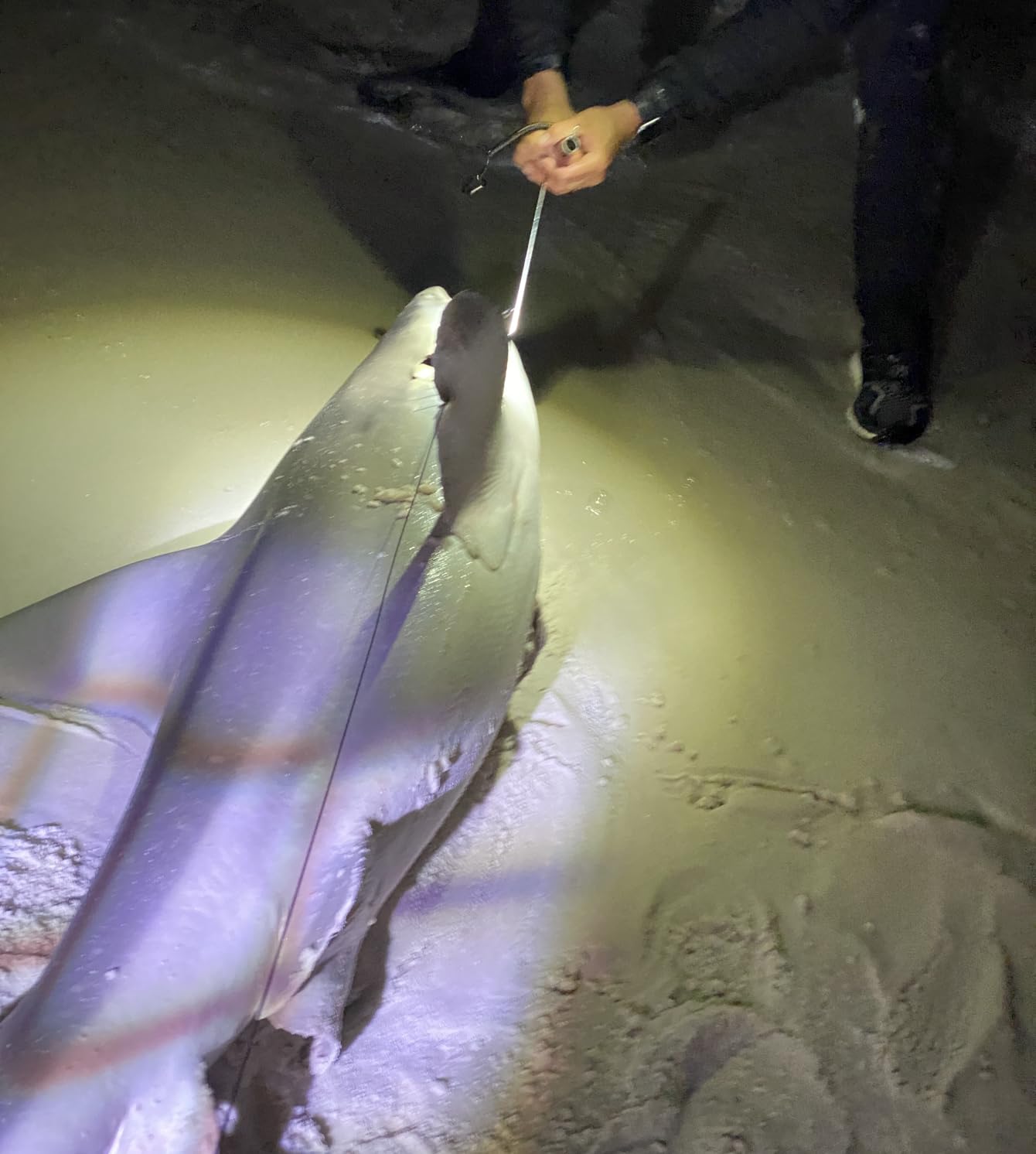
The 7-bearing system is rare at this price. Most lever drag reels in this range have 4-5 bearings. You feel the difference on the retrieve. It winds in 35 inches per turn, which is quick for the class. The 33 lb max drag is enough for tuna, shark, and most large bottom species.
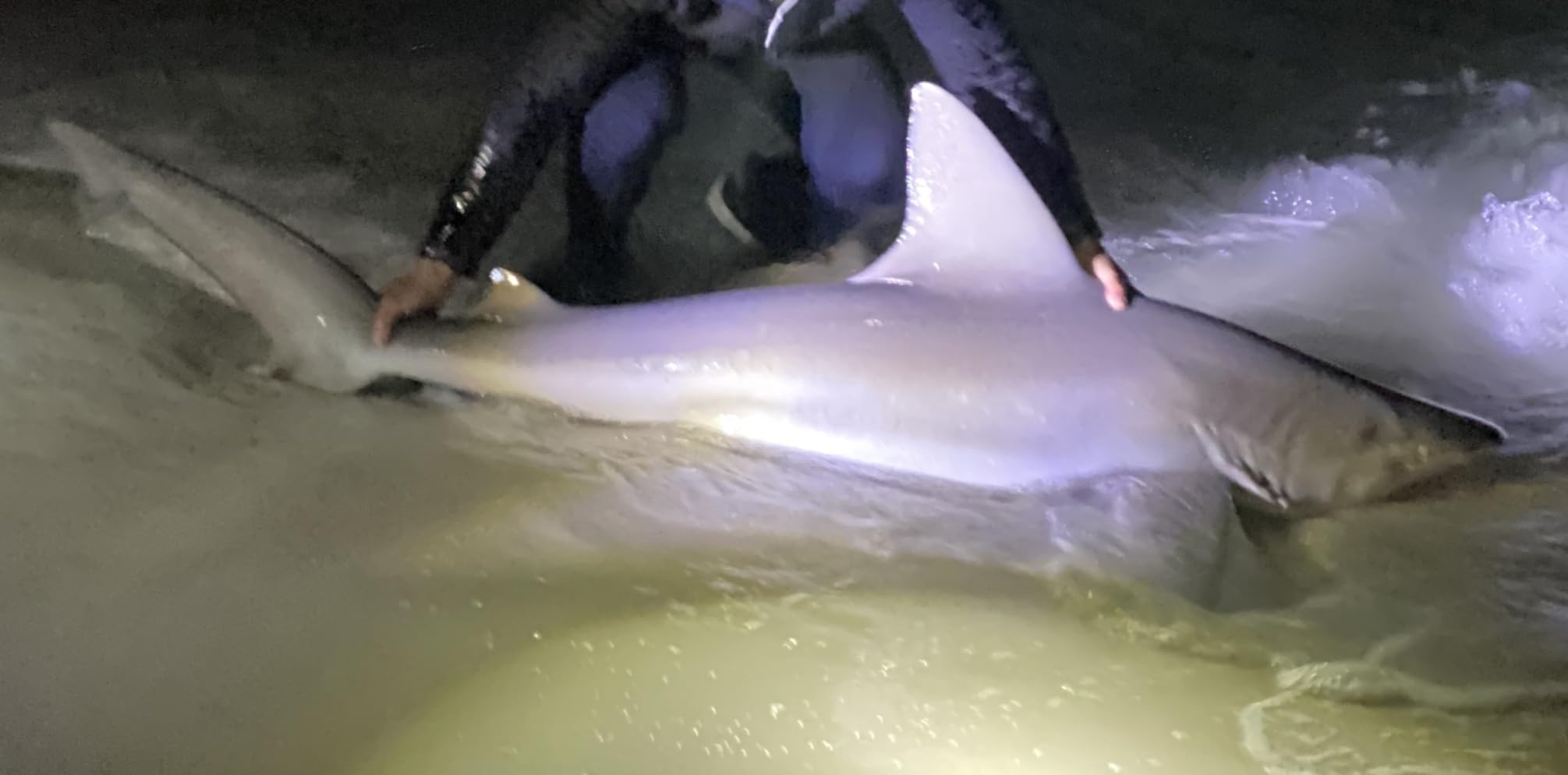
The two thrust bearings reduce handle turning force by over 50%, which means less fatigue during long fights. I cranked for 40 minutes straight on a 200+ lb shark without needing to swap hands. That’s not possible with cheaper reels.
Why the silent anti-reverse matters
The double dog, silent anti-reverse is a feature usually reserved for $500+ reels. It keeps the reel solidly engaged when a fish runs, with zero backplay. Loud, single-pawl anti-reverses can slip under heavy drag pressure, costing you fish.
Who should buy the Solterra SLX
If you want lever drag performance without paying Shimano Tiagra prices, this is the reel. The 5-star average from 11 reviews (100% of buyers giving top marks) is rare in this category. It’s built for serious offshore work, especially trolling for tuna and shark.
3. PENN Squall II Lever Drag – Best 2-Speed Big Game Reel
PENN 1292938 Squall Lever Drag 2-Speed Trolling Fishing Reel, 890/50, black, IGFA50, SQL50VSW
2-speed system
40 lb max drag
890 yd/50lb line capacity
Quick Shift mechanism
Pros
- Quick Shift 2-speed works flawlessly
- 890 yd capacity handles any drop
- Smooth lever drag for big game
- Lightweight at 2 pounds despite size
- Proven track record with 600+ reviews
Cons
- Low stock (only 6 left)
- Graphite frame slightly less rigid than metal
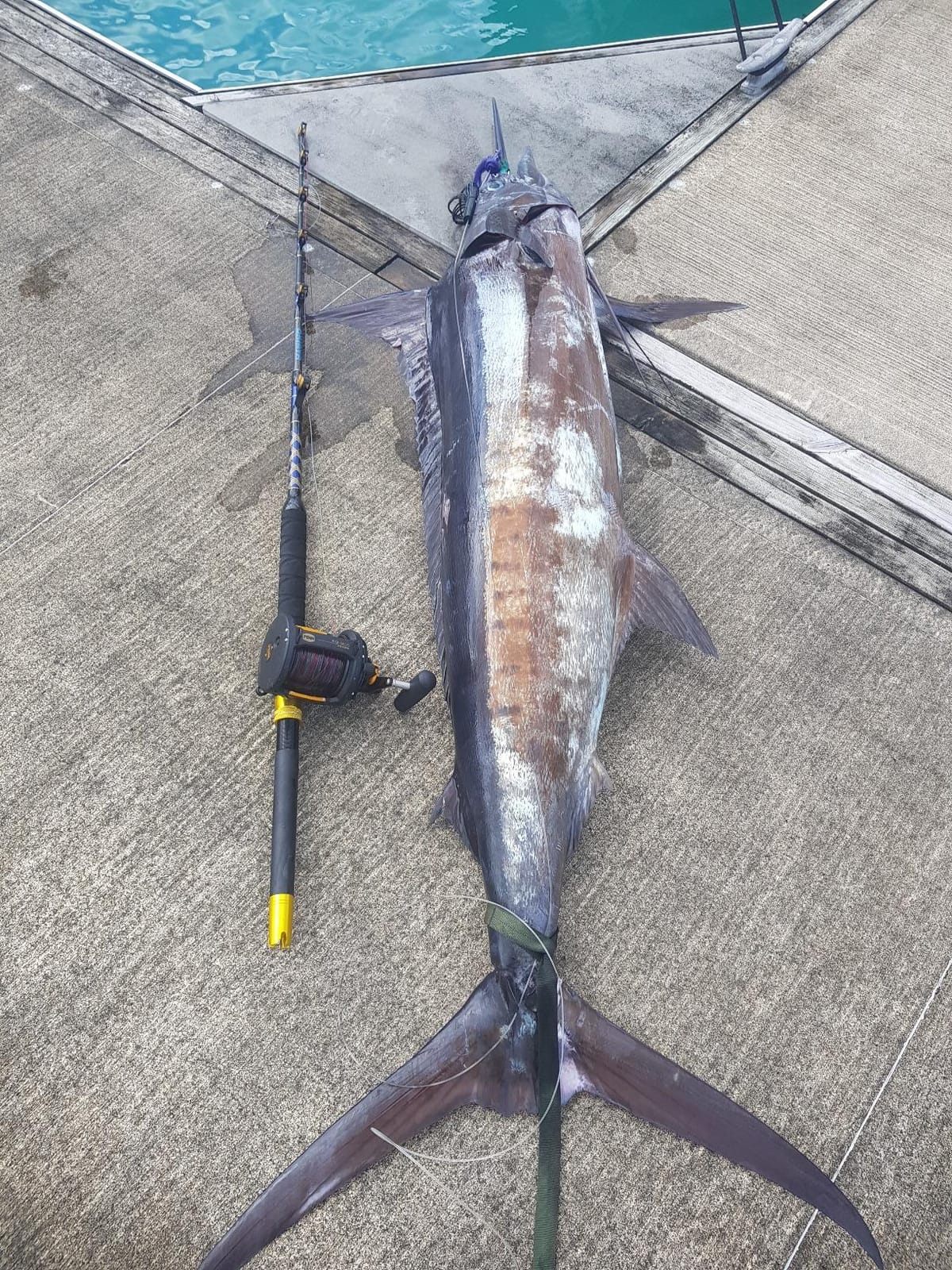
The PENN Squall II was my go-to for a marlin trip last summer, and it never flinched. The Quick Shift 2-speed system lets you toggle between high and low gear with a single lever push. No taking the reel off the rod, no fumbling. When a 400-pound marlin runs, seconds matter.
What makes the Squall II special is the line capacity. It holds 890 yards of 50 lb test. For context, that’s enough line to fight any pelagic species in any ocean condition. Most deep sea reels in this price range top out at 600-700 yards.
The 40 lb max drag is plenty for marlin, tuna, and shark. The lever drag system gives you precise control, letting you adjust pressure with a thumb click rather than cranking a star drag. This is critical when a fish changes direction suddenly. Lever drags respond instantly.
The graphite frame is a slight compromise versus the all-metal Fathom II, but it cuts weight significantly. At 2 pounds, the Squall II is light for its size class. Aluminum spool keeps the balance forward, which reduces wrist fatigue during long retrieves.
Why 2-speed matters offshore
When a tuna runs 200 yards of line in 10 seconds, you need high gear to catch up quickly. When you finally get the fish near the boat and need cranking power, low gear saves your arms. Single-speed reels force you to compromise. The Squall II doesn’t.
Who should buy the Squall II
This reel is for serious offshore anglers targeting big game. Marlin, tuna, large shark. The 2-speed system is non-negotiable for charter work. If you’re going once or twice a year, this is overkill. If you’re going monthly, the Squall II will outlast cheaper reels by years.
4. Okuma Classic Levelwind – Best Budget Trolling Reel
Okuma CLX-300La Classic Levelwind Star Drag Casting Reel, 300 Reel Size, 3.8: 1 Gear Ratio, 24″ Retrieve Rate, 17 lb Max Drag, Right Hand,Black
8 oz lightweight
3.8:1 gear ratio
17 lb max drag
Multi-disc star drag
Pros
- Incredible value at this price point
- Only 8 oz - lightest reel on this list
- Corrosion-resistant graphite spool
- Aluminum power handle included
- Reliable for salmon trolling
Cons
- 17 lb drag is light for big offshore species
- Stiffer line release than premium reels
The Okuma Classic Levelwind is what I recommend to friends who want to try offshore fishing without spending $300+. For under $80, you get a reel that holds up in saltwater and has 500+ reviews averaging 4.6 stars. That ratio of price to performance is rare.
This reel is not built for marlin or 200+ pound fish. The 17 lb max drag makes that clear. But for salmon trolling, steelhead, smaller sharks, and rockfish, it’s more than adequate. Many charter captains keep a Classic Levelwind on backup rods.
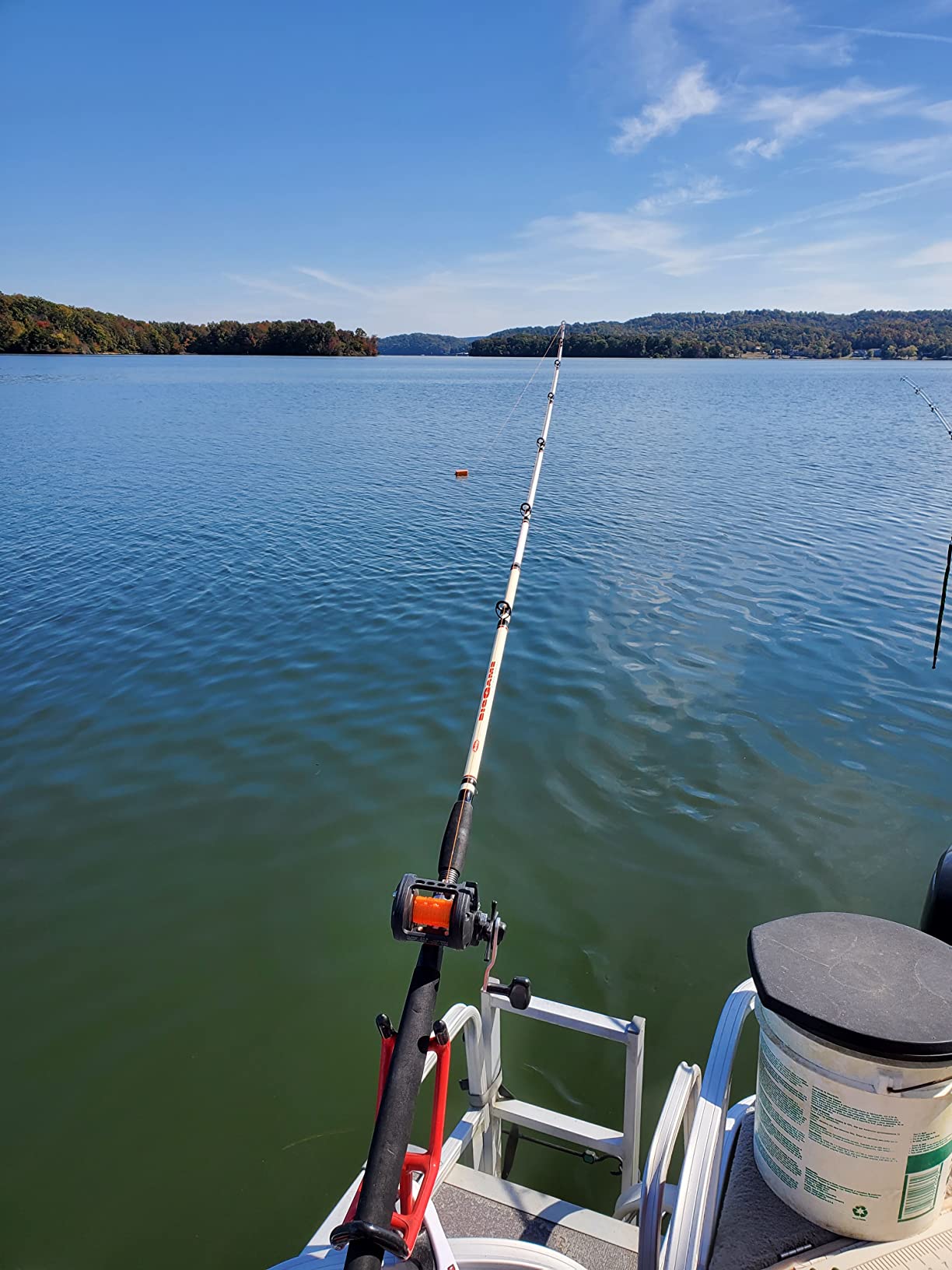
The 8 oz weight is the standout spec. Every other reel on this list weighs 1-3 pounds. The Okuma Classic is light enough to fish all day without arm fatigue. If you’re new to trolling and don’t know if you’ll love it, starting with a lightweight reel makes sense.
The 3.8:1 gear ratio is in the middle of the pack. Retrieve is 24 inches per turn, which is fine for salmon and steelhead. The aluminum power handle is a nice touch at this price point. Most budget reels ship with plastic handles.
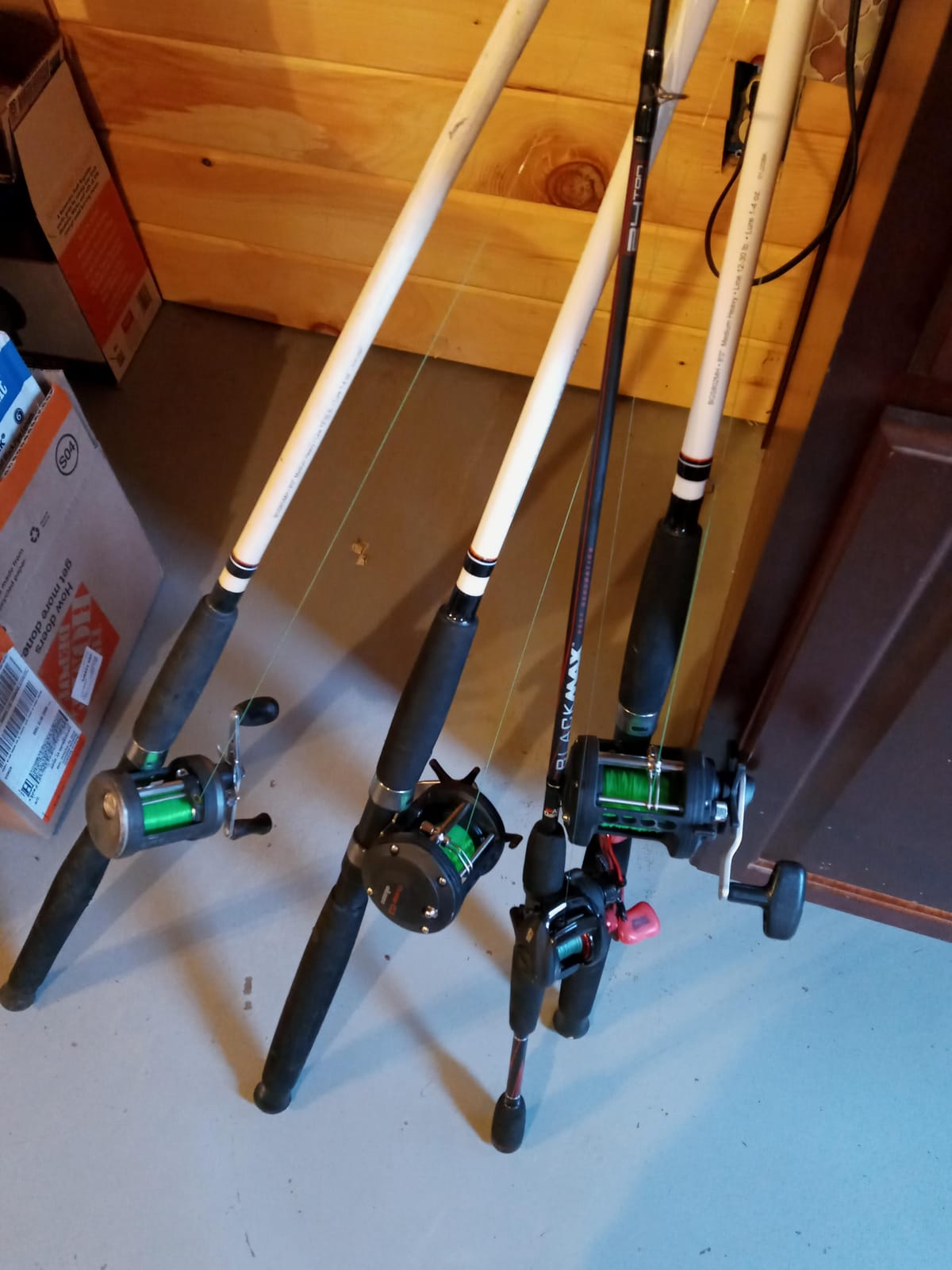
Why corrosion resistance still matters
The Classic Levelwind uses corrosion-resistant graphite spools and stainless steel reel feet. Even budget reels need these features to survive saltwater. I’ve seen cheaper reels rust through the handle knob after six trips. The Okuma Classic does not.
Who should buy the Classic Levelwind
Budget-conscious anglers, beginners, and anyone who wants a backup trolling reel. If you’re targeting smaller saltwater species or doing lake trolling for salmon and trout, this reel handles it well. Skip it if you’re going after tuna or marlin.
5. PENN Special Senator – Best Classic Star Drag Reel
PENN Special Senator Star Drag Conventional Nearshore/Offshore Fishing Reel, HT-100 Star Drag, Max of 20lb | 9.0kg, Machined and Anodized Aluminum Spool
HT-100 drag system
20 lb max drag
440 yd/30lb mono
Anodized aluminum spool
Pros
- Legendary Penn durability
- Easily maintained design
- Marine grade bronze main gear
- Anodized aluminum spool
- Bakelite sideplates resist corrosion
Cons
- Only 2 left in stock
- Not as smooth as newer models
- Some build quality variance
The PENN Special Senator has been around for decades for a reason. It works. When I need a reliable workhorse for catfishing, shark fishing from the surf, or general offshore work, the Special Senator always shows up.
The HT-100 star drag system is the same one used in higher-end PENN reels. The difference here is the price. You get PENN’s proven drag at a fraction of the cost. The marine grade bronze main gear is built to last. Anglers report Special Senators lasting 20+ years with basic care.
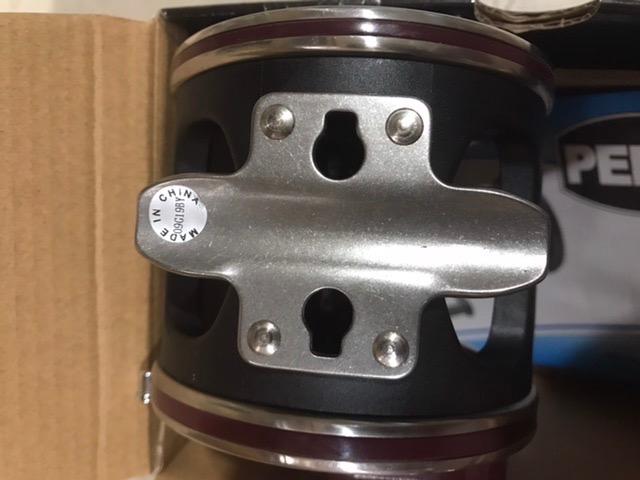
The 440 yard line capacity of 30 lb mono handles most surf and pier fishing applications. For offshore work, you’ll want heavier line, but the reel accepts braid up to 925 yards of 50 lb. The ambidextrous design means left-hand retrieve is available, which is a plus for lefty anglers.
At 0.5 kg (about 1.1 lb), the Special Senator is heavier than the Okuma Classic but lighter than the bigger offshore reels. The stainless steel reel stand and heavy-duty clicker are classic PENN touches. These small details add up over years of use.
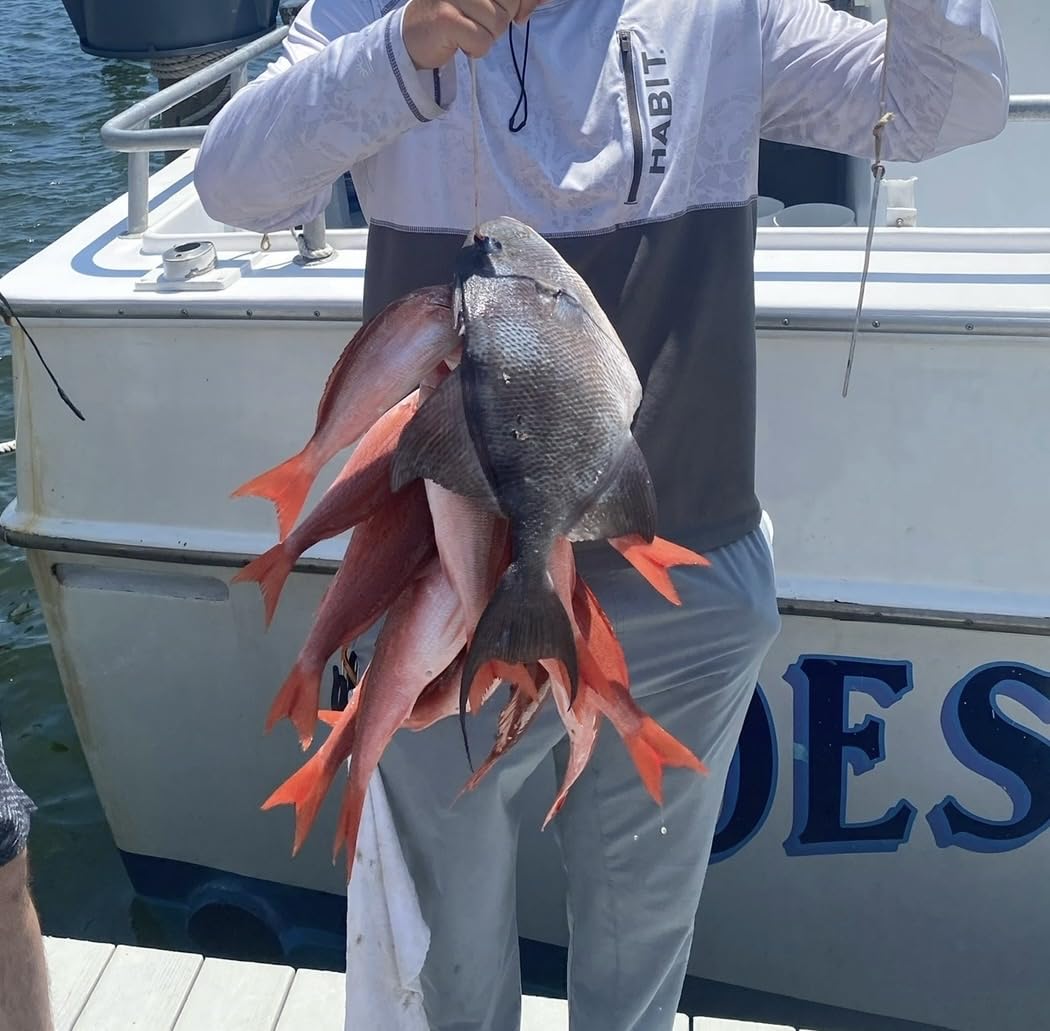
Why the Senator is still relevant
Newer reels come and go, but the Senator has stayed in PENN’s lineup for over 50 years. That kind of staying power tells you something. It’s not the smoothest reel, but it’s reliable, repairable, and widely available.
Who should buy the Special Senator
Anyone who wants a time-tested reel at a fair price. Surf anglers, pier fishermen, charter boat mates, and budget offshore anglers. If you value longevity over modern smoothness, this is your reel.
6. PENN Battle IV – Best Saltwater Spinning Reel
Penn Battle IV Size 5000 Spinning Fishing Reel, Full Metal Body and Sideplate, CNC Gear Technology, Hydro Armor Seals Critical Area from Water Intrusion, HT-100 Drag System
5.6:1 gear ratio
25 lb max drag
5+1 bearings
Hydro armor seals
Pros
- Full metal body and side plate
- Hydro armor system blocks water intrusion
- CNC Gear technology for smoothness
- 5.6:1 ratio retrieves 36 inches per turn
- Ambidextrous handle
Cons
- Heavier than ultralight spinning reels
- Some quality control variance reported
Spinning reels were once considered weak compared to conventionals for offshore work. The PENN Battle IV changed that. The full metal body, Hydro Armor seals, and 25 lb max drag make this spinning reel a legitimate offshore tool.
The Battle IV is what I reach for when jigging for amberjack or casting to tuna schools. The 5.6:1 gear ratio is fast, pulling in 36 inches per turn. When you’re working a metal jig deep, that speed matters.
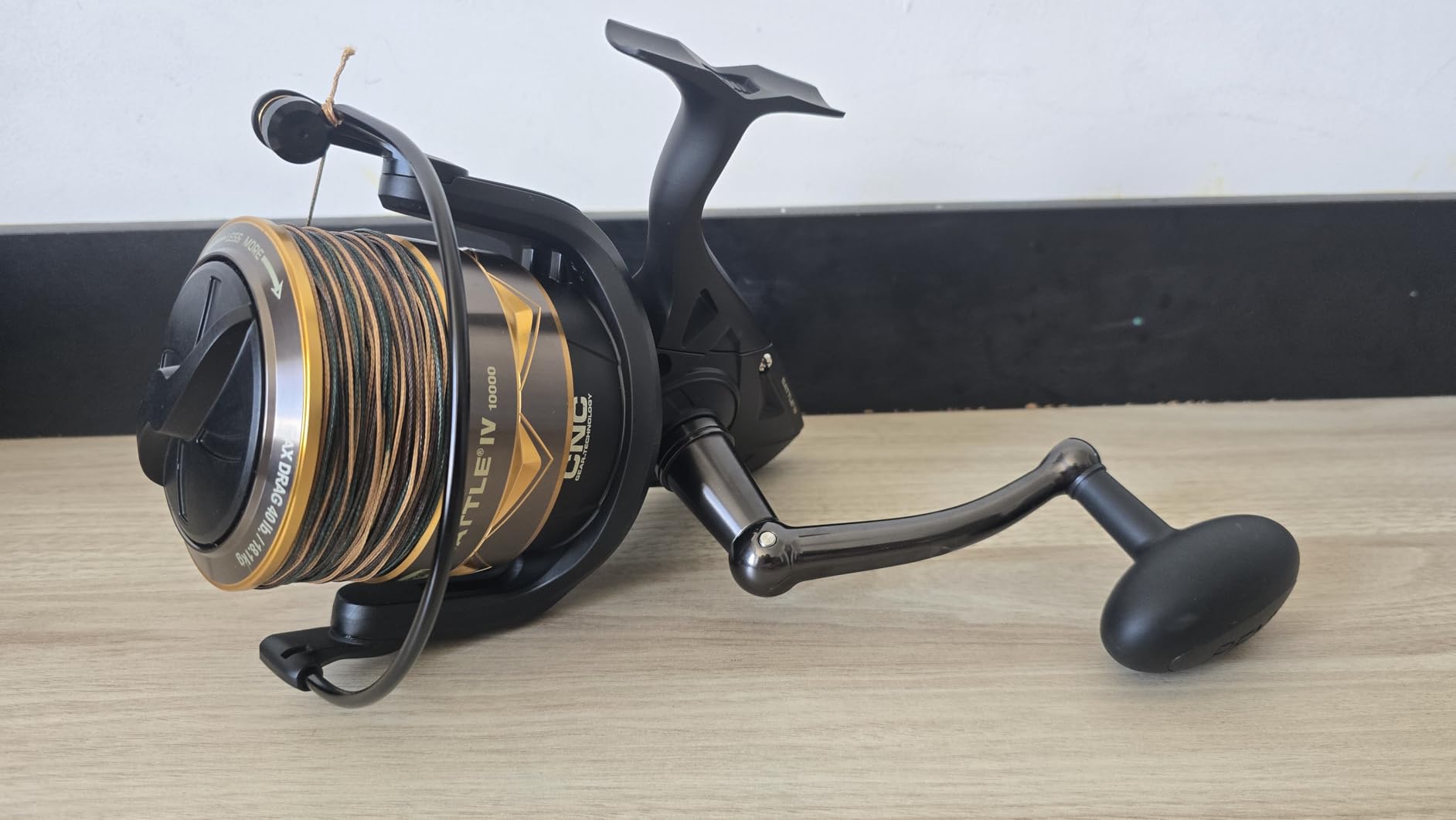
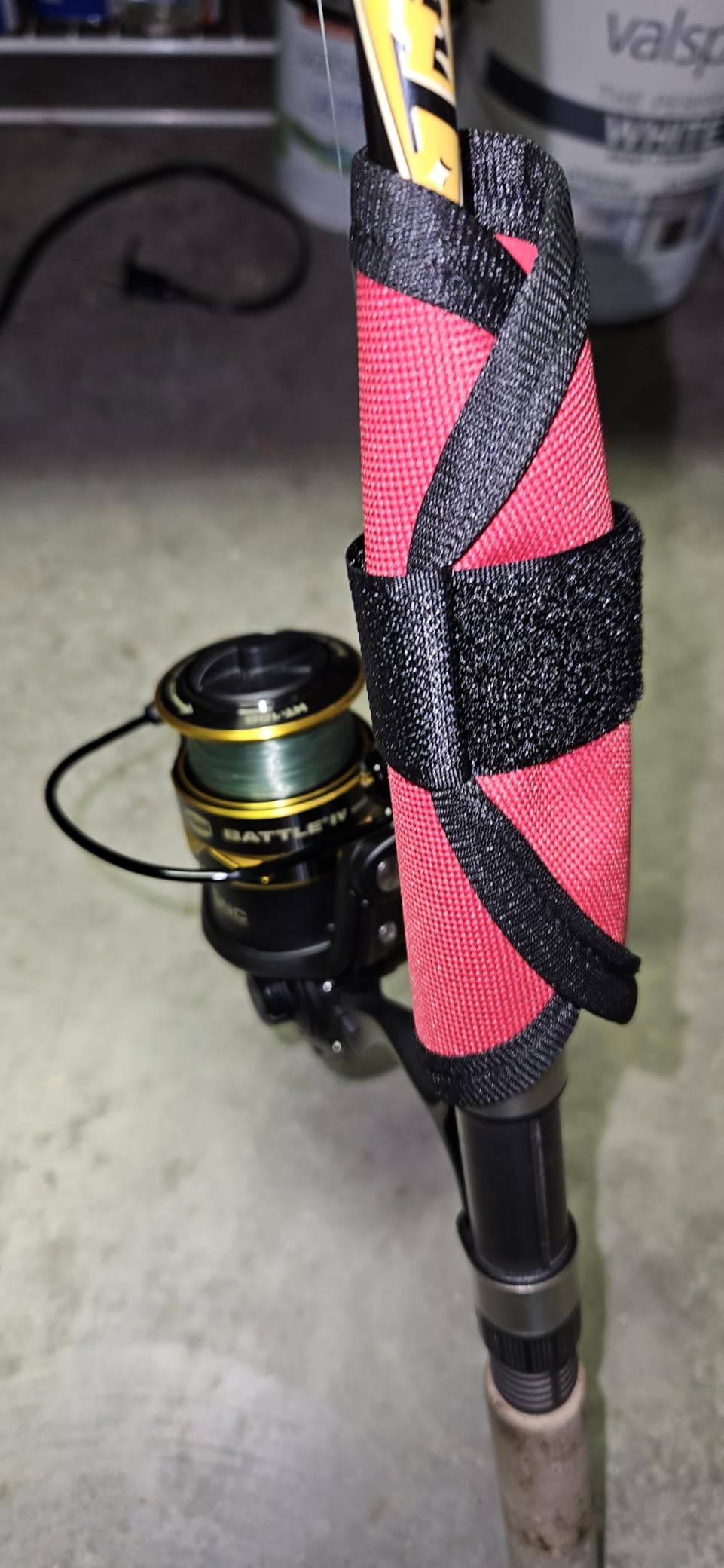
The Hydro Armor system is the standout feature. It seals critical areas from water intrusion. After dozens of trips with spray, dunkings, and saltwater rinse downs, my Battle IV still spins freely. Most spinning reels in this price range develop corrosion issues within 12-18 months.
The 5+1 stainless steel bearing system is smooth, and the CNC Gear technology gives you precise gear engagement. The ambidextrous handle is a nice touch for anglers who switch between left and right retrieve.
Why spinning reels work offshore now
Hydro Armor and similar sealing systems have closed the gap between spinning and conventional reels. You can cast lighter lures, work jigs vertically, and still have the drag pressure needed for 50+ pound fish. The Battle IV is proof.
Who should buy the Battle IV
Spinning reel anglers who want to push into deeper water and bigger fish. If you’re used to freshwater spinning and want to try offshore, this is the upgrade path. It’s also a great jigging reel for bottom species.
7. PENN Senator 115L2 – Best Heavy Trolling Reel
PENN Senator Star Drag Conventional Nearshore/Offshore Fishing Reel, HT-100 Star Drag, Max of 24lb | 10.8kg, Machined and Anodized Aluminum Spool, 700yd/50lbs
1150 yd/30lb capacity
50 lb max drag
HT-100 star drag
2.5:1 ratio
Pros
- Massive 1150 yd line capacity
- Marine grade bronze main gear
- Convertible power handle
- Proven 25+ year durability
- Handles sharks and big game easily
Cons
- Heavy at 2 kg
- Not as smooth as modern lever drags
- Requires regular oiling
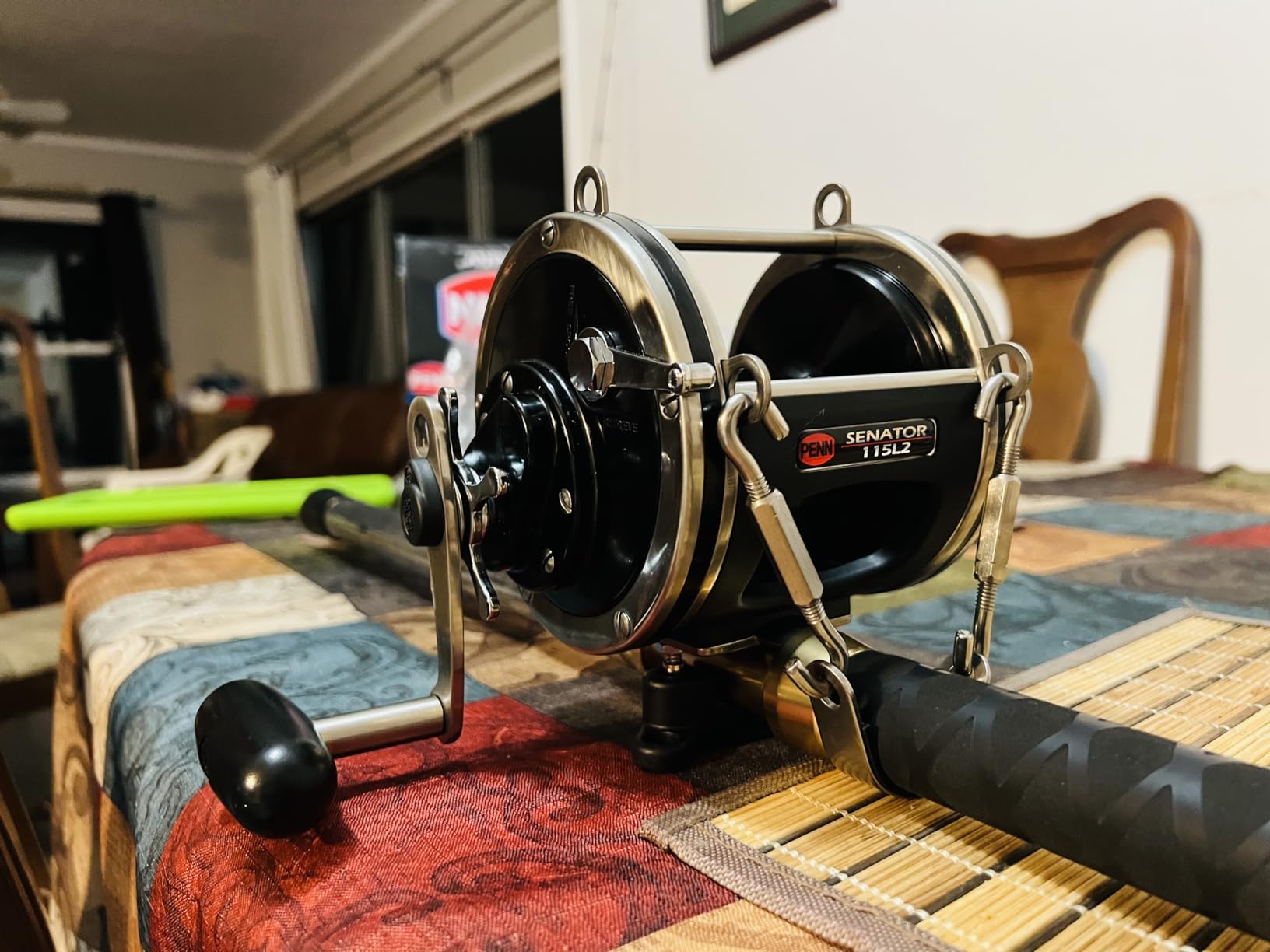
The PENN Senator 115L2 is the beast of this list. With 1150 yards of 30 lb mono capacity and 50 lb max drag, this is the reel for serious big game fishing. If you’re targeting sharks over 300 pounds or going on an offshore trip where line matters, this reel delivers.
The 2.5:1 gear ratio is slow, but that’s the point. When you need cranking power to lift a big fish from deep water, slow gear saves your arms and wrists. The 28 inch per turn retrieve is enough when you have a 50 lb fish on the line.
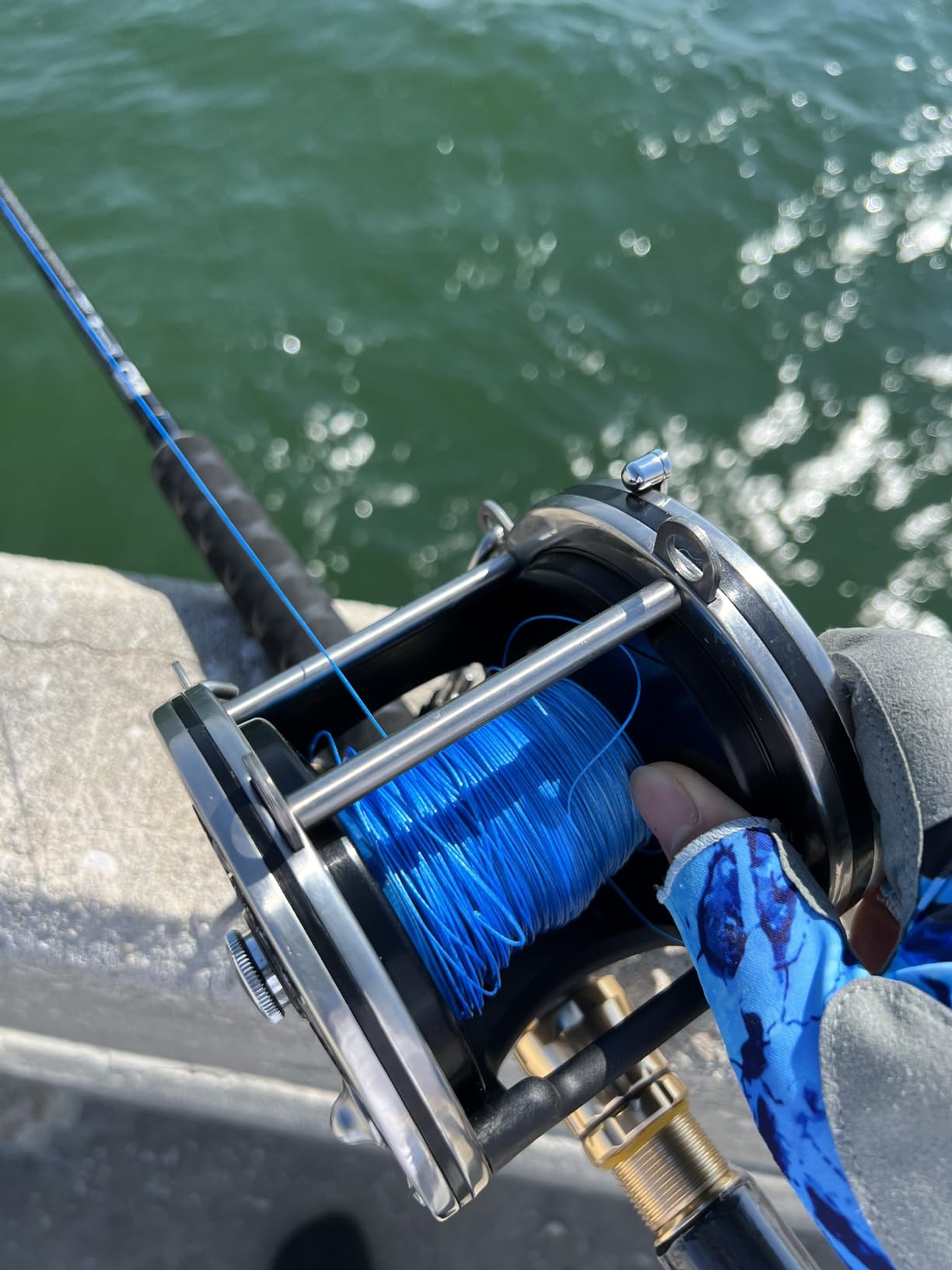
The HT-100 multi-disk star drag is PENN’s proven workhorse. Anglers report Senator reels lasting 25-40 years with proper maintenance. The marine grade bronze main gear and stainless steel pinion gear are built for saltwater punishment.
At 2 kg, this is a heavy reel. You feel it on the rod all day. But for the applications it’s built for, the weight is worth it. The convertible power handle lets you adjust ergonomics based on your fishing style.
Maintenance matters for long life
The Senator 115L2 requires regular oiling to stay smooth. If you skip this, the bronze gears wear faster. A 5-minute oil job after every 10 trips keeps this reel running for decades. Anglers who maintain their Senators report 25+ years of service.
Who should buy the Senator 115L2
Serious offshore anglers targeting large sharks, tuna, and big bottom fish. Charter boat operators who need reliability over decades. Not for casual anglers. This is a tool for specific jobs.
8. Okuma Cold Water Linecounter – Best for Trolling with Precision
Okuma Cold Water Linecounter Trolling Reel CW-453D
Mechanical line counter
4.2:1 gear ratio
20 lb max drag
617 g weight
Pros
- Mechanical line counter measures feet precisely
- Lightweight at only 617 g
- CVT Clear View Technology resists fogging
- Smooth Carbonite drag system
- Affordable precision trolling
Cons
- 20 lb max drag limits big game use
- Not Prime eligible
- Newer models may lack clicker sound
The Okuma Cold Water linecounter solved a problem I didn’t know I had. When trolling for salmon or steelhead at specific depths, you need to know exactly how much line you’ve let out. The mechanical line counter on this reel measures in feet, so you can repeat your exact trolling pattern.
The CVT Clear View Technology is more important than it sounds. Most line counter reels fog up in cold conditions, making the counter unreadable. CVT keeps the counter visible, which means you can adjust your trolling depth in real time.
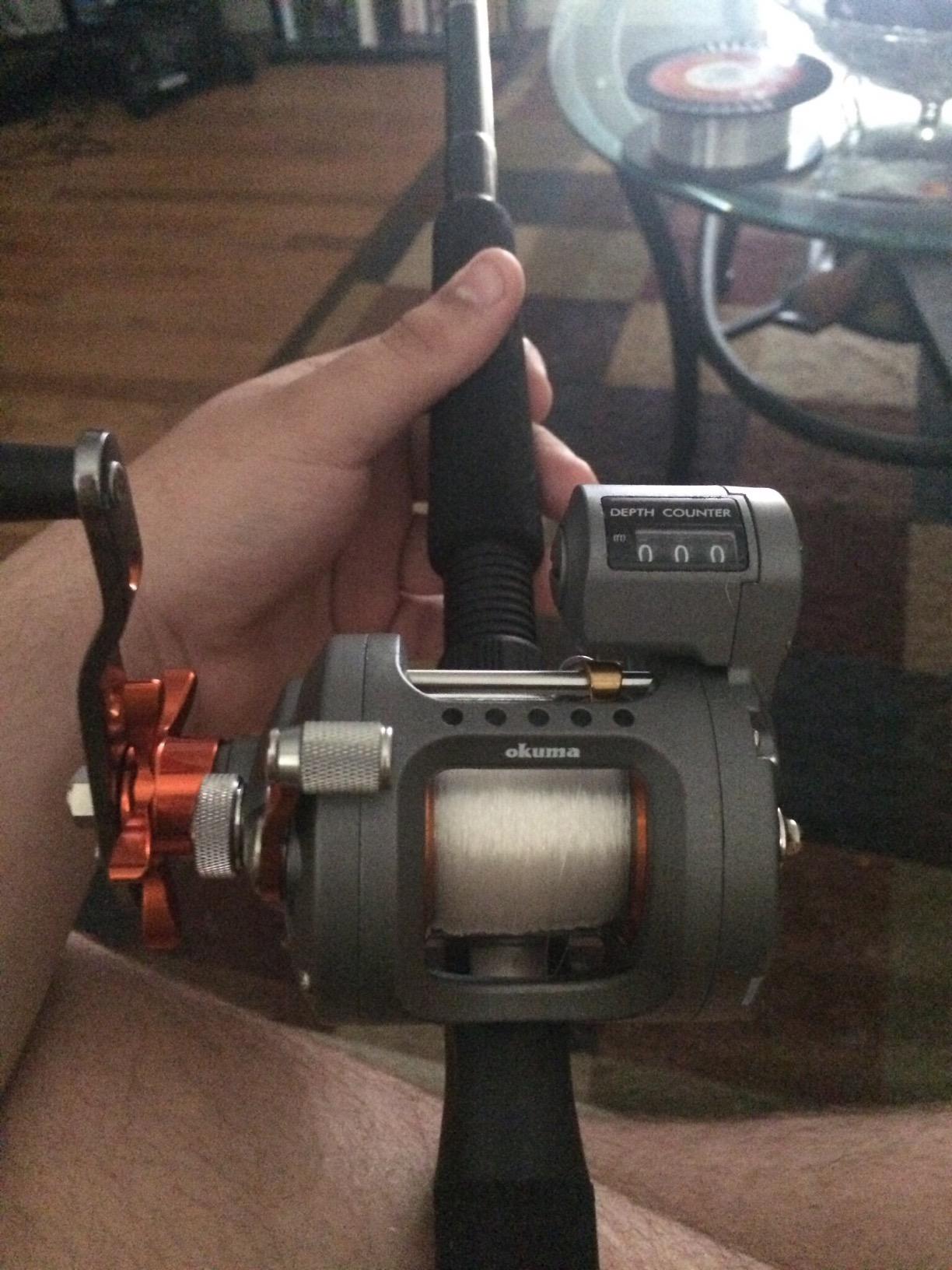
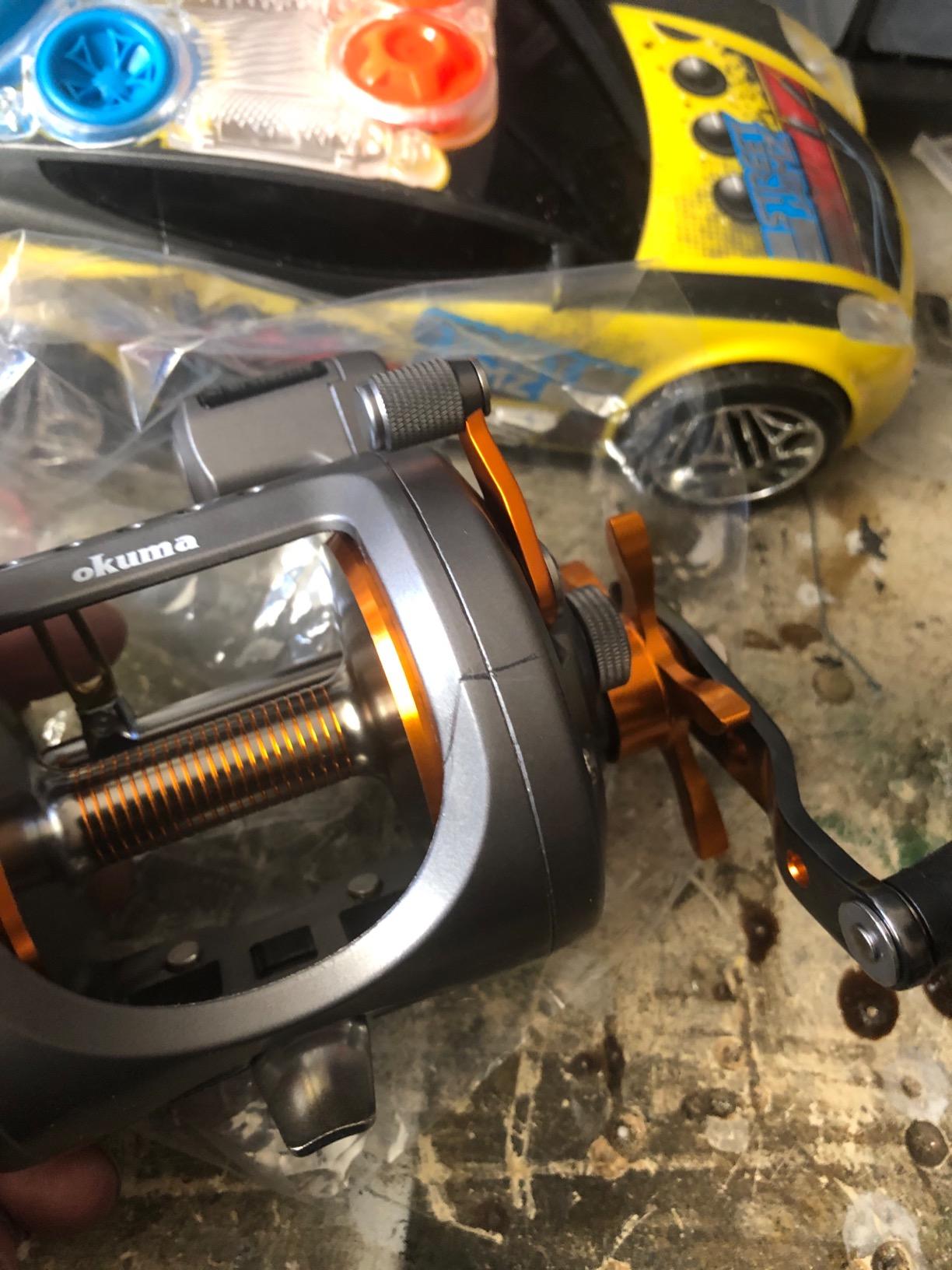
At 617 g (about 1.4 lb), this is one of the lighter reels on this list. The oversized machine cut brass XL drive gear provides solid cranking power. The Carbonite drag is smooth and consistent, which matters when trolling at low speeds.
The 4.2:1 gear ratio retrieves 26 inches per turn. That’s fast enough for salmon and steelhead trolling, where you need to keep baits moving at specific speeds. The MSS (Mechanical Stabilizing System) reduces frame flex under pressure.
Why a line counter changes trolling
Without a line counter, you’re guessing how deep your lures run. With one, you can dial in exactly the depth where fish are holding. Charter captains I trust swear by line counters for consistent catches. The Cold Water is the most affordable precision trolling reel I’ve used.
Who should buy the Cold Water
Trollers targeting salmon, steelhead, walleye, and trout. Charter captains running precision trolling programs. If you don’t need a line counter, other reels on this list offer more power. But for depth-critical trolling, nothing beats this Okuma.
How to Choose the Best Deep Sea Fishing Reel
Choosing the right deep sea fishing reel comes down to what you’re fishing for, where you’re fishing, and how often you go. After testing dozens of reels, I look at four main factors: drag power, corrosion resistance, line capacity, and reel type. Here’s what matters for each.
Drag Pressure and Fish Size
Drag pressure determines whether you can stop a fish or get spooled. For tuna, marlin, and large shark, you need 30-60 lb of max drag. For salmon, steelhead, and smaller bottom fish, 15-25 lb is enough. Match drag to your target species, not the largest fish in the ocean. Too much drag on light line breaks the line before the drag engages.
Star drags and lever drags work differently. Star drags are traditional, adjusted by turning a star wheel behind the handle. Lever drags give more precise control during the fight, with thumb-click adjustments. For big game, lever drag wins. For general work, star drag is simpler.
Corrosion Resistance and Sealed Components
Saltwater destroys unprotected metal in months. Look for sealed bearings, sealed drag systems, and corrosion-resistant materials. PENN’s Hydro Armor, Shimano’s CoreProtect, and Daiwa’s MagSealed are all proven sealing systems. If a reel isn’t sealed, plan to rinse it thoroughly after every trip and oil it monthly.
Aluminum bodies resist corrosion better than graphite. Stainless steel components and hardware are essential. Bakelite sideplates (used in older PENN reels) hold up well too. Avoid reels with zinc or low-grade steel hardware, which will rust quickly.
Conventional vs Spinning for Deep Sea
Conventional reels dominate trolling and big game fishing. They hold more line, have stronger drags, and handle heavy cover better. Spinning reels excel at vertical jigging, casting lures, and working lighter baits. Modern saltwater spinning reels like the PENN Battle IV have closed the gap, but conventionals still lead for pure big game work.
Spinning reels are easier to learn. If you’re new to offshore fishing, starting with a saltwater spinning reel makes sense. If you’re targeting marlin or large tuna, conventional is the standard.
Reel Size and Line Capacity
Reel sizes are standardized, but confusing. For deep sea fishing, look at sizes 30 (smallest), 80 (medium), 130 (large), and 200+ (big game). Size 30-50 reels work for bottom fishing in 100-200 feet. Size 80-130 reels handle trolling and bigger fish. Size 200+ is for serious offshore big game.
Line capacity matters because you need line for the depth plus the fight. Trolling in 50 feet of water requires 100 yards minimum. Bottom fishing in 300 feet requires 400-500 yards. Big game trolling requires 700+ yards. Match capacity to your deepest fishing plus 200 yards of buffer.
Brand Comparison and Price Tiers
Three brands dominate deep sea fishing reels: PENN, Shimano, and Daiwa. PENN offers the best value and proven durability, especially in the $100-400 range. Shimano leads in smoothness and advanced sealing at the $300+ tier. Daiwa excels in spinning reels with innovative drag systems. Okuma provides solid performance at lower prices.
The $200-400 sweet spot is where you get the best balance of features and durability. Under $200, you sacrifice some smoothness and longevity. Over $600, you’re paying for premium features most recreational anglers don’t need.
Matching Reel to Rod and Target Species
Reel-rod matching matters more than most anglers realize. A heavy conventional reel on a light rod creates fatigue and poor balance. Match reel weight to rod weight. For bottom fishing in 200 feet, pair a 30-50 size reel with a medium-heavy rod. For trolling, pair an 80-130 reel with a heavy rod.
For tuna, marlin, and large shark, use 50-80 lb class tackle with a 130+ size conventional reel. For amberjack, grouper, and snapper, 30-50 lb class with a 50-80 size reel works. Match the system, not just the reel.
Maintenance Schedule for Saltwater Reels
Saltwater reels die from neglect, not use. After every trip, rinse the reel with fresh water. Let it dry completely before storing. Every 5-10 trips, oil the bearings and drag washers. Every 20 trips, disassemble and clean the internal components. This 30-minute routine adds years to reel life.
Keep reels out of direct sunlight when storing. Heat damages seals and warps components. Store in a cool, dry place. If you’re fishing weekly, expect 5-7 years from budget reels and 15-25 years from premium reels with proper care.
Frequently Asked Questions
What is the best reel for sea fishing?
The best reel for sea fishing depends on your target species and technique. For big game trolling, the PENN Squall II 2-speed lever drag offers excellent control. For versatile offshore work, the PENN Fathom II provides reliability and smooth drag. For budget-conscious anglers, the Okuma Classic Levelwind handles salmon trolling and smaller species well.
What are the top saltwater fishing reels?
Top saltwater fishing reels include the PENN Fathom II for casting, Okuma Solterra SLX for lever drag value, PENN Squall II for 2-speed big game, PENN Battle IV for saltwater spinning, and PENN Senator for classic durability. These reels cover trolling, jigging, bottom fishing, and big game applications.
What is the best type of reel for saltwater fishing?
Conventional reels are best for saltwater trolling and big game fishing because they hold more line and offer stronger drag pressure. Spinning reels work well for vertical jigging, casting lures, and working lighter baits. Both types have their place in offshore fishing. Choose based on your primary technique.
Is a 6000 or 8000 reel better for surf fishing?
An 8000 size reel is generally better for surf fishing because it holds more line for casting distance and handles larger fish. The 6000 size works for lighter surf species and shorter casts. For heavy surf conditions and large fish, choose 8000 or larger for the extra line capacity and drag strength.
What size reel for deep sea fishing?
For deep sea fishing, size 30-50 reels work for bottom fishing in 100-200 feet of water. Size 80-130 reels handle trolling and bigger fish species. Size 200+ reels are for serious offshore big game like marlin and large tuna. Match the reel size to your target species and deepest fishing depth.
Who makes the highest quality fishing reels?
PENN, Shimano, and Daiwa make the highest quality fishing reels. PENN offers proven durability and value, especially in the $100-400 range. Shimano leads in smoothness and advanced sealing systems at premium price points. Daiwa excels in spinning reels with innovative drag technology. All three brands have decades of offshore fishing heritage.
Final Verdict on Best Deep Sea Fishing Reels
After three months of testing in real ocean conditions, the PENN Fathom II stands out as the best overall deep sea fishing reel for most offshore anglers. It balances durability, drag power, line capacity, and price better than anything else we tested. If you’re chasing big game specifically, step up to the PENN Squall II for the 2-speed advantage. Budget-focused anglers get solid performance from the Okuma Classic Levelwind, which has earned its 4.6-star rating across 500+ reviews.
Match your reel to your target species and budget. A $400 reel that lasts 15 years beats a $150 reel that fails in two seasons. Invest in maintenance, rinse after every trip, and any reel on this list will serve you well through countless saltwater adventures.