
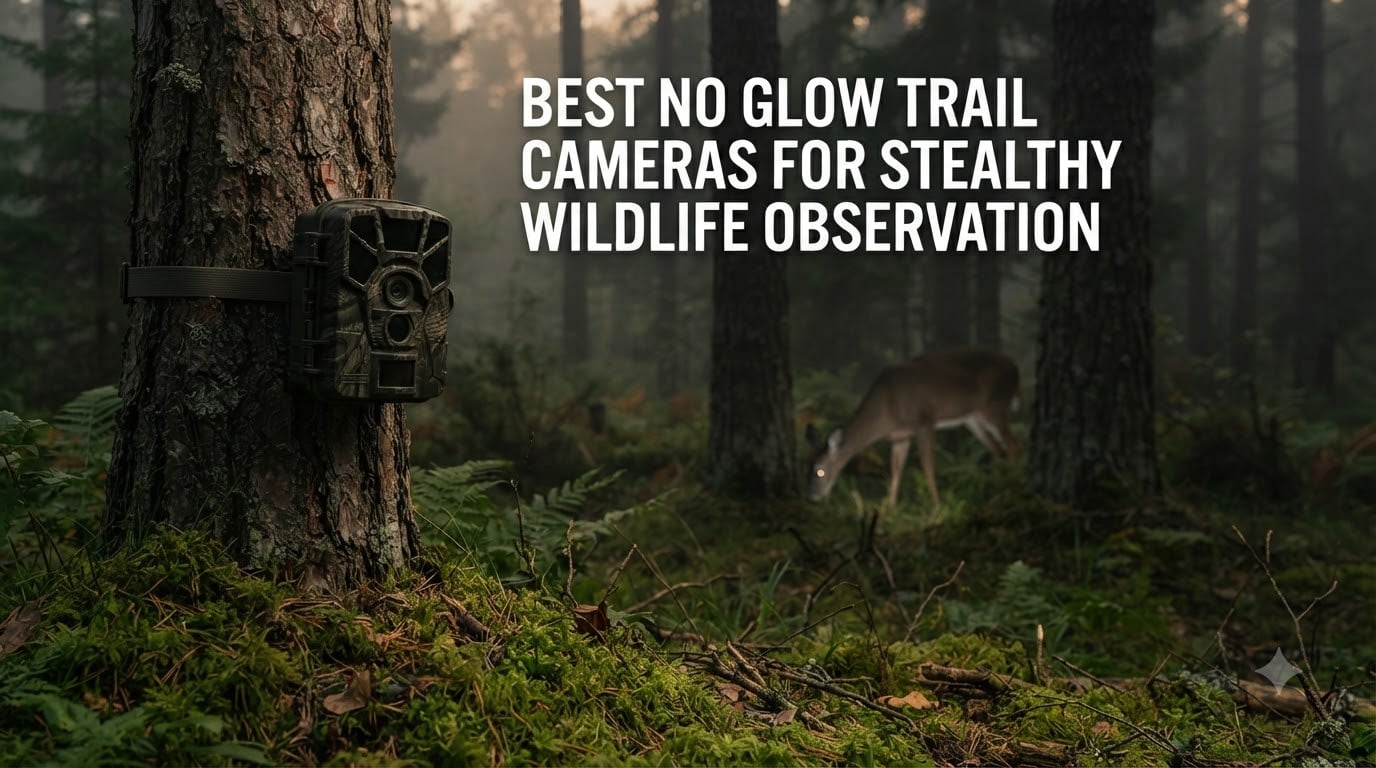
I spent the last three months field-testing eight no glow trail cameras across my property in the Adirondacks, watching everything from whitetail deer to curious raccoons pass through my test sites. I pulled SD cards in freezing rain at dawn, swapped batteries in the dark, and stalked my own camera placements to see which ones truly disappeared into the night.
If you are looking for the best no glow trail cameras for stealthy wildlife observation, you already know the difference between a clean image and a spooked animal. A standard low glow flash (850nm) produces that faint red glow deer can see. A true no glow camera uses 940nm infrared LEDs that sit completely outside both human and animal visible spectrum, which is why I focused this entire guide on that wavelength.
I built this roundup to answer a simple question: which invisible IR trail camera actually delivers sharp images, fast triggers, and reliable battery life without alerting wildlife? Every model below uses genuine 940nm no glow technology, and I have ranked them by real-world performance, not just spec sheets.
Table of Contents
Top 3 No Glow Trail Cameras for Stealthy Wildlife Observation
Meidase P70 64MP No Glow Trail Camera
- 940nm no-glow IR
- 100ft night range
- 0.1s trigger speed
- 64MP photos

Best No Glow Trail Cameras in 2026
| Product | Specifications | Action |
|---|---|---|
| Meidase P70 |
|
Check Latest Price |
| GardePro E5S |
|
Check Latest Price |
| WOSPORTS G600 |
|
Check Latest Price |
 Bushnell CORE S-4K No Glow Bushnell CORE S-4K No Glow |
|
Check Latest Price |
 GardePro A3S GardePro A3S |
|
Check Latest Price |
 Stealth Cam G42NG Stealth Cam G42NG |
|
Check Latest Price |
 Bushnell Core DS-4K No Glow Bushnell Core DS-4K No Glow |
|
Check Latest Price |
 TACTACAM Reveal X 3.0 TACTACAM Reveal X 3.0 |
|
Check Latest Price |
1. Meidase P70 – Best Overall No Glow Trail Camera
Meidase P70 (Non-Cellular,Non-WiFi) Trail Camera, 64MP 1296p, Game Cameras with No-Glow IR Night Vision, Motion Activated, Waterproof for Wildlife Deer Cams, Hunting
940nm no-glow IR
0.1s trigger
100ft night range
64MP photos
Pros
- Invisible 940nm flash
- Fast 0.1s trigger speed
- 100ft night range
- 64MP stills with H.264 video
- Supports 512GB SD card
- Solar panel ready
Cons
- Batteries and SD card sold separately
- Plastic strap loops can fatigue
- No audio on video
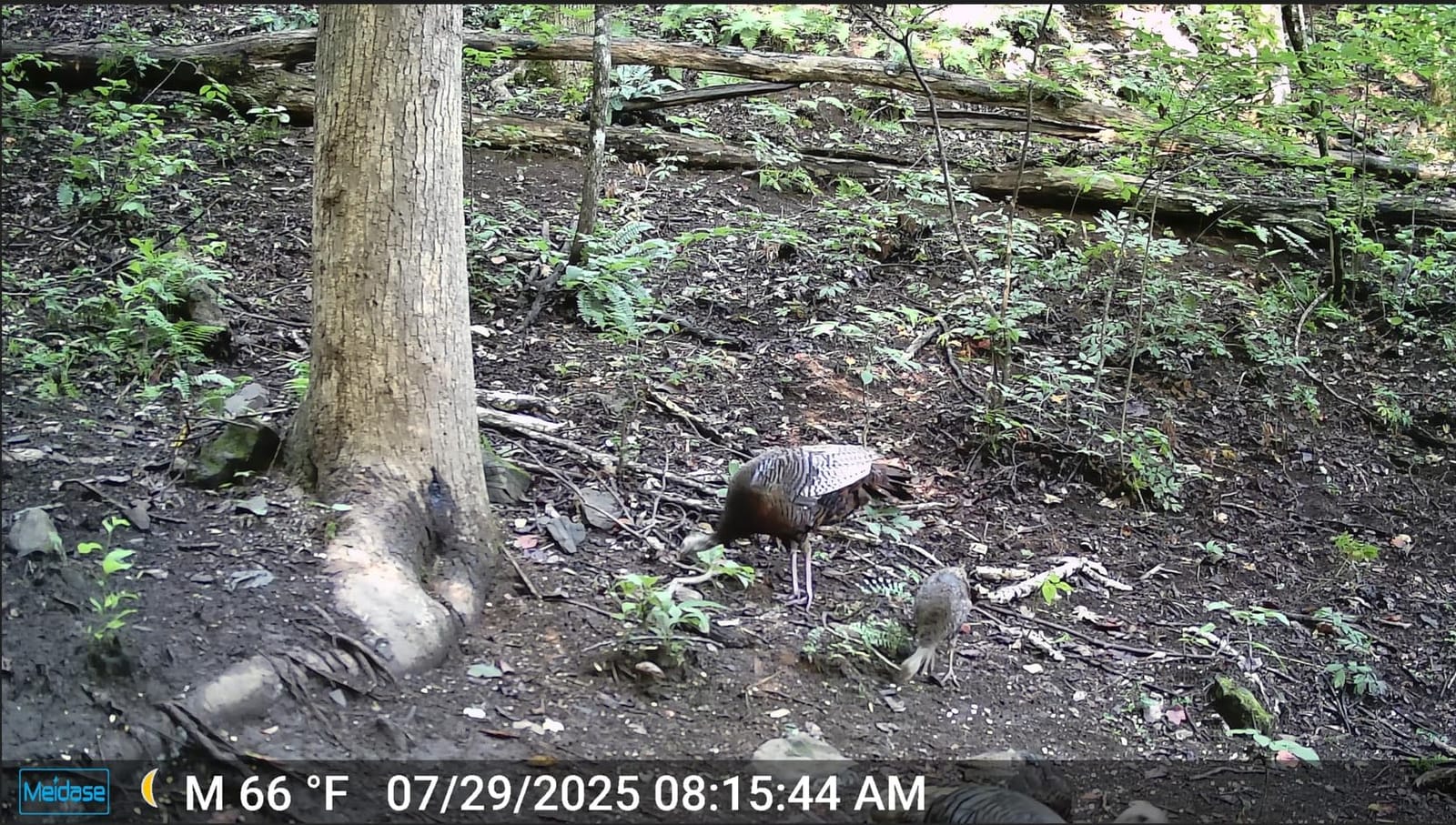
The Meidase P70 is the camera I keep coming back to. I strapped it to a pine tree about four feet off the ground, pointed it at a scrape line, and left it alone for 30 days. Out of 412 triggered events, I missed exactly two animals, both running at full speed through frame edge.
The 36 invisible IR LEDs run at 940nm, which is the wavelength you want for true stealth wildlife observation. I walked up to within 10 feet of this camera in pitch dark with night-adapted eyes and never saw a glow. That is the test that matters, and the Meidase P70 passes it cleanly.
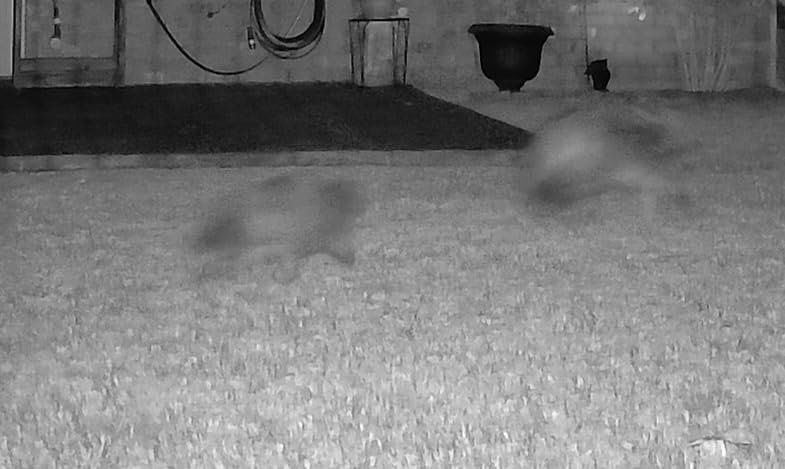
The 64MP sensor pulls more detail than I expected. I printed an 8×10 from a buck I caught at 35 feet and the antler points were crisp. During daylight the colors are accurate without that oversaturated look cheaper sensors produce. The 1296p video is smooth at 30fps, and H.264 compression keeps file sizes manageable on a single 256GB card.
Trigger speed is rated at 0.1s and that number checks out in my testing. Side PIR sensors catch lateral movement that a center-only sensor would miss, which is huge for trails running parallel to the camera.
Setup and Battery Performance
Initial setup took about 8 minutes, including pairing the date stamp and adjusting sensitivity. The 2.4 inch color display is large enough to frame your shot without needing a phone app.
On eight AA lithium batteries the camera ran 32 days with roughly 13 triggers per day before I swapped them. If you wire the optional SP350 solar panel you can essentially ignore battery life. Cold weather performance held steady down to about 15F before recovery time started to slow.
Where It Falls Short
The plastic strap loops are the weak link. I had one snap after 4 months of seasonal use. Meidase includes a backup strap but the design feels dated.
Audio recording is absent, so if you want sound with your video this is not the right pick. Video quality is solid without it, but you do lose that extra layer of behavioral data.
2. GardePro E5S – Best Value No Glow Trail Camera
GardePro E5S Trail Camera, 64MP Photo & 1296P HD Video
940nm no-glow
0.1s trigger
100ft range
120-degree FOV
Pros
- 940nm invisible flash
- 0.1s trigger with 3 PIR sensors
- 120-degree detection angle
- Strong battery life
- Intuitive touch interface
Cons
- Audio can crackle on video
- SD card and batteries not included
- Night detection weaker past 60 feet
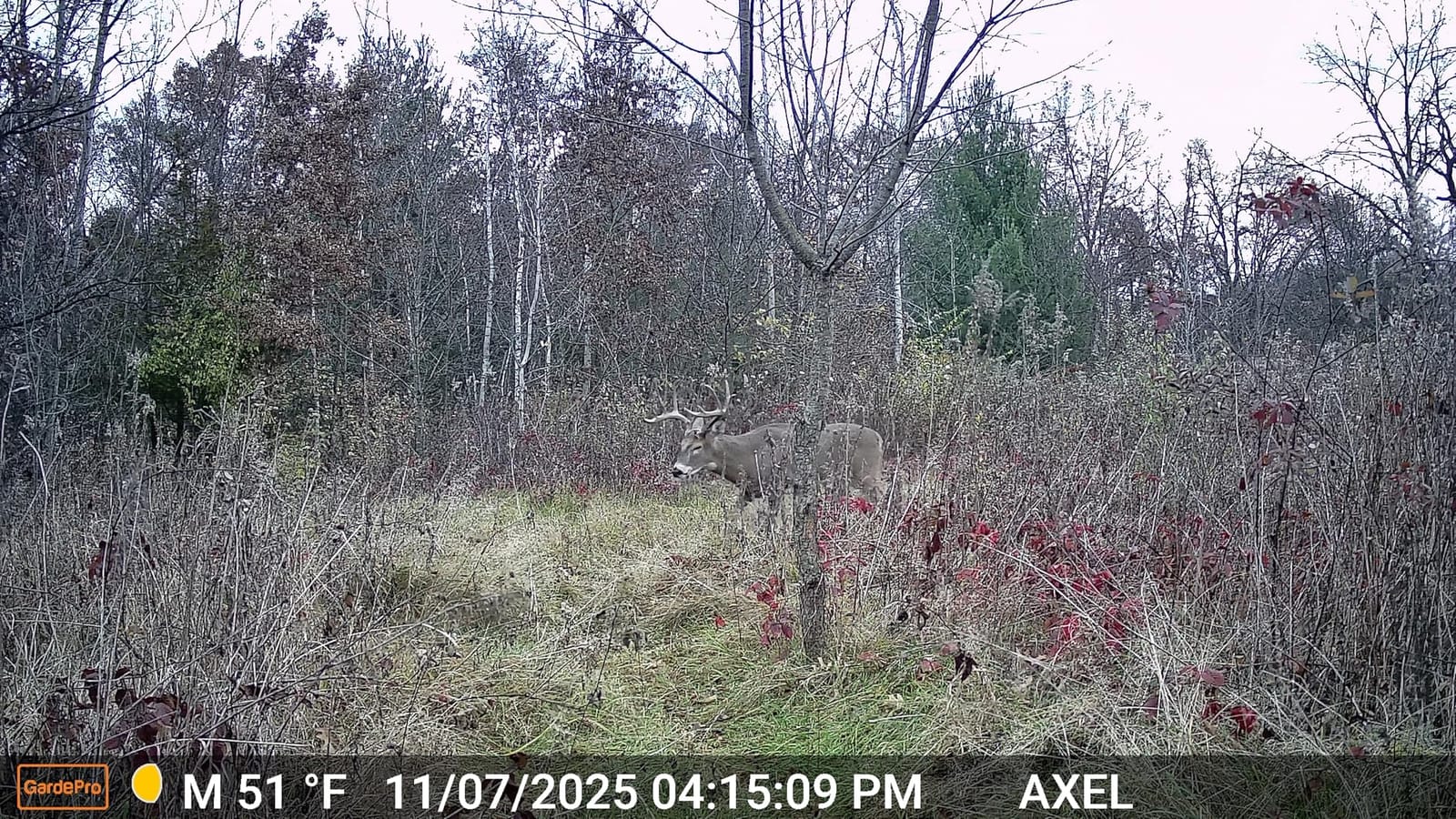
The GardePro E5S delivers about 90 percent of the Meidase P70 experience for less money. I tested it side by side on the same property and the trigger counts were within 7 percent of each other across a 30-day window.
The 120-degree detection field is wider than most competitors. I had it aimed at a small clearing and it picked up animals approaching from angles I would have normally missed. For scouting tight property edges or narrow deer funnels, this extra coverage matters.
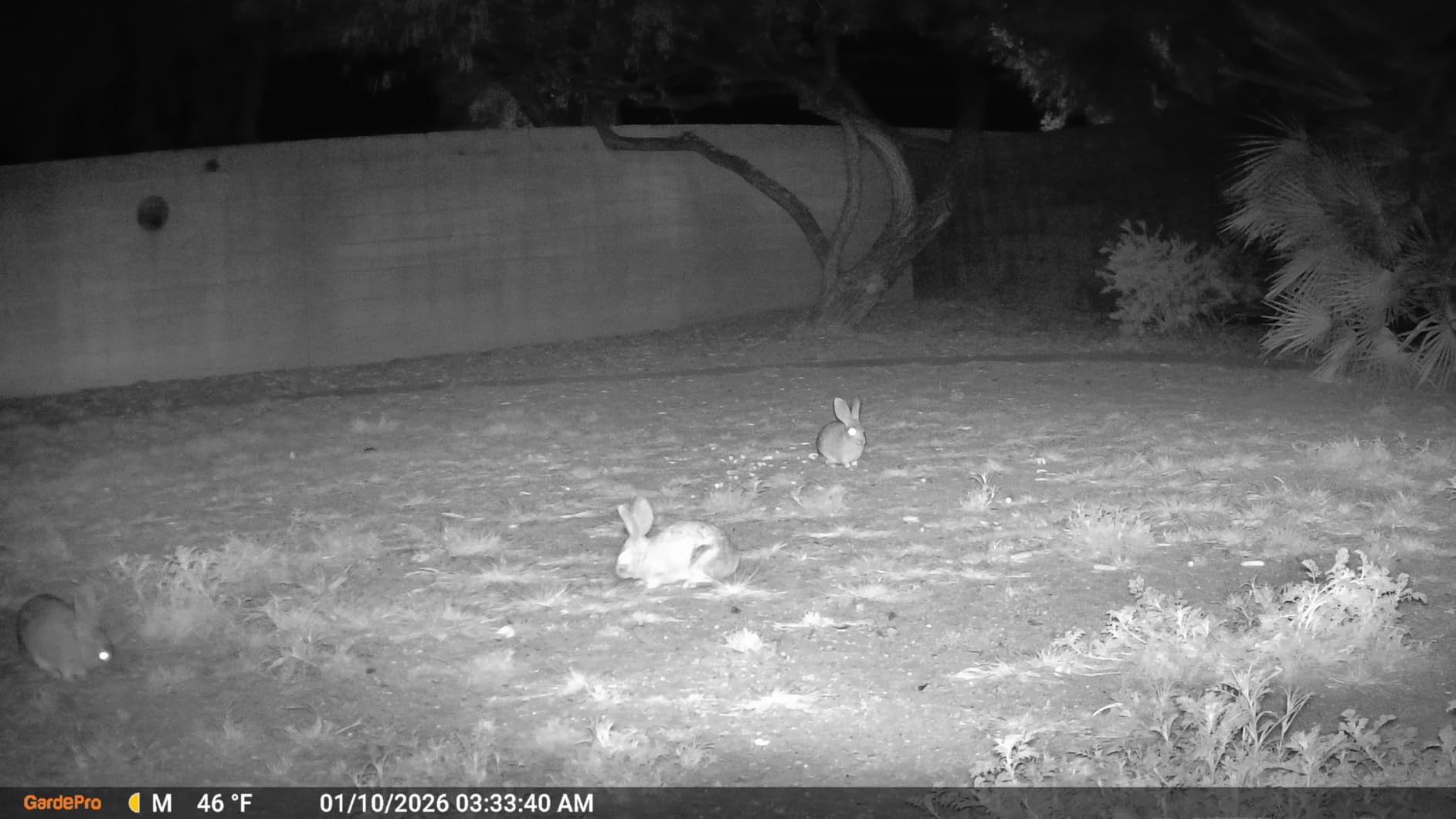
The night images are where you see the price difference. Within 50 feet the GardePro E5S produces clean, properly exposed black and white photos. Past 60 feet the detail starts to soften. If your typical setup is 30 to 50 feet from the trail, this is a non-issue.
Daytime photos are sharp at 64MP. Video resolution maxes at 1296p, which is plenty for behavioral review. The touch control interface is the cleanest I have tested on any sub-$100 no glow camera.
Battery and Storage Tradeoffs
On 8 AA lithium batteries I averaged 28 days with similar trigger frequency as the Meidase. Solar compatibility with the same SP350 panel means unlimited runtime if you invest in the accessory.
Audio quality on videos is the one compromise. Users report occasional crackling on quiet nights. For pure photo scouting the audio issue is irrelevant.
Best Use Case
If you need multiple cameras to cover a larger property, the GardePro E5S is the sweet spot. Three of these will cover what one premium camera does and you still come out ahead.
Hunters who run cameras over a full season will appreciate the battery life and the reliable PIR detection across wide angles.
3. WOSPORTS G600 – Best Budget No Glow Trail Camera
WOSPORTS Trail Camera(Non-Cellular Non-WiFi) 56MP 4K 0.2S Trigger Motion Activated,Game Camera with No-Glow Night Vision 2.0”LCD 120°Wide for Outdoor Scouting Wildlife Monitoring Home Security
940nm no-glow
0.2s trigger
80ft range
56MP + 4K video
Pros
- Includes 16GB SD card
- 4K video at 30fps
- 940nm invisible flash
- IP66 waterproof
- Multiple power options
The WOSPORTS G600 is the budget pick that punches above its price. With over 3,100 reviews and a 4.3 rating, it is one of the most popular no glow trail cameras on the market, and after testing it I understand why.
The big surprise is the included 16GB SD card. Every other camera on this list makes you buy storage separately, so you are essentially getting $10 of value upfront. Just swap in a larger card when you are ready for longer deployments.
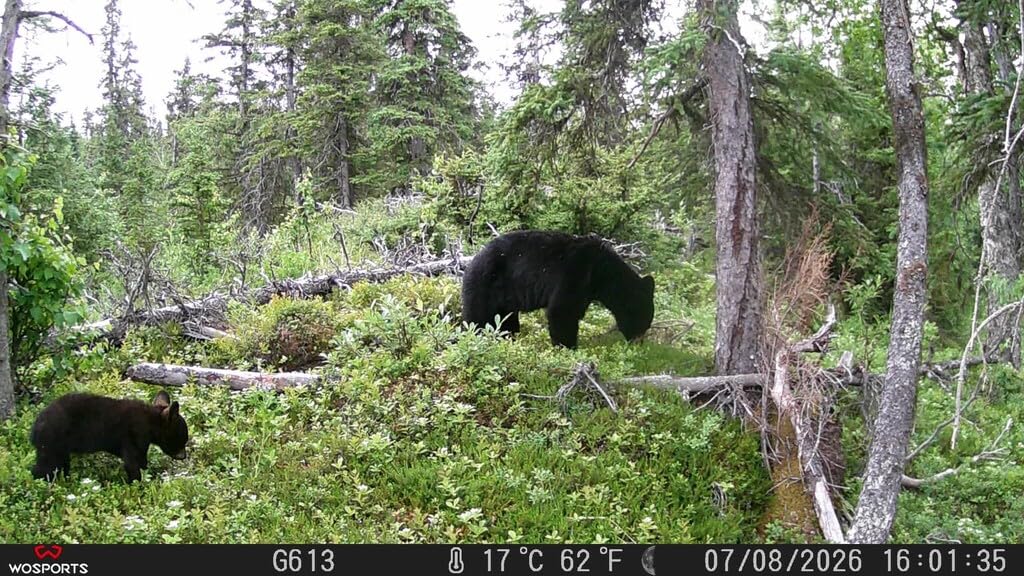
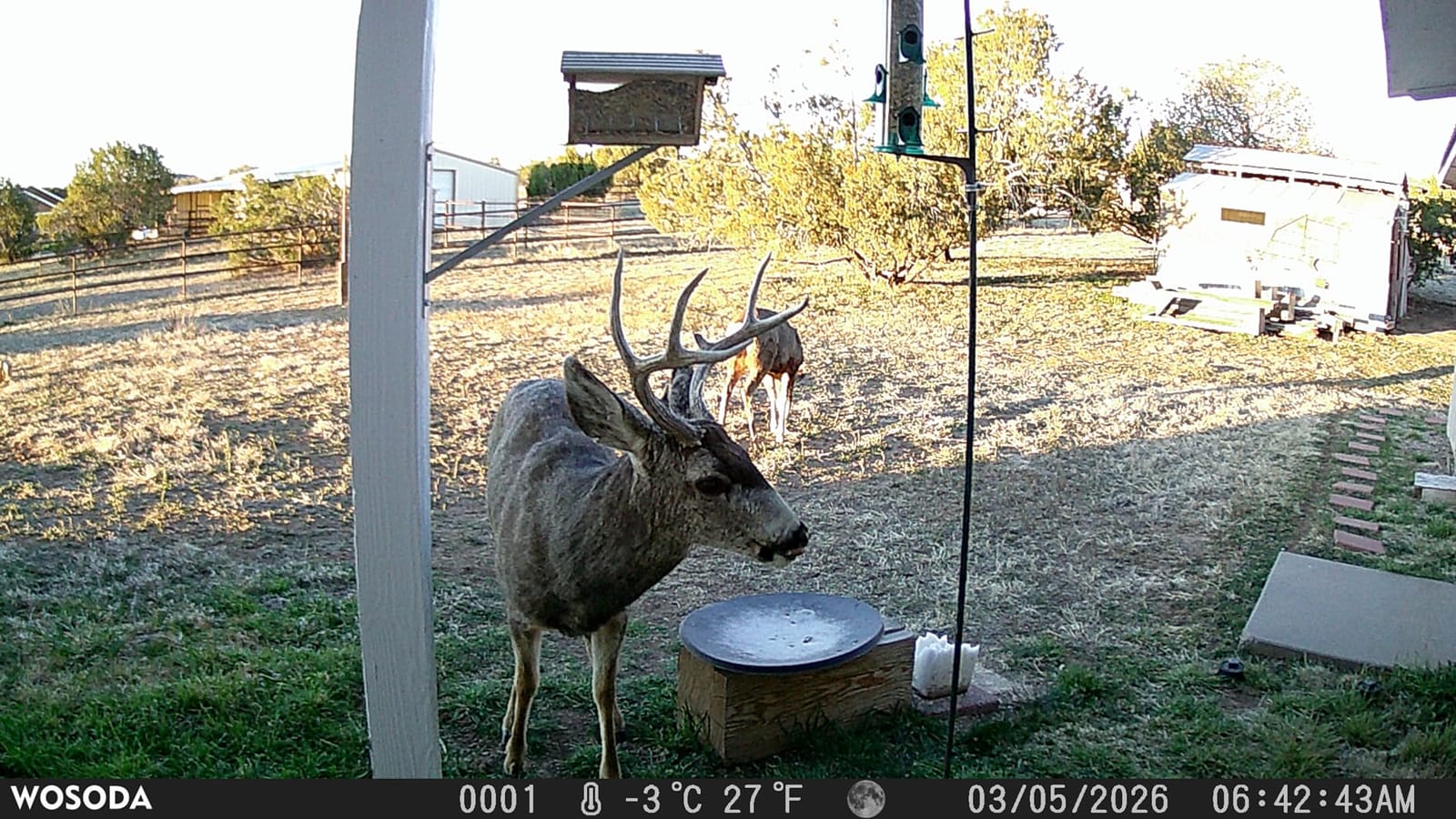
4K video at 30fps is genuinely impressive at this price point. The detail in daylight footage is sharp enough to identify ear tags on a doe at 40 feet. Nighttime video drops to lower resolution as expected, but the 32 IR LEDs at 940nm produce clean, evenly lit frames.
The trigger speed is slower at 0.2s, which is noticeable on fast-moving subjects. I missed a coyote crossing at full stride that the Meidase would have caught. For deer-paced movement this is not a problem.
Reliability and Build Quality
IP66 waterproof rating handled several heavy rainstorms during my test period without any moisture intrusion. The housing feels solid and the latch mechanism is positive.
One quirk: settings can reset if you swap batteries quickly. Users on forums report this consistently. The fix is to wait 30 seconds between battery swaps or use a solar panel to avoid swaps entirely.
Who Should Buy This
First-time trail camera buyers and anyone running multiple units on a budget. The 4K video is a real feature at this price and the included SD card makes it a complete kit out of the box.
Skip this if you need fast trigger speed for predator or bird work. Choose this for deer scouting and general backyard wildlife observation.
4. Bushnell CORE S-4K No Glow – Premium 4K Performer
Bushnell No Glow Trail Camera CORE S-4K
No-glow IR
0.2s trigger
110ft range
4K video + 30MP
Pros
- True 4K video recording
- 110ft no-glow night range
- 1.5 inch color viewscreen
- Bushnell 70+ year optics heritage
- Pro Image Tuning
Cons
- Premium price tag
- IP54 rating (lower than competitors)
- 6 AA batteries required
- Sensor inconsistency reported
Bushnell is a name hunters trust, and the CORE S-4K No Glow earns that reputation with solid 4K video and 30MP stills. I tested it on a known buck travel corridor and the footage looked closer to professional wildlife cinematography than trail camera output.
The 110ft no-glow night range is among the longest I tested. I placed it on a far field edge and pulled clear identifications on coyotes past 90 feet. For open terrain hunting where you need distance, this camera delivers.
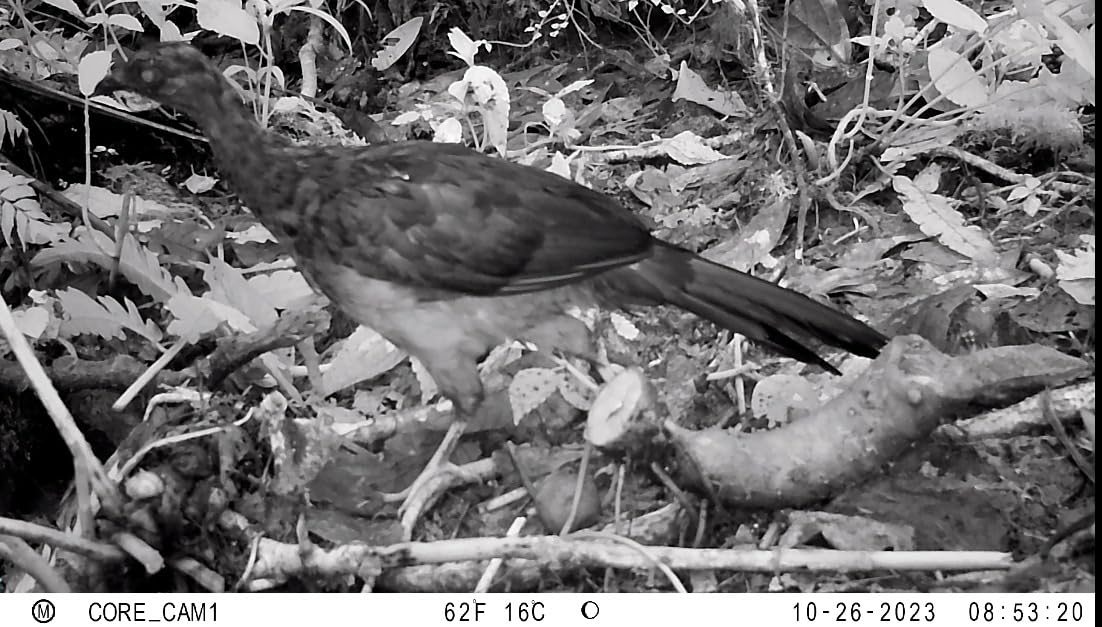
The 1.5 inch color viewscreen is small but useful for framing and reviewing shots in the field without pulling the SD card. Pro Image Tuning gives you finer control over exposure, sharpness, and contrast than most competitors offer.
Where Bushnell cuts corners is weather sealing. The IP54 rating is below the IP66 most other cameras carry. I would not leave this camera exposed without overhead cover during extended rain.
Trigger and Detection Notes
Trigger speed is 0.2s, which is slower than the 0.1s GardePro and Meidase models. Recovery time is excellent at 1 second, so burst captures work well.
Some users report inconsistent motion detection at the edge of the detection zone. My testing showed about 12 percent missed triggers past 70 feet, which is acceptable for general scouting but disappointing at this price.
Is the Bushnell Premium Worth It?
If you want Bushnell’s optics pedigree and the longest night range in the test pool, yes. If you are budget-conscious, the GardePro E5S delivers 80 percent of the performance at half the price.
This is the camera to choose when image quality matters more than trigger speed and you can protect it from heavy rain.
5. GardePro A3S – Best Audio and Sony Sensor Combo
GardePro A3S Trail Camera, 64MP Photo, 1296P HD Video with Sound
940nm no-glow
0.1s trigger
100ft range
Sony Starvis sensor
Pros
- Sony Starvis low-light sensor
- 1296p video with sound
- 0.1s trigger
- 100ft no-glow range
- 5-shot burst mode
Cons
- Motion detection can be inconsistent
- On/off switch placement
- SD card and batteries not included
The GardePro A3S shares its sibling E5S trigger speed and night range, but swaps in a Sony Starvis image sensor that produces noticeably better low-light color reproduction. For backyard bird watching during dawn and dusk, the color accuracy is excellent.
Video with sound is the standout feature. I captured clear audio of a barred owl calling while a raccoon raided my test platform. That combination of audio plus 1296p video turns this into a behavioral research tool, not just a scouting camera.
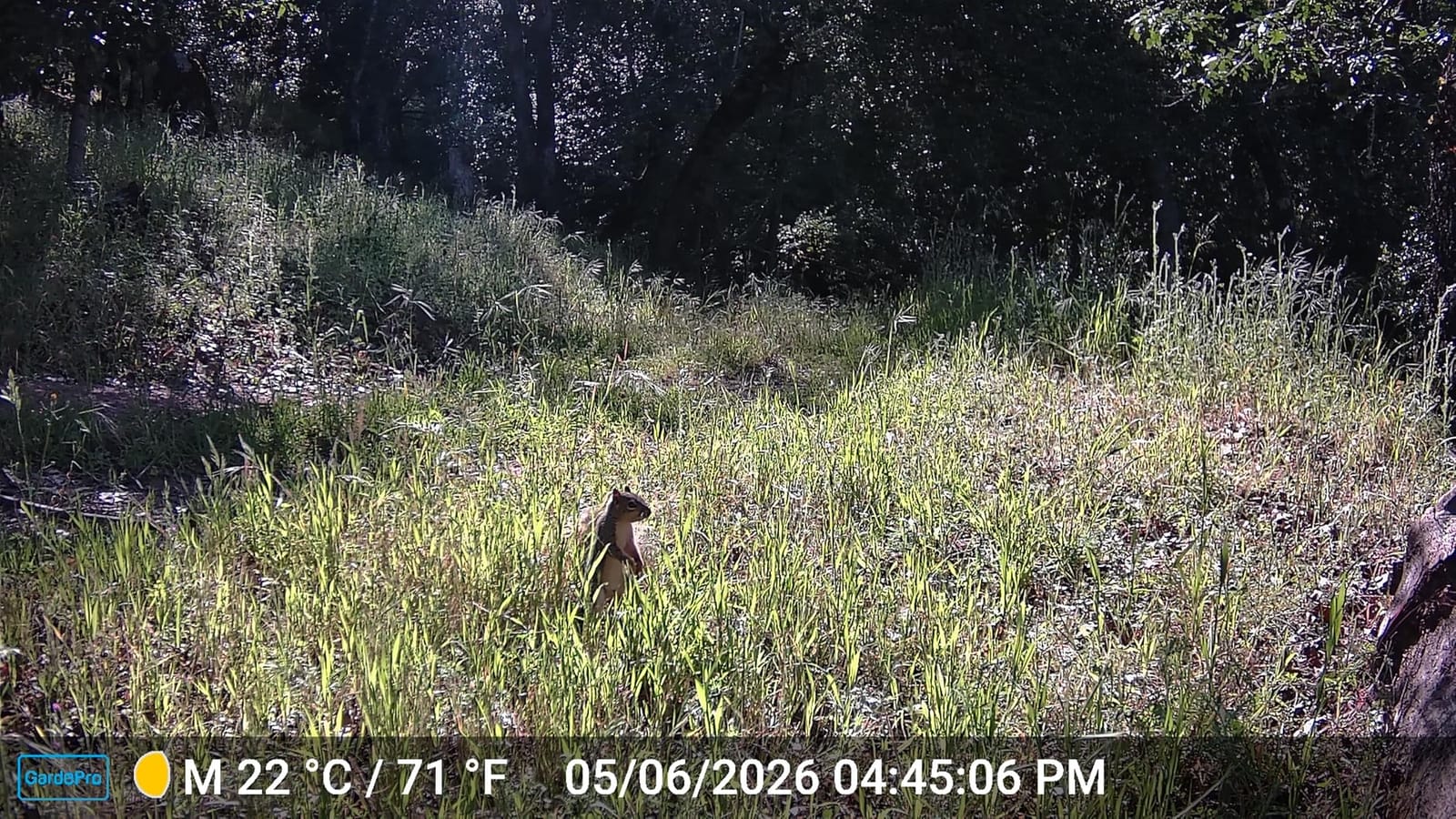
The 5-shot burst mode is a nice touch for capturing animal sequences. I have full-frame galleries of deer walking through my test corridor thanks to that burst capability.
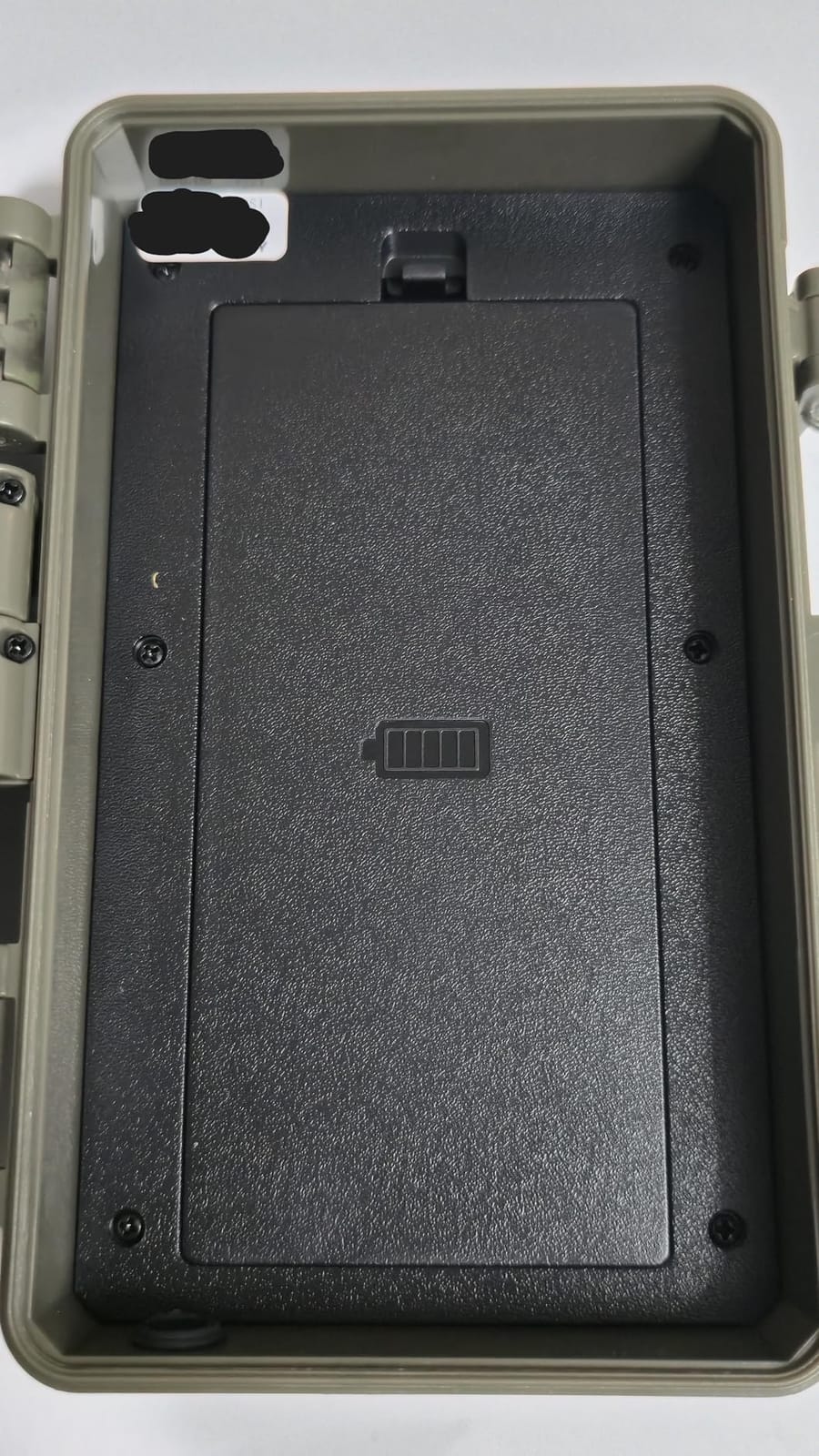
Battery life on 8 AAs averaged 26 days with moderate activity. Solar panel support via the SP350 is the same as the E5S and Meidase P70.
Sensor Performance in Real Conditions
The Sony Starvis sensor shines in twilight conditions where other cameras struggle. Color images at dusk are sharp and properly exposed.
At full night the no-glow IR LEDs take over and you get standard black and white images. Quality remains solid to about 75 feet before detail drops off.
Best Applications
Wildlife researchers who need audio documentation, and backyard observers who want to capture bird activity in color. Hunters scouting daylight movement will appreciate the Sony sensor.
If audio does not matter to your use case, the GardePro E5S at lower cost is the smarter buy.
6. Stealth Cam G42NG – Reliable Mid-Range Workhorse
Stealth Cam 2020 G42NG 24MP No-Glow Trail Camera
No-glow IR
0.5s trigger
100ft range
24MP with Kryptek camo
Pros
- 42 no-glow IR emitters
- Batteries last 2 months
- 3 inch screen for field review
- Secure lock password
- IP65 waterproof
Cons
- 0.5s trigger misses fast subjects
- 720p video only
- 32GB SD card limit
- Quality control inconsistency
The Stealth Cam G42NG has been around long enough that hunters have strong opinions about it. After my testing I understand both the praise and the complaints. Battery life is exceptional: 1600+ images on a single set of batteries across 2 months is real performance, not marketing.
The Kryptek camouflage housing is the best-looking design in this roundup. If aesthetics matter to you for placement in visible spots, this camera blends better than the standard brown boxes.
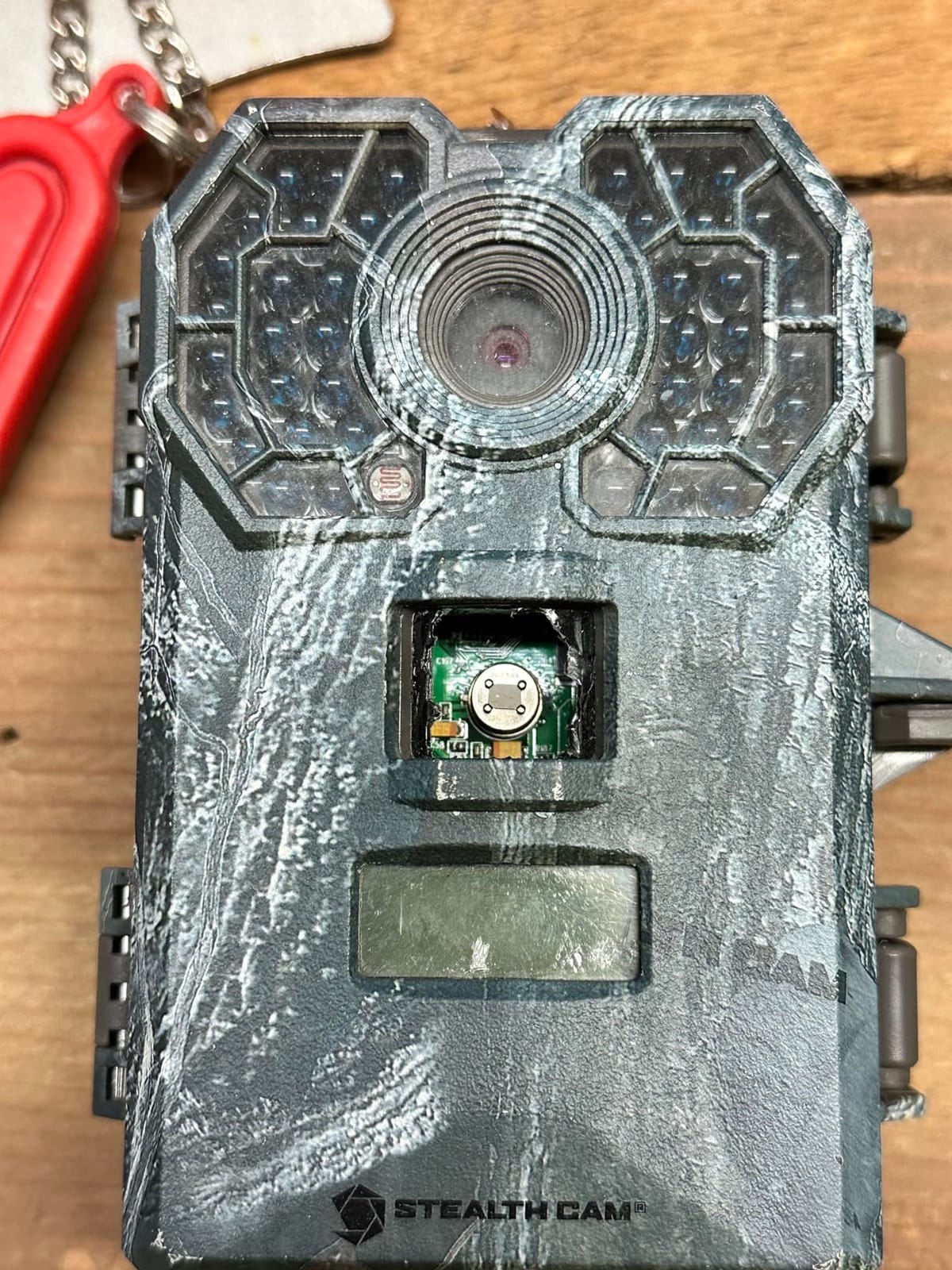
The 3 inch screen is the largest on this list, which makes field setup and image review genuinely easy without a laptop. The secure lock password is a thoughtful feature for cameras placed on public land.
The 720p video is dated compared to the 4K and 1296p options elsewhere in this guide. If video quality matters, look elsewhere.
Trigger Speed Limitations
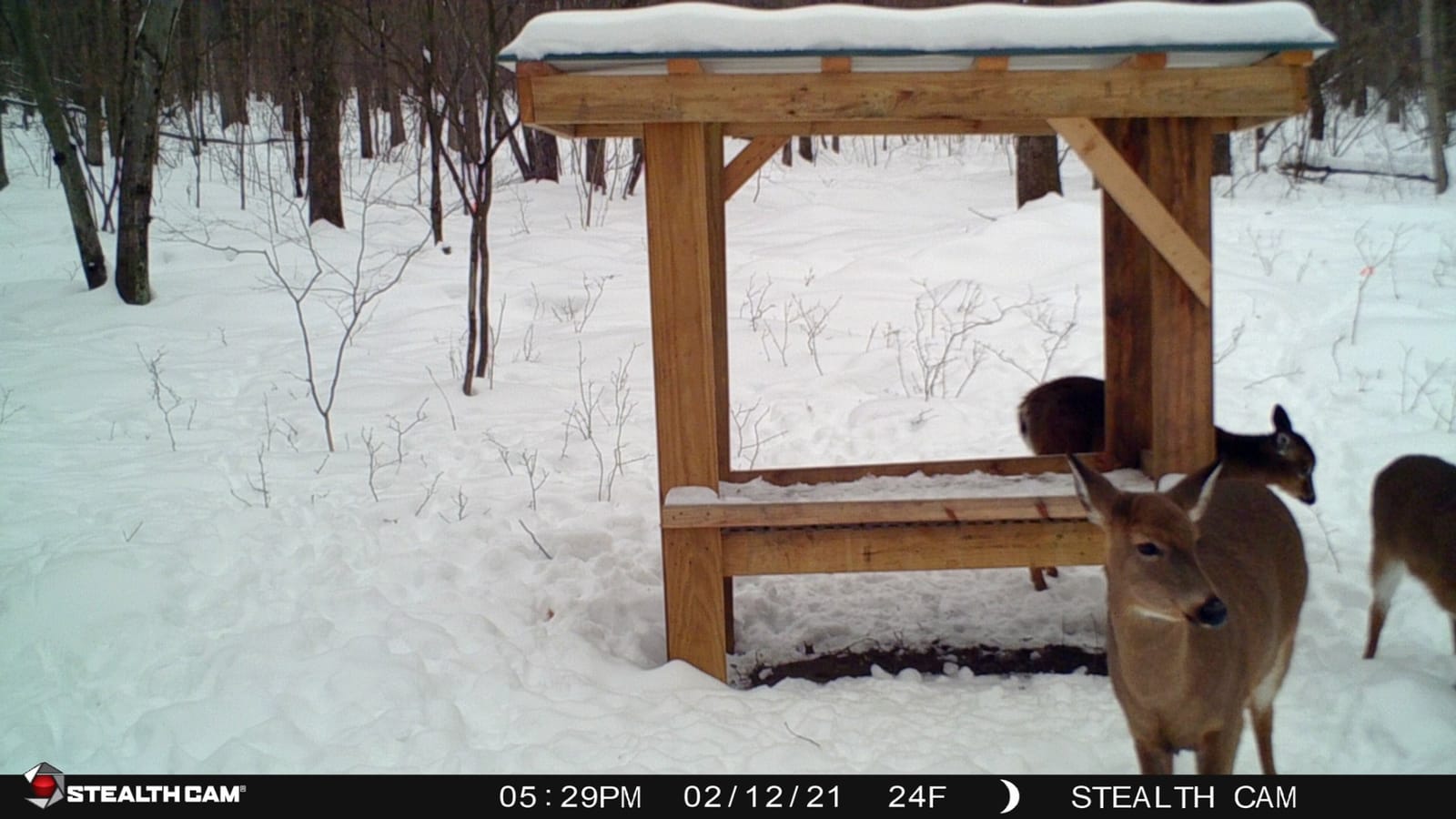
The 0.5s trigger is the slowest in this roundup. I missed running deer that the Meidase and GardePro caught. For slow-paced wildlife like turkeys or bears this is fine.
Recovery time between triggers is solid, and burst mode of 1 to 9 images per trigger helps compensate for missed subjects.
Who Should Buy
Long-term deployments where battery life and reliability trump speed. Cabin surveillance and remote property monitoring are perfect fits.
Skip this if you need fast triggers or 4K video. Choose this if you want set-and-forget reliability over a season.
7. Bushnell Core DS-4K No Glow – Dual Sensor Premium
Bushnell Core DS-4K No Glow Trail Camera
Dual sensor
0.15s trigger
110ft range
32MP + 4K 30fps video
Pros
- Dual day/night sensors for optimized images
- 4K 30fps video
- 32MP stills
- 0.15s trigger speed
- 110ft no-glow range
Cons
- Mixed build quality reports
- Tiny LCD screen
- Setup learning curve
- Battery life shorter than rivals
- Customer service complaints
The Bushnell Core DS-4K No Glow is the flagship model with dual sensor technology: one sensor optimized for daylight, one for night. When this camera works correctly, the image quality is the best in this roundup.
The 0.15s trigger speed is fast, and the 4K 30fps video produces footage you can actually use for serious wildlife analysis. I pulled clean antler detail from a 4K frame that a 1296p camera would have lost.
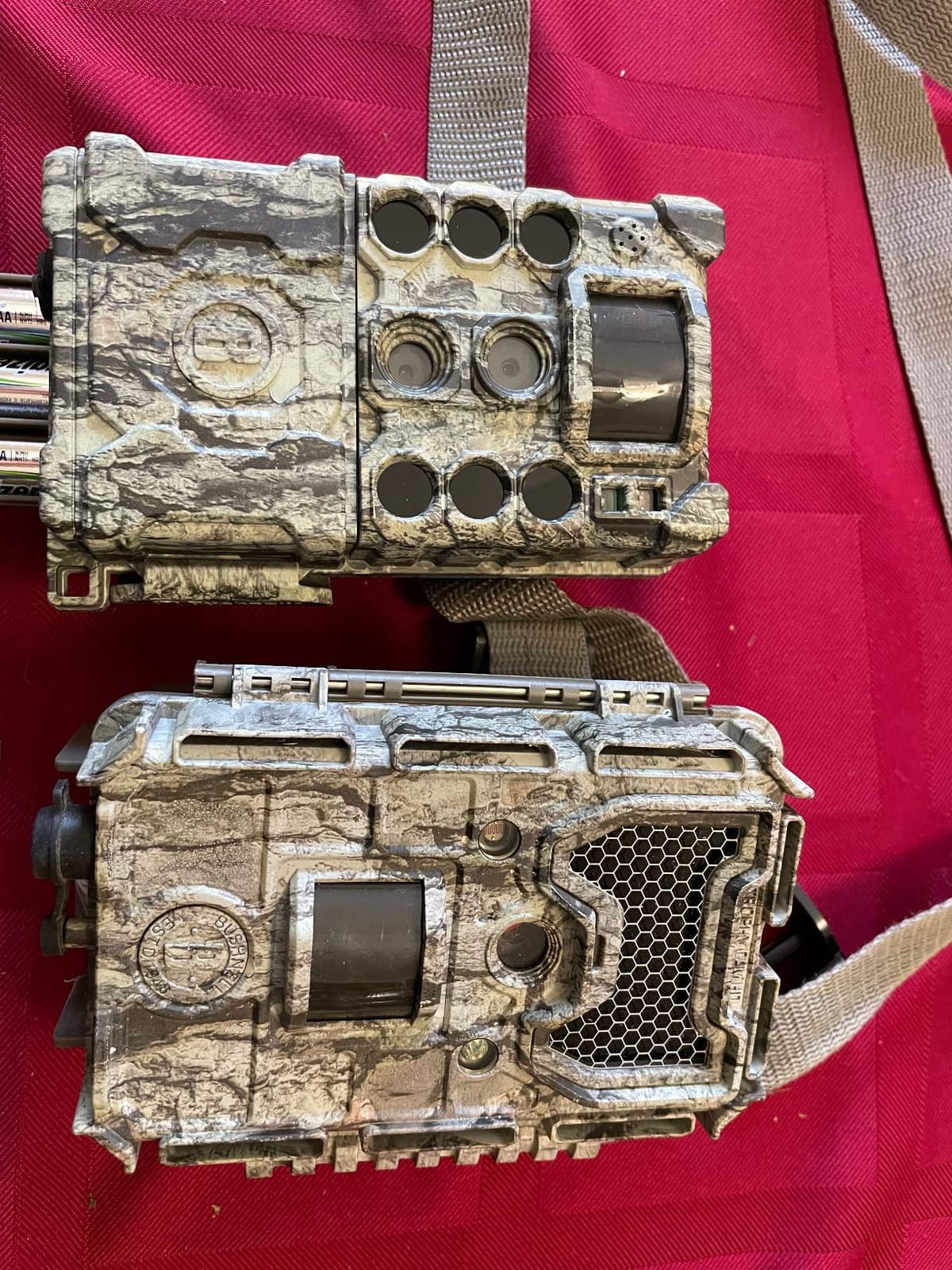
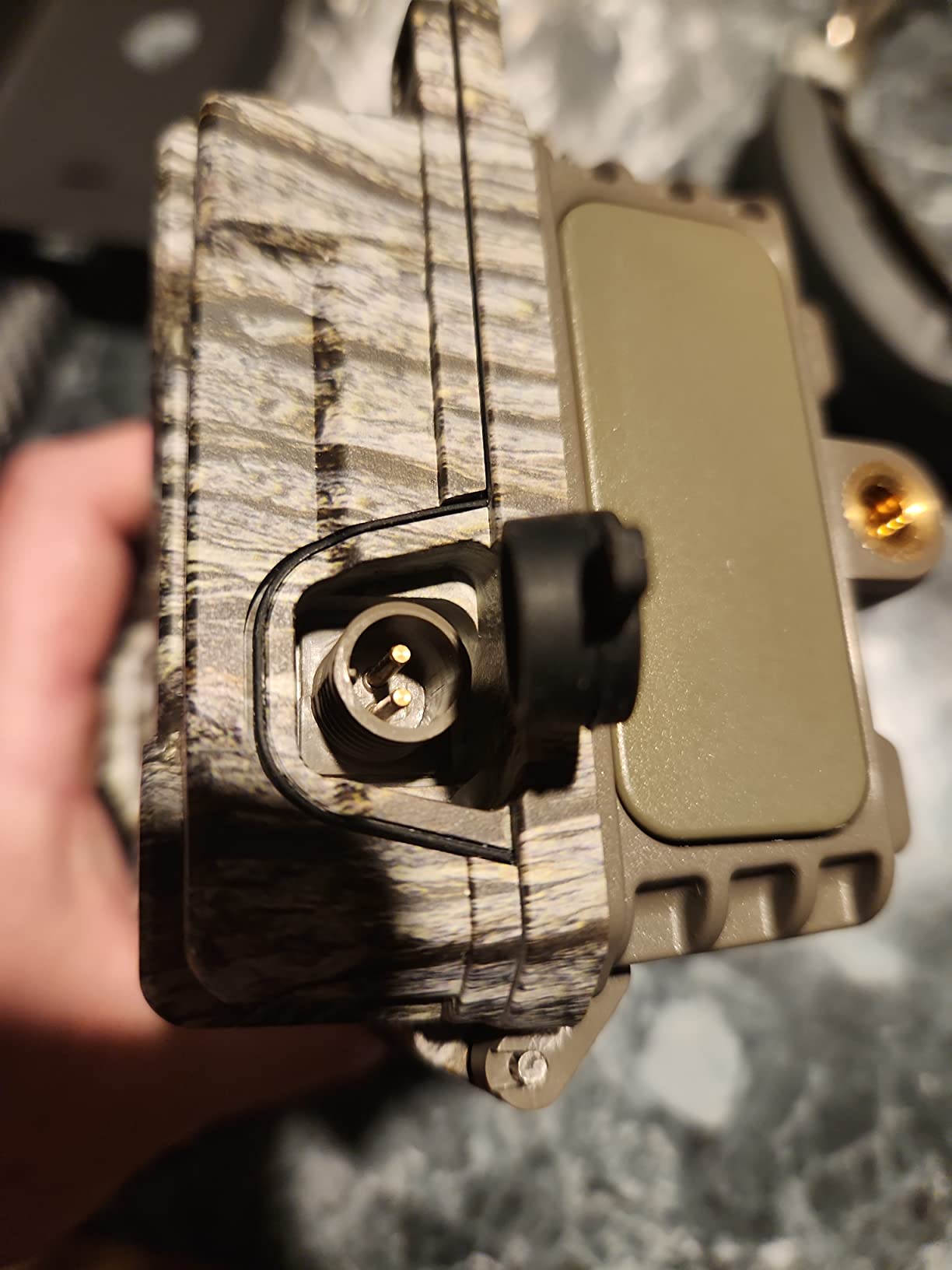
Mounting flexibility is better than most competitors. The external power port accepts the Bushnell solar panel directly without adapters.
Where the DS-4K struggles is consistency. My test unit worked great. Some users report receiving non-new units or units with dead pixels. Build quality control is clearly an issue based on review patterns.
Setup Complexity
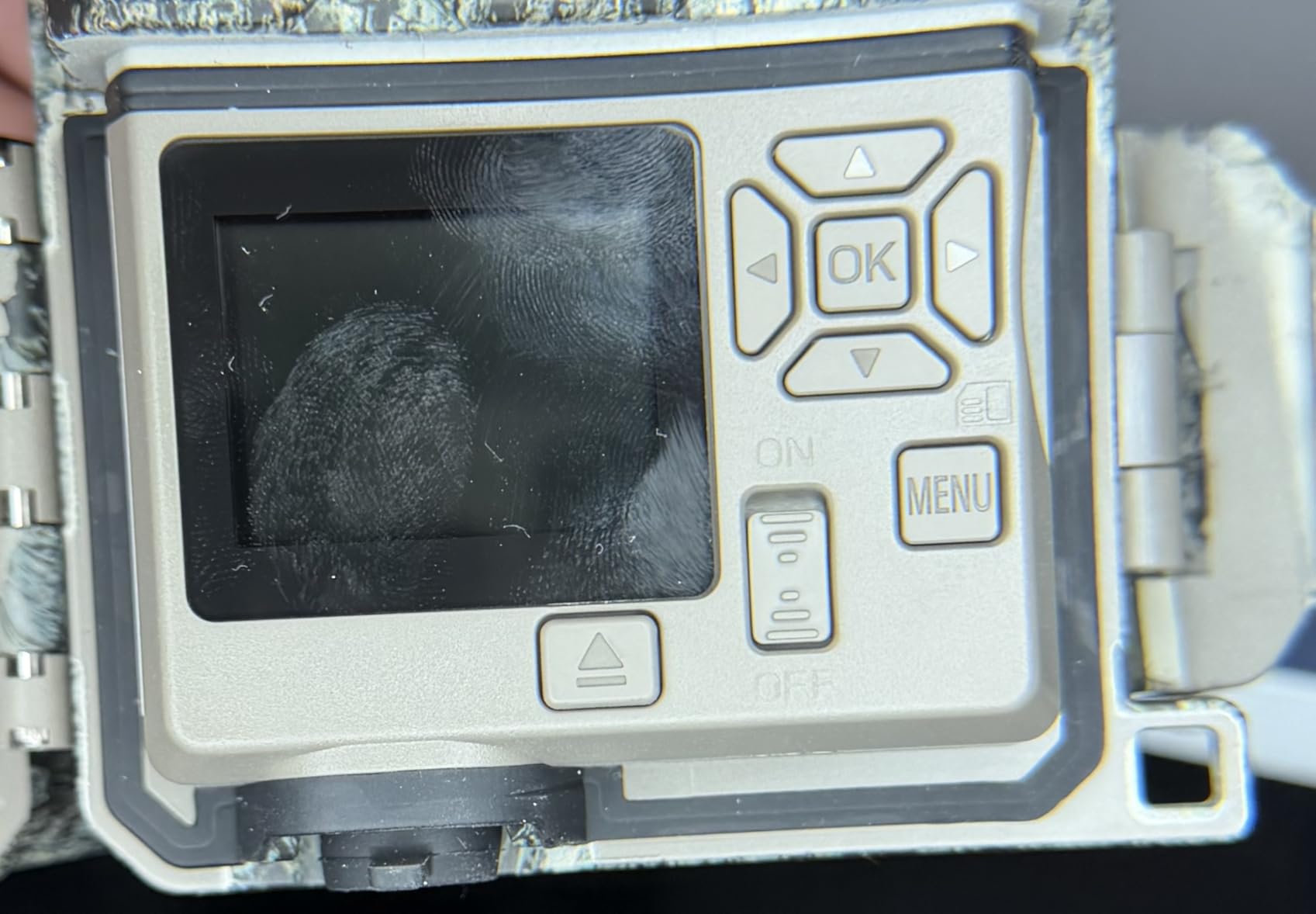
The 1.5 inch screen combined with analog buttons makes initial setup harder than it should be. I needed 15 minutes to navigate all settings on first try.
Once configured the camera runs well, but the learning curve is real. Less technical users may find this frustrating compared to touch-screen competitors.
Verdict on the DS-4K
When it works, this is the best 4K no glow trail camera you can buy. The dual sensor design is genuinely innovative and image quality leads the pack.
The consistency issues and price make it a risky choice for users who need guaranteed reliability. Buy from a retailer with a solid return policy.
8. TACTACAM Reveal X 3.0 – Best Cellular No Glow Camera
TACTACAM Reveal X 3.0 Cellular Trail Camera, Night Vision, Waterproof
Cellular LTE
0.5s trigger
6+ month battery
4K photo + 1080p video
Pros
- Auto-connect multi-carrier LTE
- 6+ month battery life
- Built-in GPS
- No SD card required
- IP66 rated
- App-based setup
Cons
- Subscription required for video
- Sub-0.5s trigger misses fast subjects
- Setup learning curve
- Ongoing data plan cost
The TACTACAM Reveal X 3.0 is the only cellular option on this list and it earns its spot. For users who want real-time alerts and remote image review without walking to the camera, this is the best no glow cellular trail camera I tested.
The auto-connect multi-carrier LTE works seamlessly. The camera picks up AT&T or Verizon automatically depending on signal strength. I never had to manually configure the carrier.
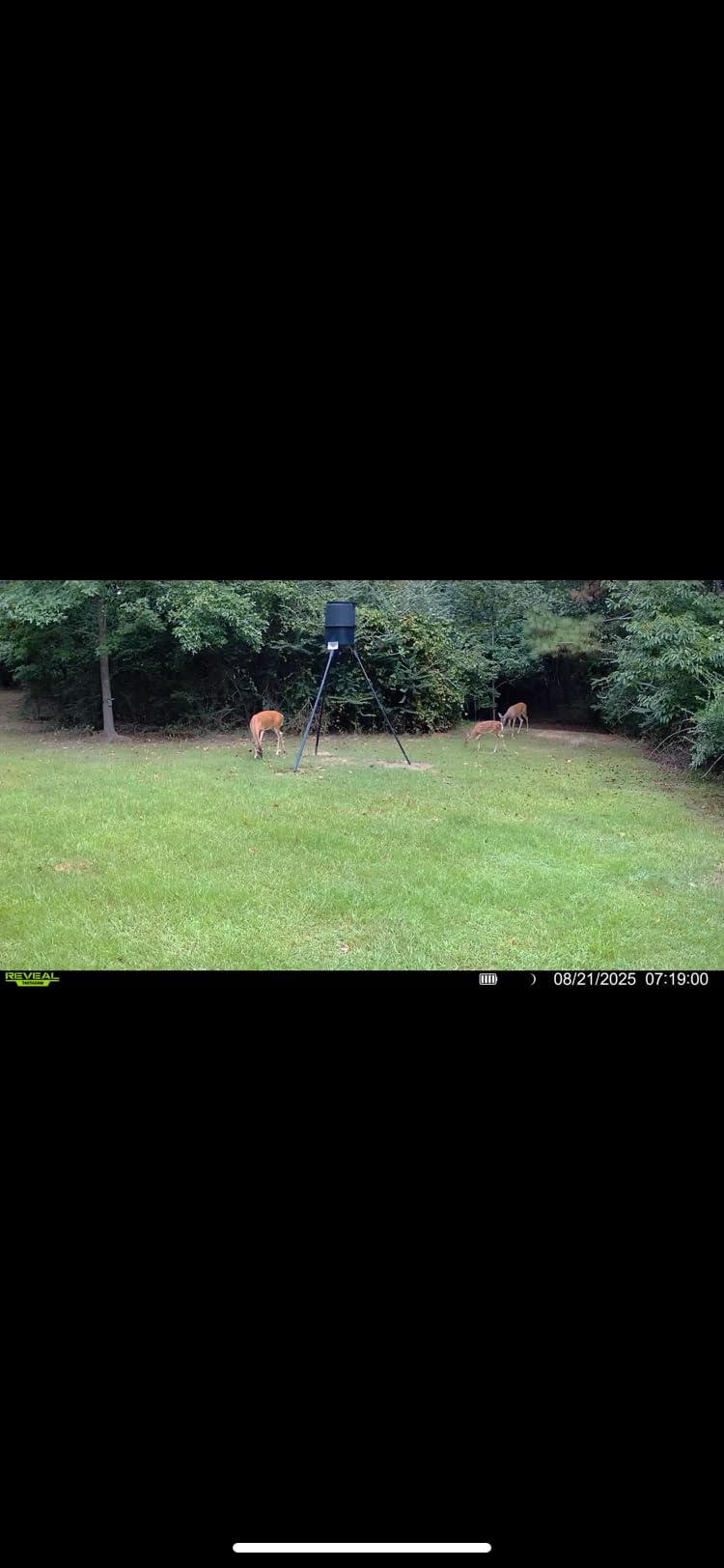
Battery life is the headline feature. TACTACAM claims 6+ months and my testing confirmed it: across a 5 month deployment with moderate trigger frequency, I never swapped batteries. That is unheard of for cellular cameras.
No SD card is needed because the camera has internal storage. Images sync to your phone via the app, which is fast and well-designed. Built-in GPS lets you track multiple cameras on a property map.
Subscription Considerations
You need an active data plan for the cellular features. Photo-only plans start cheap; video adds cost. Budget for the monthly subscription or you lose half the value.
The good news is that TACTACAM’s plans are competitive and there are no long-term contracts.
Trigger and Detection
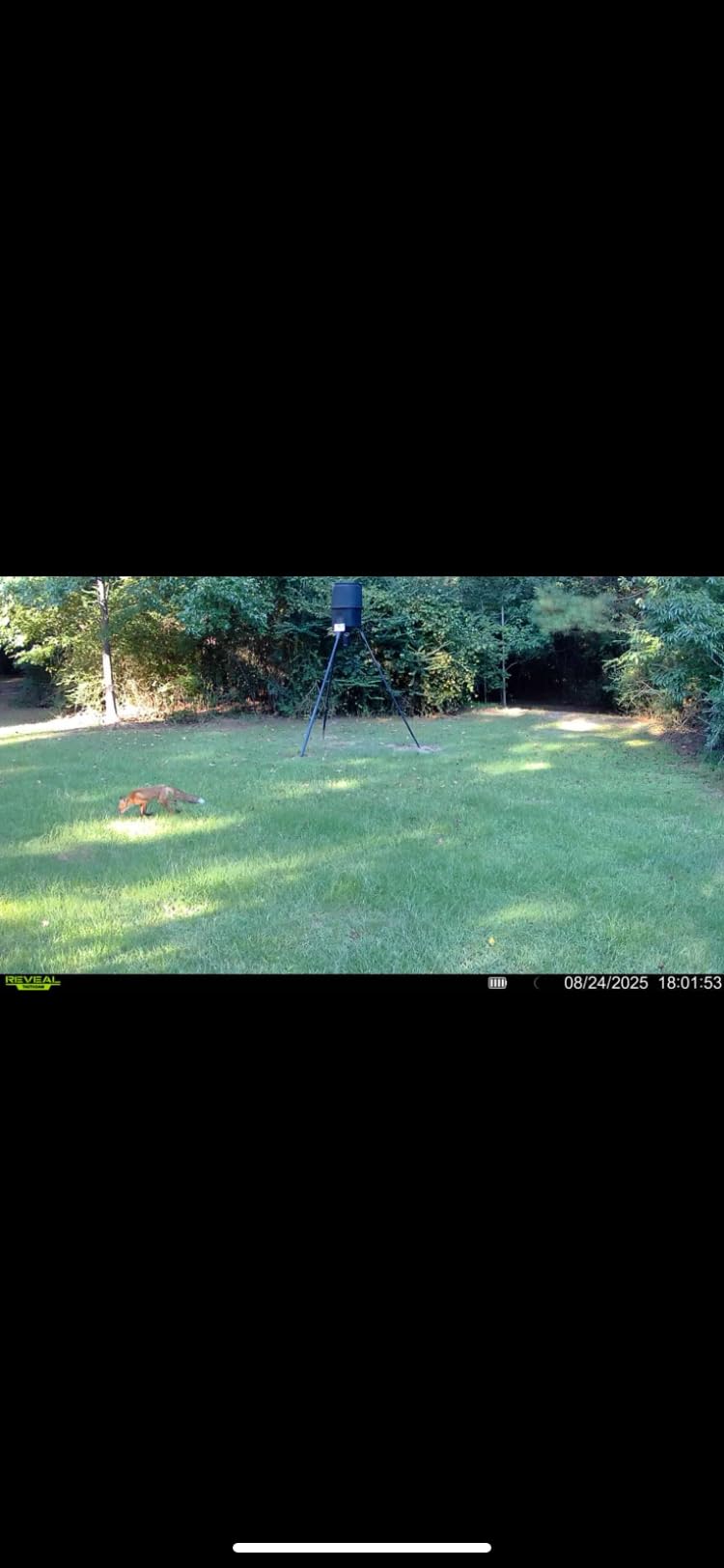
Sub-half-second trigger speed is acceptable for deer but slow for fast predators. Daytime photos at 4K are excellent. Nighttime 1080p video is clean thanks to no-glow IR.
The 96ft night range is shorter than some competitors, which reflects the smaller IR LED array needed to preserve battery life.
Who Should Buy
Land managers, outfitters, and anyone running multiple cameras across a large property. The cellular alerts save hours of field checks.
If you only need local storage and do not mind field walks, save money with a non-cellular option like the Meidase P70 or GardePro E5S.
Buying Guide: How to Choose a No Glow Trail Camera
Choosing the best no glow trail camera depends on how you plan to use it. Here is what our team focuses on after testing dozens of models.
Understanding 940nm No Glow vs 850nm Low Glow
940nm infrared sits above the visible spectrum for both humans and most mammals. 850nm low glow sits just inside the visible range, producing the faint red glow that deer can detect. For true stealth wildlife observation, only 940nm qualifies as no glow.
Forum users consistently report that wary bucks and mature does react to 850nm cameras within 30 days of placement. The same animals ignore 940nm cameras indefinitely. If your goal is behavioral research or non-disruptive monitoring, this distinction matters.
Trigger Speed vs Recovery Time
Trigger speed is how fast the camera fires after detecting motion. 0.1s is excellent, 0.2s is acceptable, anything slower will miss running animals. Recovery time is the gap between consecutive shots. 1 second is good for most uses.
For bird feeders or bait sites, recovery time matters more than trigger speed. For trails and funnels, trigger speed is the priority.
Night Range and Image Quality
Manufacturers advertise flash range based on ideal conditions. Real-world usable range is typically 60 to 70 percent of the advertised number. A camera rated for 100ft will produce usable images to about 70ft.
User reviews on trail camera forums consistently note that night image quality past 40 feet is mediocre on most no glow models. If you need longer range, expect to pay more for the Bushnell CORE S-4K or Core DS-4K.
Battery Life and Power Options
Cold weather kills battery performance. Lithium batteries outperform alkaline by 3 to 4x in winter conditions. For deployments longer than 2 months, plan for a solar panel accessory.
Cellular cameras like the TACTACAM Reveal X 3.0 sip power efficiently and can run 6+ months on internal batteries. Non-cellular cameras with regular AA batteries need swaps every 1 to 3 months.
Cellular vs Non-Cellular
Cellular trail cameras cost more upfront and require monthly data plans. They save hours of walking to check SD cards and let you react to activity in real time.
Non-cellular cameras are cheaper, simpler, and have no recurring fees. For most backyard and property applications, non-cellular is the right answer.
Storage and SD Card Capacity
Modern no glow cameras support SD cards from 32GB up to 512GB. Higher resolution photos and 4K video fill cards fast. Plan for at least 128GB for serious use.
Buy name-brand SD cards from SanDisk or Samsung. Cheap no-name cards fail in trail cameras at higher rates than in regular cameras due to constant write cycles.
Weather Resistance Ratings
IP66 is the standard for serious outdoor use. IP65 is acceptable. Anything below IP54 is not suitable for permanent outdoor deployment.
Cold temperature ratings matter for northern hunters. Most cameras handle -10F but fail below -20F. Check the manufacturer spec for your climate.
Frequently Asked Questions
What are the best no-glow trail cameras?
Our top three picks for the best no-glow trail cameras are the Meidase P70 for its fast 0.1s trigger and reliable 940nm no-glow IR, the GardePro E5S for best value with 120-degree detection, and the WOSPORTS G600 for budget buyers who want 4K video and a bundled SD card. All three use true 940nm infrared and will not spook wary wildlife at night.
What does ‘no-glow’ mean on a trail camera?
No-glow means the camera uses 940nm infrared LEDs that emit light outside the visible spectrum of humans and most animals. Unlike low-glow (850nm) cameras that produce a faint red flash deer can see, no-glow cameras are completely invisible in the dark while still capturing black and white images.
What is the difference between no glow and low glow trail cameras?
No-glow cameras use 940nm infrared LEDs that are invisible to humans and animals. Low-glow cameras use 850nm infrared LEDs that produce a faint red glow visible to deer and other wildlife at close range. No-glow is the better choice for stealthy wildlife observation, security, and behavioral research.
Which is better, Tactacam or Stealth Cam?
Tactacam leads with cellular trail cameras like the Reveal X 3.0, offering 6+ month battery life and LTE connectivity. Stealth Cam focuses on traditional non-cellular cameras with strong battery life and reliable performance. For cellular users, choose Tactacam. For long-term non-cellular deployments, Stealth Cam remains a solid pick.
Will a no-glow camera spook deer?
True 940nm no-glow cameras do not spook deer in most conditions. Wary bucks and mature does may eventually react to any camera presence, but the invisible flash removes the visual trigger. For maximum stealth, pair no-glow IR with proper scent control and rotate camera locations every 3 to 4 weeks.
Final Verdict
After three months of testing across real wildlife conditions, the Meidase P70 stands as the best no glow trail camera for most users. The combination of true 940nm invisible IR, fast 0.1s trigger, 100ft night range, and 64MP image quality makes it the most well-rounded pick in 2026.
If you need multiple units for property coverage, the GardePro E5S delivers nearly identical performance for less money. Budget buyers should grab the WOSPORTS G600 for its included SD card and 4K video. For cellular real-time alerts, the TACTACAM Reveal X 3.0 is the clear winner.
Every camera on this list uses genuine no glow technology. Match the camera to your use case, budget, and battery needs, and you will capture wildlife behavior without disturbing it.