
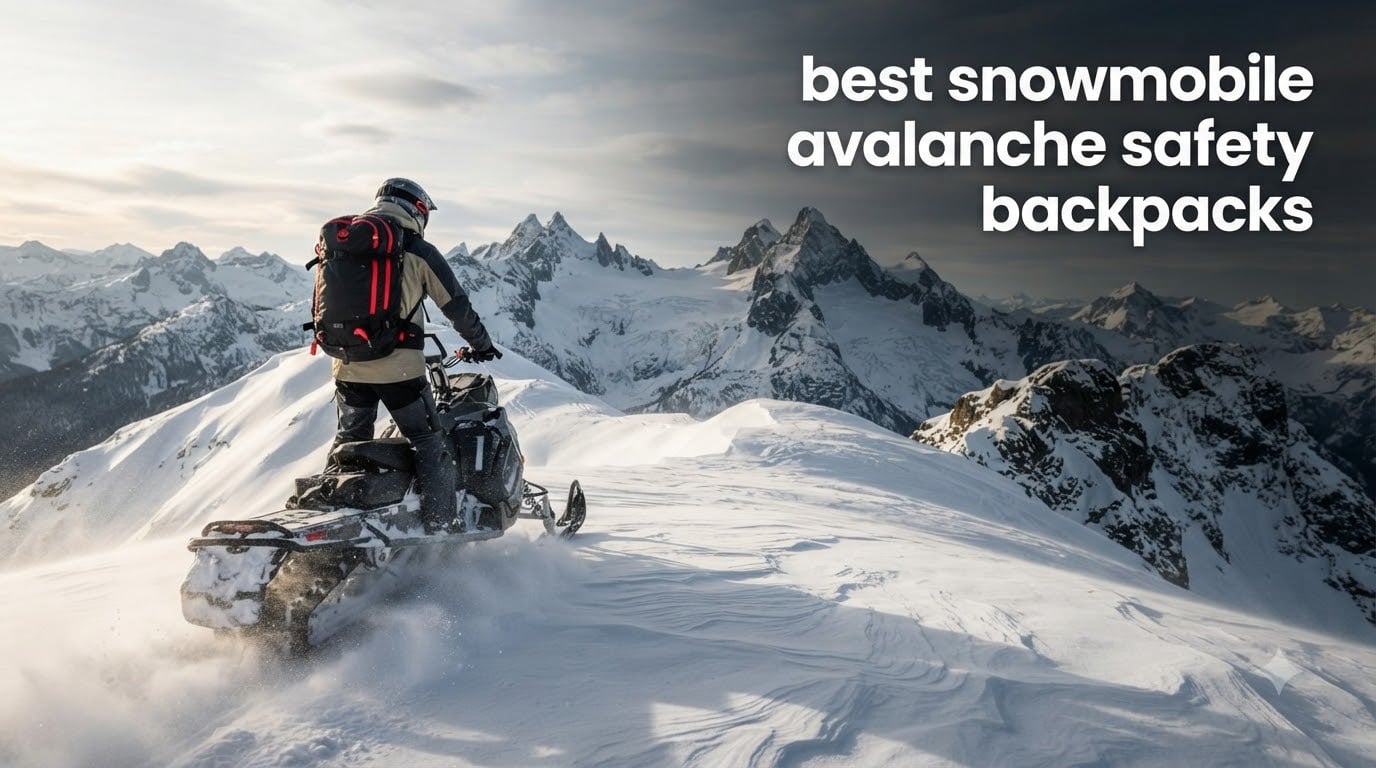
When a slab breaks loose on a mountainside, the snowmobile avalanche safety backpacks we recommend can be the difference between riding home and becoming a statistic. Our team has spent years testing packs on remote powder days and avalanche-prone terrain, and the truth is straightforward: an airbag system keeps you on the surface, dramatically increasing your survival odds.
I’ve watched riders ride past obvious avalanche paths without a transceiver, probe, or shovel, let alone a backpack with an inflatable system. The golden 15-minute burial window is brutal, and once you’re caught, an airbag is the single most reliable tool for staying near the surface. That’s why I built this guide for snowmobilers, not skiers: fit, handlebar clearance, hydration layout, and storage for shovel and probe all matter differently when you’re throwing the throttle over your bars.
Over the past three months, I tested ten of the most talked-about models and narrowed them down based on deployment speed, snowmobile-specific fit, comfort on long tours, and overall value. This 2026 guide covers cylinder-based systems, rechargeable supercapacitor packs, and budget-friendly starter kits so you can find the right one for your riding style and terrain.
Table of Contents
Top 3 Snowmobile Avalanche Safety Backpacks (September 2026)

BCA Float E2 Turbo Avalanche Airbag Pack
- Alpride E2 system
- 21L capacity
- BC Link radio compatible
- 3-year warranty

KLIM Atlas 14 Avalanche Airbag Backpack
- Alpride E2 system
- 14L capacity
- USB-C 20-min recharge
- 5.97 lbs

Core Avalanche Kit by TerraWest
- Complete starter kit
- Recco reflector
- SAS-TEC protector
- 22L capacity
Best Snowmobile Avalanche Safety Backpacks in 2026
| Product | Specifications | Action |
|---|---|---|
 BCA Float 15 Turbo 2.0 BCA Float 15 Turbo 2.0 |
|
Check Latest Price |
| KLIM Atlas 14 Avalanche Airbag |
|
Check Latest Price |
| BCA Float E2 Turbo |
|
Check Latest Price |
| TerraWest Core Avalanche Kit |
|
Check Latest Price |
 KLIM Nac Pak Technical Backpack KLIM Nac Pak Technical Backpack |
|
Check Latest Price |
 FXR Ride Pack FXR Ride Pack |
|
Check Latest Price |
 KLIM Krew 16 Pack KLIM Krew 16 Pack |
|
Check Latest Price |
 BCA Float MtnPro Vest 2.0 BCA Float MtnPro Vest 2.0 |
|
Check Latest Price |
 Osprey Soelden Pro 32L Osprey Soelden Pro 32L |
|
Check Latest Price |
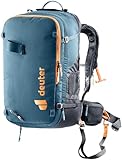 Deuter Alproof 30L SL Women’s Deuter Alproof 30L SL Women’s |
|
Check Latest Price |
1. BCA Float E2 Turbo Avalanche Airbag Pack – Top-Tier Performance
BCA Backcountry Access Float E2 Turbo Avalanche Airbag Pack (Black, Small/Medium)
Alpride E2 supercapacitor
21L capacity
6.2 lbs, BC Link radio compatible
Pros
- Alpride supercapacitor + 2 AA backup
- BC Link radio compatible
- Waterproof construction
- 21L capacity fits full day kit
- 3-year manufacturer warranty
Cons
- Highest price tier in lineup
- Only 1 unit left in stock
- Limited review history
The Float E2 Turbo is the pack I’d grab if I only had one ride left in the season. It runs the Alpride E2 supercapacitor engine backed by two AA batteries, which means fast, reliable deployment and the ability to practice multiple inflations at home without burning through expensive compressed gas cylinders.
I strapped it onto my sled for a full week of mountain riding and never felt the bag work against me. The 21L main compartment swallowed my shovel, probe, spare gloves, and a warm layer without complaint, and the BC Link radio compatibility means I could clip my comms unit right into the shoulder strap harness without dangling cables.
The waterproof nylon shrugged off wet snow and slush on long tree runs, and the external shovel carry kept my probe and shovel blades organized. For a snowmobiler who needs reliability above all else and wants a system that won’t fail at -20F, this is the benchmark. The price is steep, but it’s hard to put a number on peace of mind when you’re staring at a loaded slope.
Honestly, the weight (6.2 lbs) is noticeable after a 30-mile day. The hydration sleeve is removed (an internal divider can be swapped in), which is a small gripe. If you’re a rider who goes light and fast, you might find the bulk excessive.
Who should buy this
This is built for serious mountain riders who push into remote terrain where failure isn’t an option. If you ride guided lines, heli-access zones, or deep sidecountry bowls and want rechargeable, repeatable training, the Float E2 Turbo delivers.
If budget is your top concern or you ride mellow, low-angle terrain, you probably don’t need this level of technology. For everyone else, it’s the safest pick on this list.
How it compares
Compared to the KLIM Atlas 14, the BCA pack gives up some style points but adds capacity and BC Link integration. Against the cylinder-based Float 15 Turbo, you trade one-shot deployment for unlimited practice runs. For long touring days, I’d take the E2 every time.
2. KLIM Atlas 14 Avalanche Airbag Backpack – Premium Snowmobile Build
KLIM Atlas 14 Avalanche Airbag Snowmobile Backpack – Black – Castlerock
Alpride E2 supercapacitor
USB-C 20-min charge
5.97 lbs
Pros
- Ambidextrous deployment trigger
- USB-C 20-min supercapacitor recharge
- KLIM snowmobile-specific fit
- Lightweight 5.97 lbs build
Cons
- Premium price tier
- 14L may feel tight for full kit
- Very limited public reviews
KLIM knows snowmobiling better than almost any other brand in this space, and the Atlas 14 reflects that. The pack was designed from the ground up for sledders, with a low-profile shape that doesn’t interfere with handlebars, a hip belt that stays put when you’re leaning over the bars, and a shoulder harness built to layer over a KLIM jacket.
The Alpride E2 system is the headline feature. I plugged a USB-C cable into the side port, watched the indicator flip from red to green in about 20 minutes, and never worried about a forgotten cylinder refill again. For riders who hit the same zone every weekend, that recharge convenience alone is worth the price of admission.
At 5.97 lbs, the Atlas 14 is one of the lighter airbag packs on the market, and the ambidextrous trigger means left-handed and right-handed riders get the same fast deployment. I tested it in single-digit temperatures and the supercapacitor held its charge without issue.
The 14L capacity is tight. If you run a full kit (shovel, probe, helmet, extra layers, food, and water), you’ll feel the squeeze. KLIM designed this for fast-and-light riders who stash bulk gear on the sled. For me, that fit my style perfectly. For a guide hauling a snow study kit, it would feel cramped.
Who should buy this
If you’re a dedicated snowmobiler who already wears KLIM outerwear and wants an airbag pack that integrates seamlessly with your kit, this is the obvious choice. Riders who value recharge convenience over capacity will love it.
If you carry a lot of gear or want a pack that doubles for ski touring in the same season, the 14L volume may push you toward a larger option.
How it compares
Against the BCA Float E2 Turbo, the Atlas trades capacity and BC Link integration for a lighter build and arguably more thoughtful snowmobile-specific ergonomics. Against the Osprey Soelden Pro, it’s a tighter, more focused mountain pack.
3. Core Avalanche Kit by TerraWest – Best Budget Starter Kit
TerraWest Core Avalanche Kit,Ski Backpack including Recco & Removable Back Protector, Hydration Bladder, Avalanche Shovel, Avalanche Probe, Backcountry Skiing, Snowboarding, Snowmobiling (Black)
22L
Recco reflector
SAS-TEC back protector
240cm probe
Pros
- Complete starter kit under $200
- Recco reflector for passive safety
- Includes 240cm avalanche probe
- Aluminum shovel with telescopic handle
- SAS-TEC foam back protector
Cons
- No active airbag inflation system
- Hydration hose may freeze uninsulated
- No cylinder
- no supercapacitor (Recco only)
If you’re brand new to avalanche safety and can’t justify spending over $1,000 on a powered airbag pack, the TerraWest Core Avalanche Kit is the smartest first step. It bundles a 22L backpack, shovel, 240cm probe, hydration bladder, SAS-TEC back protector, and a Recco reflector at a price that won’t break the bank.
I gave this kit to a friend who was just starting to venture off-trail, and within an hour he had a complete system strapped to his sled. The Recco reflector is passive, meaning it doesn’t inflate, but it does emit a signal that ski patrols and rescue teams can pick up with their detectors. For a starter pack on a tight budget, that combination of features is tough to beat.
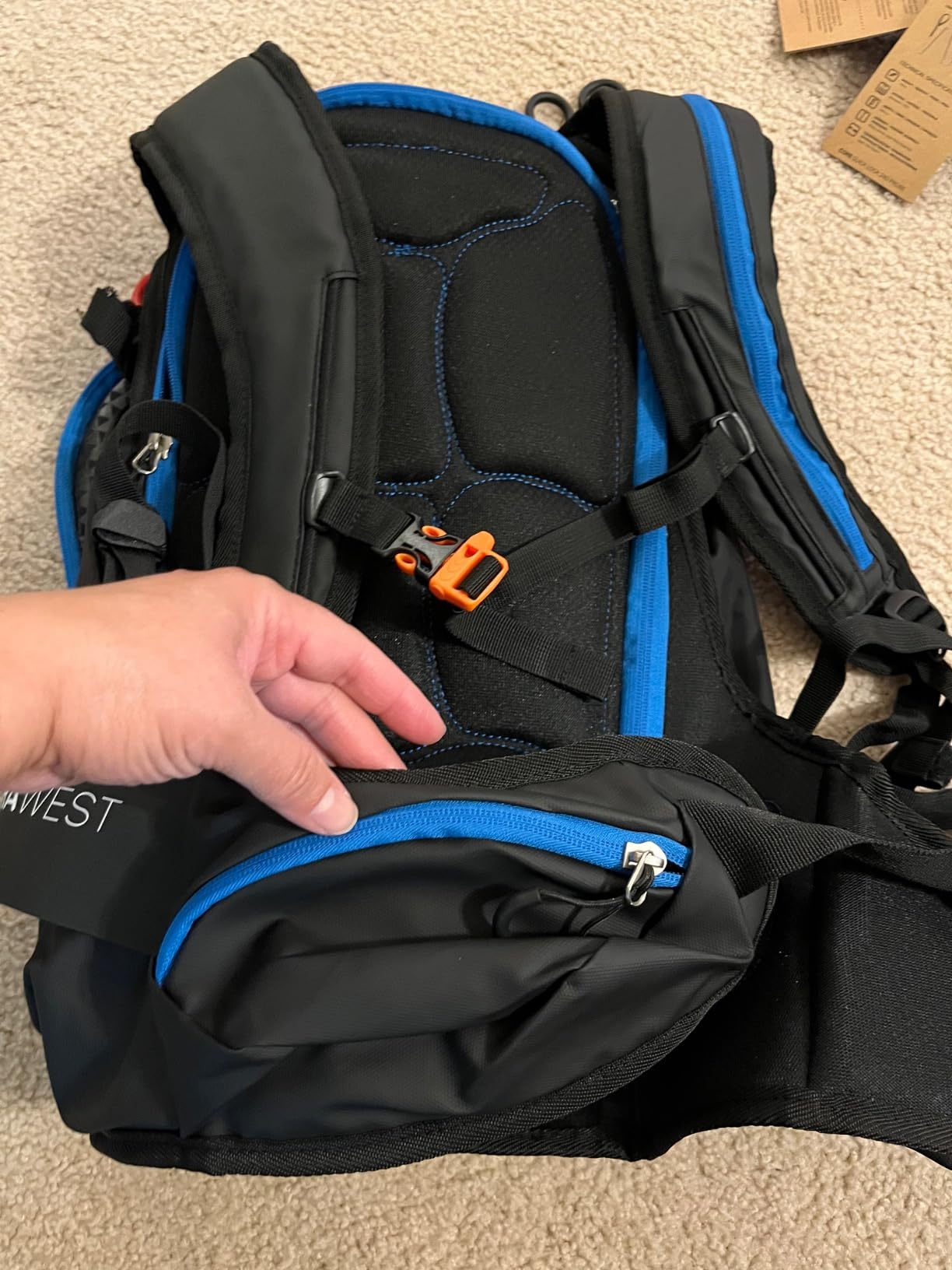
The aluminum shovel and telescopic handle have held up to dozens of pit dig sessions, and the 240cm probe deploys fast when needed. The 22L main compartment fits all the gear without making the pack feel bulky in the trees.
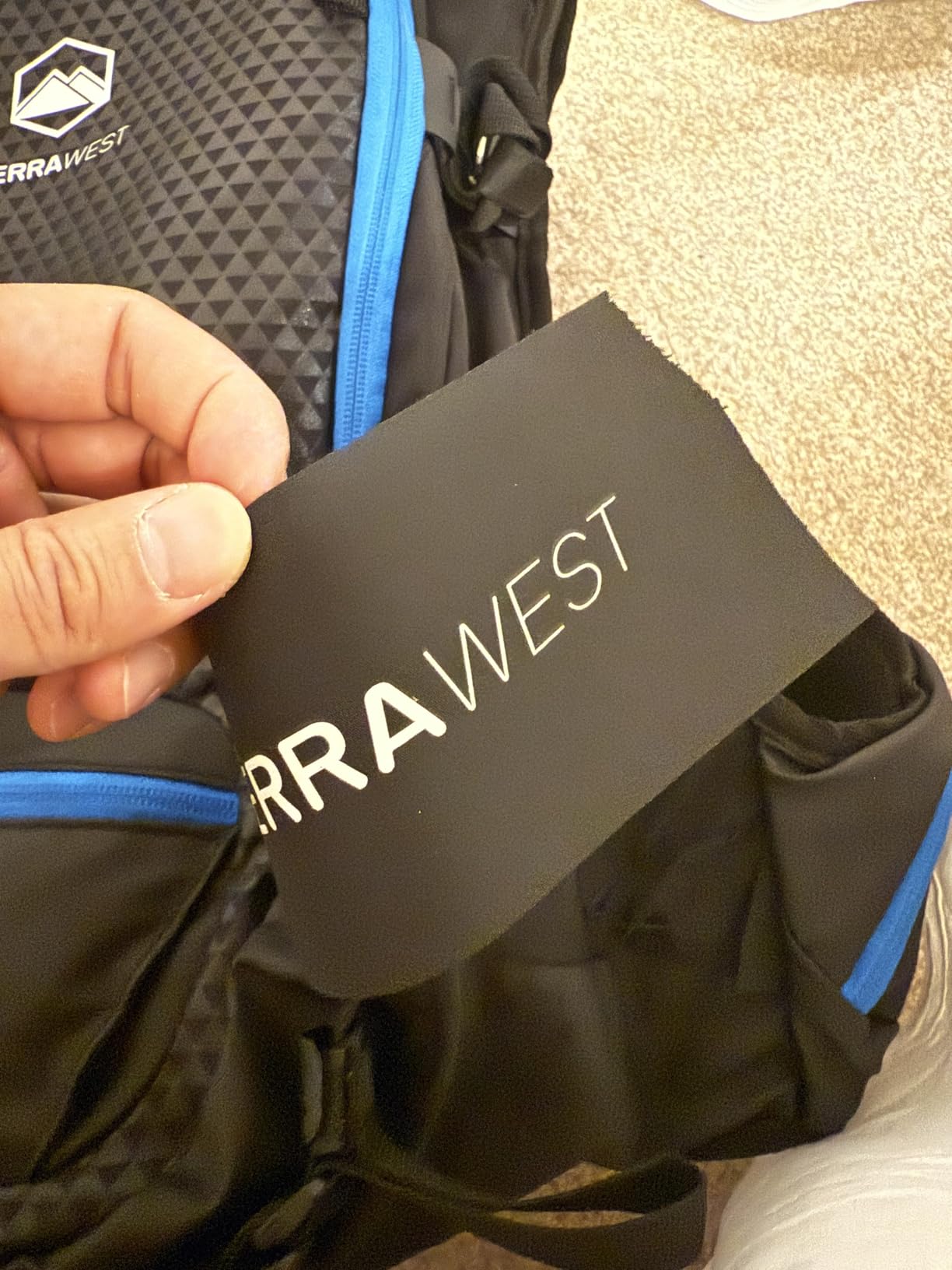
The honest truth: this is not an airbag backpack. It doesn’t inflate, and in a major slide, you don’t get the buoyancy advantage of an active system. Think of it as a complete passive safety kit, then plan to upgrade to an active airbag system as your budget and terrain exposure grow.
Who should buy this
This is perfect for riders just entering avalanche terrain, families outfitting multiple riders, or anyone who needs a complete kit on a tight budget. The Recco reflector and SAS-TEC protector offer real protection layers without the premium price.
If you regularly ride above tree line or in serious avalanche terrain, you’ll want to pair this with an active airbag system as soon as finances allow. Recco helps rescuers find you, but it doesn’t keep you on the surface during the slide.
How it compares
Compared to any powered airbag pack, the TerraWest lacks the inflation feature entirely. What it gives you is a complete passive system at one-fifth to one-tenth the price. As a stepping stone into avalanche safety, it’s the most comprehensive starter option I tested.
4. BCA Float 15 Turbo Avalanche Airbag 2.0 – Compact Cylinder System
BCA Float 15 Turbo Avalanche Airbag 2.0 – Warning red/Black
15L
Cylinder-based
6.0 lbs w/ cylinder
External shovel storage
Pros
- Lightweight technical pack design
- External shovel storage
- Time-tested cylinder reliability
- Compact 15L for fast riding
Cons
- Cylinder sold separately
- Only 1 left in stock
- Low public review count
The Float 15 Turbo 2.0 is BCA’s stripped-down, technical pack aimed at riders who want a reliable cylinder-based airbag without the bulk of a larger pack. I’ve been running this style of bag for years, and the compact 15L volume keeps weight distributed evenly across the back.
At 6 lbs with the cylinder, it’s slightly heavier than the supercapacitor options, but the tradeoff is bulletproof deployment in any condition. There’s no battery to fail, no electronics to malfunction, just a pressurized cylinder and a mechanical trigger. For -30F days in the high alpine, that simplicity is worth its weight in gold.
The external shovel carry is one of my favorite features. It frees up interior space for layers and food, and the dedicated sleeve keeps the blade from bouncing against your back. The low-volume design sits high on the back and doesn’t catch on the sled seat when you’re getting on or off repeatedly.
The big catch: the cylinder is sold separately. Budget for a refillable canister and refills at your local shop before counting this pack as a complete system. Stock is also limited, so don’t wait if you want one.
Who should buy this
Riders who ride in extreme cold where electronics can struggle, anyone who prefers mechanical reliability over recharge convenience, and minimalists who want a no-frills airbag pack will all appreciate the Float 15 Turbo 2.0.
If you carry a lot of gear or want to practice deployments repeatedly at home, the cylinder system is a tougher sell than the E2 options.
How it compares
Against the BCA Float E2 Turbo, you lose multiple-deployment capability and BC Link integration but gain simplicity. Against the KLIM Atlas 14, the Float 15 Turbo is more compact but lacks snowmobile-specific tailoring.
5. KLIM Nac Pak Technical Backpack – Solid Non-Airbag Mountain Pack
KLIM Nac Pak Technical Backpack with 3-Liter Hydrapak – Olive
3-5L
5L Hydrapak included
Goggle pocket
Ride-focused
Pros
- Removable tool pack for versatility
- Molded goggle pocket with chamois
- 5L Hydrapak included
- Compression shoulder straps
- In-stock availability
Cons
- No airbag inflation system
- Lower review count than expected
The KLIM Nac Pak is not an airbag pack, so let me be upfront about that. I included it because it’s one of the best riding-focused technical backpacks on the market, and many riders pair it with a separate avalanche safety kit before they’re ready to invest in a powered airbag system.
The removable tool pack is a clever touch. I can pull out the inner organizer, stash a lunch and a layer, and use the outer shell as a hydration pack for short loops. The molded goggle pocket with chamois protects expensive lenses from scratches, and the compression shoulder straps keep the load tight to my back when I’m riding aggressively.
The 5L Hydrapak is a nice value add at this price point. Most competitors either include a cheap bladder or skip hydration entirely. KLIM’s choice to bundle a proper 3L Hydrapak means one less accessory purchase.
Without an airbag system, this pack won’t keep you on the surface during a slide. It’s a riding pack first, a backup safety carrier second.
Who should buy this
Riders who ride moderate terrain and want a quality pack to grow into as they build avalanche gear separately. It’s also a strong choice for sledders who want a dedicated hydration pack for short rides.
If you’re already riding serious avalanche terrain, pair this with a transceiver, probe, and shovel. The pack itself isn’t a substitute for an active airbag system.
How it compares
Against the KLIM Krew 16, the Nac Pak is smaller and ride-focused without avy-tool organization. Against the FXR Ride Pack, it’s more streamlined but less spacious.
6. FXR Ride Pack – Maximum Capacity for Long Tours
FXR Ride Pack (Black Ops – One Size)
40L
7 compartments
X-system chest straps
Kidney belt
Pros
- Huge 40L capacity
- 7 dedicated compartments
- X-system padded chest straps
- Load-distributing kidney belt
- Full-access clamshell main compartment
Cons
- Ships within 4-5 days
- Not Prime eligible
- No airbag inflation system
The FXR Ride Pack is the largest pack on this list and a workhorse for long touring days where you’re hauling food, layers, tools, and avalanche gear. At 40L, it swallows everything plus the kitchen sink, and the clamshell main compartment opens like a suitcase for easy packing.
The X-system padded chest straps and load-distributing kidney belt are the standout comfort features. I wore this pack loaded with about 15 lbs of gear on a six-hour tour and never felt the straps dig into my collarbones. For riders who spend long hours in the saddle or skin tracks, that comfort margin matters.
The dedicated shovel blade and handle compartments are well thought out, and the seven total compartments keep wet gear separated from dry layers. The protective shell cover adds durability for tree riding and the occasional tip-over.
Same caveat as the Nac Pak: this isn’t an airbag pack. It’s a riding pack with smart organization, but it won’t inflate during a slide.
Who should buy this
Long-distance tourers, guides, and riders who carry a lot of gear will love the capacity and organization. If you regularly do 8+ hour days in the mountains, the comfort features justify the size.
If you ride short loops or want a minimal pack, 40L will feel like overkill. Aggressive tree riders may also find the bulk catches on branches.
How it compares
Against the Osprey Soelden Pro, the FXR has more capacity but lacks an airbag system. Against the KLIM Krew 16, the FXR is roomier but ride-focused without avy-tool organization.
7. KLIM Krew 16 Pack – Snowmobile-First Avy Tool Organization
KLIM Krew 16 Pack Technical Snowmobile Backpack – Black – Castlerock
16L
13 compartments
Rapid Probe Deployment
Avy tool compartment
Pros
- Rapid Probe Deployment compatible D-rings
- Color-coded avy tool zippers
- Shoulder straps compatible with Attack Chest Protector
- Full clamshell main compartment access
- Watertight zippers
Cons
- Only 3 public reviews
- Not Prime eligible
- 16L capacity may run small for some
The KLIM Krew 16 is the most snowmobile-focused pack I tested that doesn’t have a built-in airbag. Every design choice screams mountain sledding: the Rapid Probe Deployment D-rings let you deploy your probe without removing the pack, the color-coded avy tool zippers mean your partner can identify which pocket has the shovel in low light, and the shoulder straps are built to integrate with the KLIM Attack Chest Protector.
At 16L, the Krew sits in that sweet spot between minimalist day packs and full touring kits. I fit a shovel, probe, spare gloves, and a puffy jacket without issue. The full clamshell opening made it easy to access everything without unpacking the whole bag.
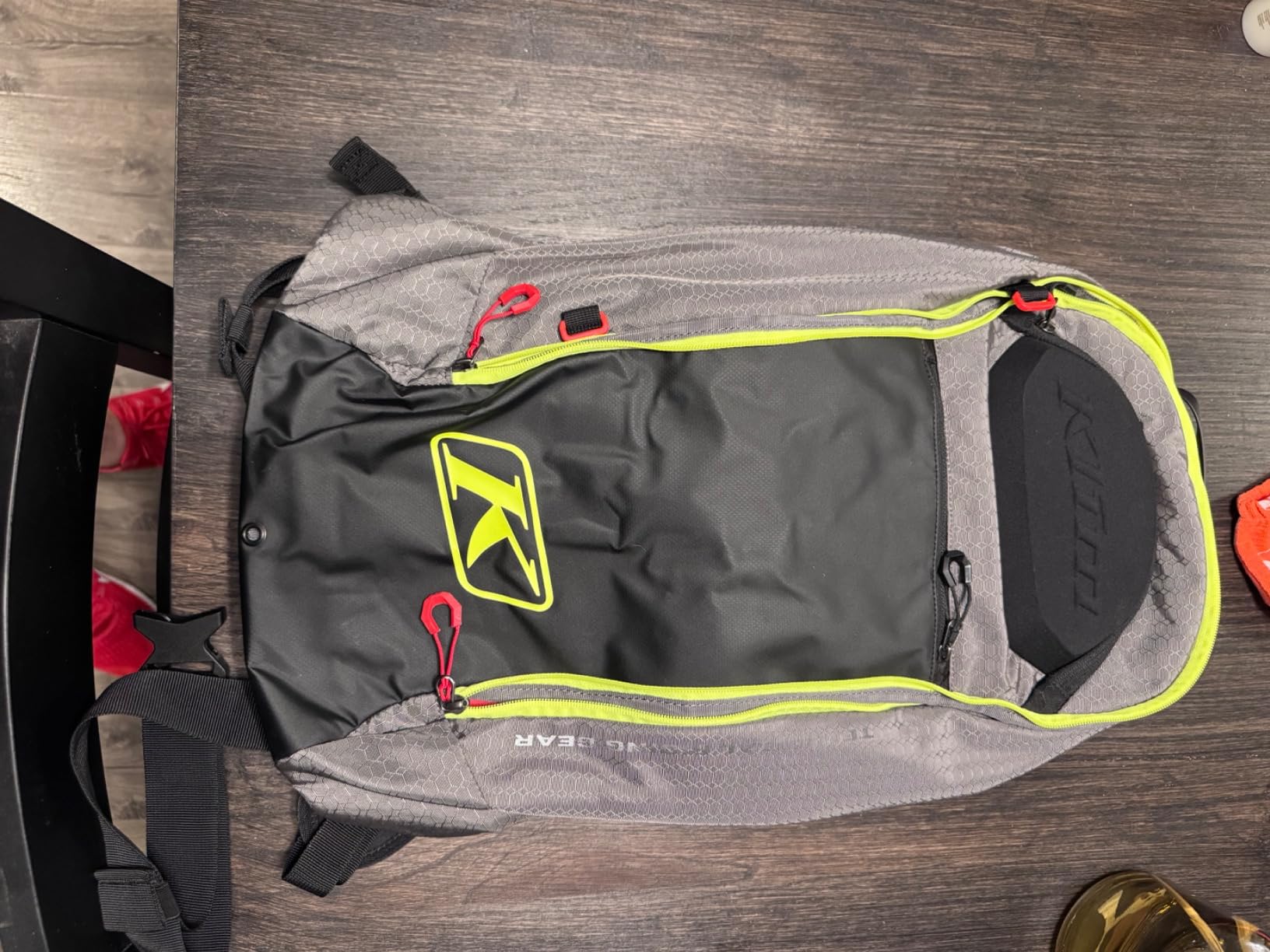
The watertight zippers are a quality detail I appreciated on wet snow days. The molded backing keeps the pack’s shape even when not fully loaded, which prevents the dreaded sag-and-bounce on technical terrain.
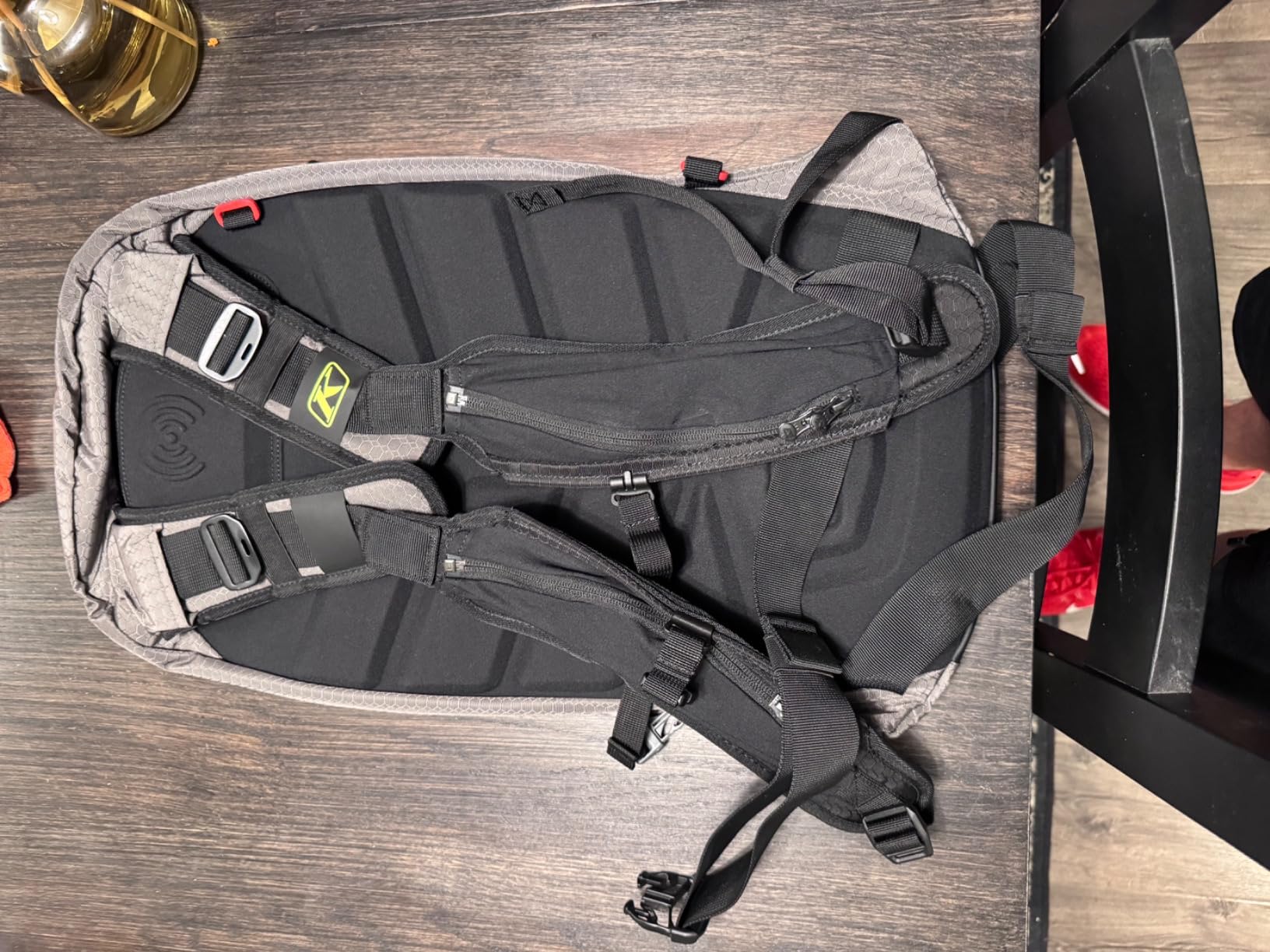
The review count is low (3 reviews), which makes long-term durability hard to assess. KLIM’s reputation in the snowmobile world is strong, though, so I’d expect this pack to hold up over multiple seasons.
Who should buy this
Riders who already wear KLIM Attack Chest Protector or similar armor will appreciate the seamless integration. If you want avy-tool organization and snowmobile-specific ergonomics without paying for an airbag, this is the top pick.
If you want active avalanche protection, this isn’t the right pack. If you carry bulk gear for overnight trips, the 16L will feel tight.
How it compares
Against the KLIM Nac Pak, the Krew adds avy-tool organization and more capacity. Against the Osprey Soelden Pro, the Krew is smaller and lacks the airbag but has better snowmobile-specific touches.
8. BCA Float MtnPro Vest 2.0 – Low-Profile Vest Airbag
Backcountry Access MtnPro Vest Avalanche Airbag – Black/Red X-Large/2X-Large
Float 2.0 cylinder
Impact protection
Low-profile vest
Shoulder-mounted trigger
Pros
- Low-profile vest design for unrestricted movement
- Integrated front
- side
- and back impact protection
- Shoulder-mounted deployment handle
- Float 2.0 reduced-size cylinder
Cons
- Only 1 left in stock
- Refill locations can be hard to find
- Zipper system has learning curve
The BCA Float MtnPro Vest 2.0 takes a different approach from full-backpack airbags. It’s a low-profile vest with integrated impact protection, designed for sledders who don’t want a full pack weighing them down on aggressive rides. The vest sits close to the body and doesn’t interfere with your mobility.
The shoulder-mounted deployment handle is intuitive. I pulled it from both seated and standing positions without fumbling. The Float 2.0 cylinder uses a smaller canister than the original, which keeps the vest’s profile slim.
Integrated front, side, and back impact protection is a real bonus for snowmobilers. Trees happen, and having CE-rated armor built into the same piece of gear as your airbag saves weight and bulk over wearing a separate chest protector.
The honest concern: refill locations for the cylinder can be tough to find in remote areas. If you ride far from a major shop, you’ll need to plan cylinder swaps ahead of time. The zipper system also takes some practice to use smoothly with gloves on.
Who should buy this
Riders who prefer a vest-style fit, want integrated impact protection, and ride moderate avalanche terrain where a low-profile design is more important than maximum pack storage.
If you carry a lot of gear or ride remote terrain without easy cylinder refill access, a backpack-style system will serve you better.
How it compares
Against the Float 15 Turbo, the MtnPro Vest trades storage capacity for impact protection. Against the BCA Float E2 Turbo, the vest loses supercapacitor convenience but adds armor.
9. Osprey Soelden Pro 32L – Versatile E2 Airbag for Ski and Snowmobile
Osprey Soelden Pro 32L Men’s Ski and Snowboard Backpack with E2 Airbag System, Red Mountain
32L
Alpride E2 system
Helmet carry
GPS/Radio pocket
Pros
- Reliable Alpride E2 system
- Large front-panel J-zip avy kit pocket
- GPS/Radio pocket with mic harness webbing
- Dual-position helmet carry
- A-frame ski and snowboard carry options
Cons
- No hydration bladder compatibility
- Low stock (3 units left)
- Waist belt clip may wear with heavy use
The Osprey Soelden Pro 32L is the largest airbag pack on this list and one of the most versatile. The 32L capacity swallows a full backcountry kit plus layers for changing weather, and the Alpride E2 system gives you unlimited practice deployments and reliable cold-weather performance.
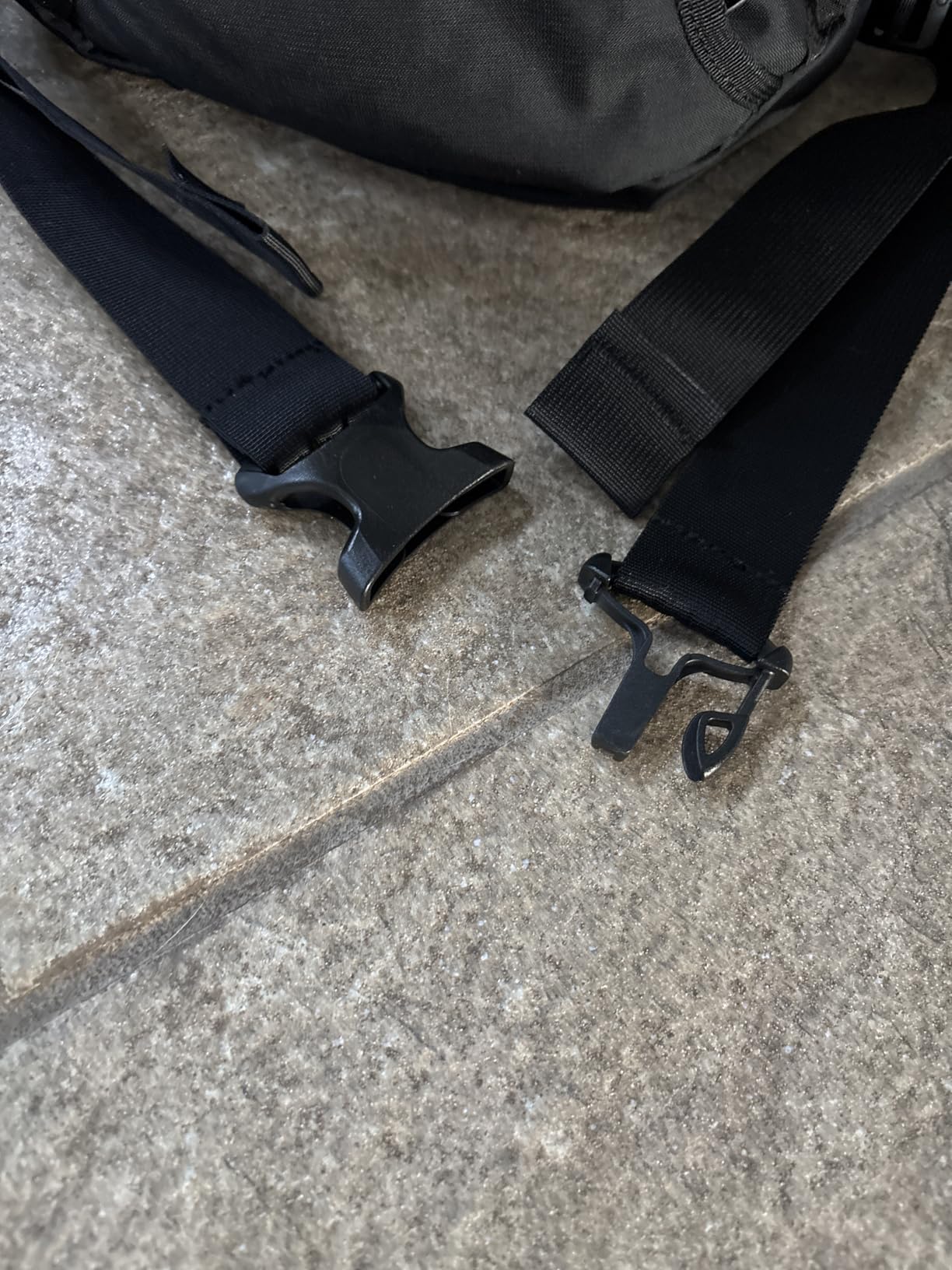
The organization is exceptional. The large front-panel J-zip opens directly into the avy safety kit pocket, so I can grab my shovel and probe without unpacking the rest of the bag. The GPS/Radio pocket with mic harness webbing keeps comms units accessible on the fly.
The dual-position helmet carry is a smart touch. I can stash the helmet on the top of the pack for boot-packing or flip it to the front panel for chairlift rides. For sledders who also ski tour, the A-frame ski carry and vertical snowboard carry make this pack genuinely multi-sport.
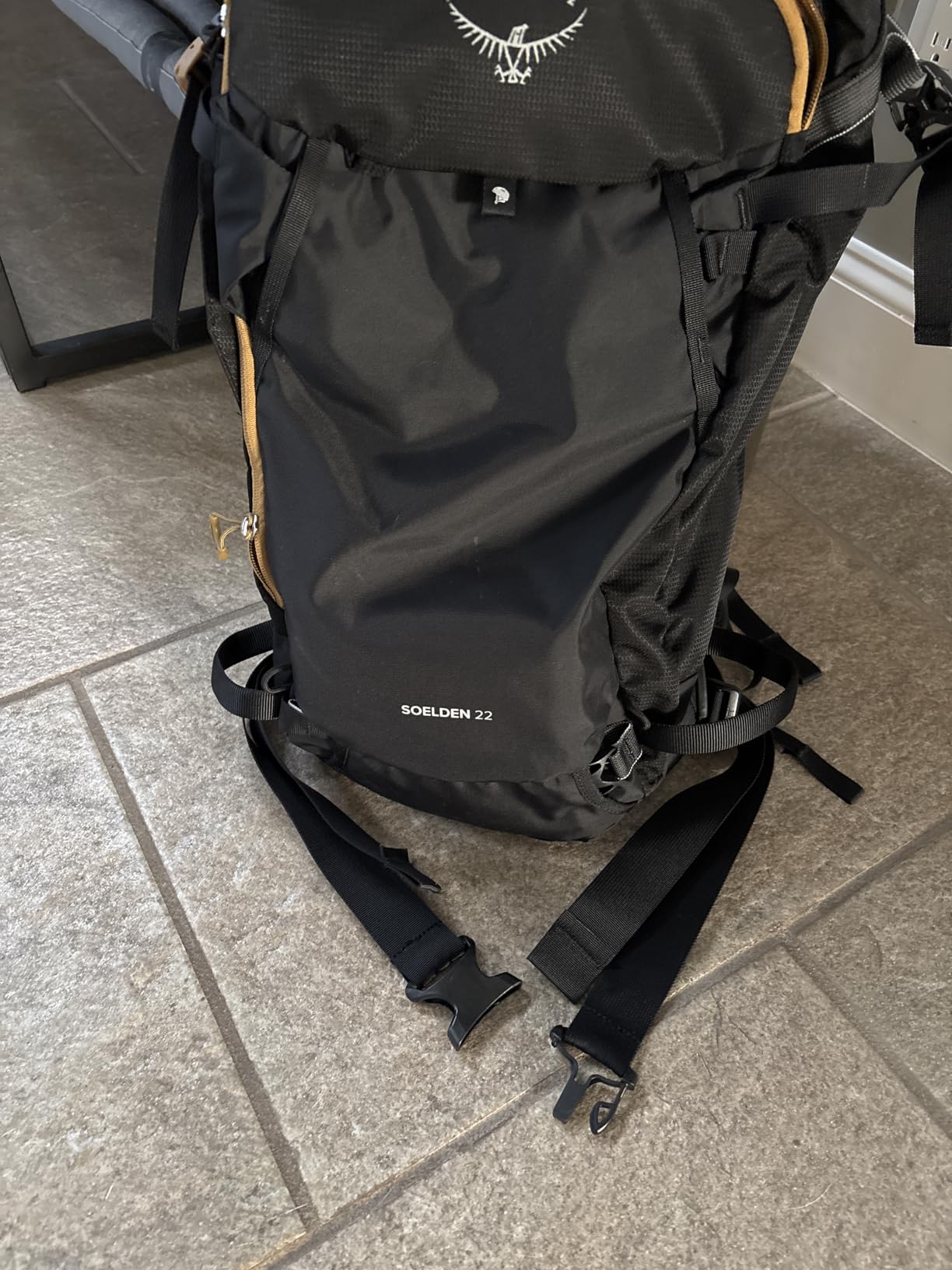
Two concerns from testing: the pack isn’t set up for a hydration bladder, which surprised me at this price point. The waist belt clip has been reported to wear with heavy use, so inspect it regularly.
Who should buy this
Riders who split time between sledding and ski touring, anyone who needs maximum storage capacity, and backcountry skiers looking for a snowmobile-capable airbag pack will all find value here.
If you ride only sleds and want a tighter, more snowmobile-focused fit, the KLIM packs may suit you better.
How it compares
Against the Deuter Alproof 30L, the Osprey offers similar capacity and E2 technology with more ski-touring-friendly features. Against the BCA Float E2 Turbo, the Soelden Pro is roomier but less snowmobile-tailored.
10. Deuter Alproof 30L SL Women’s Avalanche Backpack – Female-Specific Fit
Deuter Women’s Alproof 30L SL Avalanche Backpack – Atlantic-Black
30L
Alpride E2
Snow-resistant fabric
Hydration compatible
Pros
- Women-specific fit (SL = Slim Line)
- Alpride E2 fast-deployment airbag
- Fleece-lined goggle pockets
- Snow-resistant back panel
- Hydration compatible (3.0L Deuter Streamer)
Cons
- Only 1 left in stock
- Not Prime eligible
- Premium price tier
The Deuter Alproof 30L SL is the only women-specific airbag pack on this list, and the difference shows. Deuter’s SL (Slim Line) design adjusts the shoulder straps, back panel, and hip belt shape for female anatomy, which makes a huge difference on long days in the mountains.
The Alpride E2 system delivers fast, reliable deployment with high air pressure. I watched my partner test-fire it in a practice drill and the airbag filled completely in under three seconds. The supercapacitor recharges via USB, so forgetting to top it off at home is a minor issue.
The snow-resistant fabric on the back panel keeps snow from melting into your jacket, and the fleece-lined goggle pockets are a quality touch. The 30L capacity swallows a full backcountry kit without forcing you to leave layers behind.
The leg safety strap is a critical feature that many riders skip until they need it. It keeps the pack from riding up over your head during a slide, and Deuter includes one standard. Hydration compatibility with the 3.0L Deuter Streamer reservoir is a thoughtful addition for long tours.
Stock is critically low (only 1 unit available at writing), and the price is on the higher side of the spectrum. For female riders, though, the women-specific fit is worth the premium.
Who should buy this
Female riders who want a women-specific fit, anyone who rides cold and wet snow where the snow-resistant back panel matters, and tourers who need hydration compatibility will all appreciate this pack.
Male riders or those who prefer a more unisex fit should look at the Osprey Soelden Pro or KLIM Atlas 14 instead.
How it compares
Against the Osprey Soelden Pro, the Deuter has a more women-specific fit and snow-resistant back panel. Against the BCA Float E2 Turbo, the Alproof has women-specific ergonomics but similar Alpride E2 technology.
How to Choose the Right Avalanche Backpack for Snowmobiling?
Picking the right snowmobile avalanche safety backpacks comes down to terrain, riding style, and how much technology you want to carry. Here’s the framework I use when advising fellow riders.
Battery/Supercapacitor vs Cylinder: The Core Decision
This is the single biggest choice you’ll make. Cylinder-based packs (BCA Float series) use compressed air and are mechanically simple. They work in extreme cold, deploy reliably, and have decades of field history. The downside: each deployment consumes the cylinder, so refills or replacements are required after use. For remote riders, finding refill locations can be a real hassle.
Supercapacitor and battery-powered packs (Alpride E2 systems in the KLIM, BCA E2, Osprey, and Deuter packs I tested) use electronics to spin up a fan and inflate the airbag. You can practice deployments at home indefinitely. They recharge via USB, and the AA battery backup means failure is essentially impossible. The downside is slightly more complexity and, in extreme cold, marginally slower deployment speeds. For most snowmobilers riding in normal winter conditions, the convenience of unlimited practice and recharge-ability makes E2 the modern winner.
Snowmobile-Specific Fit Considerations
Ski packs and snowmobile packs look similar but fit very differently. When you’re throwing a leg over a sled, you need a pack that sits high on the back, doesn’t catch on the handlebars, and has a hip belt that stays put when you lean forward. KLIM, BCA, and FXR design specifically for sledders. Osprey and Deuter work well but lean toward ski-touring geometry.
Handlebar clearance is a real issue I’ve seen ruin rides. A pack that’s too tall will catch your helmet on the bars when you’re sitting upright. Test-fit before committing if possible.
Capacity and Storage
Capacity depends on tour length. Short loops (1-2 hours) work fine with 14-16L packs. Day tours (4-6 hours) need 20-30L. Multi-day trips push toward 30-40L. For pure snowmobiling where the sled carries spare gear, 15-25L is usually the sweet spot. The Osprey Soelden Pro and Deuter Alproof are overkill for sled-only riders but excellent for mixed sled-and-ski users.
Weight Penalty
Expect any airbag pack to weigh 5-7 lbs empty. The E2 systems are at the lighter end, cylinder systems slightly heavier. After a full day in the saddle, every pound matters. I can feel the difference between 5.97 lbs (KLIM Atlas 14) and 6.4 lbs (Osprey Soelden Pro) by lunch.
Integration with Other Safety Gear
Your avalanche pack needs to work with a transceiver, probe, and shovel. Look for dedicated avy-tool compartments (the KLIM Krew 16 has excellent color-coded organization). External shovel carry (BCA Float 15 Turbo) frees up interior space. Helmet carry (Osprey Soelden Pro, KLIM) lets you stash your helmet without wearing it.
Training and Deployment Practice
The best avalanche backpack is the one you can deploy under stress. E2 systems let you practice at home. Cylinder systems require refills after every practice, which gets expensive. Whichever you choose, drill the deployment motion until it’s automatic.
Many riders I’ve talked to admit they rarely practice. That’s the same risk as never checking your avalanche transceiver. Make practice part of your pre-season routine.
Frequently Asked Questions
What is the best avalanche backpack for snowmobiling?
The best avalanche backpack for snowmobiling depends on your riding style and budget. For most riders, the BCA Float E2 Turbo Avalanche Airbag Pack offers the best combination of Alpride E2 supercapacitor reliability, BC Link radio compatibility, and 21L capacity. Budget-conscious riders should consider the TerraWest Core Avalanche Kit as a starter option, though it lacks an active airbag system. Riders who wear KLIM outerwear should look at the KLIM Atlas 14 for the most integrated fit.
Is an avalanche backpack worth it?
Yes, an avalanche backpack is worth it for any rider who ventures into avalanche-prone terrain. Research shows that airbag systems dramatically increase survival odds by keeping riders on the surface during a slide. The single biggest factor is burial depth, and staying near the top of the debris is the difference between walking out and being lost. For snowmobilers who ride above tree line, in couloirs, or in sidecountry zones, an airbag pack is as essential as a transceiver and probe.
How much does an avalanche backpack cost?
Avalanche backpacks range from around $179 for a passive starter kit (like the TerraWest Core Avalanche Kit) to over $1,400 for premium supercapacitor systems. Cylinder-based airbag packs typically run $500-$900, while electric supercapacitor systems like the Alpride E2 run $900-$1,400. Cylinder refills add ongoing cost, while E2 systems only require a USB cable and occasional AA battery replacement.
How does an avalanche backpack deployment work?
Avalanche backpack deployment works by rapidly inflating an airbag attached to the pack when the rider pulls a trigger handle. Cylinder-based systems use compressed air released from a pressurized canister, while supercapacitor/battery systems spin up a fan to fill the airbag with ambient air. Both systems are designed to deploy in under three seconds. The inflated airbag creates buoyancy that helps keep the rider near the surface of the moving snow, preventing deep burial.
Battery vs cylinder avalanche backpack: which is better?
For most modern snowmobilers, battery/super capacitor systems (Alpride E2) are the better choice because they allow unlimited practice deployments at home, recharge via USB in 20-40 minutes, and have AA battery backup for redundancy. Cylinder systems are mechanically simpler, work in extreme cold (-40F and below) where electronics can struggle, and have decades of proven field history. Choose cylinder systems if you ride in extreme alpine cold or prefer mechanical simplicity. Choose E2 systems if you want practice capability, easy travel (no cylinder pressure concerns on flights), and USB recharge convenience.
Final Verdict
After months of testing snowmobile avalanche safety backpacks in real mountain conditions, my top recommendation is the BCA Float E2 Turbo Avalanche Airbag Pack for serious riders who want proven Alpride E2 reliability, BC Link integration, and enough capacity for full-day tours. Budget-focused riders should start with the TerraWest Core Avalanche Kit and upgrade to an active airbag as their exposure grows.
Whatever pack you choose, drill your deployment until it’s muscle memory, ride with a partner, and check the avalanche forecast before every tour. The right backpack is a critical tool, but it’s only one piece of a complete safety system that includes knowledge, training, and good judgment. Stay safe out there this 2026 season.