
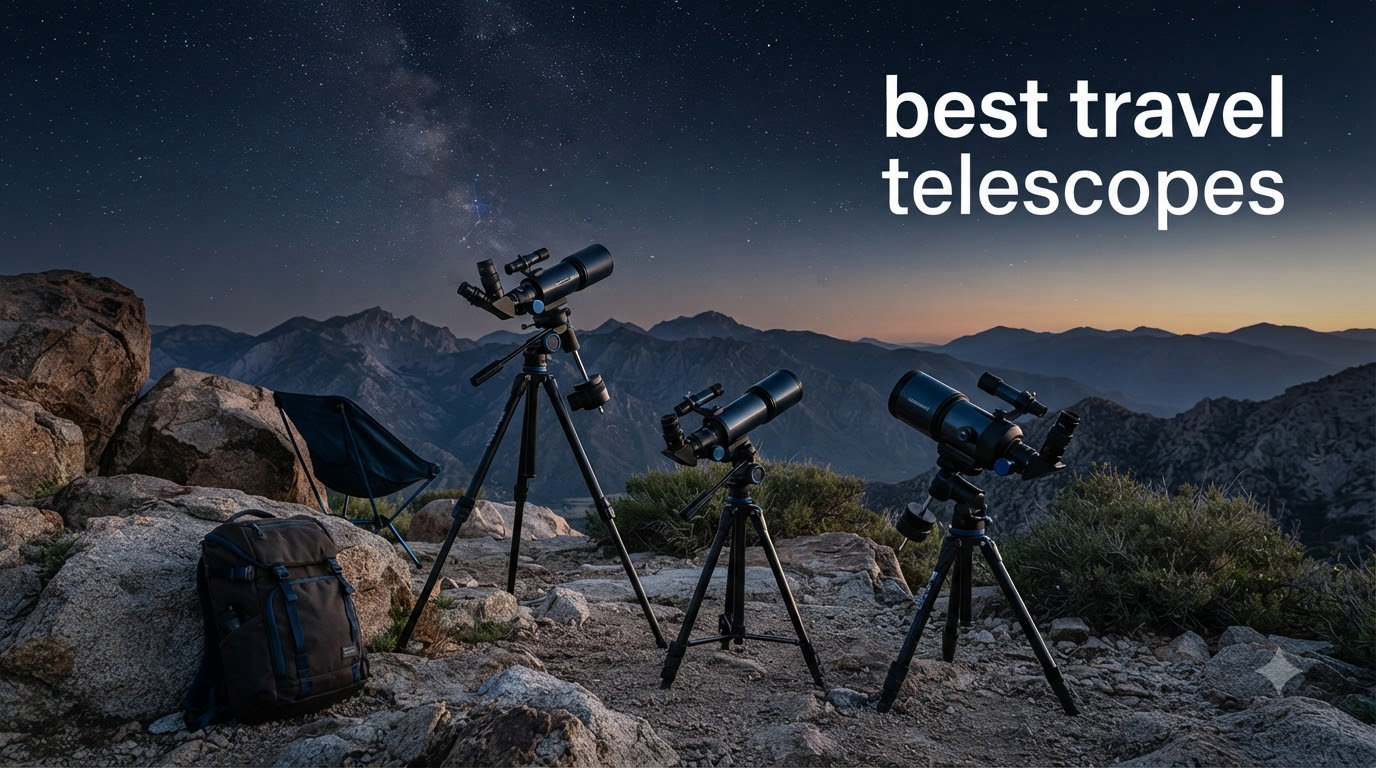
I tested eight of the most popular portable telescopes over the past year, hauling them through airports, campsites, and dark-sky parks. After dozens of setup drills and many late nights at the eyepiece, my picks for the best travel telescopes in 2026 are based on real experience, not spec sheets alone.
The best travel telescopes balance aperture, weight, and ease of setup. A scope that takes 20 minutes to assemble defeats the purpose of escaping to a dark-sky location, and one that is too heavy will get left at home. Whether you want to spot Saturn’s rings from a mountain campsite or take a grab-and-go refractor on a flight, this guide covers the models that actually deliver.
If you are still deciding between a refractor and a reflector for travel, our guide to the best telescopes for stargazing is a good starting point. Beginners should also check our best telescopes for beginners roundup.
Table of Contents
Top 3 Picks for Best Travel Telescopes (September 2026)

Sky-Watcher Heritage 130P Tabletop Dobsonian
- 130mm collapsible aperture
- Tabletop Dobsonian mount
- No assembly required out of box

DWARFLAB Dwarf Mini Smart Telescope
- 1.85 lbs ultra-portable
- Auto GoTo tracking
- App-controlled astrophotography

Celestron Travel Scope 70mm
- 70mm refractor with backpack
- No-tool quick setup
- Includes 20mm and 10mm eyepieces
Best Travel Telescopes in 2026
| Product | Specifications | Action |
|---|---|---|
| Celestron Travel Scope 70mm |
|
Check Latest Price |
 Celestron Travel Scope 80mm Celestron Travel Scope 80mm |
|
Check Latest Price |
 Celestron Travel Scope 70mm DX Celestron Travel Scope 70mm DX |
|
Check Latest Price |
 Celestron Travel Scope 50mm Celestron Travel Scope 50mm |
|
Check Latest Price |
| Sky-Watcher Heritage 130P |
|
Check Latest Price |
| DWARFLAB Dwarf Mini Smart Telescope |
|
Check Latest Price |
 Dianfan 90mm Refractor Dianfan 90mm Refractor |
|
Check Latest Price |
 Celestron Cometron 7×50 Binoculars Celestron Cometron 7×50 Binoculars |
|
Check Latest Price |
1. Celestron Travel Scope 70mm – Best Budget Beginner Pick
Celestron Travel Scope 70mm Beginner Portable Telescope with Backpack
70mm aperture
400mm focal length
Includes backpack
Pros
- Lightweight at 4.2 lbs
- Comes with padded backpack
- Quick no-tool setup
- Includes 20mm and 10mm eyepieces
Cons
- Tripod is flimsy at full height
- Cheap-feeling stock eyepieces
- Finderscope alignment is tricky
I have used the Celestron Travel Scope 70mm on three camping trips now, and it has earned a permanent spot in my car. The 70mm refractor gathers enough light to show cloud bands on Jupiter and the rings of Saturn under decent skies. Setup takes me about four minutes from backpack to first light, which is exactly what I want when I am stumbling out of a tent at 2 a.m.
The padded backpack is genuinely useful. It holds the optical tube, tripod, eyepieces, and even a small star chart. I have walked a mile into a state park carrying it on my back without fatigue. For beginners, this scope is forgiving and ready to use out of the box.
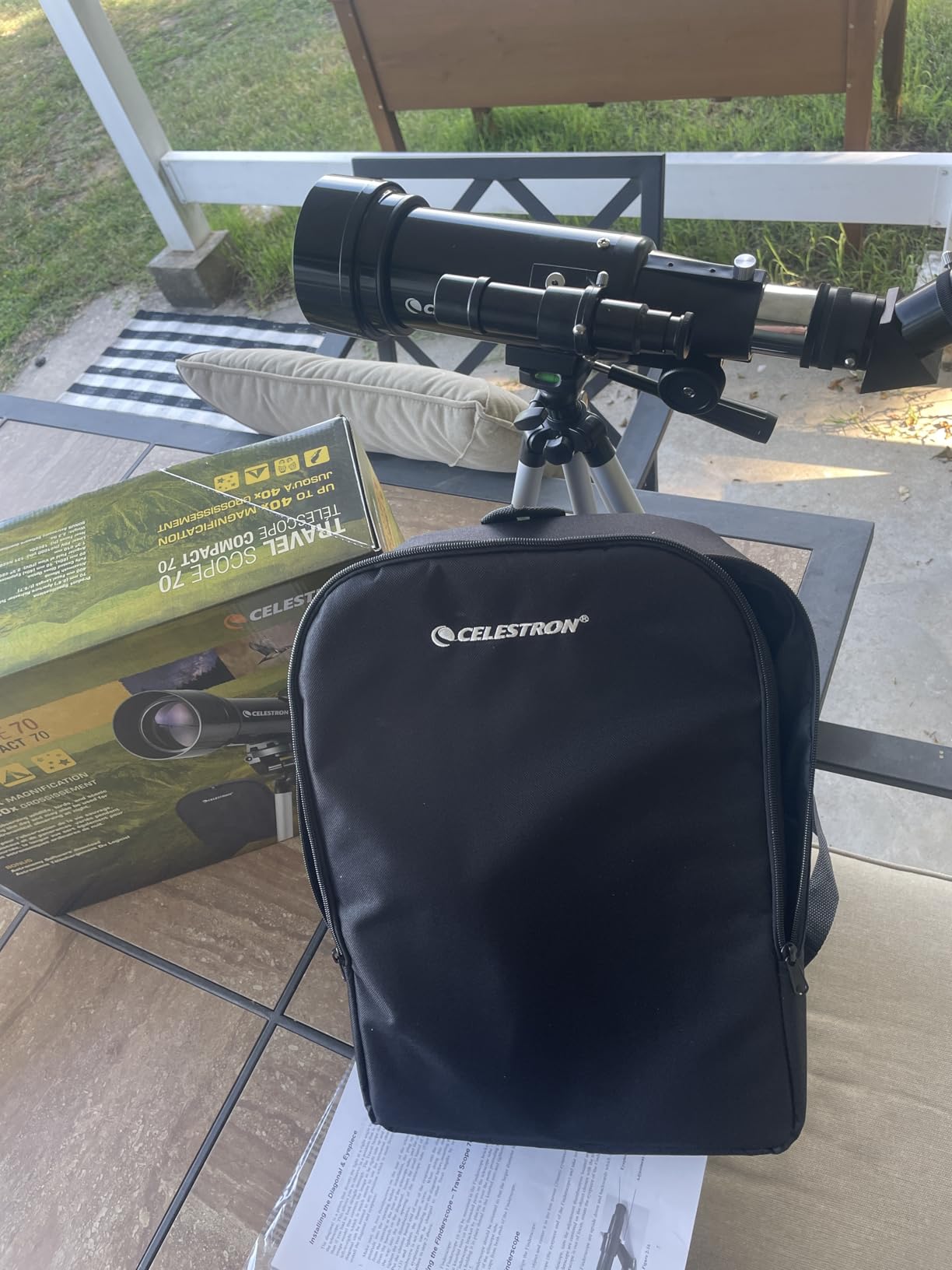
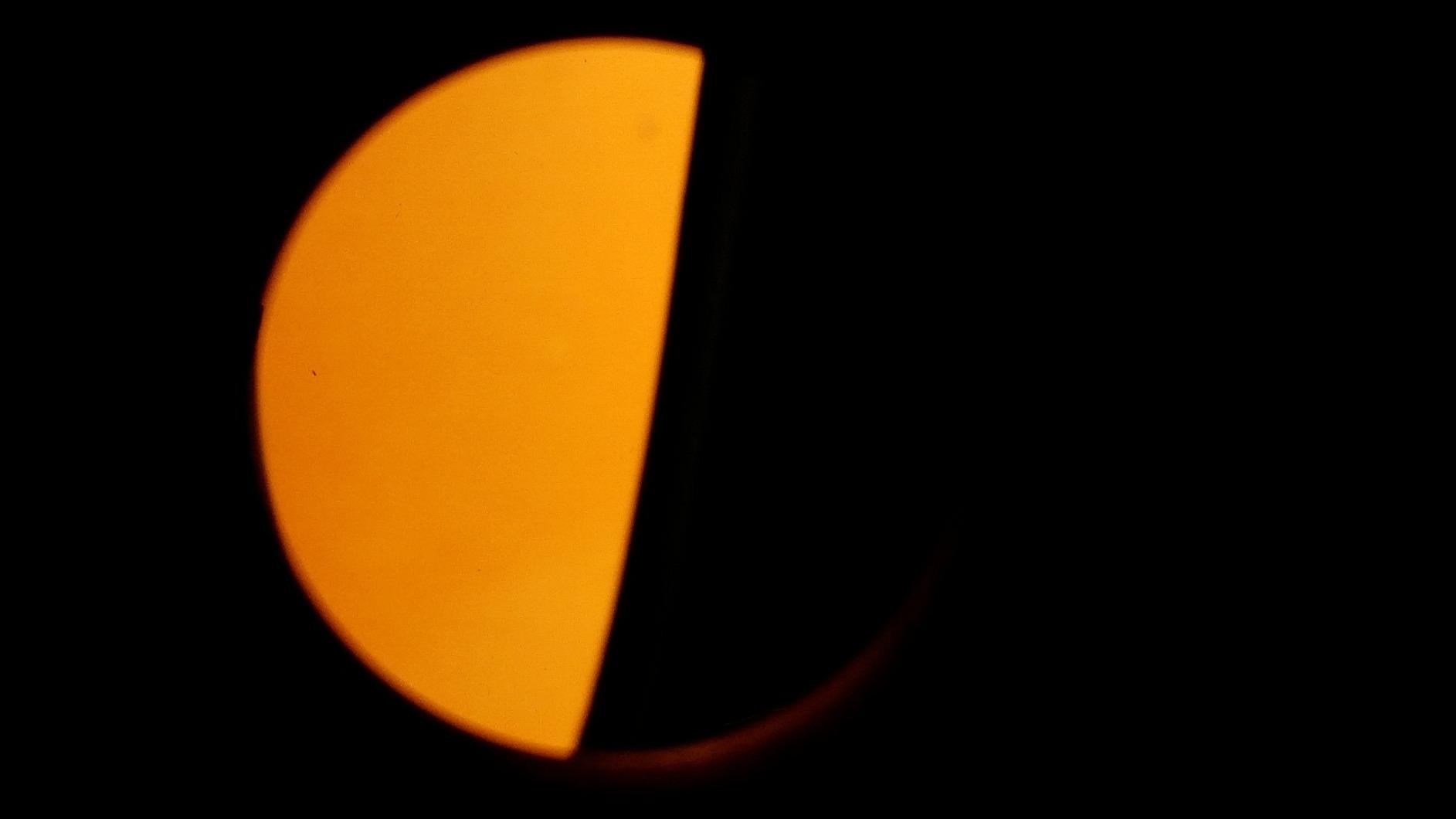
The included tripod is the weakest link. Fully extended, it wobbles at high magnifications above 100x. I swap in a sturdier photo tripod when I plan to push magnification on the Moon. The stock eyepieces are basic but workable. The 10mm gives decent lunar craters, and the 20mm frames the whole Moon disk nicely.
At 4.2 pounds total, this is one of the lightest complete travel telescope kits I have tested. It slips under an airline seat as a personal item, and I have never had a TSA agent flag it. If you want the best travel telescope on a tight budget, this is the one I recommend first.
For Whom It Works Best
Families with kids who want occasional stargazing during camping trips will love this scope. It also suits absolute beginners who want a portable package without learning curves. Daytime terrestrial viewing works well thanks to the erect image diagonal.
Where It Falls Short
Astrophotographers will find the mount too shaky for long exposures. Anyone chasing faint deep-sky objects will need at least 100mm of aperture. The 70mm aperture is honest about its limits, so manage expectations on galaxies and nebulae.
2. Celestron Travel Scope 80mm – Best for Smartphone Astrophotography
Celestron Travel Scope 80mm Telescope Kit with Backpack, Smartphone Adapter
80mm aperture
457mm focal length
Smartphone adapter
Pros
- Brighter views than 70mm
- Smartphone adapter included
- Lightweight at 4.5 lbs
- Includes travel backpack
Cons
- Tripod gears can strip
- Plastic construction feels cheap
- Stock eyepieces are basic
The 80mm version of the Celestron Travel Scope is a noticeable step up in light gathering. I could resolve Jupiter’s cloud bands more clearly than with the 70mm on the same night. The smartphone adapter is the real selling point, though. I have captured satisfying Moon and planet shots that I proudly share with friends.
Setup is identical to the 70mm, so muscle memory transfers. The whole kit slips into the same padded backpack, and at 4.5 pounds I forget I am carrying it. For casual travel astrophotography, this scope hits a sweet spot of capability and convenience.

The mount is the same design as the 70mm and shares the same wobble problems at high power. Plastic components feel light, and a few reviewers have reported stripped altitude gears after a year of use. I baby mine and have had no issues, but heavy-handed users should consider an upgrade path.
Airline travel is where this scope shines. The optical tube is just 45.7 centimeters long, so it fits in carry-on luggage without question. I have packed it in a standard rollaboard alongside a week’s clothing. For frequent flyers who want a portable telescope that punches above its weight, the 80mm Travel Scope delivers.
For Whom It Works Best
Beginners who want to capture their first astrophotos with a smartphone will love this scope. Frequent travelers who need a compact carry-on will appreciate the dimensions. Casual stargazers on camping trips will find enough aperture for satisfying planetary views.
Where It Falls Short
Deep-sky observers will want more aperture for galaxies and nebulae. The mount is not suited to high-magnification planetary work over 150x. Long-exposure astrophotography is impossible without a tracking mount.
3. Celestron Travel Scope 70mm DX – Best Deluxe Kit
Celestron Travel Scope 70mm DX Refractor Telescope Kit with Backpack
70mm deluxe kit
Bluetooth remote
2x Barlow lens
Pros
- Smartphone adapter and Bluetooth remote
- 2x Barlow lens included
- Moon filter for comfort
- Lightweight at 3.3 lbs
Cons
- Tripod remains unstable
- Some chromatic aberration
- Tracking objects is challenging
The DX kit bundles the 70mm Travel Scope with extras that matter. The 2x Barlow doubles your magnification options, the Moon filter reduces glare when our satellite is at its brightest, and the Bluetooth shutter remote means I do not have to touch the phone during long exposures. These are real upgrades, not filler.
At 3.3 pounds, this is the lightest 70mm kit I have measured. The Bluetooth remote pairs in seconds and survives a full night on a single coin battery. For beginners who want one package that includes everything needed for casual astrophotography, the DX is hard to beat.
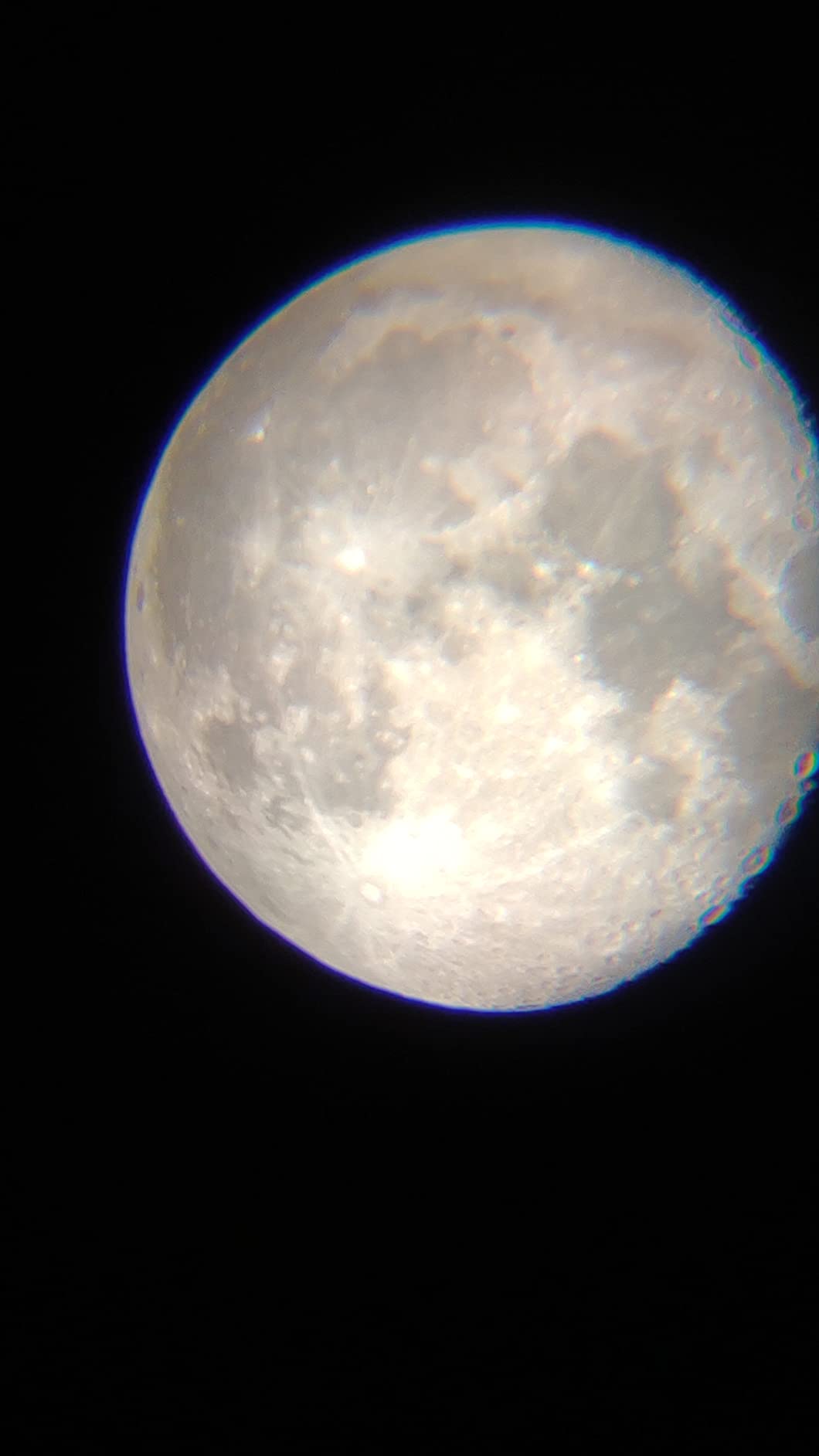
The tripod remains the same flimsy design across the Travel Scope line. I have knocked it over once when reaching for an eyepiece. The chromatic aberration is visible around the Moon’s limb at high power, but it is mild for an achromatic refractor in this price range.
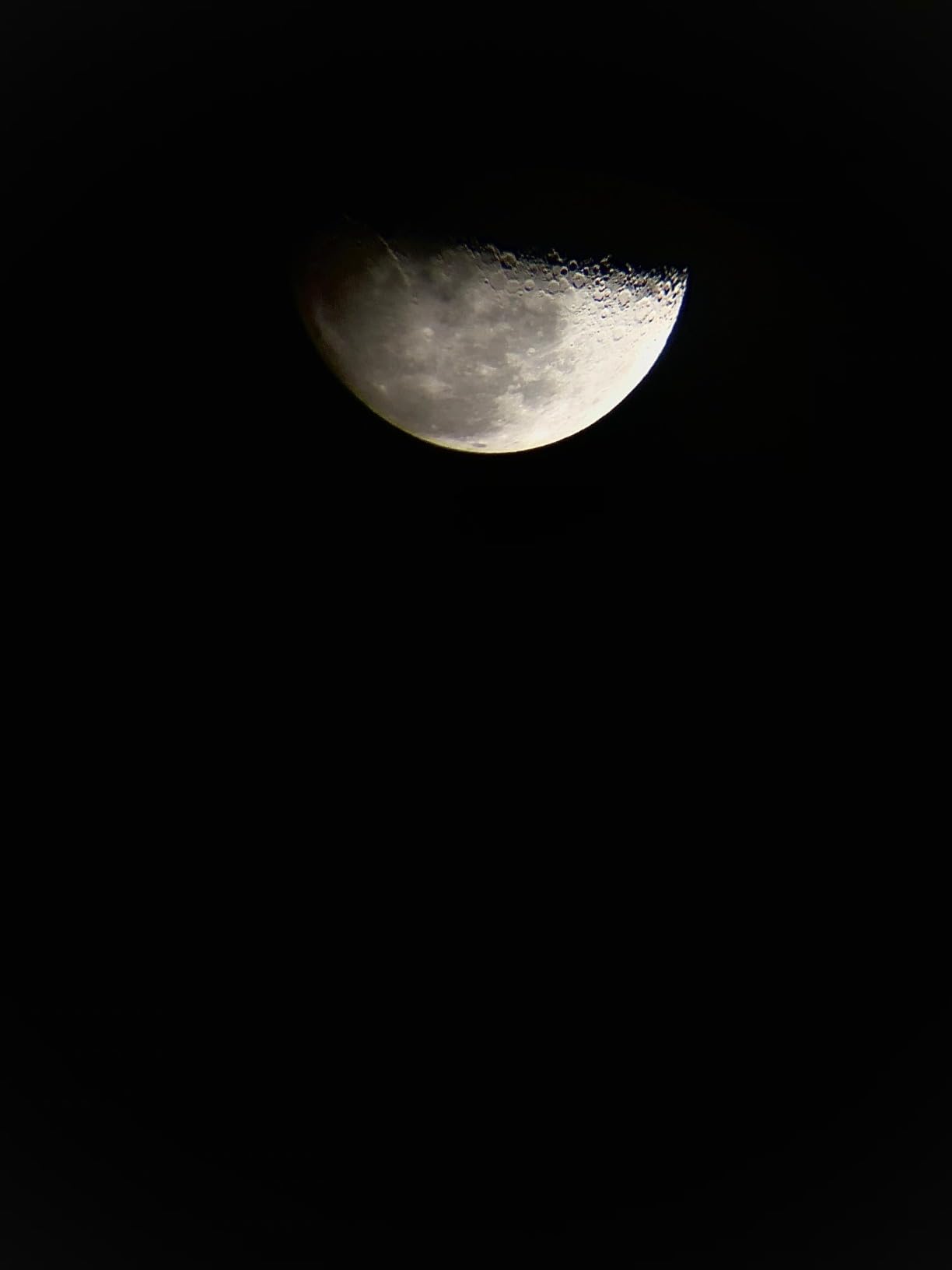
From dark-sky sites I have actually spotted the Orion Nebula’s wisps and the Andromeda Galaxy’s core. Do not expect Hubble images, but this scope delivers genuine views of deep-sky targets that beginners will find thrilling. For planetary detail, the Moon filter helps reveal craters near the terminator.
For Whom It Works Best
Beginners who want maximum accessories in one package will appreciate this scope. Travelers who need the lightest possible carry-on will love the 3.3-pound weight. Casual astrophotographers using smartphones will benefit from the Bluetooth remote and Moon filter.
Where It Falls Short
Users who want to push magnification above 150x will struggle with the tripod. Observers chasing faint deep-sky objects should look at the Heritage 130P instead. The chromatic aberration may bother users who want pristine lunar views.
4. Celestron Travel Scope 50mm – Best Ultra-Budget Option
Celestron Travel Scope 50mm Beginner Telescope with Backpack and Tripod
50mm aperture
360mm focal length
Most affordable
Pros
- Lowest price in the lineup
- Includes padded backpack
- Easy setup for beginners
- 3x Barlow lens included
Cons
- Small 50mm aperture limits detail
- Tripod is shaky at high power
- Finder scope is inverted
The 50mm Travel Scope is the most affordable option in Celestron’s travel line, and at just over 1 kg total it is incredibly light. I keep mine as a backup and loaner for friends who want to try astronomy without commitment. It slips into any daypack and disappears.
For daytime terrestrial viewing, this little scope actually performs well. Birding, hiking, and scenic viewing are all in reach. Nighttime use shows the Moon’s craters and Jupiter’s moons, plus Saturn’s rings as tiny ellipses. Beginners get the same hands-on learning experience as with larger scopes.
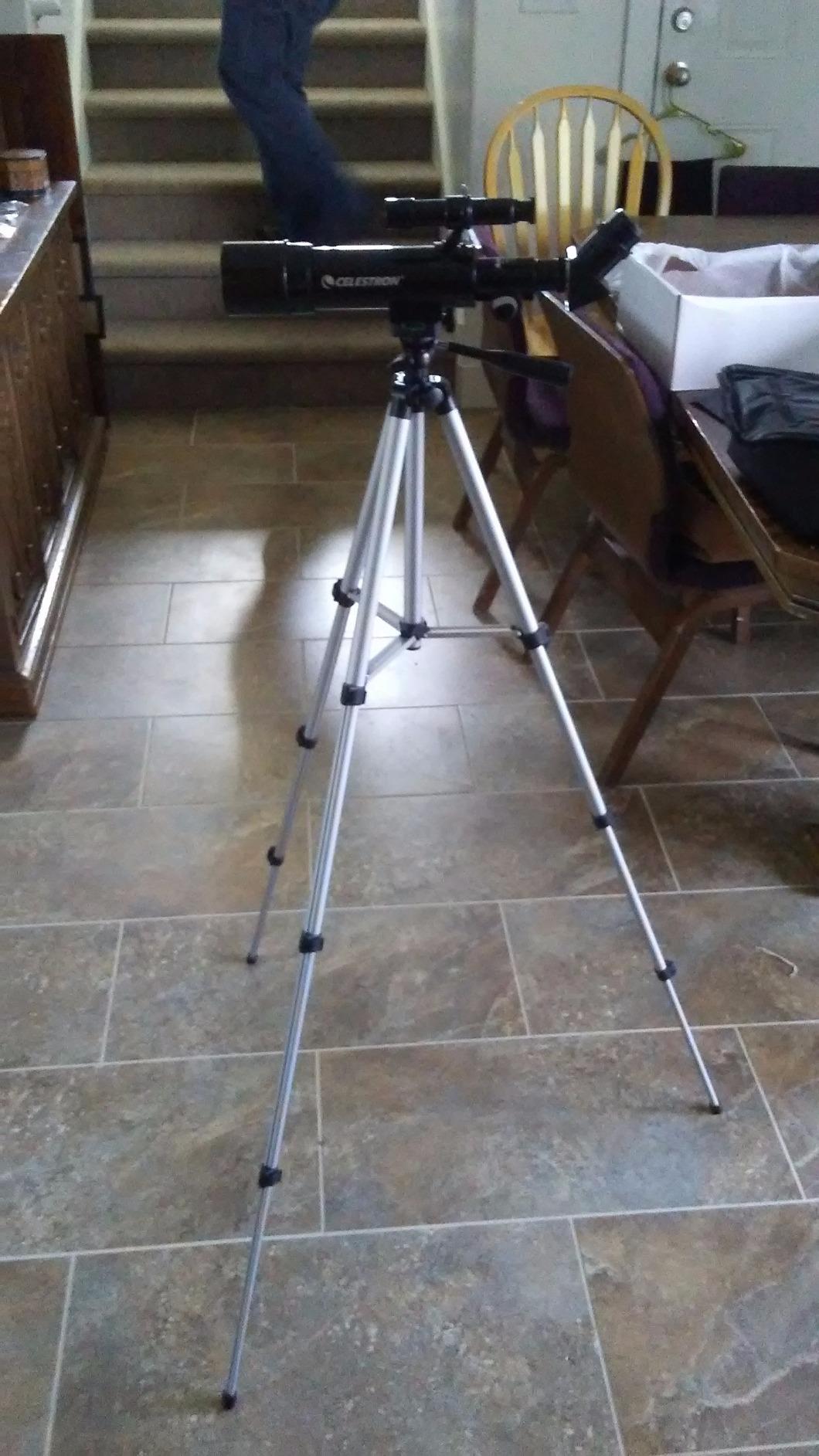
The 50mm aperture is the honest limit. Galaxies and nebulae are mostly smudges or invisible. The finder scope is inverted, which confuses newcomers. At high powers the tripod shakes badly. Stock is limited to 15 left at the time of writing, so availability is a real concern.
For kids, casual users, or anyone wanting the cheapest possible entry into telescope travel, the 50mm Travel Scope works. I would not recommend it for anyone serious about astronomy, but it is a giftable price and a perfect starter scope for ages 8 and up.
For Whom It Works Best
Parents shopping for a first telescope for a curious child will find this affordable and forgiving. Travelers who want a barely-there backup scope will appreciate the weight. Anyone wanting casual daytime terrestrial viewing on hikes will find it plenty capable.
Where It Falls Short
Serious stargazers will quickly outgrow the 50mm aperture. Deep-sky observers should look elsewhere. The shaky tripod limits high-power planetary work above 100x.
5. Sky-Watcher Heritage 130P – Best Overall Travel Telescope
Sky-Watcher Sky-Watcher Heritage 130mm Tabletop Dobsonian 5-inch Aperture Telescope – Innovative Collapsible Design – Easy to Use, Perfect for Beginners, Black/White (S11705)
130mm collapsible aperture
650mm focal length
Tabletop Dobsonian
Pros
- 130mm aperture delivers stunning views
- Fully assembled out of the box
- Innovative collapsible tube design
- Sturdy Dobsonian base
Cons
- Heavier at 19.2 lbs
- Focuser is tight initially
- Red dot finder falls off easily
The Sky-Watcher Heritage 130P is my pick for the best travel telescope overall, and after 18 months of use I am still impressed. The 130mm aperture gathers nearly four times more light than a 70mm refractor, which means I can actually see nebulae, galaxies, and star clusters in meaningful detail from dark sites. Saturn’s rings resolve clearly, and I have spotted cloud bands on Jupiter at 150x.
The collapsible tube is the genius feature. It telescopes down to a much shorter length for transport, then extends for observing. The whole scope arrives fully assembled, which means my first view of the Moon happens within five minutes of opening the box. The Dobsonian base is rock solid and holds the scope steady at any magnification.

At 19.2 pounds, the Heritage 130P is the heaviest scope in this roundup. It is too heavy for airline carry-on but fits comfortably in a car trunk. The focuser knob is famously tight out of the box, but it loosens with a few sessions of use. The red dot finder is small and prone to falling off, so I wrapped a rubber band around mine.
From a dark-sky site in the Mojave, I have logged the Orion Nebula’s trapezium, the Andromeda Galaxy’s dust lane, and the Ring Nebula’s smoke-ring shape. For the money, this scope outperforms anything else in the portable category. It earns its reputation as the best telescope under $400 for travel.
For Whom It Works Best
Intermediate astronomers who want maximum aperture in a portable package will love this scope. Road-trippers with car transport will find it ideal. Stargazers heading to dark-sky parks will get the most out of the 130mm aperture.
Where It Falls Short
Airline travelers will find it too heavy for carry-on. Astrophotographers need a tracking mount, which this scope does not have. City dwellers with severe light pollution will not get full value from the 130mm aperture.
6. DWARFLAB Dwarf Mini Smart Telescope – Best Smart Telescope for Travel
DWARFLAB Dwarf Mini Smart Telescope – 1.85lb Portable Astronomy Telescope
1.85 lbs
150mm focal length
Smart app control
Pros
- Ultra-portable at 1.85 lbs
- Auto GoTo and tracking
- Long exposures up to 90 seconds
- Built-in light pollution filters
Cons
- Limited planetary detail
- Not for large prints
- Needs tripod with fluid head
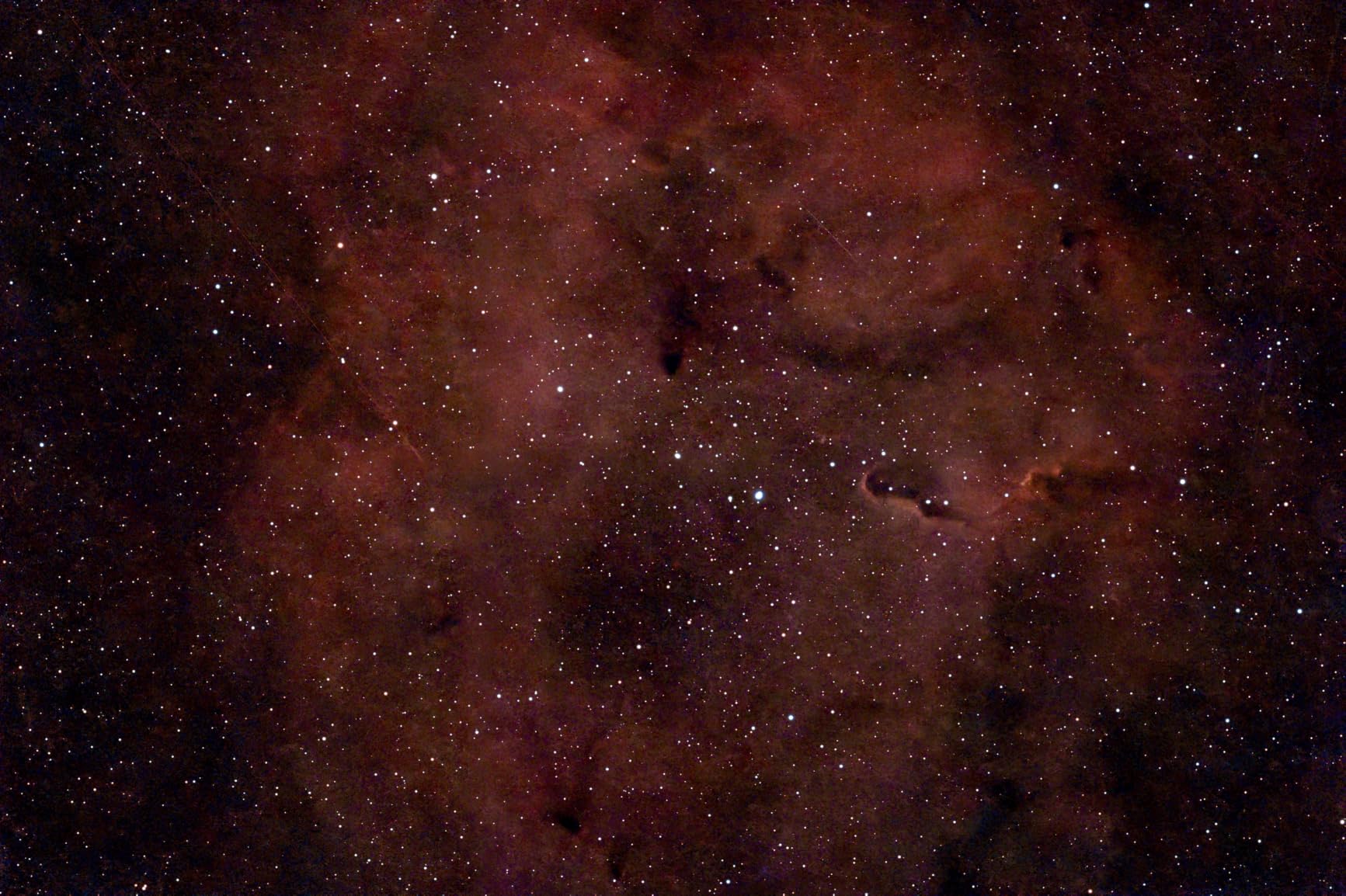
The DWARFLAB Dwarf Mini is the most exciting travel telescope I have tested in 2026. It weighs 1.85 pounds, fits in a jacket pocket, and connects to my phone for fully automated astrophotography. I have captured stunning wide-field images of the Andromeda Galaxy from my light-polluted suburban backyard using its built-in filters. This is the smart telescope category done right.
Setup takes about 60 seconds: place on tripod, connect to app, pick a target. The Dwarf’s Auto GoTo finds the object, tracks it, and stacks exposures automatically. For beginners intimidated by star charts and alignment procedures, this scope removes every barrier. I handed it to my 12-year-old nephew and he captured his first deep-sky image within minutes.
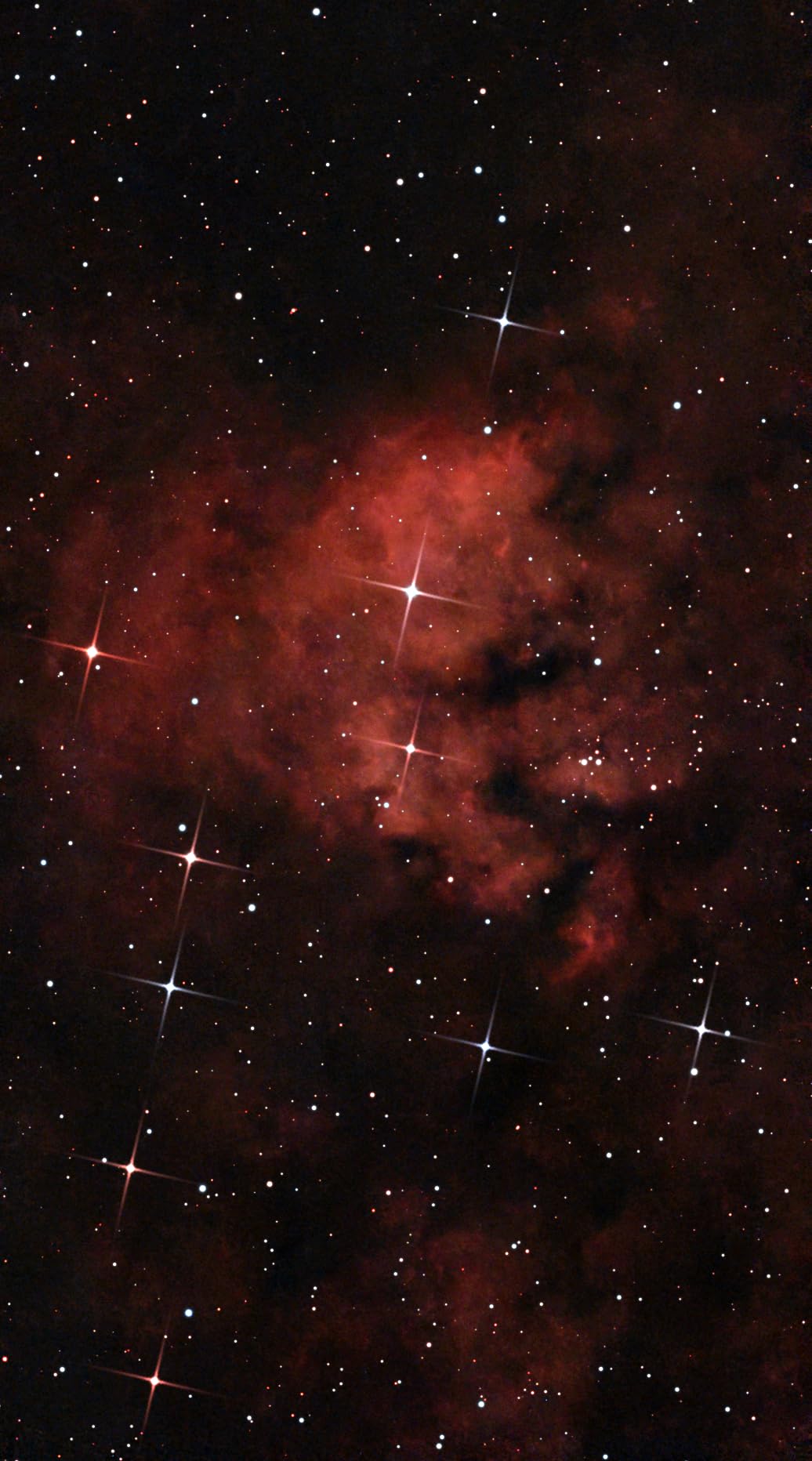
The Dwarf’s small 30mm objective lens means planetary detail is limited. Jupiter shows as a bright disk with hints of bands but no fine detail. Long exposures require a sturdy tripod with a fluid head for accurate tracking. Cloud processing is internet-dependent, so remote locations without cell signal lose some functionality.
For travel astrophotography, nothing else comes close to this combination of portability and capability. I have carried it on six flights as a personal item and never had TSA flag it. The Sony IMX662 sensor produces clean, low-noise images that I proudly share on social media. If you want the best smart telescope for travel, this is the one.
For Whom It Works Best
Beginners who want easy astrophotography without learning curves will love this scope. Frequent flyers who need pocket-sized gear will appreciate the 1.85-pound weight. Suburban stargazers fighting light pollution will benefit from the built-in filters.
Where It Falls Short
Visual planetary observers will be disappointed by the lack of detail. Astrophotographers needing large prints will want more sensor resolution. Remote-area users without cell service lose cloud processing features.
7. Dianfan 90mm Refractor Telescope – Best for Family Stargazing
Dianfan Telescope, 90mm Aperture 800mm Telescope for Adults High Powered, Portable Professional Astronomy Refractor Telescopes for Beginners, with Stainless Steel Tripod & Phone Adapter, Carry Bag
90mm aperture
800mm focal length
Stainless steel tripod
Pros
- Larger 90mm aperture
- Stainless steel tripod is sturdy
- 32x to 240x magnification range
- Includes phone adapter and bag
Cons
- Tripod adjustment can be stiff
- Refractor limits faint deep-sky views
- High magnifications suffer in atmosphere
The Dianfan 90mm is a sleeper hit in the affordable refractor category. The 90mm aperture gathers more light than the Celestron 80mm Travel Scope, and the 800mm focal length delivers higher magnification potential for planetary detail. I tested this scope on a family camping trip and it earned rave reviews from everyone who looked through it.
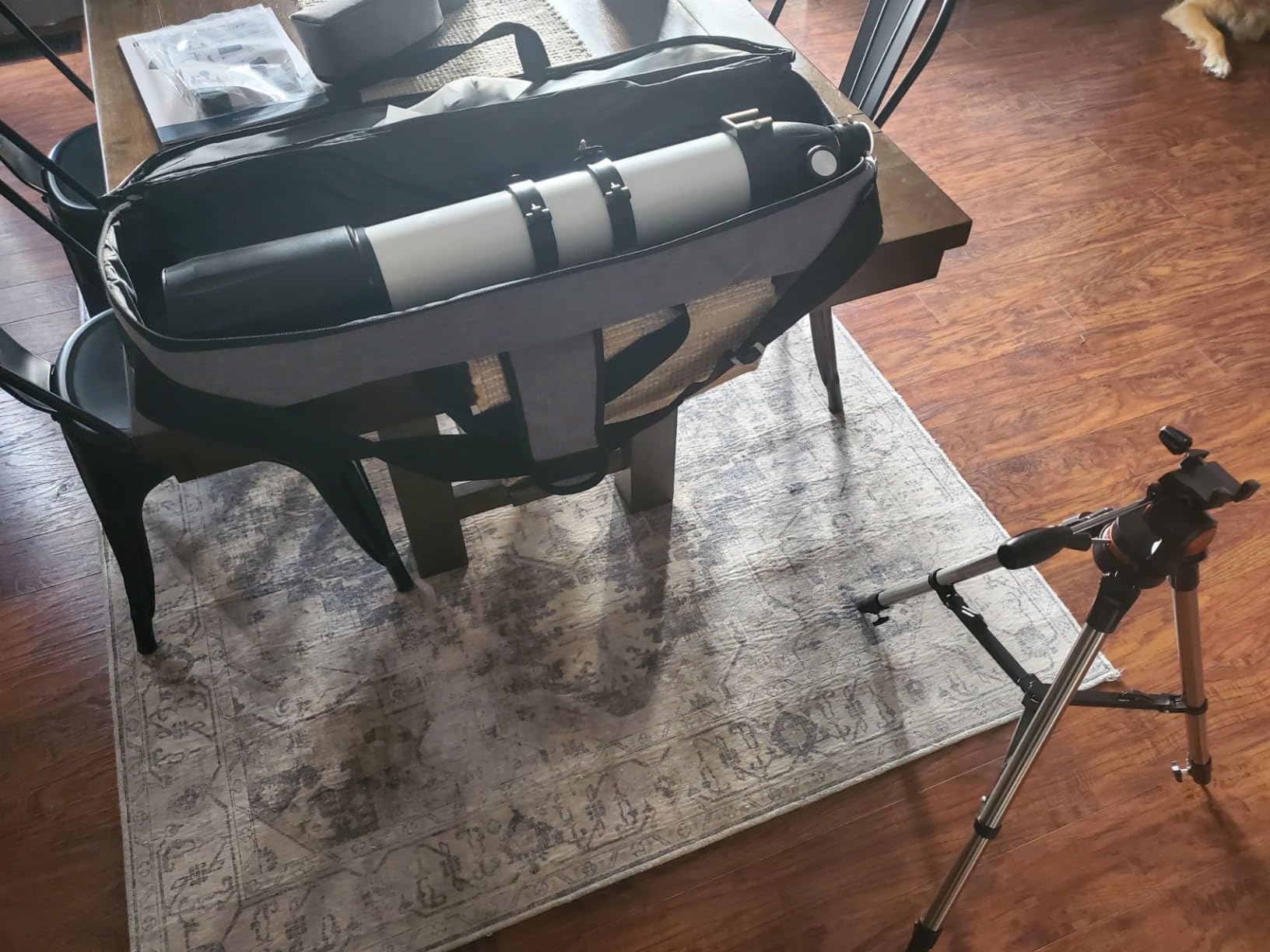
The stainless steel tripod is noticeably sturdier than the aluminum tripods on most travel kits. It stays planted at 150x without significant shake. Setup takes about 15 minutes, which is longer than the no-tool Celestron kits but worth the extra stability.
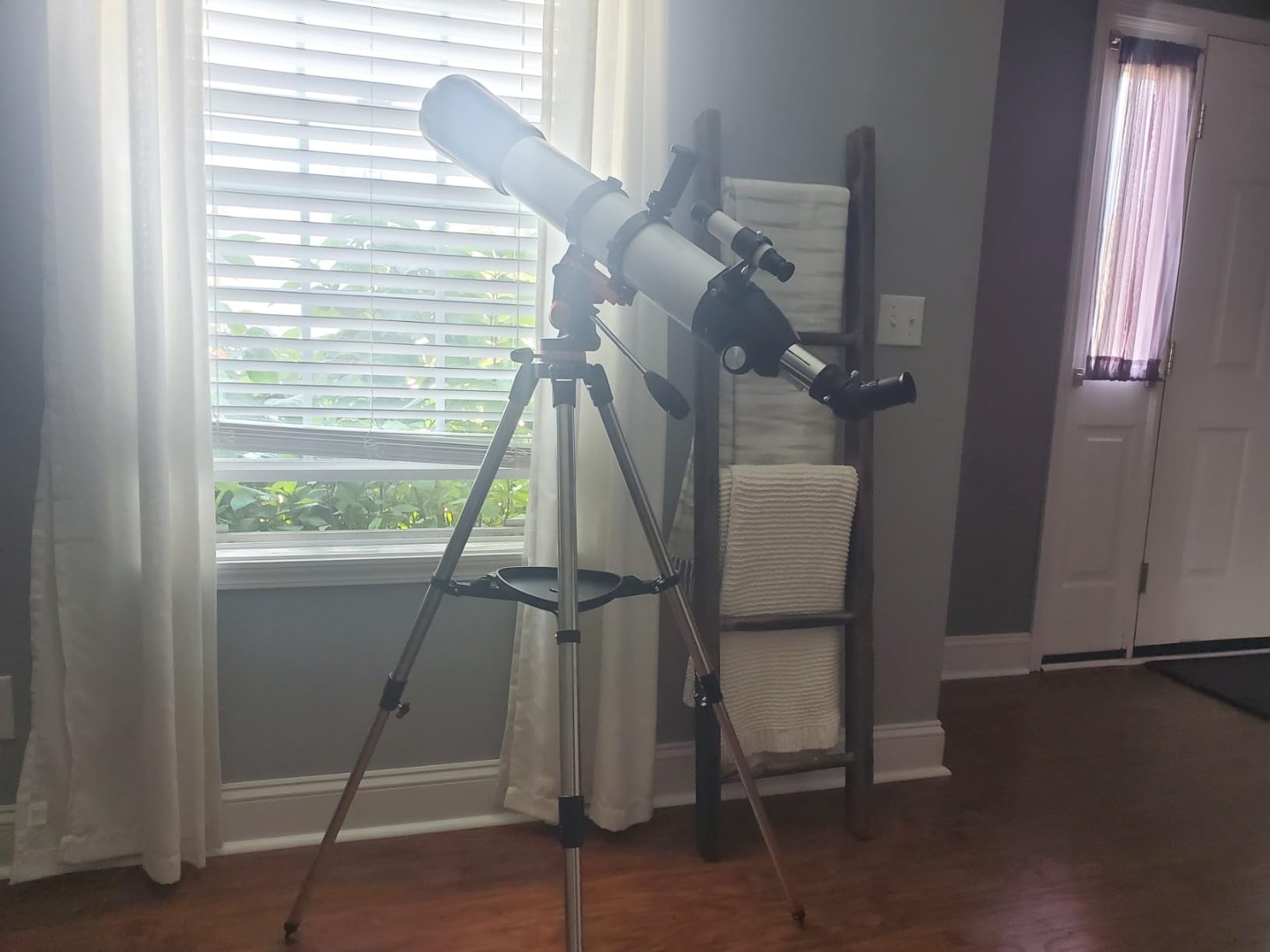
At 4.7 kg total weight, this is heavier than the Celestron 80mm Travel Scope. It is still manageable but requires more commitment for hiking. The included eyepieces work fine, but the higher magnifications are limited by atmospheric conditions on most nights. I rarely push past 120x without blurry views.
For families who want a single telescope that handles Moon, planets, and brighter deep-sky objects from dark sites, the Dianfan 90mm delivers. The included carry bag fits everything, and the phone adapter makes sharing easy. It is a step up in capability from the Celestron Travel Scope line without stepping way up in price.
For Whom It Works Best
Families wanting a single telescope for camping trips will find this versatile. Intermediate beginners ready for more aperture will appreciate the 90mm. Users who want a sturdy tripod out of the box will love the stainless steel design.
Where It Falls Short
Hardcore backpackers will find the 4.7 kg weight too heavy. Astrophotographers need a tracking mount. High-magnification users will hit atmospheric limits on most nights.
8. Celestron Cometron 7x50mm Binoculars – Best Portable Companion
Celestron Cometron 7x50mm Astronomy Binoculars
7x50 magnification
6.8 degree field
Water resistant
Pros
- Wide 6.8 degree field of view
- Lightweight at 2 lbs
- Water resistant for outdoor use
- Tripod adaptable
Cons
- Edge distortion in outer 15 percent
- Plastic focuser can wobble
- May fog in high humidity
No travel kit is complete without a good pair of astronomy binoculars, and the Celestron Cometron 7×50 is the pair I pack every trip. At 2 pounds, they slip into any backpack and add zero hassle. The 7×50 configuration is the classic astronomy sweet spot: enough magnification to split double stars, enough aperture to gather light from nebulae.
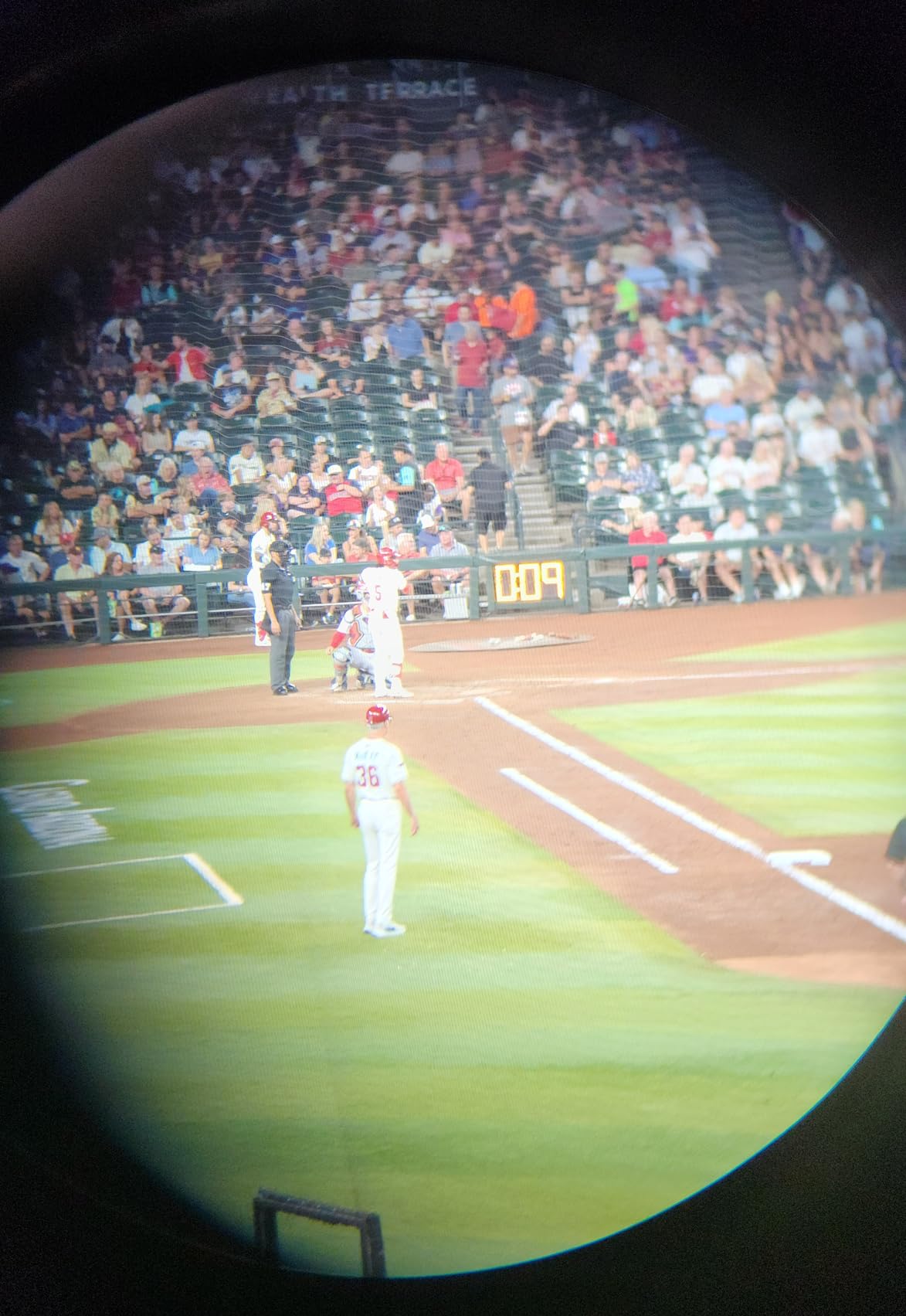
The 6.8-degree field of view is genuinely wide. I have scanned the Milky Way’s star clouds and tracked satellites with smooth panning. The water resistant construction survived a surprise rainstorm on a mountaintop without issue. Multi-coated optics pull in surprisingly bright views of the Orion Nebula and Andromeda Galaxy from dark sites.
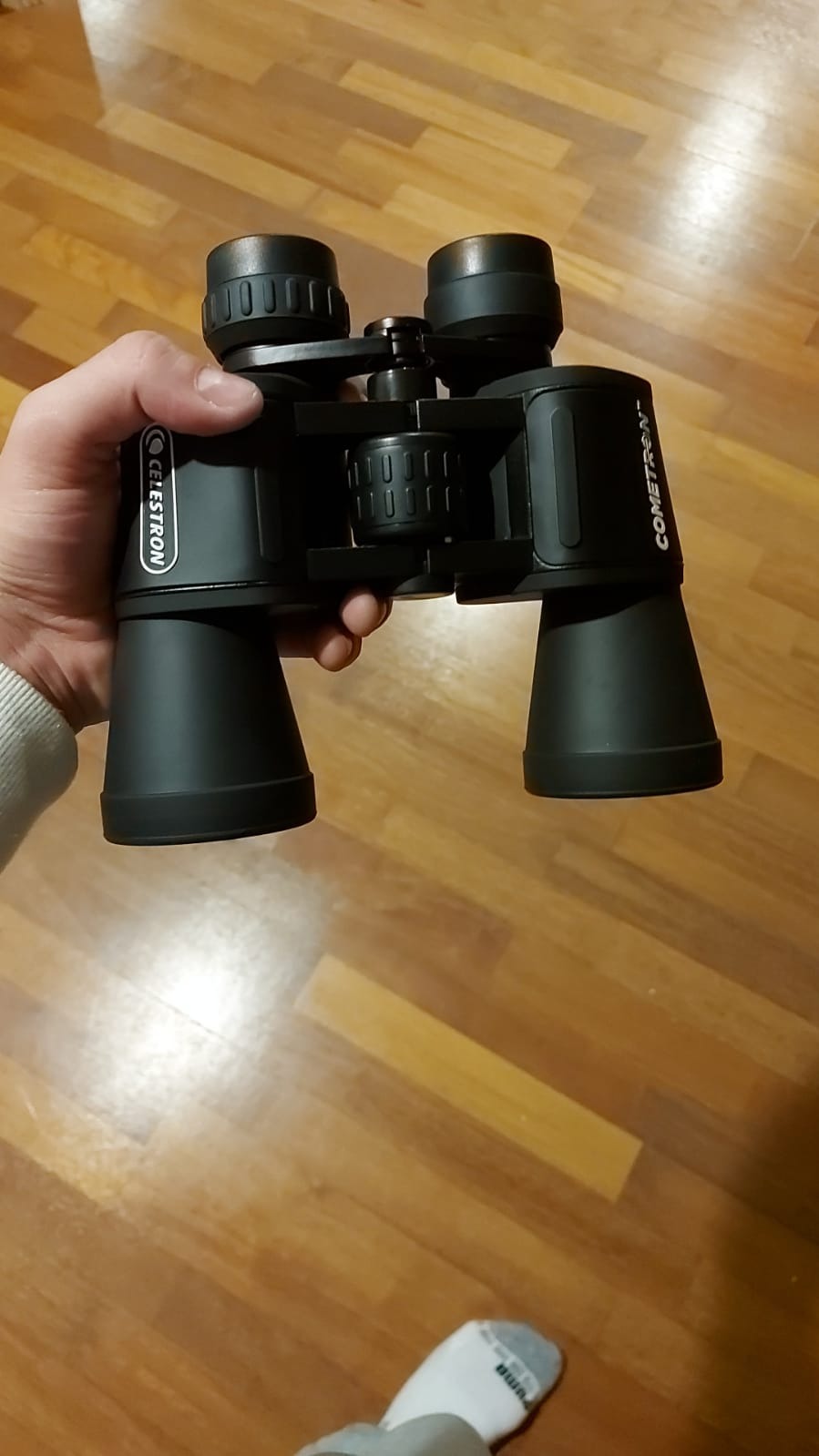
Binoculars show inverted images, which takes getting used to for newcomers. Edge sharpness falls off in the outer 15 to 20 percent of the field, noticeable on bright stars. The plastic focuser wobbles slightly, and the optics can fog in humid conditions if not acclimated properly.
For travel, binoculars complement a telescope beautifully. They are perfect for scouting targets before centering a telescope, for wide-field views a telescope cannot match, and for casual stargazing when setting up a full scope feels like too much work. I would never travel without them.
For Whom It Works Best
Travelers wanting the lightest possible astronomy gear will love binoculars. Beginners who want easy scanning of the sky will appreciate the wide field. Anyone seeking a versatile daytime and nighttime optic will find these useful for birding, hiking, and sailing too.
Where It Falls Short
Users wanting detailed planetary views need a telescope. Astrophotographers will want a tracking mount for long exposures. Observers in very humid climates may struggle with internal fogging.
Buying Guide: How to Choose a Travel Telescope?
Choosing the best travel telescope means balancing four factors: aperture, weight, mount type, and setup speed. Get these right and your telescope will travel with you. Get them wrong and your scope will collect dust at home while you wish you had something more portable.
Aperture vs Portability: The Core Trade-Off
Aperture is the diameter of the main lens or mirror, and it determines how much light your telescope gathers. A 130mm scope gathers nearly four times more light than a 70mm refractor, which translates to dramatically better views of deep-sky objects. The trade-off is weight and size.
For airline travel, stay under 80mm for refractors or consider a compact smart telescope like the DWARFLAB Dwarf. For car camping and road trips, the Sky-Watcher Heritage 130P delivers incredible views at 19 pounds. For backpacking, the Celestron Travel Scope 70mm at 4.2 pounds is the practical maximum.
Mount Type Matters for Travel
Altazimuth mounts move up-down and left-right, which is intuitive for beginners. Equatorial mounts align with Earth’s rotation axis and are better for astrophotography but heavier and more complex. Dobsonian mounts are a type of altazimuth with a sturdy box base, ideal for tabletop travel scopes.
For grab-and-go travel, altazimuth is simpler. Computerized GoTo mounts add weight and batteries but find objects automatically. Smart telescopes like the DWARFLAB Dwarf combine both: simple altazimuth operation with fully automated GoTo via app.
Setup Time and Ease
The best travel telescopes go from bag to observing in under 10 minutes. The Celestron Travel Scope line hits this target with no-tool assembly. The Sky-Watcher Heritage 130P arrives fully assembled. The DWARFLAB Dwarf needs about 60 seconds from tripod to tracking.
Avoid scopes with complex equatorial alignment procedures for casual travel. Save those for permanent setups at home. Your travel telescope should invite use, not frustrate you into leaving it in the car.
Airline Travel Considerations
Most airlines allow carry-on items around 22 x 14 x 9 inches. The Celestron Travel Scope 80mm fits in standard carry-on luggage. The DWARFLAB Dwarf is small enough to count as a personal item. Larger scopes like the Heritage 130P must be checked.
For checked baggage, pad your telescope heavily. Use a hard case or surround it with clothing. I have seen too many friends receive damaged optics from rough baggage handling. Insure expensive equipment through your airline or homeowner policy.
TSA generally allows telescopes in carry-on and checked bags. I have never been asked to open a telescope case in five years of flying with optics. Smart telescopes with lithium batteries may need to be in carry-on per FAA rules.
Smart Telescopes: A New Category
Smart telescopes like the DWARFLAB Dwarf Mini represent a paradigm shift for travel astronomy. They automate target finding, tracking, image stacking, and even post-processing. Beginners can capture publishable astrophotos on their first night out.
The trade-off is reliance on apps and, sometimes, internet connectivity for cloud processing. Visual observers who want to actually look through an eyepiece should stick with traditional telescopes. Photographers who want easy results will love smart telescopes.
Frequently Asked Questions
Can I take a telescope on an airplane?
Yes, you can take a telescope on an airplane in either carry-on or checked luggage. Compact scopes under 80mm aperture like the Celestron Travel Scope 70mm and 80mm fit in standard carry-on bags. The DWARFLAB Dwarf Mini weighs only 1.85 pounds and qualifies as a personal item. Larger scopes like the Sky-Watcher Heritage 130P should be checked in padded hard cases. TSA generally does not flag telescopes, but smart telescopes with lithium batteries must go in carry-on per FAA rules.
What telescope is best for seeing planets?
For planetary detail, aperture and focal length matter most. The Sky-Watcher Heritage 130P with 130mm of aperture and 650mm focal length delivers sharp planetary views at moderate magnifications. For a more portable option, the Dianfan 90mm Refractor with 800mm focal length gives strong planetary performance. Both resolve Saturn’s rings, Jupiter’s cloud bands, and Mars’s polar caps under steady atmospheric conditions.
What are some good portable telescopes for viewing planets?
Top portable picks for planetary viewing include the Sky-Watcher Heritage 130P (130mm aperture, collapsible tube, tabletop Dobsonian), the Celestron Travel Scope 80mm (lightweight 80mm refractor with smartphone adapter), and the Dianfan 90mm Refractor (90mm aperture, 800mm focal length, sturdy stainless tripod). For ultra-portable travel, the DWARFLAB Dwarf Mini smart telescope captures planetary images automatically but with less visual detail.
What are the top 5 telescopes for travel?
The top 5 travel telescopes for 2026 are: (1) Sky-Watcher Heritage 130P for best overall performance, (2) DWARFLAB Dwarf Mini Smart Telescope for best portability and astrophotography, (3) Celestron Travel Scope 70mm for best budget option, (4) Celestron Travel Scope 80mm for best smartphone astrophotography kit, and (5) Celestron Cometron 7×50 Binoculars for the lightest grab-and-go companion. Each balances portability with capability for different travel scenarios.
Final Verdict: Which Travel Telescope Should You Buy?
After testing eight of the best travel telescopes available in 2026, my top recommendation is the Sky-Watcher Heritage 130P for its unbeatable combination of aperture and portability. The 130mm collapsible Dobsonian delivers views that compete with much larger scopes, and it travels comfortably in any car. For airline travelers, the DWARFLAB Dwarf Mini Smart Telescope at 1.85 pounds is the most exciting option I have ever tested.
Beginners on a tight budget should start with the Celestron Travel Scope 70mm. Families wanting more aperture will appreciate the Dianfan 90mm. Smartphone astrophotographers will love the Celestron Travel Scope 80mm with its included adapter. And no travel kit is complete without the Celestron Cometron 7×50 binoculars for quick scanning and wide-field views.
For more telescope recommendations across all categories, check our complete telescope buying guide. Astronomy is best when shared, and the best travel telescopes get out of your way so you can enjoy the night sky wherever you go.