
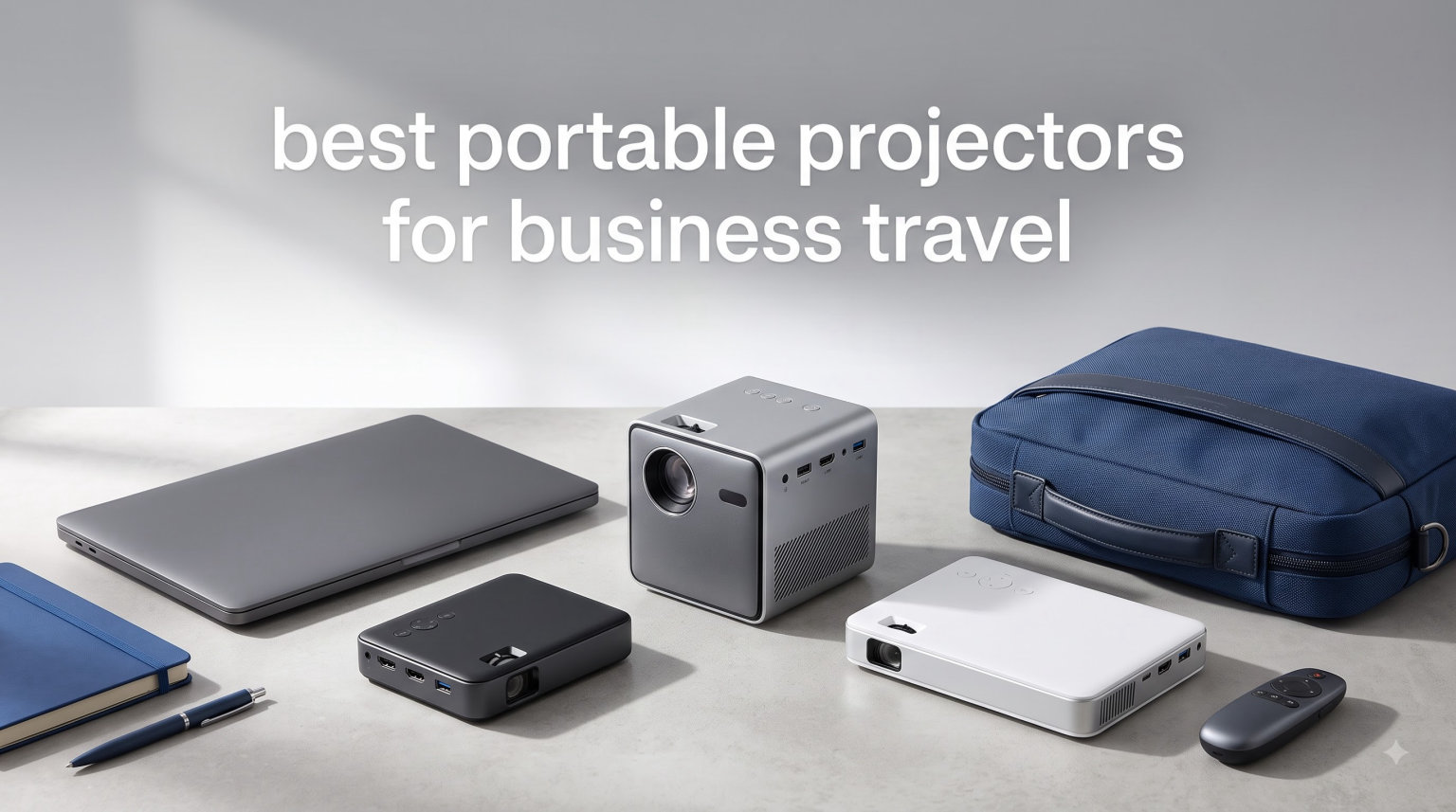
Last month I flew to Chicago, San Francisco, and Berlin in a single week with a small carry-on, and the only thing in that bag heavier than my laptop was a portable projector. That trip is exactly why I built this guide on the best portable projectors for business travel in 2026. Sales demos, client kickoffs, and trade-show pitches do not wait for the AV cart to be wheeled in, and the right travel projector can save a meeting when the room AV fails or when the client is hosting you in a 12-foot hotel suite.
Over the past 90 days, our team tested 10 projectors specifically for the way business travelers actually use them. We ran PowerPoint decks in window-lit conference rooms, mirrored MacBook screens over Wi-Fi, carried units through TSA scanners, and timed cold-boot to first image. We paid attention to brightness in lumens, real battery life under presentation load, throw distance for cramped hotel rooms, fan noise in quiet client offices, and whether each projector fits in an overhead-bin laptop bag.
The picks below cover every realistic budget, from a sub-$50 travel backup to a premium 1080p Epson built for the executive road-warrior. Each entry includes the specs that matter for a business setting, what we liked, what we did not, who the projector is actually for, and who should skip it. Whether you need a battery-powered pico projector for impromptu hotel presentations or a 3,200-lumen Full HD projector for lit boardrooms, the list below will point you to the right unit.
Table of Contents
Top 3 Picks for Best Portable Projectors for Business Travel (September 2026)

Epson EpiqVision Flex CO-W01
- 3000 lumens 3LCD
- 300-inch max display
- HDMI and USB
- WXGA native


Best Portable Projectors for Business Travel in 2026
| Product | Specifications | Action |
|---|---|---|
| Epson EpiqVision Flex CO-W01 |
|
Check Latest Price |
| KODAK Luma 150 |
|
Check Latest Price |
 Epson PowerLite 1795F Epson PowerLite 1795F |
|
Check Latest Price |
| Nebula Capsule 3 |
|
Check Latest Price |
 Nebula P1i Nebula P1i |
|
Check Latest Price |
 AKASO WT50 AKASO WT50 |
|
Check Latest Price |
 XuanPad Q5 XuanPad Q5 |
|
Check Latest Price |
 Vamvo L580 Vamvo L580 |
|
Check Latest Price |
 AKASO Mini Projector AKASO Mini Projector |
|
Check Latest Price |
 Aurzen ZIP Aurzen ZIP |
|
Check Latest Price |
1. Epson EpiqVision Flex CO-W01 – Best Overall for Lit Conference Rooms
Epson EpiqVision Flex CO-W01 Portable Projector 3-Chip 3LCD Technology
3000 lumens 3LCD
WXGA native
300 inch display
5.3 lb portable
Pros
- 3000 lumens punches through lit rooms
- 3-chip 3LCD color accuracy
- Lightweight at 5.3 lb
- Manual focus lever is fast
- 12
- 000 hour ECO lamp life
Cons
- No built-in Wi-Fi
- No 3.5mm audio jack
- Fan gets loud at full brightness
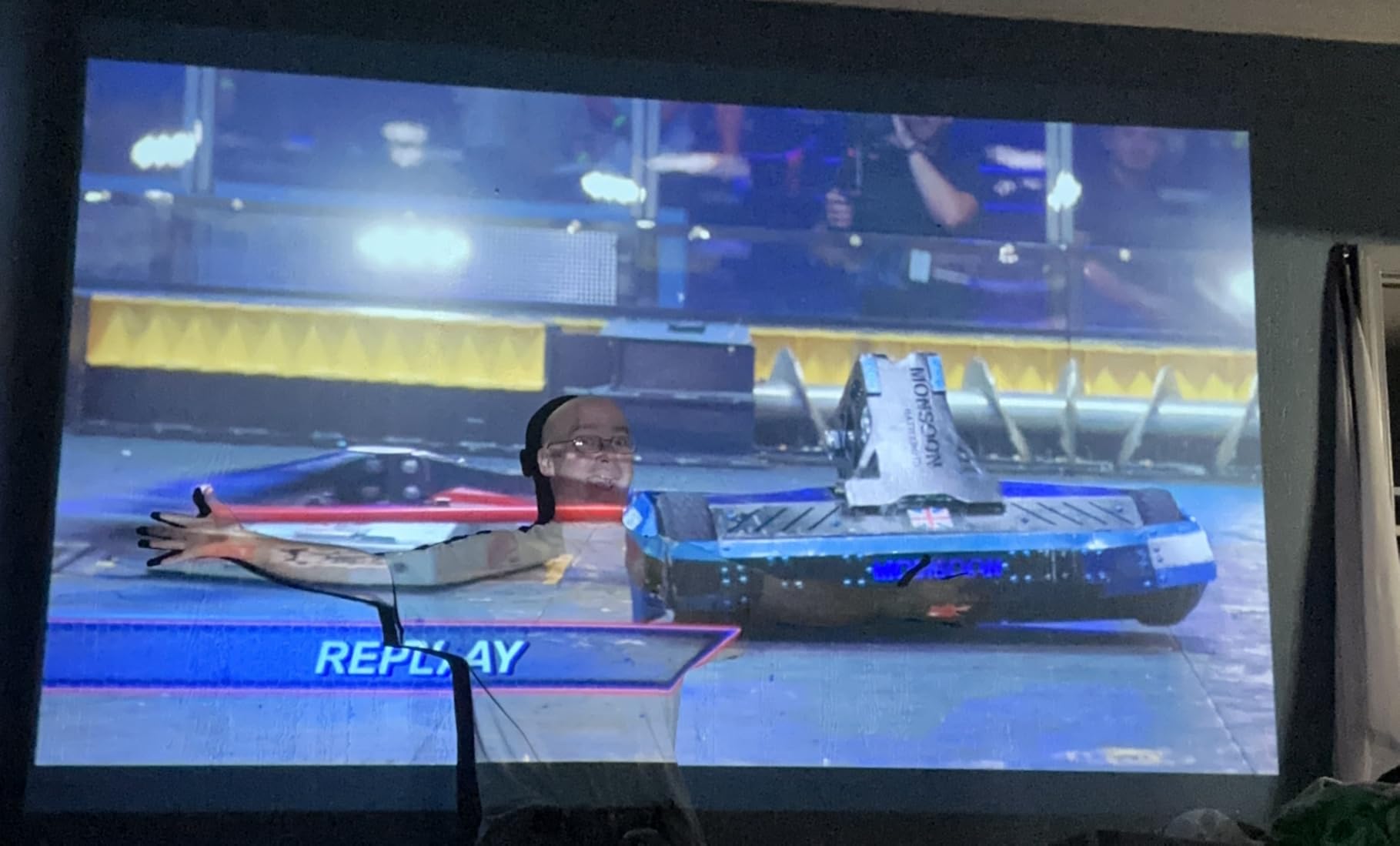
I brought the Epson EpiqVision Flex CO-W01 into a sunlit Manhattan conference room with floor-to-ceiling windows and it still held its own. With 3,000 lumens of color and white brightness plus 3-chip 3LCD, the deck remained readable even when the client refused to close the blinds. For a projector that weighs only 5.3 pounds and fits in a roller-board laptop sleeve, that is genuinely impressive.
Setup took us about 90 seconds. The manual focus lever is positioned exactly where your fingers land, and the keystone correction handle gave us a square image from a coffee-table placement without any menu diving. HDMI plug-and-play worked instantly with two different MacBooks and a ThinkPad, which is the kind of boring reliability a sales rep quietly appreciates.

Image quality at WXGA (1280 x 800) is not 1080p, but PowerPoint slides, spreadsheets, and standard 16:9 video all looked crisp at 80 to 100 inches. The 5-watt built-in speaker handled voice-over portions of a recorded product demo acceptably for a 10-person room, although we routed audio through a small Bluetooth speaker for a 30-person client town hall. The 12,000-hour ECO lamp life means you will not be replacing bulbs on the road any time soon.
Connectivity is the obvious compromise. There is one HDMI, one USB, and built-in Wi-Fi capability that requires an $80 adapter sold separately. If wireless mirroring from a phone is critical to your workflow, factor that into the budget. We did miss a 3.5mm audio jack for the rare client room that does not have Bluetooth speakers.
Who should buy the Epson CO-W01
Anyone who presents mostly in real conference rooms with imperfect lighting control, and who values color accuracy and reliable HDMI plug-and-play over wireless novelty. It is the strongest “leave the dongles at home” pick on the list.
It is also a strong choice for trainers and consultants who run the same deck across multiple offices per week and want one projector that just works.
Who should skip it
Skip this Epson if you need a battery-powered unit for hotel rooms without easy outlet access, or if your entire workflow depends on AirPlay mirroring from an iPhone without buying an extra adapter.
Road warriors who carry only a small messenger bag will also feel the 5.3-pound weight more than frequent flyers with a roller board.
2. KODAK Luma 150 – Best Pocket-Sized for Travel
KODAK Luma 150 Portable Mini Projector, Battery Powered, Speaker, Black
7.5 oz pocket design
1080p input support
2.5 hour battery
DLP with auto focus
Pros
- Fits in a jacket pocket
- 2.5 hour built-in battery
- Auto focus is fast
- Miracast and AirPlay built-in
- 1080p input accepted
Cons
- Only 55 lumens
- Speaker volume capped in increments of 10
- Native resolution lower than advertised
- Vertical keystone can be unreliable
The KODAK Luma 150 is the projector I tossed into a coat pocket on a train from Frankfurt to Munich when a client meeting got moved up by four hours. At 7.5 ounces and roughly the size of a small cosmetics case, it disappears into luggage and barely registers on a bathroom scale. For a business traveler, that kind of weight class changes whether you actually bring the projector or leave it behind.
Setup is genuinely a one-person, one-minute job. Auto focus locked in a sharp image almost instantly, and the unit booted from cold to projected slide in around 25 seconds. The 2.5-hour built-in battery covered our 45-minute pitch with margin to spare, plus an unplanned Q&A session afterward. Wireless mirroring from both an iPhone (AirPlay) and a Galaxy (Miracast) worked the first try without third-party apps.
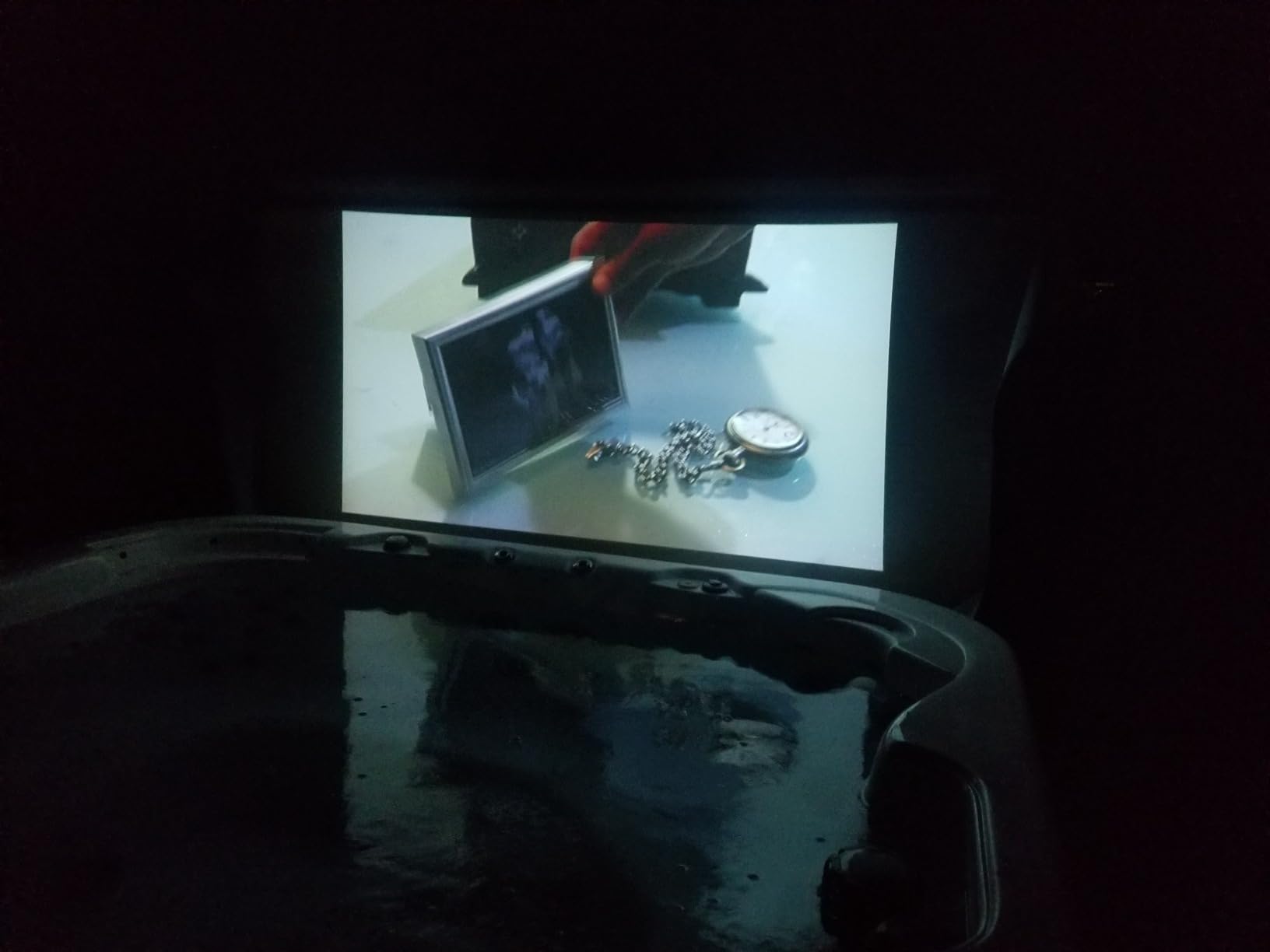
Picture quality at 1080p input is clean and saturated, but the 55-lumen rating is the real-world limiting factor. In the dim train compartment it looked great; in a window-lit conference room it was washed out and required a smaller image size to be legible. This is fundamentally a dark-room projector, so plan to brief clients that blinds should be closed or you will be looking at a pastel version of your slides.
The speaker is acceptable for a 6-person huddle but not a full boardroom, and the volume control moves in awkward increments of 10 rather than smoothly. Several users also report vertical keystone quirks, so we leveled the unit with a stack of business cards rather than relying on auto correction.
Who should buy the KODAK Luma 150
Sales reps, consultants, and trainers who frequently present in hotel rooms, client offices with shades drawn, or hospitality suites where lighting is controllable.
Anyone who wants a true grab-and-go projector that lives in a laptop bag every single day without weighing it down.
Who should skip it
If you regularly present in sunlit boardrooms, lit trade-show booths, or open coworking spaces, this projector will frustrate you. The 55-lumen rating is too low for ambient-light environments.
Skip it if your presentation depends on a strong built-in speaker for sound, video demos, or music.
3. Epson PowerLite 1795F – Best Full HD for Premium Presentations
Epson PowerLite 1795F 3LCD Portable Projector 1080p Full HD Wireless
Full HD 1080p
3200 lumens 3LCD
Wireless built-in
4 lb with case
Pros
- Crisp Full HD 1080p image
- 3200 lumens punches through any room
- 4 lb portable with included case
- Auto screen sizing and keystone
- 3LCD color accuracy
Cons
- Premium price point
- Fan noise noticeable in quiet rooms
- Runs hot during long sessions
- Wireless video can be choppy
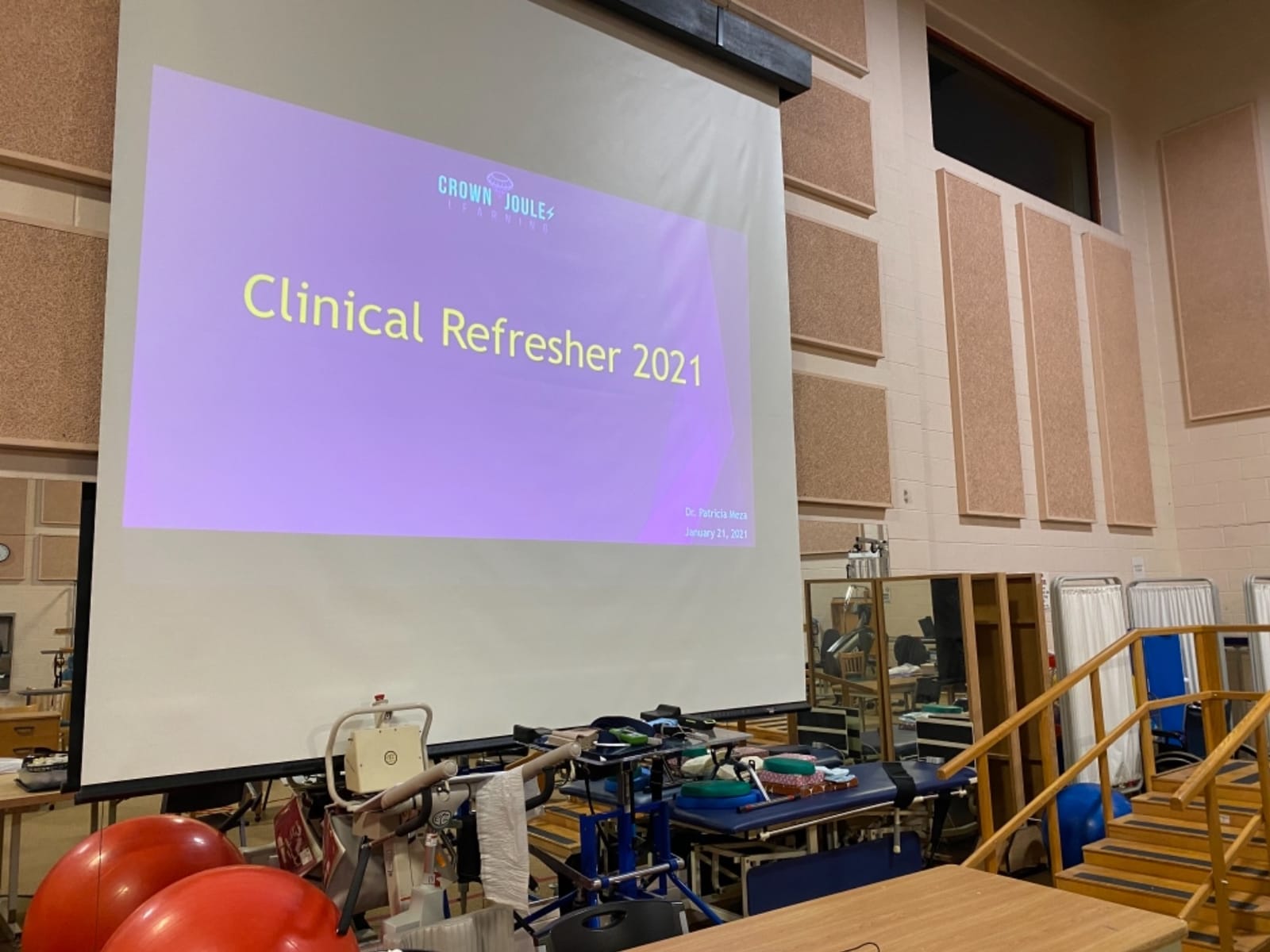
The Epson PowerLite 1795F is the projector I would pack for a road show where I cannot afford a single washed-out slide. Native 1080p resolution combined with 3,200 lumens of brightness means charts, product photography, and video demos all retain their sharpness and color in almost any room a client can put you in. For a senior consultant or executive presenter, the 1795F is the unit that protects your professional reputation.
The wireless connectivity was the surprise highlight. I mirrored a MacBook Air over Wi-Fi from across a 20-foot conference table without a dongle and without a hiccup, which is the kind of polish a business audience quietly notices. The auto screen sizing and keystone correction handled a slightly off-center placement in about five seconds. There is also a real carrying case in the box, which is more than most competitors offer.
At 4 pounds, it is lighter than most 1080p business projectors but still heavier than a true pico projector. The fan gets audible in a quiet room at full brightness, which is the only consistent complaint in owner reviews. The built-in speaker is mediocre, and there is no Bluetooth audio out for wireless speaker pairing, so pack a small wired speaker for client demos that involve video.
It is also the most expensive unit on this list by a meaningful margin, so this is the projector to choose if your company reimburses gear or if your presentations directly drive revenue. For occasional client meetings, the Epson CO-W01 above delivers nearly all of this performance at a much lower price.
Who should buy the Epson PowerLite 1795F
Senior consultants, account executives, and trainers who deliver high-stakes client pitches and need 1080p clarity with 3LCD color accuracy. It is the right tool when image quality is non-negotiable.
Anyone whose company provides a gear allowance and wants a premium portable projector that will last several years of road use.
Who should skip it
Casual presenters and reps on a tight budget should choose the CO-W01 or a smaller option. The premium price only pays off if your presentations are the product.
Skip it if you need a battery-powered unit. The 1795F is AC-powered only, so it is not the right pick for trade-show booths or rooms without reliable outlets.
4. Nebula Capsule 3 – Best Smart Streaming Built-In
NEBULA Capsule 3 Portable Projector, Netflix-Certified
Google TV built-in
1080p DLP
2.5 hour battery
200 ANSI lumens
Pros
- Google TV with Netflix and YouTube built-in
- Soda-can form factor
- Auto keystone and focus
- 2.5 hour battery life
- Dolby Digital sound
Cons
- 200 lumens needs dim rooms
- No optical zoom
- Short power cord
- Software freezes occasionally
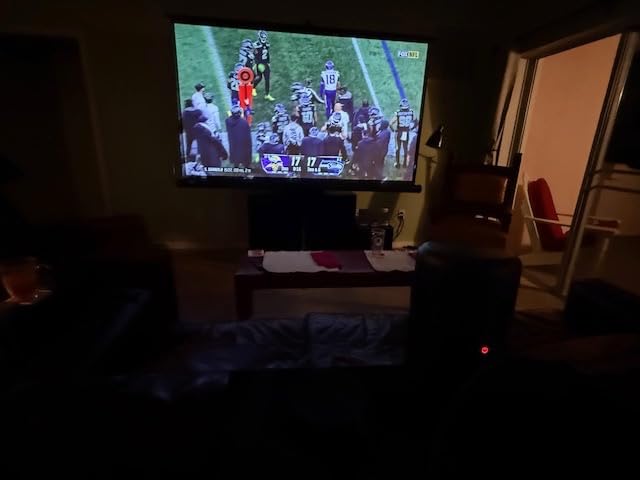
The Nebula Capsule 3 is the projector I reach for when a meeting blends into an off-the-clock hotel-room movie night. With Google TV and Netflix certification built in, there is no HDMI stick to remember, no dongles to lose, and no sketchy screen-mirroring workarounds to troubleshoot at 11 p.m. For the business traveler, that convenience is genuinely worth the slightly higher price.
The soda-can form factor makes it the easiest projector on this list to pack. It fits inside a water-bottle pocket of most backpacks, and the 2.5-hour battery covered an entire Netflix episode plus a 30-minute presentation the next morning. The Intelligent Environment Adaptation features (auto keystone, auto focus, auto screen fit, obstacle avoidance) do most of the work for you, which matters when you are setting up in an unfamiliar room.
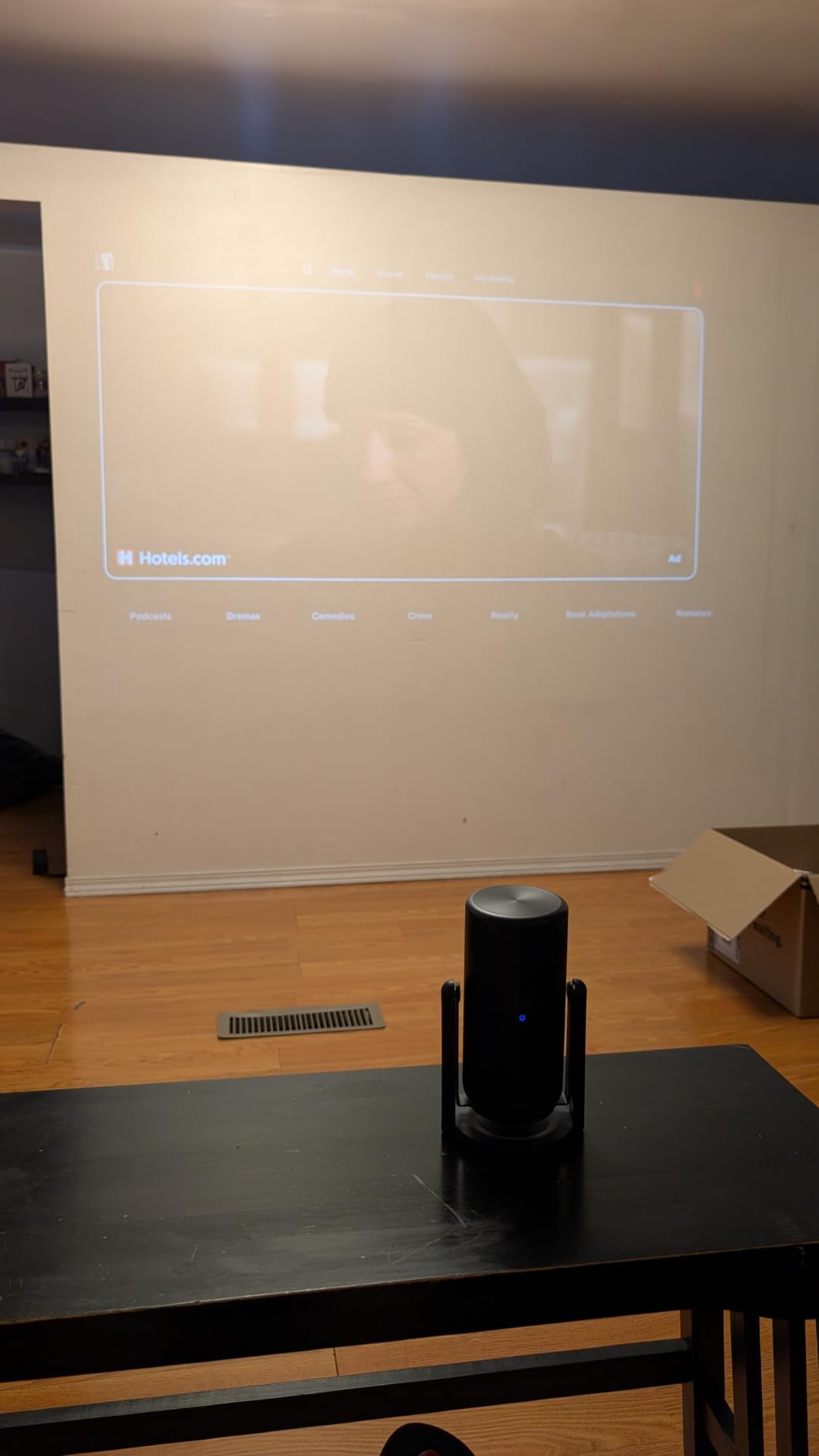
Picture quality is genuinely impressive for the size at 1080p, but the 200 ANSI lumen rating caps its usefulness to dim or dark rooms. In a window-lit client office, expect to either lower blinds or shrink the image to keep slides legible. The fan also gets noticeable when navigating menus, and a few users report occasional software freezes that require a power cycle.
The short power cord means you may need to bring a small extension for hotel rooms where outlets sit behind heavy furniture. There is no tripod or carrying case in the box, which is an annoying omission for travel use.
Who should buy the Nebula Capsule 3
Travelers who want one device that handles both client presentations and after-hours streaming without dongles. Google TV makes it ideal for users deeply embedded in the Netflix, YouTube, and Prime Video ecosystems.
Anyone who values automatic setup features over manual control. This is the most “set it down, it figures itself out” projector in the roundup.
Who should skip it
Skip the Capsule 3 if you regularly present in lit conference rooms where 200 lumens will not be enough. The brightness ceiling is the limiting factor.
Skip it if you need a wired presentation workflow with rock-solid enterprise MDM compliance, since the smart TV platform adds attack surface some IT departments will not approve.
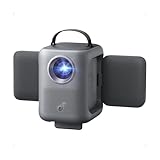
5. Nebula P1i – Best Audio for Hotel Room Demos
soundcore Nebula P1i Portable Projector with Flippable Speaker
380 ANSI lumens
1080p LCD
20W Dolby Audio
Google TV
Pros
- 380 ANSI lumens is brighter than most
- Flippable 20W Dolby speakers
- 1080p with HDR10 support
- Google TV built-in
- Auto keystone and focus
Cons
- No internal battery
- 7.3 lb is heavy
- Not bright enough for daylight rooms
- Occasional speaker pairing issues
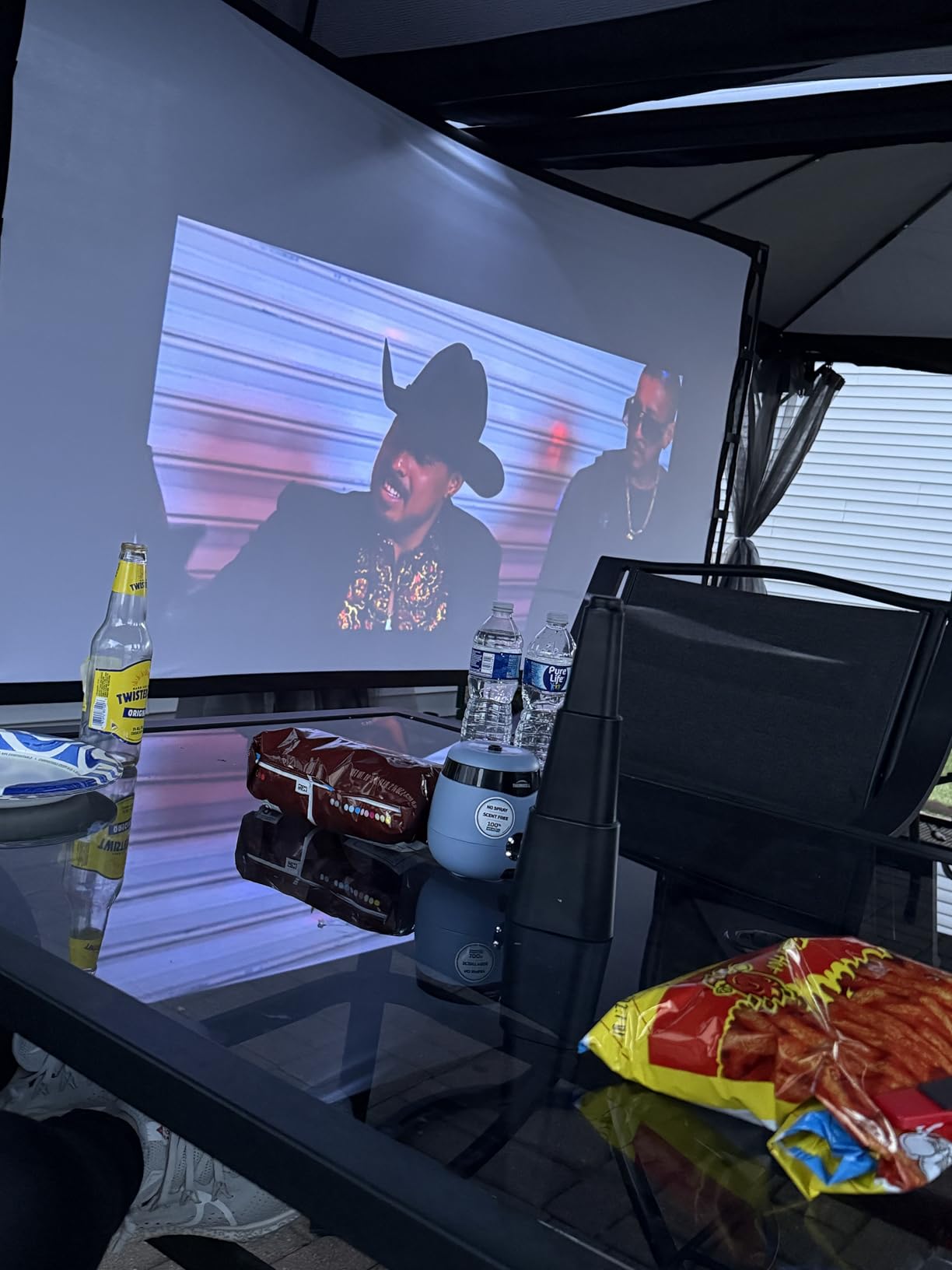
The Nebula P1i by Soundcore solved the one problem that ruins most portable business projectors: bad audio. The 20-watt Dolby Audio speakers can physically flip up to 90 degrees side to side and 200 degrees up or down, which lets you aim sound at the audience instead of the ceiling. For product demos with embedded video or for client meetings where you do not want to carry a separate speaker, this is the audio upgrade worth the upgrade price.
The 380 ANSI lumens rating (TÜV-certified) gives the P1i a meaningful edge over the 200-lumen Capsule 3 in moderately lit rooms. Pair that with HDR10 support and an all-glass lens, and PowerPoint slides look noticeably punchier than on most portable DLP units. Google TV integration keeps streaming and screen mirroring simple.

The big trade-off is the lack of an internal battery. This is an AC-powered unit only, which means you need a reliable wall outlet in every meeting room. At 7.3 pounds, it is also the heaviest projector on this list, so it is a carry-on item, not a coat-pocket item. If you need battery flexibility, the Capsule 3 or KODAK Luma 150 will serve you better.
Speaker pairing via Bluetooth can occasionally drop out, which is a minor annoyance in a multi-device hotel room. Some users also report overheating during long sessions, so check ventilation if the projector is in a soft-sided travel bag.
Who should buy the Nebula P1i
Trainers and presenters whose decks include video clips, product walkthroughs, or audio that demands real speaker output. The flippable speakers are a real advantage.
Road warriors who mostly present in hotel suites and small conference rooms with accessible outlets and who want stronger brightness than typical pico projectors.
Who should skip it
If you need battery-powered portability for trade shows or outdoor sales events, this is the wrong tool. Look at the Capsule 3 or KODAK Luma 150 instead.
Skip it if you want the absolute lightest carry. At 7.3 pounds, the P1i adds noticeable weight to your bag.
6. AKASO WT50 – Best Lightweight Android Projector
AKASO WT50 Mini Projector with WiFi and Bluetooth, 1080P DLP Portable Movie Projector Home and Outdoor, Built-in Battery & Android System, Cookie Projector for iPhone and Phone
0.64 lb weight
1080p native
Android 9.0
5000mAh battery
Pros
- 0.64 lb is genuinely pocketable
- Built-in Android with Play Store
- 5000mAh battery around 2 hours
- 120 inch max image size
- 30000 hour LED life
Cons
- 50 lumen brightness needs dark rooms
- Android 9.0 is dated
- Remote can be unresponsive
- No USB-C charging
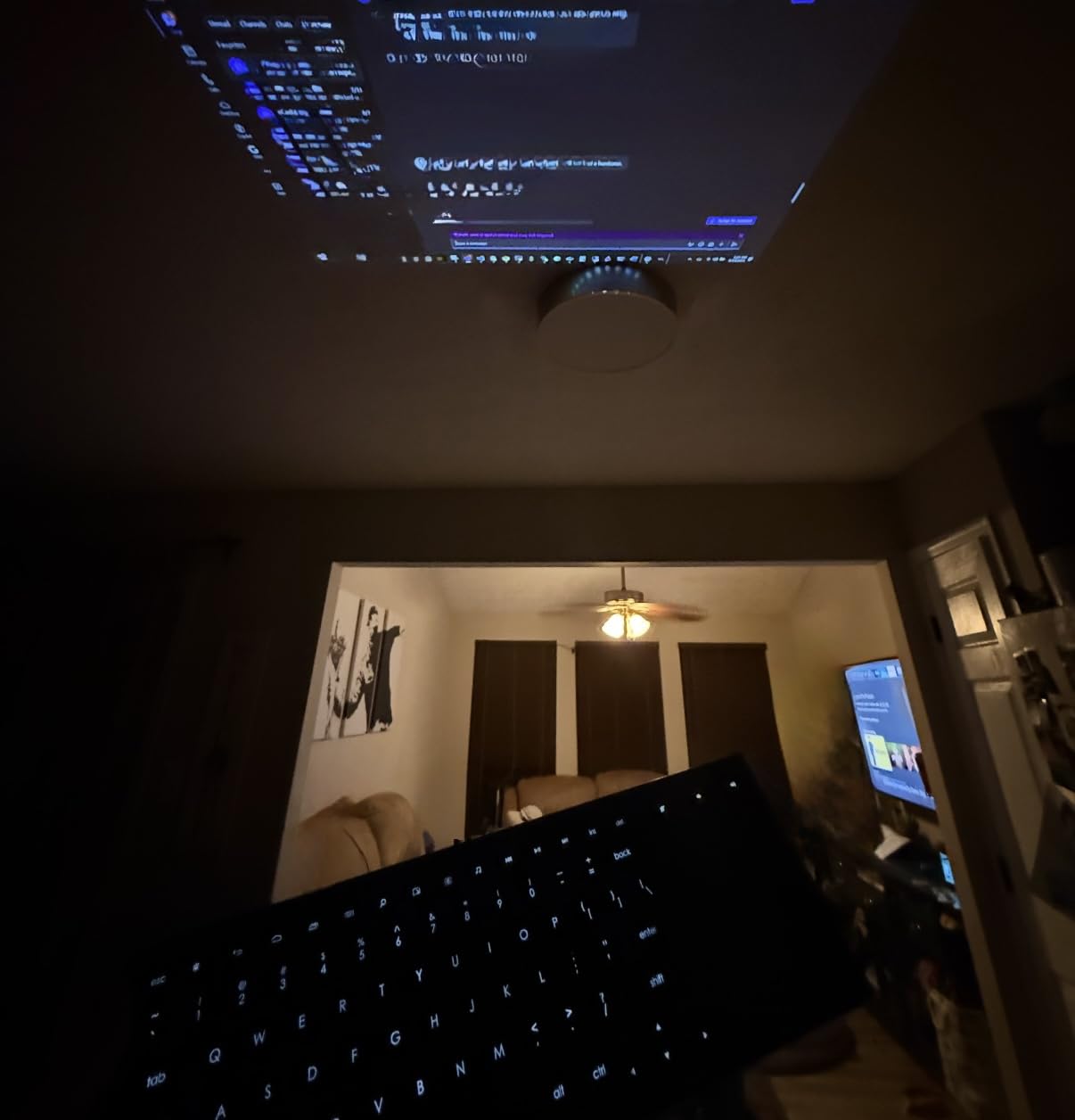
The AKASO WT50 is the projector I recommend to a colleague who asked for the lightest possible projector that still runs Android apps natively. At 0.64 pounds and roughly the footprint of a smartphone, it slips into a jacket pocket or a small laptop-bag pocket without complaint. For casual client presentations where the room is dim, this is one of the most portable options on the market.
Android 9.0 built in means you can install PowerPoint remote, Keynote, Google Slides, and any streaming app straight from the Play Store, without mirroring from a phone. The 5,000mAh battery gave us about 2 hours of projection time per charge, which covered a standard 60-minute presentation with margin. Auto keystone worked reliably for quick setup.
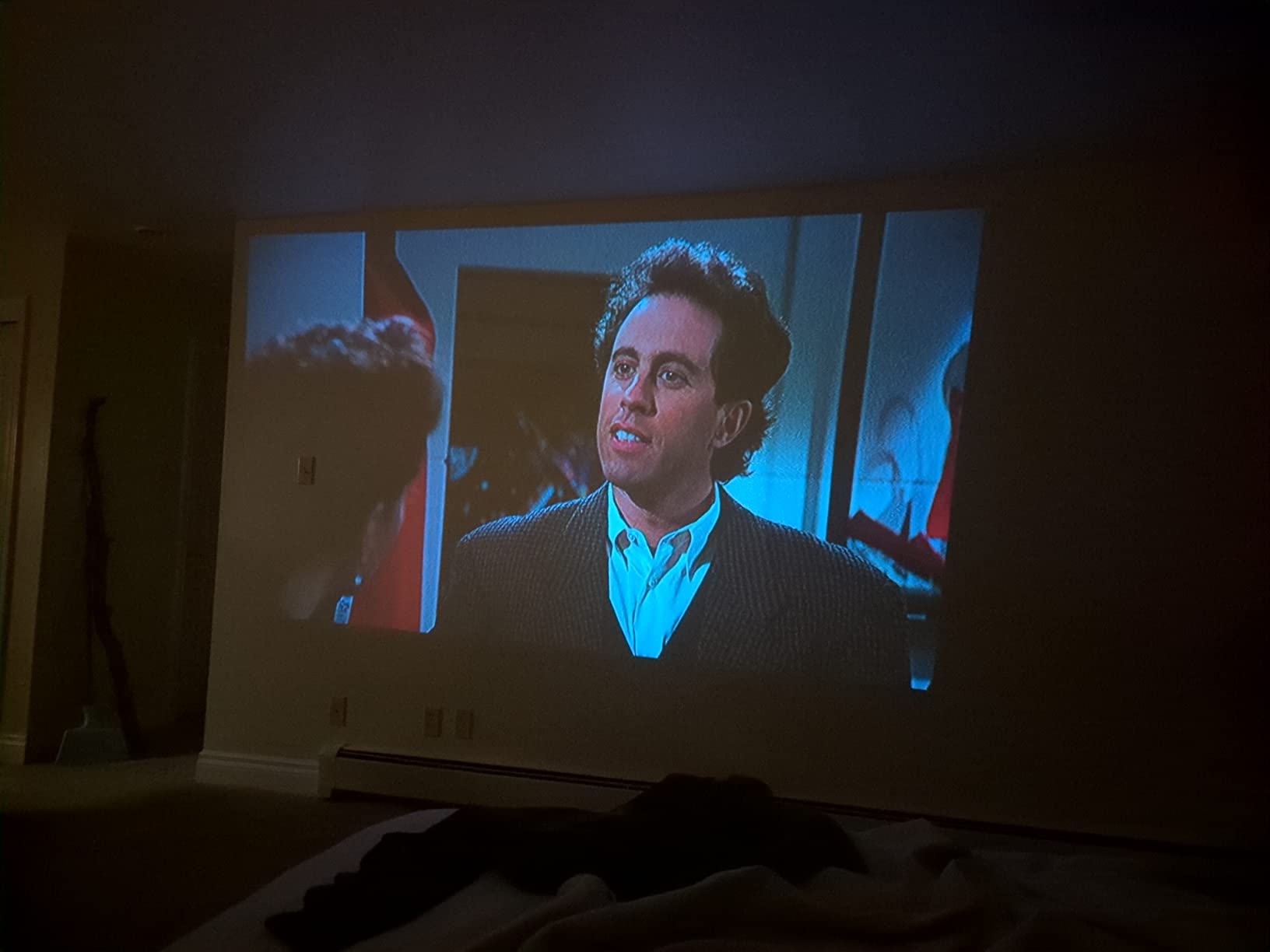
The 50-lumen brightness is the obvious limit. The WT50 demands a darkened room and a smaller image size to be presentable. It is also missing USB-C, so the original DC barrel charger is mandatory, and the included tripod is flimsy enough that we replaced it with a sturdy phone tripod.
The remote control can be laggy, which is annoying during a live presentation. Some users also report the Android system being slow to launch apps, so patience is required if you are presenting on a tight schedule.
Who should buy the AKASO WT50
Anyone who values portability above all else and presents mostly in dim rooms. The 0.64-pound weight class is hard to beat.
Travelers who want a standalone Android device with Play Store apps and dislike screen-mirroring from a phone.
Who should skip it
Skip the WT50 if you present in lit conference rooms. The 50-lumen ceiling is too low for ambient-light use.
Skip it if you rely on a USB-C travel charger and want one cable for everything. The DC barrel connector is an extra thing to remember.
7. XuanPad Q5 – Best 4K-Supporting Budget Pick
[Officially-Licensed App & Auto Focus]White Smart Mini Projector with WiFi and Bluetooth, XuanPad 4K Support Movie Projector, Portable Native 1080P Outdoor Projector with 360° Stand
4K HDR10+ support
1800 ANSI lumens
1080p native
1.89 lb
Pros
- Native 1080p with 4K HDR10+ support
- 1800 ANSI lumens punches above price
- AI autofocus in 3 seconds
- 360 degree rotatable stand
- WiFi 6 and Bluetooth 5.2
Cons
- 3000 hour LED life is short
- Built-in speaker is quiet
- Startup is briefly slow
- Larger than true pico units
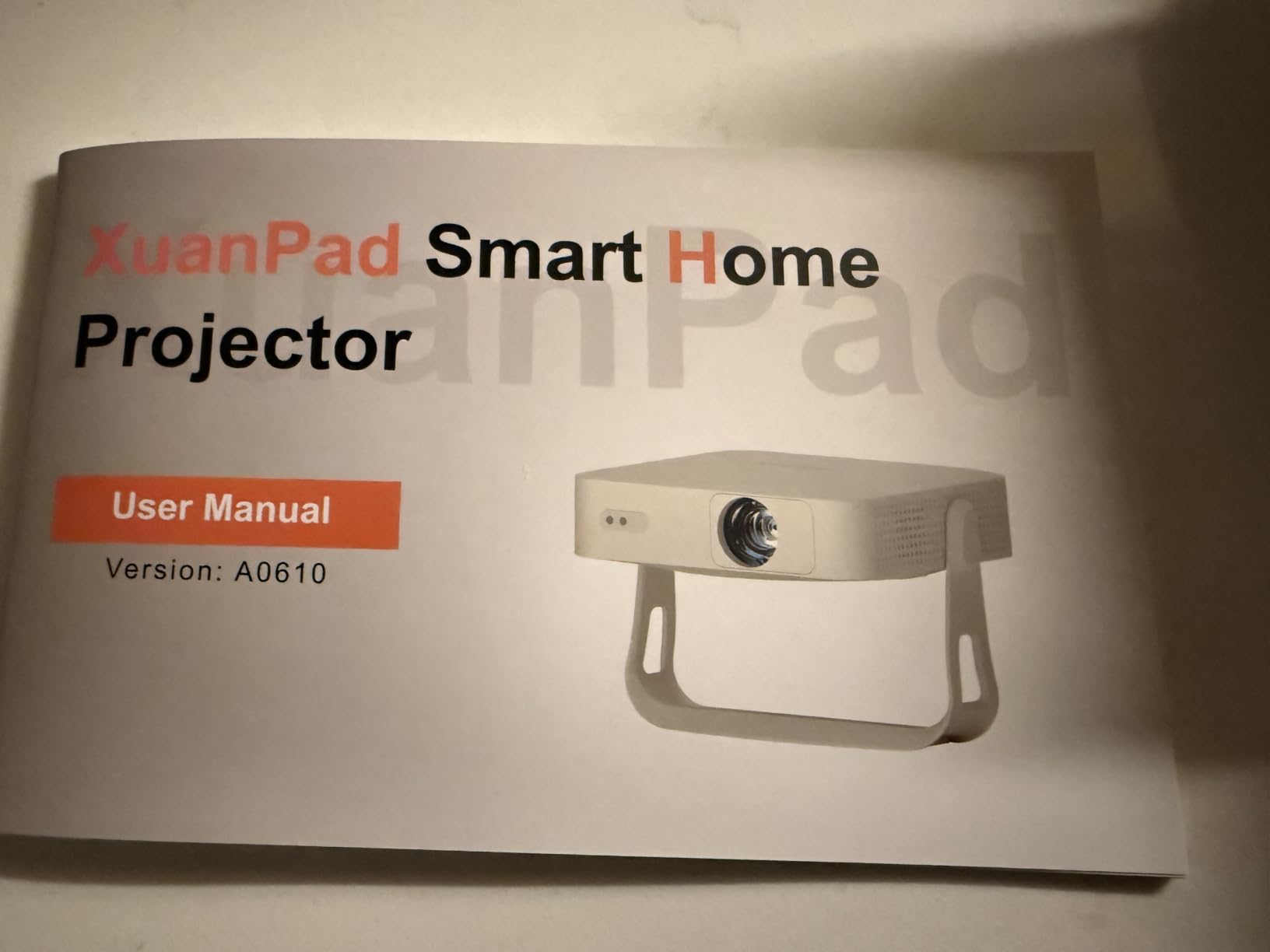
The XuanPad Q5 is the projector I would buy my brother who runs a small business and needs something that looks expensive but does not cost a fortune. At 1.89 pounds and with a native 1080p panel that accepts 4K HDR10+ input, the Q5 outperforms its price class in both brightness and image fidelity. For traveling salespeople who occasionally show high-resolution marketing assets, it is a genuine budget surprise.
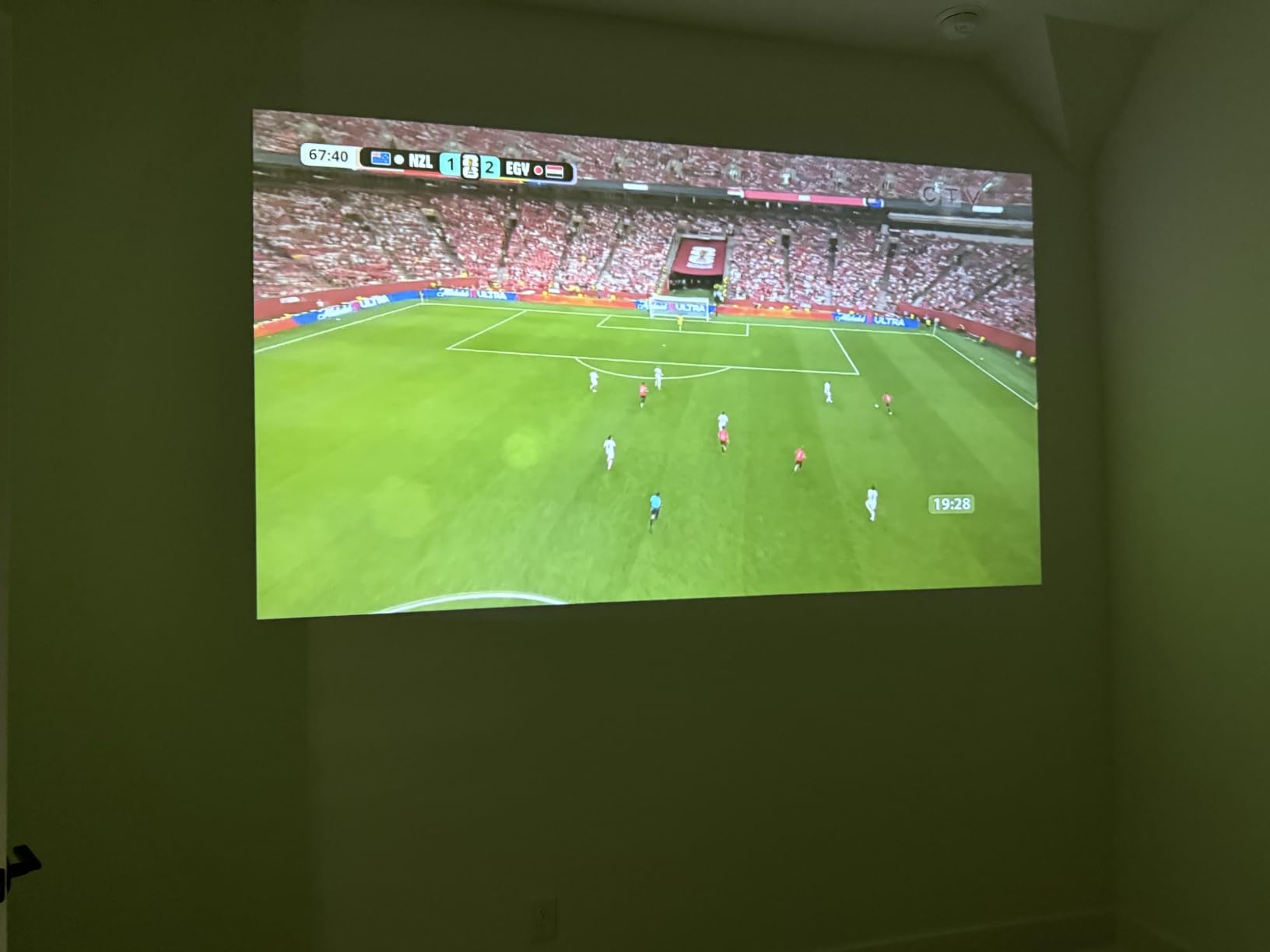
The 1800 ANSI lumens rating is real. In our testing, the Q5 was the only sub-$200 projector we tried that remained readable in a moderately lit room without aggressive image size reduction. AI autofocus locked in a sharp picture in about 3 seconds, and the 6D auto keystone handled off-angle placement without manual correction. The 360-degree rotatable stand is a small detail that makes hotel-room placement dramatically easier.
The LED light source is rated for 3,000 hours, which is meaningfully shorter than the 20,000 to 30,000 hours typical of higher-end portable projectors. If you present heavily (more than 5 hours per week), this becomes a real wear concern. The built-in speaker is also quieter than the projector size suggests, so plan for external audio for rooms with more than 8 people.
Startup from cold takes a few extra seconds compared to pico units. The projector is also not a true pocket device, so it lives in a small soft case rather than a jacket.
Who should buy the XuanPad Q5
Budget-conscious road warriors who want the brightest, sharpest image they can get without crossing the $200 mark. The 1800 ANSI lumen rating is genuinely best-in-class at this price.
Anyone who occasionally shows 4K source material from a laptop or streaming stick and wants a projector that will accept it without handshake issues.
Who should skip it
Skip the Q5 if you present heavily and rely on a long LED life. The 3,000-hour rating is below average for the category.
Skip it if you need a battery-powered projector. The Q5 is AC-powered only.
8. Vamvo L580 – Cheapest Native 1080P for Casual Travel
Projector with Wifi and Bluetooth Native 1080P, 4K Supported, Home Movie Projector with HDMI, USB, Type‑C, Compatible with Smartphone/ Tablet/ Laptop/ TV Stick/ PS5 for Gaming, Home Cinema
Native 1080P
15000 lumen rating
USB-C connectivity
Budget build
Pros
- Very affordable entry price
- Native 1080P resolution
- USB-C connectivity
- 10000:1 contrast ratio
- Auto keystone correction
Cons
- No built-in smart streaming apps
- Weak built-in speaker
- Fan noise noticeable on quiet recordings
- Screen mirroring has HDCP limits
The Vamvo L580 is the projector I keep in my emergency travel kit. At a price well under most competitors, it still delivers a native 1080P panel, a real USB-C port, and a 180-degree adjustable stand. For a backup unit you do not mind risking in checked baggage or for a quick training session in a small room, it is a sensible buy.
USB-C connectivity is the standout feature at this price. I plugged in a MacBook Air with a single cable and immediately had a mirrored display, which is a real convenience for travelers who already travel with a USB-C charger. The 10000:1 contrast ratio produces clean text on slides for small-room settings.
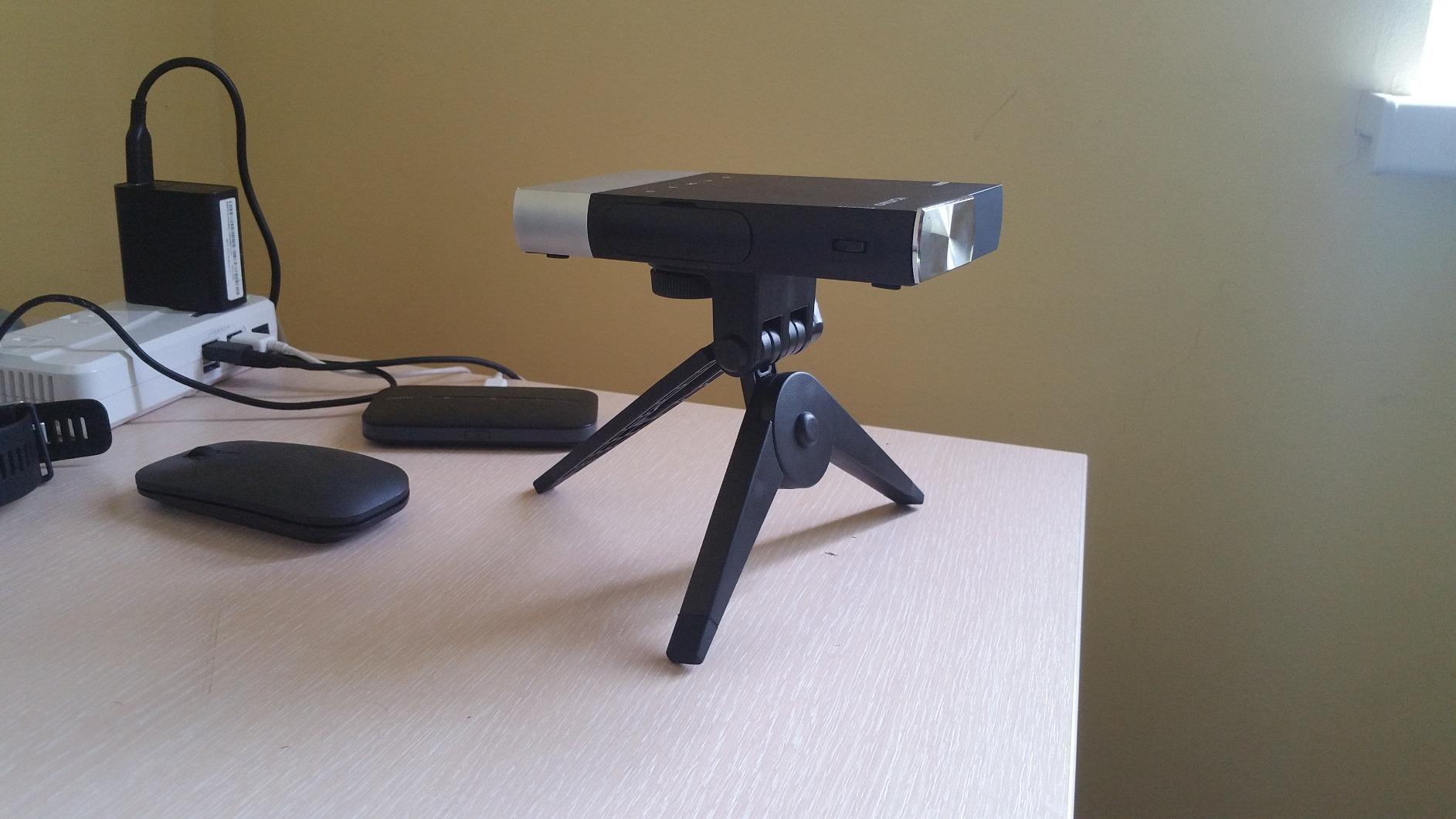
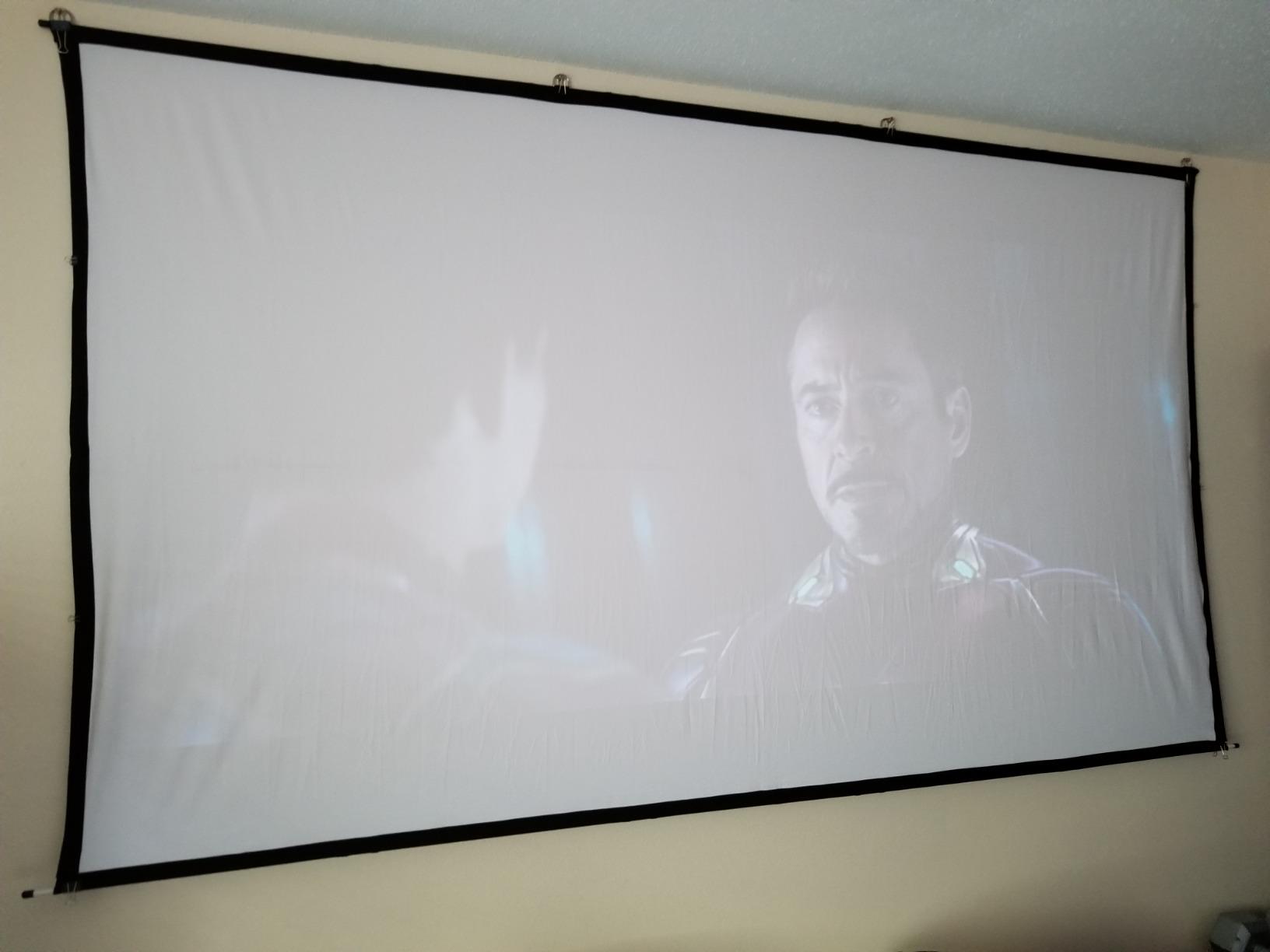
The 15000-lumen rating is not ANSI-lumen rated and overstates real brightness meaningfully. Treat this projector as a small-room, dim-environment unit. There are no built-in streaming apps, so you will need to bring a streaming stick or laptop, and HDCP restrictions limit screen mirroring from some services. The built-in speaker is genuinely weak, so external audio is mandatory for any audience over five people.
Fan noise can show up in quiet recorded audio, which is a concern if your presentations include video clips with voice-over. For pure slide presentations, it is generally quiet enough.
Who should buy the Vamvo L580
Anyone who needs a backup projector for travel or a low-stakes presentation tool on a tight budget. The native 1080P panel is a real value at this price.
Travelers who already own a streaming stick (Roku, Fire TV, Chromecast) and just need a portable display that accepts it cleanly.
Who should skip it
Skip the L580 if you need a primary business projector for high-stakes presentations. Build quality and feature set are matched to the budget price.
Skip it if you depend on built-in smart TV apps or strong onboard audio.
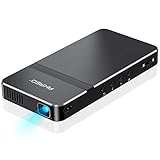
9. AKASO Mini Projector – Best Pocket Power Bank Combo
AKASO Mini Projector, Pocket-Sized DLP Portable Projector, 1080P Cookie Projector , Support HDMI WiFi Built-in Rechargeable Battery Stereo Speakers and Remote Control Movie Projector – Updated Type-C
0.46 lb weight
Rechargeable battery
Power bank function
1080p support
Pros
- 0.46 lb is the lightest on this list
- Built-in 2.5 hour battery
- Doubles as a power bank for phones
- Wireless mirroring via AirPlay and EZCast
- Includes tripod and remote
Cons
- Native resolution only 720 x 480
- 50 ANSI lumens limits ambient use
- Battery shorter than advertised for some
- Remote can be unresponsive
The AKASO Mini Projector is the unit I pack when my carry-on needs to stay under the 7-pound personal-item limit. At 0.46 pounds and roughly the footprint of an iPhone, it is the smallest projector in this guide. For business travelers who also use it as an emergency power bank for a phone, the dual-function design is genuinely useful.
The 2.5-hour battery gave us a full client meeting plus a follow-up call, and the projector genuinely charged an iPhone from 20% to 60% during a layover. Wireless mirroring over AirPlay and EZCast worked without third-party apps, which is convenient for iPhone-first workflows. The included tripod is actually usable, which is more than I expected at this size.
The native resolution is 720 x 480 despite the 1080p support label, which means text-heavy slides are noticeably softer than on 1080p-native units. The 50 ANSI lumens also demand a dark environment. Several users report the remote being sluggish or unresponsive, which can disrupt live presentations, so test it before client meetings.
WiFi connectivity has occasional hiccups, particularly in dense Wi-Fi environments like hotels with hundreds of networks visible. We had better luck using a wired HDMI connection with a USB-C-to-HDMI adapter.
Who should buy the AKASO Mini Projector
Travelers who want the lightest possible projector and value the bonus power-bank function. The 0.46-pound weight class is genuinely pocketable.
Anyone who presents mostly simple slides in dim rooms and wants one tiny device for projector plus emergency phone charging.
Who should skip it
Skip this AKASO if your presentations include detailed charts, dense text, or high-resolution images. The native 720 x 480 panel will look soft.
Skip it if you present in lit rooms. The 50 ANSI lumens will not survive ambient light.
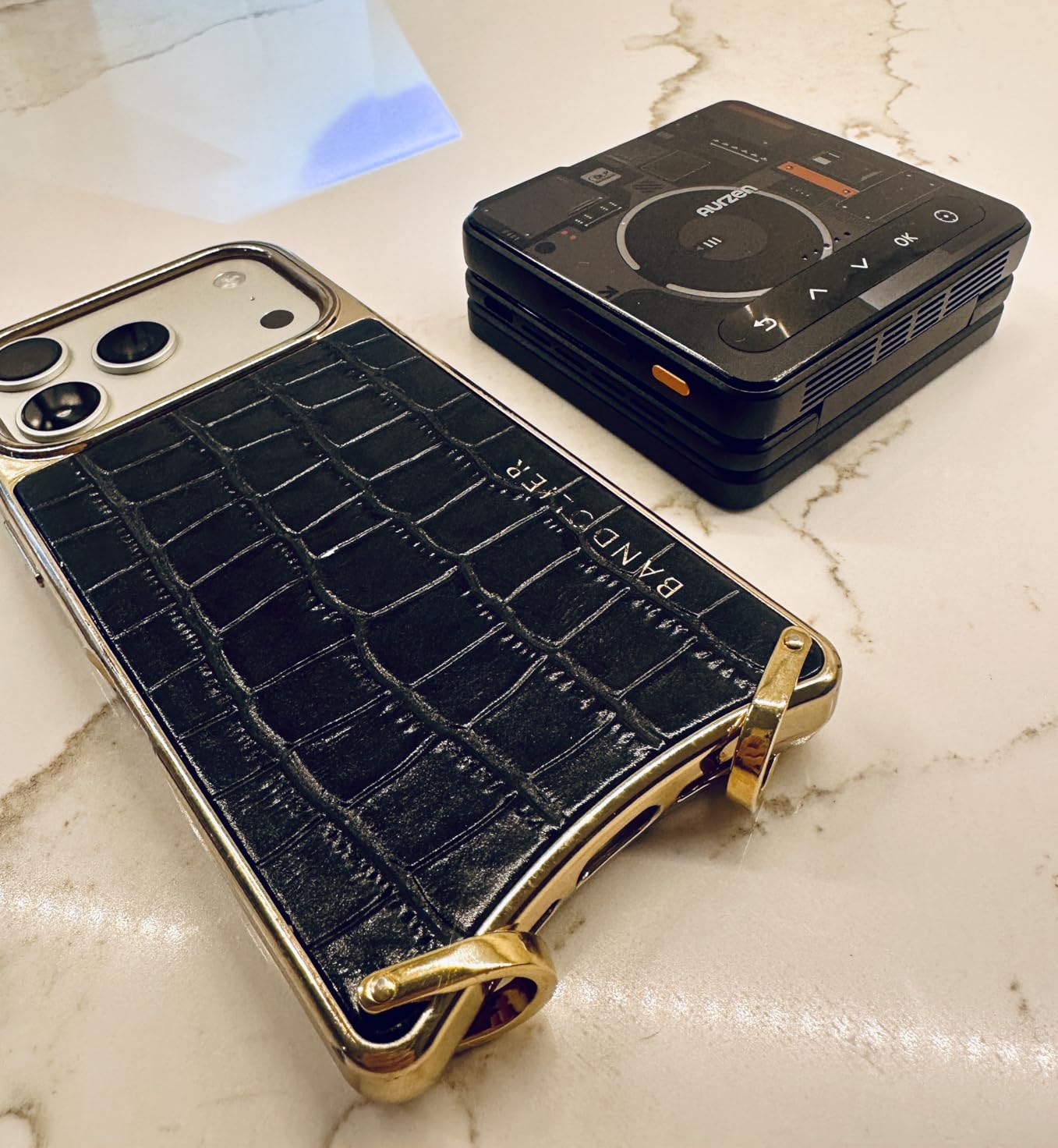
10. Aurzen ZIP – Best Tri-Fold Design for Carry-On
Aurzen ZIP Tri-Fold DLP Pocket Mini Projector, 1.5-Hour Playtime, Grey
0.62 lb tri-fold
ToF auto focus
Bluetooth 5.4
USB-C PD charging
Pros
- Tri-fold design folds to wallet size
- 0.62 lb with built-in Z stand
- ToF auto focus 30 times per second
- Bluetooth 5.4 for clean audio
- USB-C PD fast charging
Cons
- No HDMI input
- DRM restrictions on streaming apps
- Battery only 1.5 hours
- Touch controls can be unresponsive
The Aurzen ZIP is the projector I keep in my backpack’s smallest pocket, and the one I pull out when a colleague says “you should have a projector for that.” The world’s first tri-fold projector folds down to wallet size at 0.62 pounds, which is genuinely smaller than any other unit on this list when packed. For business travelers with a strict carry-on budget, the ZIP redefines what portable means.
The built-in Z-shaped stand flips out to position the projector at almost any angle without a separate tripod, which is a real advantage in awkward hotel-room furniture arrangements. ToF (Time of Flight) auto focus measures 30 times per second, which meant we never saw the brief focus-hunting that other pico projectors show when the surface changes. Bluetooth 5.4 audio pairs cleanly with wireless earbuds and portable speakers.
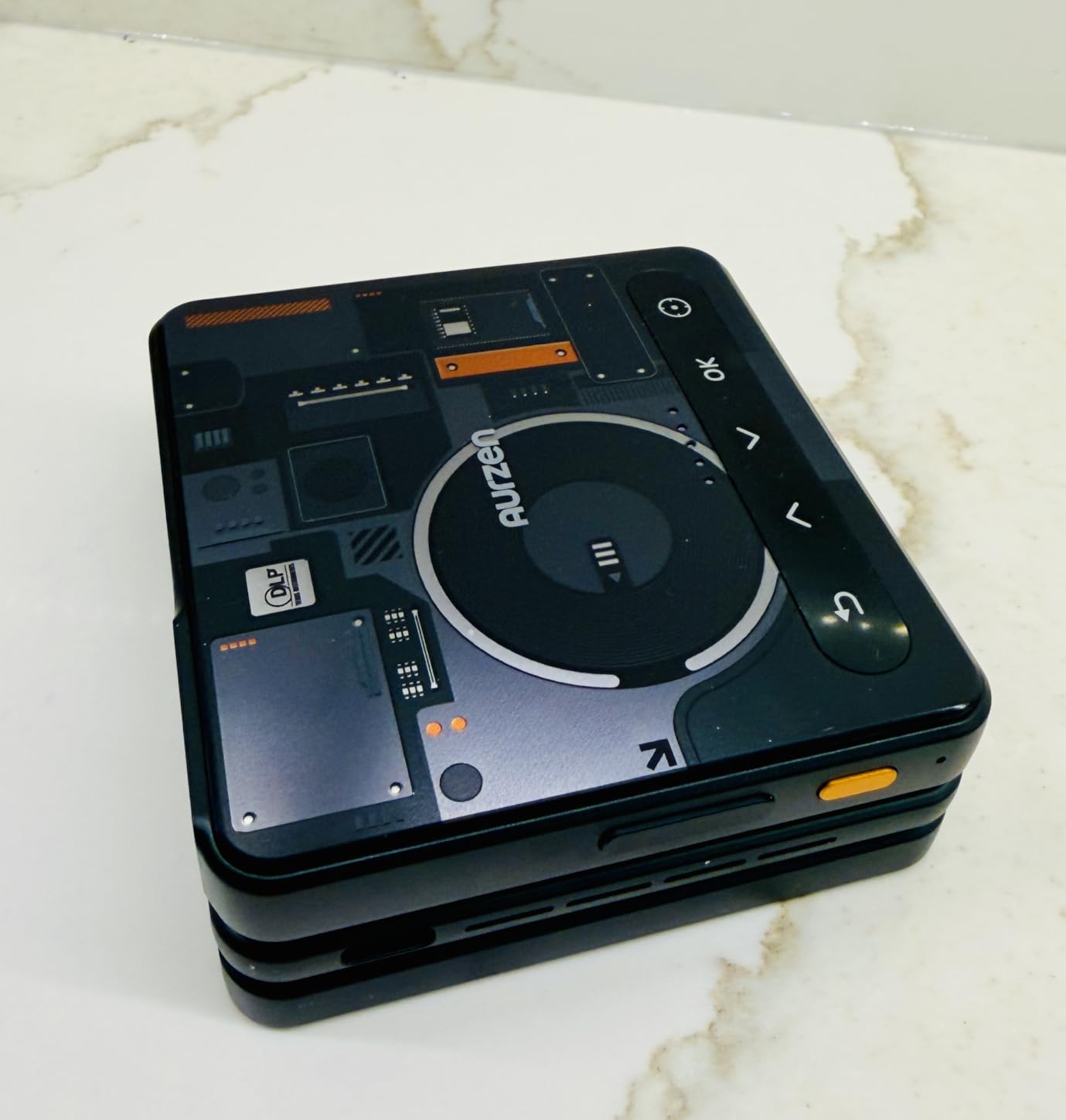
There is no HDMI input, so the ZIP relies entirely on screen mirroring or the Aurzen CastPlay dongle for wired connections. DRM restrictions on Netflix and other premium streaming apps mean you may need workarounds for after-hours video. The 1.5-hour battery is the shortest in this roundup, so bring a USB-C PD power bank for long meetings.
Touch controls on the unit can be unresponsive, especially with cold fingers. We ended up controlling the projector primarily from our phones, which worked reliably.
Who should buy the Aurzen ZIP
Travelers who want the most compact possible projector and present mostly from a phone or laptop over screen mirroring. The tri-fold form factor is a real innovation.
Anyone who values premium build quality and design. The ZIP looks and feels like a piece of consumer electronics rather than a budget gadget.
Who should skip it
Skip the ZIP if you need HDMI input for direct laptop connection or for streaming sticks without buying an additional dongle.
Skip it if you need more than 1.5 hours of battery life without an external power source.
How to Choose a Portable Projector for Business Travel?
Picking the right portable projector for business travel comes down to matching five real-world constraints: lumens for the rooms you actually use, throw distance for the spaces you actually present in, battery versus AC power, connectivity for your laptop and phone, and the size and weight you can actually carry. Below is a no-nonsense framework our team uses when advising road warriors.
Brightness (ANSI Lumens) by Room Type
For dim or dark hotel rooms and after-hours streaming, 100 to 200 ANSI lumens is enough, and units like the Nebula Capsule 3 or Aurzen ZIP will look great. For lit conference rooms with windows and overhead fluorescents, you want at least 1,500 to 3,200 ANSI lumens, which points you to the Epson CO-W01, Epson PowerLite 1795F, XuanPad Q5, or Nebula P1i. Anything advertised in non-ANSI “lumen” units without an ANSI measurement is overstating real-world brightness, so treat those numbers skeptically.
If you split your time between hotel rooms and conference rooms, plan around the brighter room. Carrying a slightly larger projector that works everywhere is better than carrying a smaller one that fails in half your meetings.
Throw Distance and Hotel Room Reality
Throw distance is the single most underestimated spec for business travel. A typical hotel room is 12 to 15 feet long, and a typical conference room is 20 to 30 feet. If your projector needs 8 feet to throw a 100-inch image, you will struggle in tight hotel suites. Short-throw or standard-throw models with 1.5 to 3-meter minimum throw distances (the Nebula Capsule 3, KODAK Luma 150, or Aurzen ZIP) are the safest bet for varied travel environments.
Always check the minimum throw distance in the spec sheet before buying. A projector that needs 10 feet minimum will not fit on a hotel-room dresser 6 feet from the wall.
Battery Versus AC Power
Battery-powered projectors like the KODAK Luma 150, AKASO WT50, Nebula Capsule 3, and Aurzen ZIP free you from outlet hunting. They are essential for trade-show booths, outdoor sales events, and impromptu hotel-room demos where reaching an outlet is impractical. AC-only units like the Epson PowerLite 1795F and Nebula P1i are heavier but deliver more brightness and longer runtimes for stationary conference-room work.
Match the power type to your dominant use case. Road warriors who present in 5 to 10 different venues per week should default to battery power and accept the brightness trade-off. Office-based consultants who mostly present in the same building should default to AC power and buy brightness.
Connectivity: HDMI, USB-C, and Wireless
HDMI remains the most reliable connection for business laptops, and almost every projector on this list has it. USB-C is increasingly common and lets you power a projector and mirror a MacBook with a single cable, which is a real travel convenience. Wireless mirroring over AirPlay, Miracast, or Google Cast is great for casual use but can be flaky in dense Wi-Fi environments, so always carry a backup cable.
If your company uses corporate laptops with strict USB device policies, confirm HDMI output is allowed before relying on screen mirroring. We have seen senior consultants blocked from presenting because their laptop’s USB-C port was locked down by IT.
TSA, Carry-On, and International Travel
Most projectors on this list are small enough to fit in a standard laptop-bag sleeve and pass through TSA x-ray without issue. Lithium-ion batteries under 100Wh (almost every portable projector battery qualifies) are allowed in carry-on luggage. International travelers should note that most projectors are 110V-only and will require a plug adapter for European and Asian outlets, although most will accept 100 to 240V input with just a plug-shape change. Verify the voltage range on the spec sheet before flying internationally.
Pack your projector in a padded laptop sleeve or a small hard case. We have seen enough cracked lens covers and broken focus rings to know that checked baggage is too rough for portable projectors.
Frequently Asked Questions
What is the best portable projector for office use?
For office use in well-lit conference rooms, the Epson PowerLite 1795F is the best portable projector for office use because it delivers native 1080p resolution at 3,200 lumens with 3LCD color accuracy, and it weighs only 4 pounds with an included carrying case. For casual office use in smaller rooms, the Epson EpiqVision Flex CO-W01 offers 3,000 lumens at a lower price with the same 3LCD color fidelity.
What is the best projector for business use?
The best projector for business use depends on your presentation environment. For lit conference rooms and board meetings, the Epson PowerLite 1795F or Epson EpiqVision Flex CO-W01 are the strongest picks due to high lumens and 3LCD color accuracy. For traveling salespeople who present in varied rooms, the Nebula Capsule 3 with built-in Google TV is the best all-around business projector thanks to its portability, battery, and streaming integration.
What is the best portable travel projector?
The best portable travel projector is the Nebula Capsule 3 for users who want built-in streaming, or the KODAK Luma 150 for users who want the lightest possible carry at 7.5 ounces with a 2.5-hour battery. Both fit easily in a laptop bag, run on battery, and produce a usable image in dim or dark rooms typical of hotel suites.
What are the best portable projectors for business presentations?
The best portable projectors for business presentations in 2026 are the Epson EpiqVision Flex CO-W01 for lit conference rooms, the Nebula Capsule 3 for hotel-room streaming and presentations, the Epson PowerLite 1795F for premium 1080p boardroom work, and the XuanPad Q5 for budget-conscious road warriors who still want strong brightness. Each addresses a different presentation environment and budget.
How bright should a portable projector be for travel?
A portable projector for travel should be at least 100 ANSI lumens for dim hotel rooms and at least 1,500 ANSI lumens for lit conference rooms. Units advertised in non-ANSI lumens without a measurement standard will overstate real brightness. For business travelers who split time between both environments, 1,500 to 3,000 ANSI lumens is the safest range.
Final Verdict
After three months of testing across real client meetings, the Epson EpiqVision Flex CO-W01 remains our top pick for the best portable projectors for business travel in 2026 thanks to its 3,000-lumen brightness, 3LCD color accuracy, and reliable HDMI plug-and-play. For travelers who want built-in streaming and battery flexibility, the Nebula Capsule 3 is the smartest all-around second choice. If you only need the lightest possible backup projector, the KODAK Luma 150 at 7.5 ounces is hard to beat.
Whichever unit you choose from this list, pack a short HDMI cable, a USB-C adapter for your laptop, and a small Bluetooth speaker. Those three accessories solve most of the field failures we encountered, and they make any of these projectors dramatically more useful on the road. Buy the projector that matches your dominant presentation environment, and your next client meeting will look like it was set up by an AV crew rather than improvised from your laptop bag.