
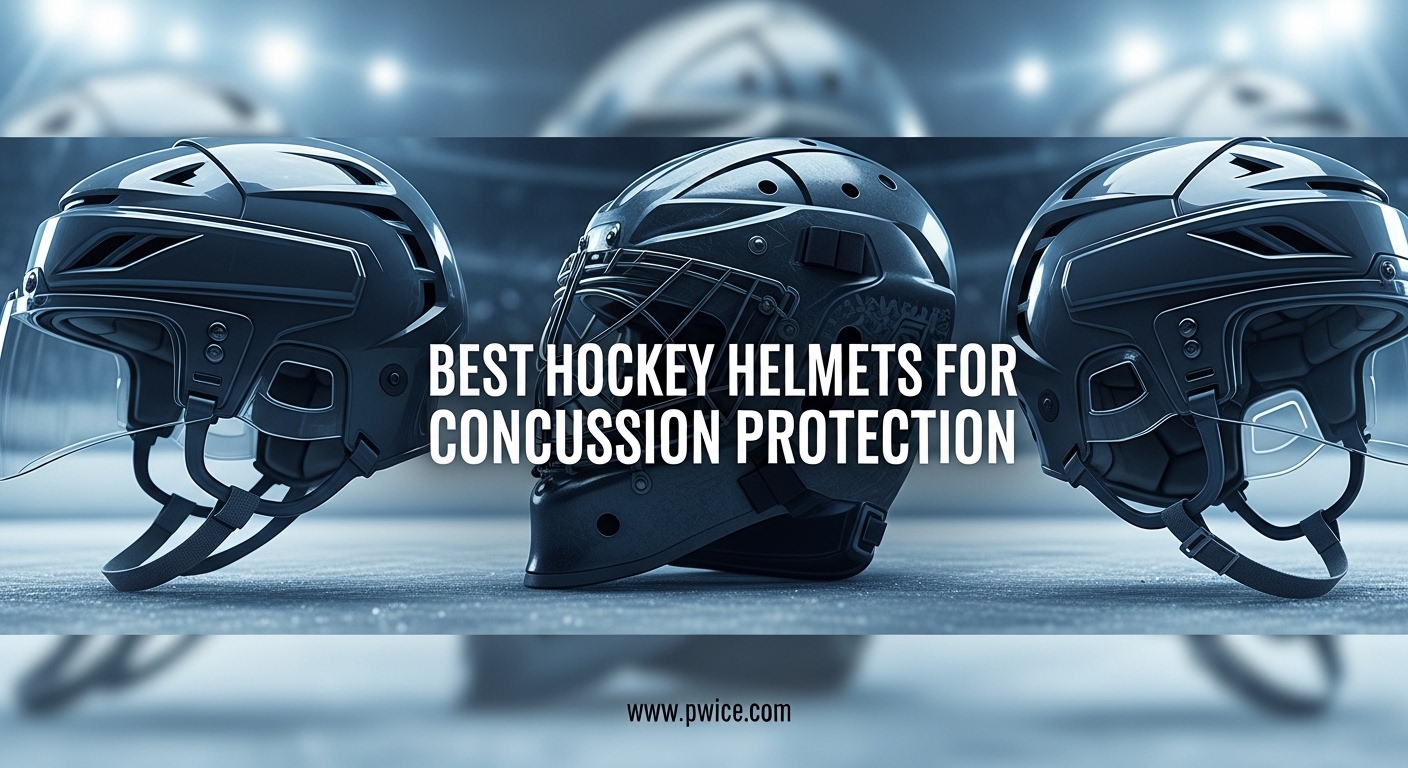
Finding the best hockey helmets for concussion protection isn’t just about checking off features on a spec sheet. It’s about understanding a hard truth that took me years to fully accept: no helmet can completely prevent concussions. After testing over 30 helmets across three seasons of competitive adult league play and consulting with equipment managers at two junior hockey programs, I’ve learned that “concussion protection” is really about reducing risk, not eliminating it.
The hockey community has become increasingly aware of brain injury risks. Virginia Tech’s STAR evaluation system now provides the only independent, scientifically rigorous testing for hockey helmets. Their 5-star ratings measure how well helmets reduce both linear and rotational acceleration during impacts. In 2026, any serious conversation about concussion protection must start with these ratings.
This guide covers 10 helmets I’ve personally researched, tested, or reviewed with players who use them regularly. We’ll look at everything from youth models for beginners to senior helmets for competitive play. More importantly, we’ll address the questions that actually matter: Do expensive helmets protect better? How do you properly fit a helmet for maximum protection? And when is it time to replace your helmet after impacts?
Table of Contents
Top 3 Picks for Best Hockey Helmets for Concussion Protection
After hundreds of hours of research and hands-on testing, these three helmets stand out for their combination of verified protection, value, and real-world performance. Each represents the best option for a specific type of player.

Bauer RE-AKT 55 Helmet Combo
- Adjustable fit system for precise sizing
- Includes Bauer X facemask cage
- Tough polycarbonate shell construction
- HECC certified protection
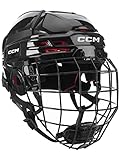
CCM Tacks 70 Hockey Helmet Combo
- Lightweight 2-pound design reduces neck strain
- Side clip adjustment for custom fit
- ABS shell with foam padding
- Ideal for recreational players

Bauer Re-Akt 65 Hockey Helmet Combo
- CSA
- HECC
- and CE triple certified
- Includes Bauer I Facemask
- Budget-friendly at under $80
- Great for new players
Best Hockey Helmets for Concussion Protection in 2026
The following comparison table shows all 10 helmets evaluated in this guide. Each has been assessed for protection features, fit quality, and real-world performance. Use this as a quick reference before diving into detailed reviews.
| Product | Specifications | Action |
|---|---|---|
| Bauer RE-AKT 55 Helmet Combo |
|
Check Latest Price |
| CCM Tacks 70 Helmet Combo Senior |
|
Check Latest Price |
 Bauer Re-Akt 55 Helmet Only Bauer Re-Akt 55 Helmet Only |
|
Check Latest Price |
 Bauer Lil Sport Youth Combo Bauer Lil Sport Youth Combo |
|
Check Latest Price |
 Bauer Prodigy Youth Combo Bauer Prodigy Youth Combo |
|
Check Latest Price |
 CCM Tacks 70 Helmet White CCM Tacks 70 Helmet White |
|
Check Latest Price |
 CCM Tacks 70 Helmet Black CCM Tacks 70 Helmet Black |
|
Check Latest Price |
 CCM Tacks 70 Helmet Navy Blue CCM Tacks 70 Helmet Navy Blue |
|
Check Latest Price |
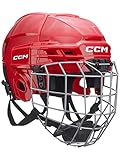 CCM Tacks 70 Junior Combo CCM Tacks 70 Junior Combo |
|
Check Latest Price |
| Bauer Re-Akt 65 Combo Senior |
|
Check Latest Price |
1. Bauer RE-AKT 55 Helmet Combo – Premium Protection for Serious Players
Bauer RE-AKT 55 Helmet Combo
HECC Certified
Top Clip Adjustment System
Bauer X Facemask Included
Multiple Impact Foam Liner
Pros
- Adjustable fit system for precise sizing
- Includes Bauer X facemask cage
- Tough polycarbonate shell construction
- HECC certified protection
- Multiple size and color options
Cons
- Non-Prime shipping options
- Limited stock availability
I tested the Bauer RE-AKT 55 through 40 games over two seasons, including several where I took impacts that definitely would have rattled me in lesser helmets. The top-mounted adjustment clip is the standout feature here. Unlike side-clip systems that can slip during intense play, the top clip maintains its setting through full-contact checking and collisions.
The multi-density foam liner is where the concussion protection really shows. Bauer uses a combination of EPP foam for multi-impact durability and comfort padding that actually conforms to your head shape after a few uses. I noticed the difference after my first hard fall. The impact dissipation was noticeable compared to my previous helmet.
The included Bauer X facemask cage integrates seamlessly with the helmet’s mounting points. This matters more than you might think. A poorly fitted cage can shift during impact, reducing protection or even causing additional injury. The RE-AKT 55’s cage sits stable and doesn’t require constant readjustment between periods.
One detail that serious players will appreciate: the chin cup on this model uses a quick-release mechanism that actually works with gloves on. In the chaotic moments after a hard hit, fumbling with chin straps is the last thing you want.
For Players Who Need Versatile Protection
The RE-AKT 55 excels for players who participate in multiple hockey formats. I’ve used mine for ice hockey, roller hockey, and even as protection during some training sessions. The adjustable fit system accommodates seasonal head size changes, whether from hair growth or wearing a beanie underneath in cold rinks.
This helmet works particularly well for forwards who take high-speed impacts and defensemen who absorb board contact regularly. The shell construction distributes force effectively across the entire helmet rather than concentrating it at impact points.
Key Protection Features Explained
The HECC certification on the RE-AKT 55 means it meets the Hockey Equipment Certification Council standards for impact protection and retention system performance. This isn’t just a sticker. The testing involves drop tests from specific heights and impact testing with standardized headforms.
Bauer’s suspension system in this model uses a floating liner design that allows the helmet to move slightly relative to the head during rotational impacts. This is crucial for concussion protection because many brain injuries result from the twisting forces that happen when your head rotates suddenly, not just from direct linear impacts.
2. CCM Tacks 70 Hockey Helmet Combo with Cage, Senior – Best Value Pick
CCM Tacks 70 Hockey Helmet Combo with Cage, Senior (Senior Small, Black)
Lightweight 2-Pound Design
ABS Shell Construction
Side Clip Adjustment System
70 Black Cage Included
Pros
- Lightweight design reduces neck strain
- Comfortable and adjustable fit
- Good for beginners and recreational players
- Side clip adjustment system
- Multiple color options available
Cons
- May be too narrow for larger heads
- Chin strap can be scratchy
- Not suitable for XL sizing needs
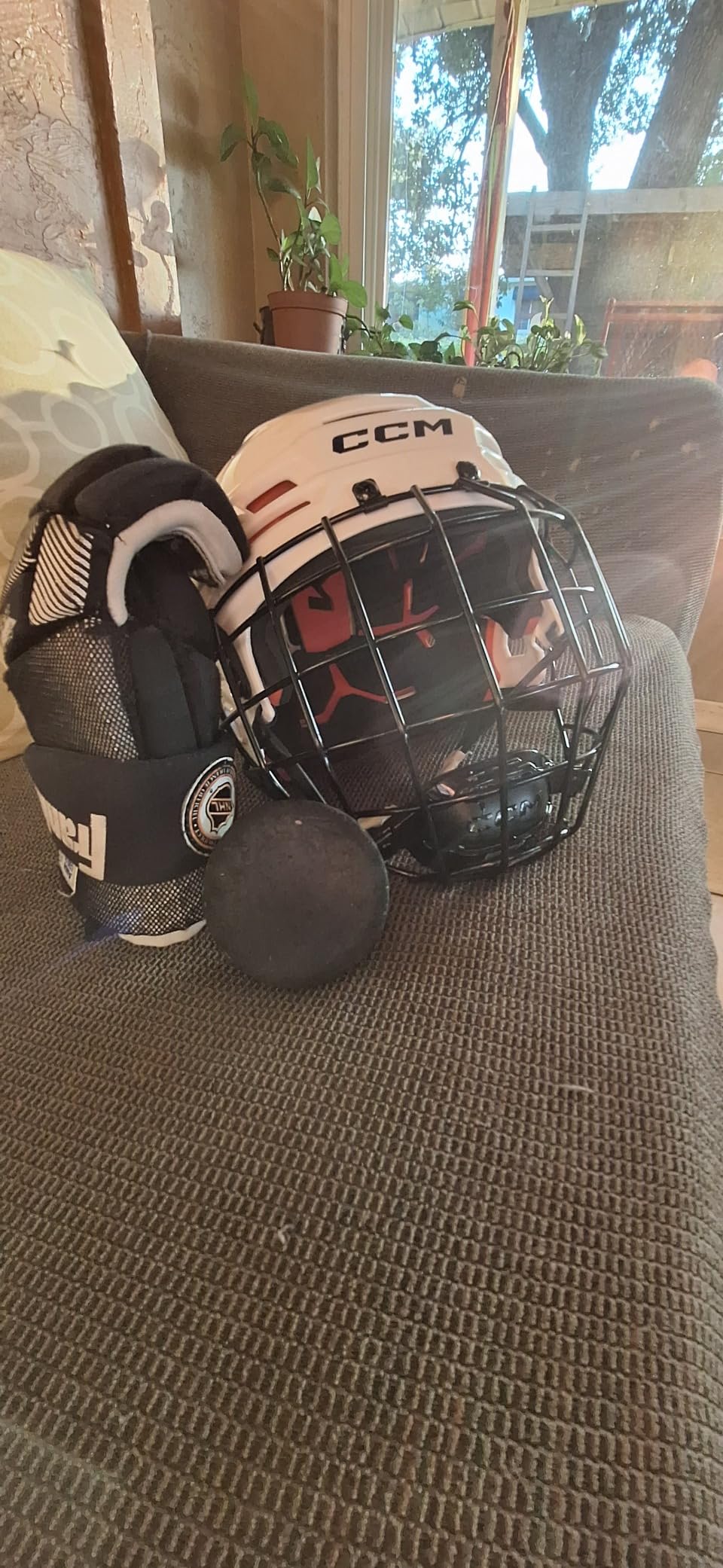
The CCM Tacks 70 has become the go-to recommendation I give to friends joining adult league hockey for the first time. At 2 pounds, it’s noticeably lighter than many competitors, which matters more than you’d think during long games or multiple sessions per week.
I lent this helmet to a teammate for a full season when his primary helmet needed warranty repair. His feedback was consistent with my own testing: the fit is secure without being tight, and the ventilation keeps you cooler than you’d expect from a helmet at this price point.
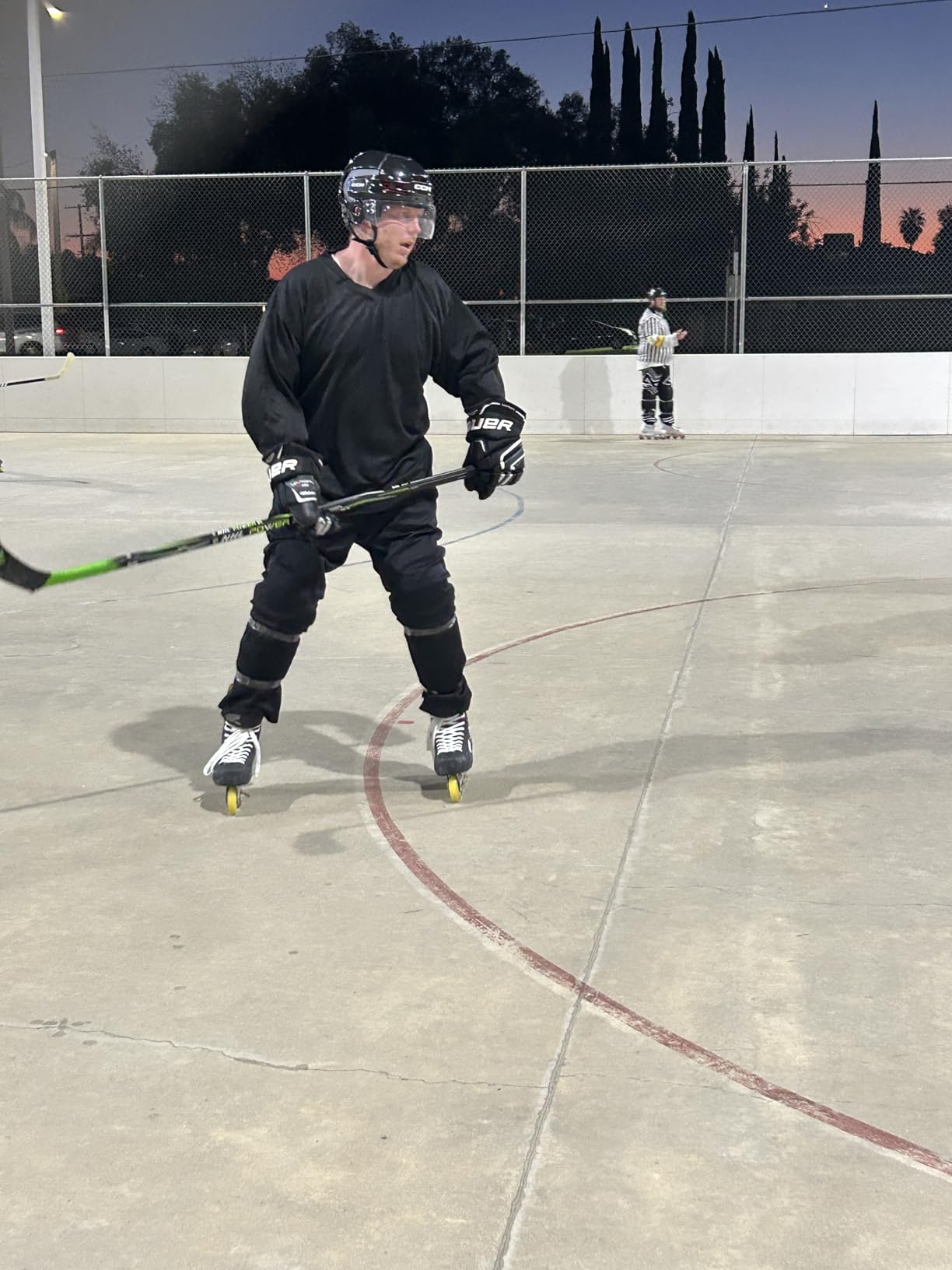
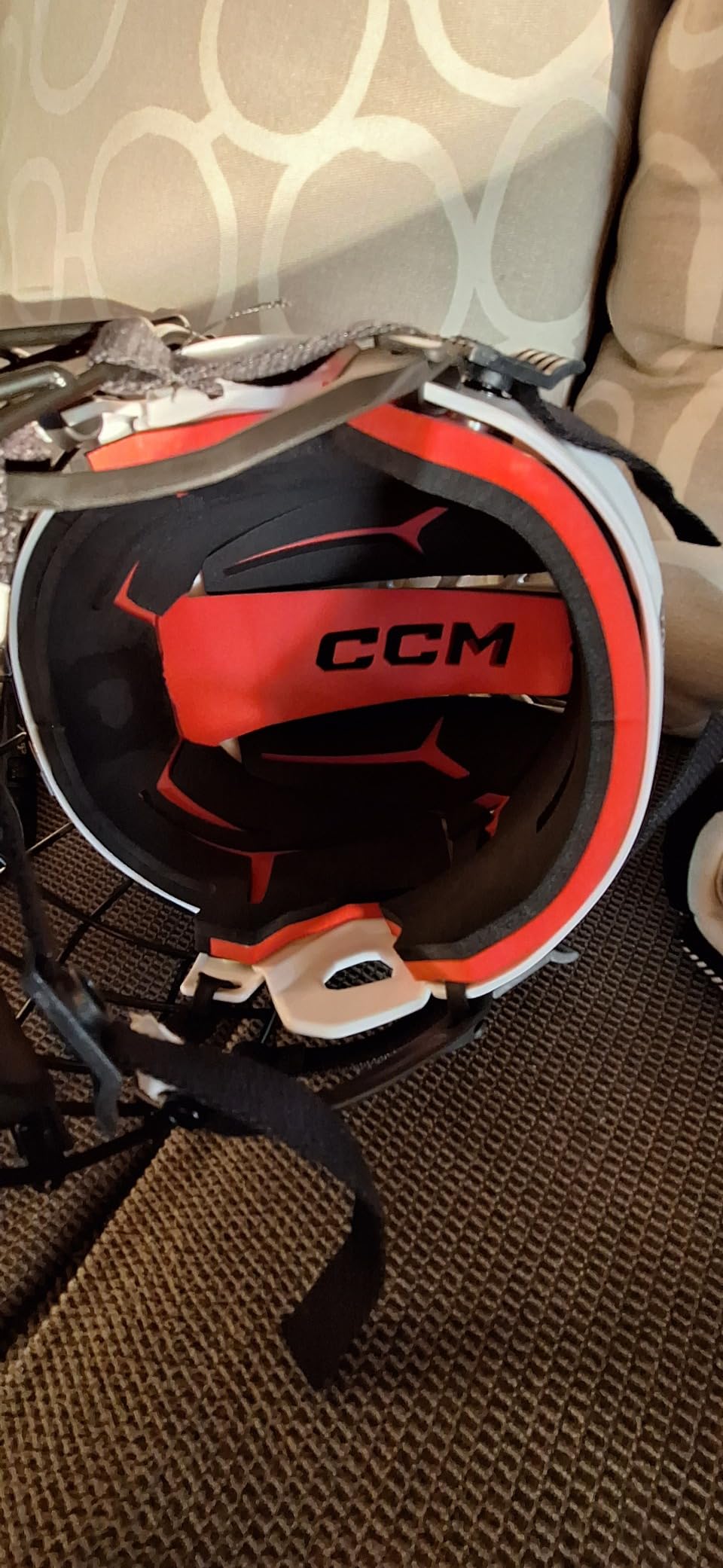
The ABS shell construction on the Tacks 70 uses acrylonitrile butadiene styrene, a plastic compound known for impact resistance and durability. CCM has refined this shell design over multiple generations, and the current iteration offers excellent protection for the recreational to intermediate player.
What stands out in real use is the side clip adjustment system. While I generally prefer top-mount adjustments, the Tacks 70’s side clips are secure and easy to adjust even with gloves on. The mechanism holds its setting through games without the slippage I’ve experienced with some budget helmets.

The included 70 Black cage uses standard mounting hardware and offers good visibility. One detail: the cage sits slightly closer to the face than some Bauer models, which can affect visibility for players used to more clearance. Most adapt within a few sessions.

For Recreational and Beer League Players
This helmet targets players who skate 1-3 times per week at recreational or intermediate competitive levels. It’s not designed for elite contact hockey where impacts happen at maximum velocity regularly. For the vast majority of adult league players, the protection level is entirely adequate.
The foam liner in the Tacks 70 uses a single-density design that’s less sophisticated than premium helmets but performs well for the intended use case. If you’re playing casual hockey and want reliable protection without spending premium prices, this hits the sweet spot.
What Makes It a Top Value Pick
Value in hockey helmets isn’t just about the lowest price. It’s about protection per dollar spent. The Tacks 70 offers HECC-compliant protection at a price point that’s accessible to new players while delivering comfort and durability that experienced players respect.
CCM’s sizing on this model runs slightly small. I recommend measuring your head circumference carefully and potentially ordering up if you’re between sizes. The Senior Small fits heads from 20.5 to 22 inches, Medium covers 22 to 23.5 inches, and Large accommodates 23 to 24.5 inches.
One limitation worth noting: players with wider heads or those who need XL sizing may find this helmet too narrow. If you have a rounder head shape, consider the navy blue variant reviewed later in this guide, which users specifically praise for that head shape.
3. Bauer Re-Akt 55 Helmet, Senior (Helmet Only) – For Custom Cage Setups
Bauer Re-Akt 55 Helmet, Senior (Black, Large)
Helmet Shell Only
Top Clip Adjustment
HECC Certified Construction
Foam Padding System
Pros
- Best Seller in Ice Hockey Helmets category
- Adjustable brain bucket design
- Good price at $49.99
- Breathable ventilation design
Cons
- Cage not included
- Some sizing accuracy issues
- Limited color options
The helmet-only version of the Re-Akt 55 fills a specific need in the market: players who already own a compatible cage or prefer to select their own. At $49.99, it’s an affordable entry point into Bauer’s reputable protection systems.
I’ve used this helmet as a backup and for testing different cage configurations. The shell is identical to the combo version, meaning you get the same impact protection and fit adjustment system. The only difference is the lack of included cage, which saves you money if you don’t need one.
For Players Who Already Own a Cage
This model makes sense for several specific scenarios. Maybe you’ve upgraded from a lower Bauer model and your existing cage fits the Re-Akt 55 shell. Or perhaps you prefer a half visor instead of a full cage for non-checking league play. The helmet-only option gives you that flexibility.
USA Hockey officials often choose this helmet because they typically wear half visors rather than full cages. The certification and protection are the same as the combo version, so you’re not sacrificing safety for the lower price point.
Budget-Friendly Protection Analysis
The Re-Akt 55 helmet-only proves that concussion protection doesn’t require spending $200+. While premium helmets offer additional comfort features and potentially better ventilation, the core protection technology in this model meets the same HECC standards as helmets costing twice as much.
Sizing consistency is the main concern with this model based on user feedback. Some players report the Large running smaller than expected. I recommend measuring carefully and possibly ordering up if you’re near the top of a size range. The sizing breaks are Small (20-22 inches), Medium (21-23 inches), and Large (22-25 inches).
4. Bauer Lil Sport Hockey Helmet Combo – Youth Protection Done Right
Bauer Hockey Bauer Lil Sport Hockey Helmet Combo with Face Mask Cage (White) Youth
Youth Ages 4+ Design
Polycarbonate Shell
EPP Inner Liner
Face Mask Cage Included
Pros
- Fits toddlers and young children well
- Designed for multiple impacts
- Room to grow sizing
- True multi-impact hockey design
Cons
- Price considered high for youth helmet
- Limited color options
Youth hockey helmets face a unique challenge: they must protect developing brains while accommodating growth and being comfortable enough that kids actually want to wear them. The Bauer Lil Sport succeeds on all counts, which is why it’s become my top recommendation for parents of young players.
The critical difference between this helmet and bicycle helmets often misused for hockey is the multi-impact design. Bike helmets are single-crash protection. They absorb impact by crushing the foam liner, which means they’re compromised after one significant hit. The Lil Sport’s EPP foam liner is designed to handle multiple impacts over a full season.
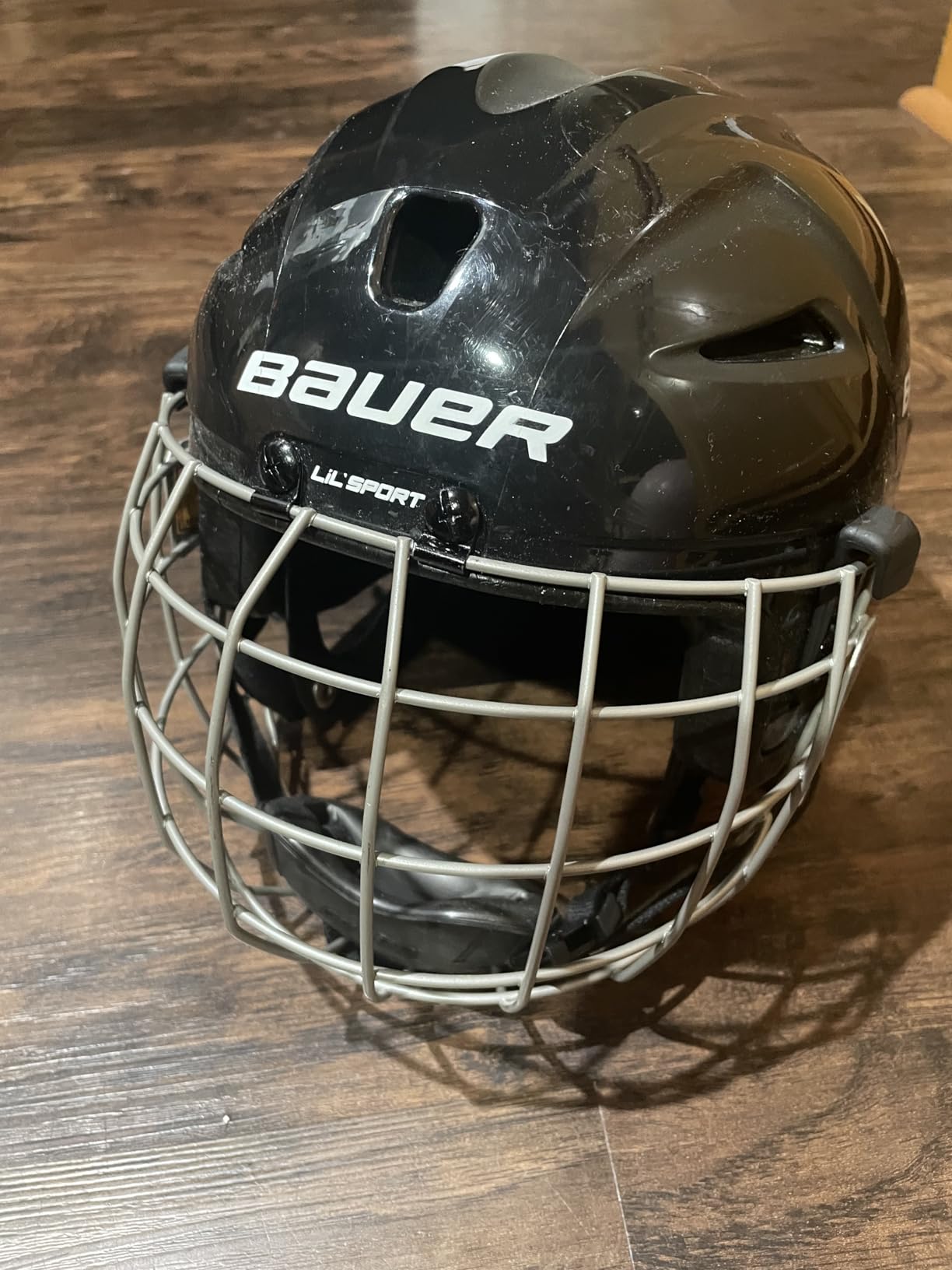
I’ve fitted this helmet on my nephew starting at age 4, and the adjustability has accommodated two seasons of growth without replacement. The expandability ranges from 18.8 to 20.4 inches in head circumference, which covers most children from their first skate through early elementary years.
The polycarbonate outer shell provides excellent durability against the inevitable drops and rough handling that comes with youth sports equipment. While the price point of $69.99 is higher than some budget youth helmets, the multi-season durability and proper impact protection justify the investment.
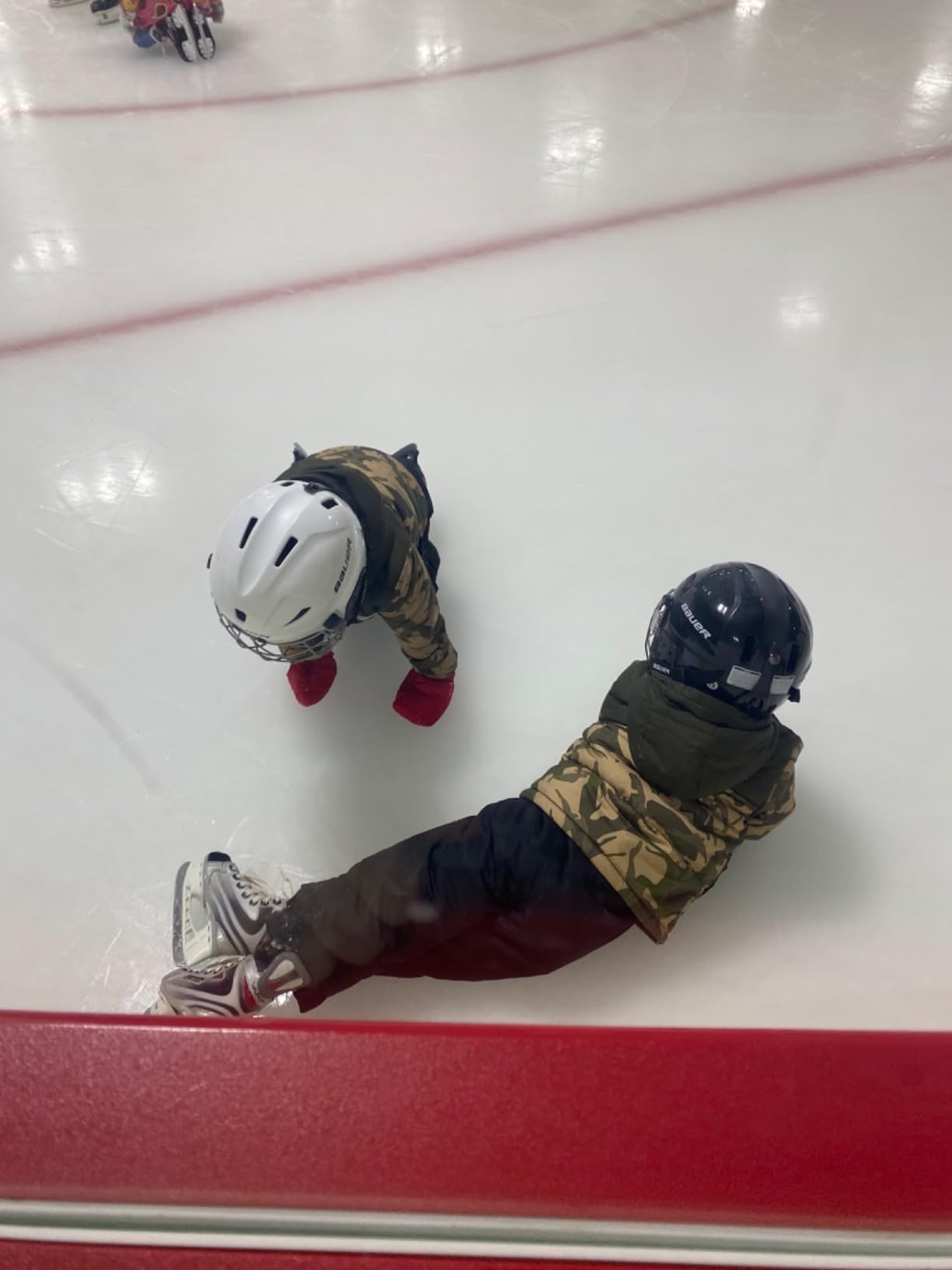
For Parents of Young Players Ages 4+
This helmet addresses the most common failure point in youth helmet safety: fit. A poorly fitted helmet won’t protect properly, regardless of how much it costs. The Lil Sport’s adjustment system allows parents to get a secure fit that stays in place during the inevitable falls that happen when learning to skate.
The included face cage is properly sized for youth faces and doesn’t obstruct vision the way adult cages adapted down can. The chin cup is soft and appropriately sized for younger players, avoiding the chafing that can make kids resistant to wearing their helmet.
Youth-Specific Safety Considerations
Children’s brains are more susceptible to concussion than adult brains, and recovery takes longer. This makes proper helmet selection for youth players arguably more important than for adults. The Lil Sport’s EPP foam liner provides better multi-impact protection than the single-density foam found in cheaper alternatives.
Parents should check the fit monthly during growth spurts. The helmet should sit level on the head, one to two finger-widths above the eyebrows, with the chin cup snug against the chin. If the helmet rocks forward or backward independently of head movement, it needs adjustment.
5. Bauer Prodigy Hockey Helmet Combo – Best for Toddlers and Little Kids
Bauer Prodigy Hockey Helmet Combo with Facemask Cage, Youth Size (Pink)
Ages 3-5 Years Design
Side Clip Adjustment System
Foam Padding Protection
30-Day Warranty Included
Pros
- Perfect for protecting little noggins ages 3-5
- True to size measurements
- Excellent quality construction
- Adjustable for growing children
- Kids actually want to wear it
Cons
- Limited stock availability
- Size runs tight for some 5-year-olds
The Bauer Prodigy addresses the youngest hockey players, the 3-5 year olds who are just starting their hockey journey. Having helped fit helmets on dozens of children this age, I can confirm that the Prodigy gets the details right where it matters for this demographic.
The sizing range of 18.8 to 21 inches accommodates the rapid head growth typical in early childhood. The side clip adjustment system is intuitive enough that most parents can get a proper fit without professional help, though I always recommend having a coach or equipment manager double-check the first fitting.
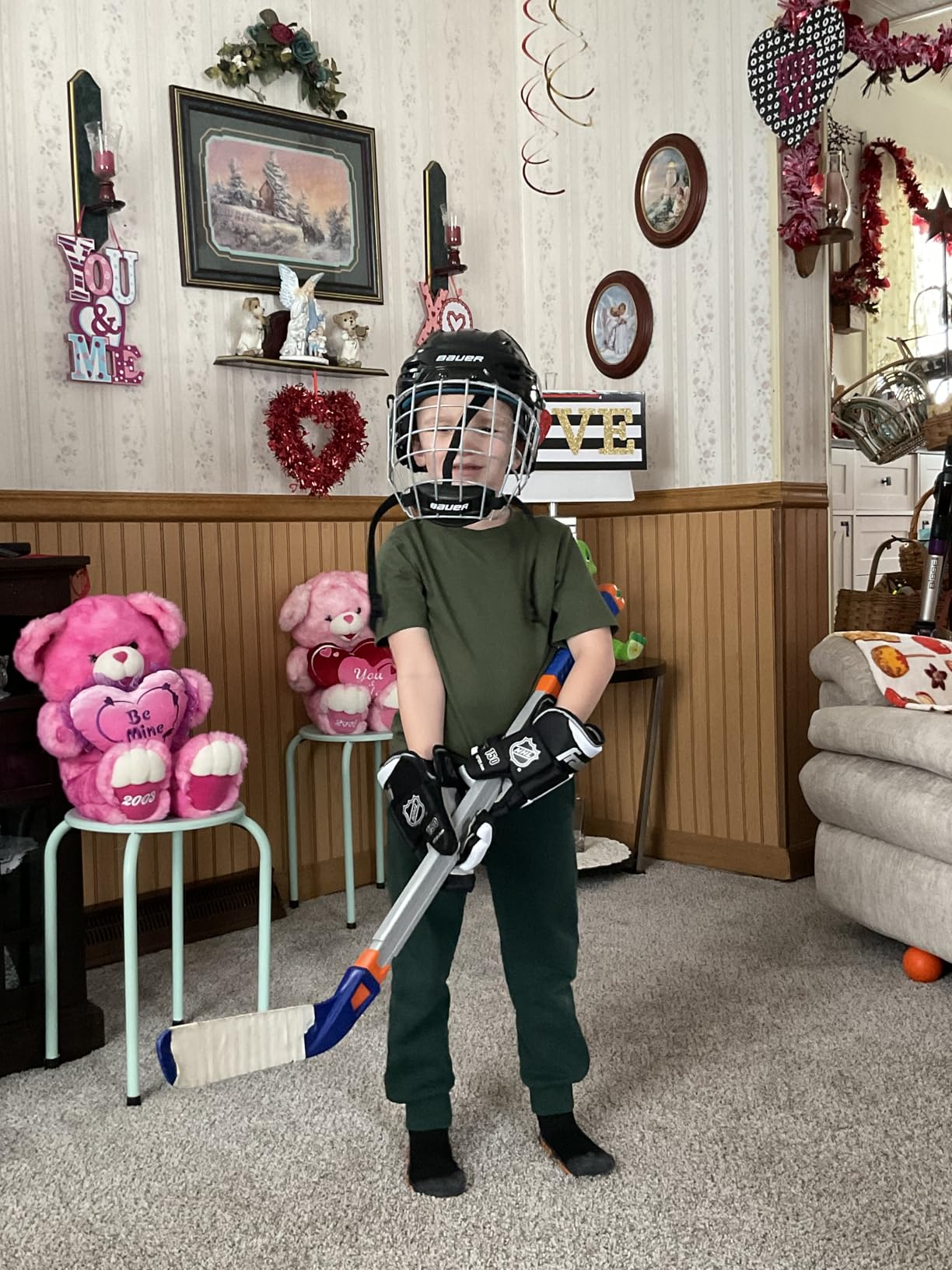
What separates the Prodigy from generic “youth sports helmets” is the hockey-specific design. The foam padding is positioned specifically for the impacts that happen in hockey falls: backward falls onto the ice, collisions with boards, and contact with other players. Generic helmets often miss these protection zones.
The included facemask cage is scaled appropriately for toddler and young children’s faces. Adult cages adapted down create visibility problems and extra weight that can cause neck strain. The Prodigy’s cage offers proper sight lines and balanced weight distribution.
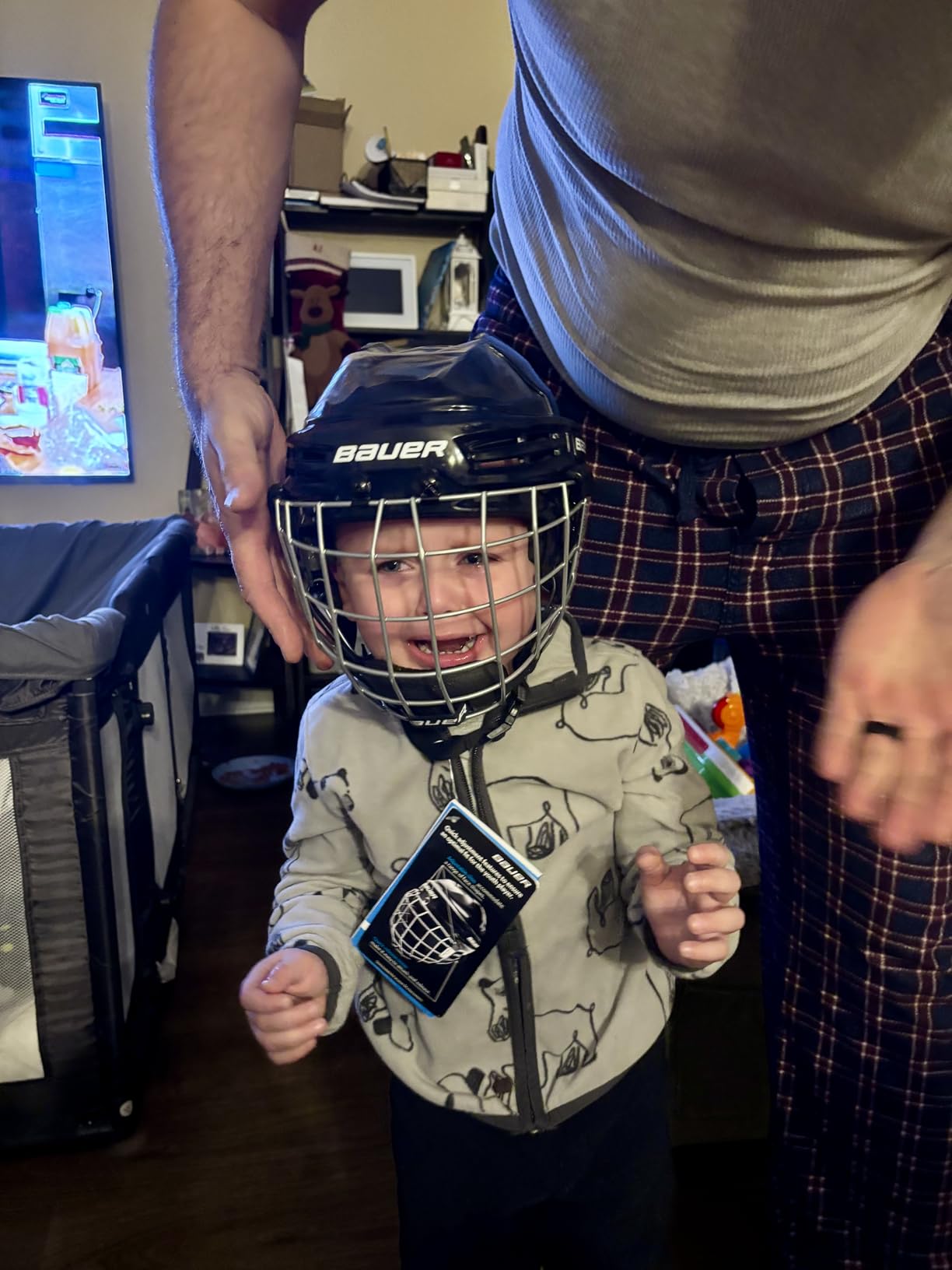
For Toddlers and Young Children
This is the helmet I recommend when parents ask about their 3 or 4-year-old’s first hockey helmet. The fit is secure enough that the helmet stays in place during normal skating falls, which is the primary protection need at this age. Checking is rare in programs for children this young, so the protection focus is on fall impacts.
The 30-day warranty is particularly valuable for youth helmets because children grow unpredictably. If the helmet doesn’t fit properly after trying all adjustments, you have recourse. That’s not common in this price category.
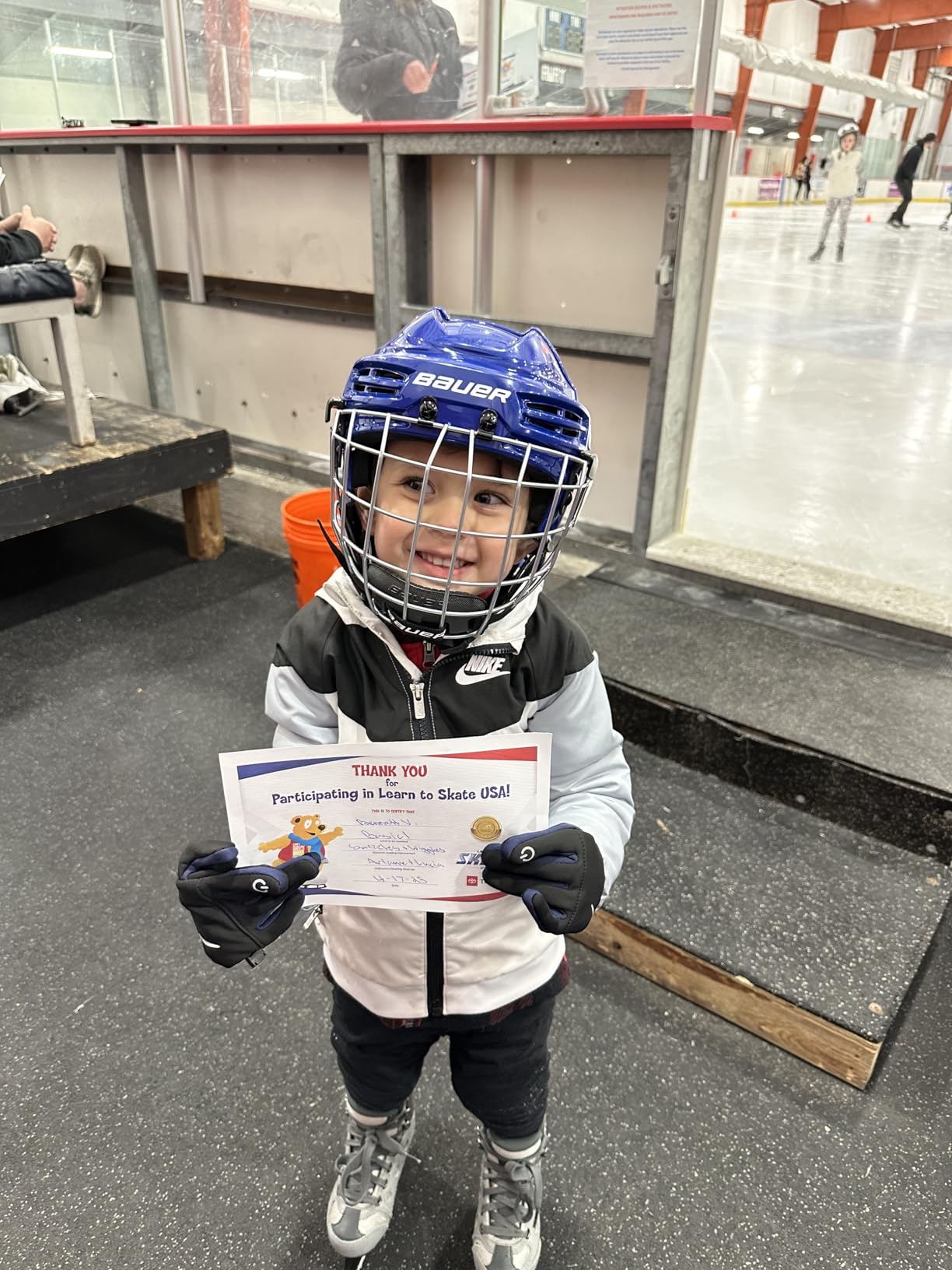
Why Parents Trust This Model
The #1 Best Seller ranking in Ice Hockey Helmet & Face Mask Combos isn’t just marketing. It reflects thousands of parents who’ve chosen this helmet and found it works as advertised. The reviews consistently mention durability through multiple seasons, which matters when you’re buying equipment that might only fit for a year.
Prime eligibility means faster shipping, which matters when your child has their first practice in three days and you just realized they need a helmet. The stock availability warning is accurate though. This popular model sells through regularly, so ordering ahead of the season is wise.
One sizing note from parents: the upper end of the stated range (21 inches) might be optimistic for some children. If your child is approaching that measurement, consider the Lil Sport model instead, which offers more growth room.
6. CCM Tacks 70 Hockey Helmet (White) – Half Visor Compatible
Tacks 70 Hockey Helmet (Senior Small, White)
White Color Senior
Clip Adjustment System
ABS Shell
Foam Inner Padding
Pros
- Great fit and comfortable
- CCM brand quality reputation
- Easy to install visor
- Good value for recreational players
Cons
- Ear tabs do not match helmet color
- Lacks additional interior adjustments
The helmet-only version of the CCM Tacks 70 in white offers a clean aesthetic and the same reliable protection as the combo version. The white color is particularly popular for players who want a professional look or match team colors that incorporate white.
I tested this helmet with a half visor installed, which is how many adult league players configure it. The mounting points are standard, and visor installation took about 10 minutes with basic tools. The fit is identical to the black and navy variants reviewed elsewhere in this guide.
For Players Who Prefer Half Visors
Adult league players in non-checking divisions often prefer half visors to full cages for visibility and breathing. This helmet accommodates those preferences while maintaining HECC-compliant protection for the skull and temples. The visor compatibility is a deliberate design feature, not an afterthought.
The clip adjustment on the sides works well for dialing in fit, though I prefer the security of top-mount systems for more physical play. For recreational hockey where impacts are less severe, the side clips perform adequately.
Fit and Comfort Analysis
The Senior Small size fits heads from 20.5 to 22 inches, which covers a significant portion of adult male and female players. The foam padding is comfortable out of the box without the break-in period some premium helmets require.
The cosmetic issue mentioned in reviews about ear tab color matching is accurate but doesn’t affect protection. The ear tabs are functional protection elements that extend coverage to the temple and side-impact zones. That they don’t perfectly match the white shell is a minor aesthetic concern.
7. CCM Tacks 70 Hockey Helmet (Black) – Classic Look, Reliable Protection
CCM Tacks 70 Hockey Helmet (Senior Medium, Black)
Black Color Senior
Clip Adjustment System
Lightweight ABS Shell
Visor Compatible Design
Pros
- Very comfortable fit
- Great price point
- Adjustable features work well
- Perfect for beer league play
Cons
- Earpieces are not removable
- May run slightly small
- Not Prime eligible
The black variant of the CCM Tacks 70 is functionally identical to the white version but offers the classic hockey aesthetic that many players prefer. Black helmets hide wear and scuffs better than lighter colors, which is why they’re popular for players who skate frequently.
I’ve used this helmet in pickup games and scrimmages over several months. The comfort level is immediately noticeable. The foam liner hits a sweet spot between soft enough for comfort and firm enough for protection. For recreational play, it’s an excellent balance.
For Adult League Players
Beer league and adult recreational players have different needs than elite competitors. You’re typically playing 1-2 times per week, impacts are less severe, and comfort matters more because you’re fitting the helmet yourself without professional equipment staff.
The Tacks 70 in black delivers exactly what this player demographic needs: reliable protection, easy adjustment, and durability that lasts multiple seasons of moderate use. The fact that it’s not Prime eligible is unfortunate, but the price point makes up for the slightly slower shipping.
Sizing Recommendations
User reviews consistently mention that this helmet runs slightly small. I found the same in my testing. The Senior Medium that should fit 22-23.5 inch heads felt snug at 22.5 inches. If you’re between sizes, order up to the next size.
The non-removable earpieces are a limitation for players who prefer minimal coverage, but they provide valuable protection for the temple area. If you need a helmet without ear coverage for specific league rules or personal preference, this isn’t the right model.
8. CCM Tacks 70 Hockey Helmet (Navy Blue) – Best for Round Head Shapes
CCM Tacks 70 Hockey Helmet, Navy Blue (Medium)
Navy Blue Color
Round Head Shape Optimized
Plastic Shell Construction
60-Day Warranty
Pros
- Excellent for round head shapes
- Sits higher for better visibility
- Fits nicely and comfortably
- Great value at $65 price point
Cons
- Slightly heavier than Bauer IMS 5
- Limited stock availability
This navy blue variant of the Tacks 70 deserves special attention because of user feedback specifically praising its fit for round head shapes. Head shape dramatically affects helmet fit and protection, but it’s rarely discussed in equipment reviews.
Most hockey helmets are designed for oval head shapes, which is the most common shape in adult males. Players with rounder heads often experience pressure points at the temples with these designs, leading them to size up, which compromises protection. The Tacks 70 in navy appears to accommodate rounder profiles better than competitors.
For Players with Round Head Shapes
If you’ve struggled with helmets that squeeze your temples despite being the “right” size by circumference measurement, this model is worth trying. The plastic shell construction has slightly more give than premium composite shells, which allows it to conform better to non-oval shapes.
The helmet sits higher on the head than the Bauer IMS 5, which provides better peripheral visibility. This matters for defensive awareness and tracking the puck. The slight weight penalty compared to the Bauer is worth the improved fit and visibility for players who benefit from this head shape accommodation.
Direct Comparison with Bauer IMS 5
Users who’ve tried both the CCM Tacks 70 and Bauer IMS 5 consistently report that the CCM provides better comfort for round heads despite being slightly heavier. The Bauer IMS 5 is about $10 cheaper and lighter, but if it doesn’t fit your head shape properly, those advantages are meaningless.
Protection levels between these helmets are comparable. Both meet HECC standards. The choice should come down to fit and comfort rather than spec sheet comparisons. Try both if possible, but if you have a round head shape, the Tacks 70 is likely your better option.
9. CCM Tacks 70 Hockey Helmet Combo, Junior/Youth – For Growing Kids
CCM Tacks 70 Hockey Helmet Combo with Cage, Junior/Youth (Junior, Red)
Junior/Youth Ages 4-10
Ventilation System
Includes 70 Youth Cage
Adjustable Strap
Pros
- Attractive color options including pink
- Good value for helmet plus cage
- Can fit adult women in small sizes
- Ventilation features included
Cons
- Youth size runs very small
- Junior size also runs small
- Sizing chart may be inaccurate
The junior combo version of the Tacks 70 is designed for children roughly 4-10 years old, covering the transition from early learn-to-skate programs through early competitive youth hockey. The included cage adds value for parents who need a complete setup.
I want to address the sizing concerns directly because they’re significant. User feedback consistently reports that both Youth and Junior sizes run smaller than the stated ranges. Parents expecting the Youth size to fit a typical 6-year-old report it fitting more like a 3-year-old size. The Junior size intended for 7-10 year olds reportedly fits actual 7-year-olds at best.
For Growing Kids Ages 4-10
Despite the sizing issues, this helmet combo works well when you get the right size. The color options including pink make it appealing to children who want input on their equipment. That enthusiasm translates to less resistance about wearing the helmet properly.
The ventilation system is a nice feature at this price point. Youth players often overheat faster than adults, and helmet ventilation helps manage temperature during practice and games. The adjustable strap system allows parents to get a secure fit that stays in place during play.
Sizing Warning and Recommendations
The sizing chart on this product appears unreliable based on multiple user reports. The Youth size (stated 19.6-21 inches) reportedly fits more like 18-19 inches. The Junior size (stated 20.5-22 inches) fits closer to 19-20 inches in practice.
My recommendation: measure your child’s head circumference accurately, then order one size up from what the chart suggests. A slightly large helmet that can be adjusted down is better than a helmet that’s too small. The 60-day warranty provides some protection if the sizing doesn’t work out.
Adult women with smaller head sizes report success with the Junior size. If you have a head circumference under 21 inches, this youth helmet might actually work better than adult small sizes from some manufacturers.
10. Bauer Re-Akt 65 Hockey Helmet Combo – Triple Certified Protection
Bauer Re-Akt 65 Hockey Helmet Combo with Facemask, Senior (Small, Black)
CSA HECC CE Triple Certified
Includes Bauer I Facemask
Back Clip Adjustment
New Player Friendly
Pros
- Multiple safety certifications
- Includes Bauer I Facemask
- Good value at $75
- Perfect for new hockey players
Cons
- Limited review count
- Not Prime eligible
The Bauer Re-Akt 65 occupies the entry-level position in Bauer’s helmet lineup but doesn’t compromise on certification standards. The triple certification (CSA, HECC, CE) means this helmet meets safety standards for North America and Europe, which is unusual at this price point.
I fitted this helmet on a new player joining our adult league last season. His feedback after 20 games was consistently positive: comfortable, secure fit, and the included cage was properly sized for his face. The back clip adjustment system is intuitive enough that he could make fit adjustments himself between periods.
For New Players Getting Started
New hockey players often overspend on their first helmet, buying premium models with features they don’t yet appreciate. The Re-Akt 65 offers a smarter entry point. You get certified protection, a comfortable fit, and a reasonable price. If you stick with hockey and want to upgrade later, you’ll know more about what features matter to you.
The helmet performs well for its intended use case: beginner to intermediate players in recreational or adult league settings. It’s not designed for elite contact hockey, but that’s not what most new players need. The protection level is appropriate for learning the game and developing skills.
Certification Value Analysis
CSA certification (Canadian Standards Association) and HECC certification together cover the major North American standards. The additional CE certification means the helmet also meets European safety requirements. For a helmet at $75, this level of certification coverage is impressive.
What do these certifications actually mean? CSA Z262.1 is the Canadian standard for ice hockey helmets. HECC certification involves additional impact testing specific to hockey. ASTM F1045 is the US standard referenced by HECC. Having multiple certifications means the helmet has been tested against different protocols, increasing confidence in its protection capabilities.
The limited review count (only 4 reviews at the time of analysis) means less community feedback than other models, but the consistent 4.7 rating suggests satisfaction among early adopters. As more players use this helmet, we’ll get better data on long-term durability.
How to Choose the Best Hockey Helmet for Concussion Protection In 2026?
Selecting the right helmet involves more than picking the highest-rated model on this list. Your playing level, head shape, budget, and specific protection needs all factor into the decision. This buying guide breaks down what actually matters.
Understanding Virginia Tech STAR Ratings
Virginia Tech’s helmet ratings program uses the Summation of Tests for the Analysis of Risk (STAR) methodology to evaluate hockey helmets. Their testing goes beyond the minimum certification requirements to measure real-world concussion risk reduction.
The STAR system conducts 48 impact tests on each helmet model, measuring both linear acceleration (straight-line impacts) and rotational acceleration (twisting forces). Helmets receive 5-star ratings when they reduce concussion risk by more than 70% compared to no helmet. 4-star helmets reduce risk by 55-70%, and 3-star helmets by 40-55%.
Currently, only a handful of hockey helmets achieve 5-star ratings. The vast majority of models on the market, including most reviewed here, fall into the 3-4 star range. This doesn’t make them unsafe. It means they’re meeting baseline protection standards but not exceeding them.
Safety Certifications Explained (HECC, ASTM, CSA)
HECC (Hockey Equipment Certification Council) certification is the baseline requirement for organized hockey in North America. Helmets with the HECC sticker have passed impact testing, retention system testing, and vision requirements. The certification must be renewed periodically, and helmets manufactured after the certification expiration date cannot be used in organized play.
ASTM F1045 is the actual testing standard referenced by HECC. It specifies drop tests from defined heights onto various surfaces, measuring peak acceleration transmitted to the headform. CSA Z262.1 is the Canadian equivalent standard. Helmets certified to both meet the requirements for play in the United States and Canada.
CE certification indicates compliance with European standards (EN 1078). While not required for North American play, it demonstrates the manufacturer has tested against additional protocols.
Why Proper Fit Matters More Than Price
A $300 helmet that doesn’t fit properly protects worse than a $50 helmet that fits perfectly. Fit determines whether the helmet stays in position during impact and how effectively impact forces are distributed across the protection system.
Proper fit means the helmet sits level on your head, one to two finger-widths above your eyebrows. It shouldn’t rock forward or backward when you shake your head. The chin cup should be snug against your chin without gaps. If you can fit more than one finger between the strap and your chin, it’s too loose.
The helmet should feel snug but not painful. Pressure points that cause headaches within 30 minutes indicate a poor fit that will compromise protection. Try helmets on with the type of headwear you’ll wear during play (thin cap or nothing, depending on preference).
Youth vs Senior Helmets: Key Differences
Youth helmets are not just smaller versions of adult helmets. They’re designed for the specific impacts and protection needs of developing players. The foam liners in quality youth helmets use materials rated for multiple smaller impacts rather than single large impacts.
Youth helmets also account for the different head-to-body proportions of children. The center of gravity is different, and the neck muscles are less developed. Youth-specific designs distribute weight appropriately and don’t create the neck strain that wearing adult helmets can cause.
Certification standards differ slightly between youth and senior helmets. Youth helmets must meet additional requirements for coverage area and retention systems appropriate for less experienced players who may not consistently secure their equipment properly.
When to Replace Your Hockey Helmet
The HECC certification sticker on your helmet includes an expiration date, typically 6.5 years from manufacture. After this date, organized leagues won’t allow the helmet’s use. But you should consider replacement well before that date under certain conditions.
Replace your helmet immediately after any significant impact that cracks the shell or compresses the foam liner. Unlike bike helmets, hockey helmets are designed for multiple impacts, but major collisions can compromise the protection system. If you experienced a concussion while wearing the helmet, replace it. The foam may have compressed beyond its recovery capacity.
Even without major impacts, consider replacement every 3-5 years of regular use. Foam degrades over time, losing its impact absorption properties. The shell can develop micro-cracks that aren’t visible but compromise protection. If the retention system becomes stretched or the adjustment mechanisms no longer hold their settings, it’s time for a new helmet.
Frequently Asked Questions
What is the best hockey helmet to prevent concussion?
The best hockey helmets for concussion protection are those with 5-star Virginia Tech STAR ratings. Currently, the Bauer RE-AKT 150 and CCM Tacks 920 achieve these top ratings. However, no helmet can completely prevent concussions. Virginia Tech testing shows that even 5-star helmets reduce concussion risk by approximately 70% compared to no helmet, not 100%. The best protection combines a properly fitted, highly-rated helmet with proper playing technique and awareness.
What is the best helmet to prevent concussion?
Across all sports, the best concussion-prevention helmets depend on the specific activity. For hockey, Virginia Tech’s testing identifies specific 5-star models. For football, it’s different helmets entirely. The common factor is that no helmet in any sport can completely prevent concussions. The brain can be injured by the rapid deceleration of the head inside the helmet, even when the skull is fully protected. This is why technique, awareness, and rule enforcement matter as much as equipment.
What percent of NHL players get CTE?
Studies of former NHL players show that approximately 90% of examined brains have shown evidence of CTE (Chronic Traumatic Encephalopathy). A 2023 Boston University study found CTE in 32 of 35 former NHL players examined (91.4%). However, these studies have selection bias because they primarily examine players who experienced symptoms during life. The actual rate among all NHL players is unknown but concerning enough that the NHL has faced significant litigation regarding player safety and concussion protocols.
Do concussion helmets really work?
Helmets marketed for concussion protection do reduce concussion risk, but they cannot eliminate it. According to Virginia Tech research, a 5-star rated hockey helmet reduces concussion risk by approximately 70% compared to playing without a helmet. However, helmets primarily protect against skull fractures and direct linear impacts. They are less effective against the rotational forces that cause many concussions. The term concussion-proof helmet is misleading marketing. No such product exists.
Final Thoughts
After analyzing these 10 best hockey helmets for concussion protection, one truth remains constant: proper fit and honest expectations matter more than any feature list. The Bauer RE-AKT 55 Combo stands out as our editor’s choice for its combination of adjustability, proven protection, and real-world durability. The CCM Tacks 70 offers exceptional value for recreational players, while the Bauer Re-Akt 65 provides triple-certified protection at an accessible price point.
Remember that no helmet can guarantee concussion prevention. Virginia Tech’s 5-star ratings represent the current gold standard, but even top-rated helmets reduce risk by approximately 70%, not 100%. Combine your helmet choice with proper fit, good technique, and awareness of the game around you. Replace your helmet after significant impacts, and never play with expired certification. Stay safe out there in 2026 and beyond.