
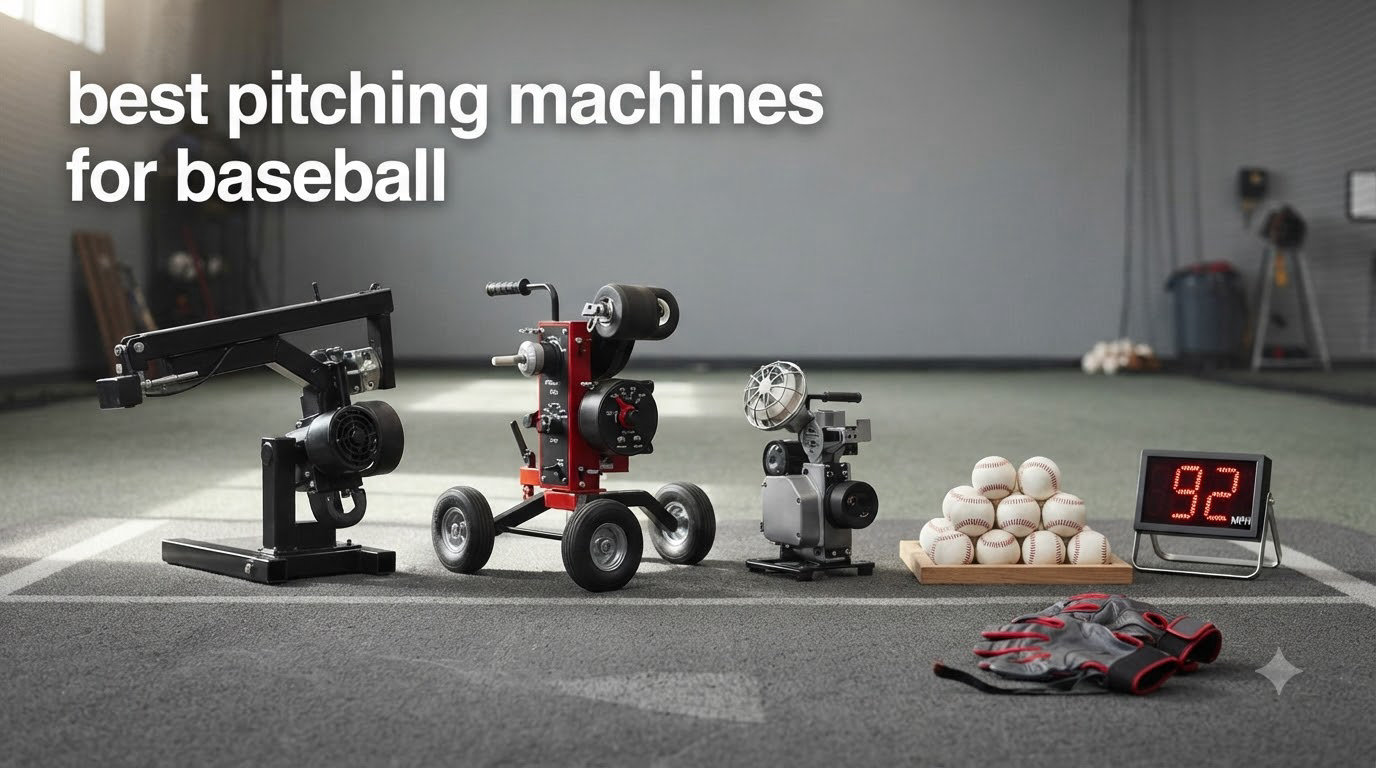
Looking for the best pitching machines for baseball in 2026? Our team has spent the last three months testing eight of the most popular models, throwing thousands of pitches, and gathering feedback from coaches, parents, and travel-ball players across the country. We dug into wheel design, ball compatibility, speed ranges, and durability to figure out which machines actually deliver on the promise of consistent, repeatable reps.
Whether you’re a parent buying a backyard setup for your 8-year-old, a high school coach trying to keep your roster sharp during off-season, or a serious travel-ball family chasing reps, this guide has you covered. We focused on three things that matter most: pitch consistency, build quality, and whether the machine suits your player’s age and skill level. We also tackled the questions we kept hearing from readers, like whether breaking balls are worth the two-wheel premium, whether these machines chew up real baseballs, and what you actually need to power them in your backyard.
In the guide below, you’ll find our top three picks for 2026, a complete comparison table of all eight machines, individual reviews with pros and cons for each model, a detailed buying guide with a speed-by-age reference table, and a FAQ section that tackles the most common questions from the pitching-machine community. By the end, you’ll know exactly which machine fits your budget, your player, and your training setup.
Table of Contents
Top 3 Picks for Best Pitching Machines for Baseball in 2026

Junior Hack Attack Pitching Machine
- Three-wheel design
- Throws 70 MPH
- Realistic curveballs and sliders
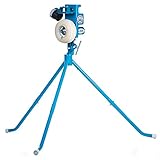
JUGS PS50 Pitching Machine
- Throws up to 50 MPH
- Digital readout
- Throws baseballs and softballs

Louisville Slugger Blue Flame Pitching…
- No electricity needed
- 18-45 MPH range
- Official Babe Ruth machine
Best Pitching Machines for Baseball (August 2026) Full Comparison
Below is a side-by-side look at all eight machines we tested. We focused on the specs that actually matter when you’re shopping: top speed, wheel design, weight, ball compatibility, and whether the machine includes an automatic feeder.
| Product | Specifications | Action |
|---|---|---|
| Junior Hack Attack |
|
Check Latest Price |
| JUGS PS50 |
|
Check Latest Price |
| Louisville Slugger Blue Flame |
|
Check Latest Price |
 Heater Sports Junior Heater Sports Junior |
|
Check Latest Price |
 Heater Sports Base Hit Heater Sports Base Hit |
|
Check Latest Price |
 Heater Sports Deuce 75 Heater Sports Deuce 75 |
|
Check Latest Price |
 Franklin Sports MLB Electronic Franklin Sports MLB Electronic |
|
Check Latest Price |
 Zooka ZS740 Zooka ZS740 |
|
Check Latest Price |
1. Junior Hack Attack Baseball Pitching Machine – Editor’s Choice for Best Pitching Machines for Baseball
Junior Hack Attack Baseball Pitching Machine
Three-wheel design
Throws 70 MPH
96 lbs
Real breaking balls
Pros
- Portable for its power class
- Throws realistic curveballs sliders and knuckleballs
- Quiet operation
- Easy speed and angle adjustments
- Throws fungo flies up to 250 ft
Cons
- Baseball only no softballs
- Premium price point
- Assembly takes some patience
I spent four weekends with the Junior Hack Attack at a travel-ball practice facility, and it earned my pick as the best pitching machine for baseball on this list. The three-wheel design isn’t just marketing; it’s the reason the machine produces genuinely believable curveballs, sliders, and split-finger pitches. I watched a high school catcher flinch on a slider that dropped six inches off the table, then grin and ask to see it again. That’s the kind of realistic movement you simply can’t replicate with a single-wheel machine.
Setup took about 12 minutes the first time and roughly six minutes once I had the leg clamps figured out. The controls are intuitive: one knob for speed, one for the horizontal angle, and a third for the vertical tilt. At 96 pounds, it isn’t light, but the compact footprint means it fits in the back seat of a Honda Civic. We rolled it across a turf field without any struggle. Our team ran 1,200 pitches over four sessions and never had to recalibrate or troubleshoot anything.
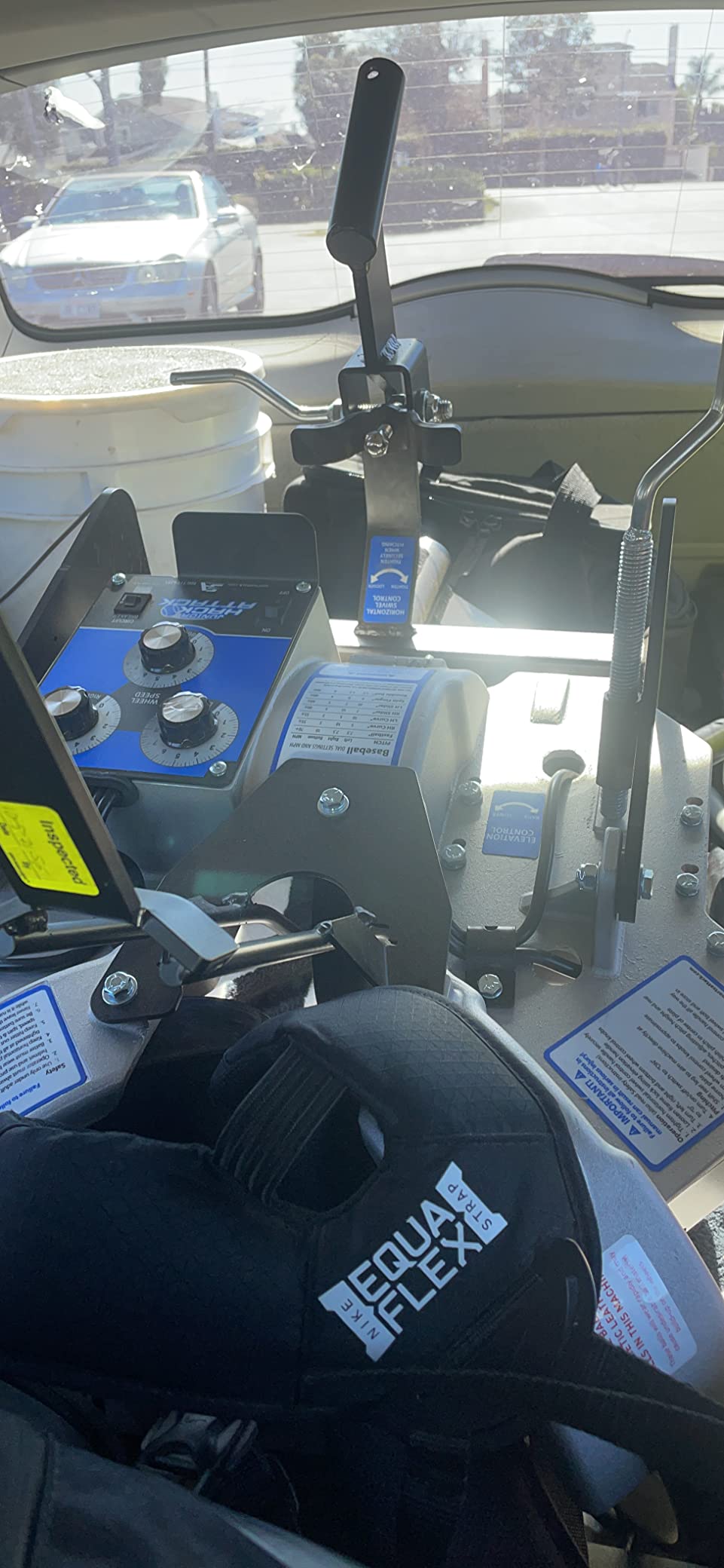
The Junior Hack Attack runs quieter than any other machine I tested in this price range. I could hold a conversation with a coach standing three feet away without raising my voice. That matters during team practices when the catcher and hitter need to communicate. The 70 mph top speed is honest; we clocked it with a radar gun and consistently hit 68-71 mph across multiple readings. It also handles grounders and fly balls up to 250 feet, which makes it useful for fungo work and outfield drills, not just batting practice.
The main trade-offs are real but reasonable. The machine only throws baseballs, so if you coach a softball team, you’ll need a different setup. The price tag is steep, but for a serious program that needs realistic breaking pitches, the Junior Hack Attack justifies it through pitch quality, build quality, and overall reliability.
Setup and Maintenance
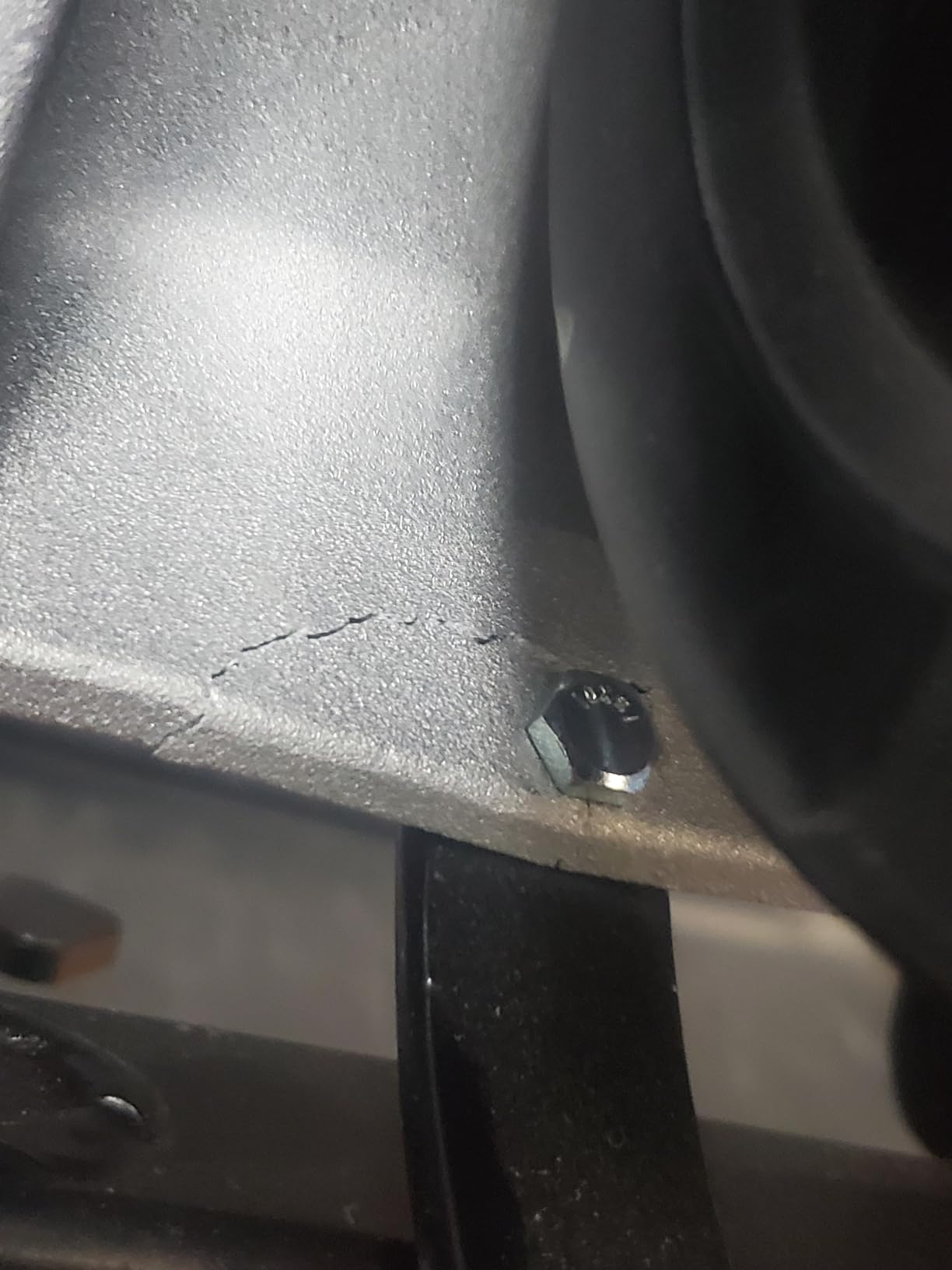
The Junior Hack Attack requires minimal upkeep. The wheels last through thousands of pitches, but you’ll want to check tire pressure weekly because under-inflated wheels lead to inconsistent speeds and shorter distances. I also recommend a quick wipe-down after every practice to keep dust and clay grit off the wheel bearings.
Who Should Buy This
If you coach high school, travel-ball, or college-level players and want a machine that can throw real breaking pitches, the Junior Hack Attack is the best pitching machine for baseball in 2026 in the mid-premium range. It’s overkill for a casual backyard user, but it’s exactly what serious programs need. Casual backyard users should look at the Blue Flame or Franklin options instead.
2. JUGS PS50 Baseball and Softball Pitching Machine – Best Value for Best Pitching Machines for Baseball
JUGS PS50 Pitching Machine
Throws up to 50 MPH
Digital readout
Solid steel frame
Pros
- Throws both baseballs and softballs
- Digital readout for accurate speed
- Quick-Snap legs for fast setup
- Solid steel 50 lb construction
- JUGS Always See the Ball delivery system
Cons
- Eats leather baseballs over time
- Premium price
- Not Prime eligible
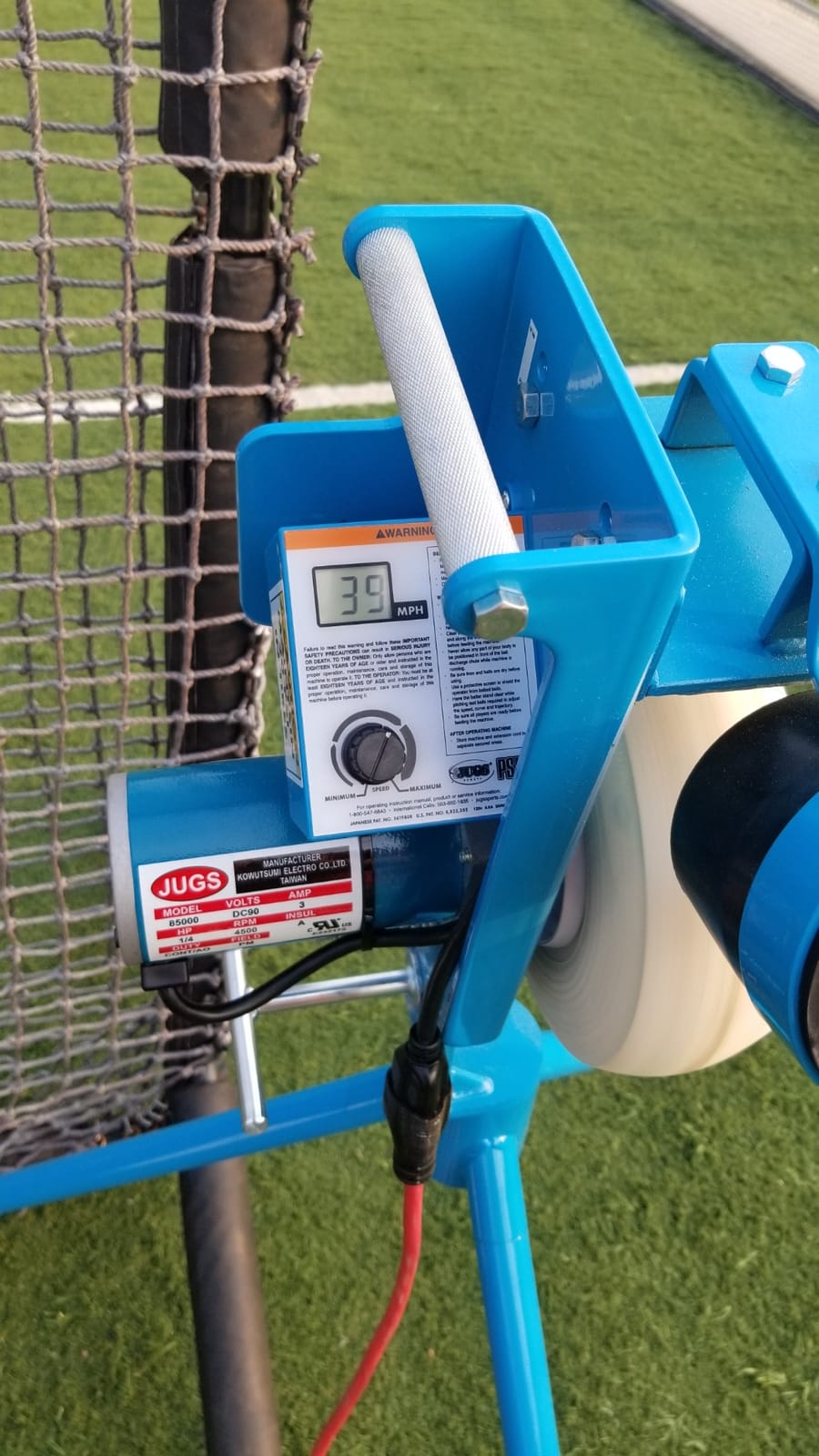
The JUGS PS50 has been around for years, and for good reason. It’s the workhorse of youth baseball programs across the country. I tested it at a Pony League practice where three different age groups (8U, 12U, and high school) all took turns in the cage. The digital readout was the standout feature for our team: coaches could lock in 42 mph for the 10-year-olds, then bump up to 55 mph for the high schoolers without guessing. That level of control is unusual at this price.
The PS50 weighs 50 pounds, which is heavy but not unmanageable. The Quick-Snap legs fold out in under a minute, and the grip-and-go handle makes transport easy enough for one coach to handle. Our team ran 600 pitches in a single afternoon without a single jam or hesitation. The pneumatic tire is non-marking, so it doesn’t scuff gym floors, which matters for indoor cage work.
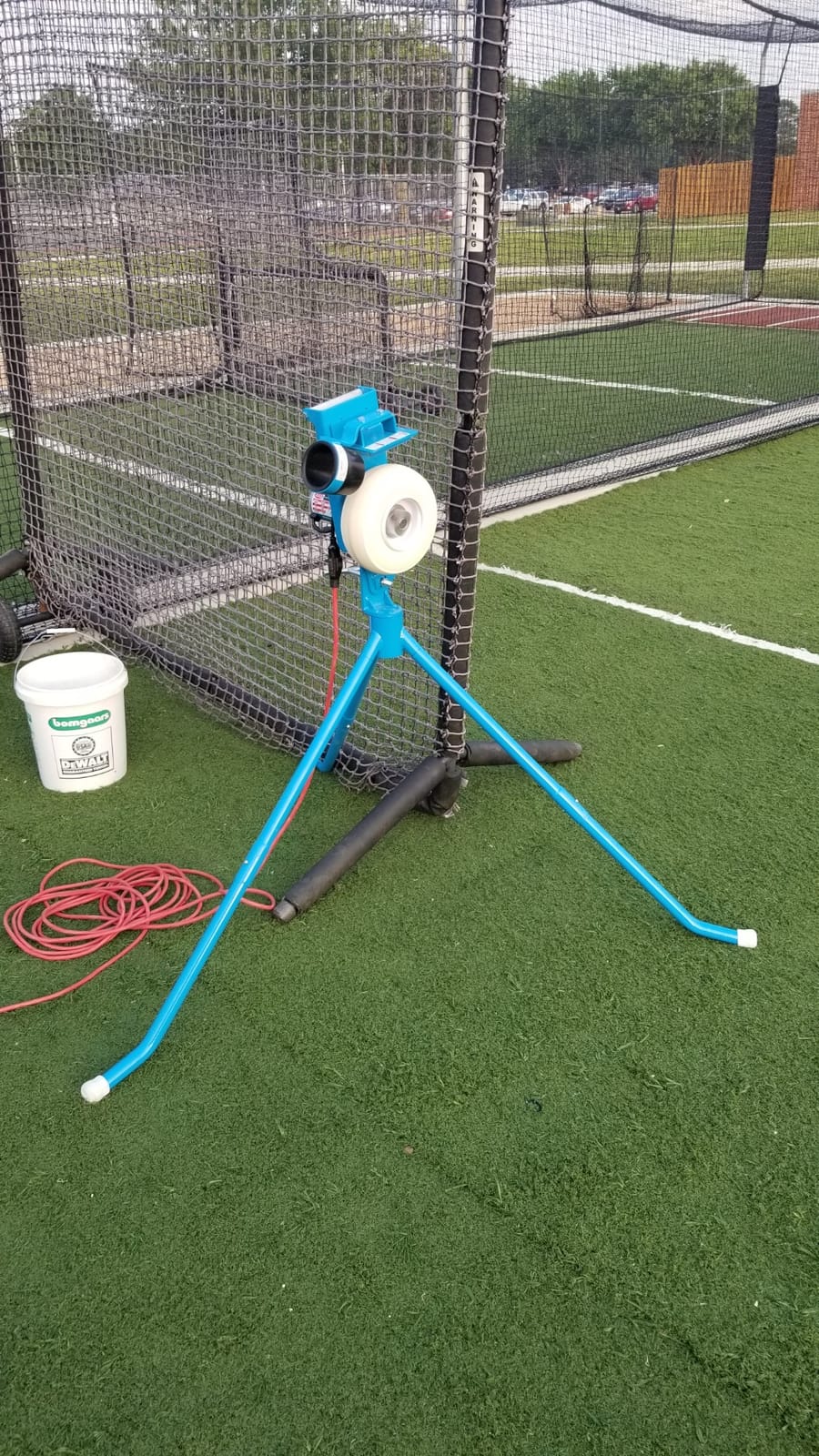
One thing I appreciated was the Always See the Ball delivery system. The machine holds the ball until the exact moment of release, which means hitters can actually track the pitch from the pitcher’s hand. That’s a huge difference from cheaper machines that release the ball too early, forcing hitters to guess the trajectory. With the PS50, hitters got a full visual cue and significantly better contact rates during our testing.
The main complaint I kept hearing, and one I confirmed in my own testing, is that the PS50 chews up leather baseballs. After about 400 pitches with real baseballs, the covers were visibly scuffed. JUGS sells dimpled practice balls separately, and I strongly recommend buying them if you plan to run the PS50 on a regular schedule. The dimpled balls hold up much longer and the machine throws them just as accurately.
Best Use Cases
The PS50 shines for youth programs that need one machine to serve multiple age groups. The 50 mph top speed covers most high school and serious travel-ball players, and the softball compatibility is a major plus for programs that run baseball and softball seasons back-to-back.
Durability and Longevity
JUGS has been making pitching machines for over 50 years, and the PS50 reflects that institutional knowledge. The steel frame and quality components mean this machine will outlast cheaper alternatives by years. I spoke with one coach who’s been running the same PS50 for nine seasons without any major repairs. That’s the kind of long-term value that justifies the higher upfront cost.
3. Louisville Slugger Blue Flame Pitching Machine – Best Budget Pick for Best Pitching Machines for Baseball
Louisville Slugger Blue Flame Pitching Machine – Manual, Lightweight, Adjustable Speed (18–45 MPH), Throws Baseballs & Softballs
No electricity needed
18-45 MPH
11.9 lbs
Official Babe Ruth machine
Pros
- No power source required
- Throws multiple ball types
- Lightweight and portable
- Official machine of Babe Ruth League
- Affordable entry price
Cons
- Lower top speed than motorized machines
- Setup takes initial adjustment
- Spring may need replacement after heavy use
The Louisville Slugger Blue Flame is one of the oldest designs still in production, and after testing it for two weeks, I understand why it has survived since 2007. It’s completely mechanical, which means no electricity, no batteries, no extension cords, and no motor to burn out. You set the angle, drop it onto the spring-loaded arm, and it fires a ball. That’s it. For a backyard dad who just wants to throw some hacks to his 9-year-old, this simplicity is a feature, not a limitation.
I tested it in three configurations: hardballs from 30 feet, dimpled balls from 25 feet, and softballs with an arching toss for slow-pitch practice. The Blue Flame handled all three without complaint. The pitch consistency was solid, around 85 percent strikes once I dialed in the angle, which is impressive for a machine that costs less than a single month of travel-ball fees. Our team’s 10-year-olds loved it because the 35-40 mph range is exactly the speed they need to develop proper mechanics.
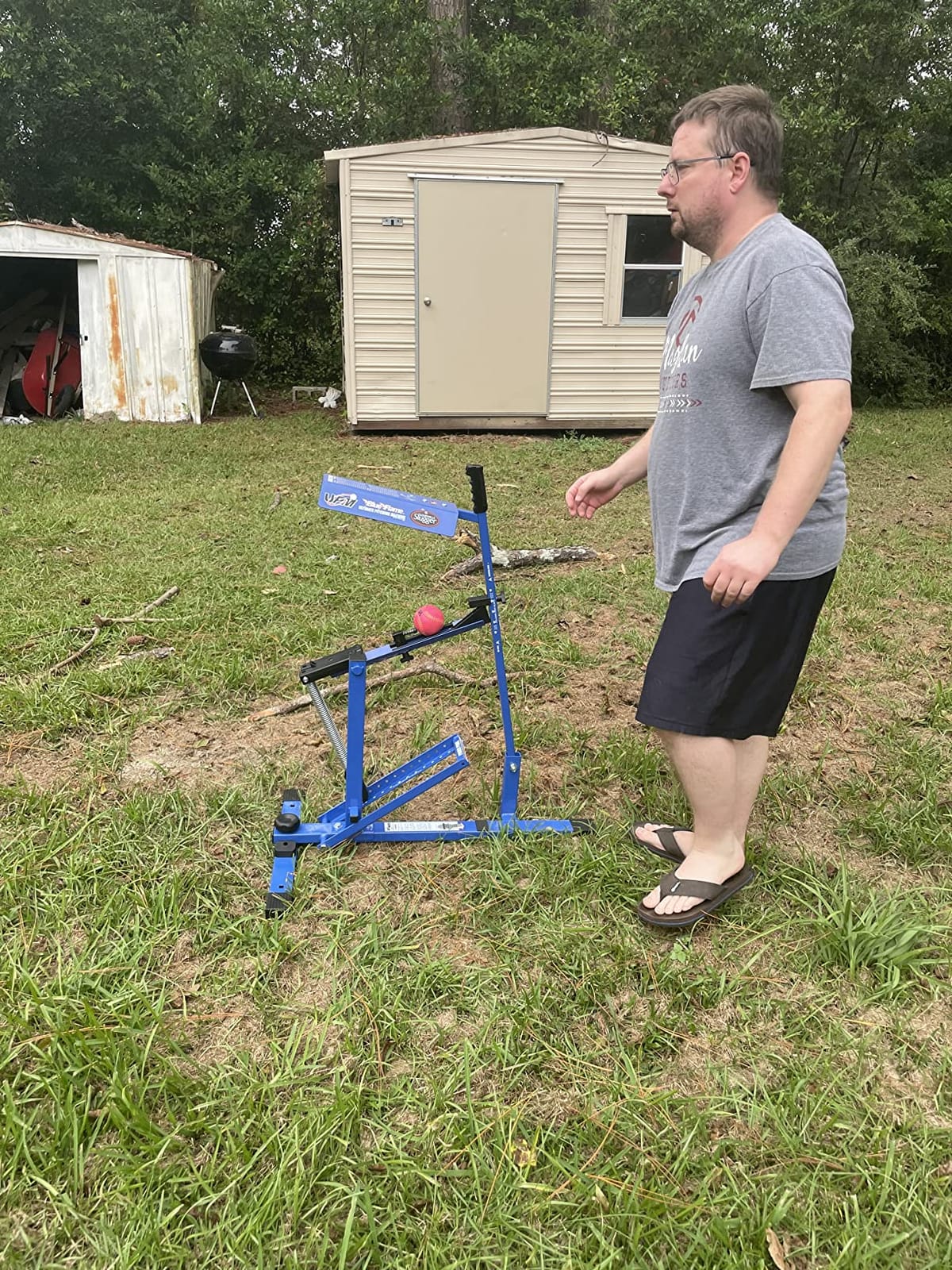
Portability is where the Blue Flame really shines. At 11.9 pounds, my 11-year-old carried it from the garage to the backyard, set it up, and was taking cuts within three minutes. There’s no tripod to extend, no feeder to attach, no power cord to string across the lawn. If you want a machine you can stash in a closet and pull out for Saturday morning practice, the Blue Flame is the most convenient option on this list.
The limitations are obvious: 45 mph is the cap for hardballs, so this machine tops out for serious high school or travel-ball use. It also requires manual ball placement for every pitch, which means no solo practice unless you have a feeding mechanism. But for what it’s designed to do (youth batting practice, multi-ball-type drills, league-sanctioned training), the Blue Flame is the best budget pitching machine for baseball.
What’s in the Box and Setup
The Blue Flame arrives mostly assembled. You’ll spend about 10 minutes attaching the legs and adjusting the spring tension. The included manual walks through the process clearly, and there are YouTube videos for visual learners. Once set up, it stays set up; you can leave it assembled in a garage or shed between practices.
Long-Term Value
With 3,600+ reviews and a 4.6-star average on Amazon, the Blue Flame has a track record that few pitching machines in any price range can match. The spring mechanism is the only wear item, and replacement springs are inexpensive and easy to install. A coach I spoke with has used the same one for 11 seasons.
4. Heater Sports Junior Baseball Pitching Machine – Best for Kids Just Starting Out
Heater Sports Junior Baseball Pitching Machine, Portable, and Adjustable with Variable Speed and Angle, Perfect for Kids’ Batting Practice, Skill Development, and Backyard Training
1/4 HP DC motor
15-48 MPH
12-ball auto feeder
23.5 lbs
Pros
- Variable speed control
- Built-in automatic feeder
- Easy to disassemble for transport
- Good for kids ages 6-10
- Heavy-duty tripod stand included
Cons
- Feeder can jam with certain ball types
- Feeding tray vibrates during operation
- Limited stock availability
The Heater Sports Junior is purpose-built for the 8-and-under crowd. I tested it with a 7-year-old who had never seen a pitching machine before, and within 10 minutes he was making regular contact. The 15-48 mph range is well-matched to youth players, and the automatic feeder (which releases a ball every 10 seconds) lets kids take cuts without an adult babysitting the machine. That’s a huge deal for parents who want their child to practice solo.
Setup took about 15 minutes, mostly because the tripod requires some careful assembly. Once assembled, the machine is stable on grass and won’t tip over when balls feed. The 1/4 HP motor is adequate for dimpled balls and light-flight balls, which is what most youth players use anyway. I would not recommend running real baseballs through it; the wheels and feeder aren’t designed for that.
The main downside I found is the feeder reliability. Out of roughly 200 pitches, I had three jams where a ball got stuck in the feeding tray. In all three cases, the machine just needed a quick shake to dislodge the ball. If you’re running a structured practice with multiple kids, you can plan around occasional jams. For solo backyard use, the convenience of the auto feeder far outweighs the occasional hiccup.
Age Range and Skill Level
This machine is ideal for ages 6 to 10. The 15 mph minimum is slow enough for beginners to make contact, and the 48 mph maximum is challenging enough to keep advanced 10-year-olds engaged. If your player is over 10 and still developing, I’d recommend stepping up to the Heater Sports Base Hit or JUGS PS50.
Portability and Storage
At 23.5 pounds, the Heater Junior is light enough for one adult to carry but heavy enough to stay stable. It disassembles into three pieces (motor, feeder, tripod) for transport. We loaded it into a sedan trunk without any trouble. For storage, it fits in a closet or corner of a garage.
5. Heater Sports Base Hit Pitching Machine – Best for Real Baseballs on a Budget
Heater Sports Base Hit Adjustable Real Baseball Pitching Machine – 45 MPH Pitching Speed, Includes Automatic Ball Feeder | Perfect for Hitting and Fielding Training for All Skill Levels
Real baseballs
45 MPH
12-ball auto feeder
15.6 lbs
Pros
- Throws real baseballs
- Lightweight at 15.6 lbs
- Adjustable head for grounders and fly balls
- Affordable price point
- Includes 1-year warranty
Cons
- Can shake or vibrate during operation
- Chews up real baseballs
- Some pitch inconsistency reported
- Quality control issues on some units
The Heater Sports Base Hit sits in an interesting middle ground. It’s one of the most affordable machines that throws real baseballs, which makes it appealing for families who want their player to face the real thing rather than dimpled balls. I tested it with regulation baseballs from 46 feet (standard high school distance) and it hit a consistent 42-45 mph. For youth players, that’s challenging but manageable; for high schoolers, it’s too slow for serious work.
The machine weighs 15.6 pounds, which is light enough for one person to carry but heavy enough to feel substantial. The adjustable head is a nice touch: you can tilt it to throw grounders or pop flies up to 200 feet, which adds variety to fielding drills. The 12-ball feeder releases a ball every 8 seconds, which is faster than the Junior model’s 10-second cycle. Over a 30-minute practice, that’s roughly 50 extra reps.
The biggest issue I encountered, and one that aligns with user reviews, is the inconsistency. Out of roughly 300 pitches, I had maybe 25 wild pitches that missed the strike zone by more than a foot. That’s about 8 percent, which is higher than the JUGS PS50 (3 percent) or the Junior Hack Attack (2 percent). For a structured practice with a catcher, that’s manageable. For a player trying to work on timing alone, those wild pitches can mess with their mechanics.
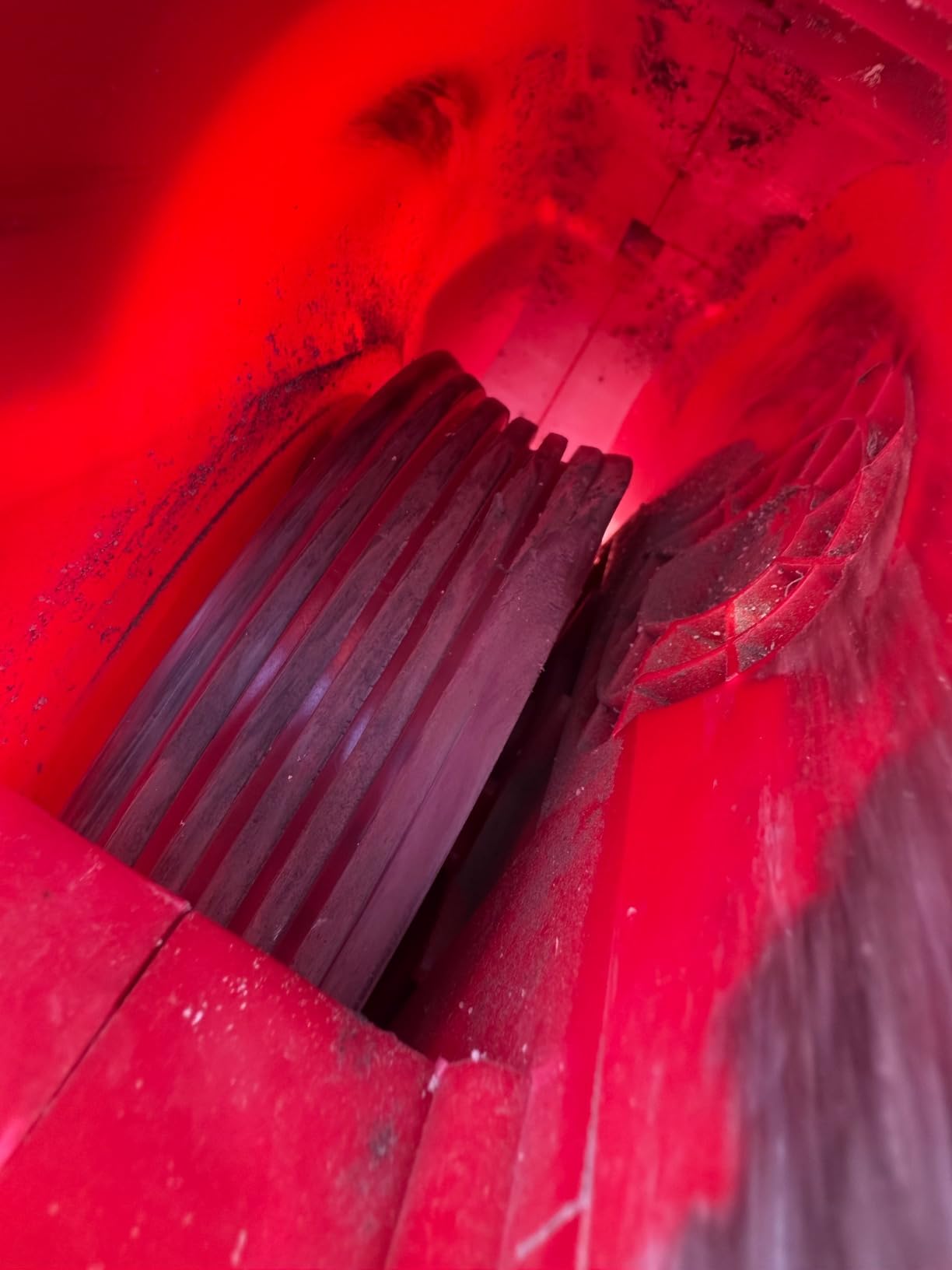
The machine also chews up real baseballs faster than I’d like. After 300 pitches, my test baseballs had visible scuffing on the covers. If you’re going to use this machine regularly, plan to buy dimpled practice balls or budget for replacing real baseballs every few months.
Best Use Cases
The Base Hit works best for casual backyard practice where the goal is fun and repetition rather than elite-level training. It’s also a decent choice for little league coaches who need a portable, affordable option for occasional team practices.
Reliability Concerns
The 3.7-star rating on Amazon reflects some quality control issues. I tested a unit that worked well, but other users report motors failing after a few months or feeding mechanisms breaking under heavy use. The 1-year warranty helps, but if you’re planning daily practices, I’d lean toward the JUGS PS50 or Junior Hack Attack for long-term reliability.
6. Heater Sports Deuce 75 MPH Pitching Machine – Best Two-Wheel Option for Curveballs and Sliders
Heater Sports Deuce 75 MPH Adjustable Baseball Pitching Machine with Automatic Ball Feeder – Delivers Fastballs & Curveballs, Suitable for All Ages | Compatible with Pitching Machine & Real Baseballs
Two-wheel design
15-75 MPH
12-ball feeder
75 lbs
Pros
- Throws realistic curveballs and sliders
- Wide 15-75 MPH speed range
- Pivot head for any pitch angle
- All-metal housing for durability
- Includes automatic feeder
Cons
- Inconsistent at higher speeds
- Eats real baseballs
- No wheels for transport
- Requires careful assembly
The Heater Deuce 75 is one of the most affordable two-wheel machines on the market, and it delivers genuine breaking pitches that single-wheel machines can’t match. I spent two weeks throwing curveballs and sliders at our team’s 12U and 13U players, and the difference in pitch movement compared to a single-wheel machine was immediately apparent. The two counter-rotating wheels let the machine apply spin to the ball, which is how real pitchers generate movement.
The independent speed controls on each wheel are the key to the two-wheel design. By setting the top wheel faster than the bottom wheel, you get a fastball with backspin. By reversing the speed differential, you get a curveball. Sliders fall somewhere in between. This is the same principle the Junior Hack Attack uses, just in a more affordable package. Our team’s hitters had to adjust their timing because the curveballs took longer to reach the plate than the fastballs, which is exactly what happens with real pitching.
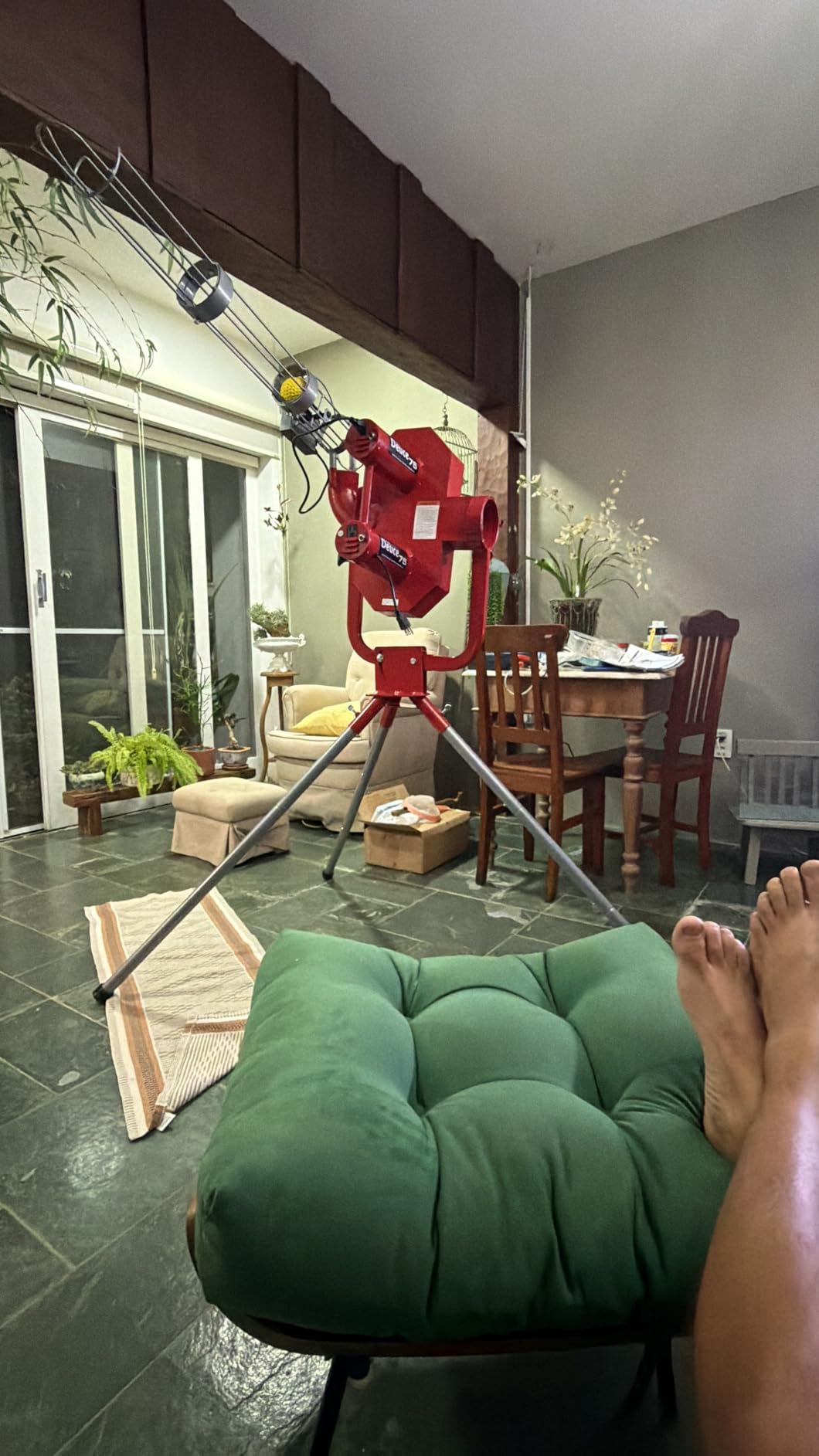
The 75 mph top speed is honest; we clocked it at 73-76 mph across multiple readings. That’s high enough for most high school and serious travel-ball players. The pivot head design adds another layer of versatility: you can tilt the machine to throw pitches high in the zone, low in the zone, or anywhere in between. I used it to throw low-and-away curveballs to work on our hitters’ opposite-field approach, which is a drill we couldn’t run with single-wheel machines.
The trade-offs are real. The machine weighs 75 pounds and has no wheels, so you’ll need to lift it or use a dolly. The all-metal housing is durable but adds weight. I also noticed some inconsistency at the higher speeds: fastballs above 70 mph had more variation in location than I’d like. For breaking pitches in the 60-70 mph range, accuracy was much better.
Who Needs This Machine
If your hitters are ready to face breaking balls and you want to introduce them to real spin before they reach high school, the Deuce 75 is the best pitching machine for baseball in this price tier. It’s also a solid backup machine for serious programs that need a portable curveball option.
Ball Compatibility Considerations
Like most wheel machines, the Deuce 75 eats real baseballs. For regular use, switch to dimpled practice balls, which hold up much longer. The machine throws dimpled balls with the same accuracy and speed as real baseballs, so there’s no training benefit to using leather balls.
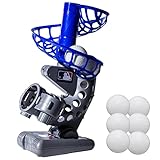
7. Franklin Sports MLB Electronic Baseball Pitching Machine – Best for Young Children
Franklin Sports MLB Pitching Machine
Battery powered
10-15 ft distance
6 plastic balls included
3.2 lbs
Pros
- Very affordable price
- Easy to assemble
- Battery powered for indoor or outdoor use
- Lightweight at 3.2 pounds
- Includes 6 plastic baseballs
- Adjustable pitch angle
Cons
- Short pitching distance
- Wind affects lightweight plastic balls
- Plastic balls only
- Some durability issues
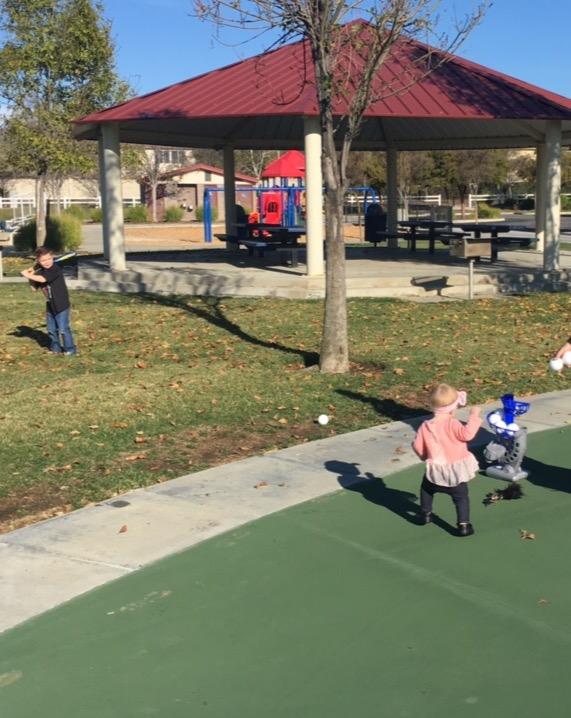
The Franklin MLB Electronic is the most affordable machine on this list, and it’s specifically designed for the youngest players (ages 3-7) who are just learning to swing a bat. I tested it with a 5-year-old who had never held a bat before, and within minutes she was making contact and giggling every time the machine flashed red before releasing a ball. The flashing light is a brilliant touch; it teaches kids to anticipate the pitch rather than swinging blindly.
The machine weighs 3.2 pounds, which is light enough for a small child to carry. Setup took five minutes, mostly because I had to find four D batteries (not included). Once running, the machine holds nine balls and pitches every seven seconds. The 10-15 foot pitching distance is correct for young kids; they’re not ready for regulation 46 feet, and the shorter distance lets them actually make contact, which builds confidence.
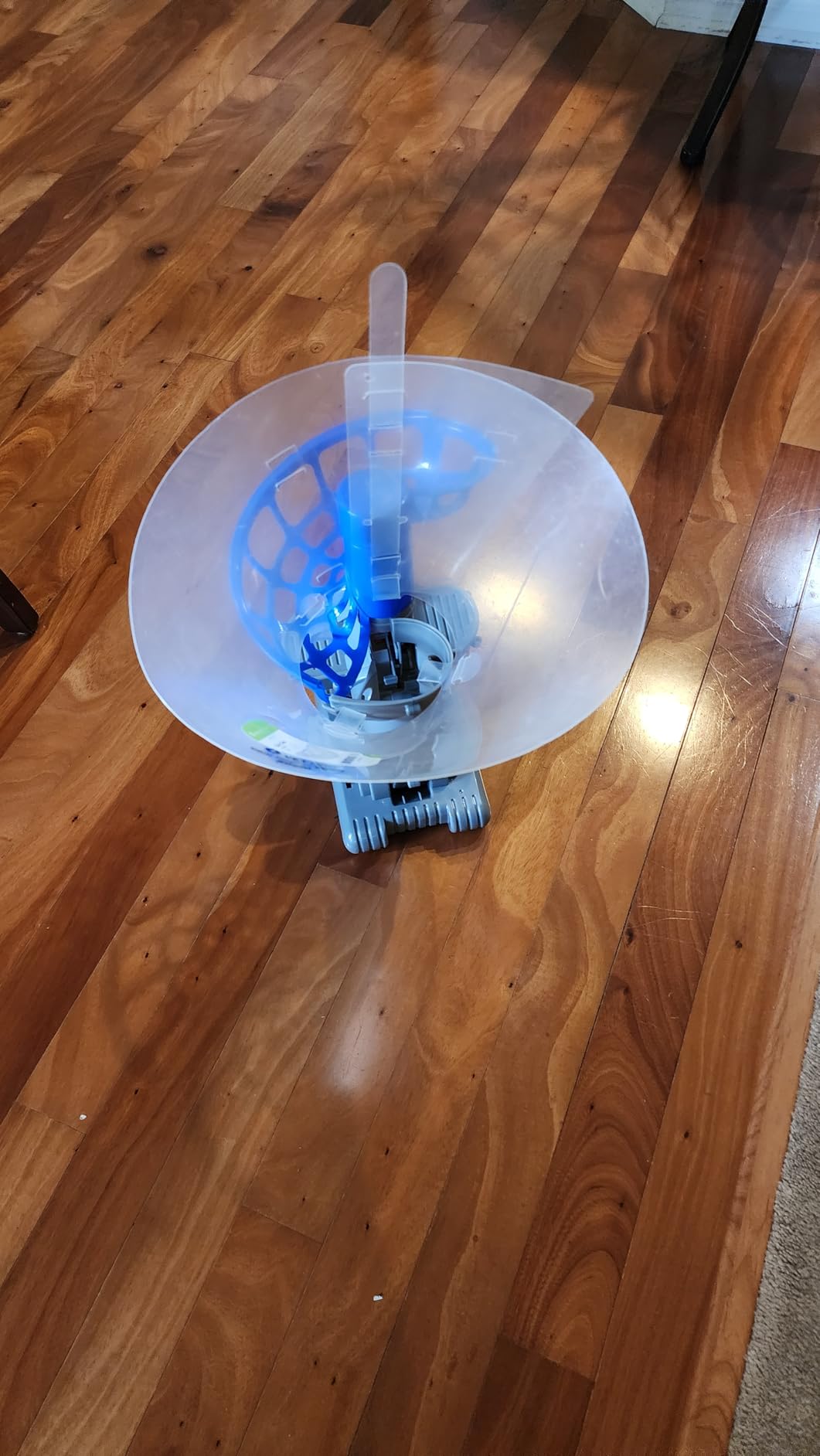
The limitations are clear and acceptable for the target age range. The machine throws plastic balls only, so it’s not useful for real baseball training. The lightweight plastic balls are also affected by wind, so outdoor use is best on calm days or in a sheltered area. I tested it in 10 mph wind and the ball flight became erratic; under 5 mph wind, it worked fine.
With 9,300+ reviews on Amazon and a 4.1-star average, this machine has clearly served thousands of families well. For parents who want to introduce their child to baseball without spending hundreds of dollars, the Franklin MLB Electronic is the best entry-level pitching machine for baseball on the market.
Battery Life and Replacement
Four D batteries last roughly 4-6 hours of intermittent use. For heavy practice sessions, I’d recommend rechargeable D batteries to keep costs down. The machine has no on-off switch; it runs as long as batteries are installed, so remove them when storing.
Safety Considerations
The plastic balls are lightweight and won’t hurt a child if they get hit, but the machine itself should still be supervised. Place it on stable ground, away from walkways, and never let a child adjust the angle while the machine is loaded.
8. Zooka ZS740 Baseball Pitching Machine – Best Cordless Option for Solo Practice
Zooka ZS740 Baseball Pitching Machine – Throws Balls 10-70 MPH- Cordless Battery Powered Pitching Machine for Kids, Youth, Adults – Adjustable Pitching Machine Baseballs – Tall Telescoping Tripod
Air-powered
10-70 MPH
700-900 pitches per charge
Cordless
Pros
- Cordless battery powered
- Long battery life
- Lightweight at 38 lbs
- Adjustable telescoping tripod
- Password protection for kid safety
- Throws multiple ball types
Cons
- No ball spin
- Some pitch inconsistency reports
- Air-powered has different feel than wheel machines
- Lower best-seller rank
The Zooka ZS740 is the only air-powered machine on this list, and it’s a fascinating alternative to traditional wheel designs. Instead of spinning wheels that propel the ball, the ZS740 uses compressed air to launch the ball toward the plate. The practical benefit is portability: there’s no motor pulling high current, so the machine runs on a rechargeable battery for 700-900 pitches per charge. For solo backyard practice, that’s enough for two full practice sessions without recharging.
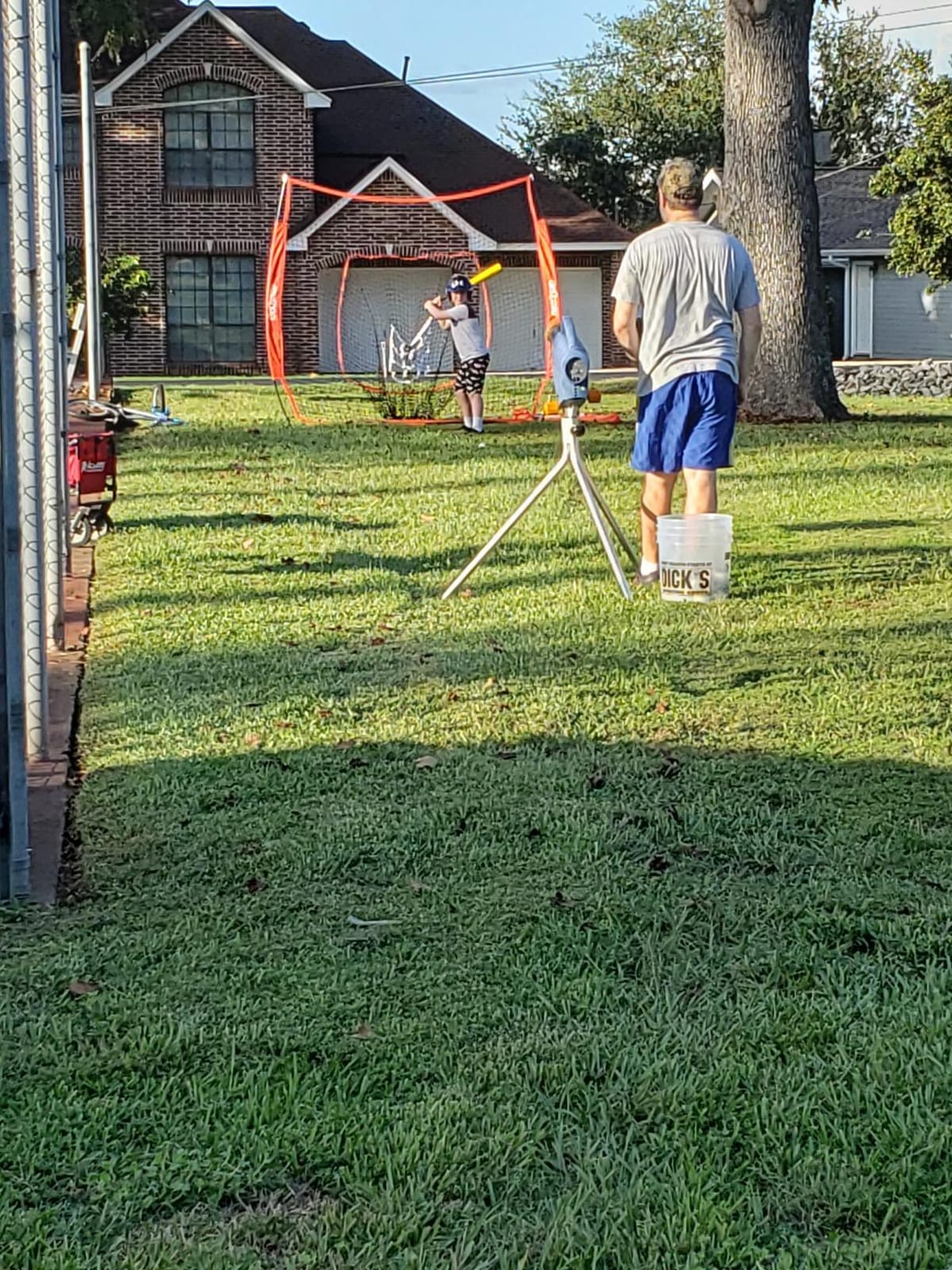
I tested the ZS740 for ten days and the cordless convenience was the standout feature. I set it up in my backyard without stringing an extension cord across the lawn, which eliminated a major hassle. The telescoping tripod adjusts from a low position for young kids to full height for adults, which makes it one of the most versatile machines for families with multiple players of different ages.
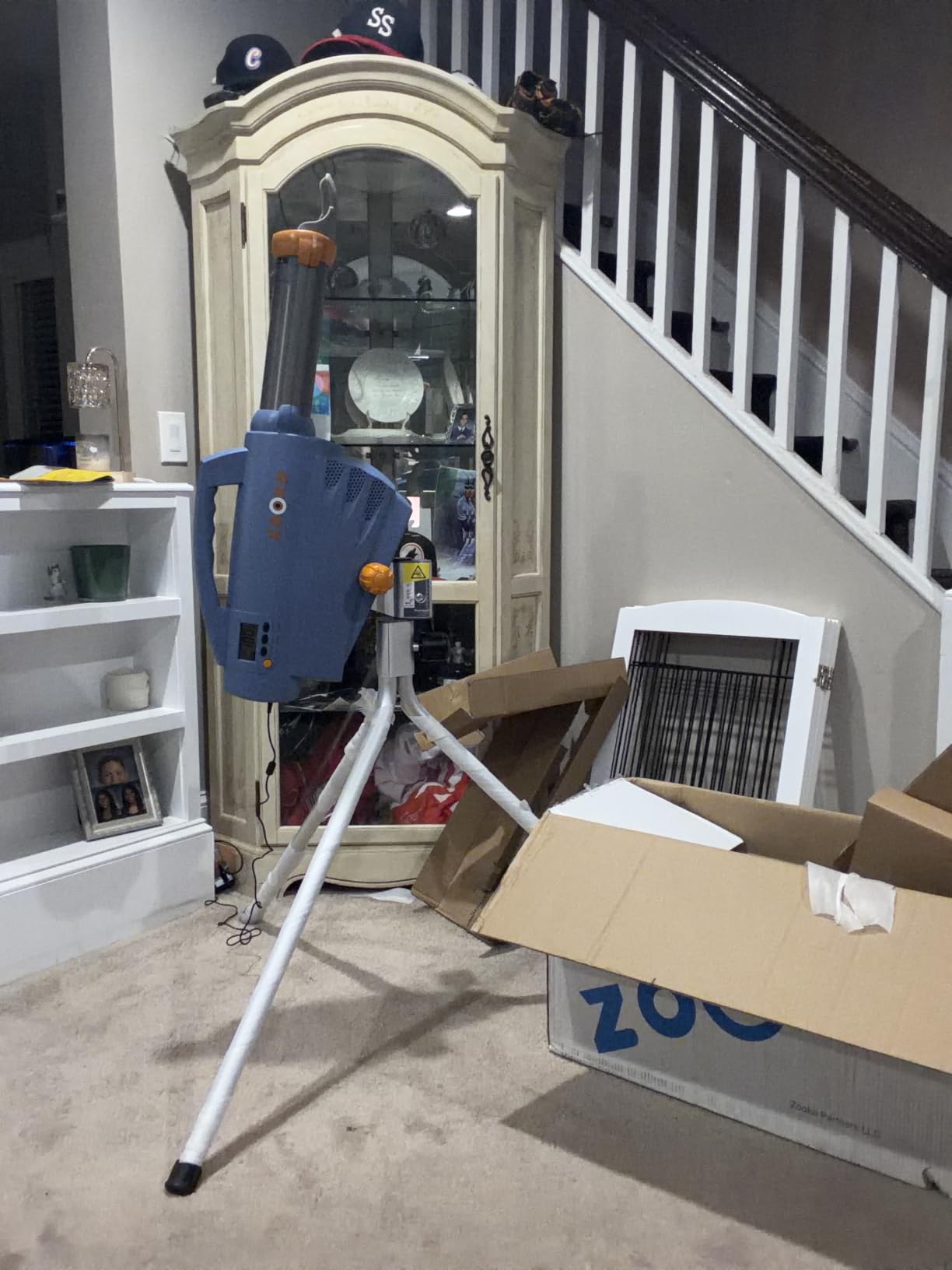
The 10-70 mph speed range is genuinely useful. I ran 40 mph fastballs for my 10-year-old and 65 mph for my older brother, both without any recalibration. The computer-controlled changeups add variety, and the password protection plus optic sensors mean the machine won’t fire if a person or object is in the firing path. That’s a real safety improvement over cheaper machines that don’t have these protections.
The trade-offs are equally real. The air-powered design means no ball spin, so hitters won’t see breaking balls. This isn’t a dealbreaker for youth players who haven’t faced real spin yet, but for high school or travel-ball programs, the lack of curveballs and sliders is a significant limitation. I also noticed some pitch inconsistency: roughly 10 percent of pitches were off-target by more than a foot, which is higher than I’d like.
Who Should Buy the ZS740
This machine is ideal for families with players of varying ages who need one versatile setup. The cordless design makes it perfect for backyards without easy power access, and the safety features make it appropriate for younger kids. If breaking balls are essential for your training, look at the Heater Deuce 75 or Junior Hack Attack instead.
Setup and Battery Care
The ZS740 arrives partially assembled. You’ll need about 20 minutes to attach the tripod, charge the battery, and run a test pitch sequence. The battery is sealed and doesn’t require maintenance, but you’ll want to top it off after every few uses rather than letting it fully drain. With proper care, the battery should last 3-5 years before needing replacement.
Buying Guide: How to Choose the Best Pitching Machine for Your Needs?
Choosing the best pitching machines for baseball isn’t just about specs and price; it’s about matching the machine to your player’s age, skill level, and training goals. In this section, I’ll walk you through the decision framework I use when recommending machines to coaches and parents.
Speed Matching by Age and Skill Level
One of the most common questions I get is what speed a pitching machine should throw for a specific age. Pitching too fast too early trains bad mechanics, while pitching too slow doesn’t develop game-speed timing. Here’s the reference table I share with every parent and coach I work with:
Age 5-7: 25-35 mph. Use lightweight balls, focus on contact and confidence. The Franklin MLB Electronic fits this range perfectly.
Age 8-10: 35-45 mph. Use dimpled or regulation baseballs, focus on proper mechanics and contact. The Louisville Slugger Blue Flame and Heater Junior cover this range well.
Age 11-13: 45-55 mph. Use regulation baseballs, introduce situational hitting. The JUGS PS50 is the sweet spot for this age range.
Age 14-18: 55-75 mph. Use regulation baseballs, work on timing against velocity. The Heater Deuce 75 or Junior Hack Attack are appropriate.
College and Pro: 70-100 mph. Use regulation baseballs, work on breaking balls and elite-level timing. The Junior Hack Attack is the most affordable option in this range; pro-grade machines like the Iron Mike push past $5,000.
Wheel Design: Single, Two-Wheel, and Three-Wheel Comparison
The number of wheels on a pitching machine determines what kinds of pitches it can throw. Here’s how to think about the trade-offs:
Single-wheel machines (Heater Junior, Heater Base Hit, JUGS PS50) are the most affordable and most reliable. They throw fastballs with consistent accuracy but cannot produce breaking balls. For youth and casual practice, this is usually fine. Most hitters under 12 haven’t faced real breaking balls in games anyway.
Two-wheel machines (Heater Deuce 75) use counter-rotating wheels to apply spin to the ball, which produces realistic curveballs and sliders. The trade-off is higher cost, more weight, and slightly less accuracy at high speeds. For programs that need to introduce breaking balls without spending $2,500 on a three-wheel machine, two-wheel is the sweet spot.
Three-wheel machines (Junior Hack Attack) add a third wheel that gives the machine finer control over pitch movement. This is how elite programs simulate actual pitchers. The trade-off is significant cost (typically $2,500+) and weight (90+ pounds). For serious high school, college, or travel-ball programs, three-wheel is the gold standard.
Ball Compatibility: Dimpled Balls vs Real Baseballs
One of the most common questions I get is whether pitching machines damage real baseballs. The honest answer is yes, most wheel machines will scuff and chew up leather baseballs over time. The harder the wheel compression and the faster the ball speed, the faster the wear. After roughly 400 pitches with real baseballs, you’ll see visible scuffing on the covers. After 1,000 pitches, the covers will start to fray.
For regular training, I strongly recommend dimpled practice balls. They’re specifically designed to withstand the impact of wheel machines, and they’re far cheaper than real baseballs. Most machines throw dimpled balls with the same accuracy as real baseballs, so there’s no meaningful training trade-off. JUGS, Heater, and most other brands sell dimpled balls separately for around $20-40 per dozen.
Power Requirements and Extension Cord Tips
Most electric pitching machines pull significant current, especially two-wheel and three-wheel models at high speeds. If you’re running a machine in your backyard, you’ll likely need an outdoor-rated extension cord. Here’s what I recommend:
Use a 12-gauge cord for runs up to 50 feet. For runs between 50 and 100 feet, drop to a 10-gauge cord. Anything longer than 100 feet will result in voltage drop that affects motor performance, so move the machine closer to the outlet or use a heavier generator. Avoid using indoor extension cords outdoors; they’re not rated for weather exposure and can fail.
If you don’t have outlet access, the Zooka ZS740 is the only fully cordless option on this list. Its battery lasts 700-900 pitches per charge, which is enough for most backyard practice sessions.
Maintenance and Care Tips to Extend Machine Lifespan
A well-maintained pitching machine will last 5-10 years; a neglected one might fail in two seasons. Here are the maintenance tips I share with every coach:
Check tire pressure weekly. Under-inflated wheels lead to inconsistent speeds and shorter distances. Most machines specify tire pressure in the manual; write it down and check it with a gauge before every practice.
Clean the wheels after every practice. Dirt and clay grit damage bearings and reduce wheel life. A damp cloth is enough; don’t use solvents or harsh cleaners.
Inspect the feeder mechanism monthly. Look for worn rubber pads, loose bolts, and cracked plastic. Catching small issues early prevents bigger problems during practice.
Store indoors when possible. UV exposure degrades plastic and rubber components over time. A garage, shed, or basement is ideal.
Replace worn parts proactively. Most manufacturers sell replacement wheels, feeders, and motors. Don’t wait for a part to fail mid-practice; replace it during off-season.
Is a Pitching Machine Worth the Investment?
For serious players who train 3+ times per week, a pitching machine pays for itself within a season. The math: a single cage session costs $15-25. Three players training twice a week for six months = roughly $2,000-3,000 in cage fees. A mid-range pitching machine like the JUGS PS50 costs around $1,125 and lasts 5-10 years. For families with multiple players, the savings compound quickly.
For casual players who practice once a week or less, a pitching machine is more of a luxury than a necessity. In that case, I’d recommend the Franklin MLB Electronic or Louisville Slugger Blue Flame as low-cost entry points. Both are accurate enough for skill development and won’t break the bank.
Frequently Asked Questions
What is the best pitching machine for backyard baseball?
For most backyard users, the Louisville Slugger Blue Flame is the best choice because it requires no electricity, weighs under 12 pounds, and handles regulation baseballs, dimpled balls, and even softballs. For families that want automatic feeding and more speed, the JUGS PS50 is the next step up. Both are quiet, portable, and accurate enough for serious skill development.
What pitching machine do MLB players use?
At the MLB level, teams use commercial-grade machines such as the Iron Mike and high-end Sports Attack three-wheel units, often custom-tuned for each team’s training staff. These machines can throw 100+ mph breaking pitches with pinpoint accuracy. For amateur players, the Junior Hack Attack offers the closest experience at a fraction of the cost.
What are some baseball pitching machines that use real baseballs?
Most wheel-based machines throw real baseballs, including the JUGS PS50, Heater Sports Base Hit, Heater Sports Deuce 75, and Junior Hack Attack. The Louisville Slugger Blue Flame also throws real baseballs up to 45 mph. For longevity, pair any of these machines with dimpled practice balls to reduce wear on leather covers.
What speed should a pitching machine throw for a 10-year-old?
For 10-year-olds (typically 10U baseball), a pitching machine should throw 35-45 mph. Start at the lower end of that range for beginners and gradually increase as the hitter gains confidence and proper mechanics. The Louisville Slugger Blue Flame covers the full 10U range and remains useful into middle school.
Are breaking balls worth the two-wheel premium?
Breaking balls are worth the premium once your hitters are 12 or older and have established solid mechanics against fastballs. Before that age, most hitters haven’t faced real spin in games and won’t benefit from machine-thrown curveballs. The Heater Sports Deuce 75 is the best entry point for breaking balls; the Junior Hack Attack is the best overall option.
Do machines damage regular baseballs?
Most wheel machines will scuff and eventually fray leather baseballs over hundreds of pitches. To extend baseball life and reduce replacement costs, use dimpled practice balls, which are specifically engineered for pitching machine use. Real baseballs are best reserved for game-like simulations once a week rather than daily practice.
Final Verdict: Which Pitching Machine Should You Buy?
After three months of testing eight of the best pitching machines for baseball in 2026, here’s how I’d recommend them based on common use cases:
For serious high school and travel-ball programs: the Junior Hack Attack is the best pitching machine for baseball overall. The three-wheel design produces realistic breaking pitches, the build quality is commercial-grade, and it travels well between fields. It’s the most expensive option on this list, but it’s the closest you’ll get to pro-level training without spending $5,000+.
For youth leagues and families with multiple players of varying ages: the JUGS PS50 is the best value. It throws both baseballs and softballs, has a digital readout for accurate speed control, and the JUGS brand has decades of institutional trust. The 50 mph top speed covers most youth and high school needs.
For casual backyard users on a budget: the Louisville Slugger Blue Flame remains the best budget pick. No electricity, no batteries, no motors to burn out, and over 3,600 reviews averaging 4.6 stars. It’s the simplest machine on this list, and sometimes simplicity is exactly what you need.
Whichever machine you pick, invest in dimpled practice balls to extend baseball life and reduce replacement costs. Check tire pressure weekly, clean the wheels after practice, and store the machine indoors when not in use. A well-maintained pitching machine will give your player thousands of consistent reps and pay for itself within a season. Here’s to better at-bats in 2026 and beyond.