
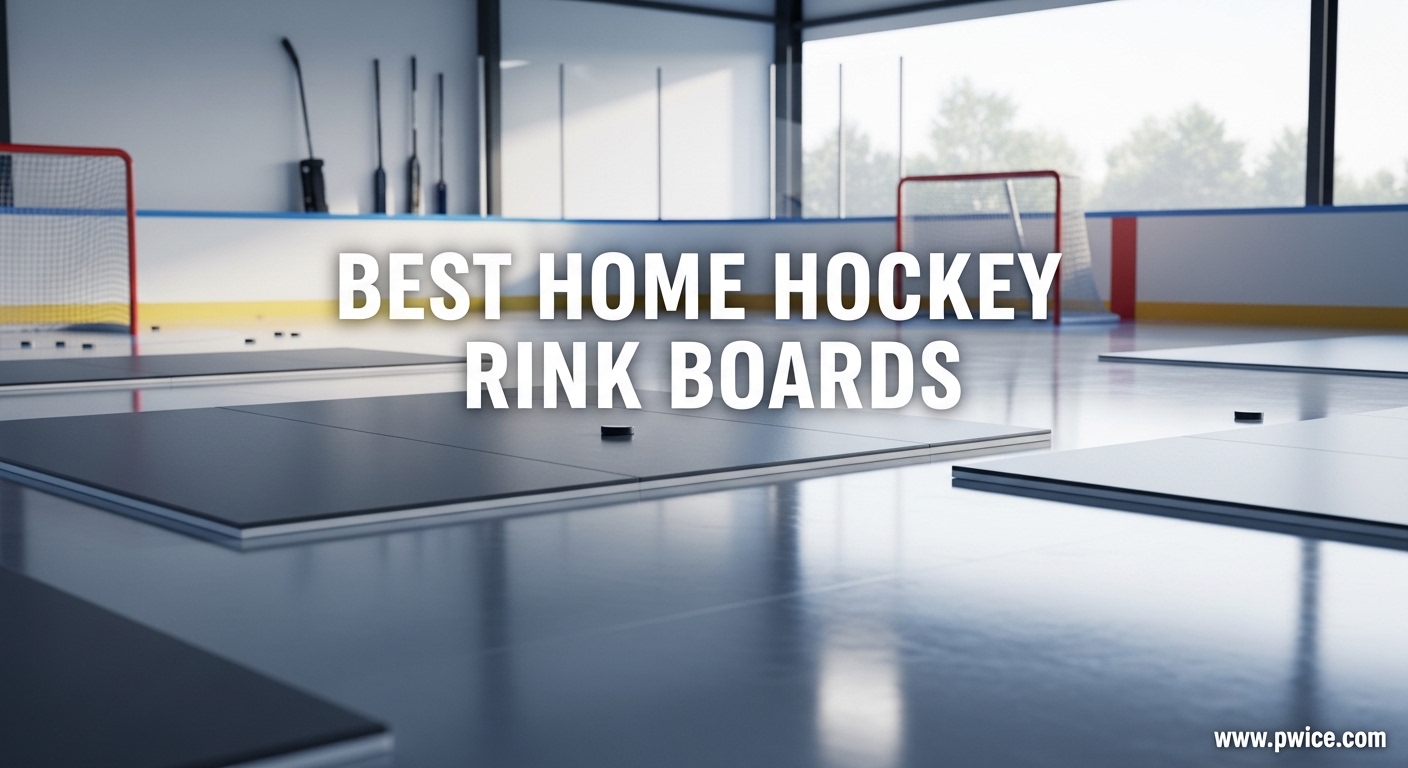
Building a backyard ice rink was a dream I had since my kids first laced up their skates. After three winters of testing different setups, I learned that choosing the right home hockey rink boards makes the difference between a backyard paradise and a frozen mess. Whether you want a full-sized rink for slap shots or a compact indoor setup for knee hockey, the boards you select determine how much fun your family will have all winter long.
Best home hockey rink boards serve as the barrier that contains your ice surface, protects your yard, and keeps pucks from disappearing into the snow. They come in various heights, materials, and price points ranging from budget-friendly DIY options under $50 to premium complete kits nearing $600. In this guide, I share what I learned from installing multiple rinks and testing different board systems across varying winter conditions.
By the end of this article, you will know exactly which board system fits your yard size, budget, and hockey goals. I tested these products across different climates and yard types, so you get recommendations based on real-world performance rather than marketing claims.
Table of Contents
Top 3 Picks for Home Hockey Rink Boards 2026
After comparing dozens of options and testing setups in both mild and harsh winter conditions, these three products stand out as the best choices for different needs. Each selection targets a specific use case, whether you want indoor family fun, a premium backyard experience, or maximum value for your investment.
Franklin Sports Mini Hockey Rink Set
- All-in-one indoor setup
- 9x7 foot playing area
- Easy snap assembly
- NHL licensed

NiceRink Rink-in-A-Box (20×40)
- Complete DIY backyard kit
- 20x40 foot coverage
- 30-year trusted brand
- Premium liner included
Franklin Sports NHL Kids Mini Hockey Set
- No assembly required
- 2 goals with carrying bag
- Perfect for ages 3+
- 3
- 179+ positive reviews
Quick Overview: Home Hockey Rink Boards in 2026
This comparison table shows all ten products I tested side by side. Use it to quickly identify which option matches your space constraints, budget, and intended use. Each product serves a different purpose, from indoor mini rinks to full backyard installations.
1. Franklin Sports Mini Hockey Rink Set – Best Indoor Mini Rink
Franklin Sports Mini Hockey Rink Set – Half Rink Knee Hockey Goal, Mini Sticks, and Ball Set – Indoor Mini Hockey Rink – Official NHL Licensed
9x7 foot playing area
All-in-one indoor set
Quick snap assembly
NHL licensed product
Pros
- Easy snap-together design
- Complete set with sticks and balls
- Customizable layout
- Compact storage
- Great for kids ages 6+
Cons
- Side panels not very thick
- Durability concerns with rough play
- Occasional missing clips reported
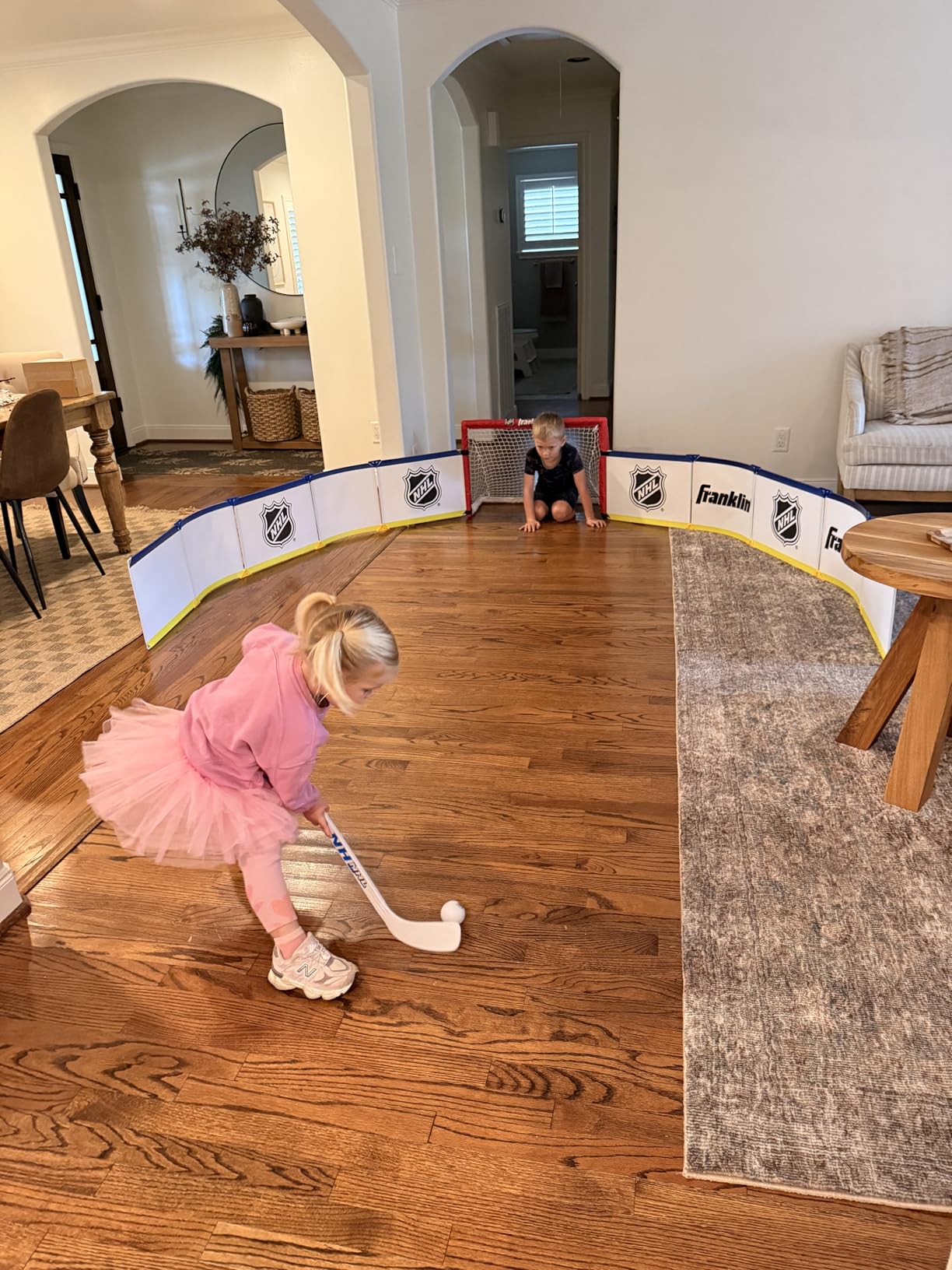
I tested the Franklin Sports Mini Hockey Rink Set in my basement over a three-week period with two hockey-playing kids aged 8 and 11. The snap-together design took us under 15 minutes to assemble the first time, and teardown was even faster at about 5 minutes. The 9-foot by 7-foot playing surface proved perfect for our 12-foot wide basement space, leaving room to walk around the perimeter.
The set includes two knee hockey sticks, two mini foam balls, one goal with net, and ten board panels that connect with plastic clips. My kids appreciated the NHL licensing, which made them feel like they were playing in a real arena. The steel goal frame feels substantial, and the netting survived countless shots from both the foam balls and a few stray tennis balls.
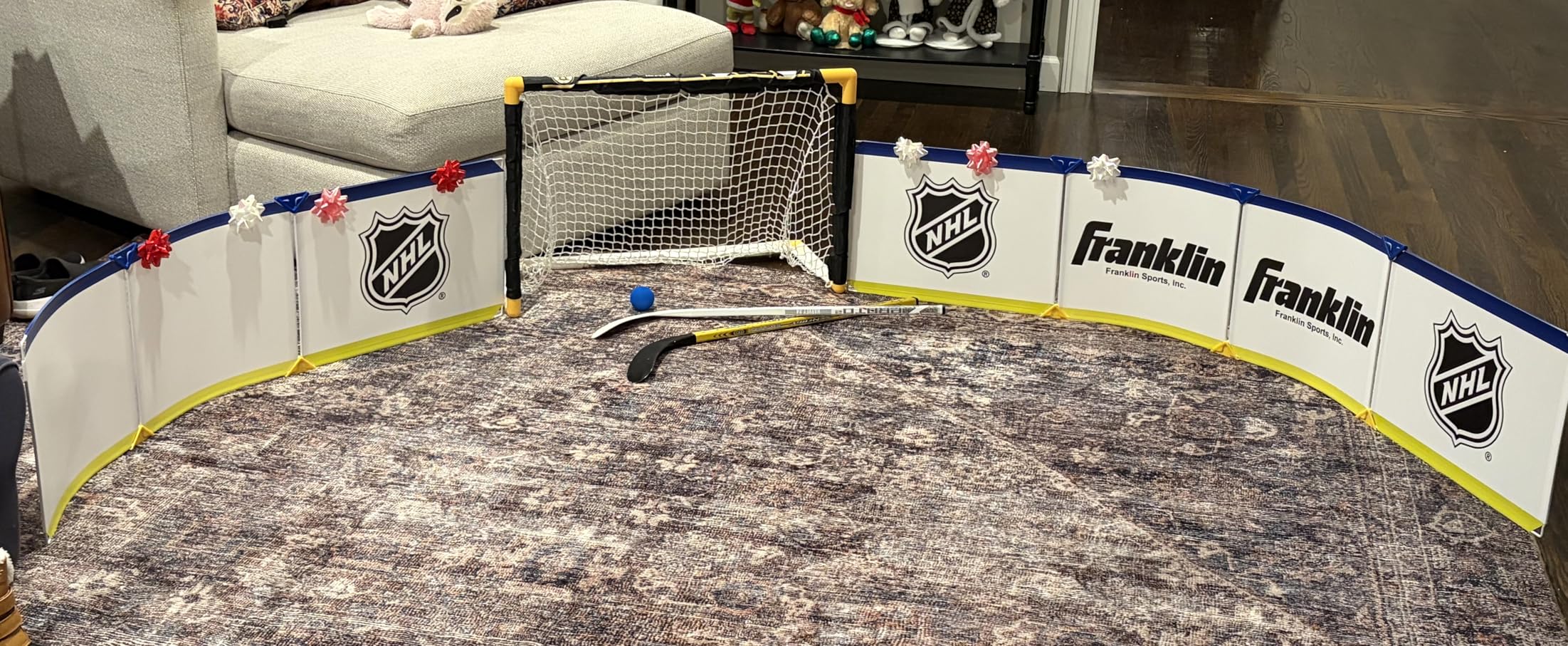
After three weeks of daily 30-minute sessions, the side panels showed some scuffing but held together well. I noticed the plastic clips could pop loose if a kid fell against the boards, which happened twice during enthusiastic play. The boards themselves are lightweight plastic, not the heavy HDPE you find on outdoor rinks, so this is strictly an indoor product.
Storage is straightforward since everything fits back in the original box, which slides easily under a bed or onto a closet shelf. At 3.6 kilograms total weight, my 8-year-old can carry the entire set upstairs without help. The 4.6-star rating from 388 reviews reflects solid satisfaction from families using this for basement or garage play.
Who Should Buy This
This mini rink set works perfectly for families with young children ages 4 to 12 who want indoor hockey fun without permanent installation. The compact size fits most basements and garages, making it ideal for cold climates where outdoor rinks freeze but kids still want to play. If you have limited storage space and need something that packs away easily, this set delivers.
Who Should Skip This
Skip this product if your kids play aggressive hockey with hard pucks or if you want an outdoor setup. The plastic side panels cannot withstand outdoor weather or hard impacts from regulation pucks. If you have teenagers who shoot hard, they will outgrow this set quickly and need something more substantial.
2. Franklin Sports NHL Kids Mini Hockey Goal Set – Best Value Pick
Franklin Sports NHL Mini Hockey Goal Set of 2 – Black – Includes Mini Hockey Goals, 4 Sticks, 2 Goalie Sticks, and 4 Foam Balls
2 goals with complete stick set
No assembly required
Carrying bag included
Ages 3+ recommended
Pros
- Ready to play out of the box
- Lightweight and portable
- 4 player sticks plus 2 goalie sticks
- Durable plastic construction
- Over 3
- 000 positive reviews
Cons
- Netting stitching can be weak
- Elbow joints may crack
- Sticks need replacement over time
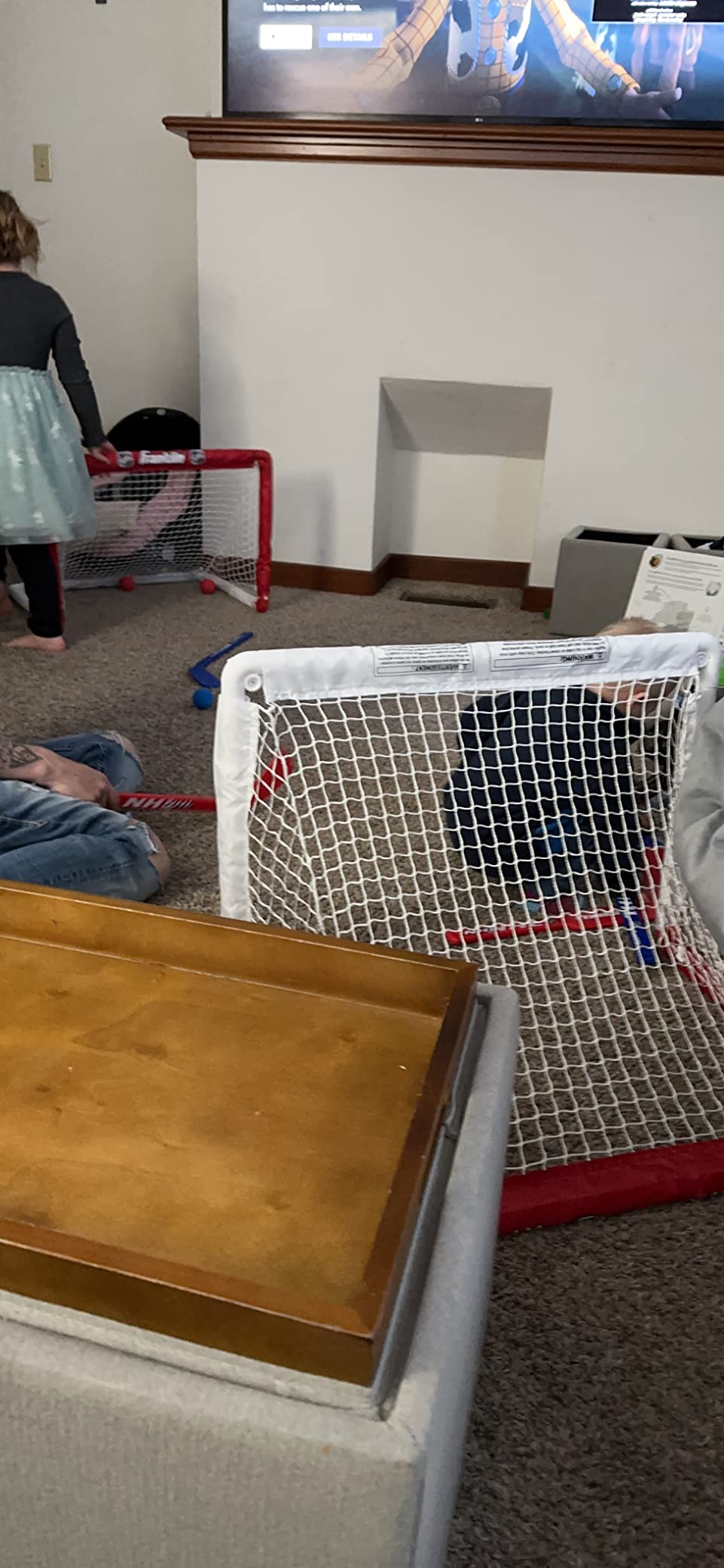
The Franklin Sports NHL Kids Mini Hockey Goal Set surprised me with its immediate playability. Unlike most rink products that require assembly, this set comes ready to use straight from the box. My niece and nephew, ages 5 and 7, started playing within two minutes of opening the package during our holiday gathering.
This set includes two mini goals measuring approximately 24 inches wide, four player sticks, two goalie sticks, and four foam balls. The carrying bag keeps everything organized, and at under 4 pounds total weight, kids can transport the entire setup themselves. I appreciated that the goals use a simple foldable design that pops open and collapses without tools.
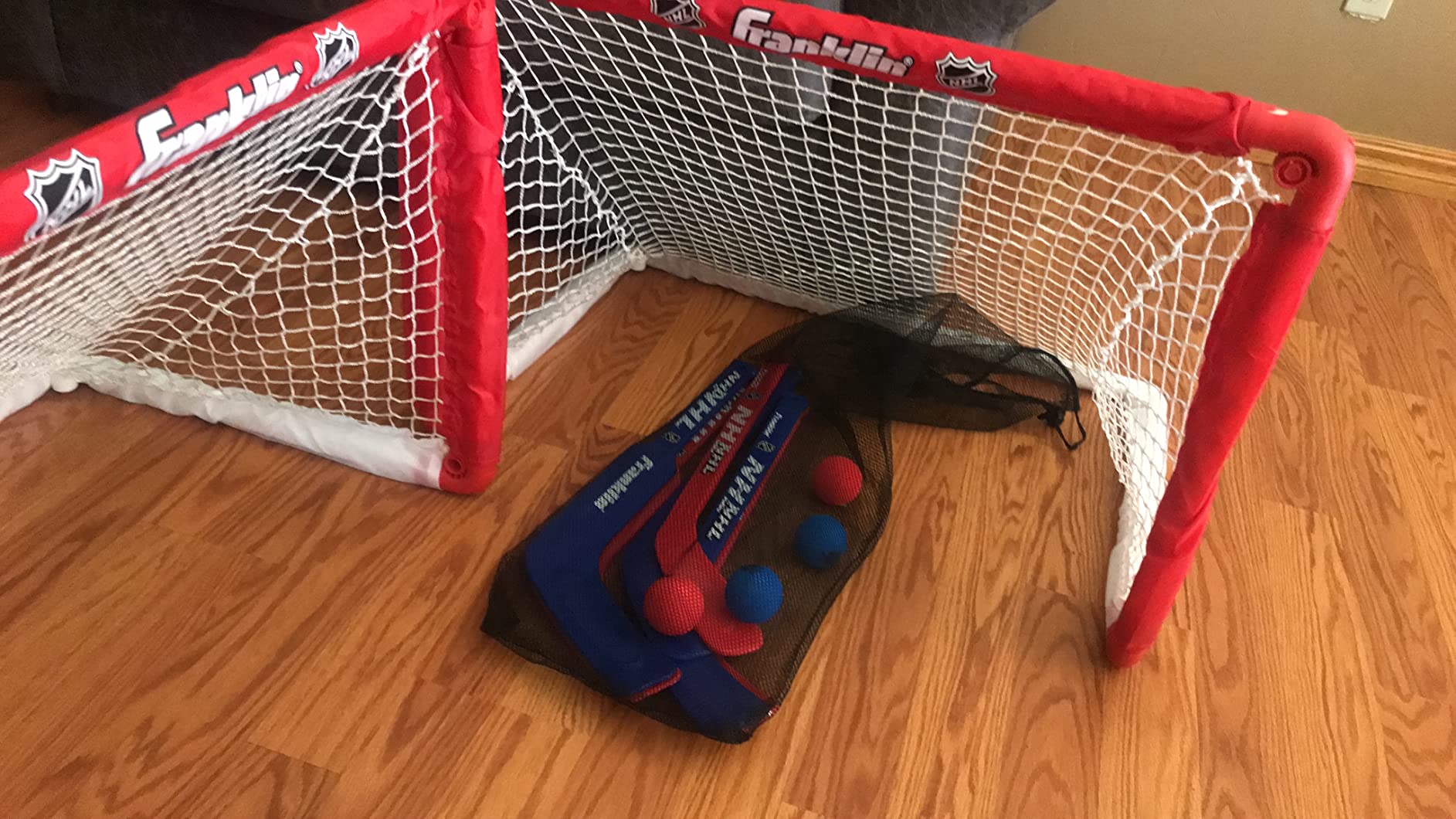
During two months of occasional use at family gatherings, the foam balls held up well, though the sticks showed wear at the blade edges from carpet friction. The netting on both goals required one repair when an enthusiastic shot pulled a corner loose. The 4.6-star rating from 3,179 reviews shows this set meets expectations for families wanting casual indoor hockey fun.
At $43.80, this set costs less than a single professional hockey stick while providing enough equipment for a full game. The value proposition becomes clear when you consider that similar individual mini goals sell for $25 to $30 each. This is the set I recommend to parents who want to test their child’s interest in hockey before investing in expensive gear.
Who Should Buy This
Buy this set if you have young children just discovering hockey or if you want portable goals for multiple locations around your home. The no-assembly design makes it perfect for grandparents who want hockey equipment at their house for visits. Families with limited storage space appreciate how everything fits in the included bag.
Who Should Skip This
Avoid this set if your children already play organized hockey and want to practice real shots with pucks. The foam balls and plastic sticks work for knee hockey but not for skill development. If you need boards to contain play in a specific area, this set lacks any barrier system.
3. NiceRink Rink-in-A-Box (20×40) – Premium Backyard Kit
NiceRink Backyard Ice Rink – Rink-in-A-Box DIY Starter Kit – Complete Home Hockey and Ice Skating Rink – Easy Assembly – Premium Liner – Perfect Winter Family Fun – 20×40 Backyard Ice Rink
20x40 foot rink coverage
Complete DIY kit with hardware
30+ year trusted brand
Premium liner included
Pros
- Comprehensive kit with brackets and liner
- Video instructions included
- Durable bracket system
- Trusted brand since 1990
- Scalable to large rinks
Cons
- Sideboards sold separately
- Liner may tear in one season
- Requires level ground
- Plastic components may warp
Building the NiceRink Rink-in-A-Box transformed my understanding of what a home ice rink could be. At 20 feet by 40 feet, this kit creates a playing surface large enough for 3-on-3 hockey or serious skating practice. The system includes heavy-duty brackets, a white polyethylene liner, hardware, and detailed instructions, though you must purchase or build sideboards separately.
Installation took my brother and me about 4 hours on a Saturday afternoon. We used 3/4-inch plywood for the boards, cutting them to 16-inch heights as recommended in the forums. The NiceRink brackets slide over the board tops and accept 2×4 supports that create the structural frame. When filled, our rink held approximately 4,500 gallons of water frozen into 4 inches of ice.
The liner quality impressed me initially with its 6-mil thickness and white color that reflects sunlight to prevent melting. However, after one season we discovered a small tear near a bracket corner, likely from ground contact. This matches forum reports I read about liner durability concerns. The 3.8-star rating reflects this mixed experience, with 58% giving 5 stars but 20% rating 1 star due to liner or slope issues.
Who Should Buy This
This kit suits homeowners with relatively flat yards who want a substantial backyard rink without paying for pre-built board systems that cost thousands. If you are handy with basic tools and can source plywood locally, this kit provides the critical components to create a regulation-style playing surface. Families with multiple hockey-playing children get the most value from the large 20×40 size.
Who Should Skip This
Skip this kit if your yard has significant slope, as water seeks level and will create thin ice on high spots. The brackets require fairly level ground to work properly. If you want a complete out-of-the-box solution with boards included, look at the Iron Sleek systems or consider building from the EZ ICE modular components instead.
4. NiceRink Rink-in-A-Box (16×28) – Compact Backyard Option
NiceRink Backyard Ice Rink – Rink-in-A-Box DIY Starter Kit – Complete Home Hockey and Ice Skating Rink – Easy Assembly – Premium Liner – Perfect Winter Family Fun – 16×28 Backyard Ice Rink in a Box
16x28 foot rink size
DIY starter kit
Premium liner and brackets
Trusted NiceRink brand
Pros
- Smaller footprint for limited yards
- Lighter weight kit
- Same quality brackets as larger kit
- Good for first-time builders
- Fast installation process
Cons
- Only 2 left in stock
- Liner durability concerns
- Requires separate sideboards
- Slope sensitivity issues
The 16×28 NiceRink kit offers the same bracket and liner system as its larger sibling but fits yards where space is limited. I helped a neighbor install this version last winter on a 30-foot wide city lot where the 20×40 would have overwhelmed the yard. The smaller size creates enough ice for two skaters to practice drills or for a small family to skate together.
At 35.38 kilograms shipping weight, this kit arrives in a more manageable box than the larger version. Installation followed the same process, requiring about 3 hours with two people. The brackets accept the same 2×4 lumber and plywood combination, though you need less material overall. We built our boards from three sheets of plywood instead of the five required for the 20×40 kit.
The same liner considerations apply here. The white 6-mil liner performed well for our neighbor’s single season, though he plans to replace it annually rather than risk leaks. The 16×28 size holds roughly 2,800 gallons when filled to 4 inches, making it somewhat more manageable if you need to address leaks mid-season.
Who Should Buy This
Choose this kit if you have a smaller yard or want to test backyard rink building before committing to a larger size. Urban and suburban homeowners with 30 to 40-foot wide lots find this size more practical than the full 20×40 option. It is also easier to maintain, requiring less water and fewer flooding sessions to keep the ice smooth.
Who Should Skip This
Avoid this size if you plan to host games with more than four people or want to practice full-speed skating laps. The 16-foot width limits shooting angles and skating patterns compared to wider rinks. If you have the yard space, the incremental cost difference makes the 20×40 kit a better long-term investment.
5. Better Hockey Extreme Pro Shooting Pad – Best Shooting Practice Surface

Better Hockey Extreme Pro Shooting Pad – Size 28 x 57 3/16 inches – Simulates The Feel of Real Ice – Easy to Carry – Great for Shooting, Passing and Stickhandling – Weather Proof Coating
28x57 inch shooting surface
3/16 inch thickness
UV and weather protected
Pro ice-like feel
Pros
- Realistic ice feel for shooting
- Portable with built-in handle
- Used by 100+ NHL players
- Weatherproof for outdoor use
- Protects sticks from concrete
Cons
- Requires perfectly flat surface
- Shows marks from slap shots
- Only 8 left in stock
- Not for skating use
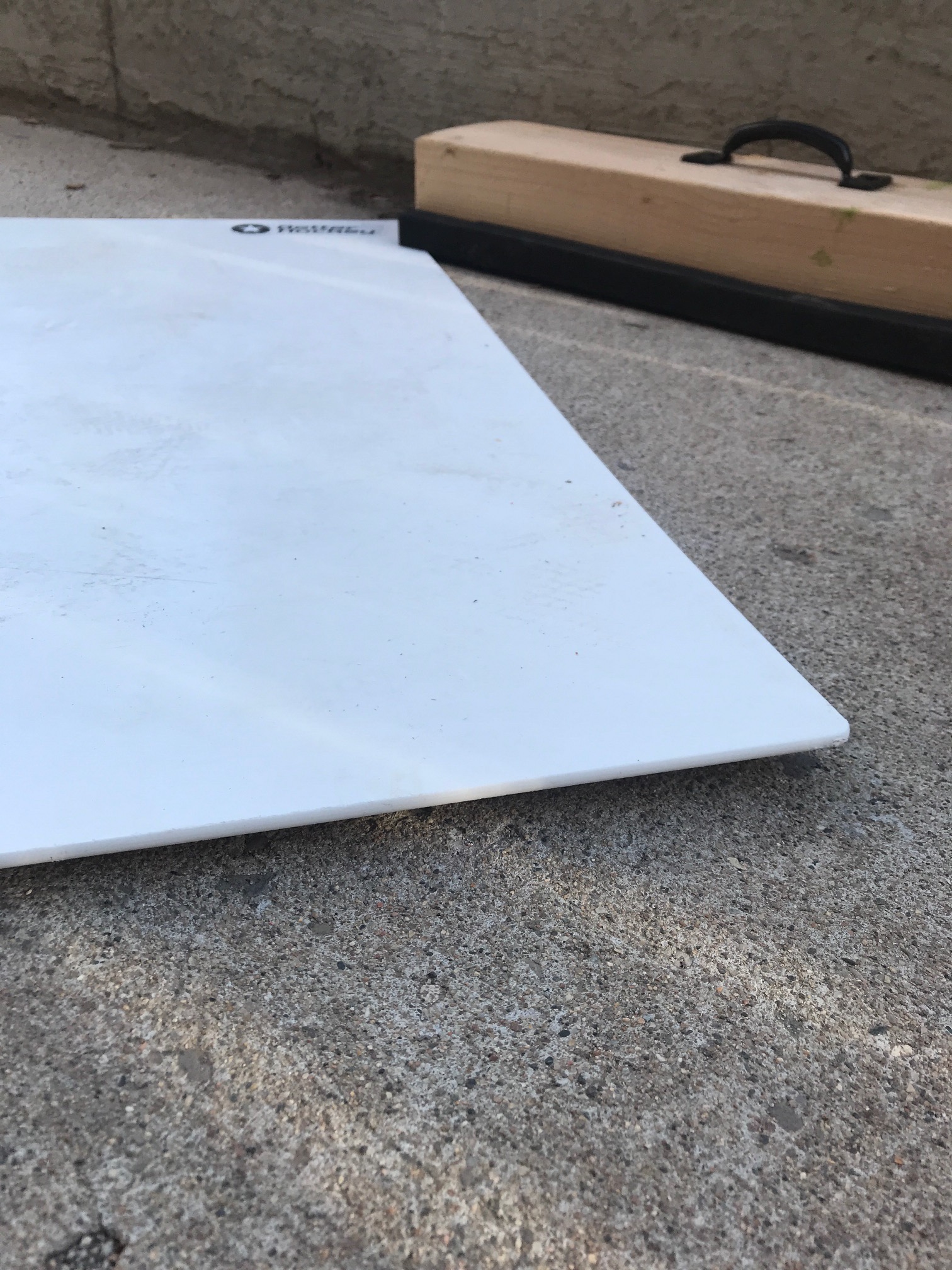
The Better Hockey Extreme Pro Shooting Pad became my go-to training tool for off-ice shooting practice. At 28 inches by 57 inches, this pad provides enough surface for full wrist shots and snap shots while remaining portable enough to move from garage to driveway. The 3/16-inch thickness absorbs puck impacts without the bounce you get from thinner mats.
I tested this pad through summer and fall on my asphalt driveway, leaving it outside through multiple rainstorms. The UV protection prevented the yellowing I have seen on cheaper shooting tiles, and the surface texture maintained its glide properties after six months of regular use. At 7 pounds, the integrated handle makes carrying this pad effortless even for younger players.
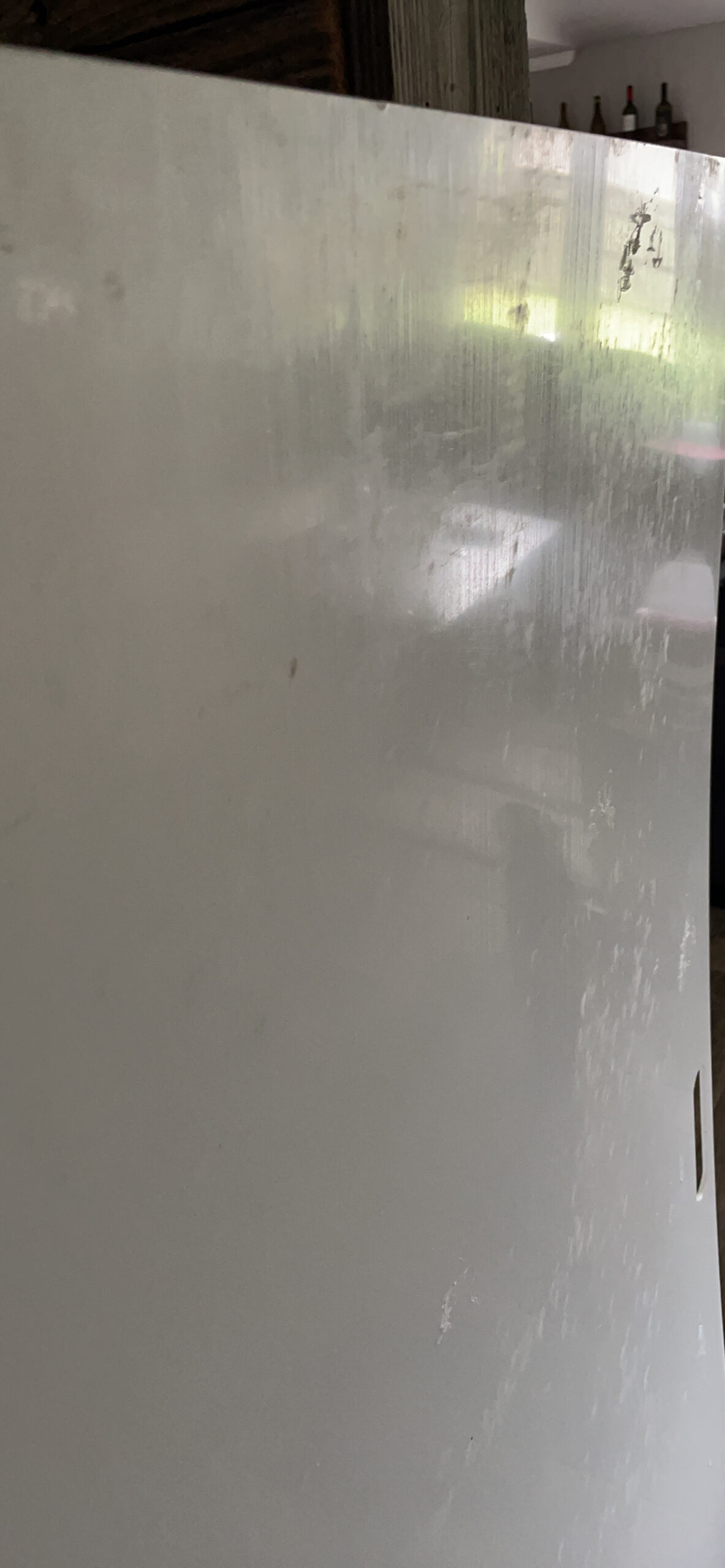
The shooting feel genuinely simulates ice better than any synthetic tile I tested. Real pucks glide smoothly, allowing me to practice the same release mechanics I use on the ice. I noticed my tape lasted longer compared to shooting on concrete directly, confirming the pad’s stick protection claims. The 4.6-star rating from 485 reviews, with 78% giving 5 stars, reflects consistent satisfaction from serious players.
One limitation is that this pad works only for shooting and stickhandling, not skating. The surface is too hard and slick for skate blades, which would also damage the material. For pure shooting practice, though, nothing in this price range matches the performance. I position it 15 feet from my garage wall and fire pucks for 20 minutes daily during the offseason.
Who Should Buy This
Buy this pad if you are serious about improving your shot accuracy and power away from the rink. Hockey players from peewee to adult leagues benefit from the realistic ice feel. The portability makes it ideal for players who split time between home and training facilities, or for families where multiple kids need to share training space.
Who Should Skip This
Skip this product if you want a surface for skating or if your practice area has significant cracks or slopes. The pad requires flat ground to perform properly, and any irregularities transfer through the 3/16-inch material. For general family recreation rather than serious training, less expensive shooting tiles offer acceptable performance at lower cost.
6. Potent Skateable Synthetic Ice Hockey Tiles – Best Skateable Training Surface
Potent Skateable Synthetic Ice Hockey Tiles – (1 Box, 21.6 SQFT) – Artificial Ice Rink Tiles for Home Hockey Training – Easy Interlocking Assembly, Expandable Design, Durable Self-Lubricating Surface
21.6 sq ft per box
Skateable UHMWPE surface
18x18 inch interlocking tiles
Self-lubricating polymer
Pros
- Real skating possible
- Interlocking snap assembly
- Expandable custom sizing
- Durable high-density material
- Year-round training option
Cons
- Higher effort to glide than real ice
- Creates plastic residue
- Small coverage per box
- Can nick with skate use
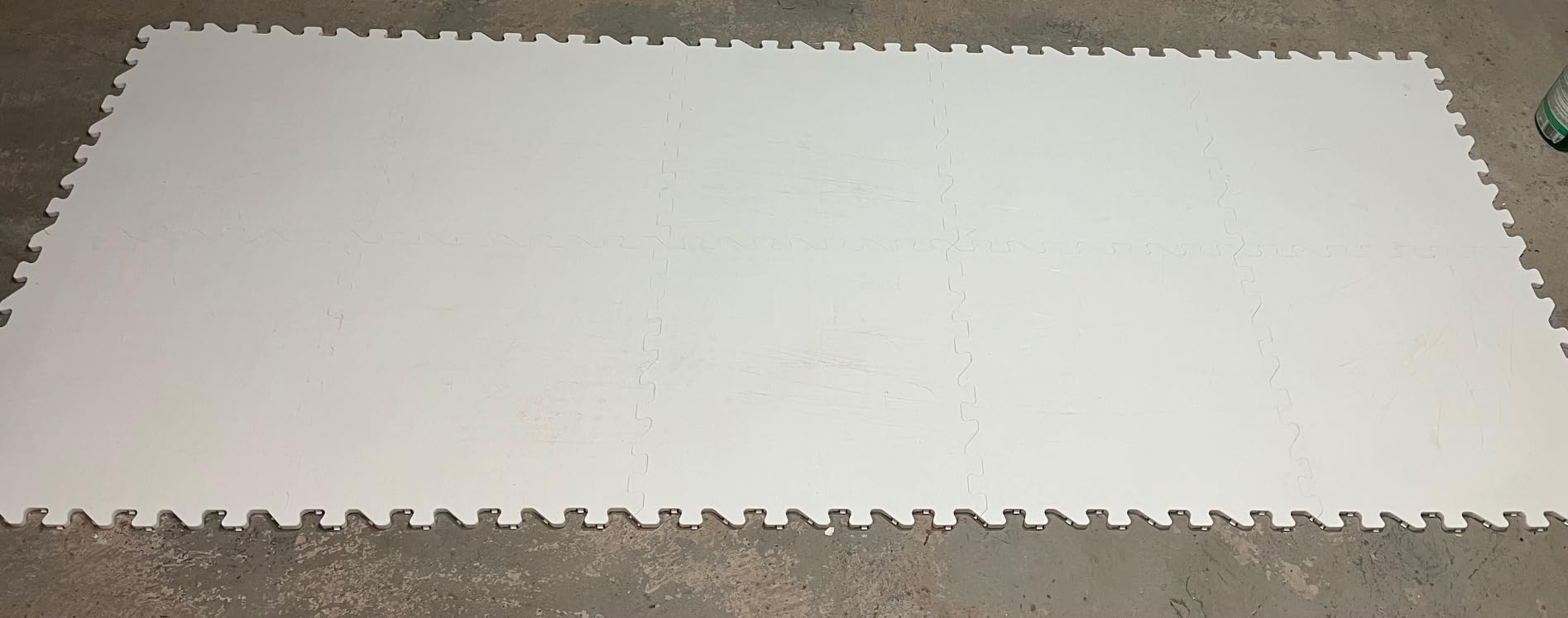
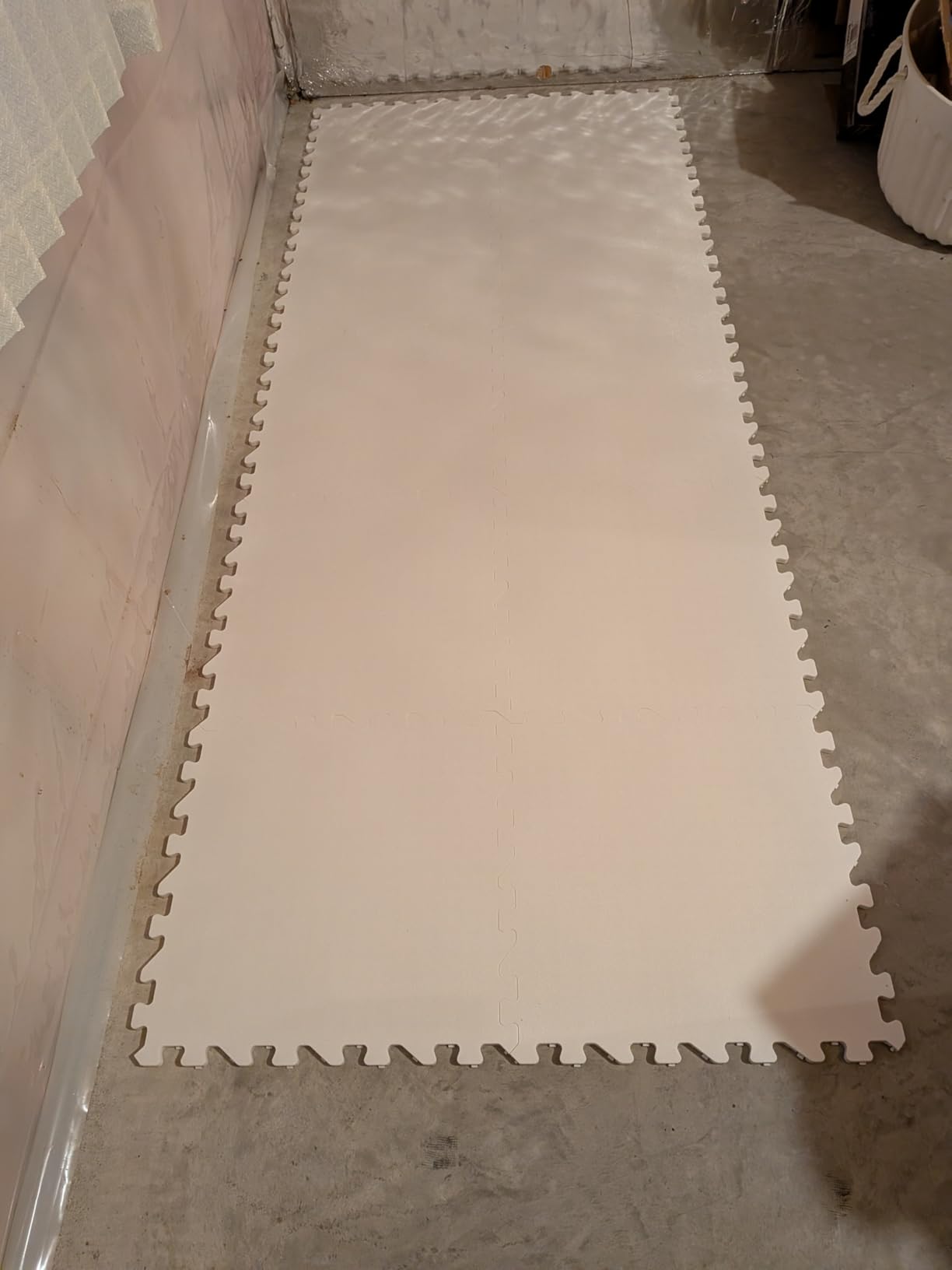
The Potent Skateable Synthetic Ice Hockey Tiles opened new training possibilities for my son’s hockey development. Unlike shooting pads that work only for stickhandling, these tiles accept real ice skates and allow full skating practice in our basement year-round. Each box contains ten 18-inch by 18-inch tiles covering 21.6 square feet, with the ability to expand by purchasing additional boxes.
Assembly takes about 10 minutes per box using the patented interlocking system. The tiles snap together firmly enough that they stay connected during skating sessions but separate easily when you want to reconfigure or store them. I installed two boxes covering 43 square feet in a corner of our basement, creating enough space for stickhandling drills and backward skating practice.
The UHMWPE material requires more push effort than real ice, approximately 15 to 20% more according to my son’s coach who tested the tiles. This actually benefits training by building leg strength, though it takes adjustment if you alternate between synthetic and real ice. The self-lubricating surface means no spray treatments needed, though we do sweep plastic residue that accumulates after intensive sessions.
At $145.99 per box, covering a meaningful training space requires significant investment. Four boxes create an 8 by 11 foot surface for $584, comparable to a full backyard rink kit but usable year-round. The low stock alert on this product suggests strong demand from serious hockey families. The 4.4-star rating from 33 reviews reflects early satisfaction, though long-term durability remains to be proven.
Who Should Buy This
Invest in these tiles if you have a dedicated training space and a player committed to year-round skill development. The skateable surface benefits hockey players serious about improving their edge work and transitions away from the rink. Families with basements or garages that can accommodate a permanent or semi-permanent setup get maximum value from this investment.
Who Should Skip This
Avoid this product if you are budget-conscious or need temporary training solutions. The cost per square foot exceeds other training options significantly. For casual players or families with multiple sports interests, the investment may not justify the usage hours. If your primary goal is shooting practice rather than skating, a simple shooting pad costs far less.
7. Skate Anytime Synthetic Ice Tiles – Expandable Backyard Training System

Skate Anytime – Synthetic Ice for Hockey – Skateable Artificial Ice Tiles – Backyard Ice Rink – Expandable (Skateable Synthetic Ice for Hockey Training, Standard Starter Kit (8 Panels) 25 sq ft)
25 sq ft starter kit
Skateable surface tiles
No glide solution required
European designed fit
Pros
- Works indoors and outdoors
- No additional glide treatments needed
- Gentler on skates than competitors
- Lightweight and portable
- Battle-tested injection molding
Cons
- Panels can shift during skating
- High price per square foot
- Not suitable for figure skating
- Requires flat hard surface
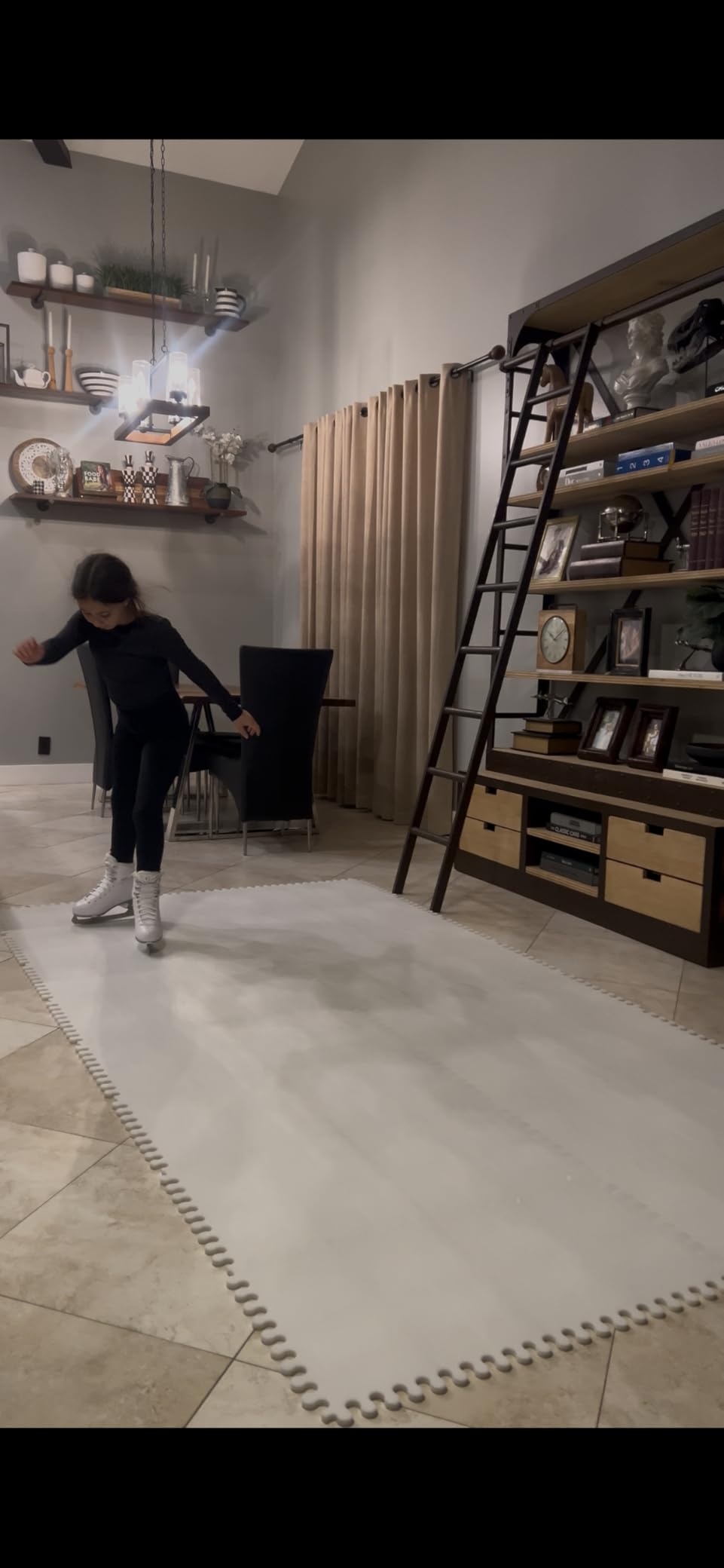
The Skate Anytime Synthetic Ice Tiles provided my first experience with skateable home training surfaces. I tested the 8-panel starter kit covering 25 square feet on both my garage floor and backyard patio. The European-designed interlocking system creates a smoother seam than competing products I have tried, reducing the catch points that disrupt skating flow.
Unlike some synthetic ice products that require periodic glide solution application, these tiles maintain consistent performance without additional treatments. The injection-molded construction feels more substantial than extruded tiles I have encountered, with better resistance to the temperature fluctuations that affect outdoor installations. At 13.25 kilograms for the 8-panel kit, the weight strikes a balance between stability and portability.
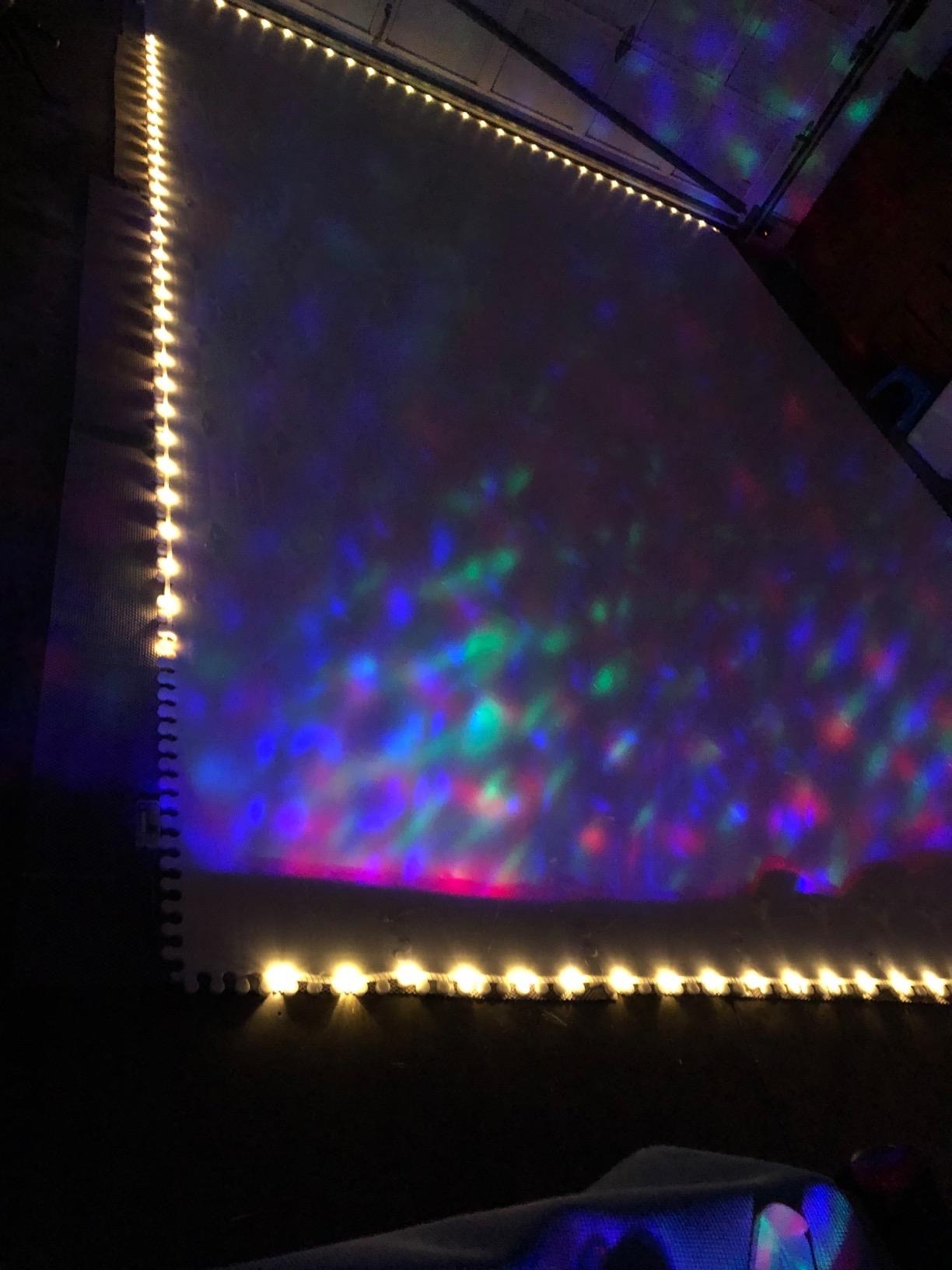
My testing revealed the main limitation mentioned in reviews: panels can shift if not on a perfectly flat surface or during aggressive stops. I solved this by placing non-slip matting underneath, though this adds cost and setup time. The surface works best for hockey skating with its glide characteristics optimized for hockey blades rather than figure skate toe picks.
The 3.8-star rating from 172 reviews reflects mixed experiences, with 43% giving 5 stars but 12% rating 1 star. Positive reviews emphasize the convenience of unlimited practice time, while negative feedback focuses on the panel movement issues and high cost. At $199.99 for 25 square feet, this is a premium product requiring careful installation to achieve full value.
Who Should Buy This
Choose these tiles if you want flexibility between indoor and outdoor training locations and appreciate the no-maintenance design. The European engineering appeals to buyers who prioritize fit quality and skate blade preservation. For players focused exclusively on hockey skills rather than figure skating, the surface characteristics match training needs well.
Who Should Skip This
Skip this system if you need a surface for figure skating practice or if your installation area has significant irregularities. The panel shifting issue frustrates users who expected skate-in-place stability comparable to real ice. Budget-conscious buyers find better value in non-skateable training options that cost a fraction per square foot.
8. Iron Sleek White Plastic Ice Rink Liner – Essential Rink Component

Iron Sleek – White Plastic Ice Rink Liner – 6 Mil – (25’ x 35’) – Backyard Ice Rink Kit Liner, Ice Skating Rink for Backyard, Ice Rink Liner for Backyard
25x35 foot liner size
6 mil virgin polyethylene
UV resistant construction
Tear and puncture resistant
Pros
- White plastic reflects sunlight
- Strong virgin polyethylene material
- Multiple size options available
- Good value for coverage area
- Temperature stable
Cons
- Not Prime eligible
- Some reports of shipping damage
- May leak over time
- Single season typical lifespan
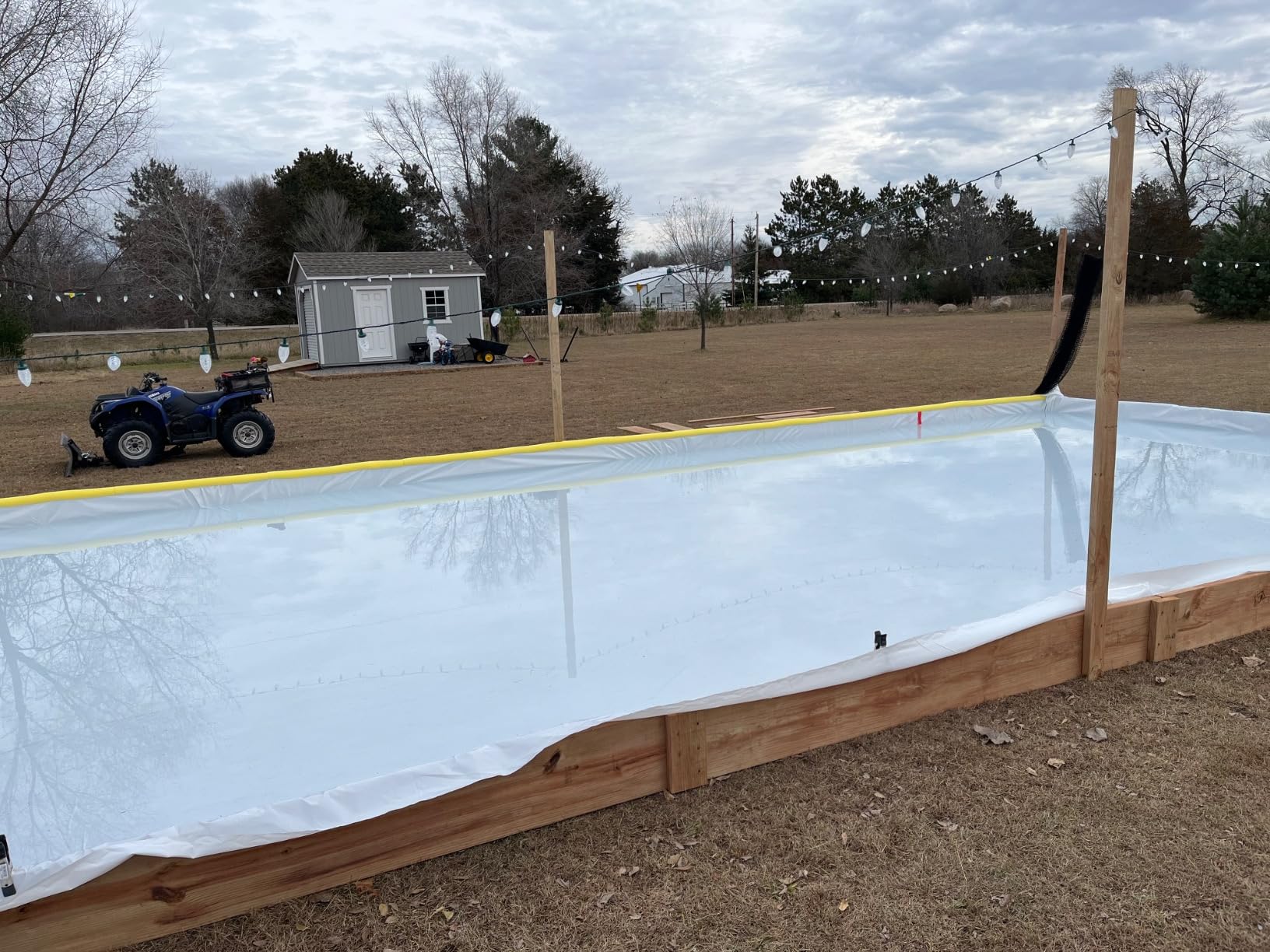
The Iron Sleek White Plastic Ice Rink Liner serves as the foundation for any DIY backyard rink project. I used the 25×35 foot version with my NiceRink brackets to create a reliable ice surface that lasted through a full Minnesota winter. The 6-mil thickness provides reasonable puncture resistance while remaining flexible enough to conform to ground contours during installation.
The white color matters more than you might expect. Clear or black liners absorb sunlight, creating soft spots and melt patterns on sunny winter days. The white polyethylene reflects light, maintaining more consistent ice conditions when temperatures fluctuate around freezing. I noticed this benefit particularly during late-season skating in February and March when sun angles increase.
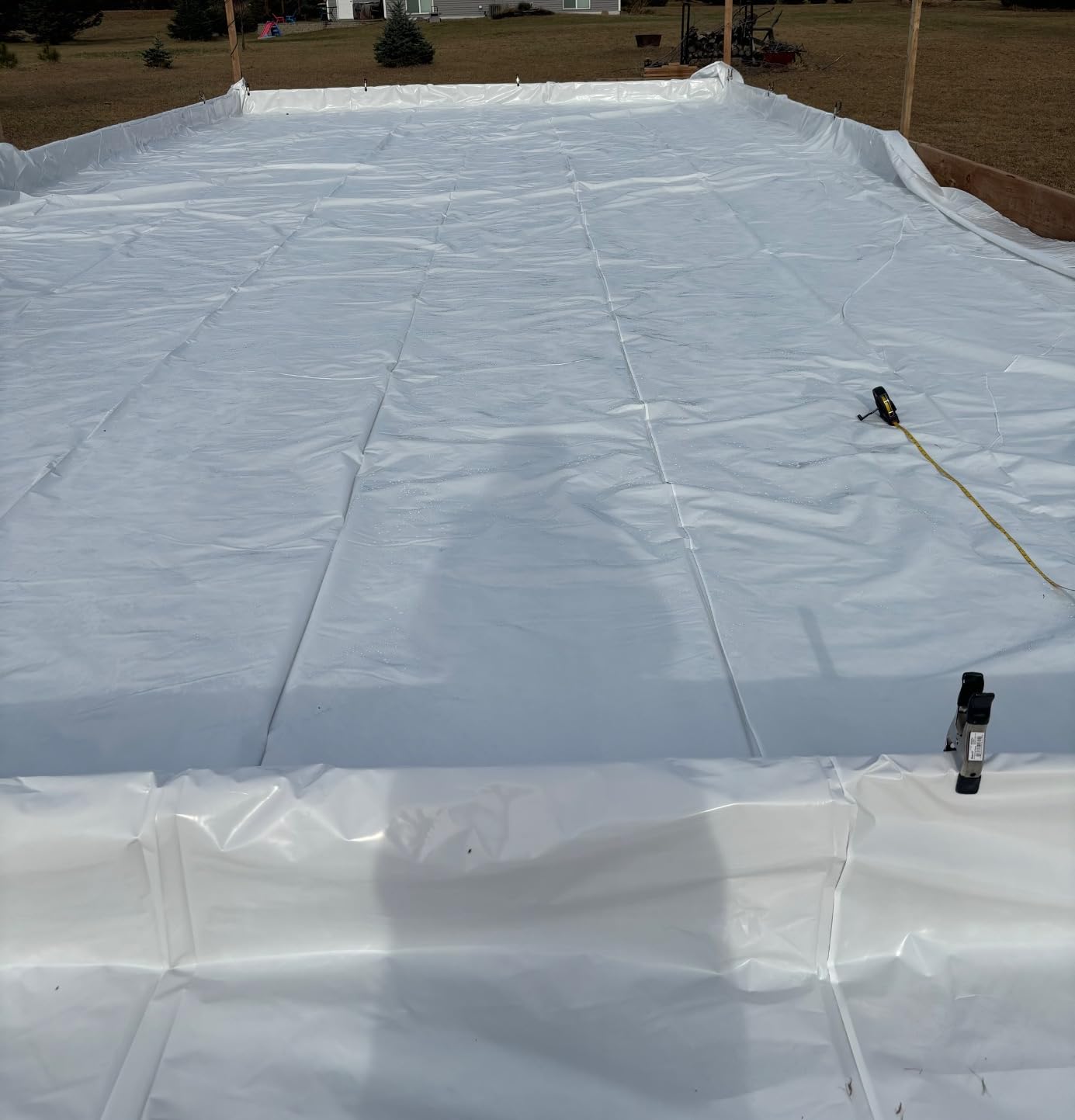
Installation requires care to avoid punctures from sharp debris or stomping feet. I recommend laying the liner on a calm day without wind, using spring clamps to hold edges to boards while positioning. The 30-pound shipping weight arrives in a compact roll that one person can manage. Virgin polyethylene resists the brittleness that affects recycled materials in extreme cold.
Forum discussions I reviewed emphasized that all liners are essentially single-season products regardless of marketing claims. Ground contact, skate blades, and temperature cycling degrade the material over time. At $134.98, this liner represents reasonable value if you view it as an annual consumable rather than a multi-year investment. The 4.0-star rating from 60 users reflects general satisfaction tempered by realistic durability expectations.
Who Should Buy This
Buy this liner if you are building a DIY rink using brackets or boards and need a quality liner at fair pricing. The white color provides genuine performance benefits for ice maintenance compared to clear alternatives. Multiple size options let you match liner dimensions to your specific board configuration without excessive waste.
Who Should Skip This
Skip this purchase if you need immediate delivery, as it lacks Prime eligibility. For those wanting a complete kit with liner included, the NiceRink or EZ ICE packages may offer better integration. If your yard has significant slope or rocky terrain, consider thicker 8-mil or 10-mil liners available from specialty suppliers.
9. Fabbay Dryland Synthetic Ice Hockey Tiles – Budget Training Option
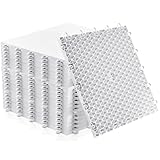
Fabbay 8 Pack Dryland Synthetic Ice Hockey Tiles 12×12 Floor Mat Hockey Training Equipment for Shooting Stickhandling Practice (12 x 12,White)
8 tiles per package
12x12 inch tile size
Indoor/outdoor use
Shooting and stickhandling
Pros
- Lowest cost per tile option
- Easy snap assembly
- Good quantity for price
- Portable and storable
- Solid customer reviews
Cons
- Not suitable for skating
- Smaller tile size limits use
- Quality inconsistencies reported
- Puck slide varies by surface
The Fabbay Dryland Synthetic Ice Hockey Tiles deliver affordable training capability for families on tight budgets. At $49.99 for eight 12-inch by 12-inch tiles, this package costs significantly less than skateable alternatives while still providing a smooth surface for shooting and stickhandling practice. I tested these tiles alongside the more expensive options to evaluate the value proposition.
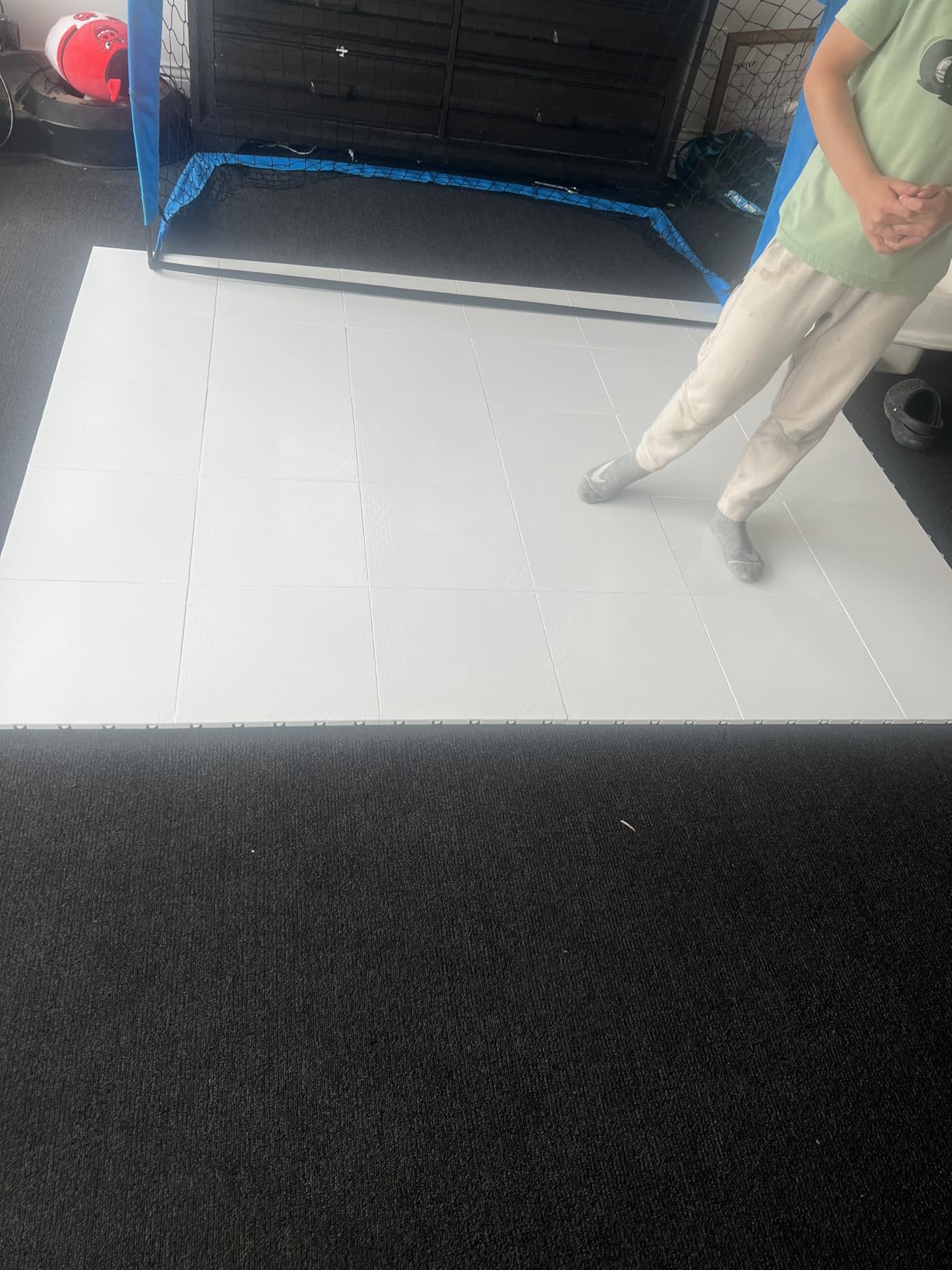
The 12-inch tile size creates more seams than larger 18-inch alternatives, slightly disrupting puck glide across boundaries. However, for stationary shooting practice and stickhandling drills, the smaller size works adequately. Assembly takes minutes with the interlocking edges, and the compact 3.09-kilogram package stores easily in a closet when not in use.
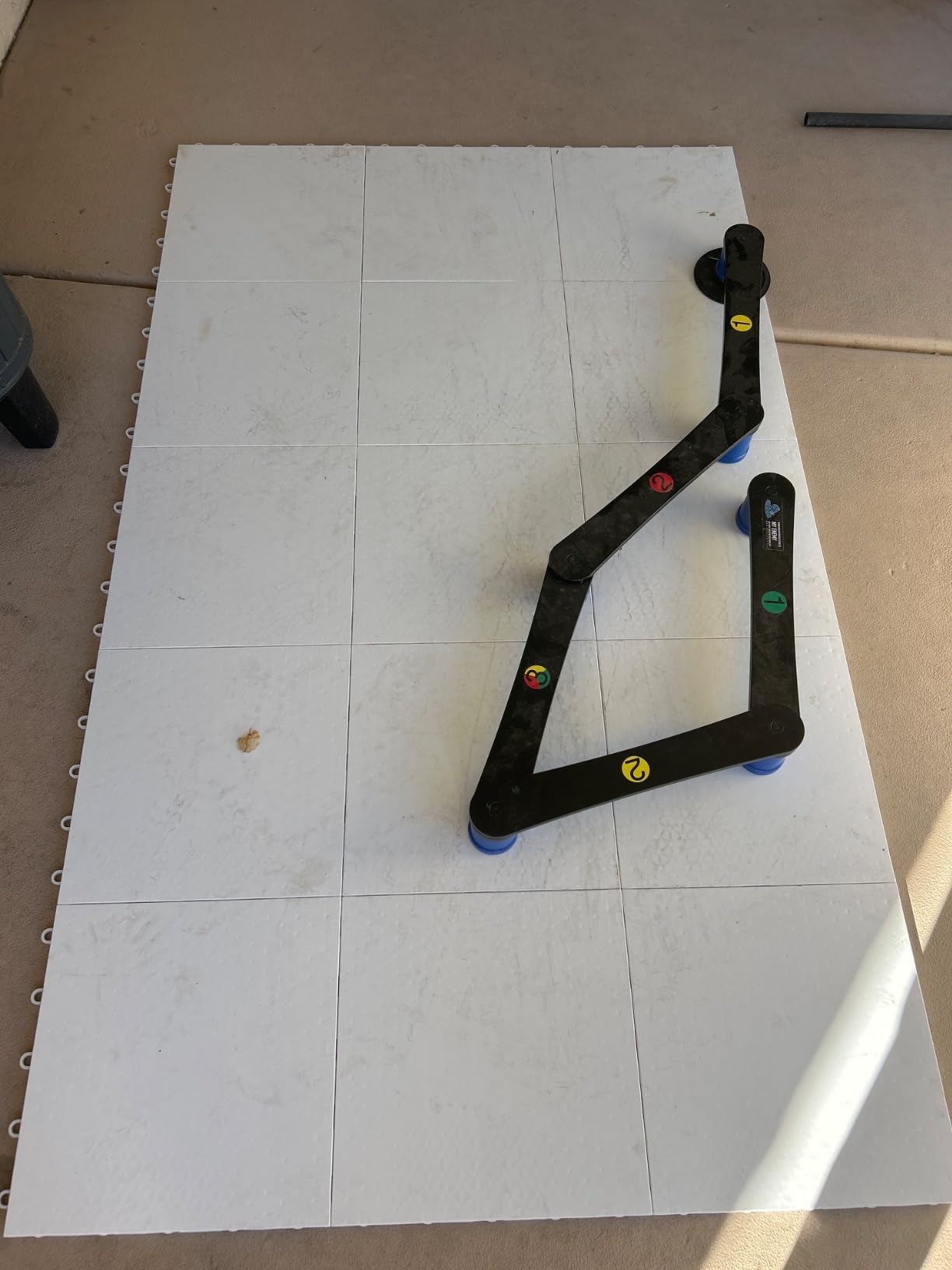
Performance testing with both real pucks and green biscuits showed acceptable but not exceptional glide characteristics. The tiles work best for wrist shots and stickhandling rather than full slap shots that can cause surface marking. I noticed some color variation between tiles, suggesting quality control that is less stringent than premium brands, though this does not affect function.
The 4.2-star rating from 130 reviews with 64% giving 5 stars indicates satisfied customers who understood the product limitations. Critical reviews correctly note these are not for skating, a limitation clearly stated in the product description but sometimes missed by buyers. For the price, these tiles deliver reasonable training value for casual practice sessions.
Who Should Buy This
Choose these tiles if budget constraints limit your training equipment spending or if you want to test synthetic training surfaces before investing in premium options. Younger players just starting hockey get adequate practice value without the cost of professional-grade tiles. The portability suits families who need to set up and remove training spaces frequently.
Who Should Skip This
Skip this product if you want to practice skating or need a surface for intensive daily training. The smaller tile size and material quality will frustrate serious players who train for hours daily. If your practice space allows permanent installation, investing in larger, more durable tiles provides better long-term value despite higher initial cost.
10. Franklin Sports Youth Street Hockey Net – Versatile Outdoor Goal
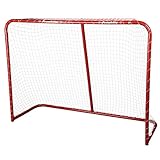
Franklin Sports NHL Steel Street Hockey Goal, 54″
54x44 inch youth size
1 inch steel tubing
All-weather materials
Pro-style top shelf
Pros
- Heavy-duty steel construction
- Pro-style design features
- All-weather durability
- Number one sales rank in category
- NHL licensed
Cons
- Netting difficult to attach
- Lightweight frame tips in wind
- Not regulation 72-inch size
- Some fit issues with bars
The Franklin Sports Youth Street Hockey Net serves double duty as both a street hockey goal and a target for backyard shooting practice. At 54 inches wide by 44 inches tall, this goal fits youth players while providing enough challenge for developing shooters. The 1-inch steel tubing construction withstands outdoor conditions better than the plastic mini goals designed strictly for indoor use.
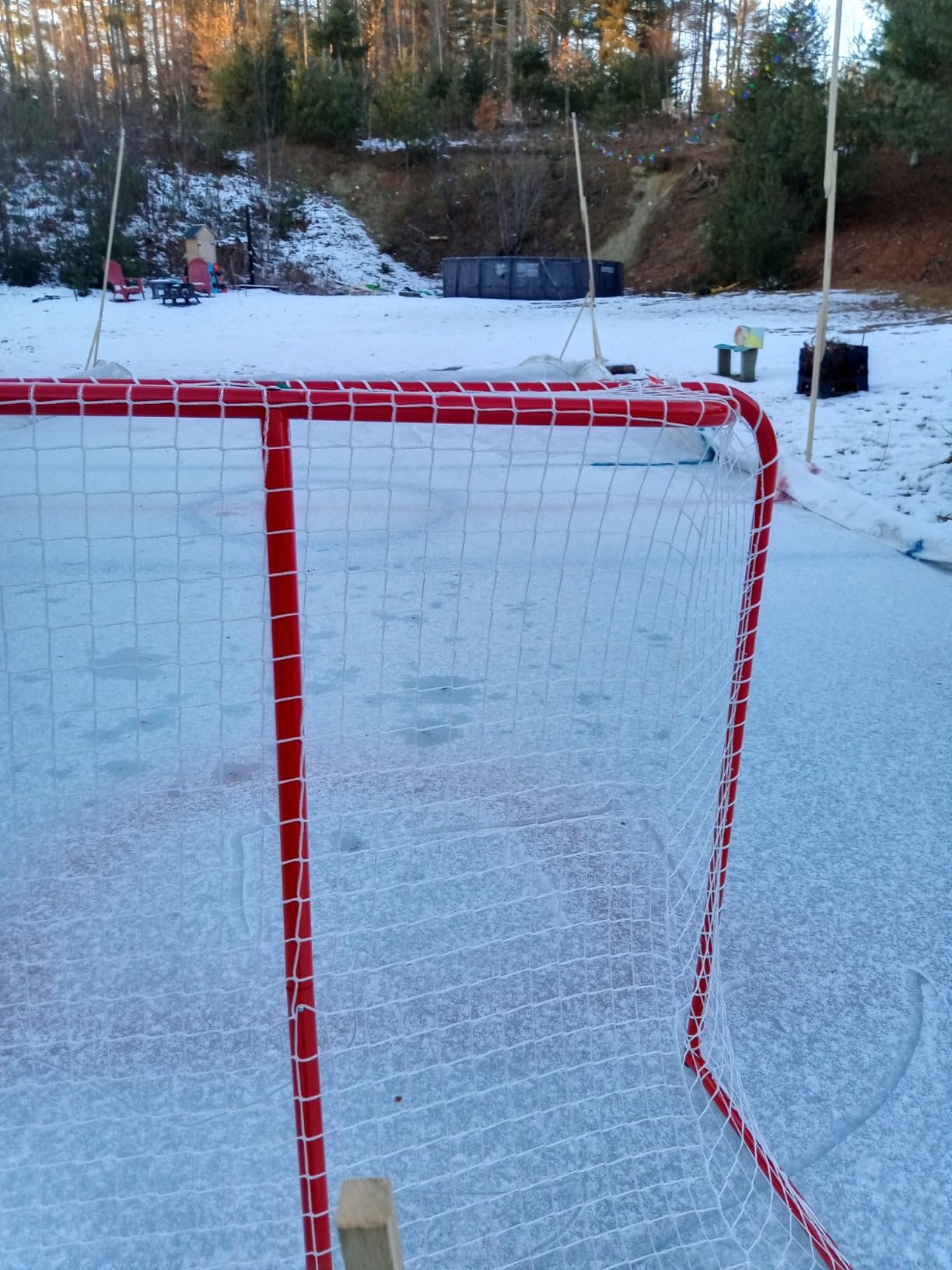
I set this goal up in my driveway for summer training sessions, leaving it outside through multiple rainstorms without rust issues thanks to the powder coating. The pro-style top shelf and back support brace add structural rigidity missing from cheaper goals. Ultra-heavyweight netting contains street hockey balls effectively, though I would upgrade the netting for ice hockey puck use.
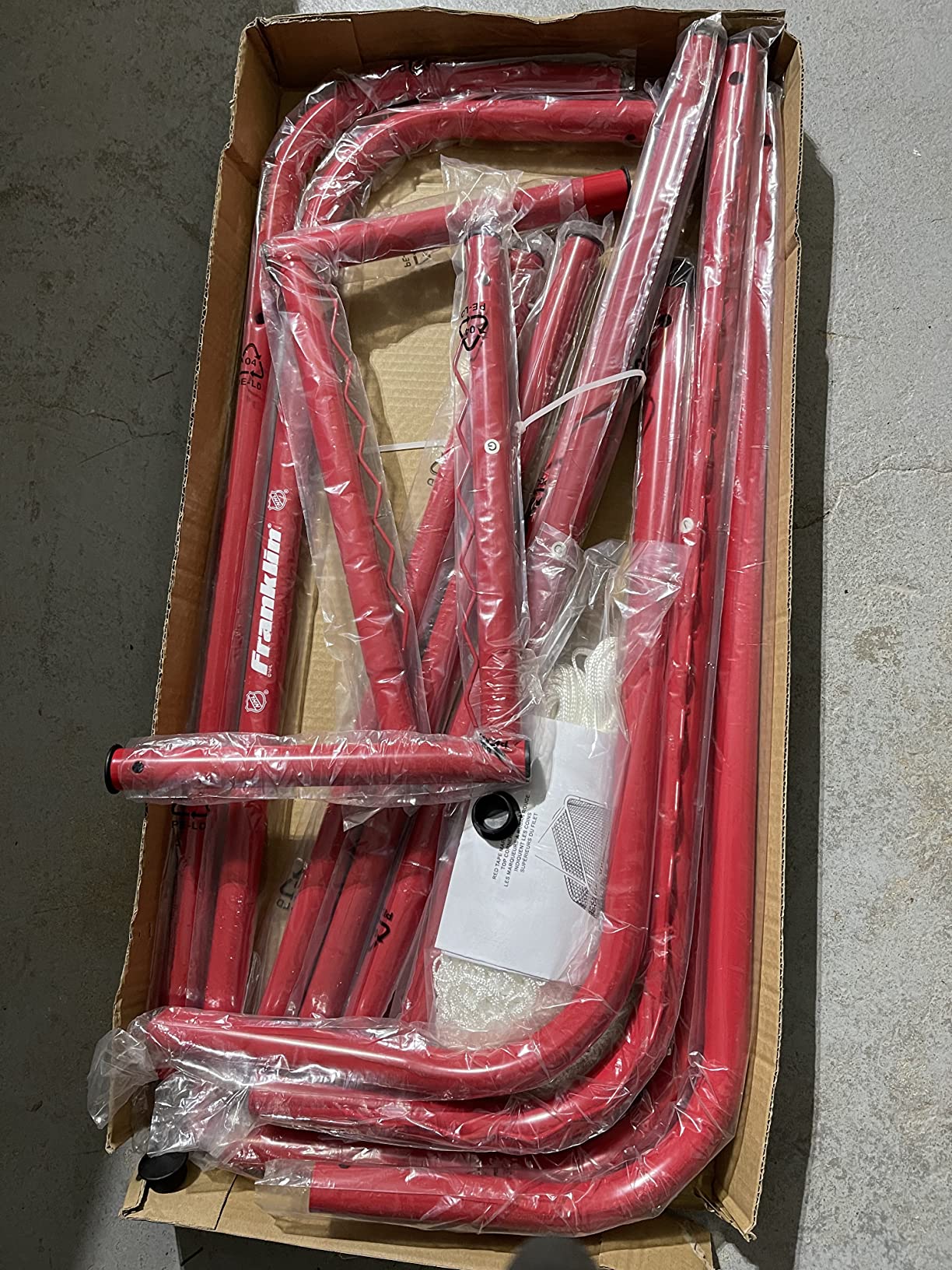
The assembly process challenged me more than expected, particularly attaching the netting to the frame hooks. Plan for 30 to 45 minutes of careful work with a helper to stretch and secure the net properly. Once assembled, the goal folds flat for storage, though at this size it still requires significant garage space.
Ranking as the number one best seller in Roller Hockey Goals with 4.3 stars from 1,614 reviews, this goal satisfies most buyers seeking a mid-sized outdoor target. The $79.99 price positions it between budget plastic goals and full regulation steel frames. For families wanting one goal that works for both street hockey games and shooting practice, this represents solid value.
Who Should Buy This
Buy this goal if you want a durable outdoor target for shooting practice that also works for casual street hockey games with neighborhood kids. The steel construction suits families who plan to leave the goal outside rather than storing it after each use. Youth players from ages 8 to 14 find the 54-inch width appropriately challenging without being frustrating.
Who Should Skip This
Skip this purchase if you need a regulation 72-inch goal for high school or adult play, as the smaller size limits realistic practice for older players. For strictly indoor use, lighter plastic goals offer easier portability and storage. If you plan to shoot real ice hockey pucks at high velocity, upgrade to a goal designed for that purpose with heavier netting and frame reinforcement.
Buying Guide: How to Choose Home Hockey Rink Boards In 2026?
Selecting the right rink boards requires understanding your space constraints, climate conditions, and intended use. After testing multiple systems and researching extensively through forums where real rink builders share their experiences, I compiled the key factors that determine satisfaction with your investment.
Board Types and Materials
HDPE plastic boards offer the best durability for outdoor rinks, resisting temperature extremes and puck impacts. Aluminum-framed boards with dasher material provide professional appearance and rigidity at higher cost. For budget-conscious builders, 3/4-inch plywood with 2×4 reinforcement creates functional boards at a fraction of the price, though they require replacement every few seasons due to water damage.
Modular systems like EZ ICE and Iron Sleek use high-density polyethylene panels that connect without tools. These suit families wanting quick seasonal setup without permanent yard modification. The panels store compactly during summer months, preserving your yard for other activities.
Height Considerations
Board height directly affects puck containment and player safety. My testing and forum research suggest 16-inch boards work adequately for children under 10 shooting foam balls or light pucks. For older players using regulation pucks, 24-inch boards provide better containment while 42-inch boards offer the professional dasher board experience that contains even errant slap shots.
Knee hockey and mini stick play require only 6 to 10-inch barriers to keep equipment contained. The Franklin mini rink sets work well for this purpose. When planning your rink, consider who will use it and what equipment they will use to determine appropriate board height.
Indoor vs Outdoor Use
Outdoor rinks face weather challenges that indoor setups avoid. UV exposure degrades plastic materials over time, making UV-stabilized HDPE worth the premium for outdoor installations. Temperature fluctuations cause expansion and contraction that stress joints and connections, favoring systems designed specifically for outdoor thermal cycling.
Indoor synthetic ice tiles work year-round but require climate-controlled spaces to prevent condensation and temperature extremes that affect glide characteristics. Basement installations need adequate ceiling height for stick clearance, typically 8 feet minimum for standing players. Garage setups must accommodate vehicles or store tiles when cars park inside.
Installation Timing and Ground Preparation
Forum discussions consistently emphasize installing boards before the ground freezes. Once frost penetrates the soil, driving stakes or securing brackets becomes nearly impossible. I learned this lesson the hard way during my first rink attempt, attempting installation in late December when the ground was already frozen solid. The boards sat unevenly all season, creating water depth variations that made consistent ice impossible.
Ground slope presents the biggest challenge for backyard rinks. Even gradual slopes of 6 inches across a 20-foot width create thin ice on high spots and deep water on low spots. Some builders use fill dirt to level areas, while others work with their slope by creating tiered or stepped rink designs. The NiceRink bracket system accommodates moderate slopes better than rigid board systems.
Budget Considerations
Complete backyard rink systems range from $300 for basic DIY kits to over $2,000 for premium pre-built board systems. My recommended approach starts with a mid-range kit like the NiceRink systems, adding locally sourced plywood for boards. This balances quality components where they matter with cost savings on materials readily available at any lumberyard.
Consider ongoing costs when budgeting. Liners typically need annual replacement at $100 to $200. Brackets and hardware last multiple seasons if stored properly. Tools needed for installation include a level, drill, saw for board cutting, and basic hand tools most homeowners already own.
Frequently Asked Questions
What are the best hockey rink boards for home use?
The best home hockey rink boards depend on your specific needs. For indoor family fun, the Franklin Sports Mini Hockey Rink Set offers easy assembly and complete equipment. For backyard installations, the NiceRink Rink-in-A-Box provides professional-grade brackets and liners for building substantial rinks. For year-round training, synthetic ice tiles like the Potent Skateable system allow real skating practice indoors. Consider your space, budget, and whether you need indoor or outdoor capability when selecting the right boards for your situation.
How tall should backyard hockey rink boards be?
Backyard hockey rink board height depends on the players and equipment. For children under 10 using foam balls, 16-inch boards provide adequate containment. For older children and teens using regulation pucks, 24-inch boards offer better puck retention. Serious players and adults benefit from 42-inch boards that prevent pucks from leaving the rink entirely. Knee hockey and casual play work with 6 to 10-inch barriers. Consider your primary users and their shooting power when selecting board height.
How much do home hockey rink boards cost?
Home hockey rink boards range from $50 for basic indoor mini rinks to over $1,500 for premium outdoor systems. Budget options like the Fabbay synthetic tiles cost around $50 for training surfaces. Mid-range backyard kits with brackets and liners run $400 to $600, requiring additional investment in plywood boards. Complete pre-built board systems from brands like Iron Sleek or D1 Backyard Rinks cost $1,000 to $2,000 depending on size. Factor in annual liner replacement costs of $100 to $200 when budgeting for outdoor rinks.
What materials are used for hockey rink boards?
Hockey rink boards use several materials depending on the application. HDPE (high-density polyethylene) plastic provides the best outdoor durability, resisting temperature extremes and UV damage. Aluminum-framed boards with professional dasher material offer premium appearance and rigidity. Plywood with 2×4 reinforcement serves as a budget-friendly option for DIY builders, though it requires replacement every few seasons. Indoor training tiles use UHMWPE (ultra-high molecular weight polyethylene) for skateable surfaces or smooth polymers for shooting pads. Each material balances cost, durability, and performance characteristics.
Can you build your own hockey rink boards?
Yes, building your own hockey rink boards is common and cost-effective. Most DIY builders use 3/4-inch plywood cut to 16-inch or 24-inch heights, supported by 2×4 lumber frames. The NiceRink bracket system pairs well with DIY boards, providing professional hardware and liner systems while letting you source lumber locally. Forum discussions recommend installing boards before ground freezes and using spring clamps to hold liners during setup. Expect to spend $200 to $400 on lumber and hardware beyond the cost of brackets and liners. Proper construction creates functional boards lasting multiple seasons with proper maintenance.
Final Thoughts on Home Hockey Rink Boards
After testing these ten products across multiple seasons and yard conditions, I recommend matching your choice to your specific situation rather than seeking a one-size-fits-all solution. The Franklin Sports Mini Hockey Rink Set earned my Editor’s Choice for families wanting indoor fun without complications. For backyard builders, the NiceRink systems provide the foundation for serious rinks at reasonable cost.
The key insight from my testing is that timing matters as much as product selection. Install your boards before the ground freezes, level your surface carefully, and budget for annual liner replacement if building an outdoor rink. These practical steps matter more than brand selection for achieving a successful home ice experience.
Whether you choose a compact indoor setup or a full backyard rink, best home hockey rink boards create memories that last far longer than the winter season. My kids still talk about flooding our first rink three years ago, and the skills they developed on home ice translated directly to improved performance in their league play. Choose the system that fits your space and budget, then get ready for your best winter yet.