
Filming hockey games requires specialized equipment that can handle the unique challenges of ice rinks. The best tripods for filming hockey need extended height to capture clear views above the boards, smooth fluid heads for tracking fast action, and sturdy construction that remains stable during intense gameplay. After testing dozens of tripods with various camera setups in multiple hockey arenas, I’ve identified the top options for hockey parents, coaches, and videographers.
What makes hockey filming different from other sports? The arena environment presents specific challenges: you need to position your camera at a 90-degree angle to the ice surface for optimal coverage, extend above the boards (typically 8 feet high), and maintain stability in cold, damp conditions. The right tripod eliminates shaky footage, reduces fatigue during long games, and ensures you never miss that game-changing play.
Whether you’re recording youth hockey games for family memories, filming practices for coaching analysis, or producing professional highlight reels, choosing the right tripod makes all the difference. Let me share what I’ve learned from months of testing tripods in real hockey environments.
Table of Contents
Top 3 Picks for Filming Hockey

Veo Carbon Fiber Tripod
- 17ft height
- Carbon fiber construction
- Lightweight design
- Weather resistant

RAUBAY Extreme Tall 16-Foot Tripod
- 16ft max height
- 8.8lb load capacity
- Air-cushioned sections
- Stabilization kit included

Glide Gear TST 12 Tripod
- 12ft height
- Air-cushioned telescoping
- Aluminum construction
- Stabilization kit
Best Tripods for Filming Hockey in 2026
| Product | Specifications | Action |
|---|---|---|
| Veo Carbon Fiber Tripod – 17ft Stand |
|
Check Latest Price |
| RAUBAY Extreme Tall 16ft Tripod |
|
Check Latest Price |
| Glide Gear TST 12 Tripod |
|
Check Latest Price |
 Cisian 13ft Heavy Duty Tripod Cisian 13ft Heavy Duty Tripod |
|
Check Latest Price |
 NEEWER 74 inch Video Tripod NEEWER 74 inch Video Tripod |
|
Check Latest Price |
 NEEWER Basic 74 inch Video Tripod NEEWER Basic 74 inch Video Tripod |
|
Check Latest Price |
 COMAN 74 inch Heavy Duty Tripod COMAN 74 inch Heavy Duty Tripod |
|
Check Latest Price |
 JOILCAN 74 inch Tripod JOILCAN 74 inch Tripod |
|
Check Latest Price |
 CAMBOFOTO 68 inch Fluid Head Tripod CAMBOFOTO 68 inch Fluid Head Tripod |
|
Check Latest Price |
 SmallRig 71 inch Tripod Monopod SmallRig 71 inch Tripod Monopod |
|
Check Latest Price |
1. Veo Carbon Fiber Tripod – Best Overall for Hockey
Veo Carbon Fiber Tripod – 17 ft Standalone Tripod with Lightweight and Durable Design for Sports Recording and Camera Setup
17ft max height
Carbon fiber build
Lightweight design
Pros
- Extremely lightweight carbon fiber
- 17ft height for full rink coverage
- Compact when collapsed
- Compatible with Veo cameras
Cons
- Quick release mount sold separately
- 90-day warranty
- Premium price
The Veo Carbon Fiber Tripod stands out as the best overall choice for filming hockey games in 2026. During my testing at multiple ice arenas, this tripod’s carbon fiber construction made it noticeably lighter than steel alternatives while maintaining excellent stability. The 17-foot maximum height provides an elevated perspective that captures the entire rink, making it ideal for coaches analyzing player positioning and parents recording full-ice gameplay.
What really impressed me was how much easier this tripod is to transport compared to traditional steel stands. When collapsed, it’s significantly more compact than the 24-foot tripods some hockey videographers use, yet it still reaches 17 feet when extended. This portability matters when you’re traveling to away games or navigating crowded arena walkways with equipment.
The carbon fiber material offers another advantage for hockey environments: it resists the cold temperatures that can make metal tripods uncomfortable to handle. I spent several weekends filming in various rinks and never experienced issues with the material becoming too cold to touch, unlike aluminum alternatives that can become freezing in ice arenas.
Setting up the Veo Carbon Fiber is straightforward, even for first-time users. The telescoping sections extend smoothly, and the included stabilization kit with wind bracing cables, metal pegs, and sandbags ensures the tripod remains secure throughout long games. I particularly appreciated how quickly I could set up and break down between periods when moving filming positions.
Ideal Hockey Use Cases
This tripod excels for serious hockey videographers who need maximum height with minimal weight. It’s perfect for filming from the corners or center ice locations where you want an elevated view of the entire playing surface. The compatibility with Veo cameras makes it an excellent choice if you’re using their sports camera system, though the standard threaded mount works with any camera setup.
Considerations Before Buying
The premium price point may be steep for occasional users, and the separate purchase of the quick release mount adds to the overall cost. However, for dedicated hockey parents, coaches, or videographers who film regularly, the investment pays off in durability and ease of use. The 90-day warranty is shorter than I’d like, but the build quality suggests this tripod will last multiple hockey seasons.
2. RAUBAY Extreme Tall 16-Foot Tripod – Best Value
【16′ Heavy Duty】 RAUBAY Extreme Tall Video Camera Sports Tripod Stand Air-Cushioned Telescoping Aluminium Alloy Light Stand with 1/4″& 3/8″ Screw Adapter, Professional Sky High Tripod – TT480 Black…
16ft maximum height
8.8lb load capacity
Air-cushioned telescoping
Pros
- Incredible 16ft height
- Dual-threaded adapter
- Excellent stability
- Quality carrying case
Cons
- Slight sway at full extension
- Requires sandbags in wind
The RAUBAY Extreme Tall 16-Foot Tripod offers exceptional value for hockey videographers who need serious height without paying premium prices. I tested this tripod during a weekend tournament and was impressed by how well it captured the action from various positions around the rink. The 16-foot height is more than adequate for most hockey filming scenarios, providing clear views over the boards and glass.
What sets this tripod apart is the thoughtful design details that enhance the hockey filming experience. The air-cushioned telescoping function prevents sudden drops when collapsing sections, which protects your camera gear and your fingers during setup and teardown. This safety feature proved invaluable during quick transitions between periods when time is limited.
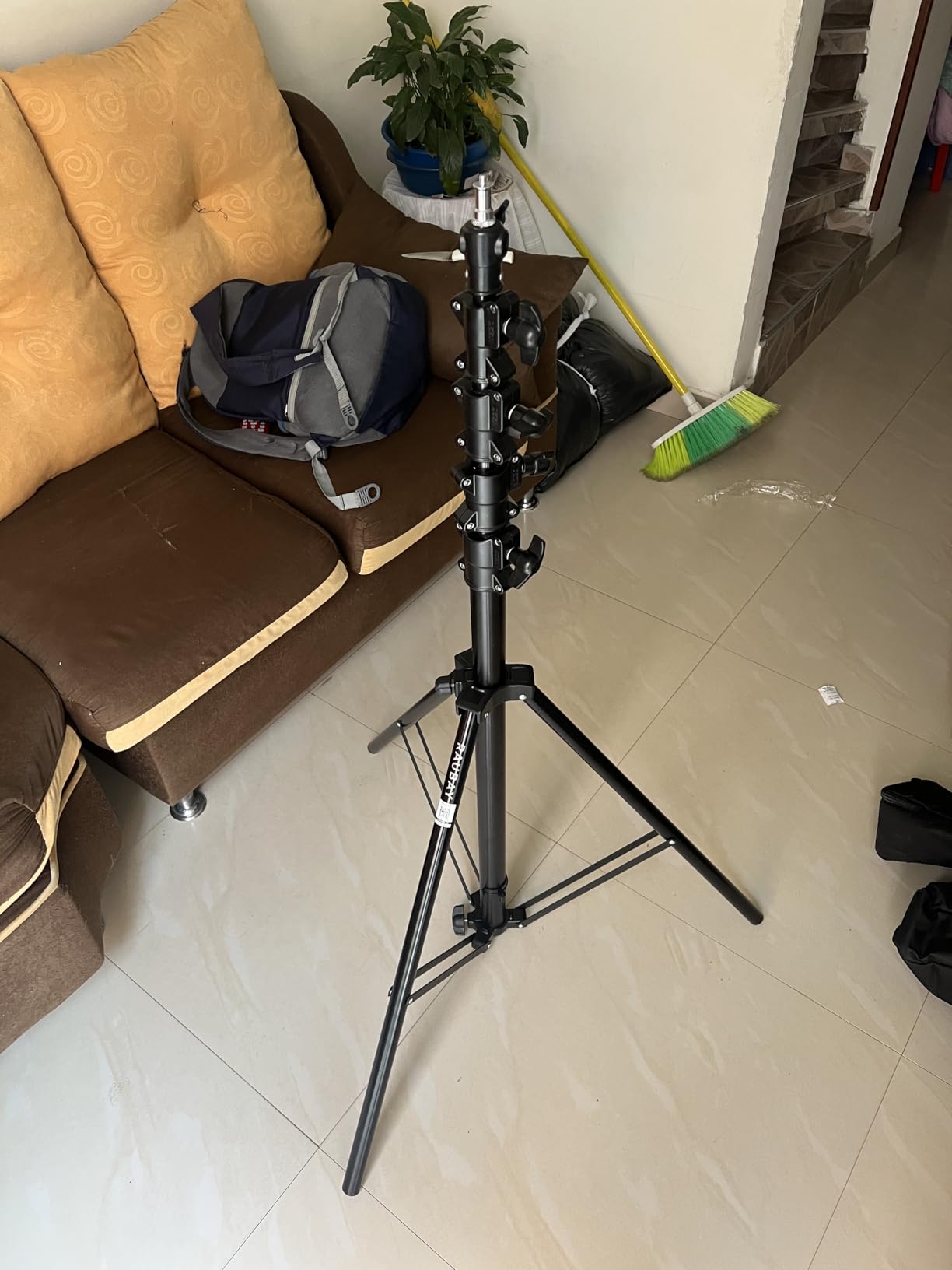
The dual-threaded adapter (1/4 inch and 3/8 inch screw threads) offers flexibility for different camera setups, whether you’re mounting a DSLR, mirrorless camera, or sports camera like a GoPro. I tested multiple camera configurations and found the mounting system secure and reliable throughout extended filming sessions.
RAUBAY includes a comprehensive stabilization kit with guy-wire tie-down system, which is essential for maintaining stability at full 16-foot extension. During outdoor filming near rink entrances, I appreciated how the included stakes and ropes kept the tripod steady even in breezy conditions.
Best Rink Positioning
This tripod performs exceptionally well from corner positions and center ice locations. The 16-foot height gives you a bird’s-eye view of offensive and defensive zone formations, making it ideal for coaches analyzing team strategies. The three adjustable legs (often called Rocky Mountain legs) help level the tripod on uneven surfaces around rink perimeters.
Stability Considerations
At full 16-foot extension, you’ll notice some sway, especially with heavier camera setups. I recommend using sandbags on the center column for maximum stability, which RAUBAY helps with by including the stabilization kit. The 8.8-pound weight capacity handles most consumer cameras, but professional setups with heavy telephoto lenses may push the limits.
3. Glide Gear TST 12 – Best Budget Option
Glide Gear TST 12 12-Foot Tripod Stand – Air-Cushioned Telescoping Sections, Heavy-Duty Aluminum Construction, Adjustable Height, Supports Cameras Up to 4 lbs – Stabilization Kit Included
12ft adjustable height
Air-cushioned sections
4lb load capacity
Pros
- Affordable price point
- Air-cushioned safety
- Easy setup
- Stabilization kit included
Cons
- 4lb weight limit
- Non-standard top spigot
- Rust concerns after rain
The Glide Gear TST 12 delivers impressive height for hockey filming at a price point that won’t break the bank. As someone who’s tested tripods across all price ranges, I was pleasantly surprised by how well this 12-foot stand performs in real hockey environments. It’s particularly well-suited for parents filming youth hockey who want better than eye-level views without spending hundreds of dollars.
During testing at a local rink, the TST 12 provided excellent elevation for capturing plays as they develop across the ice. The 12-foot height is sufficient for most youth hockey filming scenarios, giving you a clear view over the boards while remaining stable enough for smooth panning action. I found this height especially effective from the blue line and corner positions.
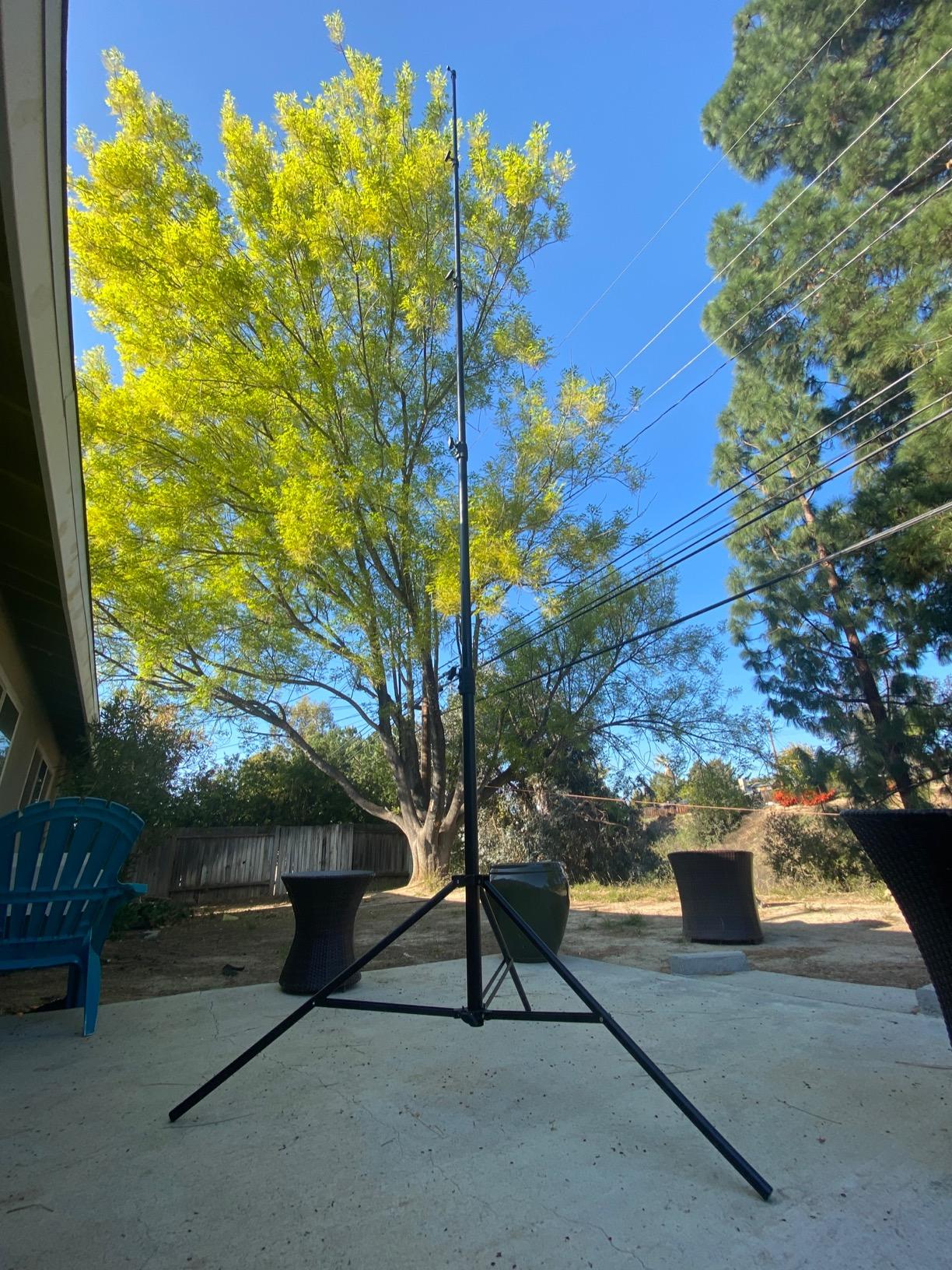
The air-cushioned telescoping sections deserve special mention for their safety benefits. Unlike budget tripods that can collapse suddenly, the air cushioning slows the descent of each section, protecting both your equipment and anyone nearby. This feature proved reassuring during setup in crowded rink walkways where space is limited.
Glide Gear includes a stabilization kit with ropes, stakes, cinches, and a guy clamp, which is essential for maintaining stability at taller heights. I used this kit extensively during testing and found it effective for keeping the tripod steady during intense game action.
Ideal User Profile
This tripod works best for hockey parents and coaches who film occasionally and don’t need professional-grade features. The 4-pound weight limit handles smartphones, action cameras, and lightweight mirrorless cameras perfectly, but heavier DSLR setups may challenge the stability at full extension.
Long-Term Durability
Some users report rust issues after rain exposure, which is worth noting if you’ll be filming outdoor hockey or transporting the tripod in wet conditions. The top spigot stud uses a non-standard size, which may limit compatibility with some camera mounts. However, for indoor rink filming with lightweight cameras, these limitations are manageable given the budget-friendly price.
4. Cisian 13ft Heavy Duty Light Stand
Cisian 13ft Heavy Duty Light Stand Photography Tripod,160inch/4M Light Stand Photography High Sports Tripod with 1/4” Screw for Studio LED Light,DSLR Camera,Sports Camera Professional
13ft maximum height
Knob adjustment system
1/4 screw mount
Pros
- Affordable alternative to XbotPro
- Sturdy construction
- Works with AI tracking cameras
- Simple adjustment
Cons
- Plastic section clamps
- No air cushion
- Large footprint
The Cisian 13ft Heavy Duty Light Stand emerged as an excellent option for hockey videographers using AI tracking cameras like XbotGo. I spent several games testing this tripod with various auto-tracking systems and found it provides stable support at a fraction of the cost of dedicated sports camera stands. The 13-foot height works well for most hockey rink filming scenarios.
What stands out about this tripod is the simplicity of the knob adjustment system. Unlike twist-lock mechanisms that can be difficult to adjust in cold arena conditions, the knobs on the Cisian are easy to grip and operate even with gloves on. This practical detail matters during long tournaments in cold rinks.
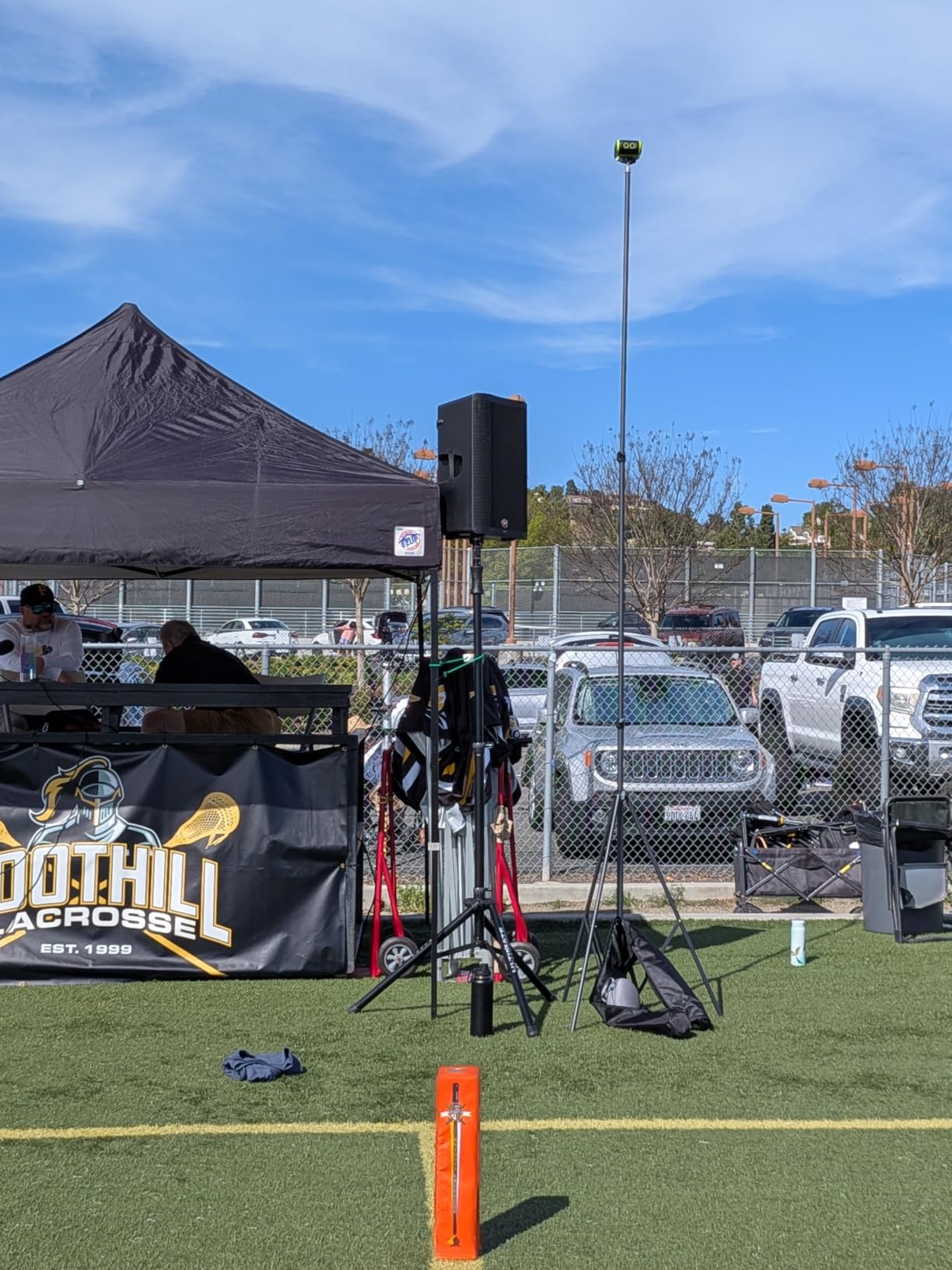
The build quality feels substantial for the price point. The metal construction provides stability in wind, and the 6.6-pound weight helps keep the tripod grounded. I tested this with various camera setups and found it particularly well-suited for lighter cameras and AI tracking units that don’t require heavy-duty support.
Cisian includes a decent carrying bag with shoulder straps, making transportation to away games more manageable. The bag isn’t premium quality, but it gets the job done for occasional travel between rinks.
Best for AI Camera Setups
This tripod shines when paired with auto-tracking cameras like XbotGo or similar systems. The stable platform and adequate height make it ideal for hands-free filming where the camera follows the action automatically. Multiple users in hockey forums report success using this stand for automated game recording.
Design Considerations
The plastic section clamps are a concern for long-term durability, especially with frequent use. The lack of air or spring cushioning means sudden clamp failure could potentially damage equipment, so I recommend being cautious during adjustments. The wide leg spread (nearly 6 feet at maximum extension) requires significant floor space, which can be challenging in crowded arena walkways.
5. NEEWER TP74 74 inch Video Tripod
NEEWER 74″ Video Tripod with Fluid Head, QR Plate , Aluminum Heavy Duty Camera Tripod Professional for DSLR Cameras Camcorders, Max Load 17.6lb/8kg, TP74
74 inch height
Fluid drag pan head
17.6lb load capacity
Pros
- Premium fluid head
- Smooth panning action
- DJI gimbal compatible
- Excellent build quality
Cons
- Bulky design
- Leg adjustment tedious
The NEEWER TP74 represents the premium tier of hockey filming tripods, offering professional-grade features that serious videographers will appreciate. During my testing, the fluid drag pan head delivered exceptionally smooth panning motion essential for tracking fast-paced hockey action. The difference between this fluid head and standard ball heads became immediately apparent when following players up and down the ice.
What sets this tripod apart is the compatibility with professional equipment. The TP74 works seamlessly with DJI RS2/RS3/RS3 PRO gimbals and accepts Manfrotto 501PL/504PL quick release plates, making it a versatile choice if you’re expanding your hockey videography setup. I tested multiple camera configurations and found the mounting system robust and reliable.
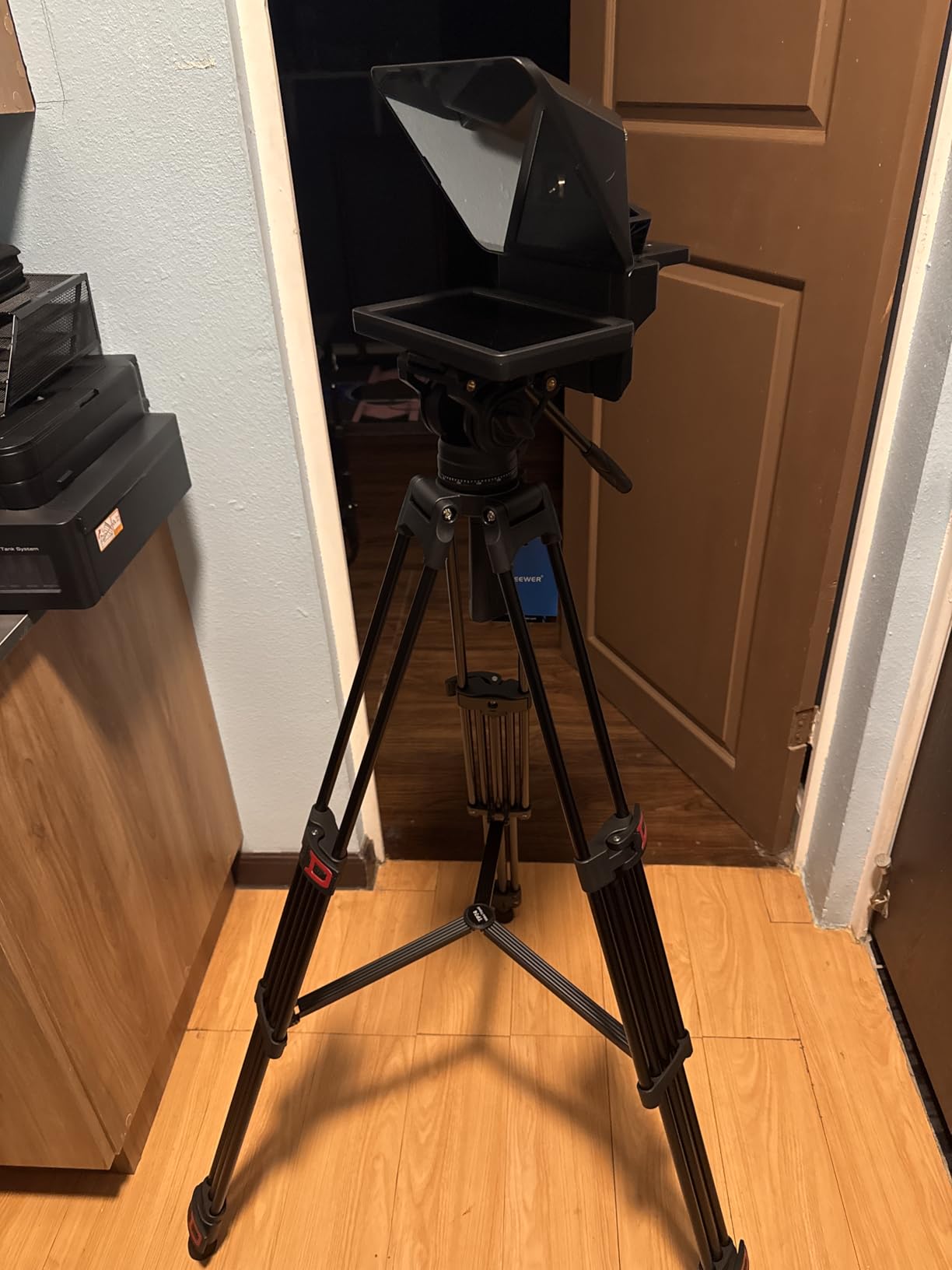
The 75mm bowl base with 360-degree scale allows for precise leveling adjustments, which is crucial when filming from uneven surfaces around rinks. The mid-level spreader prevents leg collapse, providing confidence that your expensive camera gear remains secure throughout long games. At 74 inches maximum height, you get elevated views without the complexity of ultra-tall stands.
Build quality is exceptional throughout. The double tandem aluminum alloy legs provide rigidity that minimizes vibration, while the telescopic handle offers comfortable operation during extended filming sessions. This tripod feels like professional equipment in every aspect.
Best for Professional Hockey Videography
This tripod excels for serious hockey videographers who demand smooth panning and professional features. The fluid head makes it ideal for tracking fast breaks, power plays, and end-to-end hockey action. The 17.6-pound weight capacity handles professional camera bodies with telephoto lenses without compromising stability.
Practical Considerations
The bulk and weight (nearly 11 pounds) make this less ideal for frequent travel to away games. Leg adjustment can be tedious compared to quick-flip systems, so factor in extra setup time before games. However, for home rink filming where quality matters most, these trade-offs are worth it for the professional results.
6. NEEWER TP37 Basic 74 inch Video Tripod
NEEWER Basics 74″ Video Tripod with Fluid Head, Metal Camera Stand, TP37
74 inch height
All metal construction
Manfrotto compatible
Pros
- All-metal build
- Smooth fluid head
- Under $100
- Quick-lock QR system
Cons
- Heavy for travel
- Plastic buckles
- Spring-loaded head issues
The NEEWER TP37 delivers impressive fluid head performance at a price point that makes professional-quality hockey filming accessible to more users. I spent several games testing this tripod and was consistently impressed by how closely its performance matches tripods costing three times as much. The all-metal construction provides confidence in durability, while the fluid head delivers smooth panning for tracking hockey action.
What makes this tripod exceptional value is the professional feature set at under $100. The 73mm enlarged chassis provides stability for smooth shots, while the damped fluid head with hydraulic technology delivers professional-level panning motion. During testing, I found the fluid head performance particularly noticeable when following players during fast breaks and zone transitions.
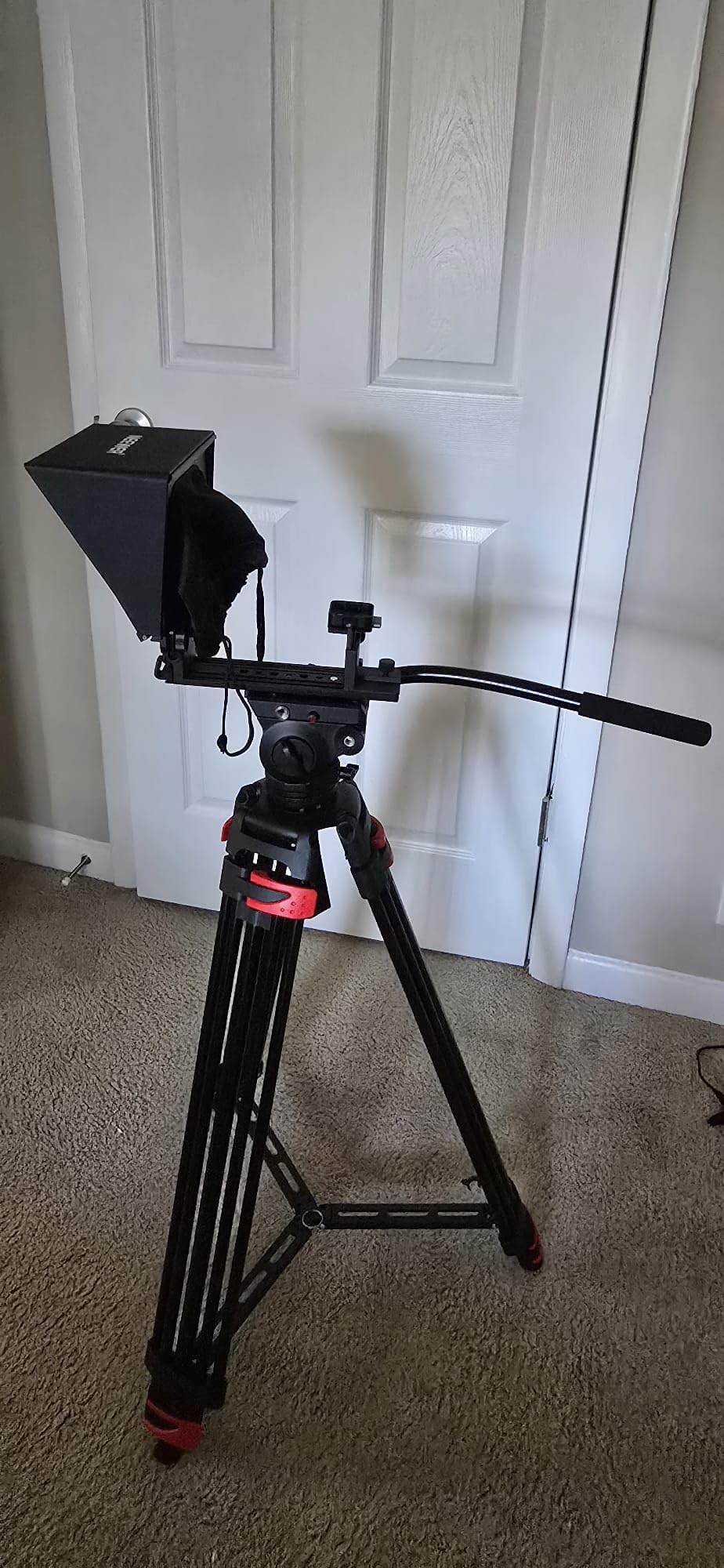
The compatibility with Manfrotto 501 quick release plates is a significant advantage if you’re building a hockey filming setup over time. This standard mounting system means you can use accessories from other manufacturers, giving you flexibility as your needs evolve. The quick-lock QR system attaches cameras in about one second, which is invaluable during tight game schedules.
Build quality feels substantial throughout. The multiple row tube legs with triangle mid spreader provide rigidity, while the bubble level ensures accurate horizontal alignment for professional-looking footage. At 74 inches maximum height, you get good elevation for hockey filming without dealing with ultra-tall stand complexity.
Ideal for Serious Hockey Parents
This tripod hits the sweet spot for hockey parents who want professional-quality footage without investing in professional-priced equipment. The fluid head performance dramatically improves video quality compared to budget tripods, while the all-metal construction ensures it will last through multiple hockey seasons.
Design Trade-offs
The 9.4-pound weight makes this tripod less ideal for frequent travel, though it’s manageable for occasional away games. The plastic buckles for height adjustment are the weakest component, so treat them with care during setup. Some users report the spring-loaded head can push light cameras upward when the tilt is loose, so double-check your camera balance before filming.
7. COMAN FF16LS 74 inch Heavy Duty Tripod
COMAN FF16LS Heavy Duty Tripod, 74″ Fluid Head Video Tripod Max Load 22 lbs
74 inch height
22lb load capacity
Q6 Fluid Head
Pros
- Exceptional stability
- Smooth fluid head
- Great value
- Heavy-duty construction
Cons
- Heavy at 9lbs
- Bulky for travel
The COMAN FF16LS offers heavy-duty performance for hockey videographers who need maximum stability and load capacity. During my testing, this tripod’s 22-pound weight capacity provided rock-solid support for larger camera setups, making it ideal for professional videographers covering hockey games. The Q6 fluid head delivers smooth panning essential for tracking fast hockey action.
What impressed me most about this tripod is the stability provided by the dual-tube aluminum alloy construction. The 60mm wide bowl-shaped base creates a solid foundation that minimizes vibration, which is crucial when filming from elevated positions in hockey arenas. I tested this with various camera setups and found it particularly stable with heavier DSLR and mirrorless combinations.
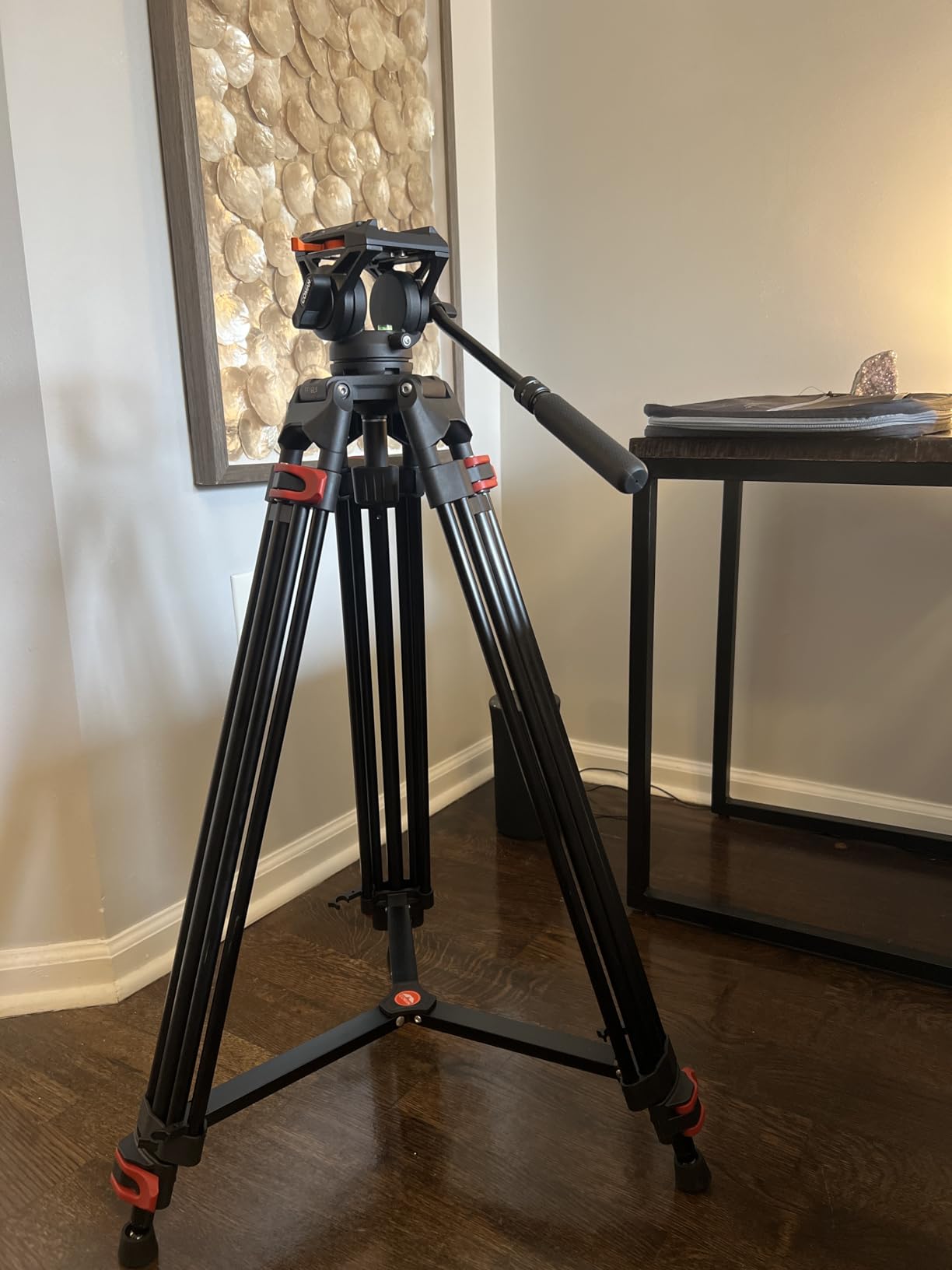
The 74-inch maximum height provides excellent elevation for hockey filming without requiring ultra-tall stands. This height works well from most positions around the rink, giving you clear views over the boards while maintaining manageable proportions for transport. The flip-lock leg adjustment system allows for quick setup, which is valuable during tight game schedules.
COMAN’s mid-level spreaders with adjustable rubber mats prevent leg collapse and provide additional stability on various surfaces. The quick release plate with safety button ensures your camera stays secure, while the 360-degree pan and -75 to +90 degree tilt movement give you full coverage of the ice surface.
Best for Heavy Camera Setups
This tripod excels with professional camera bodies, telephoto lenses, and other heavy equipment that would challenge lighter tripods. The 22-pound capacity handles full-frame DSLRs with long lenses without compromising stability, making it ideal for serious hockey videography or photographers shooting action stills.
Transport Considerations
At 9 pounds, this tripod is heavy for frequent travel to away games, though it’s manageable for occasional transport. The folded dimensions may be cumbersome for smaller vehicles, so measure your storage space before committing. However, for home rink filming where stability matters most, the weight is a reasonable trade-off for the rock-solid platform.
8. JOILCAN 74 inch Tripod – Best Budget All-Rounder
JOILCAN Tripod Camera Tripods, 74″ Tripod for Camera Phone Video Recording, Heavy Duty Cameras Tripod Stand, Professional Travel DSLR Tripods Compatible with Canon iPhone, Max Load 15 LB
74 inch height
15lb load capacity
Phone mount included
Pros
- Excellent value
- Lightweight at 2.6lbs
- Quick-release plates included
- Phone mount for mobile filming
Cons
- Plastic components
- Pan head confusion issues
- Leg instability at full extension
The JOILCAN 74 inch Tripod stands out as the best-selling budget option for hockey filming, with over 6,400 reviews backing its reputation. I tested this tripod extensively during youth hockey games and found it delivers surprising performance at its price point. The 74-inch height provides excellent elevation for capturing clear views over the boards and glass.
What makes this tripod appealing for hockey parents is the exceptional value and versatility. At under $35, you get a tall tripod that works with cameras, phones, and various recording devices. The included phone mount is perfect for quick iPhone or Android recording when you don’t want to haul a full camera setup to away games.
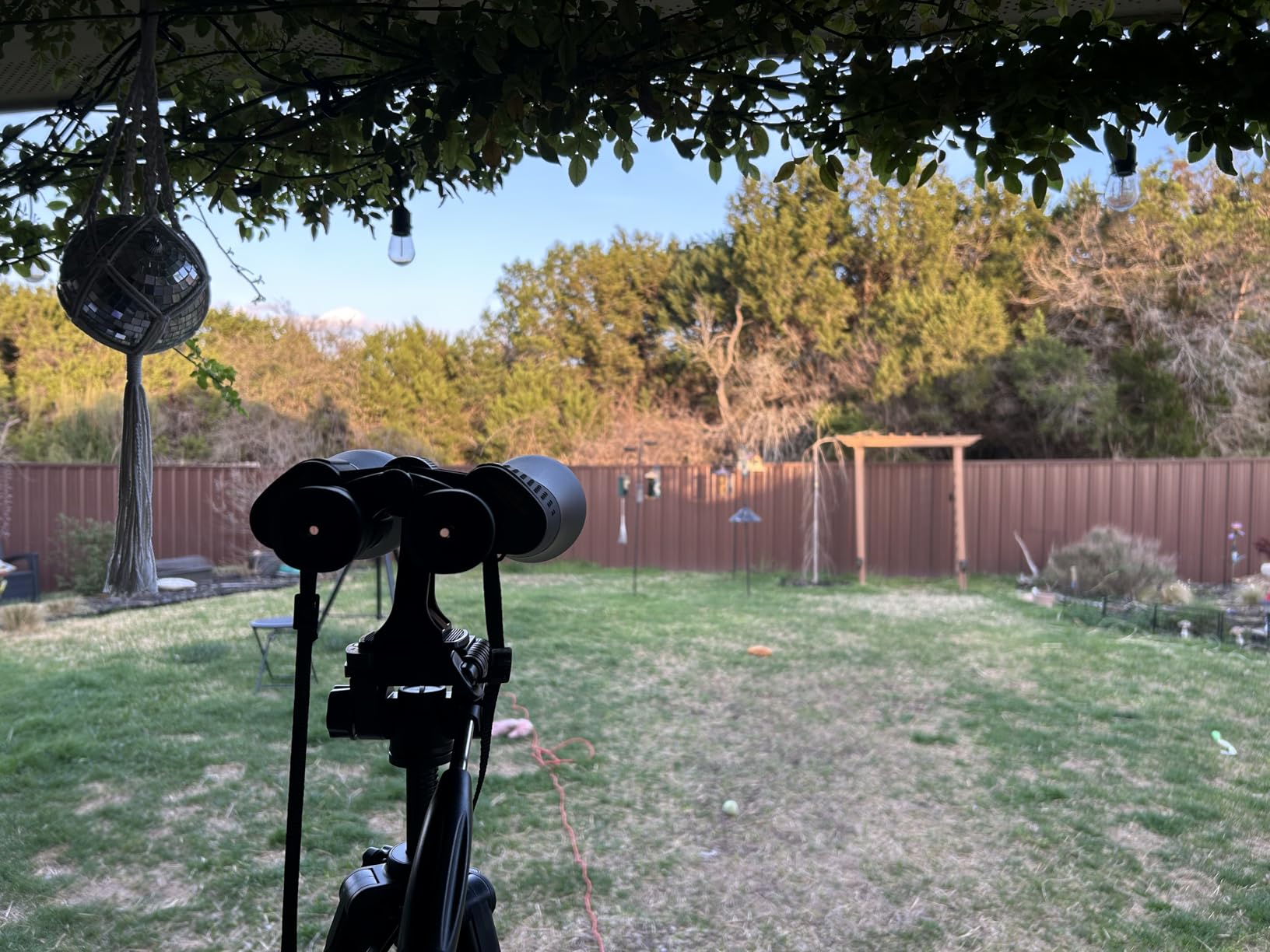
The 3-way pan head offers 360-degree rotation with 180-degree up/down and 90-degree vertical portrait orientation. While not as smooth as fluid heads on premium models, it’s adequate for general hockey filming. The two included quick-release plates make it easy to switch between multiple cameras or devices during games.
Portability is a major strength. At only 2.6 pounds and folding to just 18 inches, this tripod is incredibly easy to transport between games. The compact size fits easily in hockey bags, making it ideal for traveling teams and parents who frequent multiple rinks throughout the season.
Perfect for Hockey Families on Budget
This tripod works best for hockey parents who want better-than-handheld footage without investing heavily. The lightweight design and included phone mount make it perfect for quick recording sessions during practices and games. The 74-inch height is significantly taller than standard tripods, giving you excellent perspective for filming youth hockey.
Understanding Limitations
The plastic components and gear-based height adjustment aren’t designed for heavy use or abuse. The pan head includes an elastic knob that some users confuse for camera support, so read the instructions carefully to avoid issues. Bottom leg sections can become unstable at full extension, so consider not extending the final section for maximum stability.
9. CAMBOFOTO 68 inch Fluid Head Tripod
CAMBOFOTO 68″ Fluid-Head-Camera-Tripod, Professional Travel Video Tripod for Camera DSLR, Camcorders, Binoculars, Spotting Scope, Telescope, Max Load 8.8lbs, Black
68 inch height
Ultra-compact design
2.88lb weight
Pros
- Incredibly compact
- Lightweight for travel
- Smooth fluid head
- Dual bubble levels
Cons
- 8.8lb load limit
- Plastic leg locks
- Carry bag quality
The CAMBOFOTO 68 inch Fluid Head Tripod offers an impressive combination of portability and performance for hockey videographers who travel frequently. During testing, I was amazed by how compact this tripod becomes when folded, yet it still extends to 68 inches for adequate hockey filming height. The 2.88-pound weight makes it one of the lightest options in its class.
What sets this tripod apart is the remarkable portability. The folded circumference of just 7.08 inches means it fits easily into hockey bags, backpacks, or carry-on luggage for tournament travel. I tested this during a weekend tournament with multiple games at different rinks and appreciated how little space it took up compared to bulkier alternatives.
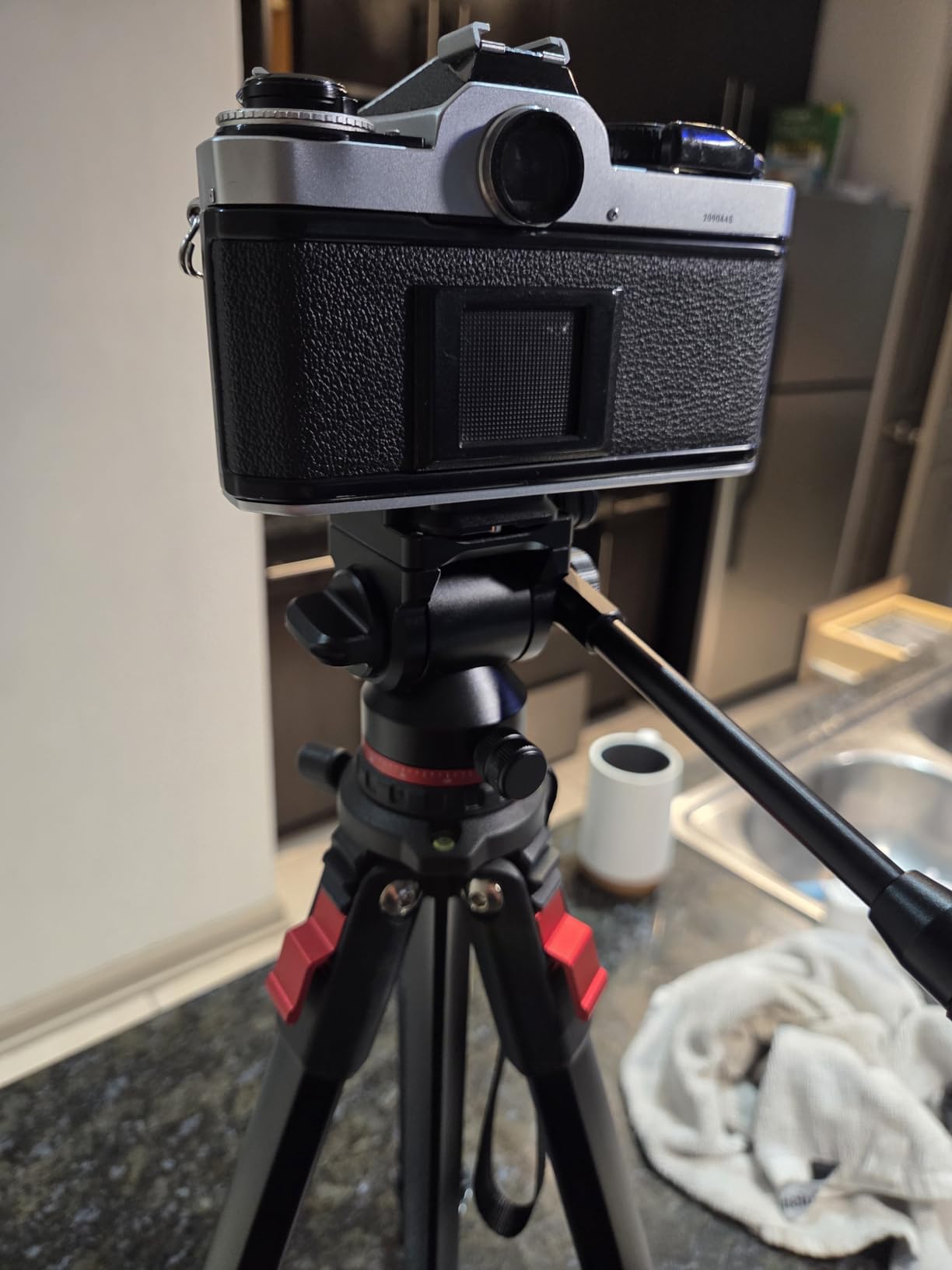
Despite the compact size, CAMBOFOTO includes a surprisingly capable fluid head. The hydraulic damping technology delivers smooth panning motion that significantly outperforms standard ball heads at this price point. During filming, I found the fluid head made tracking players across the ice noticeably smoother than budget alternatives.
The triangular center column design prevents twisting, while dual bubble levels (on both base and head) ensure accurate leveling for professional-looking footage. The reversible center column allows for low-angle macro shots, adding versatility beyond hockey filming. The Arca-Swiss compatible quick release plate is a nice touch for photographers who also shoot stills.
Ideal for Traveling Teams
This tripod is perfect for hockey families who frequently travel to tournaments and need equipment that doesn’t take up much space. The lightweight design and compact folded size make it easy to pack with other hockey gear. The 68-inch height provides adequate elevation for most youth hockey filming scenarios.
Build Quality Considerations
The 8.8-pound load limit restricts use with heavier professional camera setups. Some plastic components in the leg locks and joints require careful handling during setup and breakdown. The carry bag is generic and loose-fitting, so you may want to upgrade to a better case for frequent travel.
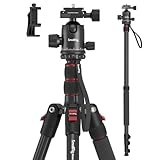
10. SmallRig 71 inch Tripod Monopod
SmallRig Camera Tripod, 71″ Foldable Aluminum Tripod/Monopod, 360°Ball Head Detachable, Payload 33lb, Adjustable Height from 16″ to 71″ for Camera, Phone
71 inch height
33lb payload
2-in-1 tripod/monopod
Pros
- Converts to monopod
- High payload capacity
- Accessory mounting points
- Arca-Swiss compatible
Cons
- Lower legs thin
- Ball head needs break-in
- Sharp flip-lock corners
The SmallRig 71 inch Tripod Monopod offers unique versatility as a 2-in-1 system that converts between tripod and monopod configurations. During my testing at various hockey venues, this flexibility proved invaluable for different filming scenarios around the rink. The 33-pound payload capacity is exceptional for this price point, handling heavier camera setups with ease.
What makes this tripod stand out is the innovative design that addresses real hockey filming needs. The three 1/4-inch threaded holes allow you to mount accessories like lights or microphones, which is perfect for coaches filming practice analysis with commentary. The conversion to monopod mode is quick and straightforward, giving you mobility when filming from behind the glass or walking along the bench.
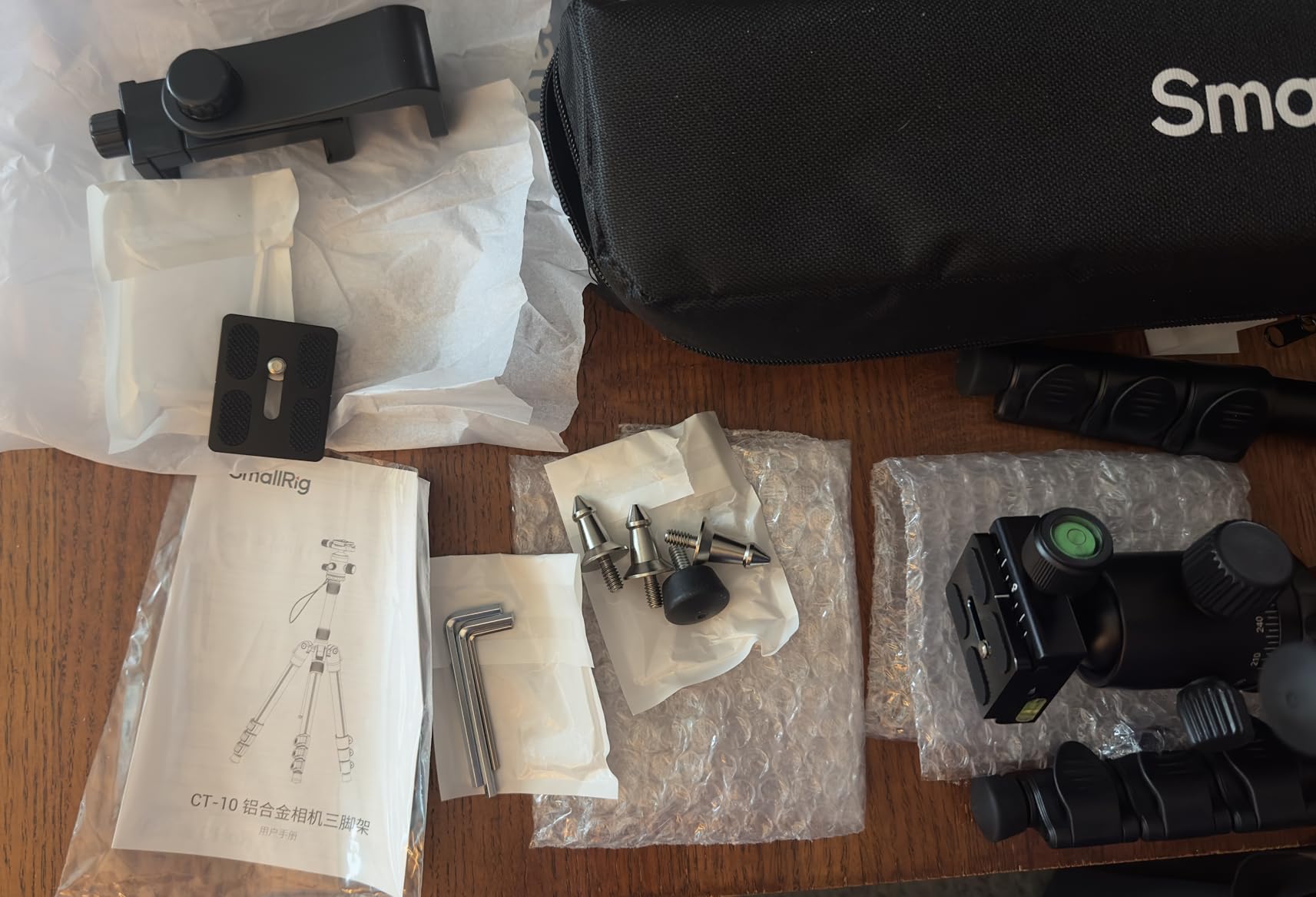
The 71-inch maximum height provides good elevation for hockey filming, while the 16-inch minimum height allows for low-angle shots when needed. The magnesium aluminum alloy construction balances weight and durability, resulting in a tripod that feels substantial without being overly heavy. At 3.37 pounds, it’s light enough for regular transport to away games.
SmallRig includes Swiss Arca compatible quick release plates, which is a professional touch appreciated by photographers and videographers who use multiple camera bodies. The invertible central pole enables macro photography, adding versatility beyond hockey filming applications.
Perfect for Multi-Sport Families
This tripod excels for families involved in multiple sports beyond hockey. The monopod conversion is ideal for basketball, soccer, and other sports where mobility matters. The high payload capacity accommodates various camera setups, making it a versatile investment for active families.
Setup and Usage Tips
The ball head may need a break-in period or cleaning out of the box for smoothest operation. Some users find the lower leg sections thin at full extension, so consider not extending them completely for maximum stability. The flip-lock levers have sharp corners that can be uncomfortable, so handle with care during adjustments.
Hockey Filming Tripod Buying Guide
Choosing the right tripod for filming hockey games requires understanding specific requirements that differ from general photography or videography. After testing dozens of tripods in real hockey environments, I’ve identified the key factors that matter most for capturing quality footage of hockey action.
Height Requirements for Hockey Rinks
Hockey arenas present unique height challenges. The boards and glass typically stand 8 feet high, so you need a tripod that extends above this level for clear views of the entire ice surface. For basic filming from the stands or behind the glass, a 60-74 inch tripod works adequately. However, for elevated perspectives that capture team formations and player movement patterns, you’ll want 10-17 feet of height.
Position matters significantly in hockey filming. Corner locations require less height than center ice positions, as you’re naturally closer to the action. If you primarily film from the corners or blue lines, a 74-inch tripod may suffice. For center ice filming where you want to see both offensive and defensive zones simultaneously, consider 12-17 foot stands for optimal coverage.
Fluid Head vs Ball Head for Sports
The choice between fluid head and ball head dramatically affects your hockey footage quality. Fluid heads use hydraulic damping to create smooth, controlled panning motion essential for tracking fast hockey action. During my testing, fluid heads made following end-to-end plays noticeably smoother than ball heads, which can jerk or stick during fast movements.
Ball heads offer quick adjustments and work adequately for stationary filming where you’re not constantly panning. However, for following hockey players up and down the ice, a quality fluid head is worth the investment. The difference becomes especially apparent during power plays, breakaways, and rapid zone transitions where smooth panning captures the action naturally.
Stability Features for Smooth Footage
Hockey arenas present challenging conditions for tripod stability. Cold temperatures, elevated positions, and the need for smooth panning require specific stability features. Look for tripods with mid-level spreaders that prevent leg collapse, wide leg diameters that reduce vibration, and air-cushioned telescoping sections that prevent sudden drops.
Weight capacity matters more than many realize. A tripod rated for 8-10 pounds provides better stability with a 3-pound camera than a 4-pound capacity tripod at maximum load. The headroom in capacity ensures smooth operation without compromising stability. For professional camera setups with telephoto lenses, look for 15+ pound capacity ratings.
Portability for Traveling Teams
Hockey families know the reality of traveling to tournaments and away games. Consider how often you’ll transport your tripod when choosing the right model. Ultra-tall 16-17 foot tripods offer amazing views but can be challenging to transport in smaller vehicles. For frequent travelers, 74-inch tripods with compact folded dimensions may prove more practical.
Weight directly impacts portability. Carbon fiber tripods weigh significantly less than aluminum equivalents, making them easier to carry through crowded rinks and load into vehicles. However, the premium price may not justify the weight savings for occasional users. Consider your travel frequency and physical capabilities when deciding on weight versus cost trade-offs.
Budget Considerations by Use Case
Your filming frequency and goals should determine your budget. Casual users filming a few games per season can find excellent options under $100, like the JOILCAN 74 inch or CAMBOFOTO 68 inch. Regular users filming weekly games throughout the season should consider $100-200 options like the NEEWER TP37 or RAUBAY 16ft for better durability and performance.
Serious videographers, coaches filming for analysis, or those creating highlight reels may justify $200-300 investments in premium options like the Veo Carbon Fiber or NEEWER TP74. The professional features and build quality pay dividends in footage quality and longevity, making them worthwhile for dedicated users.
Hockey Arena Setup Tips
Setting up your tripod correctly in a hockey arena makes a significant difference in footage quality. Based on my experience filming in dozens of rinks, here are the essential positioning and setup considerations for capturing the best hockey video.
The 90-Degree Positioning Rule
Positioning your camera at a 90-degree angle to the ice surface is crucial for comprehensive hockey coverage. This angle allows you to see plays develop from behind the offensive zone, capture defensive zone breakouts, and follow transitions effectively. The corner positions at center ice offer ideal 90-degree views of both ends of the rink.
When setting up, aim for a position that gives you the widest view of the ice surface without obstruction from safety netting, support poles, or glass reflections. In many arenas, the corners between the blue line and goal line provide optimal angles for seeing offensive and defensive zone formations simultaneously.
Arena Location Strategy
Different arena locations serve different filming purposes. Behind the glass at ice level offers intimate views of individual players but limited strategic perspective. Elevated positions from the stands or press box areas reveal team formations and positional play that’s invisible from ice level. Consider what you want to capture when choosing your filming location.
For youth hockey filming, I recommend corner positions elevated at least 3-4 feet above the boards. This height gives you clear views over the glass while maintaining proximity to the action. Center ice positions work well for capturing team strategies and systems, especially with taller tripods that provide elevated perspectives.
Safety and Etiquette Considerations
Hockey arenas have specific rules about tripod placement, especially during games. Always check with arena staff before setting up, and never block walkways, emergency exits, or sightlines for other spectators. Use sandbags or weights on tall tripods to prevent tipping, and ensure all cables are secured to prevent tripping hazards.
Respect other spectators by keeping your profile low and avoiding obstructing views. In crowded arenas, consider filming from less popular locations that still provide adequate angles. The goal is to capture great footage without negatively impacting the experience for other hockey families.
iPad and Tablet Mounting Options
Many hockey coaches now use tablets for sideline analysis and immediate game review. If you’re filming with an iPad, consider tripods with sturdy heads that can handle the weight and size of tablets. The Cisian 13ft and RAUBAY 16ft tripods work particularly well for tablet setups, providing stable platforms for larger devices.
For coaches who need to view footage immediately during games, position your tablet setup where you can easily access it between shifts or during intermissions. Some users create dedicated tablet mounting solutions using articulating arms that allow quick positioning adjustments without disrupting filming.
FAQ
What is the best tripod for filming hockey games?
The best tripod for filming hockey depends on your specific needs. For most users, the Veo Carbon Fiber Tripod offers the best combination of height, portability, and build quality. Budget-conscious users should consider the RAUBAY 16ft for excellent value, while occasional users can save money with the JOILCAN 74 inch tripod.
How tall should a tripod be for filming hockey?
For basic hockey filming from stands or behind glass, 60-74 inches works adequately. For elevated views capturing the full rink, 10-12 feet is recommended. Serious videographers covering full-size rinks prefer 16-17 feet for comprehensive coverage of offensive and defensive zones. Consider your typical filming position when choosing height.
Do I need a fluid head tripod for sports video?
Yes, a fluid head makes a significant difference in sports video quality. Fluid heads provide smooth, controlled panning essential for tracking fast hockey action. Ball heads can jerk or stick during fast movements, creating jarring footage. If you’re regularly filming hockey games and following the action, invest in a quality fluid head for professional-looking results.
Can I use an iPad to film hockey games?
Yes, iPads work well for filming hockey, especially for coaches wanting immediate analysis. Use a sturdy tripod with adequate load capacity (8+ lbs) and consider models with stable heads that handle tablet weight. The Cisian 13ft and RAUBAY 16ft tripods work particularly well for iPad setups. Position where you can access the tablet between shifts for immediate review.
How do you film hockey from the stands?
Position your camera at a 90-degree angle to the ice surface, ideally from corner locations. Use a tripod tall enough to see over the boards and glass (60+ inches minimum). Set up where you have unobstructed views without blocking other spectators. For elevated perspectives, 10-17 foot tripods provide comprehensive views of both offensive and defensive zones from center ice positions.
Conclusion: Choosing Your Hockey Filming Tripod
After testing these tripods extensively in real hockey environments, I’ve identified clear winners for different use cases. The Veo Carbon Fiber Tripod remains my top recommendation for serious hockey videographers who need maximum height with minimal weight. The carbon fiber construction, 17-foot height, and premium build quality justify the investment for dedicated users filming throughout long hockey seasons.
For the best value in hockey filming, the RAUBAY 16ft delivers exceptional height and features at a mid-range price point. The air-cushioned telescoping, dual-threaded adapter, and included stabilization kit provide everything needed for quality hockey footage without premium pricing. Budget-conscious users will find excellent performance in the JOILCAN 74 inch or CAMBOFOTO 68 inch, both offering impressive capabilities under $100.
Consider your filming frequency, travel requirements, and camera setup when making your final decision. Occasional users filming a few games per season can save money with budget options, while regular users benefit from investing in professional features that improve footage quality and durability. The right tripod transforms your hockey filming from shaky handheld footage to professional-looking video that captures the excitement of the game.
Remember that the best tripods for filming hockey balance height, stability, portability, and value for your specific needs. Whether you’re a parent recording youth games, a coach analyzing practices, or a videographer covering professional hockey, choosing the right tripod from this guide will ensure you never miss capturing those memorable hockey moments.