
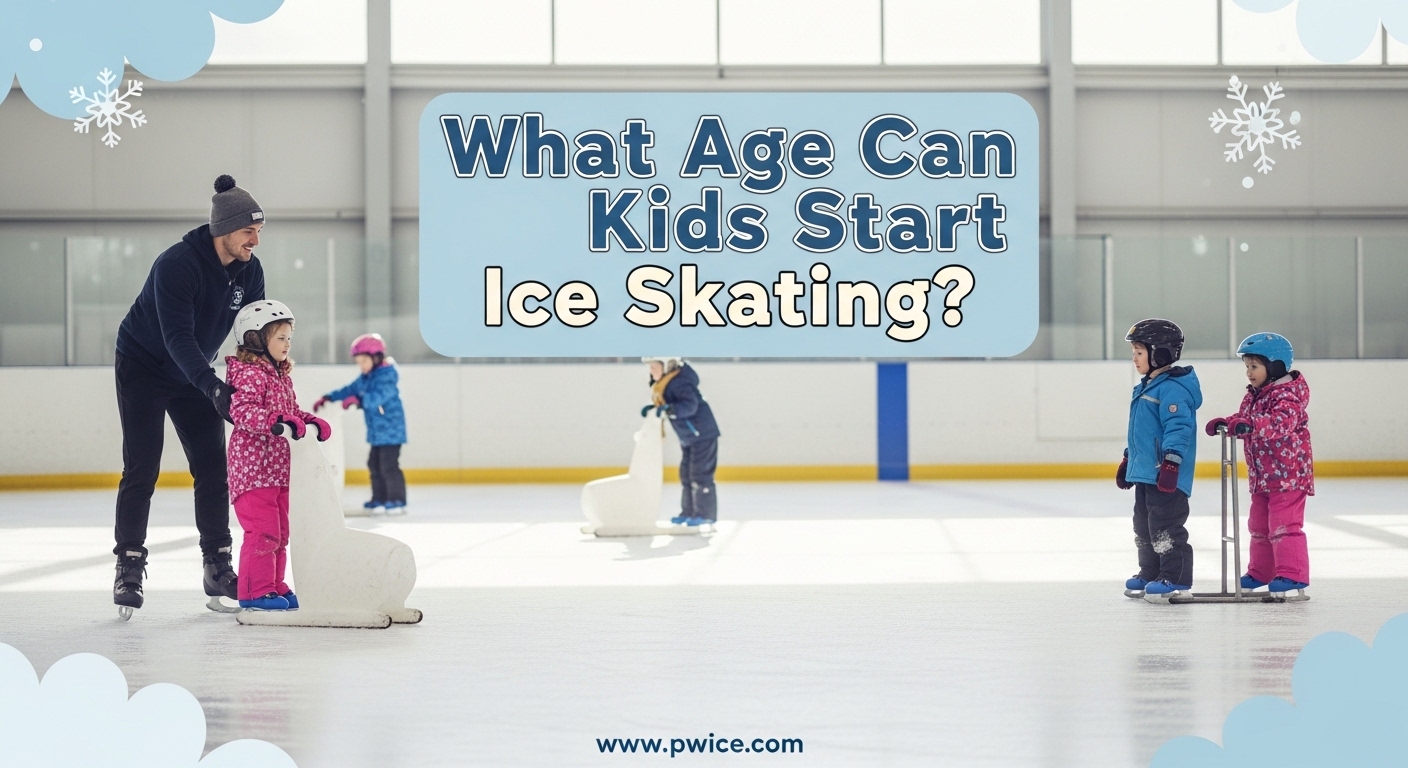
What age can kids start ice skating? Most children are ready to begin between ages 3 and 5, though the right age depends entirely on your child’s individual development. Some eager 2-year-olds can take their first steps on ice with heavy parent support, while other kids do better waiting until age 6 or 7 when they have better balance and longer attention spans.
We have worked with skating instructors and talked to dozens of parents about their experiences starting kids at different ages. The most important thing we learned is that starting at the “perfect” age matters far less than starting when your child is actually ready and interested.
This guide breaks down exactly what to expect at every age from 2 to 6 and beyond. We will show you the specific signs that indicate readiness, red flags that mean you should wait, and what equipment your child actually needs based on their age.
Table of Contents
What Age Can Kids Start Ice Skating?
Here is the quick answer for busy parents:
- Age 2: Possible with parent holding them the entire time, 10-15 minutes maximum
- Age 3: Many can start basic lessons, expect 20-30 minute sessions with frequent breaks
- Age 4: Ideal age for beginning structured lessons, can handle 30-45 minute classes
- Age 5: Perfect timing for most kids, good balance and coordination, 45-60 minute lessons
- Age 6+: Never too late, learn faster due to better focus, full hour sessions work well
Most skating programs accept children starting at age 3, with some allowing 2-year-olds in parent-and-tot classes. The real question is not what age they can start, but what age they will actually enjoy it and make progress.
Age-by-Age Guide: When Each Age Group Can Start
Can a 2 Year Old Ice Skate?
Most 2-year-olds are not ready for actual skating instruction, but they can get familiar with the ice environment with your help. At this age, think of it as introducing them to the sensation of gliding rather than teaching technique.
A 2-year-old who can walk confidently on solid ground might enjoy standing on the ice while you hold both their hands. Keep sessions extremely short, just 10 to 15 minutes maximum. Many will spend more time sitting or crawling than standing, and that is completely normal.
One parent in a forum discussion shared that their 18-month-old was “hooked on everything hockey” but realistically, kids this age are too young to learn actual skating skills. The goal at 2 should be making ice a fun, non-scary place, not developing technique.
Can a 3 Year Old Learn Skating?
Many 3-year-olds can start learning to ice skate, though their success depends entirely on individual readiness. This is the age where some children take to it immediately while others need more time to develop.
At 3 years old, look for these readiness signs: can they walk confidently in skates on solid ground before attempting the ice? Do they follow simple two-step directions? Can they handle minor frustration without complete meltdowns? If the answer is yes to most of these, they might be ready.
Keep expectations realistic for 3-year-olds. Most benefit from short sessions of just 20 to 30 minutes, often with parent participation in the class. Some skating programs offer special classes for 3-year-olds that focus on games and fun rather than formal instruction.
From our research, parents in online discussions noted that 3-year-olds often only capable of basic movements and forward marching, not real skating with gliding strides. That is perfectly fine at this age. The goal is building comfort and balance, not perfect technique.
Can a 4 Year Old Go Ice Skating?
Age 4 is when most kids become truly ready for structured ice skating lessons. Four-year-olds typically have the balance, attention span, and ability to follow directions that make learning to skate actually productive.
At 4 years old, children can usually handle 30 to 45 minute lessons without losing focus. They can follow simple instructions from a coach and understand concepts like bending their knees or taking small steps. Many can participate independently without a parent on the ice.
This is also the age where kids develop enough ankle strength to support themselves in skates. One expert skating coach recommends the “rubber matting test” – if your child can walk confidently across rubber flooring at the rink without their ankles collapsing inward, they likely have the strength needed for skating.
5 Year Old Ice Skating Lessons
Five years old is widely considered the sweet spot for starting ice skating. Kids at this age have developed better balance and coordination, longer attention spans, and the ability to handle more structured instruction.
Five-year-olds can typically handle 45 to 60 minute lessons and will make noticeable progress within just a few sessions. They understand the concept of practicing skills and can work toward simple goals. This is also when many kids start showing interest in either figure skating or hockey.
If your 5-year-old has never skated before, do not worry about being “behind.” Kids who start at 5 often catch up quickly to those who started at 3 because they have better physical control and can focus on instruction. One hockey coach noted that figure skating lessons starting around 5 often produce kids who become the best skaters on their teams later.
Ice Skating for 6 Year Olds and Older
Starting at 6, 7, or even older is absolutely not too late for ice skating. In fact, many kids who start at this age progress faster because they have better body awareness, stronger focus, and can understand complex instructions.
Six-year-olds and older can handle full hour-long lessons and will see steady improvement with regular practice. They are often more motivated to learn because they have chosen skating themselves rather than having it chosen for them by parents.
If your child is interested in competitive figure skating, starting at 6 or 7 still leaves plenty of time to develop skills. For recreational skating or hockey, starting at this age is completely normal and will not put them behind their peers.
A common concern we saw in forums was parents worried about starting at 9 or 10 and feeling like the “odd duck” in beginner classes. The truth is that many rinks separate classes by skill level, not age, and adult beginner classes are increasingly common. It really is never too late to start.
5 Signs Your Child Is Ready for Ice Skating (2026)
Before signing up for lessons, check if your child shows these readiness signs. The more of these they demonstrate, the more likely they are to have a positive first experience.
1. They Walk Confidently on Solid Ground
Your child should be able to walk steadily without falling frequently. If they are still tripping over their own feet on regular flooring, they will struggle even more on ice.
2. They Can Follow Simple Instructions
Can your child follow two-step directions like “put on your shoes and sit by the door”? Skating requires following coach instructions, so this skill is essential.
3. They Show Interest in Skating
Does your child ask to go skating or show excitement when they see people on the ice? Forcing a child who has zero interest rarely works out well.
4. They Handle Frustration Moderately Well
Skating involves falling and getting back up. If your child completely shuts down after minor setbacks, they might need more emotional maturity before starting.
5. They Can Separate From You Comfortably
Many skating classes require kids to participate without parents on the ice. If your child has extreme separation anxiety, consider parent-and-tot classes first.
Signs Your Child Is Not Ready for Ice Skating Yet
Sometimes the best decision is to wait. Here are honest signs that your child might benefit from delaying their start.
Extreme fear of new experiences: If your child is terrified of trying anything unfamiliar and takes weeks to warm up to new situations, the ice rink might be overwhelming. Work on building confidence in other areas first.
Cannot follow 2-step directions: If your child consistently cannot follow simple multi-step instructions, they will struggle to learn skating techniques that require sequencing movements.
Gets frustrated to the point of giving up: Some kids react to difficulty by completely shutting down. If this describes your child, they might have a better experience after developing more persistence.
Physical limitations: Kids with certain physical challenges or very low muscle tone might need to build strength through other activities before tackling skating. Consult with your pediatrician if unsure.
They say they do not want to: Never force a child to skate because you want them to. Kids who feel pressured often develop negative associations that last for years.
Waiting a few months or even a year is perfectly fine. One parent shared that they waited until their daughter was 4 instead of pushing at 3, and the difference was night and day. She went from refusing to put on skates to loving it within weeks.
What Equipment Kids Need by Age
Ages 2-3: Basic Safety Essentials
For the youngest skaters, safety gear is more important than expensive skates. Most rinks rent toddler skates, which is smart since their feet grow quickly.
- Helmet: Mandatory. A properly fitted bike helmet or ski helmet works fine.
- Skates: Start with rental skates to confirm interest before buying.
- Warm clothing: Snow pants, warm jacket, gloves, and thick socks.
Ages 4-5: Proper Skating Gear
At this age, you might want to invest in their own skates if they are taking regular lessons.
- Helmet: Still required for most learn-to-skate programs.
- Figure skates or hockey skates: Choose based on their interest. Figure skates have toe picks; hockey skates do not.
- Gloves or mittens: Essential for warmth and protecting hands during falls.
- Comfortable warm layers: Avoid bulky clothing that restricts movement.
Ages 6+: Full Equipment Setup
Older kids who are committed to regular skating will benefit from better equipment.
- Properly fitted skates: Get professionally fitted at a skate shop, not a general sporting goods store.
- Helmet: Still recommended for beginners, though some intermediate classes no longer require them.
- Appropriate attire: Athletic pants or skating dresses that allow free movement.
What to Expect at Your Child’s First Ice Skating Lesson
Knowing what will happen helps both you and your child feel more prepared. Here is a realistic breakdown of how most first lessons go.
Before Getting on the Ice
Most first lessons start with fitting skates and helmets. This can take 15 to 20 minutes, especially with young children. Make sure to arrive early to handle this without rushing.
The coach will likely do a quick assessment to see what your child already knows. They might ask kids to march in place or bend their knees while holding the boards.
The First Minutes on Ice
Do not be surprised if your child clings to the boards or wants to hold your hand the entire time. Many kids, even confident ones, feel uncertain on the ice at first.
The coach will usually start with extremely basic movements: marching in place, taking small steps, and learning how to fall safely. Falling is actually one of the first skills taught because it happens frequently.
Emotional Reactions to Expect
Some kids cry during their first lesson. This is normal and does not mean they will hate skating forever. One parent shared that their 4-year-old cried for the first three lessons but then suddenly loved it and never wanted to leave.
Other kids surprise their parents by being completely fearless and trying to run on the ice immediately. Both reactions are fine. The coach has seen it all before.
What Your Child Might Learn in Lesson One
By the end of a 30-minute first lesson, many kids can at least march across the ice holding the boards or with a coach’s help. Some will be able to take a few independent steps. A few might even demonstrate a basic glide.
But it is equally normal for a child to spend most of the first lesson just getting comfortable standing on skates. Progress varies wildly at this stage.
After the Lesson
Most kids are tired after their first skating session. The physical and mental effort is significant. Plan a low-key activity afterward and do not be surprised if they nap especially well that day.
Ask your child what they thought, but do not push for a definitive answer immediately. Many kids need time to process new experiences before deciding if they liked it.
Popular Learn-to-Skate Programs for Kids
Most ice rinks follow established curriculums designed by national skating organizations. Here are the main programs you will encounter.
Learn to Skate USA
This is the most common program at rinks across the United States. It offers structured classes for ages 3 through adult with progressive levels. Kids earn badges as they master skills, which gives them a sense of accomplishment.
CanSkate
CanSkate is Skate Canada’s national learn-to-skate program, also used by some rinks in the US. It emphasizes physical literacy and fundamental movement skills. The program is known for its fun, high-energy approach with music and circuits.
Choosing a Program
Look for classes with low student-to-coach ratios, ideally 6 to 8 students per coach for beginners. Ask if they offer trial classes so you can see if your child likes it before committing to a full session.
The best program is one your child enjoys enough to stick with. Consistency matters more than the specific curriculum. Kids who skate once a week for a year will surpass those who skate daily for a month and then quit.
Frequently Asked Questions
Can my 2 year old ice skate?
Most 2-year-olds are not ready for structured lessons, but can experience ice with heavy parent support. Keep sessions to 10-15 minutes maximum and focus on making ice fun rather than learning technique. Think of it as familiarization, not instruction.
Can a 3 year old learn skating?
Yes, many 3-year-olds can start learning to ice skate if they show readiness signs like confident walking, ability to follow simple directions, and moderate frustration tolerance. Expect 20-30 minute sessions and consider parent-participation classes. Most 3-year-olds will focus on basic movements rather than proper skating technique.
Can a 4 year old go ice skating?
Age 4 is an ideal time to start ice skating for many children. Four-year-olds typically have the balance, attention span, and ability to follow directions needed for productive lessons. They can usually handle 30-45 minute classes and participate independently without a parent on the ice.
Should I take my 3 year old ice skating?
Only if they show genuine interest and readiness signs. A 3-year-old who walks confidently, follows directions, and expresses excitement about skating might enjoy it. However, if they show fear, cannot follow instructions, or seem uninterested, waiting until age 4 or 5 often leads to a much better experience.
Is 12 too old to start figure skating?
No, 12 is not too old to start figure skating. While competitive Olympic-level skating requires starting young, many people start figure skating as teens or adults for recreation and fitness. Older beginners often progress faster due to better focus and body awareness. Look for rinks that offer beginner classes grouped by skill level rather than age.
What should my child wear to their first skating lesson?
Dress your child in warm, comfortable layers that allow free movement. Snow pants or athletic pants work well on the bottom. A warm jacket or sweatshirt on top. Gloves or mittens are essential for warmth and protecting hands during falls. A properly fitted helmet is required by most rinks.
Final Thoughts: Every Child Is Different
What age can kids start ice skating? The honest answer is that it varies. Some children are gliding confidently at age 3, while others do not find their footing until age 6 or 7. Both timelines are completely normal and healthy.
The most successful young skaters we have seen are not necessarily the ones who started earliest. They are the ones who started when they were ready, with supportive parents who set realistic expectations and celebrated small victories.
If you are unsure whether your child is ready, try a single public skating session first. Rent skates, hold their hands, and see how they respond. Their reaction will tell you more than any age guideline ever could. Remember, there is no prize for starting early, but there is a real risk of creating negative associations by pushing too soon.
Ice skating can become a lifelong source of joy, exercise, and confidence for your child. Starting at the right time for them, not based on anyone else’s timeline, gives them the best chance of falling in love with the ice.