
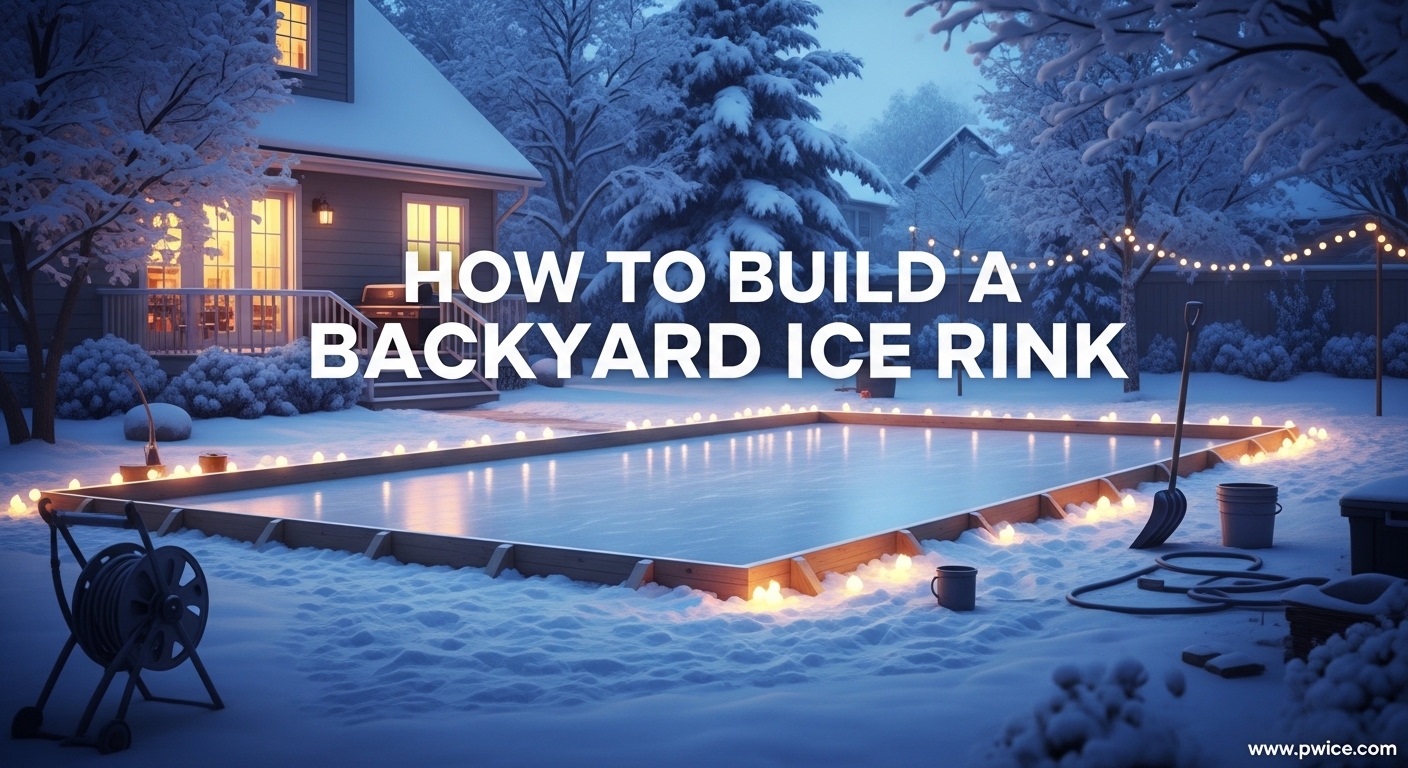
Building a backyard ice rink transforms your winter from a season of indoor boredom into months of outdoor family fun. Whether you want a casual skating surface for the kids or a serious training ground for hockey practice, learning how to build a backyard ice rink is simpler than most people imagine. With basic materials costing $300 to $600 and a free weekend, you can create a frozen playground that rivals any public rink.
Our team has guided dozens of first-time builders through the process. We have seen the common mistakes that ruin rinks and the small details that make them exceptional. This guide covers everything from choosing a flat location to smoothing the ice like a Zamboni professional. Follow these eight steps and you will be skating in your own backyard within two weeks.
Can you build your own ice rink? Absolutely. You do not need construction experience or expensive equipment. The basic method uses a frame to contain water, a plastic liner to hold it, and cold temperatures to freeze it. Most families complete the build in a single weekend, then wait for nature to do the freezing work.
Table of Contents
Materials and Tools You’ll Need
Gathering materials before you start saves multiple trips to the hardware store. Here is exactly what you need for a standard 20×40 foot backyard ice skating rink:
Frame Materials (Choose One Option)
Option A – Lumber Frame: Twelve 2×8 or 2×10 boards, 10 feet long. Pressure-treated lumber lasts longer but costs more. You will also need 3-foot concrete stakes or rebar (one every 4-6 feet) and L-brackets for corner reinforcement.
Option B – PVC Frame: Twenty 10-foot lengths of 2-inch schedule 20 PVC pipe. Include T-joints for corners and straight connectors. PVC works best for smaller rinks under 25 feet wide.
Option C – Rink Brackets: Commercial brackets like Iron Sleek or NiceRink systems accept your own lumber but provide engineered corner solutions. Expect to pay $150 to $300 for a 20×40 setup.
Liner and Essentials
Buy a white 6-7 mil polyethylene liner sized larger than your rink. For a 20×40 frame, get a 24×44 foot liner to allow 2-foot overhang on all sides. White liners reflect sunlight and prevent melting better than clear liners.
You will need a reliable garden hose that reaches your rink location. A line level or laser level helps ensure your frame is even. Optional additions include kick plates to protect the liner from skate blades, outdoor extension cords for lighting, and sandbags or bricks to secure the liner edges.
Step 1: Choose the Perfect Location
The success of your DIY ice rink depends entirely on location selection. Flat ground is non-negotiable. A slope greater than 6-8 inches across your rink area causes uneven water depth and thin ice on the high side.
Check your yard with a line level or simply observe where puddles form after rain. Those puddles reveal your flattest spots. Avoid building directly over septic tanks or leach fields. The weight of water and ice can damage underground systems.
Position your outdoor ice rink near a water source. You will need to run a hose for several hours during filling. Also consider sun exposure. Partial shade helps the ice last longer on sunny winter days, but full shade slows initial freezing.
Dealing with Sloped Yards
Most yards have some slope. If yours exceeds 6 inches, you have options. Build up the low side using stacked bricks, blocks, or compacted fill dirt. Install taller boards on the downhill side. Extension brackets from commercial suppliers help manage grade differences up to 18 inches.
Our team built a rink on a 12-inch slope by using 2×12 boards on the low side and 2×6 boards on the high side. The water self-leveled and froze evenly. The key is accounting for the grade before you start construction.
Step 2: Measure and Plan Your Rink Size
Size your backyard hockey rink or family skating area based on available space and intended use. Here are the standard recommendations we suggest:
- Family Recreation: 20×40 feet minimum. Allows casual skating and small games.
- Hockey Practice: 40×80 feet or larger. Provides space for drills and shooting.
- Shooting Lane Only: 10×40 feet. Perfect for stickhandling and shooting practice in narrow yards.
Measure your chosen area and mark the corners with stakes. Use the 3-4-5 triangle method to ensure perfectly square corners. Measure 3 feet from the corner along one side and 4 feet along the adjacent side. Adjust until the diagonal measures exactly 5 feet. This geometry guarantees 90-degree corners.
Leave 3-4 feet of clearance around your rink for walking and snow removal. Overhanging branches should be trimmed back to prevent leaves and debris from falling onto your ice surface.
Step 3: Clear and Prepare the Area
Remove every stick, rock, and piece of debris from your rink area. Even small objects can puncture your liner or create bumps in the ice. Mow the grass to 2 inches or shorter. Tall grass creates uneven freezing and weak spots in the ice.
Level any high spots by stomping them down or removing soil. Fill low spots with sand, dirt, or compost. The goal is a surface within 2-3 inches of level across the entire area. You do not need perfection, but major bumps cause problems later.
Grass Protection Strategy
One of the biggest concerns from forum discussions is grass damage. Will the rink kill your grass in spring? Usually not, but proper preparation helps.
Lay down old carpet, cardboard, or a thin foam layer before installing your liner. This creates air space that prevents the grass from being completely smothered. Some builders use a base layer of rink liner foam cove products for both protection and gap-filling.
Avoid building over dormant winter grass if possible. Early November construction, before the ground freezes solid, allows the grass to establish some winter hardiness. Come spring, your grass may be yellow but typically recovers within two weeks of thaw.
Step 4: Build the Frame and Boards
Your frame contains the water and creates the ice rink perimeter. For lumber frames, drive stakes 2 feet into the ground every 4-6 feet around your marked area. Place the 2×8 or 2×10 boards outside the stakes, with stakes on the exterior to resist outward water pressure.
Secure boards to stakes using screws or nails. Brace corners with diagonal supports or metal L-brackets. The water exerts surprising force, especially on long sides. A 40-foot span of 4-inch deep water pushes outward with over 400 pounds of pressure.
Check that the top of your boards is level. Use a line level or pour water into a shallow channel on top to identify high and low spots. Adjust by pounding stakes deeper or adding shims beneath boards.
Alternative Frame Methods
Some builders use hay bales as temporary borders. Stack them two high around your perimeter. They insulate well and create a rustic look. However, they deteriorate when wet and can be messy in spring.
Railroad ties work for permanent or semi-permanent installations. They are heavy, durable, and look attractive. Bury them 6 inches deep for stability. Do not use treated lumber that could leach chemicals into your yard.
PVC frames suit smaller rinks. Connect pipes with fittings to create a rectangular frame. Drive rebar stakes through the pipes at corners and midpoints. PVC flexes more than lumber, so keep spans under 15 feet between supports.
Step 5: Install the Rink Liner
Spread your polyethylene liner over the frame, letting it drape down into the rink area and over the outside of the boards. Do not pull it tight. You want slack so the liner can settle as water fills and freezes. A too-tight liner rips under stress.
Position the liner so it touches the ground in the center and climbs the boards on all sides. The overhang outside the boards should be at least 12-18 inches. This overlap prevents water from escaping if the liner shifts.
Secure the liner temporarily with spring clamps, staples, or sandbags. Do not staple aggressively or use anything that punctures extensively. Small holes ruin the entire setup. Check for any manufacturer holes or tears before proceeding. Patch small damage with waterproof tape designed for pond liners.
Liner Selection Tips
Choose white 6-7 mil polyethylene liner whenever possible. White reflects sunlight, reducing melting on bright winter days. Clear liners let sunlight through, creating weak spots and extending freezing time.
The mil rating indicates thickness. A 6-mil liner works for most residential rinks. Go to 10-mil for larger installations or sloped yards where water pressure concentrates. Thicker liners cost 30-50 percent more but last multiple seasons.
Buy liner material wider and longer than your frame dimensions. The extra material accommodates the depth drop and board overhang. Never stretch a liner to fit. Buy larger or build smaller.
Step 6: Fill with Water
Filling creates your ice base. The target water depth is 3-4 inches across the entire surface. This depth provides enough mass to freeze solid and resist melting during temperature swings. Shallow water freezes faster but cracks and melts quickly. Deep water takes too long to freeze and stresses your frame.
Check the weather forecast before filling. You need 3-5 consecutive days of below-freezing temperatures ahead. Ideally, temperatures should drop into the teens or single digits at night with daytime highs below freezing.
Begin filling in the evening when the sun is down. Cold water from your tap works fine. Fill slowly to avoid creating waves that push the liner up the boards. The first fill establishes your base layer. Some builders add a second thin flood later for a smoother surface, but the initial 3-4 inches should be your main ice mass.
Handling the Water Line
Leave your hose running continuously during filling. If you stop mid-fill and temperatures drop, your hose and the filled water line can freeze. A frozen hose extends filling time significantly. If you must stop, drain the hose completely and bring it indoors.
For very large rinks, consider a submersible pump or multiple hose connections. A standard garden hose delivers roughly 8-10 gallons per minute. A 20×40 foot rink with 3-inch depth holds approximately 1,800 gallons. Expect 3-4 hours of filling time.
Step 7: Wait for the Freeze
Patience defines this step. Rushing onto the ice too early ruins the surface and creates safety hazards. Wait for consistent freezing temperatures.
You need at least 3-5 consecutive nights with temperatures below 20°F (-6°C). Colder temperatures freeze faster. Nights below 10°F can create an inch of ice overnight. Warmer nights near 32°F barely freeze the surface and create weak, slushy ice.
Resist the temptation to walk on the rink during freezing. Foot traffic creates cracks and weak spots. Let the water freeze undisturbed. The freezing process works from the top down and the ground up simultaneously.
Ice Thickness and Safety
Safe skating requires 4+ inches of solid ice. Check thickness by drilling a small hole near the edge or observing the freeze line on the liner if it is visible. Clear, blue-tinted ice is strongest. White or cloudy ice contains air bubbles and is weaker.
Thinner ice near the edges is common. The ground warms the water from below, slowing edge freezing. If you have 4 inches in the center but only 2 inches at the edge, restrict skating to the thicker areas or wait longer.
Step 8: Test and Start Skating
Once you believe the ice is ready, test it properly. Drill a test hole near the edge or look for visible ice lines through clear sections. You need uniform 4-inch thickness minimum.
Send your lightest family member out first. Have them skate gently near the edges, working toward the center. Listen for cracking sounds. Some surface cracking is normal, but deep cracks or spreading fractures indicate insufficient thickness.
Check for thin spots, especially near inlet areas where warmer water entered, or near the high side of sloped rinks. Mark any thin areas and avoid them. If you find leaks where water escapes through the liner, patch them immediately with tape or a patch kit.
Once testing confirms safe ice, enjoy your backyard ice rink. Hockey games, figure skating practice, or simple family skating sessions are now possible steps from your back door.
Maintenance and Resurfacing Tips (2026)
Maintenance keeps your ice smooth and safe throughout the season. Snow removal comes first. Remove snow immediately after each storm. Snow insulates the ice, slowing freezing and creating soft spots. It also freezes into bumps that ruin your surface.
Use a plastic snow shovel or a dedicated ice rink snow pusher. Metal shovels scrape and damage ice. Clear to the edges and pile snow outside the rink perimeter. Never dump snow onto the ice surface.
Creating Smooth Ice with a Homeboni
The secret to glass-smooth ice is a homeboni, also called a resurfacer. This simple tool floods a thin layer of hot water over the ice surface, filling cracks and creating a fresh frozen layer.
Build a basic homeboni from a towel or carpet scrap attached to a PVC pipe or wooden frame. Fill a 5-gallon bucket with hot tap water. Drag the soaked towel across the ice, leaving a thin film of water behind. The hot water melts the surface slightly, then refreezes into smooth perfection.
Flood in thin layers, no more than 1/8 inch at a time. Thick layers crack or create uneven freezing. The best time to resurface is evening when temperatures drop and the water freezes quickly.
Routine Maintenance Tasks
Check your liner edges weekly. Wind can lift unsecured overhangs. Water level drops as ice evaporates and sublimates. Add small amounts of water periodically to maintain depth. Monitor for wildlife damage. Animals walking on thin ice can puncture liners with their claws.
Clear leaves and debris immediately. Organic matter freezes into the ice, creating weak spots and discoloration. Keep the surface clean for the best skating experience.
Common Problems and Solutions
Even experienced builders encounter problems. Here is how to handle the most common issues:
Liner Punctures: Skate blades, debris, and animal claws puncture liners. Small holes are patchable with underwater tape or liner patch kits. Large tears may require liner replacement. Prevention matters more than repair. Clear debris thoroughly before filling and inspect for sharp objects regularly.
Uneven Freezing on Slopes: If the high side of your sloped rink freezes thin while the low side stays watery, build up the low side frame before next season. For immediate fixes, add snow or slush to the low side to reduce water depth there, allowing it to catch up in freezing.
Water Line Freezing: If your fill stops because the hose froze, use warm water or a heat gun to thaw connections. Never use boiling water on plastic fittings. Prevent this by filling on milder days or using heated hoses designed for cold weather.
Rough Ice After Snow: Snow that sits on ice creates bumpy texture when removed. Resurface immediately after snow removal with a thin hot water flood. For severe roughness, scrape with a metal shovel (carefully) then resurface.
Boards Bowing: Water pressure bows boards outward, especially on long spans. Add brace stakes mid-span to reinforce. Next season, use thicker boards or reduce the unsupported span length.
End-of-Season Cleanup and Storage
When spring approaches and temperatures stay above freezing, it is time to dismantle your rink. Do not wait for the ice to melt completely. Standing water creates mud and delays grass recovery.
Drain the water before the liner tears under ice weight. Use a submersible pump, siphon with a hose, or simply cut the liner edge if you are replacing it next year. Drain to a storm sewer or area that can handle the volume.
Remove boards and stakes while the ground is still soft. Frozen ground in late fall makes stake removal nearly impossible. Store lumber under cover to extend its life. Stack stakes for reuse next year.
Clean and dry your liner completely before folding. Any moisture causes mold and deterioration. Patch any holes for reuse. Store in a cool, dry place away from direct sunlight. UV radiation degrades polyethylene over time.
Grass Recovery
Your grass may look yellow and matted after removal. This is normal. Rake gently to aerate, then apply a light fertilizer when soil temperatures reach 50°F. Water regularly if spring is dry. Most lawns recover fully within 3-4 weeks.
Areas that were under deep water may show temporary bare patches. Reseed these areas in early spring. The damage is rarely permanent.
Pro Tips for the Best Backyard Ice Rink (2026)
After years of building and researching, our team has collected advanced tips that separate good rinks from great ones.
Timing Your Build: Start construction in early November, before the ground freezes solid. Frozen ground makes stake driving and leveling nearly impossible. Early setup also lets you fill and freeze during the first cold snap, extending your skating season.
Lighting for Night Skating: String LED lights around your rink perimeter or install temporary floodlights. Night skating under lights feels magical and extends usable hours. Use outdoor-rated extension cords and GFCI protection for safety.
Weather Monitoring: Use weather apps with freeze alerts. Weather Underground and AccuWeather provide detailed hourly forecasts. Track temperature trends for optimal fill timing. Some dedicated rink builders use wireless thermometers placed in the rink area for real-time monitoring.
Creating a Warming Station: Position a fire pit or patio heater near your rink edge for apres-skate warming. Provide bench seating for lace adjustments. A plastic tote filled with hot cocoa supplies makes you the most popular house in the neighborhood.
Hockey Goal Setup: Use PVC or metal hockey goals on your rink. Position them to avoid direct shots at your liner. Kick plates installed on board interiors protect liners from puck impacts and skate blades.
Building Strong Ice: Multiple thin floods create stronger ice than one deep fill. After your base freezes, add 1/4 inch layers every few days. Each layer bonds with the previous, creating dense, crack-resistant ice. This technique, borrowed from commercial rink management, makes a noticeable difference.
Frequently Asked Questions
How much does it cost to build a backyard ice rink?
A basic DIY backyard ice rink costs $300 to $600. This includes lumber or PVC for the frame ($150-250), a 6-7 mil polyethylene liner ($100-150), and stakes or brackets ($50-100). Using commercial rink kits raises costs to $500-1,200. Optional additions like lighting, resurfacers, or hockey goals add $100-300. Most families recover the investment in one season compared to public rink admission fees.
How deep does a backyard ice rink need to be?
The ideal water depth for a backyard ice rink is 3-4 inches. This depth provides enough ice mass to resist melting and cracking while freezing within a reasonable timeframe. Shallow ice under 2 inches melts quickly and cracks easily. Deep water over 6 inches stresses your frame and takes too long to freeze solid. Maintain 3-4 inches through the season by adding small amounts of water during resurfacing.
How to make a simple backyard ice rink?
The simplest backyard ice rink uses a 2×4 lumber frame staked into the ground, a plastic tarp liner draped over the boards, and a garden hose fill. Mark a 20×40 foot area, drive stakes every 6 feet, attach boards outside the stakes, spread the liner, and fill with 3-4 inches of water. Wait for 3-5 nights below 20°F to freeze, then skate. No special tools or skills required.
Can I build my own ice rink?
Yes, you can absolutely build your own ice rink. Thousands of families construct DIY backyard ice rinks every winter with basic tools and materials. No construction experience is necessary. The process involves building a simple frame, installing a plastic liner, filling with water, and waiting for freezing temperatures. Most first-time builders complete the project in one weekend.
What is a good size for a backyard ice rink?
A good size depends on your intended use. For family recreational skating, build at least 20×40 feet. This fits 3-4 people comfortably. For hockey practice, aim for 40×80 feet or larger to allow drills and shooting. Small yards can accommodate 10×40 foot shooting lanes. Measure your available flat space and subtract 3-4 feet for walking clearance around the perimeter.
How cold to freeze a backyard ice rink?
You need 3-5 consecutive nights with temperatures below 20°F (-6°C) to freeze a backyard ice rink properly. Colder temperatures freeze faster. Nights below 10°F can freeze an inch of ice overnight. Days should remain below freezing during the freeze period. Avoid filling if a warming trend is forecast within 48 hours. Consistent cold, not just single cold nights, creates safe skating ice.
How to keep a backyard ice rink smooth?
Keep your ice smooth by removing snow immediately after storms and resurfacing regularly with a homeboni. Build a simple resurfacer from a towel dragged behind a bucket of hot water. Apply thin 1/8 inch layers of hot water that fill cracks and refreeze flat. Resurface in the evening when cold temperatures quickly freeze the new layer. Shovel with plastic shovels only, as metal damages the surface.
What’s the best way to have strong ice for your backyard ice rink?
Create strong ice by using multiple thin floods rather than one deep fill. After your 3-4 inch base freezes, add 1/4 inch layers every few days. Each layer bonds with the previous, creating dense ice. Use a white liner to reflect sunlight and prevent melting. Keep the surface clear of snow, which insulates and weakens ice. Maintain consistent 4+ inch thickness throughout the season.
Conclusion
Building a backyard ice rink ranks among the most rewarding winter projects for any family. You now know exactly how to build a backyard ice rink, from selecting a flat location to smoothing the surface like a professional. The eight steps are straightforward: choose your spot, measure and plan, clear the area, build the frame, install the liner, fill with water, wait for the freeze, then enjoy skating.
Your total investment of $300 to $600 and one weekend of work creates weeks of outdoor entertainment. The memories made on your own ice, under your own lights, with friends and family gathered nearby, justify every hour of preparation. When spring arrives and you store your liner for next year, you will already be planning improvements for the next season.
Start gathering materials today. Watch the weather for that first cold snap. This winter, instead of complaining about the cold, you will be gliding across your own backyard ice rink, wondering why you did not build one sooner.