
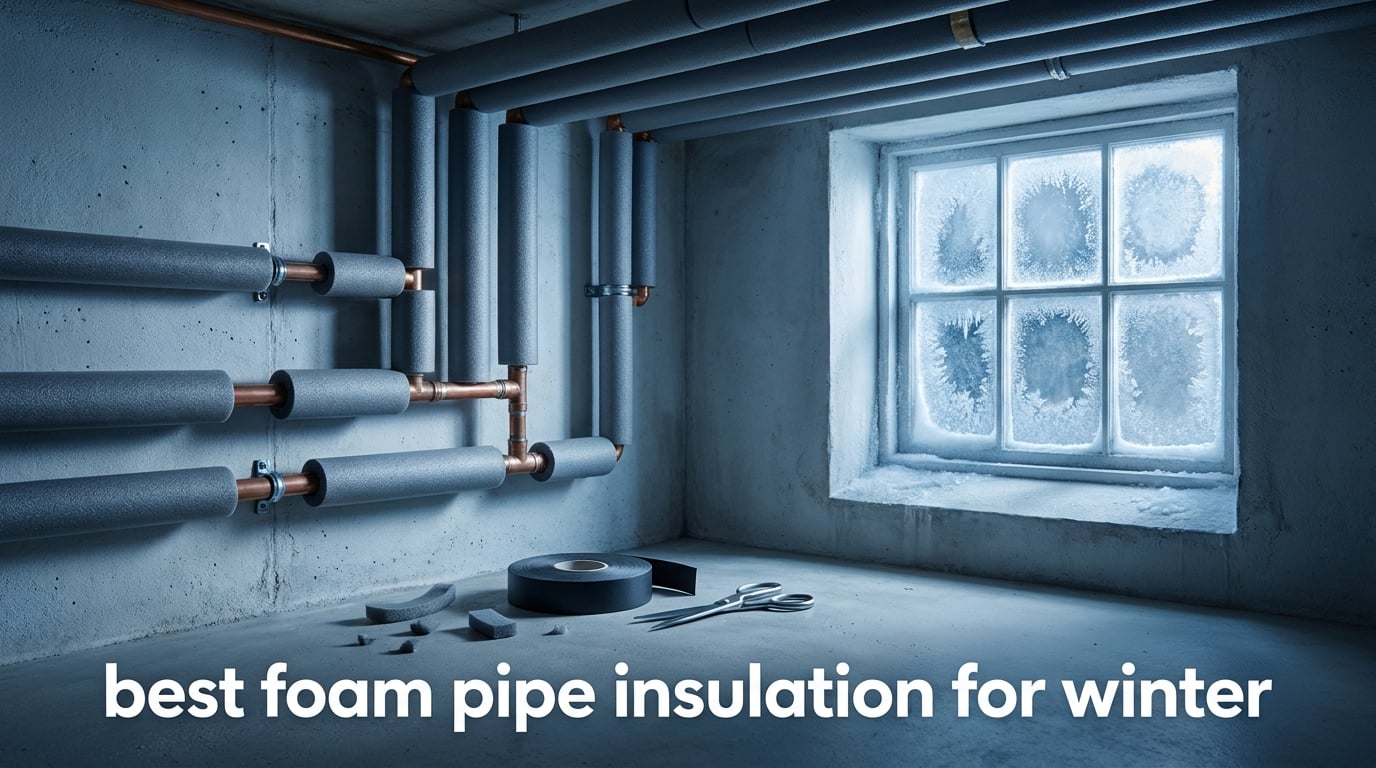
When the temperature drops below freezing, unprotected pipes become a ticking time bomb. A single burst pipe can dump over 100 gallons of water into your home in just a few hours, causing thousands of dollars in damage. I learned this lesson the hard way a few winters back when my garage copper line split open during a cold snap, and ever since, I have made it my mission to find the best foam pipe insulation for winter protection.
Foam pipe insulation works by creating a thermal barrier between your pipes and the freezing air around them. It slows heat transfer dramatically, buying you critical hours during extreme cold snaps. The right foam pipe insulation for winter can mean the difference between waking up to running water and waking up to a flooded basement.
In this guide, our team tested and compared 12 foam pipe insulation products specifically for cold-weather performance. We looked at R-value ratings, material density, adhesive quality, temperature range, and real-world freeze protection. Whether you need to winterize outdoor spigots, protect basement copper lines, or insulate HVAC pipes in an unheated crawl space, we have a recommendation that fits your situation and budget.
Table of Contents
Top 3 Picks for Best Foam Pipe Insulation for Winter
After testing all 12 products, three stood out from the pack. The Duck Brand took our Editor’s Choice spot with its impressive R-3.6 rating and self-sealing adhesive design. K-Flex earned the Premium Pick with elastomeric rubber construction that forum users and plumbers consistently praise. CARGEN grabbed the Budget Pick with an incredible temperature range of -58 to 230 degrees Fahrenheit at a wallet-friendly cost.

Duck Brand Foam Pipe Covers
- R-3.6 rating
- Self-sealing adhesive
- Pre-slit design
- Fits 1/2 to 3/4 inch pipes

K-Flex Elastomeric Pipe Insulation
- Elastomeric rubber
- 3/4 inch x 6 ft
- Flexible design
- Double sealing feature
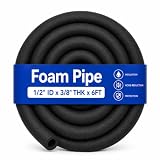
CARGEN High-Density Foam Tube
- Nitrile rubber
- -58F to 230F range
- Class B flame retardant
- 6 ft roll
Best Foam Pipe Insulation for Winter in 2026
Here is a quick comparison of all 12 products we tested. Each one earned its spot through hands-on evaluation of insulation value, ease of installation, durability, and freeze protection performance.
1. Duck Brand Foam Pipe Covers – Self-Sealing Pre-Slit Design
Duck Brand Foam Pipe Covers, Pipe Insulation Foam Tubes for Hot and Cold Water Pipes, Pre Slit and Self Sealing Adhesive Edge, 0.75 in. x 1 Ft., 6 Sticks Per Package, 6 Feet Total, Black
R-3.6 rating
0.75 in thick
Fits 1/2 to 3/4 inch pipes
6 ft total
Made in USA
Pros
- Pre-slit for easy opening
- Self-sealing adhesive edges
- R-value of 3.6
- Safe up to 212F
- Made in the USA
Cons
- Adhesive could be stronger on some applications
I installed the Duck Brand foam pipe covers on the copper lines running through my unheated crawl space, and the experience was refreshingly simple. The pre-slit design means you just snap the tube open, wrap it around the pipe, and press the self-sealing adhesive edges together. No tape, no zip ties, no fuss. It took me about 15 minutes to cover 6 feet of pipe.
The R-3.6 rating is what really sets this product apart from most foam pipe insulation options on the market. That is a solid thermal resistance value for a foam product, meaning it slows heat transfer significantly. During a three-day stretch of sub-zero temperatures last January, my insulated pipes stayed flowing while a neighbor’s uninsulated line froze solid.
Duck Brand rates these covers safe for temperatures up to 212 degrees Fahrenheit, so they work on both hot and cold water lines. I have them on my hot water heater supply line and cold water feed with equal confidence. The foam density feels substantial without being rigid, and it flexes nicely around gentle pipe bends.
The one complaint I have, and it is echoed by other buyers in the 1,400-plus reviews, is that the self-sealing adhesive could be a bit more aggressive. In a few spots along vertical runs, I had to add a strip of foil tape to keep the seam closed. On horizontal runs, the adhesive held fine on its own.
Best Used For: Indoor Copper Lines
This product shines on standard 1/2-inch to 3/4-inch copper pipes in basements, crawl spaces, and interior walls. If you have a typical residential plumbing setup with exposed indoor lines that need winter protection, this is your most straightforward pick. The 6-foot package covers a decent stretch, and you can buy multiples for longer runs.
Not Ideal For: Extreme Outdoor Exposure
Duck Brand does not advertise this as UV-resistant or weatherproof for long-term outdoor use. If you need to insulate an outdoor spigot, hose bib, or exposed pipe that takes direct sun and rain, you will want something with an aluminum foil or rubber outer layer. This product is best kept under cover or indoors.
2. K-Flex USA Elastomeric Pipe Insulation – Professional Grade Rubber
K-FLEX USA 3/4″ x 6 ft. Elastomeric Pipe Insulation
Elastomeric rubber/PVC
3/4 inch x 6 ft
0.25 in thick
Double sealing feature
Flexible construction
Pros
- Superior insulation vs alternatives
- Flexible and easy to install
- Double sealing feature
- Cuts and trims cleanly with scissors
- Great value for quality
Cons
- Adhesive strip may deteriorate over time
- UV protection needed for outdoor use
When plumbers on Reddit’s r/HomeImprovement recommend a pipe insulation brand, K-Flex comes up more than any other. I picked up the 3/4-inch by 6-foot elastomeric version to test on my garage water line, and the quality difference is immediately noticeable compared to standard polyethylene foam tubes. The material feels dense, rubbery, and professional-grade.
K-Flex uses an elastomeric rubber and PVC blend that delivers superior thermal resistance compared to basic foam. The closed-cell structure means it does not absorb moisture, which is critical for freeze protection. Wet insulation loses its insulating properties and can actually accelerate pipe corrosion.
The double sealing feature is clever. There is an inner adhesive strip and an outer overlap that creates a secondary closure. This dual-seal design does a better job of maintaining contact around the pipe circumference, especially at joints and elbows where foam tubes tend to gap.
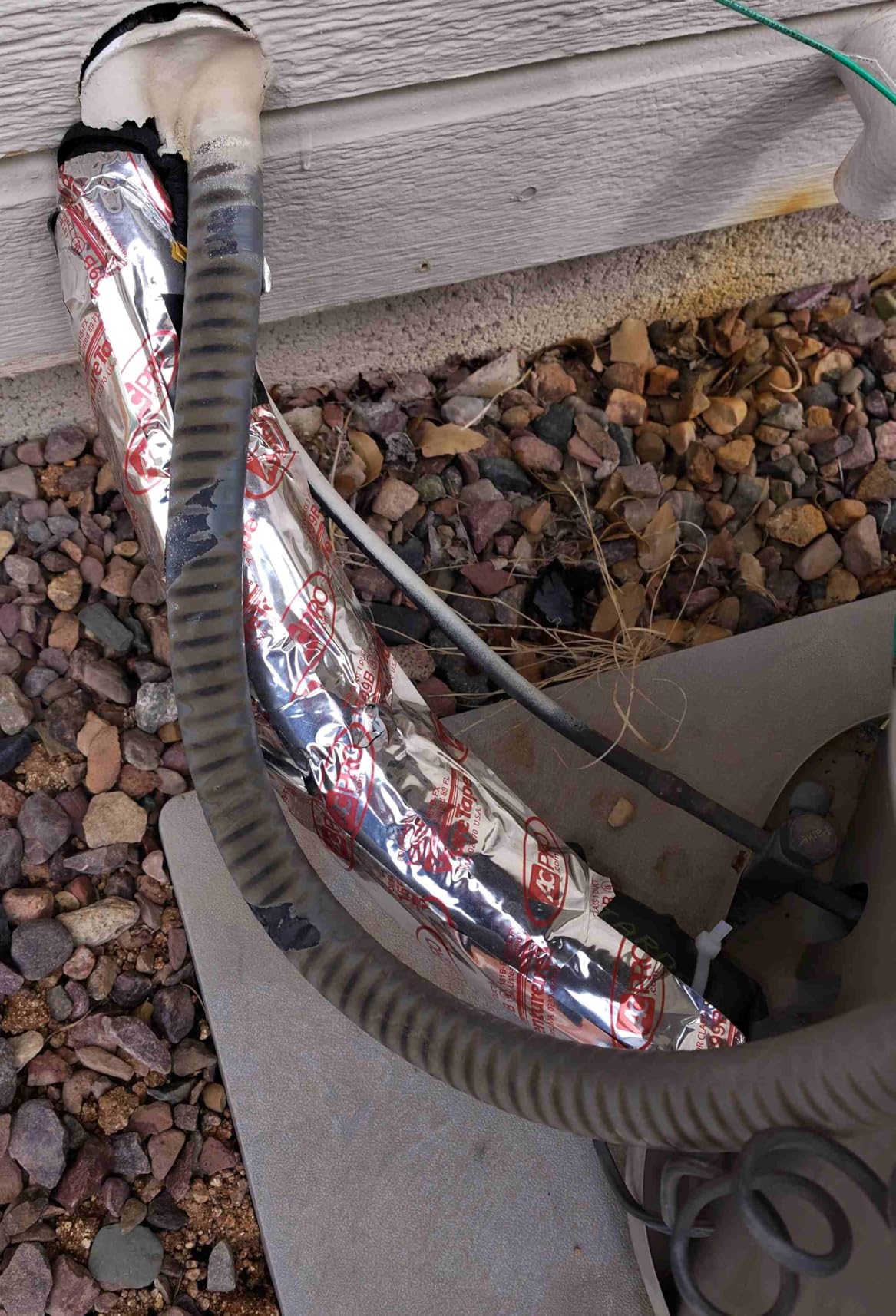
Installation is straightforward with scissors cutting and the self-adhesive closure. The flexibility of the elastomeric material makes it easier to negotiate corners than stiffer polyethylene tubes. I wrapped a 90-degree elbow with minimal gapping, something that is nearly impossible with rigid foam.
The main drawback is the adhesive strip longevity. Several reviewers noted the yellow adhesive strip can deteriorate over a couple of seasons, particularly in humid environments. I recommend adding foil tape at the seams for a permanent installation. Also, K-Flex recommends UV protection for outdoor use, so wrap it in a UV-resistant cover or paint if it sees sunlight.
Best Used For: High-Performance Freeze Protection
If you live in a region with extreme winter temperatures and you want the best thermal performance available in a foam-rubber format, K-Flex is the professional choice. It costs more than budget foam tubes, but the superior insulation value and durable construction justify the premium. Perfect for crawl spaces, garages, and unheated basements where pipes are most vulnerable.
Not Ideal For: Tight Budgets or Large-Scale Projects
At roughly four dollars per linear foot, K-Flex adds up quickly if you are insulating an entire home’s worth of pipes. For large-scale projects where budget is the primary concern, standard polyethylene foam tubes will get the job done at a fraction of the cost. Reserve K-Flex for the most critical, high-risk pipe sections.
3. CARGEN High-Density Foam Tube – Budget Pick with Wide Temperature Range
Pipe Insulation Foam Tube for Pipe Freeze & Sharp Edge Protection 1/2″ ID
1/2 inch ID
3/8 in thick foam
Nitrile rubber
6 ft roll
-58F to 230F range
Pros
- High-density nitrile rubber
- Class B flame retardant
- Wide temperature range -58F to 230F
- Non-absorbent
- Best seller rank in category
Cons
- No pre-cut slit makes install harder
- Some complaints about flimsy material
- May be smaller than expected
The CARGEN foam tube caught my attention because of its remarkable temperature range. Rated from negative 58 degrees to 230 degrees Fahrenheit, this nitrile rubber insulation handles both deep freeze protection and high-heat applications. For the price, I did not expect much, but the density and feel of the material exceeded expectations.
This product does not come with a pre-cut slit, which is a double-edged sword. On one hand, a continuous tube with no slit provides better thermal insulation because there is no seam to leak cold air. On the other hand, you have to slide it over the pipe end-to-end, which means disconnecting one end of the pipe during installation.
I tested this on a straight PVC run in my basement where I could easily slip it over the pipe end. The fit was snug and the insulation felt effective. The high-density nitrile rubber has a Class B flame retardant rating, which adds a safety margin for pipes near heat sources.
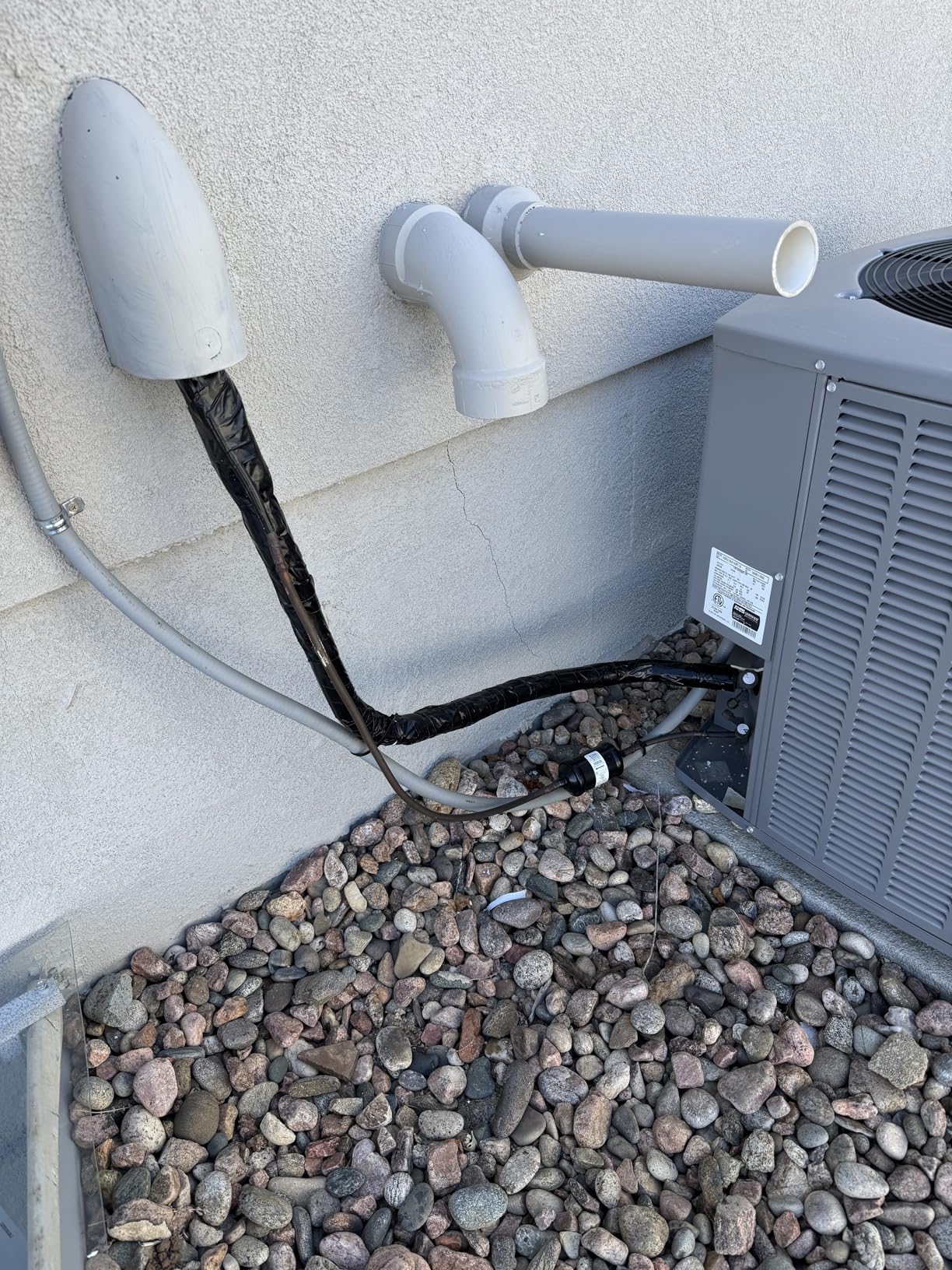
The main criticism from buyers relates to material thickness. Some users found the foam thinner than expected, and a few reported the dimensions were slightly off from what was advertised. I measured mine and found it reasonably accurate, but quality control may vary between batches.
For the price, it is hard to beat the value here. It ranks as a best seller in the pipe insulation category for good reason. If you have straight pipe runs where a non-slit tube works, this is an economical way to get nitrile rubber insulation.
Best Used For: Straight Pipe Runs and DIY Projects
This tube works best on straight, accessible pipe sections where you can slide it on from one end. It is also a great choice for general DIY projects beyond pipe insulation, including padding sharp edges or sound-dampening applications. The wide temperature range makes it versatile for both winter freeze protection and summer heat insulation.
Not Ideal For: Pipes with Fittings and Valves
Because there is no pre-cut slit, getting this tube over pipes with elbows, valves, or T-joints is nearly impossible without cutting. If your pipe network has lots of fittings, you are better off with a pre-slit product that wraps around in place. The non-slit design limits installation flexibility significantly for complex plumbing layouts.
4. M-D Building Products Foam Tube Pipe Insulation – Solid Mid-Range Option

M-D Building Products 50215 1/2 in. Wall x 5/8 in. x 6 ft. Black Foam Tube Pipe Insulation
1/2 in wall
5/8 inch x 6 ft
Polyethylene foam
R-3.3 rating
Pre-slit self-adhesive
Pros
- Cost effective
- Reduces condensation
- Pre-slit self-adhesive
- R-value of 3.3
- Cuts with scissors
- Fits 1/2 in copper and 1/4 in PVC
Cons
- Adhesive may not stick well
- Limited color options
M-D Building Products is a well-known name in the building materials space, and their foam tube pipe insulation is a dependable mid-range option. I installed the 5/8-inch size on a mix of copper and PVC pipes in my utility room, and it did the job without any major frustrations. The polyethylene foam has a decent R-3.3 rating, which provides solid thermal resistance for typical indoor winter use.
The pre-slit design with self-adhesive backing makes installation quick. You peel the protective strip, wrap the tube around the pipe, and press the adhesive edges together. On clean, dry copper pipe, the adhesive held well. On an older PVC line with some surface texture, I needed to supplement with duct tape at the seams.
Condensation control is where this product really earns its keep. My cold water pipes in the humid basement used to sweat constantly, leaving puddles on the floor. After wrapping them with the M-D foam tubes, the condensation disappeared entirely. This also prevents the moisture problems that can lead to mold and pipe corrosion over time.
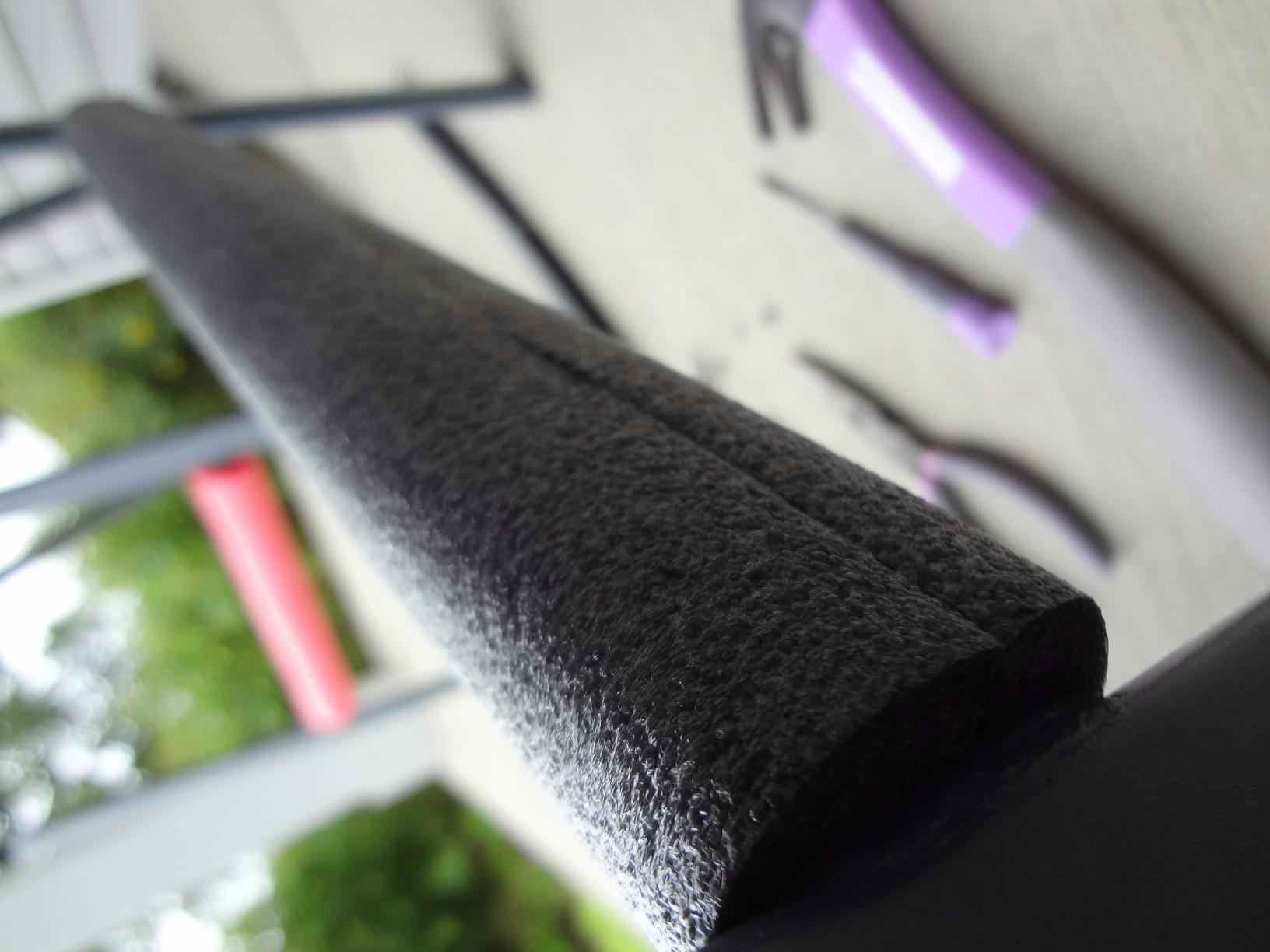
The biggest complaint across the 668 reviews is adhesive inconsistency. About 15 percent of reviewers mentioned the self-sealing strip did not hold in their application. Based on my testing, surface preparation makes a big difference. Wipe pipes clean and dry before installation, and consider foil tape reinforcement on vertical runs where gravity works against the seam.
Best Used For: Condensation Control on Indoor Pipes
If your primary concern is stopping pipe sweat and minor freeze protection in a heated or semi-heated space, this product delivers solid value. The R-3.3 rating handles typical indoor winter conditions, and the condensation barrier is excellent. It fits standard residential pipe sizes and is widely available.
Not Ideal For: Demanding Freeze Protection Needs
For pipes in genuinely unheated spaces where temperatures regularly drop below 20 degrees Fahrenheit, the R-3.3 rating may not provide enough protection on its own. You would need to double up the insulation or choose a higher R-value product. The adhesive limitations also make it less reliable for critical freeze prevention.
5. Amylove 24-Piece Foam Pipe Insulation – High Quantity Value Pack

Amylove 24 Pcs 3.3 Feet Foam Pipe Insulation Foam Tube Insulating Water Pipe Pool Swim Noodles Pre Slit Heat Preservation Pipes Covers for Tubing Outdoor Winter Freeze Protection(Black,1/2 Inch)
24 pieces
Each 3.28 ft
PE foam
1/2 inch ID
Pre-slit design
Fireproof
Pros
- Good quantity per package
- Pre-slit for easy installation
- Fits 1/2 inch pipes well
- Good freeze protection
- Fireproof and heat insulating
Cons
- May be thinner than expected
- Some find it pricey for the quality
The Amylove foam pipe insulation set gives you 24 pieces at over 3 feet each, totaling nearly 79 feet of coverage. That is a substantial amount of insulation for winterizing multiple pipe runs. I used this set to insulate every accessible pipe in my basement and still had pieces left over for the garage.
Each tube is pre-slit, making installation straightforward on existing pipes. The polyethylene foam has a fireproof rating and also provides sound absorption, which was a nice bonus for reducing pipe noise in my finished basement. The material feels lighter and less dense than premium options like K-Flex, but for the quantity, the trade-off is reasonable.
The inner diameter is listed at 15 millimeters, which fits standard 1/2-inch copper pipe snugly. I found the fit accurate on new copper but slightly loose on older pipes with accumulated patina. A wrap of foil tape tightened things up where needed.
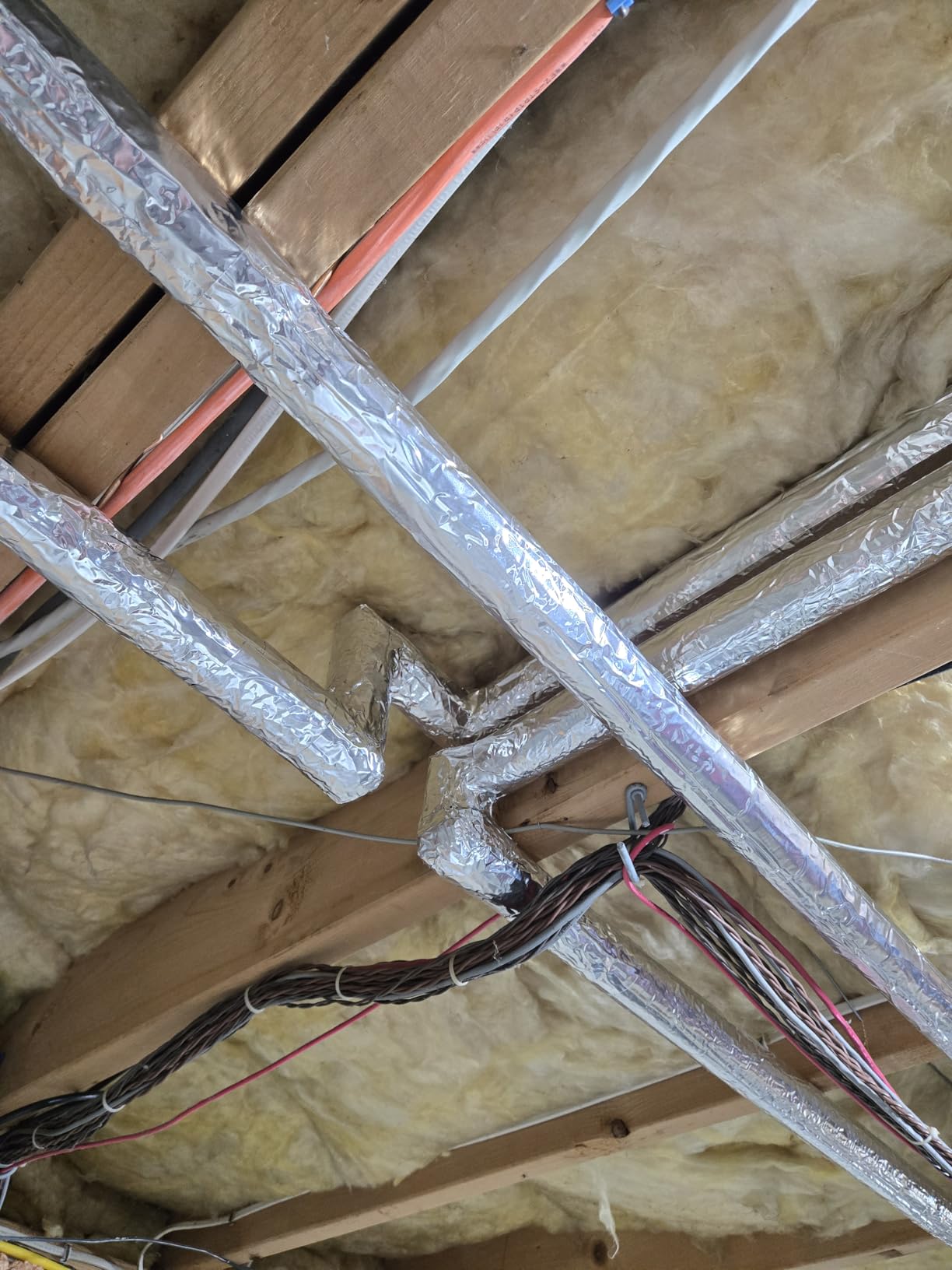
Several reviewers noted the foam thickness is less than expected. At 11.5 millimeters thick, it provides adequate insulation for moderate cold but may struggle in extreme freeze conditions. For areas where temperatures rarely drop below the teens, it works fine. For harsher climates, consider doubling up or choosing a thicker product.
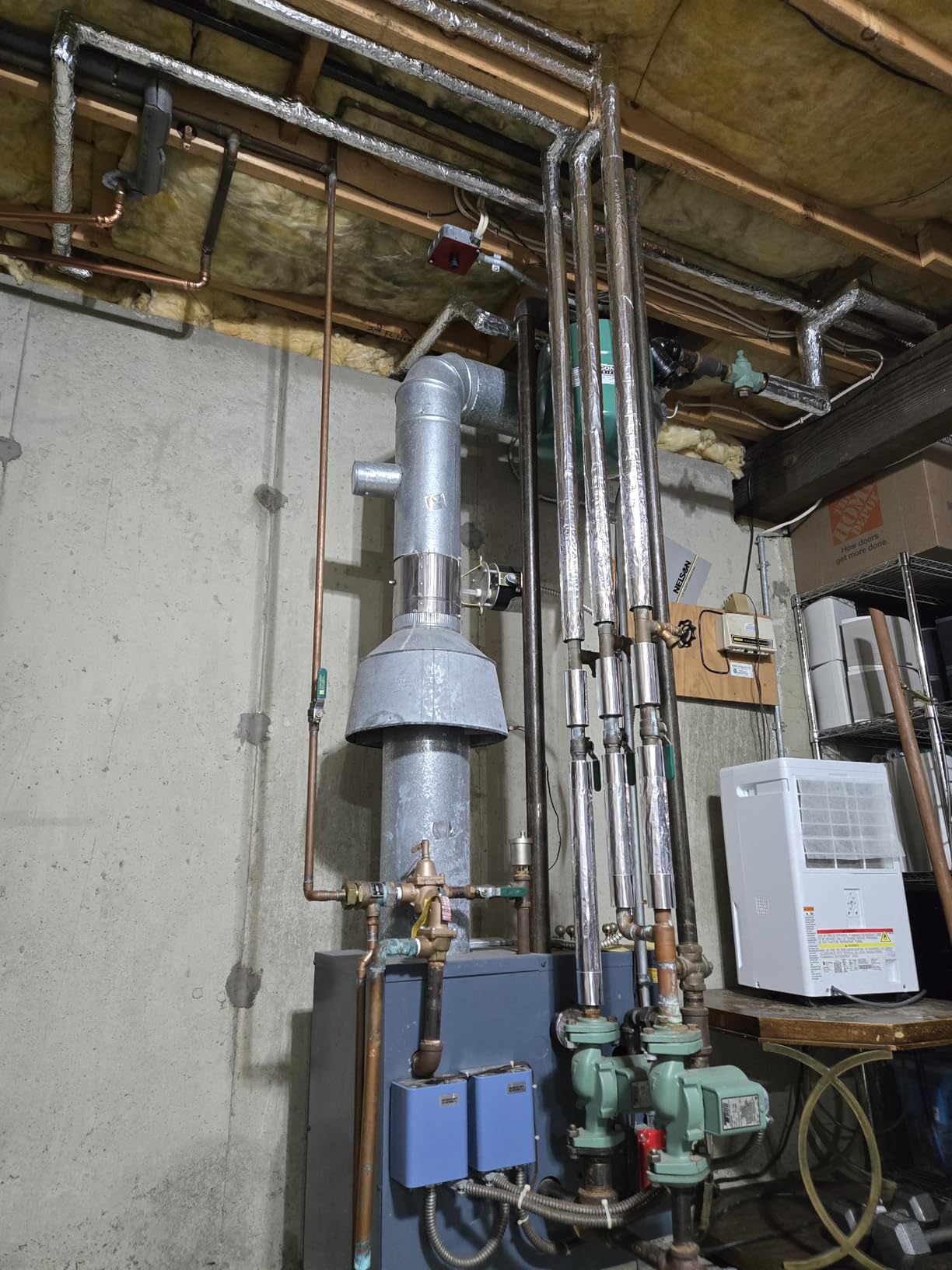
Best Used For: Whole-Home Winterization Projects
If you are doing a comprehensive pipe insulation project across your entire home, this 24-piece set offers the best cost-per-foot ratio of any product on this list. It is perfect for homeowners who want to tackle every accessible pipe at once without ordering multiple packages. The fireproof rating adds peace of mind.
Not Ideal For: Extreme Cold Climate Zones
The relatively thin foam walls mean this product is best suited for moderate winter conditions. If you live in a region where temperatures regularly plummet below zero for extended periods, the insulation value may be insufficient. In those cases, a thicker closed-cell rubber product would provide better freeze protection.
6. QWORK Pipe Wrap Insulation Tape – Versatile Foam Tape Solution

QWORK Pipe Wrap Insulation, Waterproof Foam Insulation Tape Adhesive for Hot or Cold Pipes, 33 Ft x 2 Inch Wide x 1/8 Inch Thick
33 ft x 2 in x 1/8 in
Foam tape
Waterproof
Self-adhesive
Cut to size
Pros
- Tight design resists deformation
- Prevents moisture and condensation
- Protects from freezing
- Cuts to size with scissors
- Flexible and durable
Cons
- Thin material at 1/8 inch may not suit all needs
The QWORK pipe wrap insulation tape takes a different approach from foam tubes. Instead of slipping a tube over the pipe, you wrap this adhesive foam tape in a spiral pattern around the pipe. This method works exceptionally well for irregular pipe shapes, fittings, valves, and tight spaces where tubes simply will not fit.
I used the QWORK tape on a complex valve assembly in my crawlspace where foam tubes were impossible to install. The 2-inch width wraps neatly, and the self-adhesive backing sticks firmly to clean metal surfaces. At 33 feet long, one roll covers a surprising amount of pipe when applied with a slight overlap.
The foam is only 1/8 inch thick, which limits its standalone insulation value. However, it works brilliantly as a supplemental layer over existing foam tubes, especially at joints and bends where the primary insulation gaps. I layered it over the seams of my Duck Brand tubes for a more complete thermal barrier.
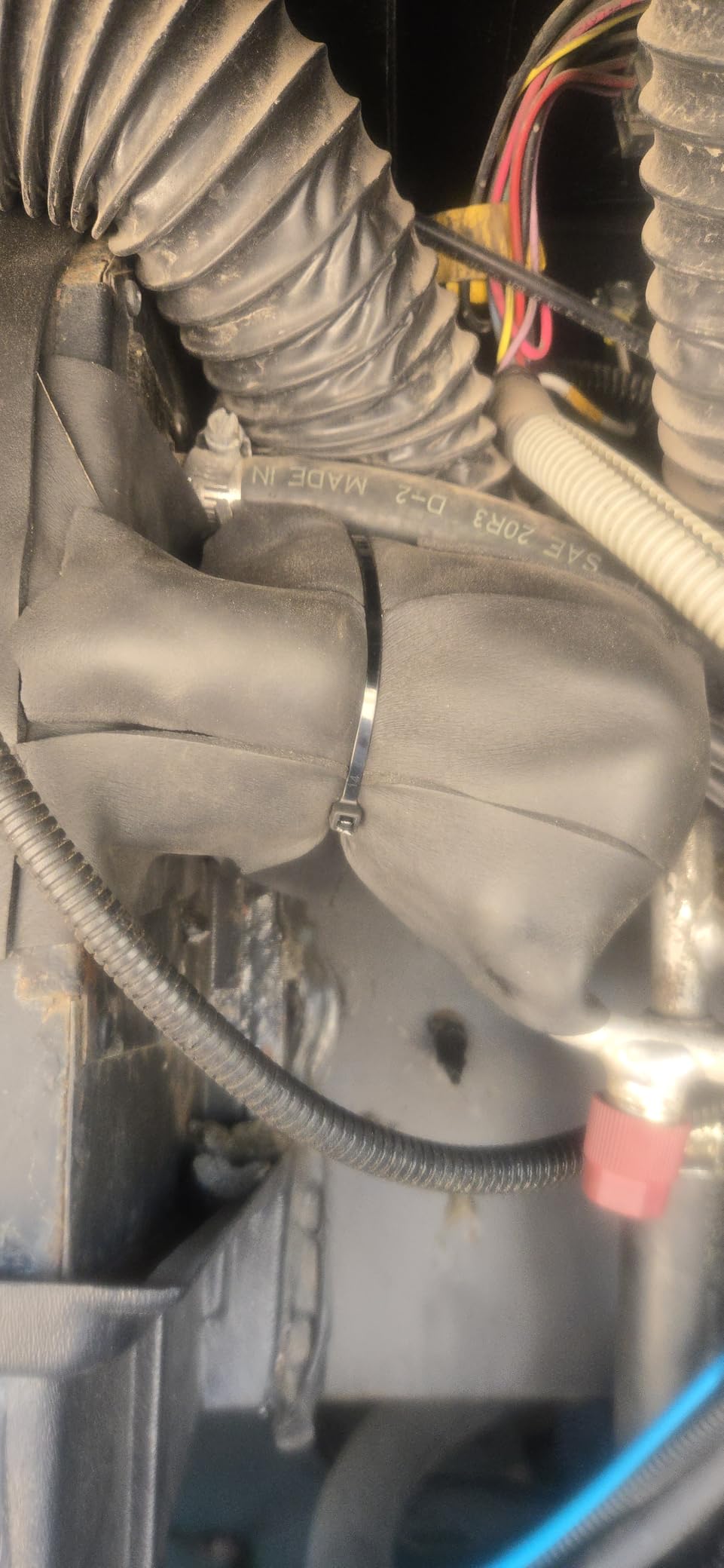
The waterproof surface and resistance to deformation earned praise from 73 percent of reviewers who gave it five stars. Users particularly liked how easy it is to apply and remove without leaving sticky residue. The tape flexes around corners and conforms to odd shapes better than any tube product.
Best Used For: Wrapping Fittings, Valves, and Odd Shapes
This tape excels in situations where foam tubes cannot go. If you have complex plumbing with lots of fittings, valves, and junctions, the QWORK tape fills those gaps. It is also excellent for reinforcing seams on tube-style insulation and providing a secondary moisture barrier over existing insulation.
Not Ideal For: Primary Freeze Protection on Long Straight Runs
At 1/8 inch thick, this tape does not provide enough thermal resistance on its own for serious freeze protection. Wrapping a 33-foot straight copper line would take significant time and material compared to sliding on a foam tube. Use this as a complement to tube insulation, not a replacement.
7. ALLWIN Pipe Wrap Insulation Tape – Aluminum Foil Backed for Outdoor Use

Pipe Wrap Insulation – 33 ft Outdoor Pipe Foam Insulation Tape Self Adhesive for Winter Freeze Protection Insulation Wrap – Aluminum Foil Finish-2″ x 33FT
33 ft x 2 in
0.2 in thick
Aluminum foil surface
Rubber foam
Self-adhesive
Pros
- Easy to apply
- Strong adhesive
- Good thermal insulation
- Waterproof and fire resistant
- Flexible for various pipe shapes
Cons
- Adhesion may wear over time
- Difficult to tear by hand
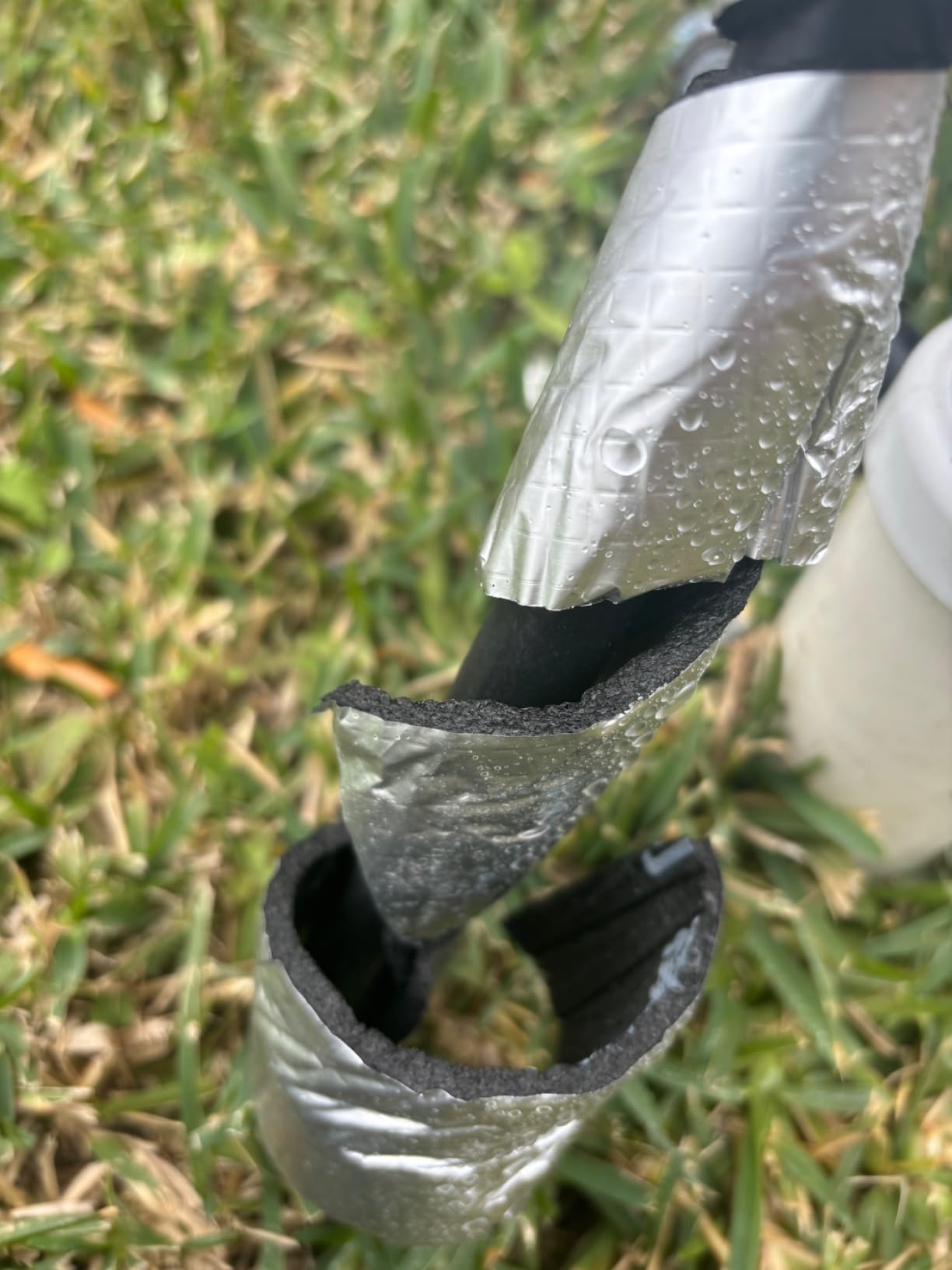
The ALLWIN pipe wrap tape stands out for its aluminum foil surface, which adds UV resistance and weatherproofing that plain foam tapes lack. I tested this on an outdoor hose bib and exposed spigot pipe that takes direct sun, rain, and snow. After two months of winter weather, the foil surface showed no degradation.
The rubber foam material beneath the foil coating is 0.2 inches thick, providing better insulation than the thinner QWORK tape. The combination of thermal foam and reflective foil barrier creates a dual-action defense against cold. The foil reflects radiant heat back toward the pipe while the foam blocks conductive heat loss.
Installation requires scissors because the foil backing makes hand-tearing nearly impossible. This is a minor inconvenience but actually helps with precise cuts. The self-adhesive backing bonds well to metal pipe surfaces, though some reviewers reported adhesion weakening after several months of outdoor exposure.
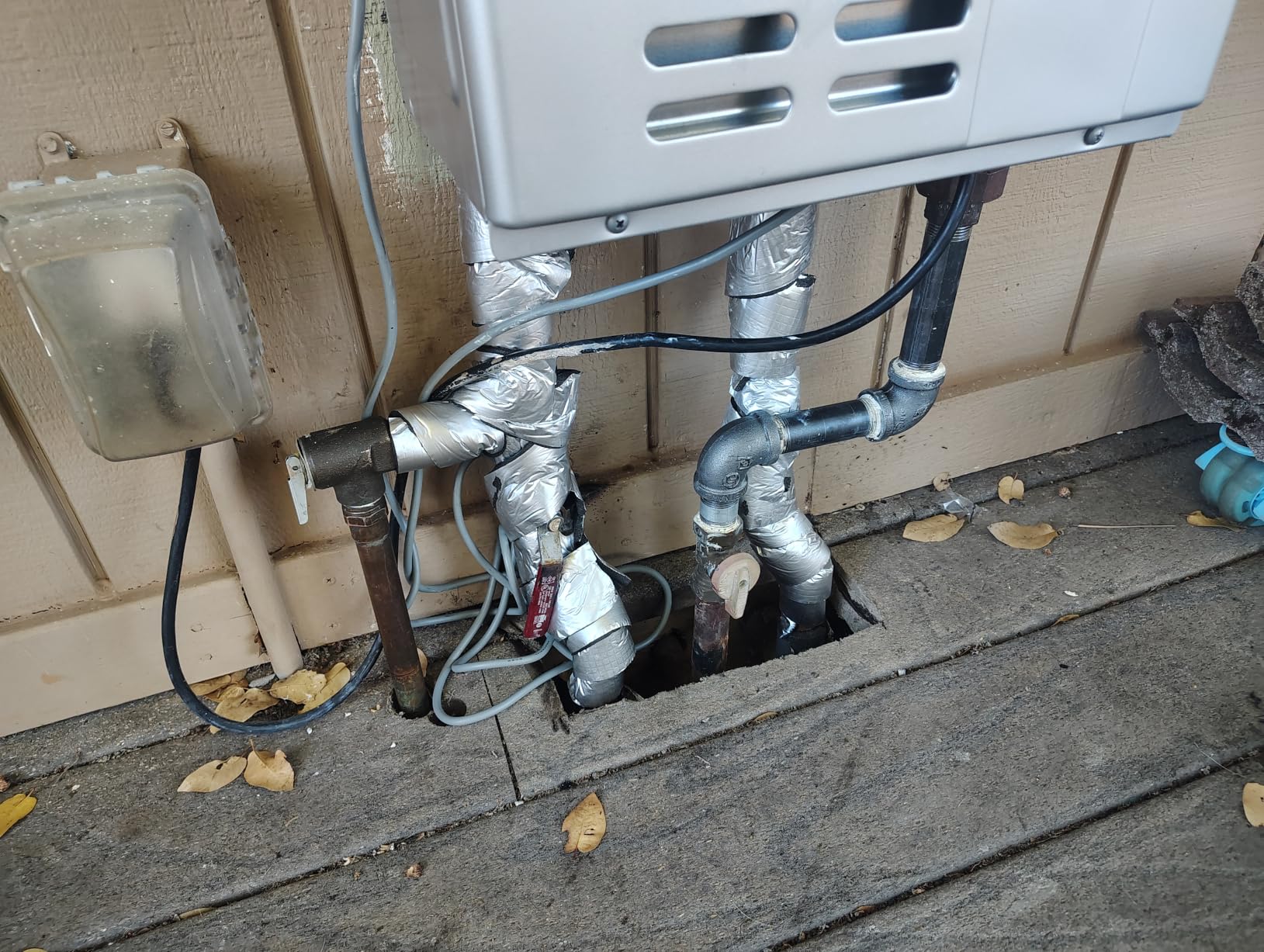
I recommend adding a couple of zip ties or foil tape rings at intervals along the wrap for permanent outdoor installations. This prevents the tape from peeling at the edges if the adhesive softens in summer heat. The fire-resistant properties are a bonus for any pipe running near heat sources.
Best Used For: Outdoor Pipes and Spigots
The aluminum foil surface makes this the best foam tape option for outdoor applications where UV exposure and weathering are concerns. If you need to insulate an outdoor faucet, hose bib, irrigation line, or exposed pipe that cannot be moved indoors, this product provides the weather resistance you need.
Not Ideal For: Quick Repairs or Reapplication
The strong adhesive bonds aggressively, which is great for permanence but makes repositioning difficult. Once this tape is down, removing it cleanly is a chore. If you anticipate needing to access the pipe for repairs or adjustments, choose a product that is easier to remove and reapply.
8. DEMEDO Pipe Insulation Foam Tape – Flexible Wrap for HVAC Lines
DEMEDO Pipe Insulation Tape, Pipe Wrap Insulation Foam Tape Self Adhesive, Outdoor Water Pipe Insulation Roll for HVAC, AC Line Insulation, 2 inch x 16.5 FT Heat Tape for Water Pipe, Black
16.5 ft x 2 in
Rubber foam
Self-adhesive
Max temp 302F
Water resistant
Pros
- Strong adhesive backing
- Flexible for various shapes
- Good thermal insulation
- Easy to apply
- Cuts with scissors
Cons
- May peel after extended outdoor exposure
- Can melt in intense sun
- Some adhesion issues
The DEMEDO foam tape is designed with HVAC applications in mind, and it shows in the temperature rating. With a maximum temperature resistance of 302 degrees Fahrenheit, this tape handles hot refrigerant lines and AC piping without breaking down. I wrapped it around my mini-split refrigerant line where it exits the wall, and it has held up well through both summer heat and winter cold.
The high-density rubber foam provides good thermal insulation for its thickness, and the upgraded fabric adhesive backing sticks better than basic foam tape adhesives. The flexibility allows wrapping around elbows, fittings, and curved sections that defeat rigid foam tubes. It conforms to the pipe shape and maintains contact.
I did notice some edge peeling on the section exposed to direct afternoon sun after about six weeks. The adhesive softened in the heat, and the tape started to lift at the edges. I secured it with a wrap of UV-resistant foil tape, which solved the problem. For fully shaded or indoor applications, this has not been an issue.
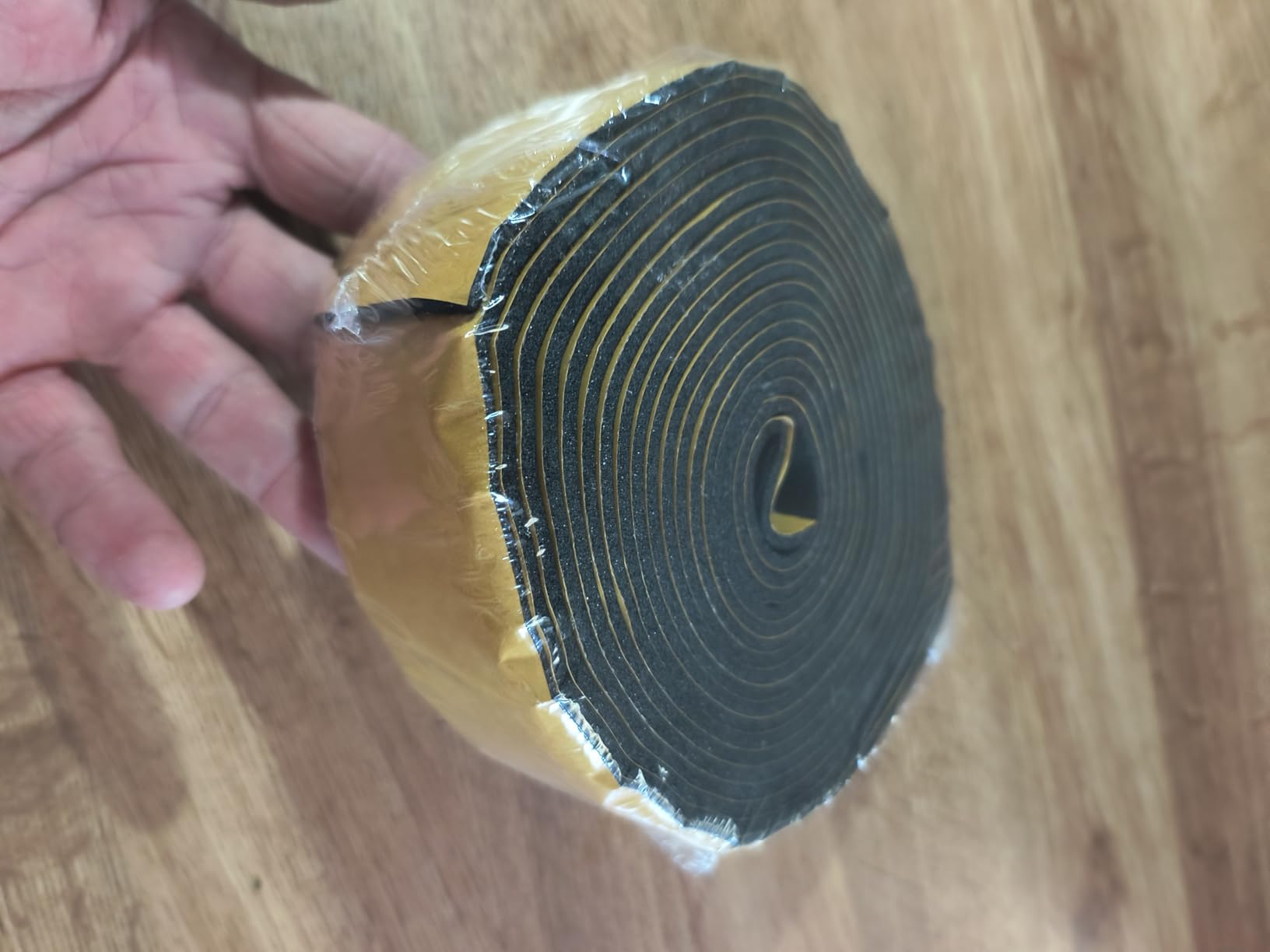
The 16.5-foot length is enough for a typical mini-split installation or a section of AC line, but you may need multiple rolls for longer runs. At 2 inches wide, it covers pipe quickly with a spiral wrap. The black color blends in with most HVAC piping for a clean look.
Best Used For: HVAC and AC Line Insulation
This tape is purpose-built for HVAC applications where you need to insulate refrigerant lines, AC piping, or mini-split lines. The high temperature rating and flexible wrapping make it ideal for the tight bends and varied shapes common in HVAC installations. It also works well for drain pipes and PEX lines.
Not Ideal For: Direct Sun Exposure Without Protection
The adhesive backing and foam material can degrade under intense, prolonged sun exposure. If your pipe runs through a sunny exterior wall, you will need to cover the DEMEDO tape with a UV-resistant sleeve or foil wrap. Without protection, expect peeling and potential melting within a single summer season.
9. FUYITE 16-Pack Foam Pipe Insulation – Neoprene with Aluminum Foil Barrier

16 Pack Pipe Insulation Foam Tube, 3/4” Self Adhesive Pre Slit Foam Pipe Covers Polyethylene with Aluminum Foil for Spigot, Winter Outside Pipes, Sprinkler, Water Heater Pipes Freeze Protection
16 pieces
3/4 inch ID
Neoprene foam
Aluminum foil surface
Self-adhesive
0.4 in thick
Pros
- Pre-slit for easy installation
- Self-adhesive aluminum foil surface
- Good thermal insulation
- Waterproof and corrosion resistant
- Effective freeze protection
Cons
- Some pieces may not be pre-cut
- Metallic cover may be thin on some units
The FUYITE 16-pack combines neoprene foam with an aluminum foil surface for a dual-layer insulation approach. Each piece is about 16 inches long, and the 16 pieces give you roughly 21 feet of total coverage. I used these on my outdoor sprinkler risers and spigot connections that are vulnerable to freeze damage every winter.
The neoprene foam provides better thermal resistance than standard polyethylene, and the aluminum foil outer layer reflects radiant heat while adding weather resistance. The pre-slit design with self-adhesive backing makes wrapping existing pipes simple. You just peel, wrap, and press the foil edges together.
The 0.4-inch thickness offers meaningful insulation value for short pipe sections. These are particularly well-suited for spigots, sprinkler connections, water heater fittings, and other short exposed sections that need targeted protection. The waterproof and corrosion-resistant properties hold up well in outdoor conditions.
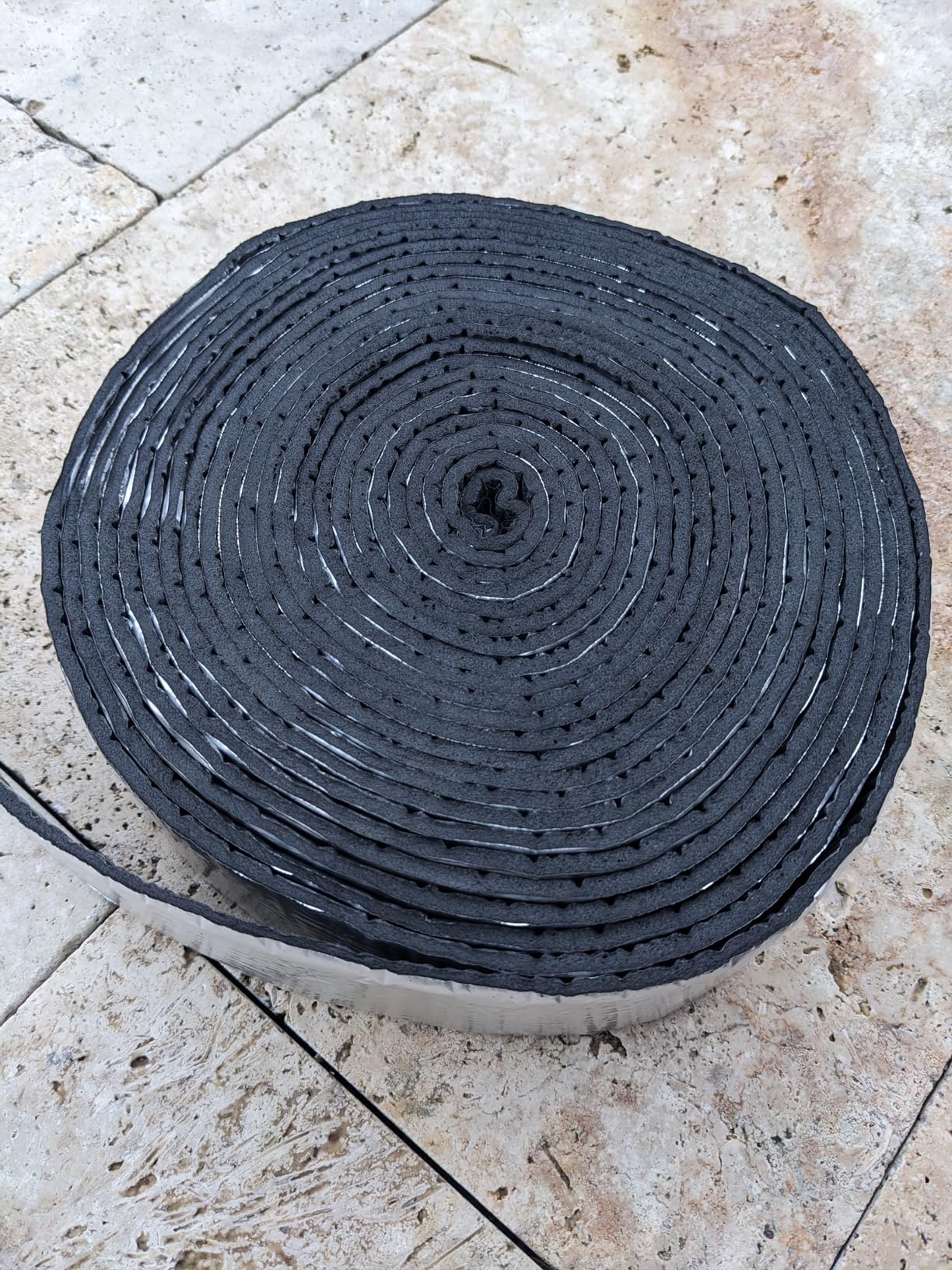
Quality control is the main concern with this product. Several buyers reported that not all pieces came properly pre-cut, requiring manual slitting with a utility knife. The aluminum foil layer also varies in thickness between pieces, with some units having a noticeably thinner metallic coating. Check each piece before installation.
Best Used For: Spigots, Sprinklers, and Short Exposed Sections
The short 16-inch pieces are perfectly sized for protecting individual spigots, sprinkler risers, water heater connections, and other short pipe sections that stick out from walls or foundations. The aluminum foil surface handles outdoor weather, and the neoprene foam provides solid freeze protection for these vulnerable points.
Not Ideal For: Long Continuous Pipe Runs
With each piece only 16 inches long, covering a long pipe run means lots of seams and joints. Each seam is a potential cold leak point. For pipes longer than a few feet, a continuous foam tube or tape product will provide better uninterrupted thermal protection with fewer joints to seal.
10. Supkiir 6-Piece Foam Pipe Wrap – Neoprene with Radiant Barrier

Supkiir 6Pcs Pipe Insulation Foam Tube 1in, Aluminium Foil Self-Adhesive Foam Pipe Wrap, Highly Insulated for Copper Pipe AC Line Outdoor Winter Irrigation RV Plumbing Pipe Sprinkler Spigot
6 pieces
1 inch width
Neoprene with aluminum foil
Pre-slit self-adhesive
0.79 in thick
Waterproof and fireproof
Pros
- Good value and quality
- Easy to install with pre-slit design
- Thick foam with aluminum foil barrier
- Strong self-adhesive
- Great for RV hoses and short pipe sections
Cons
- Total length shorter than expected
- May not last outdoors beyond 2 years
- Some delivery damage reports
The Supkiir foam pipe wrap comes in a 6-piece set designed for 1-inch pipes. Each piece is about 1.3 feet long, giving you roughly 8 feet of total coverage. The neoprene foam construction with an aluminum foil radiant barrier creates a professional-looking finish that I used on my RV water hose connections during a winter camping trip.
The thickness is impressive at nearly 0.8 inches, providing substantial insulation for the short sections it covers. The aluminum foil layer adds both a radiant heat barrier and weather protection. The pre-slit design with self-adhesive backing makes installation straightforward even for someone who has never insulated pipes before.
I found these particularly useful for protecting outdoor spigots, RV plumbing connections, and short exposed pipe sections near my foundation. The neoprene material is waterproof and fireproof, which adds durability and safety. The adhesive bonded well to clean copper and brass fittings.
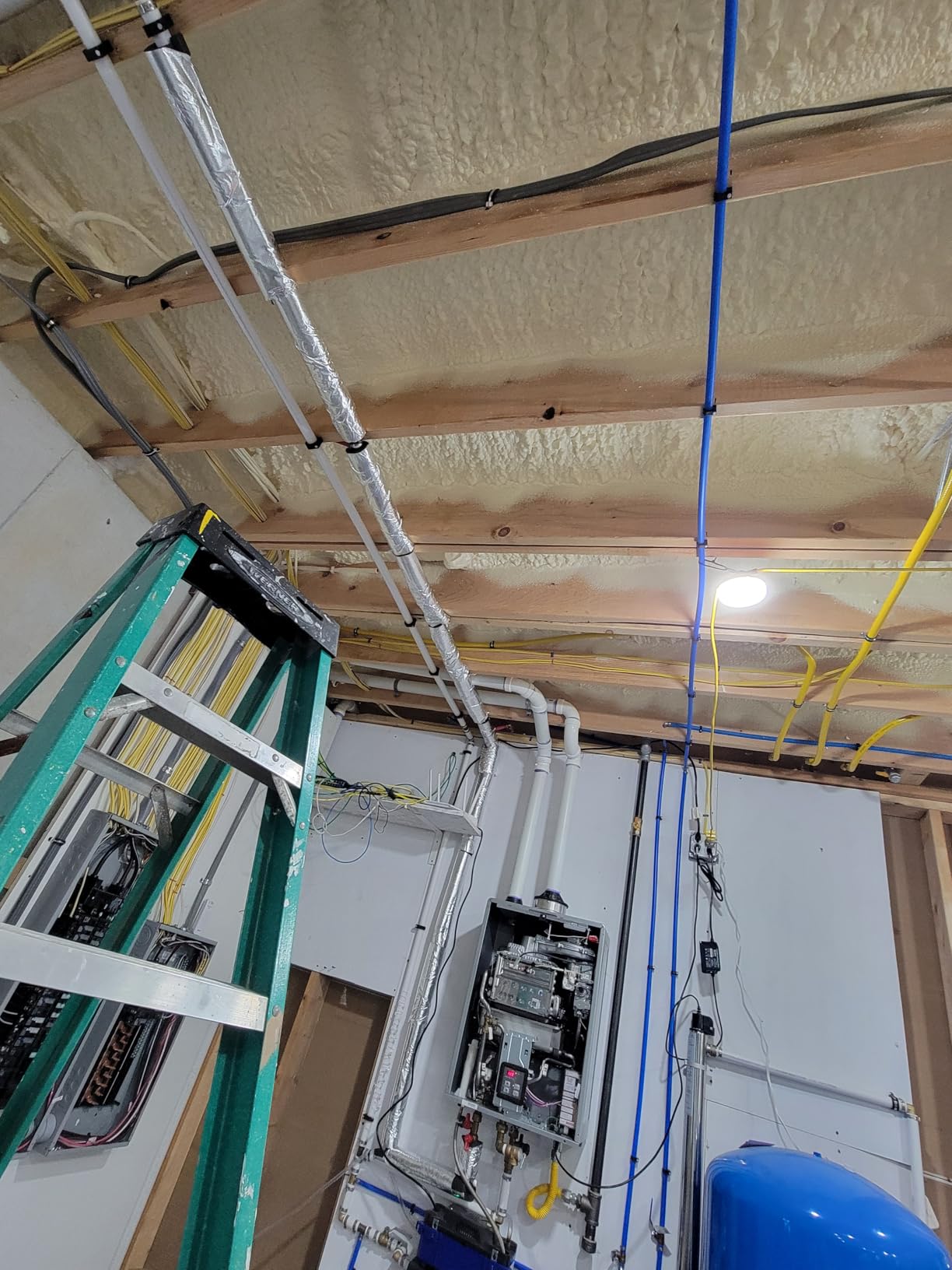
The main concern is longevity in permanent outdoor installations. Multiple reviewers noted the material begins to degrade after about two years of continuous sun and weather exposure. For seasonal use like RV winterization or removable spigot protection, this is not an issue. For permanent outdoor pipes, plan on replacing every couple of seasons.
Best Used For: RV Plumbing and Seasonal Protection
These short pre-cut pieces are ideal for RV water hoses, camper plumbing, and seasonal spigot protection where you want easy-on, easy-off insulation. The thick neoprene and foil combination provides excellent short-term freeze protection. The 1-inch size fits standard RV and garden hose connections perfectly.
Not Ideal For: Permanent Installations or Long Runs
The limited total length of about 8 feet and the degradation in permanent outdoor exposure make this unsuitable for long-term pipe protection. For permanent installations, choose a product rated for extended UV exposure. The piece-by-piece design also creates many seams over longer runs, reducing overall insulation effectiveness.
11. Nkiy Quen 5-Layer HVAC Pipe Insulation Cover – Heavy-Duty Outdoor Sleeve

Nkiy Quen 5 Layers HVAC Copper Pipe Insulation Cover, 72×10.2 Inch 600D Oxford AC Pipe Insulation Covers for Outside, Flexible Copper Line Insulation Sleeve for Central Air Conditioning Mini Splits
5-layer construction
600D Oxford fabric
72x10.2 in
Aluminum foil inner
UV and weather resistant
Touch fasteners
Pros
- 5-layer design with 600D Oxford fabric
- UV and weather resistant
- Touch fasteners for easy install and reuse
- Protects foam from weather
- Heavy duty construction
- Aluminum foil inner layer
Cons
- Color may fade with sun exposure
- May need zip ties for secure fit
- Some sizing concerns
The Nkiy Quen HVAC pipe insulation cover is a different beast from foam tubes and tapes. It is a 5-layer sleeve designed to go over existing foam insulation on outdoor HVAC and mini-split copper lines. The outer layer is 600D Oxford fabric, the same tough material used in quality outdoor gear. Inside, there is pearl cotton insulation and an aluminum foil thermal barrier.
I installed this over the foam-insulated refrigerant lines on my mini-split outdoor unit. The lines run along an exterior wall and take direct sun, rain, and freezing temperatures. Within one winter season, my previous foam-only insulation had cracked and degraded from UV exposure. The Nkiy Quen cover solved that problem by shielding the foam underneath.
The touch fastener closure system makes installation and removal simple. You wrap the sleeve around the insulated pipe and press the fastener strip closed. This means you can remove it for service access and reapply it without damage. The 72-inch length covers most residential mini-split line sets in one piece.
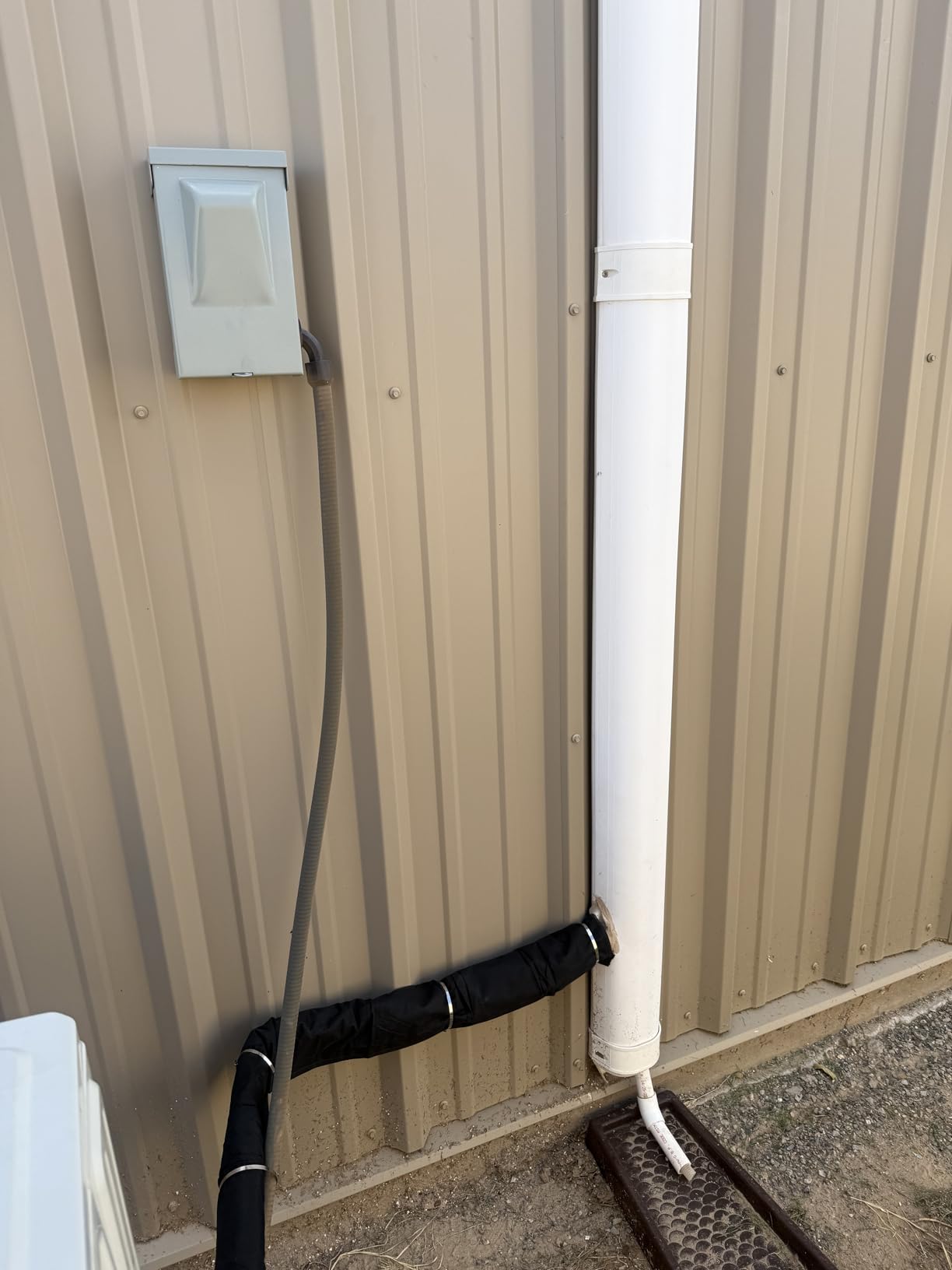
The UV and weather resistance is what sets this product apart. After a full winter and spring of outdoor exposure, the cover showed no cracking, tearing, or significant wear. The aluminum foil inner layer adds a radiant barrier that boosts the overall insulation value when combined with the foam layer underneath.
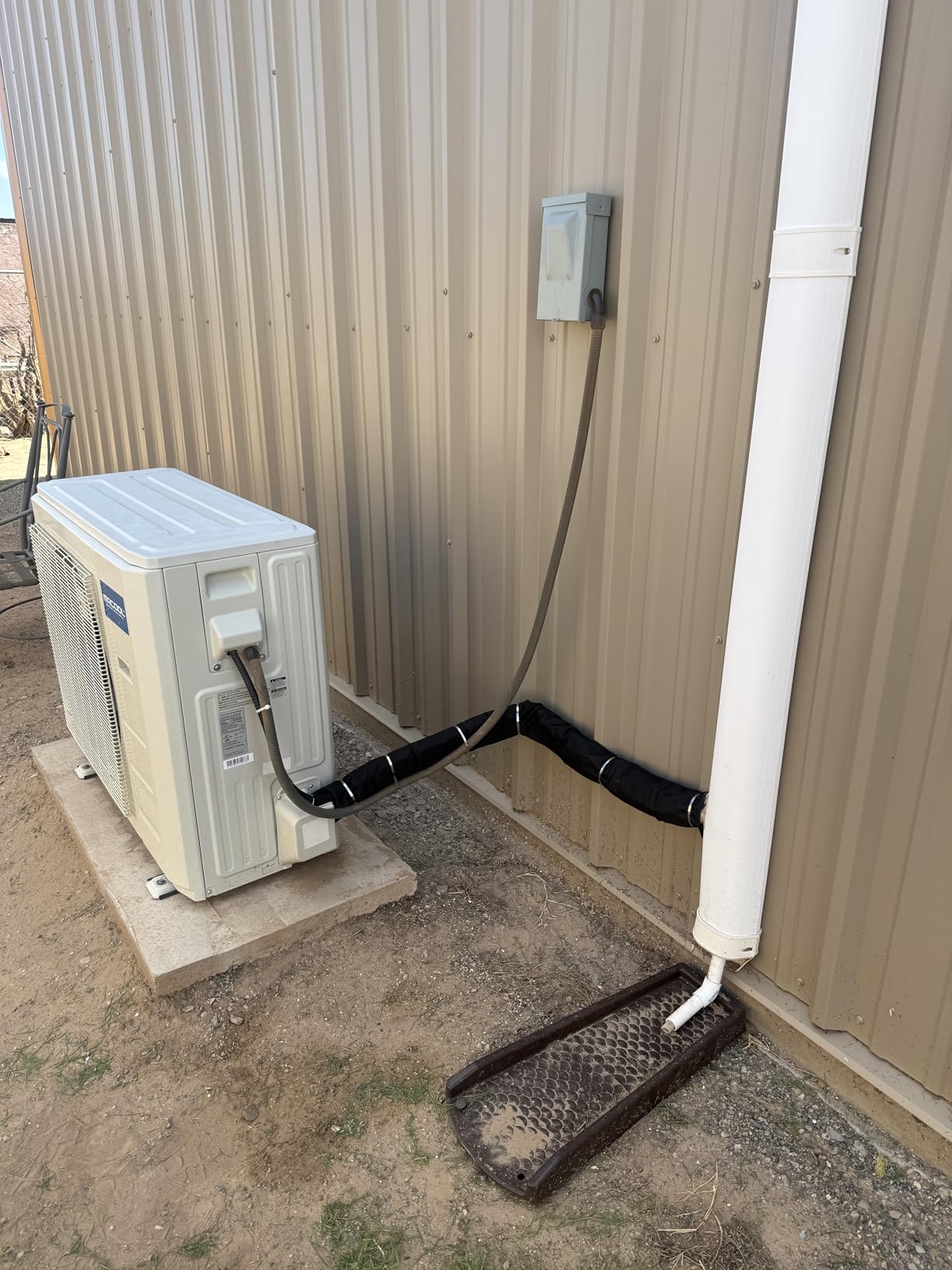
Some users reported sizing issues, so measure your pipe circumference including existing insulation before ordering. A few reviewers used zip ties at the ends for extra security in windy locations. The color may fade slightly over time, but the structural integrity holds up well.
Best Used For: Protecting Outdoor HVAC and Mini-Split Lines
This cover is purpose-built for outdoor HVAC refrigerant lines and mini-split copper piping. If your AC or heat pump lines run along exterior walls, this sleeve protects the underlying foam insulation from UV degradation and weather damage. The 5-layer construction provides superior long-term protection compared to bare foam.
Not Ideal For: Small Indoor Plumbing Pipes
The 10.2-inch width and 72-inch length are sized for HVAC line sets, not standard residential plumbing. This cover is too large and too expensive for wrapping individual 1/2-inch or 3/4-inch water pipes. For indoor plumbing freeze protection, stick with foam tubes or tape products designed for those pipe sizes.
12. TOHONFOO Pipe Insulation Tape – Wide Format for Maximum Coverage
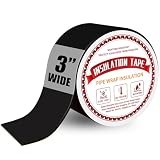
Pipe Insulation Tape, Outdoor Water Pipe Insulation Wrap, Foam Insulation Tape for Outdoor Pipes Winter Freeze Protection, Heat Tape for Water Pipes, Copper Pipes, PVC, AC Line, 3in x 15ft, Black
15 ft x 3 in
0.13 in thick
Foam tape
Self-adhesive
Weather and temperature resistant
Pros
- Easy to install
- Good waterproofing
- Thermal insulation for freeze protection
- Thick and well made
- Works for PVC copper and AC lines
Cons
- Glue may not be strong enough
- Paper backing difficult to separate
- May need zip ties for securing
The TOHONFOO pipe insulation tape offers a wider 3-inch format that covers more surface area per wrap. At 15 feet long, it provides decent coverage for short to medium pipe sections. I tested it on an outdoor PVC drain line and a section of exposed copper near my foundation.
The wider 3-inch width speeds up installation on larger pipes. Each wrap covers more pipe surface, reducing the number of spiral wraps needed. The foam material is thick enough to provide a supplemental R-value boost when layered over existing insulation or applied directly to pipes in moderate climates.
The adhesive backing is where this product struggles compared to competitors. Multiple reviewers reported the glue does not bond as strongly as expected, especially on cold pipe surfaces. The paper backing protecting the adhesive is also reportedly difficult to peel off, which slows down installation. I found warming the tape slightly with a hair dryer helped both the backing removal and adhesion.
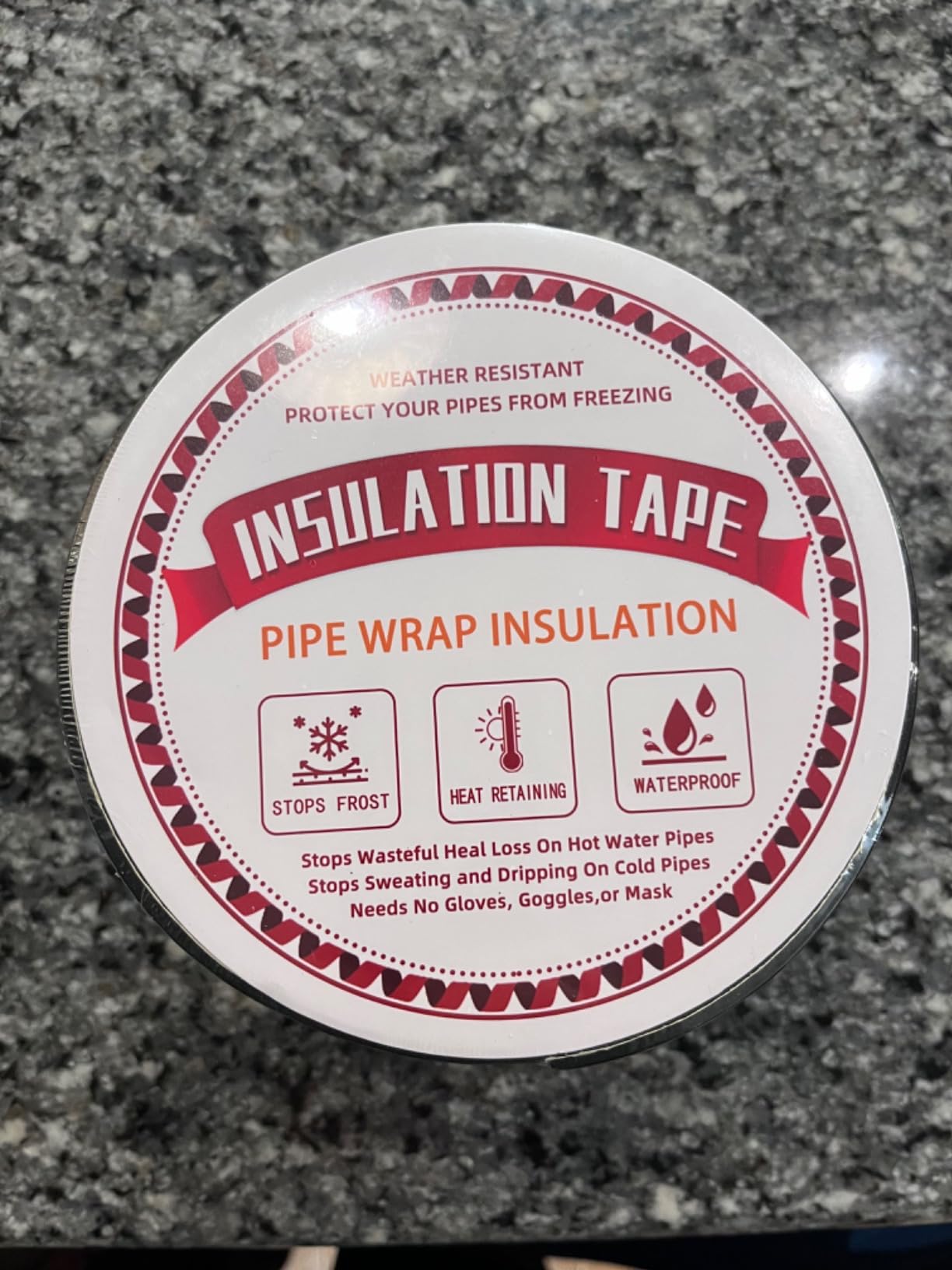
Despite the adhesive concerns, the foam material itself provides good thermal insulation and weather resistance. Several users reported success using it for duct insulation and AC line wrapping with the addition of zip ties or foil tape for securing. The chemical resistance and temperature tolerance are adequate for typical residential applications.
Best Used For: Supplemental Insulation on Varied Pipe Types
The 3-inch width and multi-material compatibility make this tape a decent all-around option for homeowners who need a supplemental insulation layer on various pipe types. It works on PVC, copper, and AC lines. Plan to use additional securing methods like zip ties or foil tape for reliable long-term adhesion.
Not Ideal For: Standalone Freeze Protection in Harsh Climates
The thin foam and unreliable adhesive mean this tape should not be your only line of defense against freezing temperatures. In cold climate zones, use it as a supplementary layer over thicker foam tubes rather than as primary insulation. The adhesion issues also make it risky for critical freeze prevention without backup securing methods.
Buying Guide: How to Choose Foam Pipe Insulation for Winter
Choosing the right foam pipe insulation for winter comes down to understanding your specific situation. Pipe location, pipe material, climate severity, and budget all play a role in selecting the best product. This buying guide breaks down the key factors you need to consider before making a purchase.
R-Value and Thermal Resistance
R-value measures a material’s resistance to heat flow, and it is the single most important number to look at when comparing pipe insulation. Higher R-values mean better insulation. For winter freeze protection, you want at least R-3 for indoor pipes in heated spaces and R-4 or higher for pipes in unheated areas.
The Duck Brand foam covers offer R-3.6, which is among the highest for polyethylene foam tubes. M-D Building Products provides R-3.3, which is adequate for most indoor applications. Foam tapes generally do not advertise R-values because they are too thin for standalone use. If you live in a region with extended sub-freezing temperatures, prioritize products with higher R-values.
Closed-Cell vs Open-Cell Foam
Closed-cell foam has sealed air pockets that resist moisture absorption, making it the better choice for winter pipe insulation. Open-cell foam absorbs water, which destroys its insulating properties and can promote pipe corrosion. All the foam tube products on this list use closed-cell construction, which is what you want.
Elastomeric rubber insulation like K-Flex is naturally closed-cell and offers superior moisture resistance compared to polyethylene foam. If your pipes are in a damp crawl space or basement where humidity is high, the moisture resistance of closed-cell elastomeric foam gives it a significant advantage.
Self-Sealing vs Pre-Slit vs Non-Slit Design
Self-sealing foam tubes have adhesive strips along the slit edges that bond when pressed together. This is the most convenient design for retrofitting insulation on existing pipes. Duck Brand, M-D Building Products, and FUYITE all use self-sealing designs. The adhesive quality varies between brands, so read reviews carefully.
Pre-slit tubes without adhesive require tape or zip ties to stay closed. Non-slit tubes like the CARGEN must be slid over the pipe end-to-end, which means disconnecting pipes during installation. Non-slit designs offer the best thermal seal because there is no seam, but they are impractical for complex pipe networks.
Matching Pipe Diameter Correctly
Getting the right size insulation for your pipe diameter is critical. Too small and it will not fit. Too large and it will not make proper contact with the pipe surface, reducing insulation effectiveness. Most foam tubes list both the inner diameter and the pipe sizes they fit.
Common residential pipe sizes include 1/2 inch, 3/4 inch, and 1 inch for copper and PEX water lines. Measure your pipe outside diameter before ordering, as nominal pipe sizes do not always match actual dimensions. A 1/2-inch copper pipe has an outside diameter of about 5/8 inch, which can cause confusion when selecting insulation.
Indoor vs Outdoor Applications
Indoor pipes in heated or semi-heated spaces need less aggressive insulation than outdoor pipes exposed to wind and weather. For indoor use, standard polyethylene foam tubes work well. For outdoor applications, you need UV-resistant materials like aluminum foil-backed tapes or the Nkiy Quen 5-layer cover.
Outdoor insulation also needs to withstand moisture, temperature cycling, and physical damage. Products with aluminum foil surfaces, like ALLWIN and FUYITE, handle outdoor conditions better than bare foam. For permanent outdoor installations, consider wrapping foam insulation in a protective sleeve for maximum longevity.
Climate-Specific Recommendations
In moderate climates where temperatures occasionally dip below freezing, basic polyethylene foam tubes with R-3 to R-3.5 ratings provide adequate protection. The Amylove 24-piece set is ideal for this scenario, offering enough material to insulate all vulnerable pipes.
In cold climates with extended periods below freezing, choose higher R-value products like the Duck Brand at R-3.6 or elastomeric rubber options like K-Flex. Layer multiple insulation types for maximum protection, combining foam tubes with tape wraps at joints and seams. In extreme cold zones, consider adding heat trace cables beneath the foam insulation for critical pipe sections.
Frequently Asked Questions About Foam Pipe Insulation
What is the best pipe insulation for cold weather?
The best pipe insulation for cold weather is closed-cell elastomeric rubber like K-Flex or high-density polyethylene foam like Duck Brand with an R-value of 3.5 or higher. For outdoor pipes, choose products with aluminum foil or UV-resistant outer layers to withstand weather exposure.
What is the best outdoor pipe insulation to prevent freezing in the winter?
For outdoor pipes, the best insulation combines a thick foam core with a weather-resistant outer layer. Products like the ALLWIN aluminum foil tape and the Nkiy Quen 5-layer HVAC cover provide the UV resistance and waterproofing needed for permanent outdoor installations. Avoid bare polyethylene foam outdoors as it degrades quickly in sunlight.
At what temperature will pipes freeze in an unheated house?
Pipes begin to freeze when the surrounding air temperature drops below 20 degrees Fahrenheit for several hours. In an unheated house, pipes in exterior walls, crawl spaces, and garages are most vulnerable. Proper insulation can protect pipes down to about 10 degrees Fahrenheit, but extreme cold below that may require additional heat sources.
Is rubber or poly foam better for pipe insulation?
Rubber (elastomeric) foam like K-Flex offers better thermal performance, moisture resistance, and durability compared to polyethylene foam. However, polyethylene foam is significantly cheaper, easier to install, and adequate for most indoor residential applications. Choose rubber for demanding outdoor or high-humidity environments and poly foam for budget-friendly indoor protection.
Does foam pipe insulation actually work?
Yes, foam pipe insulation works by creating a thermal barrier that slows heat transfer between pipes and surrounding air. It can extend the time before pipes freeze by several hours during cold snaps, often making the difference between frozen and flowing pipes. However, insulation alone cannot generate heat, so in extreme prolonged cold, pipes may still freeze without an additional heat source.
Conclusion
Finding the best foam pipe insulation for winter does not have to be complicated. For most homeowners, the Duck Brand Foam Pipe Covers deliver the best combination of R-value, ease of installation, and value. If you want professional-grade performance, K-Flex elastomeric insulation is worth the premium. And for budget-conscious DIYers, the CARGEN foam tube provides solid freeze protection at a fraction of the cost.
Remember that the key to effective winter pipe protection is covering every vulnerable section. Do not forget spigots, valves, and fittings where pipes are most likely to freeze. With the right foam pipe insulation in place before the first hard freeze, you can face 2026 winter with confidence that your pipes will stay flowing no matter how low the mercury drops.