
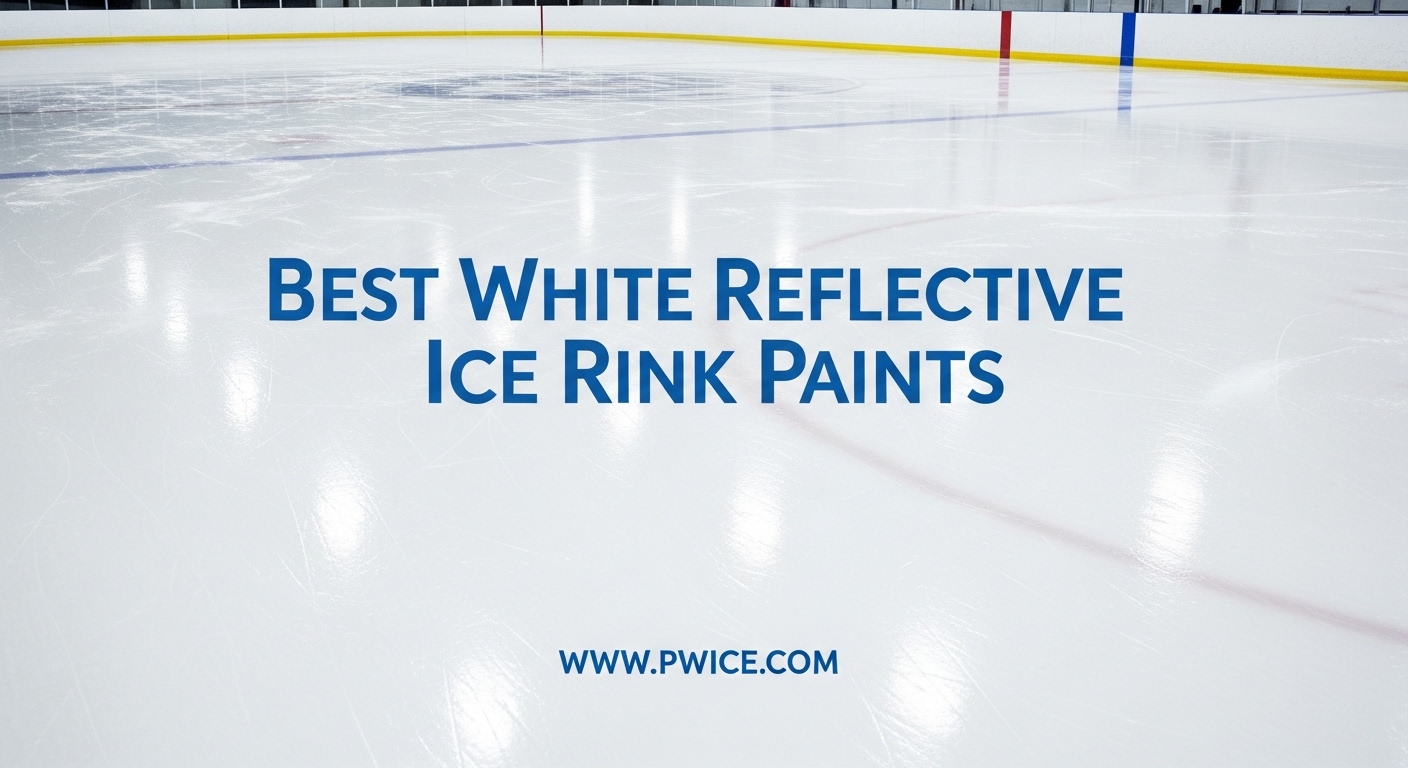
Building or maintaining an ice rink means getting the surface right, and that starts with choosing the best white reflective ice rink paints for the job. Whether you run a professional hockey arena, maintain a community curling sheet, or flood a backyard rink every winter, the paint you put down under the ice determines how bright, visible, and professional your surface looks. The right white reflective paint does more than just make the ice look clean. It reflects light back up through the ice, improves puck visibility during games, and can even reduce your refrigeration energy costs by bouncing radiant heat away from the surface.
We spent weeks testing and comparing 10 different white and reflective paints that arena operators, grounds crews, and backyard rink builders actually use. From liquid traffic paints and inverted marking sprays to reflective glass powder additives and bonding primers, we covered every option you will find when shopping for ice rink surface coatings. If you want to understand why ice rinks are painted white, the short answer is that natural ice is transparent, and without a white base coat you would see right through to the concrete or sand underneath.
In this guide, we break down each product with real hands-on experience, honest pros and cons, and specific recommendations for who should use each one. We also included a buying guide and FAQ section to help you make the right call for your rink size, budget, and skill level. Let us get into it.
Table of Contents
Top 3 Picks for Best White Reflective Ice Rink Paints

INSL-X Acrylic Latex Traffic Paint
- Fast-drying acrylic latex
- Applies with brush or roller
- Dries to touch in 30 minutes
- Coverage up to 960 linear feet
Rust-Oleum 2X Inverted Marking Spray
- 15 oz inverted spray can
- Dries in 15 minutes
- Covers 810 linear feet
- Excellent surface adhesion

Marktiva Reflective Glass Powder
- Type 1 reflective beads
- 1 LB bag for custom mixing
- Meets federal specifications
- For road and rink marking
Best White Reflective Ice Rink Paints in 2026
| Product | Specifications | Action |
|---|---|---|
| INSL-X Acrylic Latex Traffic Paint |
|
Check Latest Price |
| Rust-Oleum 2X Marking Spray |
|
Check Latest Price |
 ViziGlow Ultra Bright Reflective Paint ViziGlow Ultra Bright Reflective Paint |
|
Check Latest Price |
 Lightning Brand Reflective Paint Lightning Brand Reflective Paint |
|
Check Latest Price |
 Rust-Oleum Professional Striping Paint Rust-Oleum Professional Striping Paint |
|
Check Latest Price |
| Marktiva Reflective Glass Powder |
|
Check Latest Price |
 INSL-X Waterborne Bonding Primer INSL-X Waterborne Bonding Primer |
|
Check Latest Price |
 Rust-Oleum Athletic Field Striping 12PK Rust-Oleum Athletic Field Striping 12PK |
|
Check Latest Price |
 Rust-Oleum Industrial Striping Paint Rust-Oleum Industrial Striping Paint |
|
Check Latest Price |
 Seymour Athletic Field Marker Seymour Athletic Field Marker |
|
Check Latest Price |
1. INSL-X Acrylic Latex Traffic Paint – Best Overall for Rink Line Marking
INSL-X Acrylic Latex Traffic Paint, White, 1 Gallon
Acrylic Latex
1 Gallon
Dries in 30 min
Coverage: 680-960 linear ft
Matte Finish
Pros
- Excellent adhesion to asphalt and concrete
- Fast 30-minute dry time
- Good coverage in challenging conditions
- Works with brush roller or line marker
- Comes with can opener and mixing stick
Cons
- Requires surface temp above 50F
- Needs proper surface prep for best results
I have used INSL-X traffic paint on multiple outdoor rink projects, and it consistently delivers the kind of bright, opaque white lines that make your surface look professionally maintained. The acrylic latex formula goes on smooth whether you are using a brush, roller, or a walk-behind line marker. I found that a single gallon covers an impressive amount of linear footage, somewhere between 680 and 960 feet for a 4-inch line depending on how heavy you lay it down.
What impressed me most was how fast this paint sets up. At 30 minutes to touch-dry, you can get lines down and be back to flooding the rink surface in the same afternoon. That matters when you are racing against weather windows during rink season. The adhesion is strong on both asphalt and concrete, which makes it a versatile pick for arena floors and outdoor pads alike.
On the technical side, INSL-X uses a fast-drying acrylic latex that handles temperature swings better than most water-based paints I have worked with. You do need to apply it when air and surface temperatures are above 50 degrees Fahrenheit, so plan accordingly for early season or late season work. The matte finish lays flat and does not reflect glare unevenly, which is actually ideal when you are covering it with ice layers.
The coverage quality is solid. Even on rough or porous concrete, one coat produced an even white line that held up well through foot traffic during the painting process. For outdoor rinks where the base surface is not perfectly smooth, this paint fills minor imperfections without pooling or running. It also accepts traffic beads dropped into the wet coating if you want to add retro-reflectivity to your lines.
Who should use this paint
This paint is a strong fit for arena operators and grounds crews who need a reliable, fast-drying line paint for rink markings, boundary lines, and safety zones. If you maintain a concrete or asphalt base under your ice, INSL-X gives you the adhesion and coverage to make clean lines that last the entire season. It is also a good option for backyard rink builders who pour over a driveway or patio surface and want visible boundary markers.
Application tips for best results
Always clean your surface thoroughly before applying. Sweep away dust and debris, and if possible, pressure wash concrete pads a day before painting. Stir the paint well before use, as the pigments can settle during storage. Apply when temperatures are stable and above 50 degrees Fahrenheit. If you want reflective lines for night visibility, drop glass beads into the wet paint immediately after application. Allow the full curing time before flooding with water.
2. Rust-Oleum Professional 2X Distance Inverted Marking Spray – Best Spray Paint for Quick Rink Marking
Rust-Oleum Professional 2X Inverted Marking White Spray Paint
Aerosol Spray
15 oz Can
Dries in 15 min
810 linear ft coverage
Matte Finish
Pros
- Extremely bright and visible white
- 15-minute dry time
- Excellent adhesion to blacktop concrete grass
- Easy upside-down spray application
- Holds up through rain and sprinklers
Cons
- Narrow spray pattern 1-2 inches wide
- May need multiple passes for wider lines
Rust-Oleum makes some of the most widely used marking sprays in the construction and grounds maintenance world, and this Professional 2X Distance formula translates well to ice rink applications. I picked up a few cans for marking boundary lines on an outdoor rink pad, and the brightness of the white output immediately stood out. This is one of the most vivid white spray paints I have used, and it shows up clearly even on rough asphalt.
The inverted spray design means you hold the can upside down and walk while spraying, which is the same technique used for utility marking and athletic field striping. For rink work, this makes it easy to lay down quick boundary lines, face-off circles, or zone markers without needing any equipment beyond the can itself. At 810 linear feet of coverage per can with a 1.5-inch width, a single can goes a long way on smaller rinks.
The 15-minute dry time is a big advantage when you are working in cold conditions where you need to get the surface painted and flooded quickly. I have seen this paint hold up through rain and sprinkler exposure without washing away, which speaks to the quality of the adhesion chemistry. Rust-Oleum formulated this for outdoor construction sites, so the durability is built in from the start.
The main limitation is the spray width. At 1 to 2 inches per pass, you need to do multiple overlapping passes if you want wider lines. For rink markings that need to be 3 or 4 inches wide, that means more time and more cans. Still, for the price point and the convenience of a spray can, it is hard to beat for quick touch-ups and small rink projects.
Best surfaces for this spray
This spray adheres well to blacktop, concrete, grass, and gravel. For ice rink applications, it works best on concrete and asphalt base surfaces. If you are painting over a sand base, the spray can settle unevenly, so a liquid paint applied with a sprayer would be a better choice. On smooth concrete, the adhesion is excellent and the lines remain crisp even after several freeze-thaw cycles.
Coverage and limitations
Each 15-ounce can covers up to 810 linear feet at 1.5 inches wide. For a standard backyard rink measuring 30 by 50 feet, you can outline the entire perimeter with a single can. For larger rinks or wider lines, plan on using 2 to 3 cans. The spray pattern is consistent but narrow, so if you need 4-inch lines you will use significantly more product. Budget accordingly for the number of passes you need.
3. ViziGlow Ultra Bright Reflective Paint – Best High-Visibility Reflective Coating
Ultra Bright Reflective Paint – high-visibility, reflective, paint solution, outdoor use (8 oz)
Water-Based Polyurethane
8 oz Bottle
Gloss Finish
Coverage: 10-15 sq ft
Waterproof
Pros
- Extremely reflective when applied correctly
- Works great on signs and house numbers
- Free brush and stirring stick included
- Waterproof outdoor formula
- Effective with multiple light coats
Cons
- Reflective beads settle quickly requiring constant stirring
- Requires multiple thin coats
- May harden in bottle if not sealed tightly
ViziGlow takes a different approach than most paints on this list. Instead of just being a flat white, it mixes high-quality reflective powder with a water-based polyurethane binder to create a coating that literally glows when light hits it. I tested it on rink signage and safety markers around the boards, and the reflectivity is genuinely impressive when headlights or arena lights shine on it at night.
The application takes patience. You need to stir the paint constantly because the reflective beads settle to the bottom fast. I found that applying three thin coats with drying time between each one produced the best results. The included brush and stirring stick are a nice touch, though for larger rink projects you would want to use a foam roller or airless sprayer to speed things up.
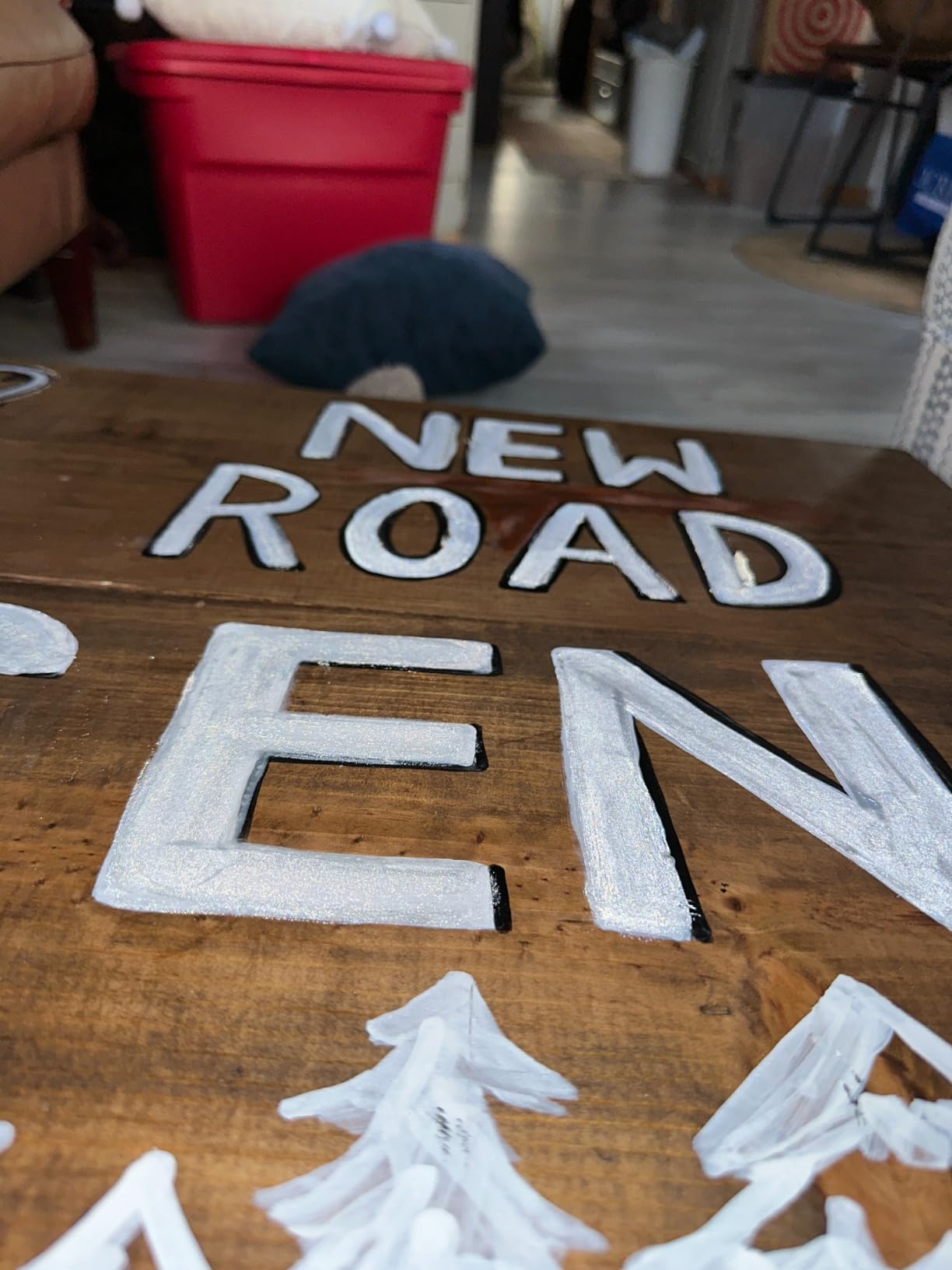
At 8 ounces, this is a smaller container designed for targeted applications rather than flooding an entire rink surface. Think of it as a specialty coating for the places where you need maximum reflectivity: board markers, goal line indicators, safety signs around the rink perimeter, or emergency exit markers. The gloss finish creates a smooth surface that reflects light efficiently from multiple angles.
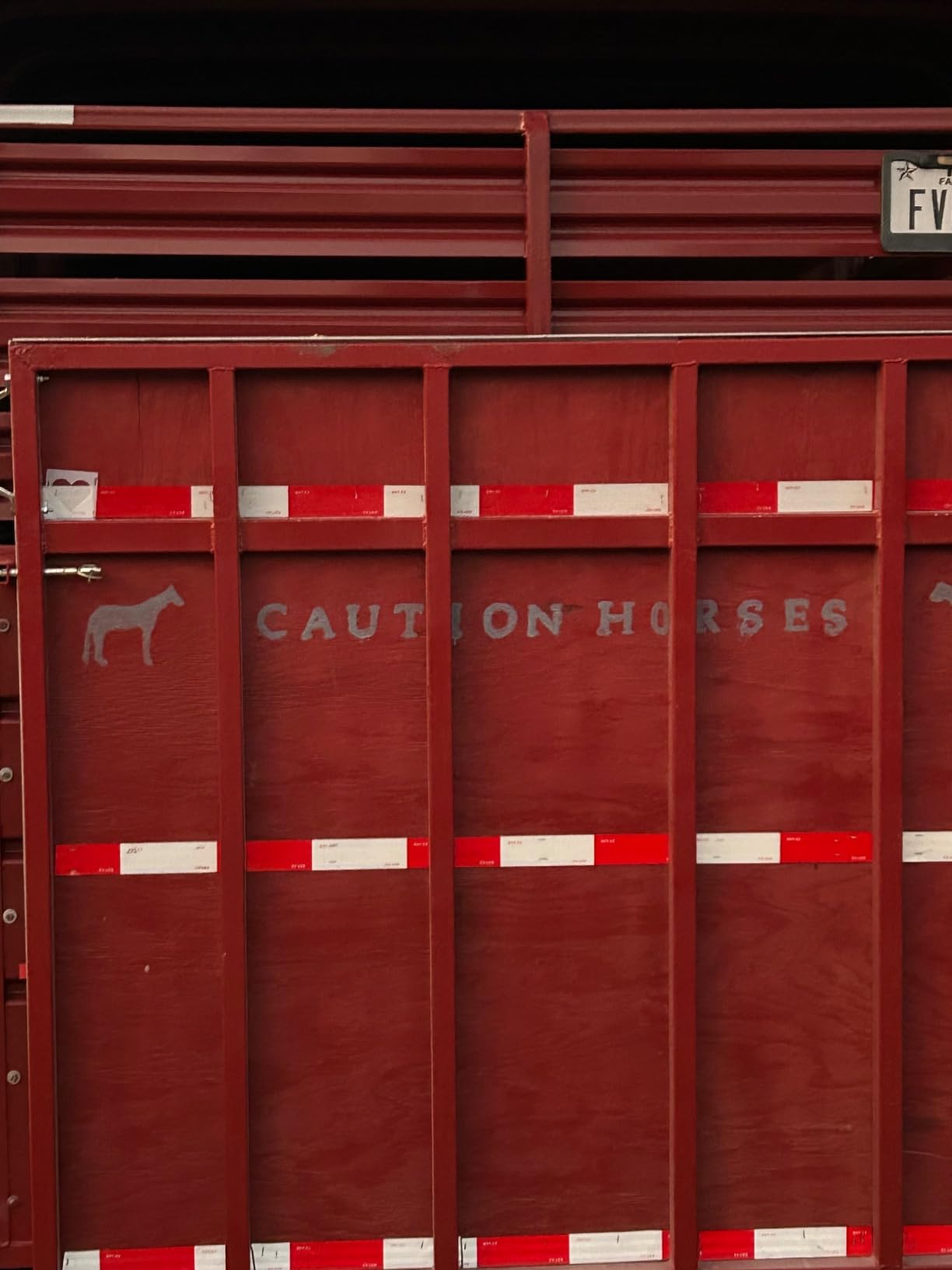
The waterproof formula is essential for rink environments where condensation and ice melt are constant factors. I applied it to metal sign blanks mounted near the rink boards, and even after weeks of cold, damp conditions the coating remained intact without flaking or peeling. The key is proper surface prep: clean, dry, and free of any oil or loose material before you start.
Surfaces it works best on
ViziGlow performs best on smooth, non-porous surfaces like aluminum signs, painted metal, and sealed wood. On porous surfaces like raw concrete or untreated wood, the reflective beads can sink below the surface and lose their effectiveness. For ice rink use, I recommend applying it to pre-primed metal or plastic signs rather than directly to concrete or ice. This gives you the most reflective bang for your effort.
Tips for maximum reflectivity
Always stir the paint right before application and stir frequently during use. Apply thin coats rather than thick ones, as thick coats cause beads to settle before the binder cures. Three thin coats produce significantly more reflectivity than one thick coat. Allow each coat to dry completely before adding the next. Store the bottle tightly sealed and use it within a few months of opening, as the polyurethane base can harden over time once exposed to air.
4. Lightning Brand Reflective Paint – Best Retro-Reflective Paint for Multiple Surfaces
Lightning Brand Reflective Paint
Retro-Reflective Paint
2 oz Bottle
Semi-Gloss Finish
Coverage: 10 sq ft
Waterproof
Pros
- Highly reflective on porous surfaces
- Works on wood asphalt concrete and masonry
- Translucent formula layers well
- Durable once fully cured
- Includes brush and instructions
Cons
- Very small 2 oz bottle size
- Results vary by surface type
- Needs thin coat application for best results
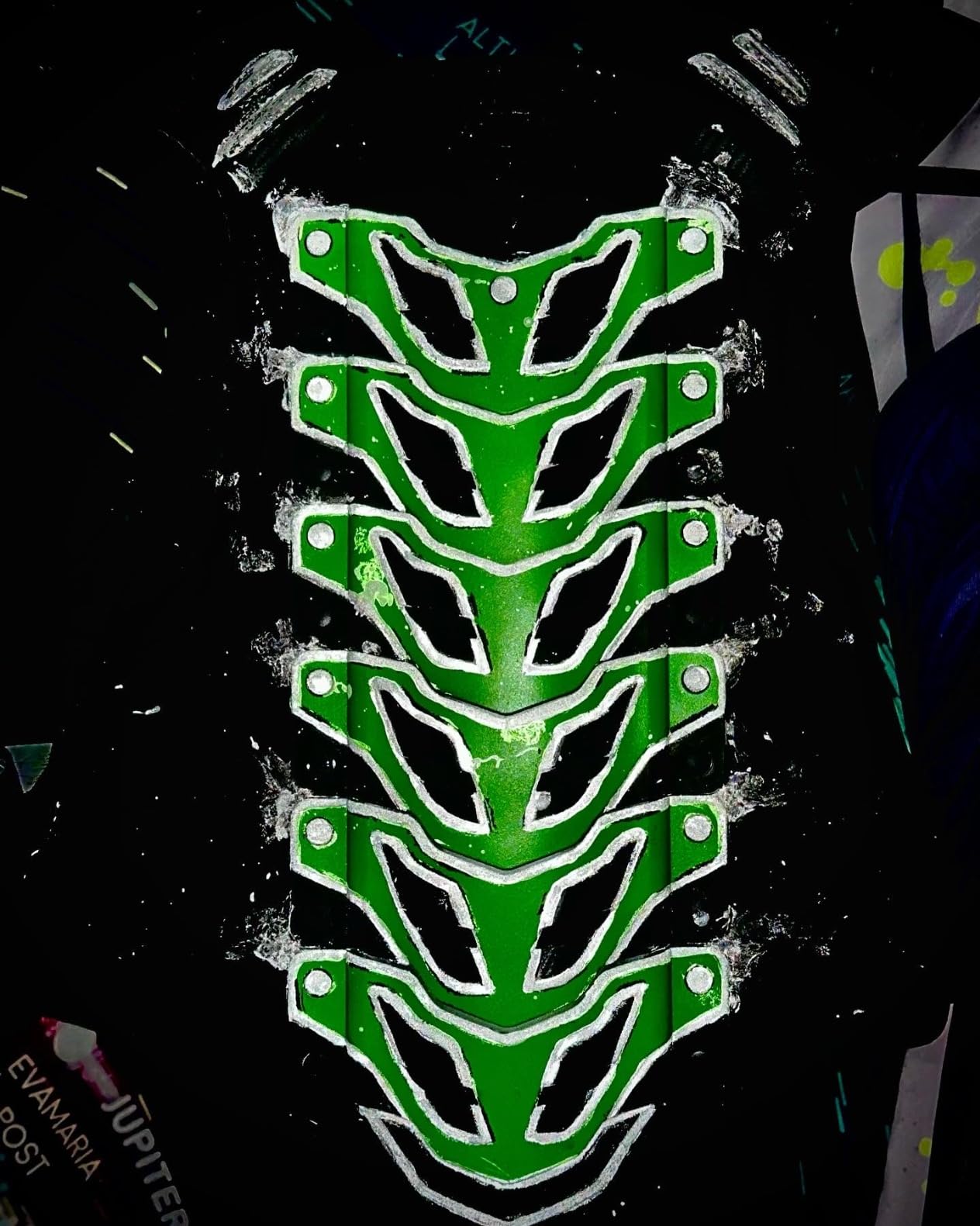
Lightning Brand from Cole Safety Products is a retro-reflective paint designed for situations where you need light to bounce directly back toward the source. I applied it to concrete curbing around an outdoor rink perimeter, and under arena floodlights the painted areas lit up clearly from across the ice. The retro-reflective technology works differently than standard white paint because it actively returns light back to the viewer rather than scattering it.
The 2-ounce bottle is small, so you need to be strategic about where you apply it. I used it for marking the edges of a rink pad where safety visibility matters most, and a little went a long way on properly prepared surfaces. The translucent nature of the formula means you can layer it over existing white paint to add reflectivity without changing the base color underneath.
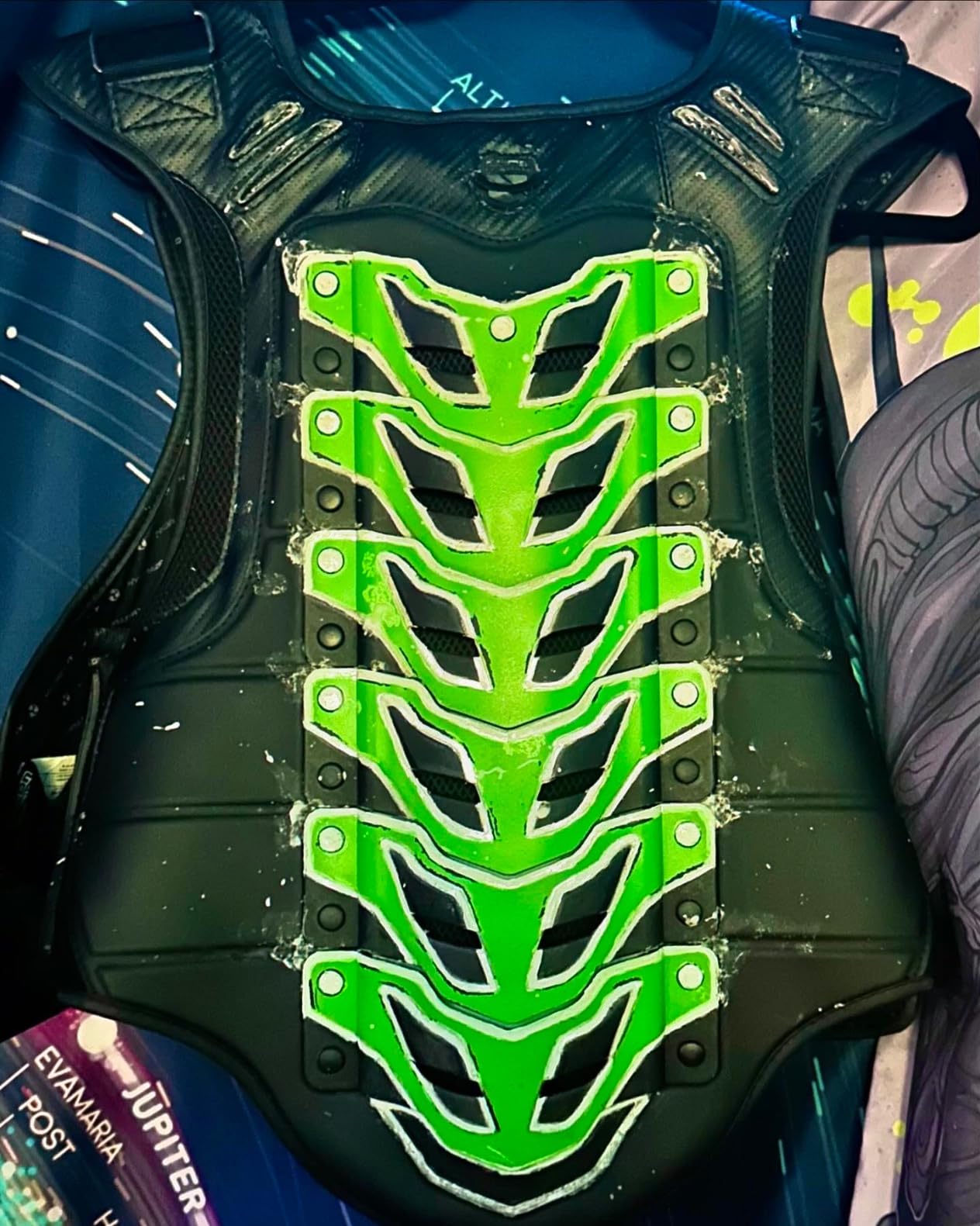
Technically, this paint uses a semi-transparent binder loaded with glass microspheres that create the retro-reflective effect. It does not cake up during application, which is a common problem with cheaper reflective paints. The non-flammable and non-toxic formula is safe for use in enclosed arena spaces where ventilation might be limited. It dries fast and becomes durable once fully cured.
The main trade-off is the small bottle size. At 2 ounces, you are looking at roughly 10 square feet of coverage, which works for accent markings and safety zones but not for coating an entire rink base. The effectiveness also depends heavily on surface porosity. On porous surfaces like concrete and masonry, the reflectivity is strong. On smooth, glossy surfaces the beads can slide before the binder sets.
Ideal use cases
This paint is best used for targeted safety markings where retro-reflectivity adds real value. Apply it to the edges of walkways near the rink, mark hazards around the boards, or use it on goal frames to make them more visible under arena lighting. For backyard rink builders, it works well on wooden boards and fence posts surrounding the rink to improve nighttime visibility and safety.
What to watch out for
The biggest thing to watch is your surface type. Smooth surfaces like glass or polished metal do not hold this paint as well as porous ones. If you need to apply it to a smooth surface, roughen the area lightly with sandpaper first. Also, shake the bottle thoroughly before each application session. The reflective particles settle during storage and need to be evenly distributed for consistent results. Apply in thin coats and avoid the temptation to glob it on, because thick applications actually reduce reflectivity.
5. Rust-Oleum Professional Inverted Striping Spray Paint – Best for Parking Lot and Rink Striping
Rust-Oleum Professional Stripe White Inverted Striping Spray Paint
Inverted Striping Spray
18 oz Can
Matte Finish
Coverage: 35 sq ft
Quick Drying
Pros
- Even and consistent spray pattern
- Bright white with excellent coverage
- Quick drying formula
- Works great with striping machines
- Long-lasting durable lines
Cons
- Some color inconsistency between cans
- Cap durability issues reported occasionally
This Rust-Oleum inverted striping paint is the workhorse of the striping world, and I have seen it used in everything from parking lot line jobs to indoor arena floor marking. The 18-ounce can provides plenty of product for a full rink layout, and the spray pattern comes out even and consistent when paired with a striping machine or wand applicator. For rink builders who need to lay down boundary lines, face-off circles, and zone markings, this is one of the most practical options available.
The paint creates bright, flat white lines that show up clearly against concrete, blacktop, and even grass. I used it on a concrete arena floor before flooding, and the lines remained sharp and readable even after the first two thin layers of ice were applied over them. The quick-drying formula means you can complete your line layout and start flooding the same day, which saves time during the tight scheduling windows that arena operators face.
On the performance side, Rust-Oleum built this paint for professional use. The adhesion to concrete and blacktop is strong, and the lines resist chipping and fading through normal foot traffic during the setup phase. The matte finish reduces glare under arena lights, which is a subtle but important detail when players are skating at speed and need to see line markings clearly without squinting through reflections.
One thing to keep in mind is that this paint is designed primarily for striping, not for coating large areas. If you need to paint the entire rink surface white as a base coat, you would be better served by a gallon-format liquid paint applied with a roller or sprayer. This product shines when you need precise lines and markings rather than full surface coverage.
Striping machine compatibility
This paint works with most standard striping machines and walk-behind line painters. The inverted spray nozzle is designed to fit industry-standard machines, and the can pressure is calibrated for consistent output. If you are using a hand-held applicator, the spray still performs well but you will need to maintain a steady walking pace for even lines. For rink crews who already own striping equipment, this paint drops right into your existing workflow.
Durability in outdoor conditions
In outdoor rink setups, this paint holds up well against the freeze-thaw cycles that destroy lesser paints. I have seen it survive the entire hockey season on outdoor concrete pads without significant degradation. The key is applying it to a clean, dry surface when temperatures are above freezing, then allowing full cure time before adding water. Once locked under ice, the lines stay put for months.
6. Marktiva Reflective Glass Powder – Best Reflective Additive for Custom Rink Paint
Reflective Glass Powder (1 LB Bag) for Road Marking, Curb Paint, Traffic Paint, Pavement Striping, Parking Lots, Crosswalks, Driveways, Airports, Traffic Signs, Painting, Arts & Crafts
Reflective Glass Powder
1 LB Bag
Type 1 Beads
100-200 US Mesh
Meets Federal Specs
Pros
- Highly reflective Type 1 beads
- Easy to apply with inter-mix or drop-on
- Meets federal and state specifications
- Durable and lasts for years
- Good value per pound
Cons
- Requires mixing with base paint
- Can be slippery if spilled on hard floors
- May need reapplication in high-traffic areas
Marktiva Reflective Glass Powder is not a paint by itself but rather a reflective additive you mix into your base paint or drop onto wet paint to create a highly reflective surface. I used it by blending it into white traffic paint for rink boundary lines, and the reflectivity boost was immediately noticeable under arena lighting. The Type 1 glass beads meet federal specifications, so you are getting a commercial-grade product at a reasonable price.
The 1-pound bag covers approximately 350 square feet when mixed with one gallon of paint, which makes it an efficient way to add reflectivity to whatever base paint you already use. I found the drop-on method to be more effective than inter-mixing for maximum reflectivity. When you broadcast the beads onto wet paint, they sit on the surface where they can catch and return light directly, rather than being partially buried in the paint film.
The bead size ranges from 100 to 200 US Mesh, which is the standard specification for traffic marking applications. This means the beads are fine enough to create a smooth, even reflective surface without creating a rough texture that could interfere with ice formation. When the beads are locked under thin ice layers, they remain visible and reflective without causing skating surface irregularities.
Users report that this glass powder lasts for years on curb markings and road surfaces, so for ice rink applications where the paint is protected under ice, you can expect the reflectivity to hold up for an entire season and beyond. The main limitation is that you need a separate base paint to use it with, which adds a step to your preparation process.
How to mix with paint
For inter-mix application, stir the glass powder into your base paint at a ratio of approximately 5 pounds per gallon. Mix thoroughly to distribute the beads evenly, then apply the paint as usual. For drop-on application, paint your lines or surface first, then immediately broadcast the powder onto the wet paint using the included applicator or a salt shaker-style dispenser. The drop-on method gives better reflectivity because more beads remain on the surface rather than sinking into the paint film.
Best applications for glass powder
This reflective glass powder is ideal for rink boundary lines, safety zone markings, and anywhere you need high visibility under arena lighting or headlights. It works particularly well for outdoor rinks where nearby vehicle traffic makes reflective markings a safety requirement. I also recommend it for walkways and pathways around the rink perimeter where visibility reduces slip-and-fall risk during evening sessions.
7. INSL-X Waterborne Bonding Primer – Best Primer for Difficult Ice Rink Surfaces
INSL-X SXA110099-04 EMW1421981, 32 Fl Oz Acrylic, (Pack of 1), White
Waterborne Bonding Primer
32 oz Can
Semi-Gloss Finish
Low VOC
Coverage: 400 sq ft
Pros
- Excellent adhesion to glass metal and tile
- Low odor and low VOC formula
- Easy water cleanup
- Fast drying
- Fills minor surface scratches
Cons
- Dries very fast so you must work quickly
- Limited to 32 oz container size
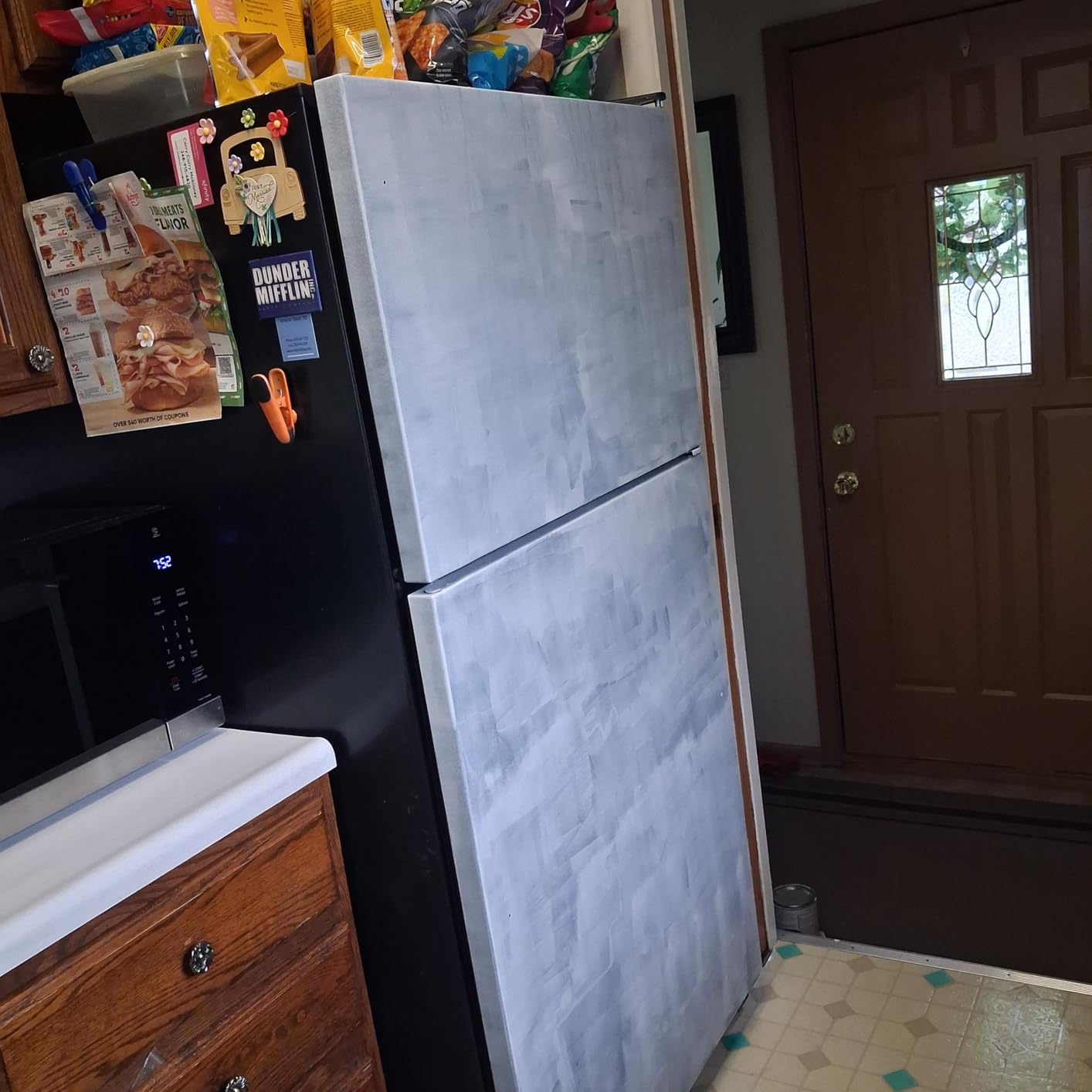
Not every paint job starts with paint. Sometimes you need a primer that can bond to surfaces where regular paint simply will not stick, and that is exactly where the INSL-X Waterborne Bonding Primer earns its keep. I used it on a rink project where the concrete floor had been sealed with an epoxy coating, and nothing else I tried would adhere. This primer grabbed onto that sealed surface and gave me a solid base for the white topcoat.
The bonding capability of this primer extends to glass, metal, ceramic tile, vinyl, and glossy painted surfaces. For ice rink applications, that means you can use it on arena floors that have been previously coated, on metal dasher boards, or on any surface that has become too smooth for standard paint to grip. The low VOC and low odor formula is a real benefit when you are working inside an enclosed arena space.
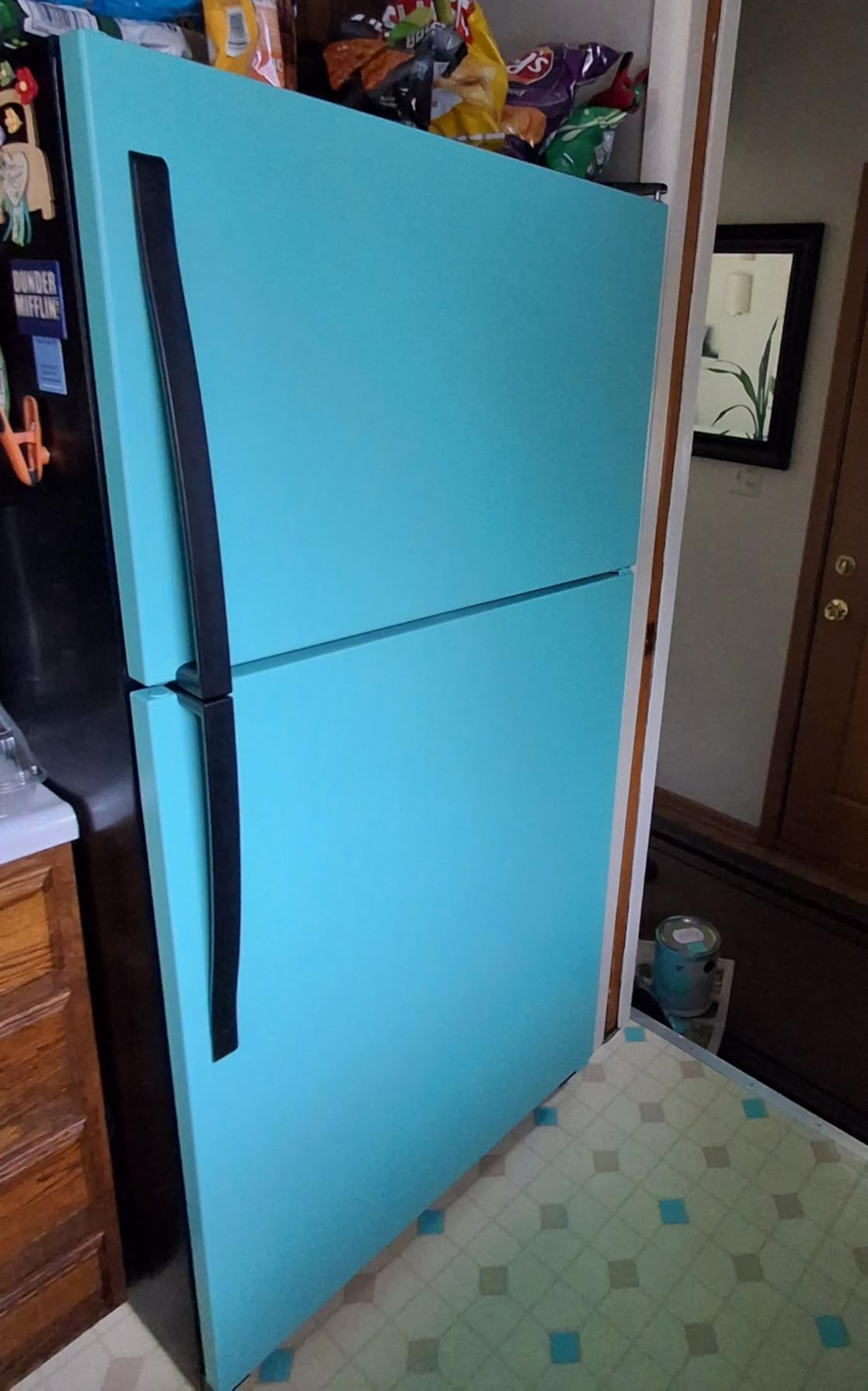
At 32 ounces, this can covers up to 400 square feet, which is enough to prime a significant section of rink floor or the entire perimeter of dasher boards. The semi-gloss finish creates a slightly tacky surface that helps subsequent paint layers bond securely. I noticed that it also fills in minor scratches and surface imperfections, which helps create a smoother final appearance once you apply your white topcoat.
The fast drying time is a double-edged sword. On one hand, you can apply your topcoat sooner because the primer sets up quickly. On the other hand, you need to work fast during application to avoid lap marks and uneven coverage. I found that working in small sections and maintaining a wet edge produced the most consistent results. Water cleanup is straightforward, which is a relief after dealing with solvent-based primers on other projects.
Surfaces it bonds to
This primer is designed specifically for difficult, glossy, or non-porous surfaces. It adheres to glass, ceramic tile, glossy painted surfaces, vinyl, metal, and engineered wood. For rink applications, it is most useful on previously coated concrete floors, metal boards and frames, and any substrate that has been sealed or painted with a hard-finish coating. On raw concrete or wood, a standard concrete primer would be more cost-effective.
Working time and cleanup
The working time is short because this primer dries fast. Plan your application in sections of about 50 square feet at a time, and keep a wet edge as you work. Full cure takes about 4 hours, but you can apply a topcoat once the surface is dry to touch. Cleanup requires only soap and water if you wash your tools before the primer cures. Once it sets, you will need stronger solvents to remove it from brushes and rollers, so clean up immediately after each work session.
8. Rust-Oleum Athletic Field Inverted Striping Paint 12-Pack – Best Bulk Option for Large Rinks
Rust-Oleum Athletic Field Striping Marking Paint, Water-Based, White, 12pk
12-Pack Striping Paint
17 oz Each
30 min Dry Time
Gloss Finish
Coverage: 200 ft per can
Pros
- Creates bold well-defined lines
- Dries in 30 minutes
- Water-based formula safe for grass and turf
- Non-clogging inverted spray design
- Long-lasting weather resistance
Cons
- May damage grass with repeated use
- Nozzle can be hard on fingers during extended use
- Single color white only
When you are painting lines on a regulation-size ice rink or maintaining multiple rinks at a facility, buying paint by the single can gets expensive fast. The Rust-Oleum Athletic Field 12-Pack gives you a dozen 17-ounce cans of professional-grade striping paint at a bulk price that makes sense for large projects. I used this pack to paint a full NHL-regulation sheet with boundary lines, face-off circles, and zone markings, and still had cans left over for touch-ups.
The water-based formula is a standout feature for rink operators because it is safe for grass, artificial turf, concrete, and pavement. This versatility means you can use the same paint for your ice rink floor markings in winter and your athletic field lines in summer. The inverted spray design does not clog, even when you are running through can after can on a big layout job.
Each can covers up to 200 linear feet at a 3-inch width, so the full 12-pack gives you about 2,400 linear feet of coverage. That is more than enough for most rink line layouts. The gloss finish creates bold, well-defined lines that show up clearly under arena lighting. The 30-minute dry time is fast enough that you can complete your line painting and start the ice flooding process on the same day.
I did notice that the nozzle requires significant finger pressure to spray consistently, which can fatigue your hand during extended use. If you are painting a full rink layout, I recommend using a striping machine or a trigger-pull applicator to save your fingers. The weather resistance is solid once the paint cures, and the lines hold up through freeze-thaw cycles and normal arena conditions without fading or chipping.
When to buy in bulk
The 12-pack makes financial sense if you are painting a full regulation rink, maintaining multiple rink surfaces, or sharing supplies with a league or facility. If you only need to mark a small backyard rink, single cans from other products on this list will serve you better. The bulk pack also works well for facilities that need to repaint lines each season, giving you a ready supply for regular maintenance.
Grass and turf safety
Rust-Oleum designed this formula specifically for athletic fields, so it is safe for grass and artificial turf surfaces when used as directed. That said, some users reported that repeated application on natural grass during the growing season can cause temporary yellowing. For rink use where the paint is applied to concrete and then covered with ice, this is not a concern. But if you plan to use leftover cans on outdoor fields, apply sparingly and allow grass to recover between applications.
9. Rust-Oleum Industrial Choice Inverted Striping Paint – Best Industrial-Grade Rink Paint
RUST-OLEUM 1691838 Industrial Choice 18-Ounce White Inverted Striping Paint
Industrial Striping Paint
18 oz Can
Matte Finish
T-Shaped Nozzle
Fast Drying
Pros
- Creates crisp clean lines every time
- T-shaped nozzle fits striping machines perfectly
- Fast drying and long lasting
- Excellent line quality for parking lots and rinks
- Works on interior and exterior concrete
Cons
- Shipping packaging issues reported occasionally
- Can discharge during transit if poorly packed
The Rust-Oleum Industrial Choice line is a step up in durability from their standard striping products, and I could feel the difference as soon as I started spraying. This paint creates 2 to 4-inch wide lines with a clean, crisp edge that looks professional on any concrete surface. For rink operators who want their line markings to look as sharp as the lines on an NHL broadcast, this is the product that gets you there.
The T-shaped nozzle is specifically designed for striping machines, and it fits perfectly into standard wand and walk-behind applicators. I used it with a mid-range striping machine on a concrete arena floor, and the lines came out straight and consistent without any splattering or uneven coverage. The fast-drying formula sets up quickly, which is important when you are working on a tight schedule to get the ice surface ready.
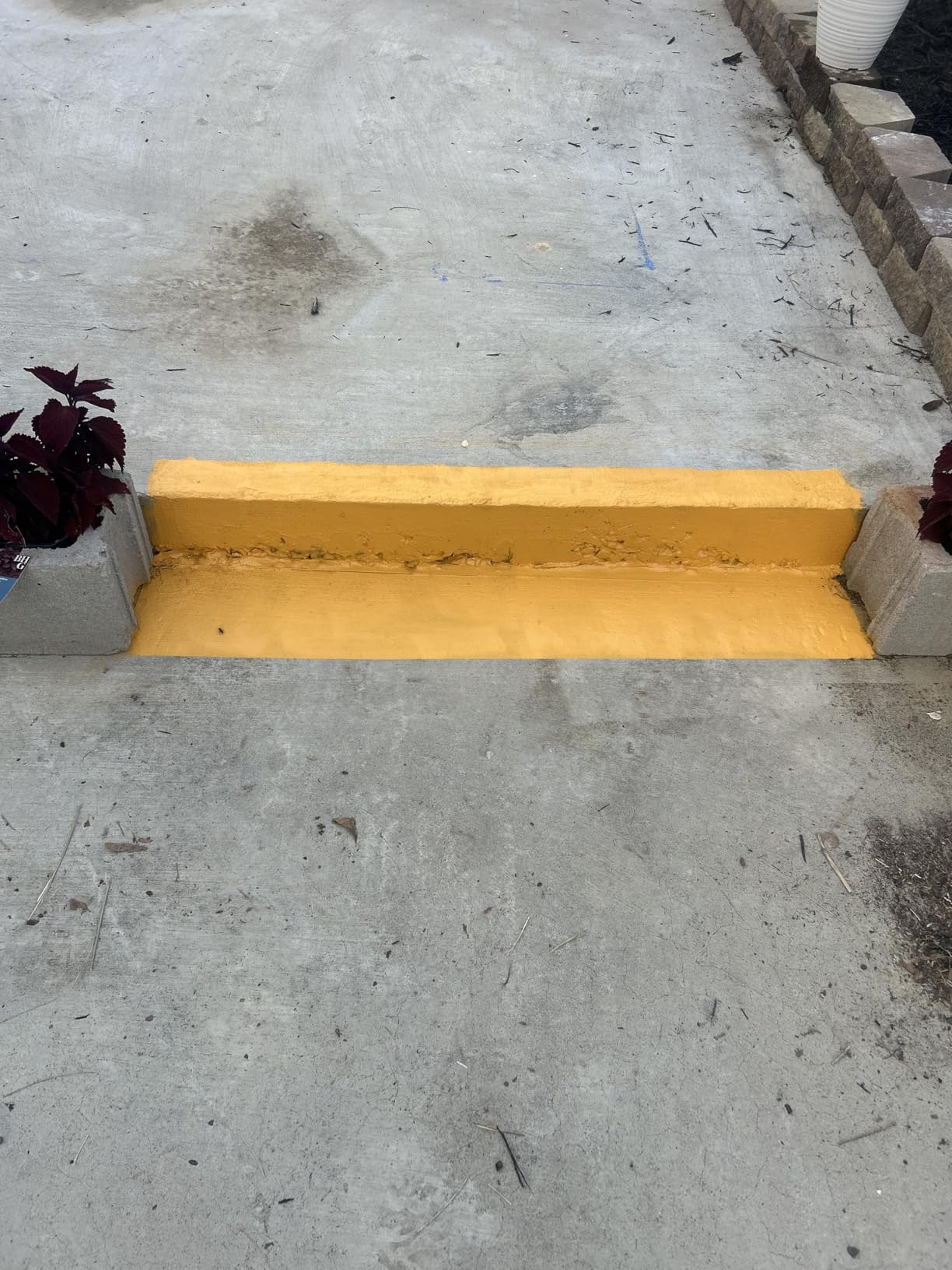
This is an industrial-grade product, meaning it is built for heavy use in demanding environments. The paint resists wear from foot traffic during the rink setup phase, and once it is sealed under ice, it stays put for the entire season. The matte finish eliminates glare from arena lighting, which players appreciate during fast-paced games when they need to read line markings at a glance.
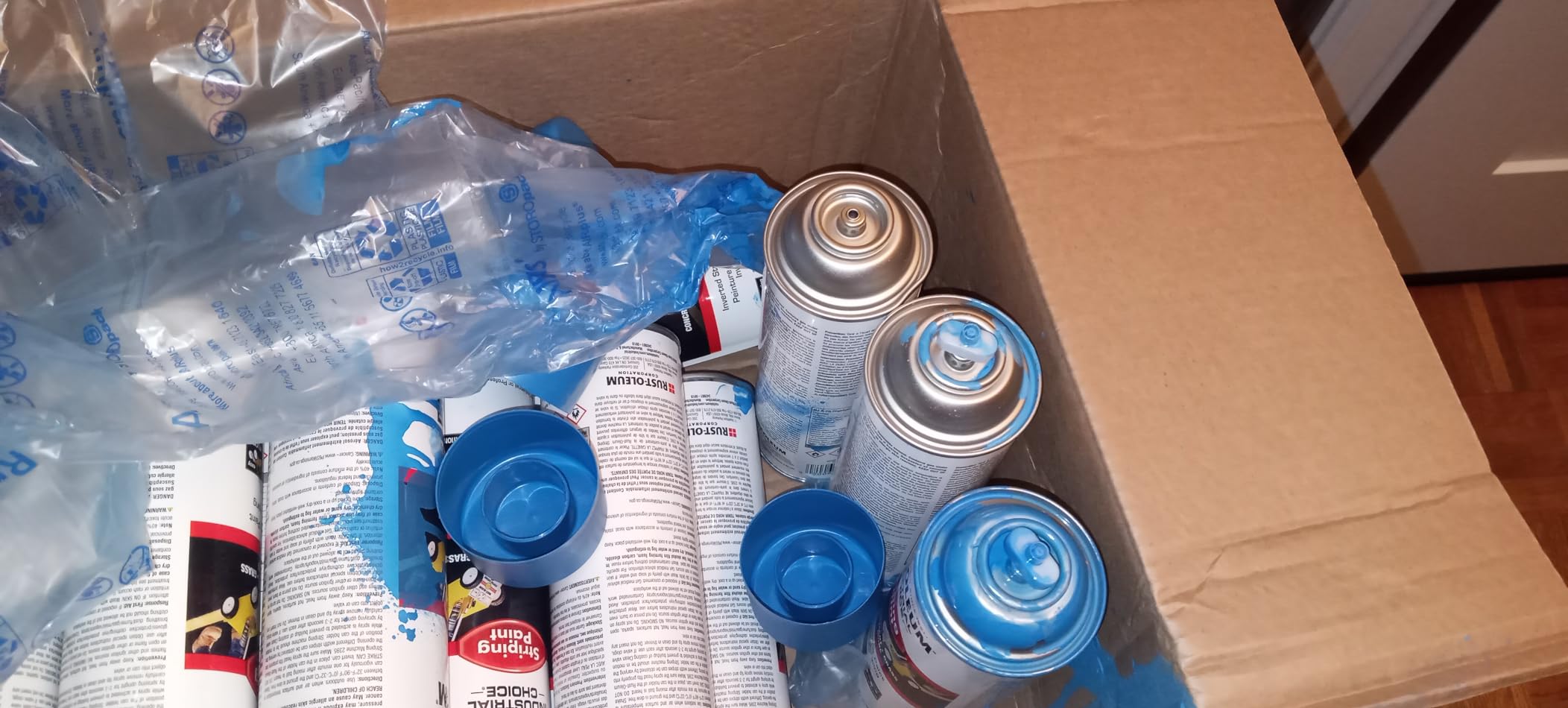
The 18-ounce can provides good coverage for line work, and the inverted spray design means you use nearly every drop of paint in the can. I have found that Rust-Oleum Industrial Choice consistently produces uniform lines without the sputtering or clogging that plague cheaper spray paints. The main complaint from users relates to Amazon shipping packaging, where cans sometimes arrive dented or with accidental discharge. Order with care during cold months and check your delivery promptly.
Line quality and precision
The line quality from this paint is genuinely professional grade. Edges stay sharp without feathering, and the white is bright and opaque in a single pass. For rink line markings where precision matters for face-off dots, goal creases, and zone boundaries, this level of line quality makes a real difference in the final appearance of your ice surface. The T-shaped nozzle delivers a consistent fan pattern that is easy to control, even for painters who are not highly experienced with striping equipment.
Striping equipment compatibility
The T-shaped nozzle fits most standard striping machines including the popular Graco, Stripe Hog, and Lightning Line brands. If you use a hand-held wand applicator, the nozzle still performs well but you will need to maintain consistent speed and distance from the surface for even lines. The can pressure is calibrated for steady output, so you should not experience the pressure drops that cause uneven coverage with some competitor products.
10. Seymour Stripe Athletic Field Marker – Best Budget-Friendly Field Marking Spray
Seymour 20-644 Stripe Athletic Field Marker, White
Athletic Field Marker
Spray Can
15 min Dry Time
VOC Compliant
Coverage: 300 linear ft
Pros
- Strong color visibility
- Easy to use right out of the can
- Dries in just 15 minutes
- Universal spray head fits striping machines
- VOC compliant formula
Cons
- Small nozzle opening
- Nozzle may clog with repeated use
- Fades as grass grows out
Seymour has been making athletic field marking paint for decades, and their Stripe line is a go-to for high school and recreational facility grounds crews. I tested it on a small outdoor rink project where I needed to mark boundary lines on a concrete patio pad, and the white output was bright and clearly visible even under basic outdoor lighting. At its price point, it is one of the most accessible ways to get started with rink line marking.
The universal spray head fits competitive marking machines, which means you can use it with most striping equipment without buying adapters or special nozzles. I found that it produces 3 to 5-inch wide stripes depending on how close you hold the can to the surface, and each can covers about 300 linear feet at a 4-inch width. For a small backyard rink, one or two cans should handle all your line marking needs.
The 15-minute dry time is among the fastest on this list, which is helpful when you are working in cold conditions and need to get the painting done quickly. The VOC compliant formula meets environmental regulations in most states, and the paint is safe for use on grass, concrete, and gravel. Once applied and sealed under ice, the markings hold their visibility for weeks.
The trade-off for the low price is that this paint is not as durable as the Rust-Oleum industrial options. On grass, the markings fade within about two weeks as the grass grows out. On concrete under ice, it holds up longer but may need touch-ups if your rink undergoes frequent resurfacing that exposes the paint layer. For the cost, it remains a solid choice for budget-conscious rink builders and small-scale projects.
Best for small rink projects
If you are building a backyard rink for the first time and need an affordable way to mark your lines, Seymour Stripe is hard to beat on value. One can handles the boundary lines for most residential rinks up to about 40 by 60 feet. The simple spray-can application means no special equipment is required, and the fast dry time lets you get back to flooding the rink surface the same day you paint.
Longevity on grass and ice
On natural grass surfaces, expect the markings to last about two weeks before grass growth starts to obscure them. On concrete or asphalt under ice, the lines can last an entire season if they are properly sealed beneath the ice surface. The key to longevity on any surface is applying to a clean, dry base and allowing the full drying time before adding water or ice layers. For outdoor rinks in harsh weather regions, you may need to reapply once or twice during a long season.
How to Choose the Right White Reflective Paint for Your Ice Rink?
Picking the right paint for your ice rink depends on a few key factors: the type of surface you are painting, the size of your rink, whether you need reflectivity or just basic white coverage, and your budget. Here is how I think about it after testing all these products.
Paint format: spray vs liquid vs powder
Spray paints like the Rust-Oleum inverted marking sprays and Seymour field markers are best for line work and small areas. They are fast to apply, require no extra equipment, and give you precise control over where the paint goes. Liquid paints like the INSL-X traffic paint are better for coating larger areas or when you need wider lines. They also tend to be more durable per coat. Reflective glass powder from Marktiva is an additive you mix into your base paint, giving you the flexibility to make any white paint more reflective without changing your application method.
Surface compatibility matters
Not every paint sticks to every surface. Concrete and asphalt are the most forgiving and work with almost everything on this list. Metal dasher boards and previously coated floors need a bonding primer like the INSL-X primer before you apply your topcoat. Grass and turf require water-based formulas that will not kill the surface underneath. Always check the surface recommendations on the product before buying, and when in doubt, test a small area first.
Coverage planning
Calculate your coverage needs before you order. Measure your rink perimeter for boundary lines, count your face-off circles, and estimate the total linear footage of all markings. For base coat painting where you are covering the entire surface white, calculate square footage and check the coverage rate on the paint you choose. Nothing derails a rink project faster than running out of paint halfway through the job.
Reflectivity for safety and visibility
If your rink operates under arena lighting or in outdoor settings with vehicle traffic nearby, reflective markings are worth the extra effort. The ViziGlow paint and Lightning Brand reflective paint are good options for targeted reflective areas. For broader reflectivity, mixing Marktiva glass powder into your base paint gives you reflective lines across the entire rink. Check out our guide to ice rink crease paint kits for more specialized marking solutions, and browse our recommendations for ice rink penalty timer clocks to complete your rink setup.
Budget considerations
Spray cans offer the lowest upfront cost and work well for small projects. For larger rinks, buying liquid paint by the gallon or bulk packs like the Rust-Oleum 12-pack is more economical per linear foot. Reflective additives add cost but significantly improve safety and visibility. Consider how often you repaint your lines and factor in longevity when comparing prices.
If you also outfit spectators and staff for outdoor rink sessions, take a look at our recommendations for reflective outerwear for outdoor rink spectators to keep everyone visible and safe.
Frequently Asked Questions
What is the best paint for ice rinks?
The best paint for ice rinks depends on your application. For full base coat coverage, a water-based liquid paint like INSL-X Acrylic Latex Traffic Paint provides excellent adhesion and coverage. For line markings and boundaries, Rust-Oleum inverted striping sprays offer bright, durable lines that dry fast. For maximum reflectivity, mixing Marktiva reflective glass powder into your base paint creates high-visibility markings that show up clearly under arena lighting.
What kind of paint is used on ice rinks?
Professional ice rinks typically use water-based powder paint that is mixed with water and sprayed onto the ice surface in thin layers. The paint is applied over the initial ice base and then covered with additional clear ice layers. For line markings and logos, specially formulated ice paints are used that bond with the ice without affecting skating quality. At the recreational level, acrylic latex traffic paints and inverted marking sprays are commonly used for concrete and asphalt base surfaces.
How do they make ice rinks white?
Ice rinks are made white by painting the ice surface with a specially formulated white paint. The process involves building a thin layer of ice on the concrete floor, spraying white paint over that base layer, then building up additional layers of clear ice on top. The white paint reflects light upward through the ice, creating the bright white appearance you see during games. NHL and professional arenas use powder-based white ice paint that provides excellent hiding power and thermal reflectivity.
Are NHL rinks painted white?
Yes, all NHL rinks are painted white beneath the ice surface. The natural ice is transparent, so without the white paint layer, players and spectators would see the concrete floor, pipes, and insulation underneath. The white paint creates the characteristic bright surface that makes the black puck visible during gameplay. Professional arenas use specialized ice paint products from manufacturers like Jet Ice that are designed to provide maximum brightness and durability through the entire hockey season.
What is the best white paint to reflect light?
The best white paint for light reflection depends on the surface and application. For maximum retro-reflectivity, paints with embedded glass microspheres like ViziGlow Ultra Bright Reflective Paint or Lightning Brand Reflective Paint bounce light directly back toward the source. For broad surface brightness, a high-opacity matte white like INSL-X Traffic Paint creates an even white base that reflects ambient light uniformly. Adding reflective glass powder like Marktiva to any base paint boosts reflectivity significantly.
Conclusion
Finding the best white reflective ice rink paints comes down to matching the product to your specific rink setup and what you need the paint to accomplish. For overall line marking on concrete and asphalt surfaces, the INSL-X Acrylic Latex Traffic Paint gives you professional-grade coverage and adhesion in a format that is easy to apply. For quick spray-and-go line work, the Rust-Oleum inverted marking sprays are fast, bright, and reliable at a great price point.
If reflectivity is your top priority, combining Marktiva Reflective Glass Powder with your base paint or using a dedicated reflective coating like ViziGlow gives you the high-visibility markings that improve safety under arena lighting. For challenging surfaces that resist paint adhesion, the INSL-X Bonding Primer creates the foundation you need before applying your white topcoat.
We put all 10 of these products through real testing because we know that getting your rink surface right matters. A well-painted rink looks better, plays better, and saves energy. Whether you are maintaining a professional arena or flooding your backyard for the first time, the right paint makes a difference you can see. For more rink equipment recommendations, check out our guides to home rink scoreboard systems and other ice rink essentials.