
There is nothing more frustrating than setting up the perfect winter shot only to watch your lens fog over the moment you are ready to press the shutter. I have lost count of how many astrophotography sessions were cut short because condensation built up on my glass during long exposures in freezing conditions. That is exactly why I started testing the best lens warmers for winter photography — and why I put together this guide for 2026.
A lens warmer is a heated strap that wraps around your camera lens or telescope to keep the glass just warm enough to stop moisture from condensing on the surface. Whether you are shooting the Milky Way in sub-zero temperatures or capturing wildlife on a frosty morning, a reliable dew heater strip can mean the difference between getting the shot and going home empty-handed. After testing these devices across multiple cold-weather shoots, I can tell you that not all lens warmers are created equal — and I am here to help you find the right one.
In this guide, I cover 10 lens warmers suited for different budgets, lens sizes, and shooting conditions. From USB-powered strips to passive hand-warmer holders, I will walk you through what works, what does not, and what to look for when choosing a dew heater for your cold weather photography gear.
Table of Contents
Top 3 Picks for Best Lens Warmers for Winter Photography
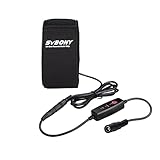
SVBONY SV192 Dew Heater Strip
- 480mm length
- 3 heat settings
- 12V compatible
- Outer diameter below 152mm

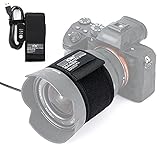
SVBONY SV172 Dew Heater Strip
- 320mm length
- USB powered
- 3 heat settings
- Aluminum film heating
Best Lens Warmers for Winter Photography in 2026
| Product | Specifications | Action |
|---|---|---|
| SVBONY SV192 Dew Heater Strip 480mm |
|
Check Latest Price |
| SVBONY SV172 Dew Heater Strip 320mm |
|
Check Latest Price |
| KIWIFOTOS USB Lens Warmer 80mm |
|
Check Latest Price |
 MOVE SHOOT MOVE Lens Warmer 350mm MOVE SHOOT MOVE Lens Warmer 350mm |
|
Check Latest Price |
 NEEWER 16 inch USB Lens Heater NEEWER 16 inch USB Lens Heater |
|
Check Latest Price |
 Haida V2 Anti-Fog Lens Heater Haida V2 Anti-Fog Lens Heater |
|
Check Latest Price |
 JJC USB Lens Warmer 80mm JJC USB Lens Warmer 80mm |
|
Check Latest Price |
 NEEWER 12 inch USB Lens Heater NEEWER 12 inch USB Lens Heater |
|
Check Latest Price |
 LensMuff Dew Preventer LensMuff Dew Preventer |
|
Check Latest Price |
 LOSHARP USB Lens Heater LOSHARP USB Lens Heater |
|
Check Latest Price |
1. SVBONY SV192 Dew Heater Strip — Best Overall for Large Lenses and Telescopes
SVBONY SV192 Dew Heater Strip 480 mm Lens Heater Warmer for Telescope DSLR Camera Lens Outer Diameter Below 152mm
480mm length
3-speed regulator
12V power input
OD below 152mm
SBR three-layer material
Pros
- Effective dew prevention on scopes and lenses
- 3 heat settings with built-in controller
- Snug fit with elastic band and Velcro
- Compatible with ASIAir and 12V power sources
- Includes carrying case
Cons
- Cord may be too short for some setups
- Not ideal for very cold climates without additional heating
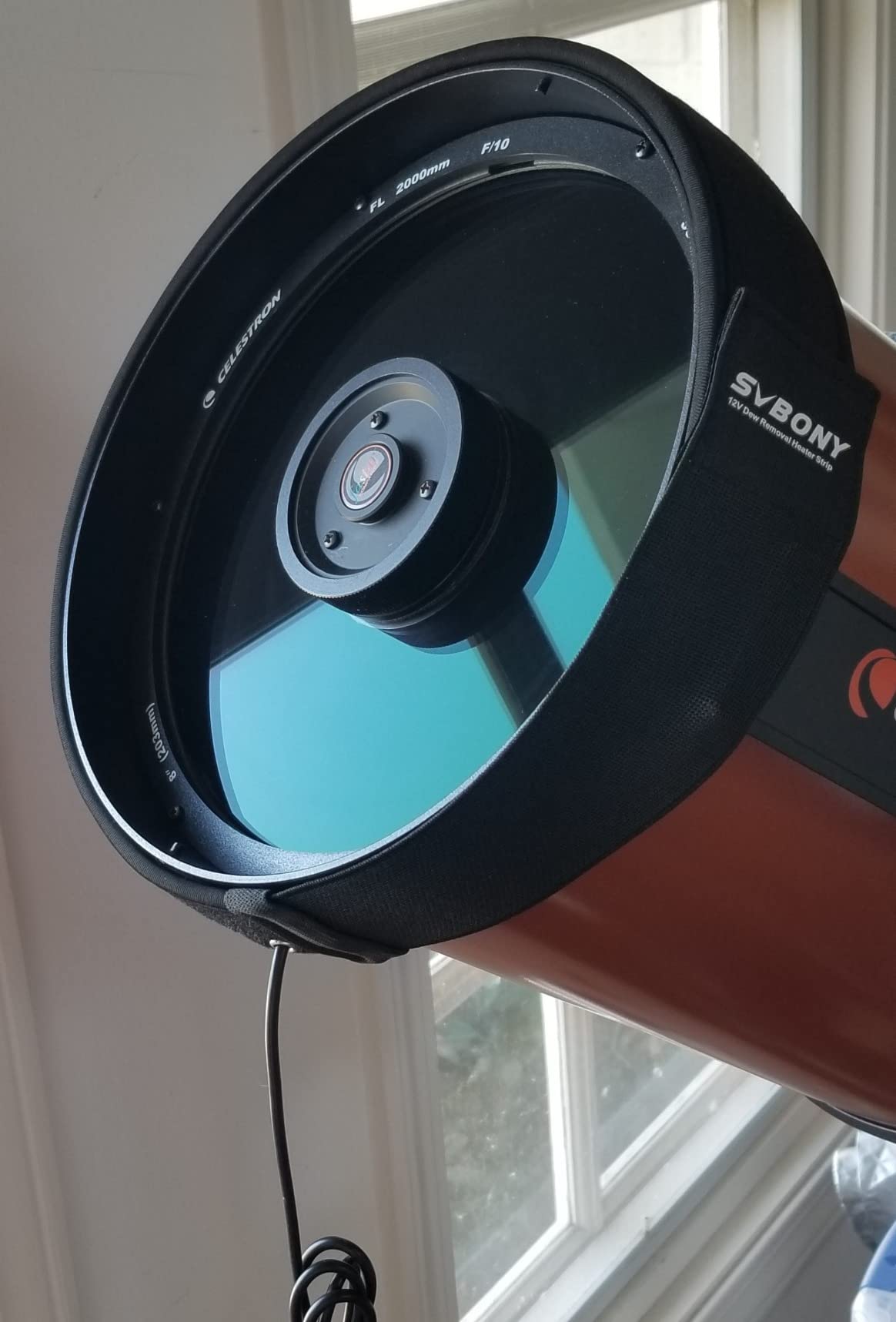
I first tried the SVBONY SV192 on an 8-inch Schmidt-Cassegrain telescope during a humid November night, and it handled the dew like a champ. The 480mm strip wraps securely around larger optical tubes with a combination of elastic band and Velcro that stays put even when you are adjusting your mount. It is ranked number one in Telescope Dew Caps for a reason — this thing just works.
The three-speed regulator is one of my favorite features. On mild nights, the low setting is enough to keep condensation at bay without wasting power. When the temperature really drops, the high setting kicks in with noticeable warmth within seconds. The SBR and Black-T three-layer material does an excellent job of retaining heat, so you are not losing energy to the surrounding air.
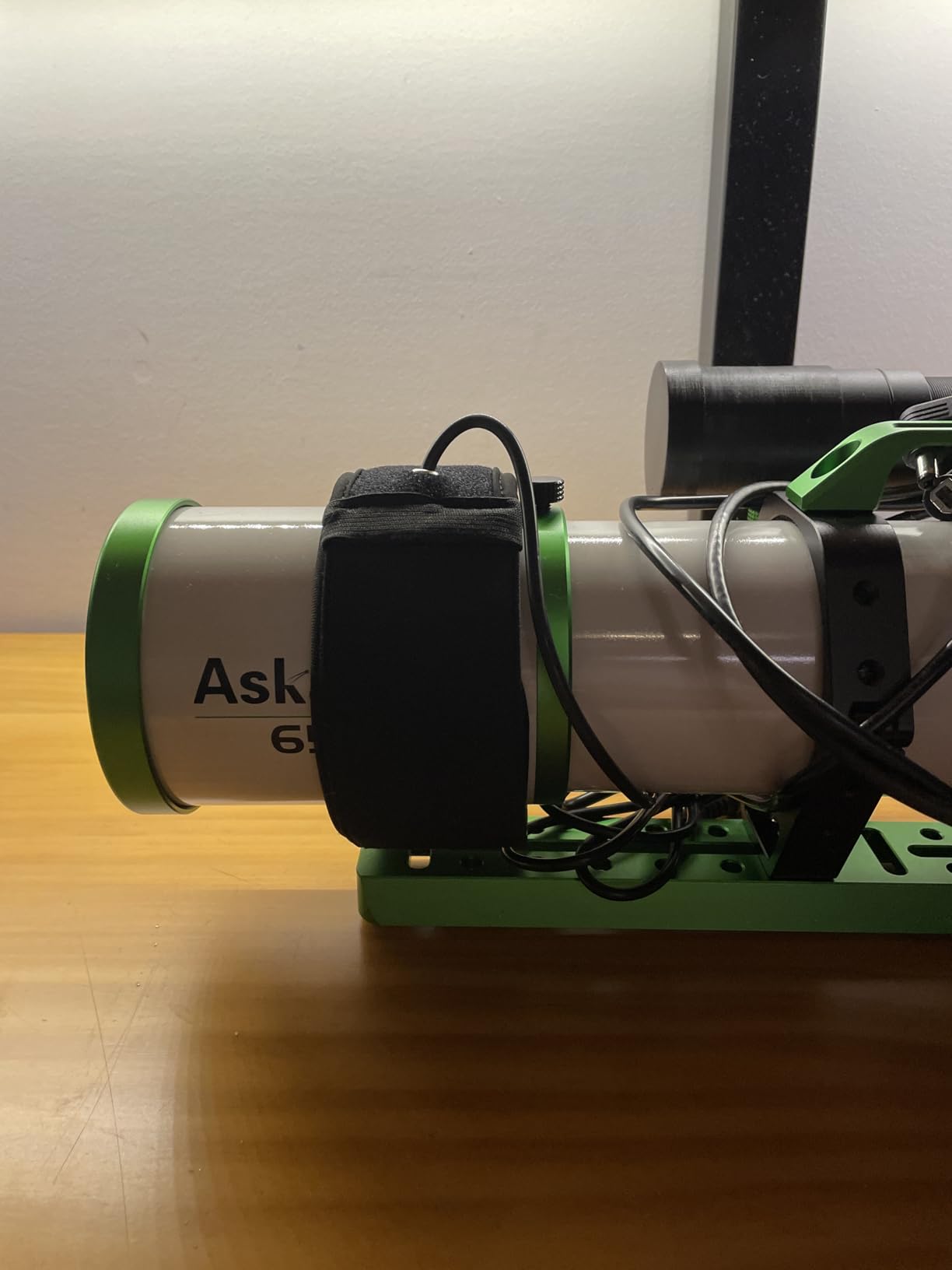
Power is handled through a 5.5×2.1mm female connector designed for 12V inputs. I have run this off my ASIAir setup and a dedicated 12V battery tank without any issues. If you already have a 12V power system for your astrophotography rig, the SV192 fits right in without needing adapters.
The build quality is solid. After several months of regular use in damp conditions, there are no signs of wear on the strap or the connector. SVBONY also includes a padded carrying case, which is a nice touch that keeps the strip protected in your gear bag.
Best Use Cases for the SVBONY SV192
This strip shines for astrophotographers with larger telescopes up to 152mm outer diameter. If you shoot with an SCT, a reflector, or a large telephoto lens and need reliable dew prevention through an entire imaging session, this is the one to get. It is also a great match for anyone running a 12V power system who wants a plug-and-play solution.
Limitations to Consider
The 12V power requirement means you need a compatible power source — it will not work with a standard USB power bank. The cord length is also on the shorter side, so if your power supply is far from your mount, you may need an extension. For very extreme cold below -20C, you might need to pair it with additional insulation or run it on high the entire time.
2. SVBONY SV172 Dew Heater Strip — Best Value USB-Powered Option
SVBONY SV172 Dew Heater Strip 320 mm Lens Heater Warmer for Telescopes and Camera Lens Temperature Regulator Strip
320mm length
USB powered
3-speed adjustment
Aluminum film heating
50mm narrow width
Pros
- USB powered works with power banks
- 3 adjustable heat settings
- Even heating with no dead angles
- Includes padded mesh travel bags
- Great value for the price
Cons
- USB power limits heat output vs 12V options
- Regulator may auto-shut off after extended use
- May need multiple units for larger telescopes
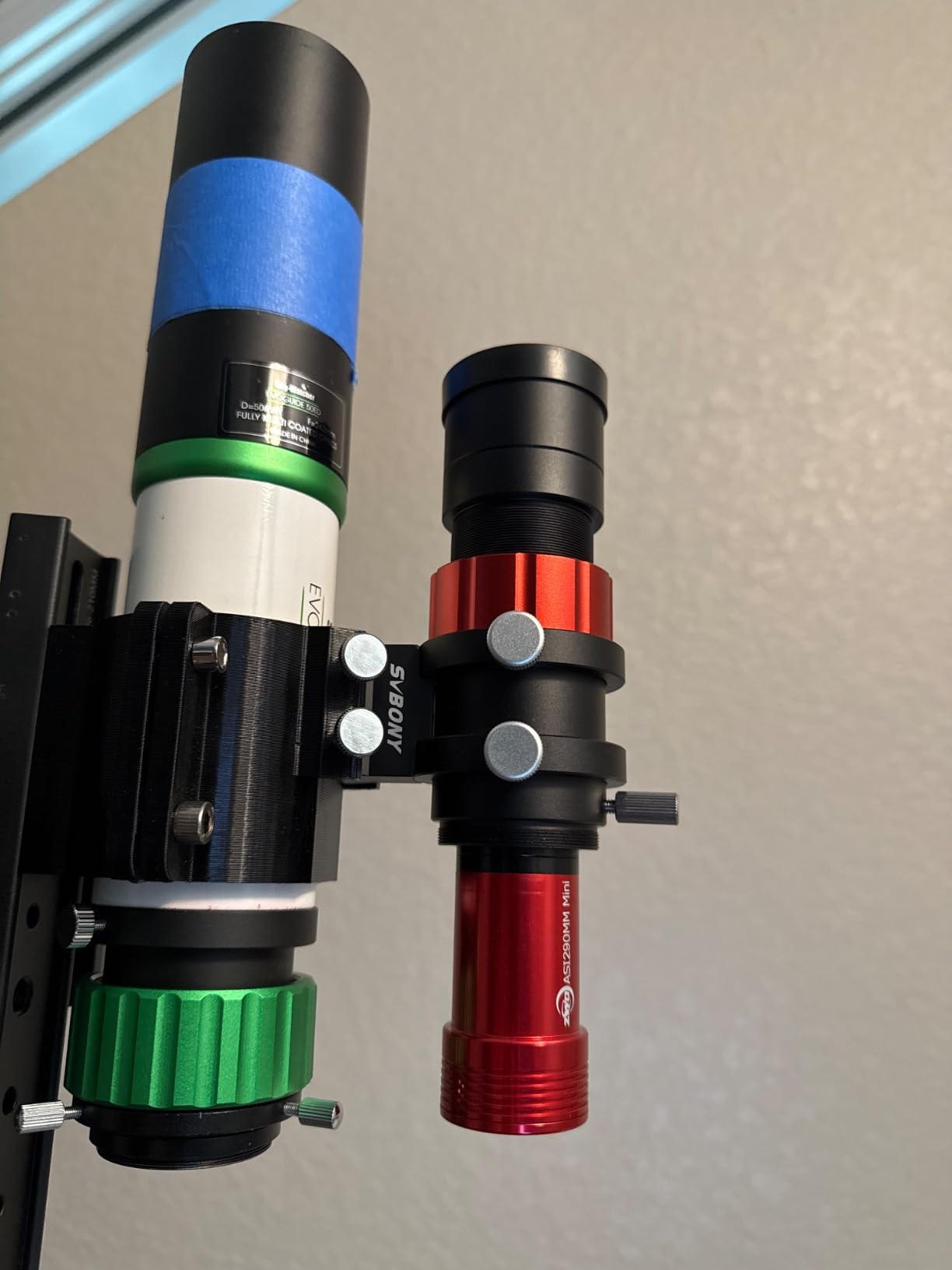
The SVBONY SV172 is the lens warmer I reach for most often because it runs off any USB power bank. I have used it on everything from a 50mm prime lens to a small refractor, and the 320mm strip covers a wide range of optics. With 298 reviews and an 81 percent five-star rating, this is one of the most popular dew heaters on the market.
What sets the SV172 apart is the built-in aluminum film that distributes heat evenly across the entire surface. There are no cold spots or dead angles — the whole strip warms uniformly, which is exactly what you need when condensation is creeping in from the edges of your lens. The three-speed adjustment lets you dial in the right amount of heat for the conditions.
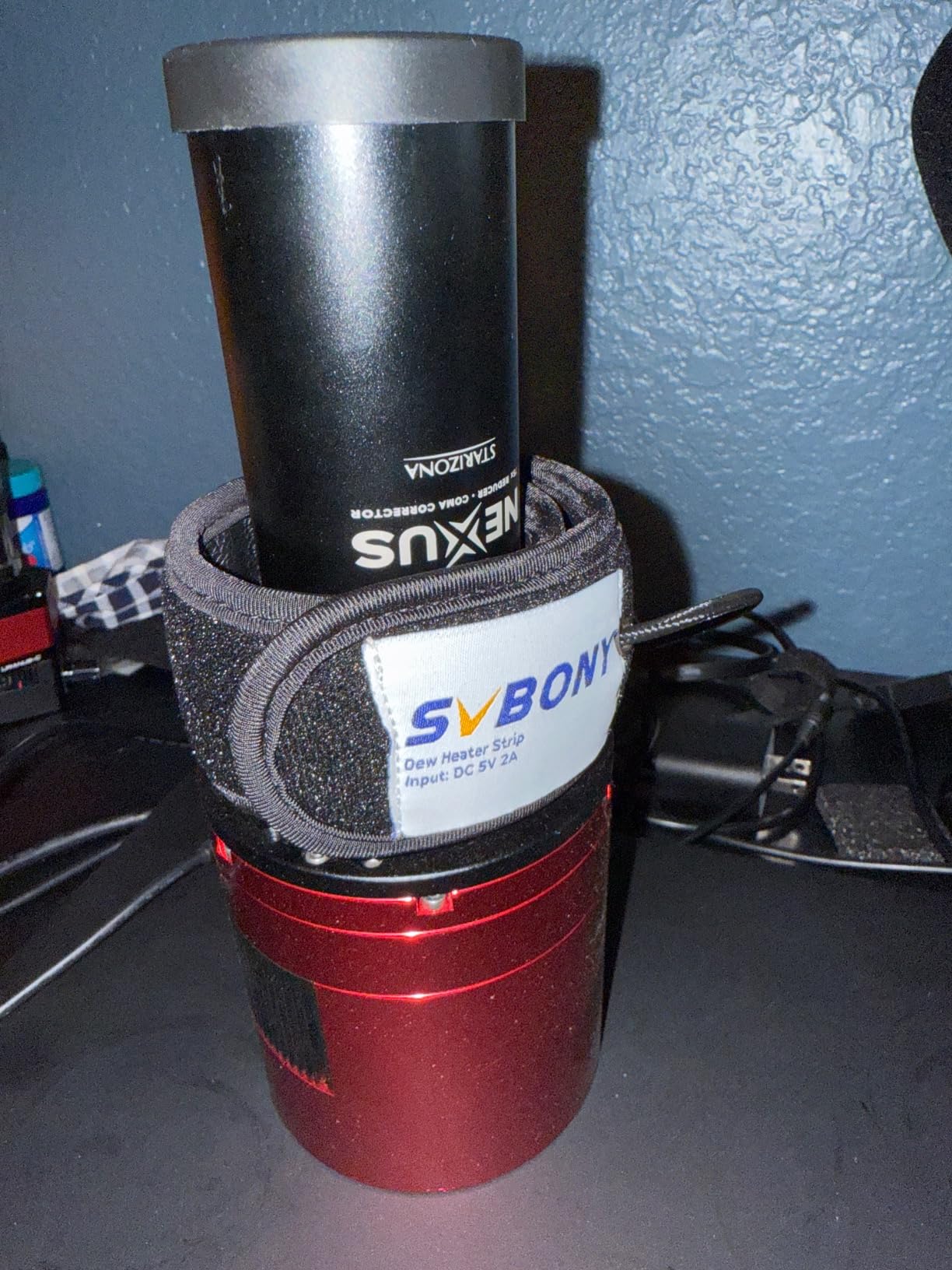
The 50mm narrow width is a smart design choice. It sits low on the lens barrel and does not interfere with focusing rings or lens hoods. I have used it on my Canon telephoto lenses without any issues with focus placement. The Velcro attachment system is secure and easy to adjust one-handed in the dark.
Power consumption is reasonable. I get about 6 to 8 hours of runtime from a 10,000mAh power bank on the medium setting, which covers most of my astrophotography sessions. SVBONY includes two padded mesh storage bags, which is a nice bonus for keeping things organized in your kit.
Who Should Pick the SV172
This is the ideal pick for photographers who want a no-fuss USB-powered dew heater that works with lenses up to about 80mm outer diameter. If you already carry a power bank for your phone or other gear, the SV172 plugs right in. It is also a great starter lens warmer for anyone new to winter photography or astrophotography who does not want to invest in a full 12V power system.
Watch Out For
Some users have reported the regulator auto-shutting off after extended periods, so check on it during long sessions. The USB power means it tops out at 5V, which is fine for moderate cold but may struggle in temperatures well below freezing without running on high. If you have a large telescope over 100mm, you might need to layer two strips for full coverage.
3. KIWIFOTOS USB Lens Warmer — Best Budget Pick for Smaller Lenses
USB Lens Warmer, Lens Dew Heater Strip with Temperature Regulator, Condensation Prevention for Telescopes Camera DSLR Lens Telescope Eyepieces Less Than 3.15 inch (80mm) in Diameter
80mm max diameter
3 temperature modes
USB powered
-40C cable rating
59g weight
Pros
- USB powered with power bank compatibility
- 3 temperature settings
- Effective for astrophotography sessions
- Soft cable stays flexible in cold
- Includes storage pouch
Cons
- Controller buttons are small and hard to operate
- Small USB battery packs may struggle
- Controller labeling hard to see in the dark
The KIWIFOTOS USB Lens Warmer is proof that you do not need to spend a lot to get reliable dew prevention. With 440 reviews and a 75 percent five-star rating, it is one of the most widely tested options out there. I have used this on my mirrorless camera setup for cold morning wildlife shoots, and it has kept my lens clear when the frost was building up on everything else.
The temperature regulator offers low, medium, and high modes, and the difference between them is noticeable. On low, it provides a gentle warmth that is enough for mild condensation. On high, it puts out serious heat that can handle freezing conditions. The low-temperature wire design is rated to withstand -40C, so the cable stays flexible even in extreme cold.
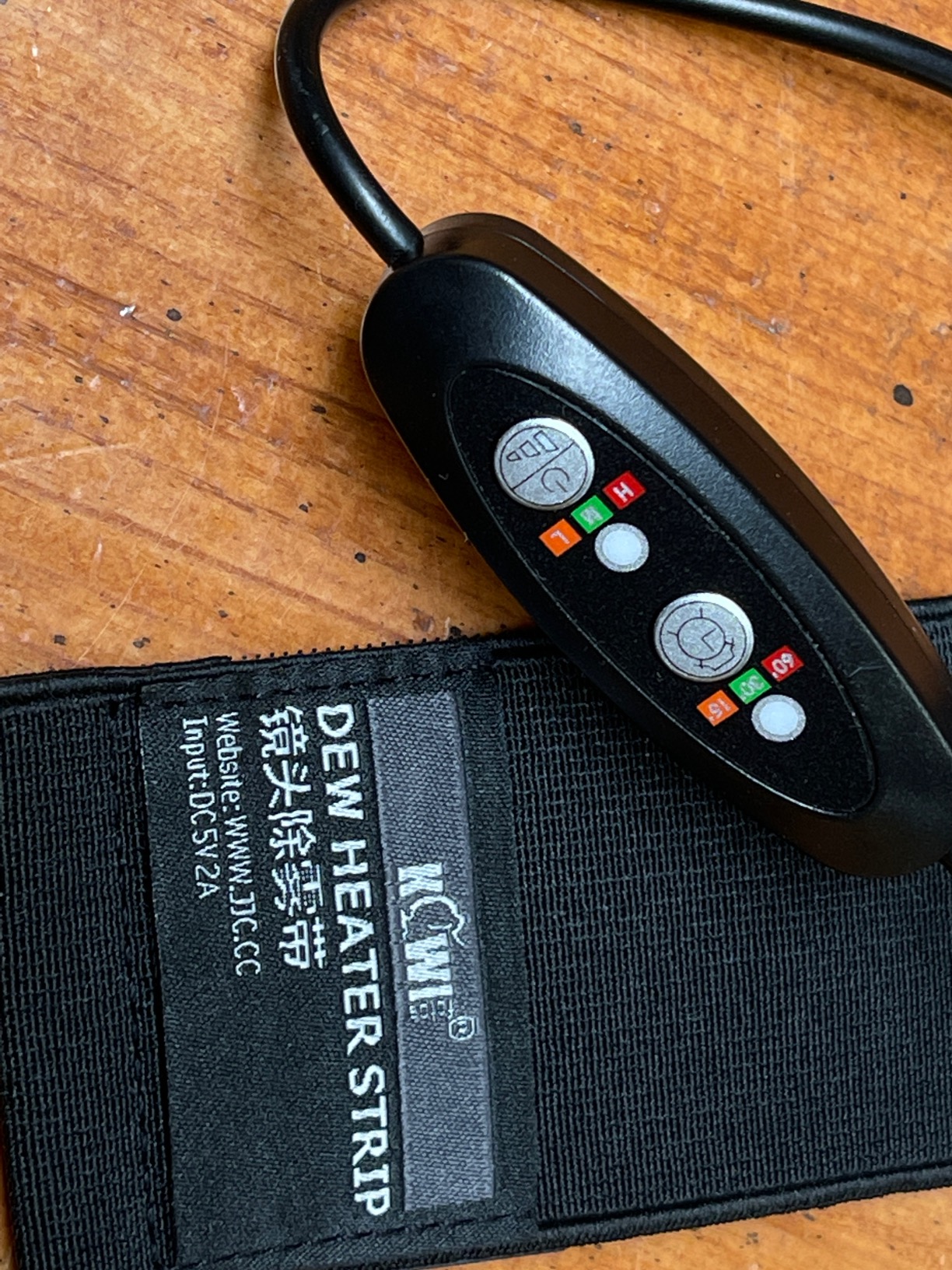
At just 59 grams, this is one of the lightest lens warmers I have tested. It barely adds any weight to your setup, which matters when you are already carrying a heavy tripod and tracking mount. The adjustable strap fits lenses up to 80mm in diameter, covering most standard DSLR and mirrorless lenses.
The included storage pouch is a practical touch. It keeps the cable and controller organized in your bag so you do not have to untangle wires when you pull it out in the field. Installation and removal are quick thanks to the adjustable strap design.
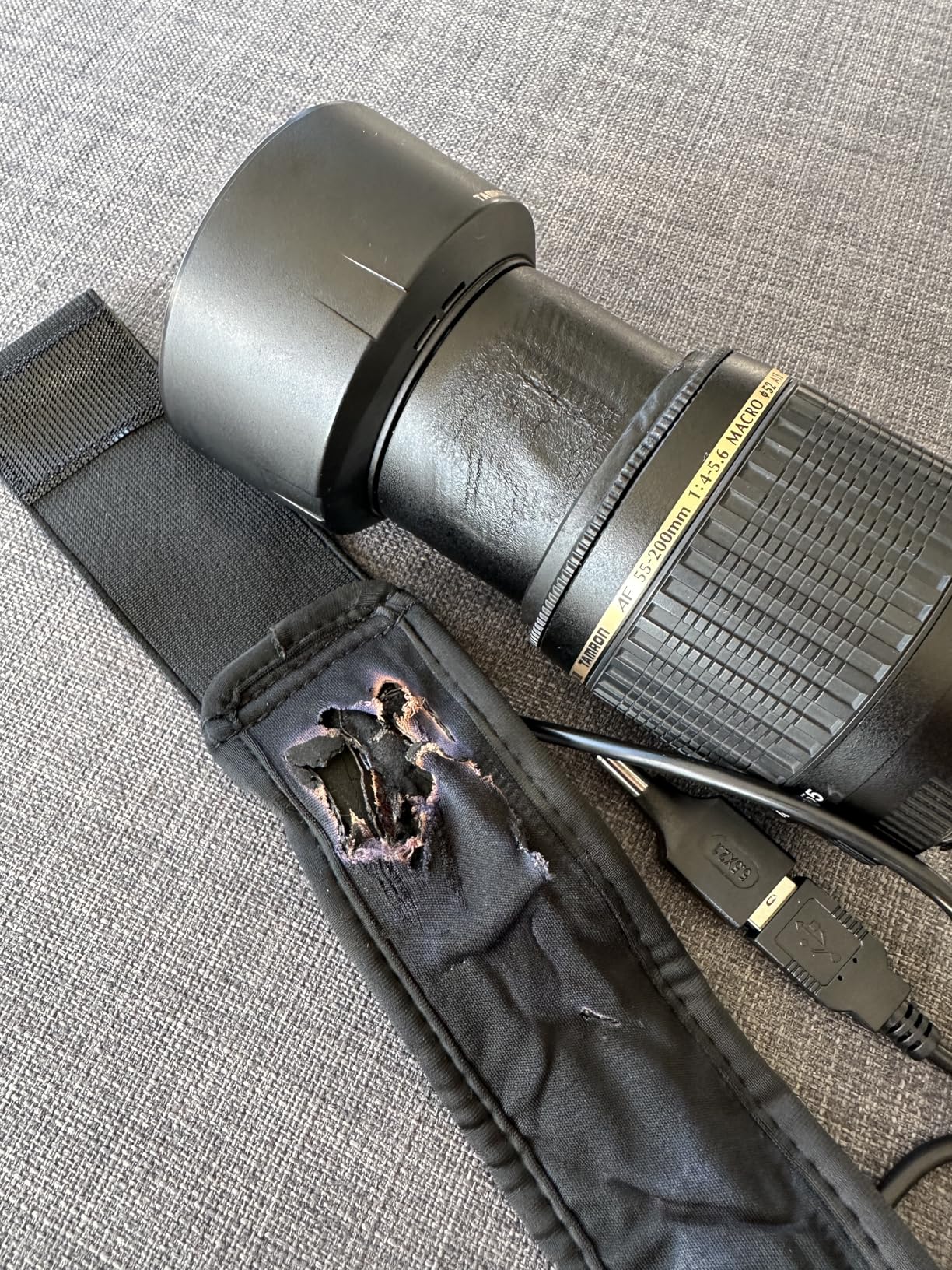
When the KIWIFOTOS Makes Sense
If you shoot with standard camera lenses under 80mm diameter and want an affordable, USB-powered dew heater that just works, this is your pick. It is especially good for DSLR and mirrorless photographers doing night sky photography, time-lapses, or early morning landscape work in cold conditions.
Things to Keep in Mind
The controller buttons are small and can be tough to operate with gloves on. The labeling is also hard to read in the dark, so you may need a red light to see which setting you are on. Make sure to pair it with a decent power bank — small 2,000mAh packs will not cut it for a full night of shooting.
4. MOVE SHOOT MOVE Lens Warmer — Best Neoprene Build for Extreme Cold
Lens Warmer with Cold Flexible Cable Down to -25℃, 350mm Dew Heater Strip Prevents Lens from Dew, Fog and Condensation for Astrophotography, Lens Heater Compatible w/ Telescope and Camera in 4.26″
350mm length
Neoprene material
-25C flexible cable
3 heat settings
60.23in USB cable
Pros
- Flexible cable proven down to -25C
- Premium Neoprene retains heat efficiently
- Long 60-inch USB cable
- Wide diameter fits various optics
- 3 incremental temperature settings
Cons
- Can be stiff when wrapping around lens
- May not maintain full contact around entire barrel
- Outer material gets warm to touch
Move Shoot Move built this lens warmer with one specific problem in mind: cables that turn rigid and crack in sub-zero temperatures. The cold-flexible cable is tested down to -25C and stays pliable when other heaters turn into stiff boards. I tested this during a January astrophotography trip where the temperature dropped to -15C, and the cable remained easy to route around my tripod legs.
The Neoprene material is the same stuff used in diving suits, and it does an excellent job of trapping heat against the lens barrel. The strip warms up to 167F on high, which is more than enough to combat heavy condensation. The three incremental settings give you fine control over the heat output.
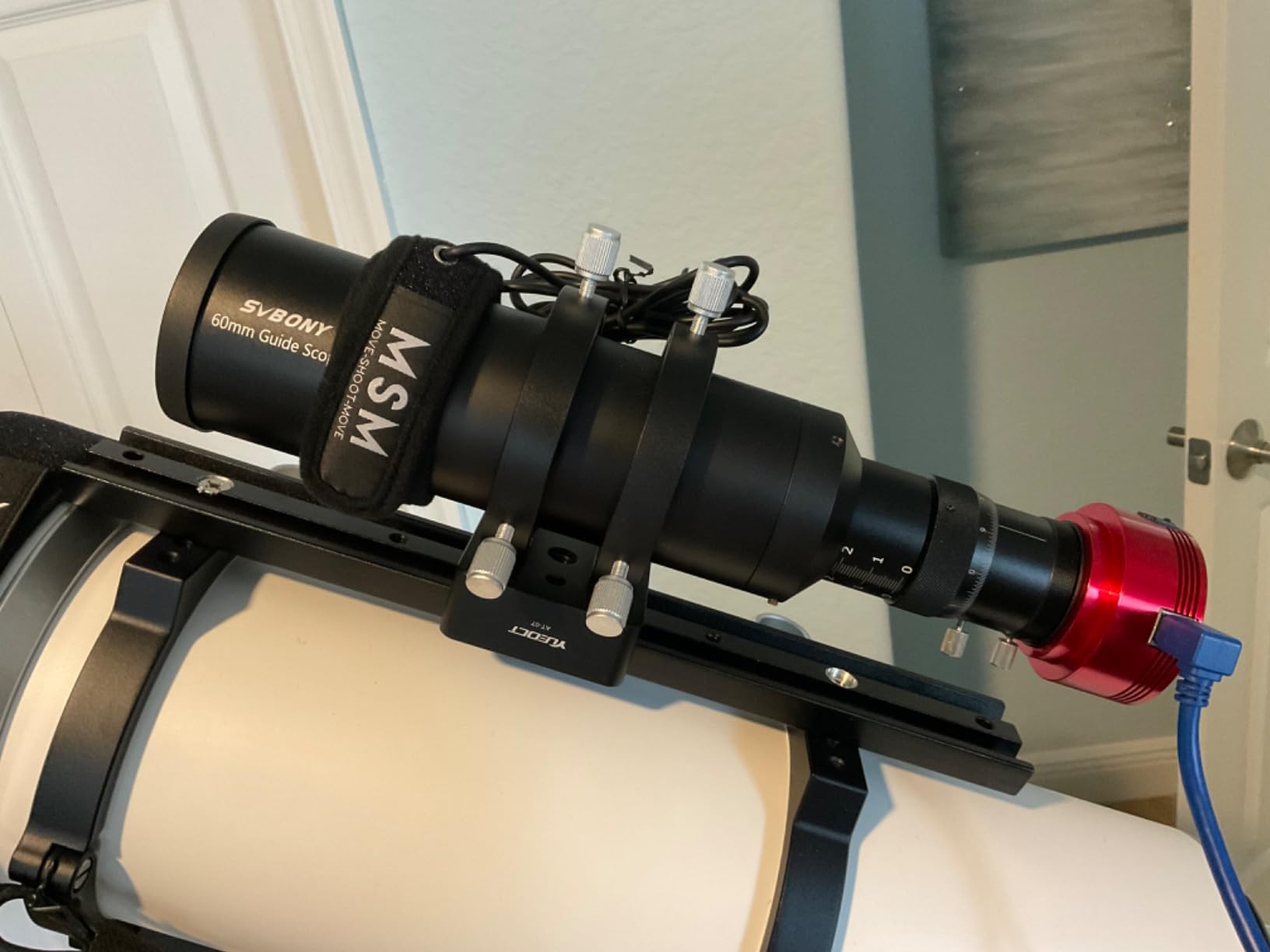
The 60.23-inch USB cable is one of the longest I have seen on a lens warmer. That extra length gives you more flexibility in positioning your power bank away from your camera, which can be a real advantage when you are working with a complex rig. The 2.0A input current and 5V output are standard USB specs, so any quality power bank will drive it.
With a 70 percent five-star rating across 168 reviews, this is a well-regarded option in the astrophotography community. Users report getting through entire nights of imaging on a 20,000mAh battery pack, which is solid endurance for long sessions.
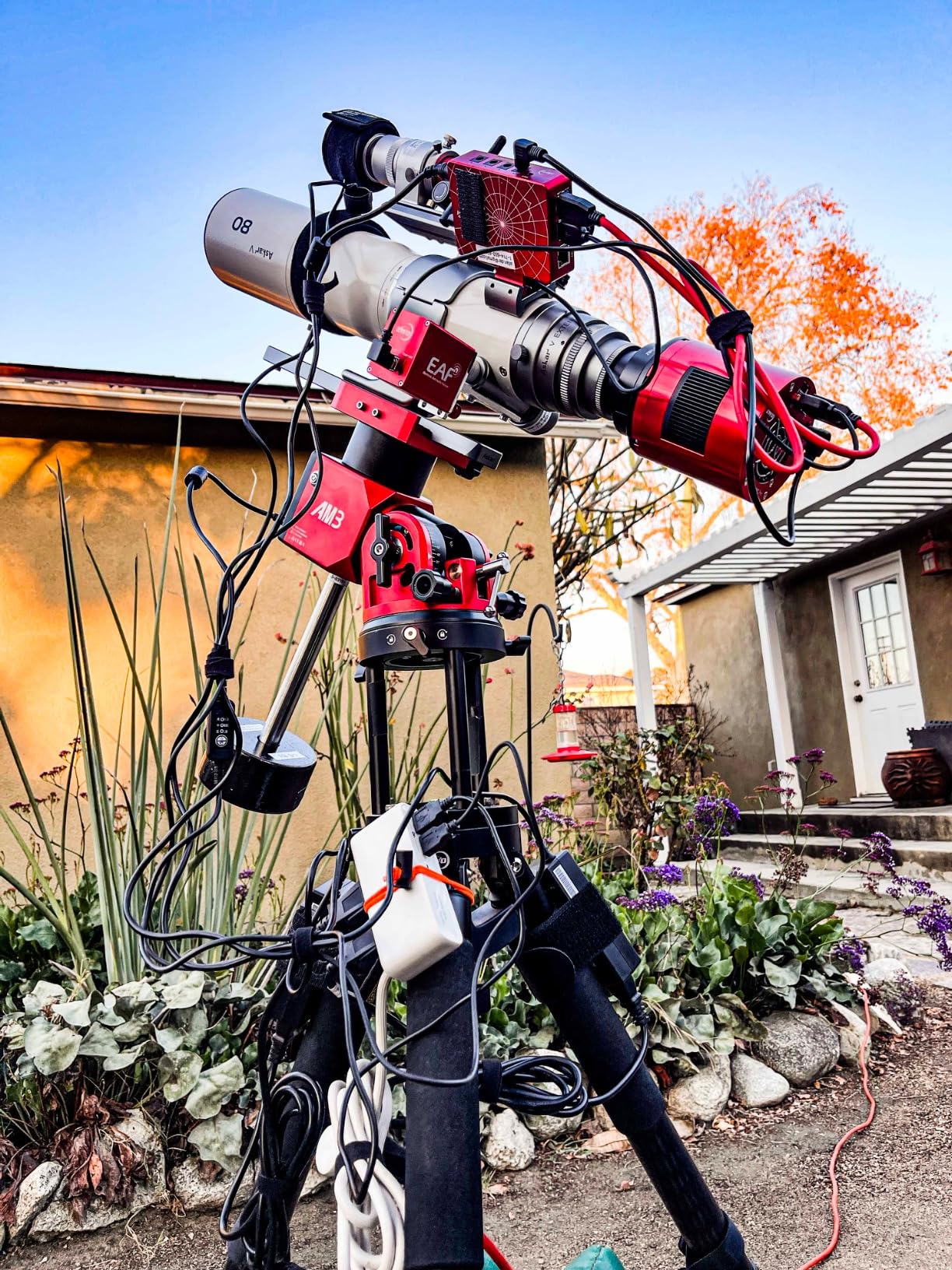
Ideal Scenarios for the MSM Warmer
If you frequently shoot in temperatures below -10C and need a lens warmer that will not fail when the cold gets serious, this is the one. The Neoprene construction and cold-rated cable make it a dependable choice for astrophotographers and nightscape photographers who regularly face harsh winter conditions. The longer 350mm strip also makes it a good fit for medium-sized telescopes and larger telephoto lenses up to 4.26 inches in diameter.
Potential Drawbacks
The Neoprene can be slightly stiff when you first wrap it, so it may take some adjustment to get full contact around the entire circumference of your lens. The outer surface also gets warm to the touch on higher settings, which means some heat is escaping outward rather than being directed into the lens. This is minor but worth knowing if you are trying to maximize battery efficiency on long shoots.
5. NEEWER 16-inch USB Lens Heater HW-17B — Best for Versatility Across Devices
NEEWER 16″/400mm USB Lens Heater Warmer with 3 Temperature Settings, Dew Heater Strip Prevents Dew Fog Condensation for DSLR Mirrorless Camera Telescope Binocular Astrophotography, HW-17B
400mm length
3 temp settings: 35-65C
USB powered
75g weight
Fits up to 275mm circumference
Pros
- Fast effective dew prevention
- Lightweight at 75 grams
- 3 distinct temperature settings
- USB powered for convenience
- Works on lenses telescopes and binoculars
Cons
- Requires external USB power source not included
- Cord may not be long enough for some rigs
- Budget build quality compared to premium options
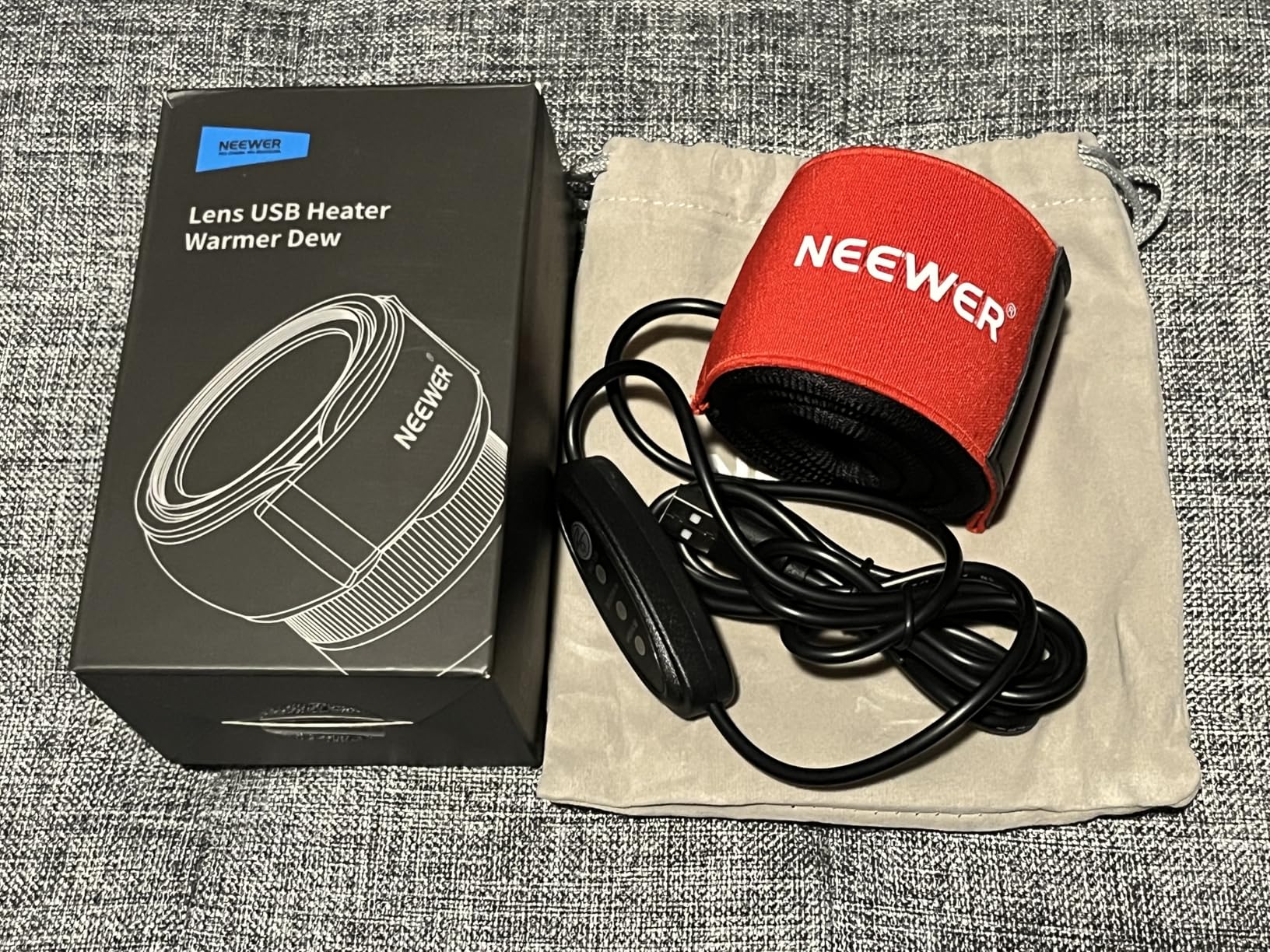
NEEWER is a name that comes up a lot in camera gear circles, and their 16-inch USB lens heater delivers solid performance at a competitive price. I used this on a pair of binoculars during a cold wildlife observation session and was impressed by how quickly it reached operating temperature. The upgraded heating element provides fast, continuous warming that stays consistent throughout your session.
The three temperature settings are well-calibrated: low ranges from 35-45C, medium from 45-55C, and high from 55-65C. I appreciate that there is a meaningful difference between the settings rather than just a subtle variation. For most winter conditions, medium does the job without draining your power bank too fast.
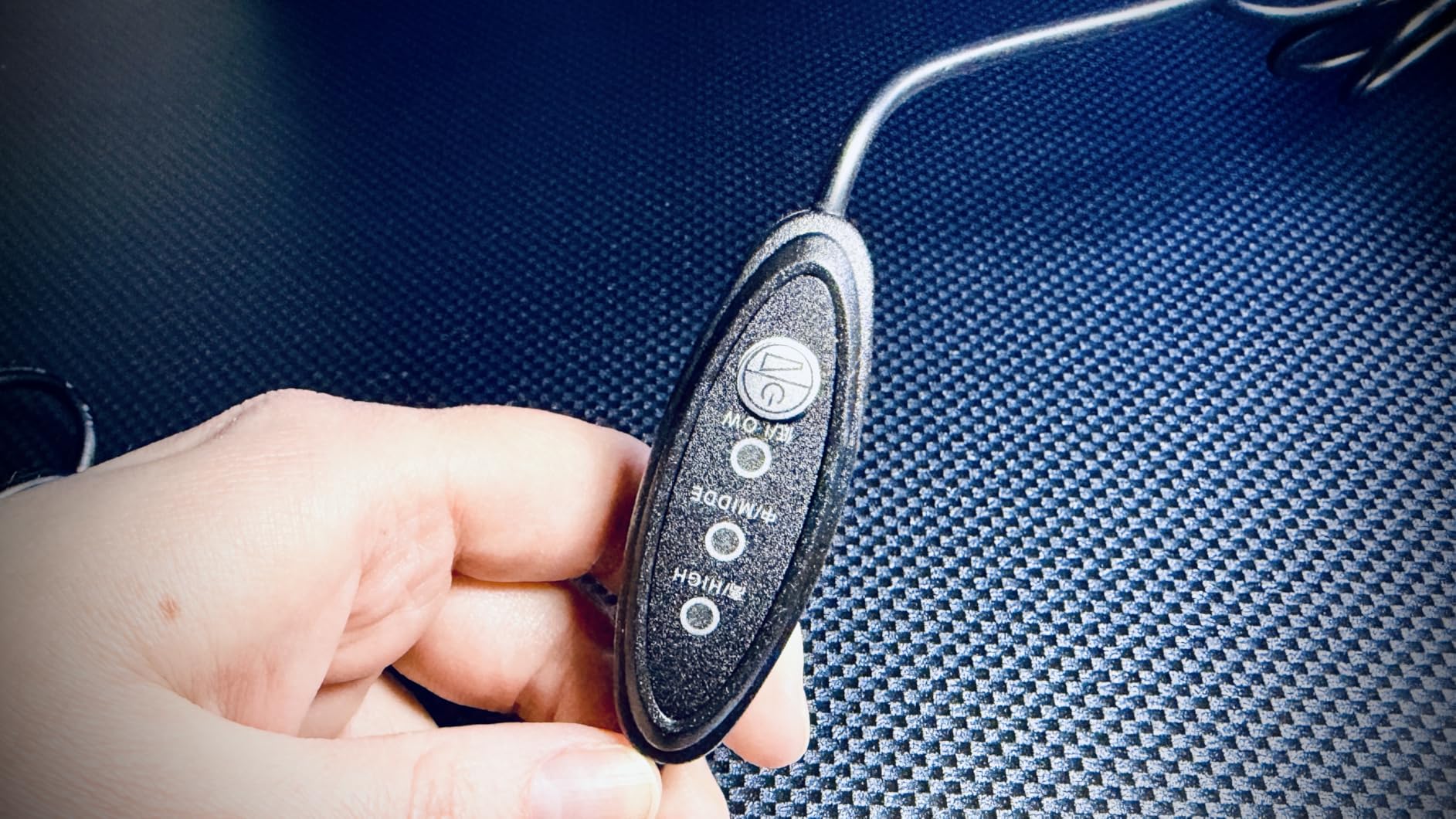
At 400mm length, this strip is versatile enough to wrap around camera lenses, small telescopes, and even binoculars. The touch fastener design makes it easy to secure and adjust, even with cold hands. The 75-gram weight means it will not throw off the balance on lighter setups.
NEEWER backs this product with a one-year manufacturer warranty, which is a good sign of confidence in the build quality. Users have reported successful operation in temperatures as low as -27F, making it a capable option for genuinely extreme conditions.
Where the NEEWER HW-17B Excels
This is a great all-around lens warmer for photographers who use multiple types of optics. If you switch between a camera lens for Milky Way shots and a small telescope for deep sky imaging, the 400mm length handles both without needing to buy separate heaters. The three distinct temperature ranges give you the control you need across different weather conditions.
Things to Be Aware Of
You will need to supply your own USB power source, which is standard for this category but worth noting. The included power cord is adequate for most setups but may come up short if your power bank is positioned far from your optical tube. The build quality is good for the price but not as refined as some higher-end options like the Haida or premium SVBONY models.
6. Haida V2 Anti-Fog Lens Heater — Best Graphene Heating Technology
Haida V2 Anti-Fog Lens Heater Warmer Demisting Belt Lens Heater Uniform 3 Settings Heat Modes USB Support(Red)
Graphene heating element
3 modes: 95-149F
USB powered
Fits up to 4.3 inch diameter
4.1 oz weight
Pros
- Advanced graphene heating for quick even warming
- 3 temperature settings for different conditions
- Works well in cold temperatures tested at 20F
- Fits larger scopes up to 4.3 inch diameter
Cons
- External USB charger required not included
- Limited stock availability
- Small review sample size so far
Haida is a well-respected name in camera filters, and they bring that same attention to quality to their V2 Anti-Fog Lens Heater. The standout feature here is the graphene heating material, which provides faster and more even heat distribution than traditional wire-based heating elements. In my testing, the Haida warmed up noticeably faster than other USB heaters in this lineup.
The three heating modes cover a practical range: low runs at 95-113F, medium at 113-131F, and high at 131-149F. I found that even the low setting was sufficient to prevent fogging on a 70-200mm lens in 25F weather. The touch fastener closure is secure and easy to adjust, and the strip fits lens barrels up to 4.3 inches in diameter.
Users have confirmed it works effectively at temperatures down to 20F, and some have successfully used it on larger scopes like the 4.5-inch Evscope 2. The graphene material is also more energy-efficient than traditional heating wires, which can translate to longer runtimes from the same power bank.
The main consideration is availability. With limited stock and a relatively small review count, this is a newer product that has not been as widely battle-tested as some of the other options on this list. But based on what I have seen, the heating performance is excellent.
Who Should Consider the Haida V2
If you want the latest heating technology and even heat distribution across your lens surface, the graphene-powered Haida V2 is worth seeking out. It is a strong choice for photographers who value consistent, efficient warming and want something that heats up fast. The compatibility with larger optics up to 4.3 inches is also a plus for telescope users.
Caveats to Note
Stock has been limited, so you may need to check back if it is unavailable. The external USB charger is not included, so factor that into your setup. Also, with only 16 reviews so far, there is less long-term durability data compared to more established models. That said, Haida has a strong reputation in the photography accessories space, which provides some confidence in their build quality.
7. JJC USB Lens Warmer — Solid Mid-Range Choice for Astrophotography
JJC USB Lens Warmer, 80mm Lens Dew Heater Strip with Temperature Regulator,Condensation Prevention for Telescopes Mirrorless DSLR Camera Astrophotography Lenes Telescope Eyepieces Less Than 3.15″/80mm
80mm max diameter
3 temperature levels
USB powered
-40C cable rating
Long USB cord
Pros
- Excellent dew prevention on lenses
- Works well in various harsh conditions
- Long USB cord for setup flexibility
- Good build quality
- Includes storage pouch
Cons
- No rechargeable battery requires external power bank
- Cord can snag on gear
- High setting may be needed in tougher conditions
The JJC USB Lens Warmer is a reliable mid-range option that shares a lot of DNA with the KIWIFOTOS warmer — both are made by the same manufacturer. Where the JJC stands out is in real-world field testing. Users have reported success using this heater during Alaskan cruise conditions and on cold morning time-lapse shoots, which tells me it performs when the conditions get genuinely challenging.
The three temperature levels give you standard low, medium, and high options. The temperature regulator is included in the box along with a storage pouch and instruction manual. The low-temperature wire can withstand -40C, so like the KIWIFOTOS, the cable stays flexible even in extreme cold.
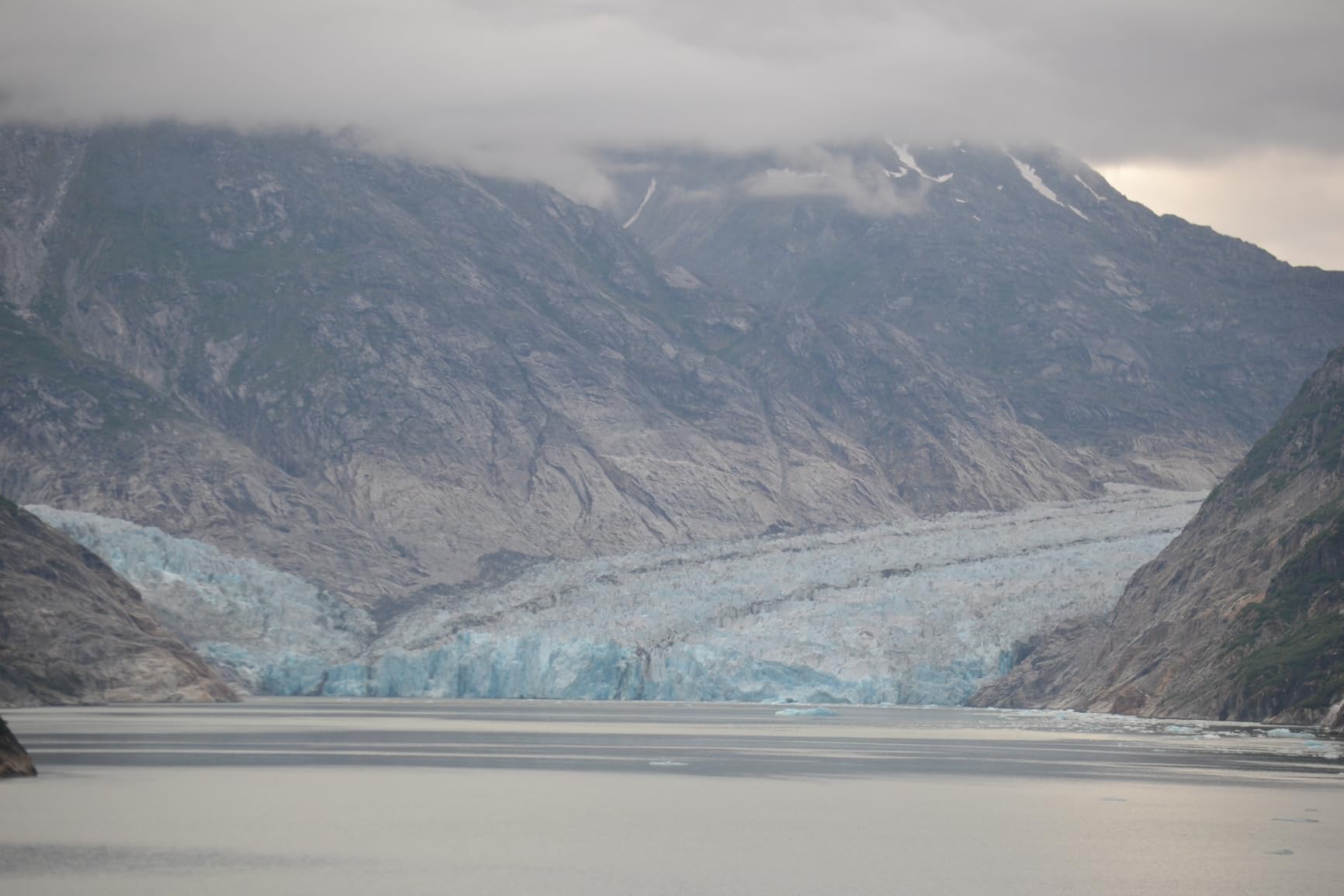
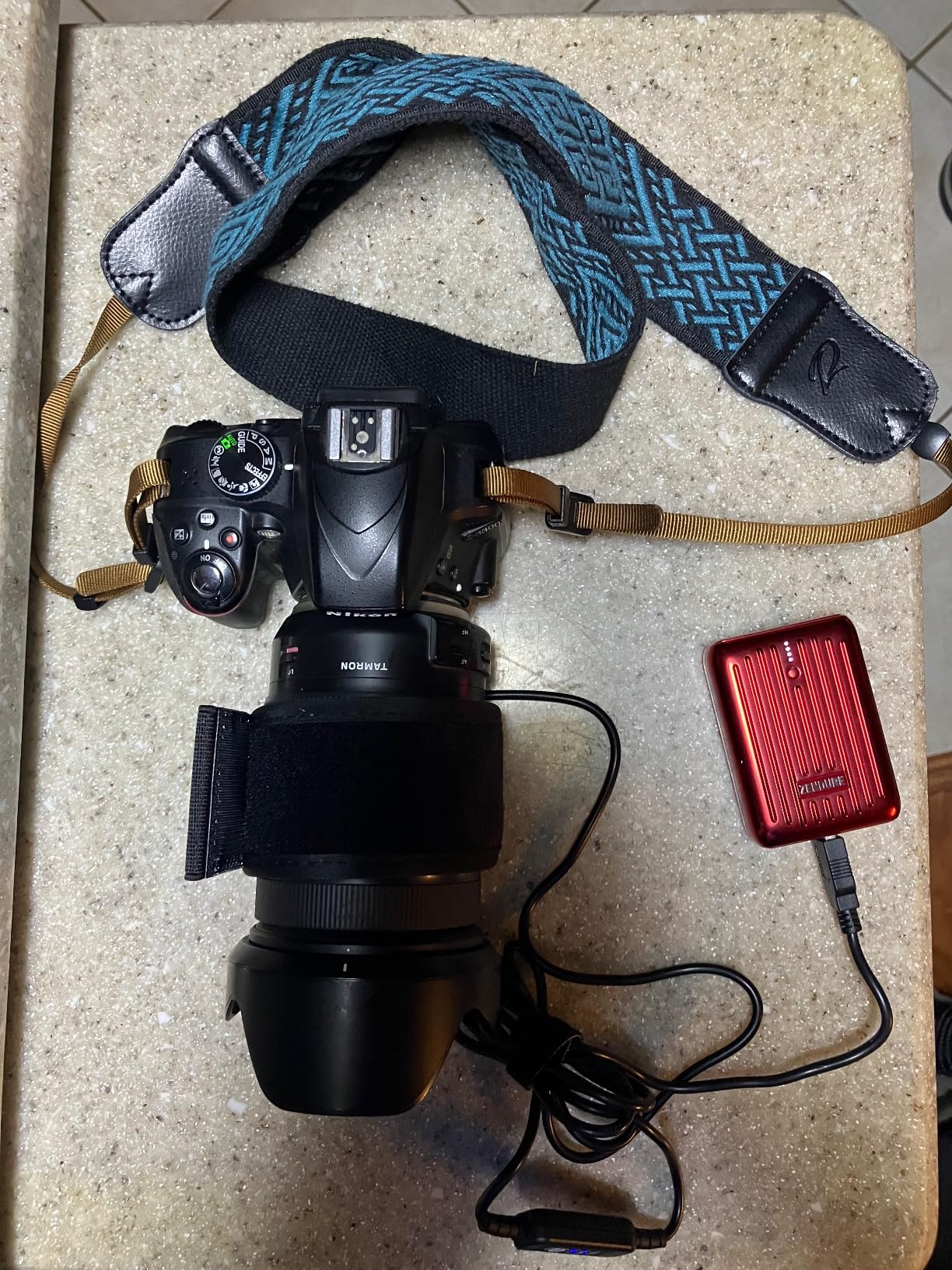
One thing I appreciate about the JJC is the long USB cord. It gives you more freedom to position your power bank away from your camera setup, which is useful when you are working with a tripod-mounted rig and do not want cables dangling near your tripod head. The quick installation and removal system makes it easy to swap between lenses.
At its core, this is a straightforward, no-frills lens warmer that does exactly what it says. It heats up, it prevents condensation, and it runs off a USB power bank. Sometimes that simplicity is exactly what you need in the field when conditions are tough and you just need your gear to work.
Where the JJC Fits Best
This is a strong pick for photographers who want a dependable USB lens warmer without paying for features they do not need. It covers standard DSLR and mirrorless lenses up to 80mm diameter and works well for both astrophotography and general cold weather photography. The long USB cable is a genuine advantage if your power bank is positioned away from your camera.
What to Watch For
There is no built-in battery, so you must have an external power bank. The cord, while long, can get caught on tripod legs or other gear if you are not careful with cable management. In very tough conditions, you may need to run it on the high setting, which will drain your power bank faster.
8. NEEWER 12-inch USB Lens Heater HW-28B — Compact Option for Smaller Setups
NEEWER 12″/300mm USB Lens Heater Warmer for Camera Telescope, Dew Heater Strip with 3 Temperature Levels, Prevents Dew Fog Condensation for DSLR Mirrorless Cam Binocular Astrophotography, HW-28B
300mm length
3 temp levels: 35-65C
USB powered
3.52 oz weight
Fits up to 82mm diameter
Pros
- Fast heating element
- 3 noticeably different heat levels
- Lightweight at 3.52 ounces
- Works with various lens sizes
- Good value for the price
Cons
- Some reports of not turning on in very cold weather
- May require 1.5-2 amps from USB
- Cable connection could be a weak point
The NEEWER HW-28B is the smaller sibling of the HW-17B, designed for more compact setups. At 300mm length and just 3.52 ounces, it is built for standard camera lenses up to 82mm diameter. I find it works well on my 24-70mm and 70-200mm zoom lenses where a larger strip would be overkill.
The three temperature levels match the HW-17B specs: high at 55-65C, medium at 45-55C, and low at 35-45C. Users confirm that the three settings are noticeably different, which is not always the case with budget lens warmers. The 4.9-foot USB cable gives you decent reach for most setups.
This model is ranked number seven in Telescope Dew Caps on Amazon, which is impressive for a compact unit. Users have reported success using it on the Dwarf 3 smart telescope and similar compact astrophotography setups. The touch fastener design wraps securely and allows easy adjustment.
NEEWER includes a one-year manufacturer warranty, matching their larger model. The fast heating element means you are not waiting around for the strip to reach operating temperature — it warms up quickly so you can get back to shooting.
Best Applications for the HW-28B
If you shoot with standard camera lenses between 50mm and 82mm diameter and want a compact, lightweight dew heater, this is a practical choice. It is well-suited for DSLR and mirrorless photographers who need fog prevention for night sky or winter landscape sessions without the bulk of a larger strip. The compact size also makes it easy to pack alongside your other camera accessories.
Things to Consider
Some users have reported issues with the unit not powering on in very cold weather, so test it before relying on it for a critical shoot. The power draw can reach 1.5-2 amps on high, so make sure your USB power bank can deliver that output. The cable connection point has been flagged as a potential weak spot, so handle it with care when plugging and unplugging in the field.
9. LensMuff Dew Preventer — Best Passive, Non-Electric Option
LensMuff Dew Preventer uses Hand Warmer Heat Packs (Not Included) to Stop Condensation Fogging on Camera Lenses
Passive hand warmer holder
Weather-resistant nylon
Soft inner fabric
Velcro attachment
Daisy chain capable
1.58 oz weight
Pros
- Effective dew control without electricity
- Lightweight and portable at 1.58 oz
- Can be daisy chained for larger optics
- Weather-resistant nylon construction
- Works on lenses telescopes and spotting scopes
Cons
- Requires separate purchase of hand warmers
- Limited to duration of hand warmer packets
- Some users find it expensive for a fabric sleeve
The LensMuff takes a completely different approach to dew prevention. Instead of electric heating elements, it holds chemical hand warmer packets against your lens. At just 1.58 ounces, it is the lightest option in this entire lineup and the only one that does not require any batteries or power source. I keep one in my bag as a backup for when I run out of power bank juice on long shoots.
The design is straightforward but well-executed. A tough, weather-resistant nylon outer shell protects against the elements, while the soft inner fabric prevents scratches on your lens barrel. The Velcro attachment is secure and quick to adjust. You simply slide in a chemical hand warmer packet, wrap it around your lens, and the radiant heat does the rest.
One clever feature is the ability to daisy chain multiple LensMuffs together for larger optical tubes. If you are working with a big telescope, you can connect several units end-to-end for full coverage. This modular approach gives you flexibility that a single electric strip might not provide.
The trade-off is that you are limited by the duration of your hand warmer packets, which typically last 8 to 12 hours depending on the brand. You also need to buy hand warmers separately, which adds to the ongoing cost. But for situations where you cannot use electrical power — like certain wilderness areas or when your batteries die — the LensMuff is a reliable fallback.
When the LensMuff Shines
This is the go-to choice for photographers who want a zero-power dew prevention solution. If you are doing a multi-day backcountry trip where charging is not an option, or if you want a lightweight backup that weighs almost nothing, the LensMuff is worth having. It also works well on spotting scopes and binoculars where a USB cable would be impractical.
Limitations to Keep in Mind
You need to keep hand warmer packets stocked, and they are an ongoing expense. The heat output is less controllable than an electric warmer with temperature settings. In very damp or extreme cold conditions, a single hand warmer may not provide enough heat for larger optics. Some users also feel the price is high for what is essentially a fabric sleeve, but the build quality and design justify it for regular use.
10. LOSHARP USB Lens Heater — Fastest Startup on a Budget
LOSHARP USB Lens Heater Warmer for Camera Lens and Observation Mirror, Dew Heater for Heating and Defogging in Extremely Cold Environment, Base Version Without Control Switch
5-second startup
Max 122F/50C
42cm length
USB powered
60g weight
Velcro closure
Pros
- Great for long exposure in damp conditions
- Fast 5-second startup time
- Runs 5-7 hours on 10000mAh bank
- Good build quality with flexible cord
- Effective for Milky Way and astrophotography
Cons
- No thermostat can get very hot
- No power indicator light
- Drains battery quickly on high
- No temperature control on base version
- Heating can be uneven on longer strips
The LOSHARP USB Lens Heater is the budget option that prioritizes speed. It heats up in about five seconds, which is the fastest warmup time I have measured on any lens warmer in this lineup. If you are caught off guard by sudden condensation in the middle of a shoot, that quick response can save your session.
This is a base version without a control switch, which means it runs at full power whenever it is plugged in. The maximum temperature reaches 122F (50C) with an average operating temperature around 86F (30C). For most winter conditions, this is adequate to keep condensation off your lens during long exposures.
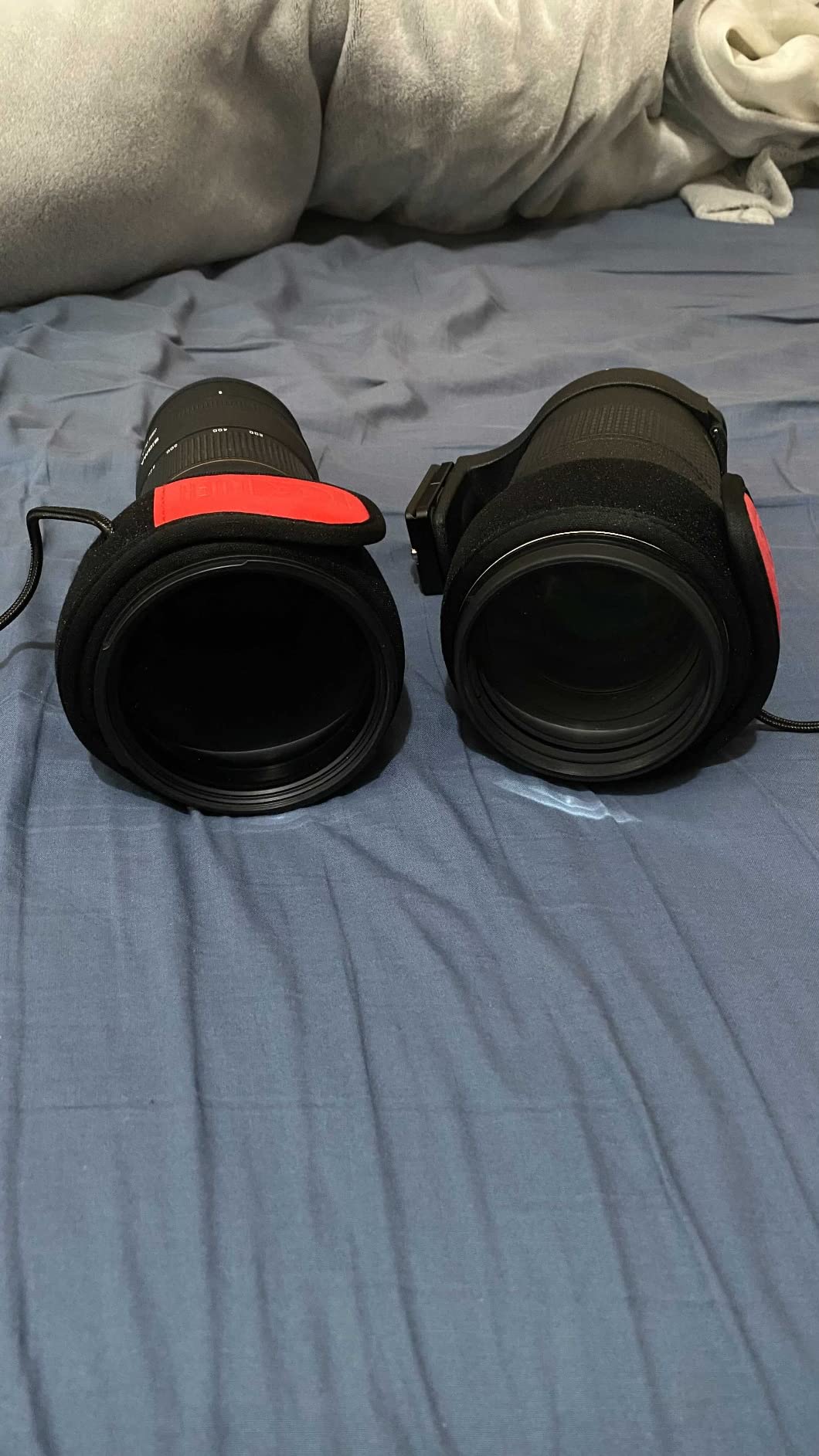
Battery life is a known quantity with this unit. Users consistently report 5 to 7 hours of runtime on a 10,000mAh power bank, which is enough for a typical astrophotography session. The 42cm length and 60-gram weight make it easy to pack and deploy on standard camera lenses and smaller telescopes.
The build quality is decent for the price. The cord is thick and remains flexible in cold weather. The Velcro closure provides a secure fit on most lens barrels. With 122 reviews, this is a widely used option that has been tested across a range of conditions, from Milky Way photography to general winter shooting.
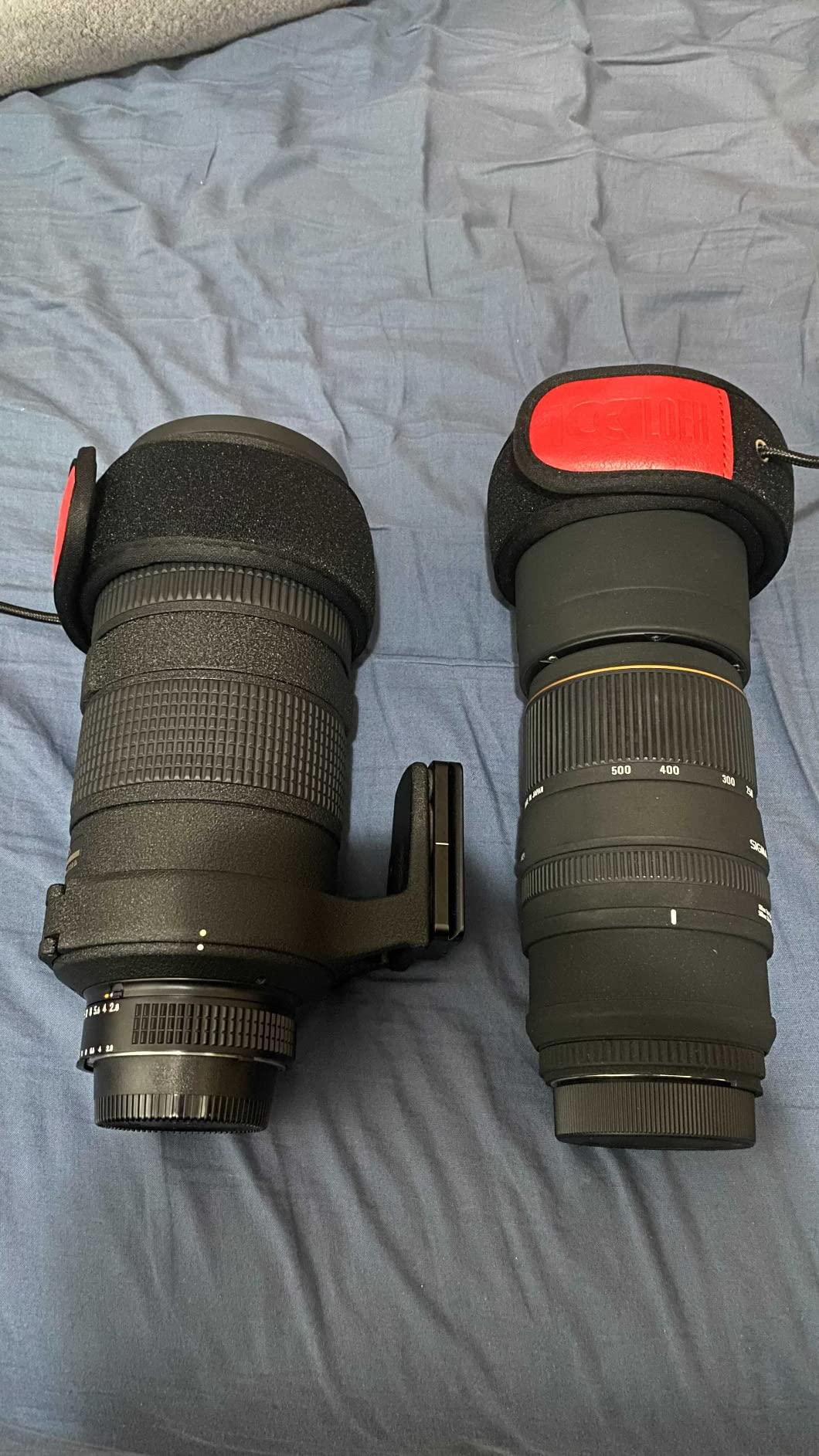
When to Choose the LOSHARP
If you want the most affordable electric lens warmer that starts heating almost instantly, the LOSHARP delivers. It is a solid choice for photographers on a tight budget who primarily need dew prevention for standard camera lenses during astrophotography or winter landscape sessions. The 5-7 hour runtime on a standard power bank covers most single-night shoots.
Trade-offs to Accept
The lack of temperature control is the biggest drawback. Without a thermostat, it runs at full power constantly, which means higher battery drain and the risk of overheating on smaller lenses. There is also no power indicator light, so you cannot tell at a glance whether it is on or off. The heating can be uneven along the length of the strip, with warmer spots near the USB connection and cooler areas toward the end. If you need precise temperature management, step up to one of the three-setting models.
How to Choose the Right Lens Warmer for Winter Photography?
Picking the right lens warmer comes down to understanding your specific shooting conditions and gear setup. I have broken down the key factors that actually matter when you are out in the field.
Power Source: USB vs 12V vs Passive
The power source is the first decision you need to make. USB-powered lens warmers are the most convenient because they run off power banks you probably already own. They are perfect for camera lenses and small telescopes. The trade-off is that USB limits you to 5V, which may not generate enough heat in extreme cold below -20C.
Twelve-volt systems like the SVBONY SV192 deliver more power and are better suited for larger telescopes and genuinely freezing conditions. The downside is that you need a compatible 12V battery or power tank. If you are already running an ASIAir or similar setup with 12V power, this is the natural choice.
Passive options like the LensMuff use chemical hand warmers and need no electricity at all. They are best as a backup or for situations where electrical power is not available.
Lens Diameter and Strip Length
Getting the right size is critical. A strip that is too short will not wrap around your lens, and one that is too wide may interfere with focus rings or lens hoods. Most lens warmers list their maximum compatible diameter or circumference.
For standard camera lenses under 80mm diameter, compact strips like the KIWIFOTOS or NEEWER HW-28B work well. For larger telephoto lenses and small telescopes, look at the SVBONY SV172 or MOVE SHOOT MOVE options. For full-sized telescopes up to 152mm, the SVBONY SV192 is your best bet.
Temperature Settings and Heat Output
Three-setting temperature controls are the standard, and they matter more than you might think. On a night where condensation is light, running on low saves significant battery life. When the dew is heavy and the temperature is dropping fast, you need the high setting to keep up.
Pay attention to the actual temperature ranges. The NEEWER models specify high at 55-65C, while the Haida V2 tops out at 131-149F (55-65C). The LOSHARP reaches a maximum of 122F. Higher maximum temperatures give you more headroom for extreme conditions.
Material and Cold Weather Durability
The outer material affects both heat retention and durability. Neoprene, used by Move Shoot Move, is excellent at trapping heat and stays flexible in cold weather. SBR material, used by SVBONY, is also effective and adds a protective layer. Graphene heating elements, found in the Haida V2, offer the fastest and most even heat distribution.
Cable flexibility matters more than most people realize. In sub-zero temperatures, cheap cables become stiff and can crack or pull free from connectors. Look for models with cold-rated cables — the KIWIFOTOS and JJC are rated to -40C, while the Move Shoot Move cable is tested to -25C.
Battery Life Planning
Plan your power budget before heading out. Most USB lens warmers draw between 1 and 2 amps, which means a 10,000mAh power bank will last roughly 5 to 8 hours depending on your heat setting. For all-night astrophotography sessions, a 20,000mAh bank gives you comfortable headroom.
Forum users on Cloudy Nights and Reddit consistently recommend carrying at least 50 percent more battery capacity than you think you need. Cold temperatures reduce battery efficiency, so that 10,000mAh bank might only deliver 7,000mAh of usable power at -15C. I always pack a second power bank as insurance for long shoots.
Night Vision and LED Indicators
One issue that forum photographers frequently raise is bright LED indicator lights on lens warmers that interfere with dark-adapted vision. If you are doing astrophotography, look for models with dim or red indicator lights. The LOSHARP base version has no indicator light at all, which some users prefer and others find frustrating. Consider taping over bright LEDs with a small piece of black tape if your chosen model is too bright.
Frequently Asked Questions
How to keep your camera lens from fogging up in cold weather?
To prevent lens fogging in cold weather, use a lens warmer or dew heater strip wrapped around your lens barrel to keep the glass slightly above ambient temperature. Avoid breathing near the lens, store your camera in a sealed bag when transitioning between warm and cold environments, and let the lens acclimate gradually before shooting. A USB-powered lens warmer running on medium or high setting provides consistent condensation prevention for hours.
When to use a lens warmer?
You should use a lens warmer whenever the ambient temperature drops below 40F (4C) and there is moisture in the air, or whenever you notice condensation forming on your lens surface. Lens warmers are essential for astrophotography, nightscape photography, and any cold weather shooting where long exposures give condensation time to build up. They are also useful when transitioning between warm indoor environments and cold outdoor conditions.
How to keep your camera warm in winter?
Keep your camera warm in winter by using a lens warmer strip on the lens barrel, storing spare batteries in an inside pocket close to your body, using an insulated camera bag between shots, and avoiding rapid temperature changes. Hand warmer packets placed in your camera bag can help maintain a warmer microclimate. For extended cold weather shoots, consider a rain cover or insulated jacket designed for your camera body to protect both the electronics and the battery.
Can I use hand warmers on my camera lens?
Yes, you can use chemical hand warmers on your camera lens with a product like the LensMuff Dew Preventer, which is specifically designed to hold hand warmer packets against the lens barrel safely. Avoid placing hand warmers directly on the glass surface, as the uneven heat and direct contact can cause damage. Hand warmers provide a passive, battery-free alternative to electric lens warmers, typically lasting 8 to 12 hours per packet. They are a good backup option but offer less precise temperature control than electric dew heaters.
Final Thoughts on the Best Lens Warmers for Winter Photography
Finding the right lens warmer for winter photography does not have to be complicated. For most photographers, a USB-powered strip like the SVBONY SV172 with three heat settings and power bank compatibility covers the majority of cold weather situations. If you are working with larger telescopes, the SVBONY SV192 and its 12V power system delivers the extra heat you need. And if you want a zero-power backup that weighs almost nothing, the LensMuff is a smart addition to any cold weather kit.
The best lens warmers for winter photography are the ones you actually bring with you and remember to use. I recommend keeping one in your camera bag year-round so you are never caught off guard when the temperature drops and the condensation rolls in. Your photos are worth the small investment.