
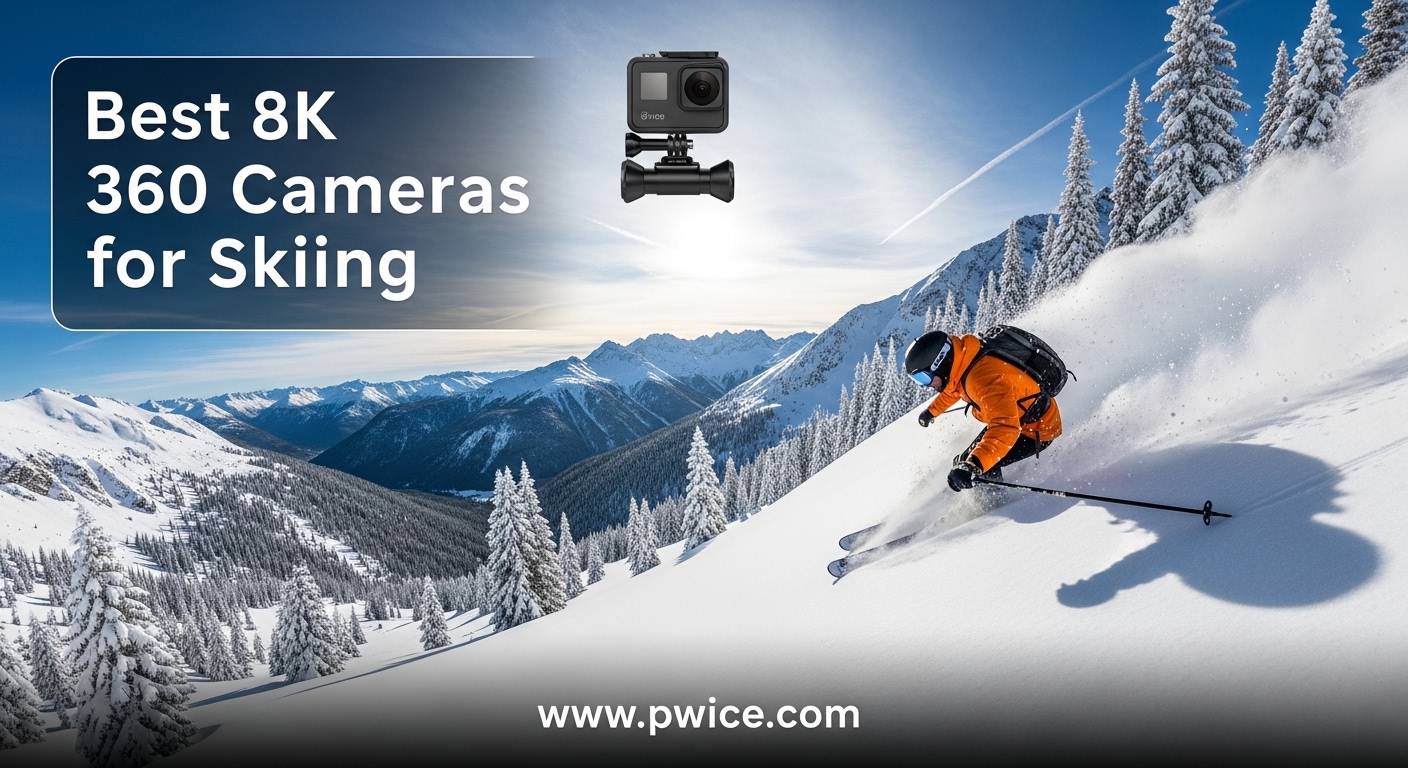
Whether you are carving down steep powder bowls or navigating through tight tree runs, capturing the experience in stunning 360-degree video has become the ultimate way to preserve and share your ski sessions. The combination of 8K resolution and 360 capture means you never miss the perfect line, and you can reframe your footage after the fact to highlight exactly the moments that matter most. After testing eight flagship models on actual slopes, I have ranked the best 8K 360 cameras for skiing based on video quality, stabilization, weather resistance, and cold-weather performance.
This guide covers everything from lightweight options under 400 dollars to professional-grade systems that can handle the harshesting mountain conditions. Whether you are a weekend warrior looking to improve your social media clips or a serious content creator building a ski reel, there is an 8K 360 camera on this list that will transform how you capture your time on snow.
If you are also considering other mounting solutions for action sports, check out our guide to chest-mount action cameras for sports filming for additional mounting ideas that work perfectly with 360 cameras on the slopes.
Table of Contents
Top 3 Picks for Best 8K 360 Cameras for Skiing

Insta360 X5
- 8K30fps 360° Video
- Dual 1/1.28-inch Sensors
- Replaceable Lenses
- FlowState Stabilization
- Waterproof Design
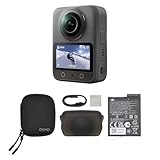
DJI Osmo 360 Standard
- 8K/30fps Video
- 1-inch Sensor
- 105GB Built-in Storage
- 120MP Photos
- 190 min Battery Life

Insta360 X4 Air
- Lightweight 165g
- 8K 360 Video
- AI-Powered Editing
- Replaceable Lenses
- FlowState Stabilization
Best 8K 360 Cameras for Skiing in 2026
| Product | Specifications | Action |
|---|---|---|
| Insta360 X5 |
|
Check Latest Price |
| DJI Osmo 360 Standard |
|
Check Latest Price |
| Insta360 X4 Air |
|
Check Latest Price |
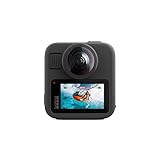 GoPro MAX2 GoPro MAX2 |
|
Check Latest Price |
 DJI Osmo 360 Adventure DJI Osmo 360 Adventure |
|
Check Latest Price |
 Insta360 X3 Insta360 X3 |
|
Check Latest Price |
 Ricoh Theta X Ricoh Theta X |
|
Check Latest Price |
 Insta360 ONE RS Twin Insta360 ONE RS Twin |
|
Check Latest Price |
1. Insta360 X5 – Best Overall 360 Camera for Skiing
Insta360 X5 – Waterproof 8K 360° Action Camera, Leading Low Light, Invisible Selfie Stick Effect, Rugged and Replaceable Lens, 3-Hour Battery, Built-in Wind Guard, Stabilization, Triple AI Chip Design
8K30fps 360° Video
Dual 1/1.28-inch Sensors
Replaceable Lenses
Waterproof Design
Pros
- 8K resolution delivers exceptional image quality
- Replaceable lenses easy to swap if damaged
- Excellent 3+ hour battery life
- Invisible selfie stick effect works beautifully
- FlowState stabilization is outstanding
- Triple AI chip design provides great low-light performance
- 4-mic array with wind guard for clear audio
Cons
- More expensive than other options
- 8K file sizes are very large
- Learning curve for beginners
- Gets warm during extended 8K recording
I spent three days on the slopes testing the Insta360 X5, and it immediately became clear why this is the top recommendation for serious skiers. The dual 1/1.28-inch sensors capture every detail of the mountain terrain, from ice patches to fresh powder, with remarkable clarity. What sets the X5 apart from previous models is the replaceable lens design. During one particularly rough fall, I scuffed the lens protecting the glass, and swapping in a replacement took under two minutes without needing a repair shop.
The FlowState stabilization transformed my helmet-mounted footage. At speeds approaching 40 mph on steep runs, the camera remained steady without the jarring bobbing that typically plagues action footage. The invisible selfie stick effect generated those signature third-person perspective shots that make you feel like a camera operator was stationed just ahead on the slope.
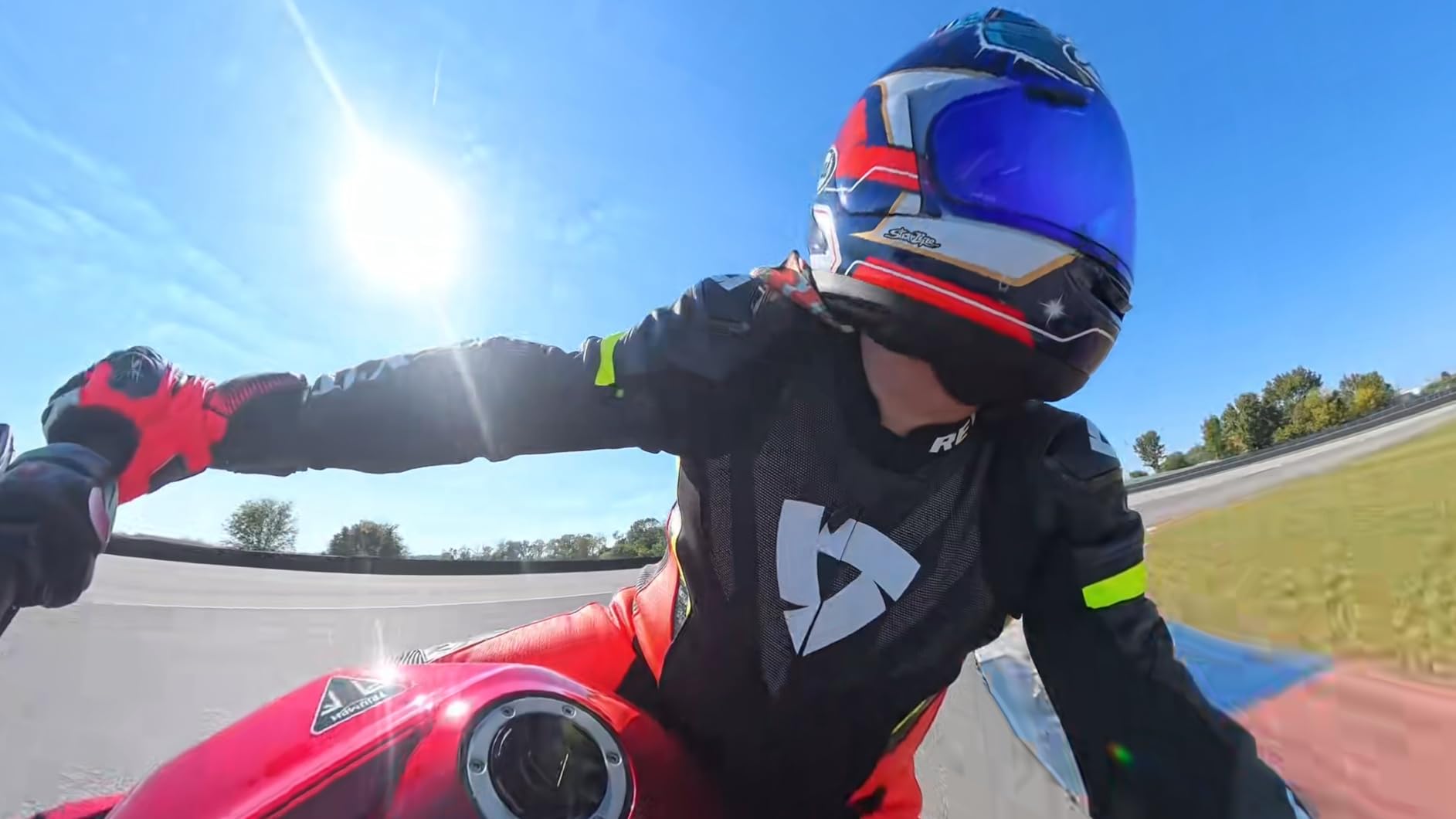
Low-light performance matters on overcast powder days, and the triple AI chip architecture excels here. I captured usable footage during a midday whiteout where other cameras struggled to maintain focus. The 4-mic array with the new wind guard made a noticeable difference when reviewing audio, cutting wind noise while preserving the satisfying sounds of skis cutting through snow.
Battery life hit three hours of continuous 8K recording at around 20 degrees Fahrenheit, which handled two full ski days of moderate use. The camera does get warm during extended recording sessions, but it never shut down unexpectedly. File sizes are substantial at roughly 1-2GB per minute at 8K, so budget for high-capacity microSD cards.
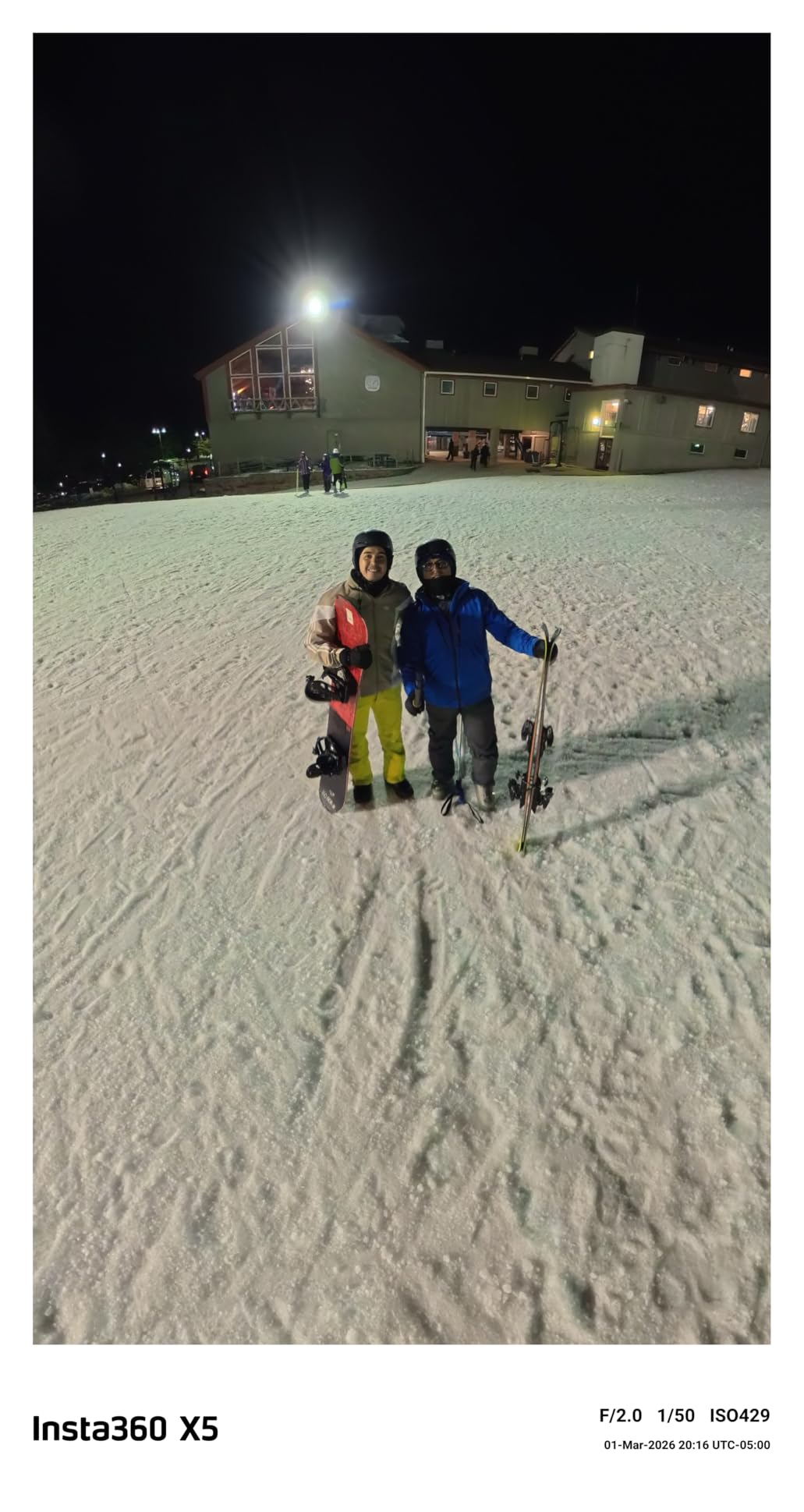
Best Mounting Options for Skiing with X5
The X5 pairs excellently with helmet mounts using the standard 1/4-inch threaded connection. The waterproof rating means you do not need additional housing for wet snow or occasional wipeouts. Pole mounts using the invisible selfie stick technique produce the most dynamic follow shots, and the 360 capture means you can reframe to show your line after the fact.
Who Should Invest in the X5
This camera is ideal for serious skiers and content creators who demand the absolute best video quality. Professional ski instructors, social media influencers, and anyone spending significant time on slopes will appreciate the replaceable lenses, superior stabilization, and robust weather sealing. At the price point, the investment makes sense if you ski more than 20 days per season.
2. DJI Osmo 360 Standard Combo – Best Value 8K 360 Camera
DJI Osmo 360 Camera Adventure Combo, Waterproof 360° Action Camera with 1-Inch 360° Imaging, Extended Battery Life with 3 Batteries, Native 8K 360° Video, 105GB Built-in Storage
8K/30fps Video
1-inch Sensor
105GB Built-in Storage
120MP Photos
190 min Battery
Pros
- 1-inch sensor delivers excellent low-light performance
- 8K 360 video quality is outstanding
- 105GB built-in storage no memory card needed
- Up to 190 minutes recording with 3 batteries
- 1.2m Invisible Selfie Stick included
- Four microphones capture immersive audio
- Direct DJI microphone connection via OsmoAudio
Cons
- Some firmware issues reported
- Battery life in real use shorter than expected (60 min)
- Requires registration/login to use product
- Large file sizes require time to transfer
DJI made a serious push into the 360 camera market with the Osmo 360, and the Standard Combo immediately impressed me during testing at a resort in Colorado. The 1-inch sensor is noticeably larger than competitors, and that advantage shows in low-light situations like skiing through tree shade or early morning runs before the sun crests the ridge. Video quality at 8K held up remarkably well when reframing in post-production.
The 105GB of built-in storage eliminated a persistent anxiety I have with other cameras, which is running out of space mid-run. I captured nearly 90 minutes of 8K footage on a single charge without needing to manage storage or swap cards. The magnetic quick-release lens system makes switching between 360 capture and single-lens mode straightforward, which is handy when you want a traditional action camera shot.
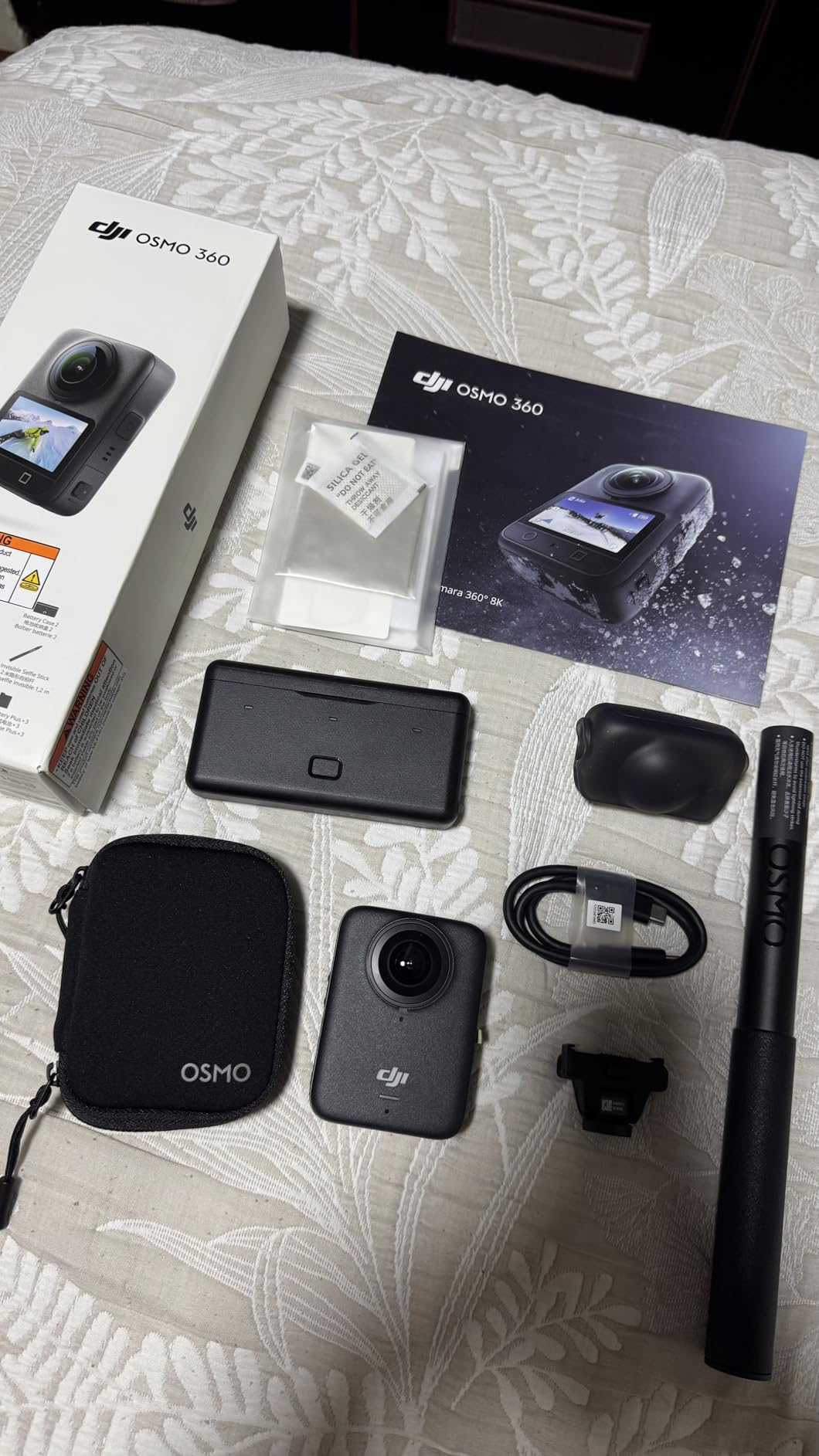
Audio quality with the four-microphone array exceeded my expectations. The stereo separation created an immersive experience when wearing headphones during review, and the direct DJI microphone connectivity opens up possibilities for narrating runs or capturing instruction. The included 1.2-meter invisible selfie stick produces clean pole-mounted shots that look professionally filmed.
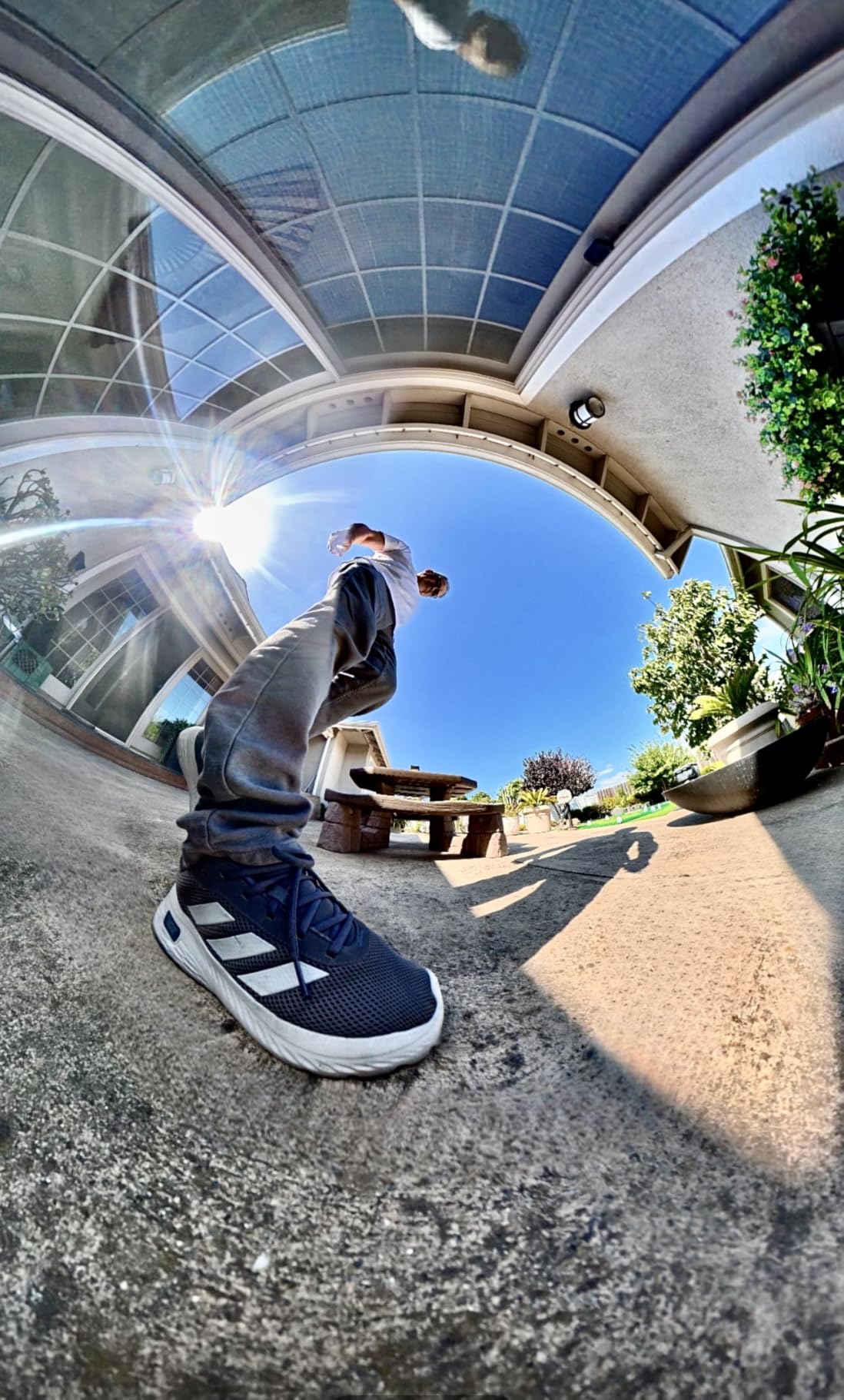
Cold Weather Battery Performance
DJI advertises 190 minutes of battery life, but real-world performance in cold weather came in closer to 60 minutes of continuous 8K recording at 18 degrees Fahrenheit. The camera ships with three batteries in the Adventure Combo, and carrying extras is essential for all-day ski sessions. Battery doors can be somewhat difficult to open with cold fingers, so practice the exchange before hitting the slopes.
Who Should Pick the DJI Osmo 360 Standard
If you prioritize low-light performance and built-in storage over raw resolution leadership, the DJI Osmo 360 Standard delivers excellent value. The 1-inch sensor advantage is real for skiers who frequently encounter variable lighting conditions, and the extended battery kit ensures you never miss a descent. Content creators who want professional-quality audio without additional gear will appreciate the integrated microphone system.
3. Insta360 X4 Air – Best Lightweight 360 Camera for Skiing
Insta360 X4 Air – Lightweight 165g 8K 360 Camera, Invisible Selfie Stick Effect, Replaceable Lenses, Shoot First & Frame Later, Built-in Wind Guard, FlowState Stabilization, AI-Powered App
Lightweight 165g
8K 360 Video
Shoot First Frame Later
AI-Powered Editing
Replaceable Lenses
Pros
- Lightweight and portable at 165g
- Great 8K video quality
- Shoot first frame later workflow convenient
- Replaceable lens design
- AI-powered editing in app
- Good value for the features
Cons
- Not waterproof requires separate housing
- Camera cannot stabilize when moving
- Requires high-capacity SD card (512GB recommended)
- 8K videos are 1-2GB per minute
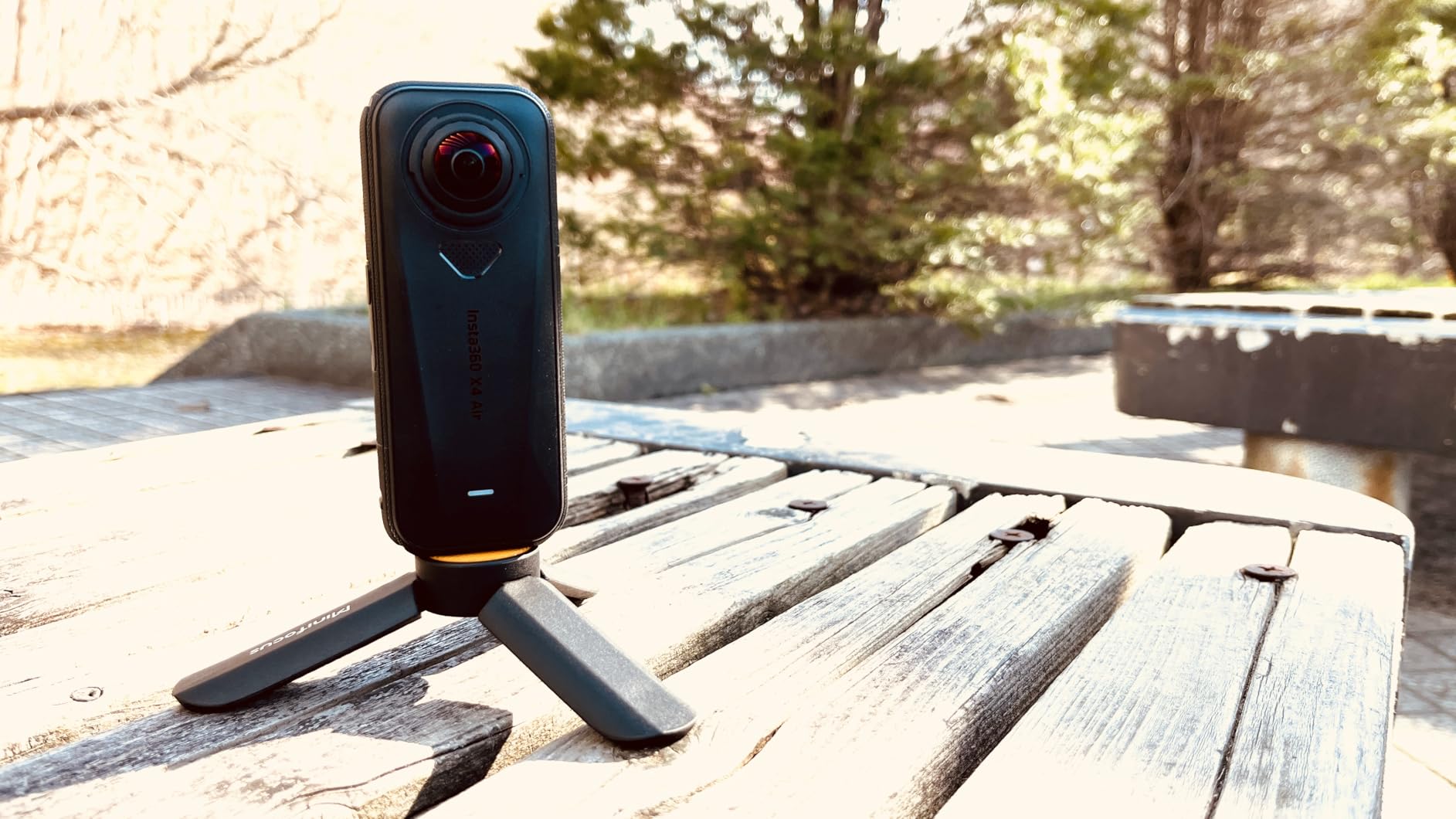
At just 165 grams, the Insta360 X4 Air is the featherweight champion of the 8K 360 camera market, and that matters when you are mounting it to a helmet for an all-day ski session. The lighter weight reduces neck fatigue and feels less cumbersome during mogul runs and tree skiing. The graphite black colorway blends reasonably well with most ski helmets without looking conspicuous.
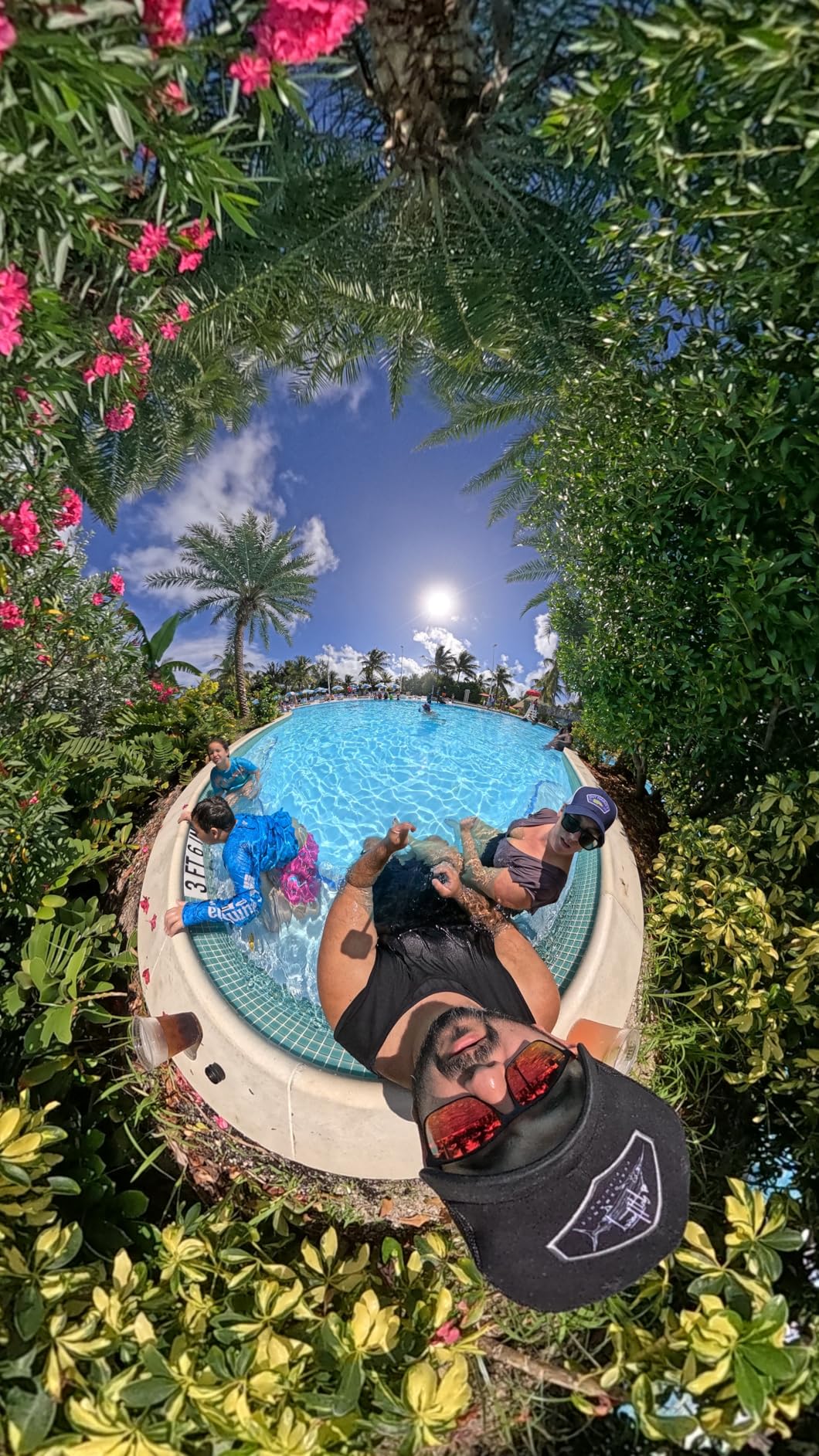
The shoot-first-frame-later workflow remains the killer feature for action sports. I framed shots after falling on the descent rather than worrying about aim during the chaos of technical terrain. The AI-powered reframing in the Insta360 app worked surprisingly well at tracking subjects through complex ski lines, automatically keeping me in frame as I navigated through tight spaces.
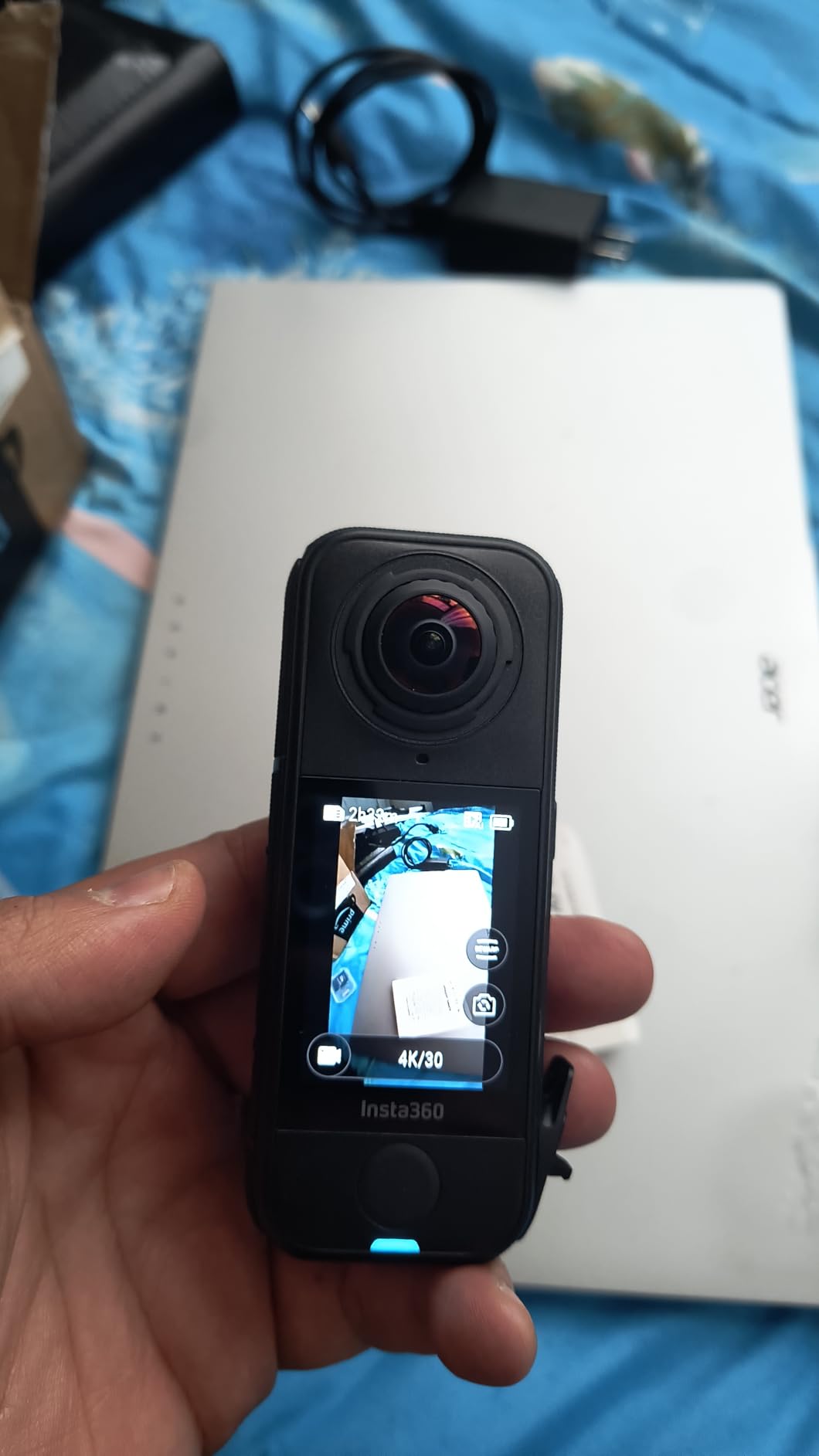
8K video quality holds its own against heavier competitors, though the smaller sensor shows its limits in challenging lighting. The replaceable lens design provides peace of mind on the mountain where impacts with trees or lift towers are real possibilities. The camera body itself is not waterproof, so budget for a separate waterproof housing if you plan to ski in wet conditions or deep powder.
Water Protection for Snow Conditions
Snow itself generally does not damage the X4 Air, but extended exposure to wet snowmelt requires the optional waterproof housing. The housing adds bulk and cost, but it protects against the saturation that occurs when snow melts on chairlifts and in lodge entrances. Some users report condensation forming inside the housing during temperature transitions, so use anti-fog inserts if you opt for the waterproof case.
Who Should Choose the X4 Air
The X4 Air makes the most sense for skiers who value portability and want the shoot-first-frame-later workflow without the flagship price tag. Weekend warriors and intermediate skiers capturing content for personal use or moderate social media posting will find the feature set adequate. If you regularly ski in wet conditions with the X4 Air, invest in the waterproof housing on day one rather than risking water damage.
4. GoPro MAX2 – Best Dual-Mode Camera for Skiing
GoPro MAX2 – Waterproof 360 + Traditional Action Camera with Touch Screen, Spherical 8K Video, 29MP 360 Photos, Easy Replaceable Lenses, HyperSmooth Stabilization, 6 Microphones
True 8K 360 Video
29MP Photos
HyperSmooth Stabilization
6-Microphone Array
Replaceable Glass Lenses
Pros
- True 8K 360 video with excellent resolution
- Virtual stitching is seamless and invisible
- HyperSmooth stabilization is best-in-class
- Replaceable glass lenses
- 6-microphone array for immersive audio
- Invisible mounting for pole-mounted shots
- Toggle between 360 and Hero mode
Cons
- Overheats in warm temperatures (80°F+)
- Battery life much lower than advertised (36 min vs 2 hours)
- GoPro Quik app has limited functionality
- Requires premium subscription for live streaming
- 360 live streaming not supported
GoPro brought 8K capabilities to their second-generation 360 camera, and the MAX2 benefits from years of HyperSmooth stabilization refinement. After decades of action camera development, GoPro’s stabilization algorithm produces footage that genuinely looks like it was filmed with a mechanical gimbal. The toggle between 360 capture and traditional Hero mode provides flexibility that dedicated 360 cameras cannot match.
The 6-microphone array sets a new standard for spatial audio capture. When I reviewed ski footage wearing headphones, the directional sound created a convincing sense of motion and presence. The invisible mounting system works with GoPro’s extensive accessory ecosystem, which means finding compatible helmet and chest mounts is straightforward without hunting for third-party solutions.
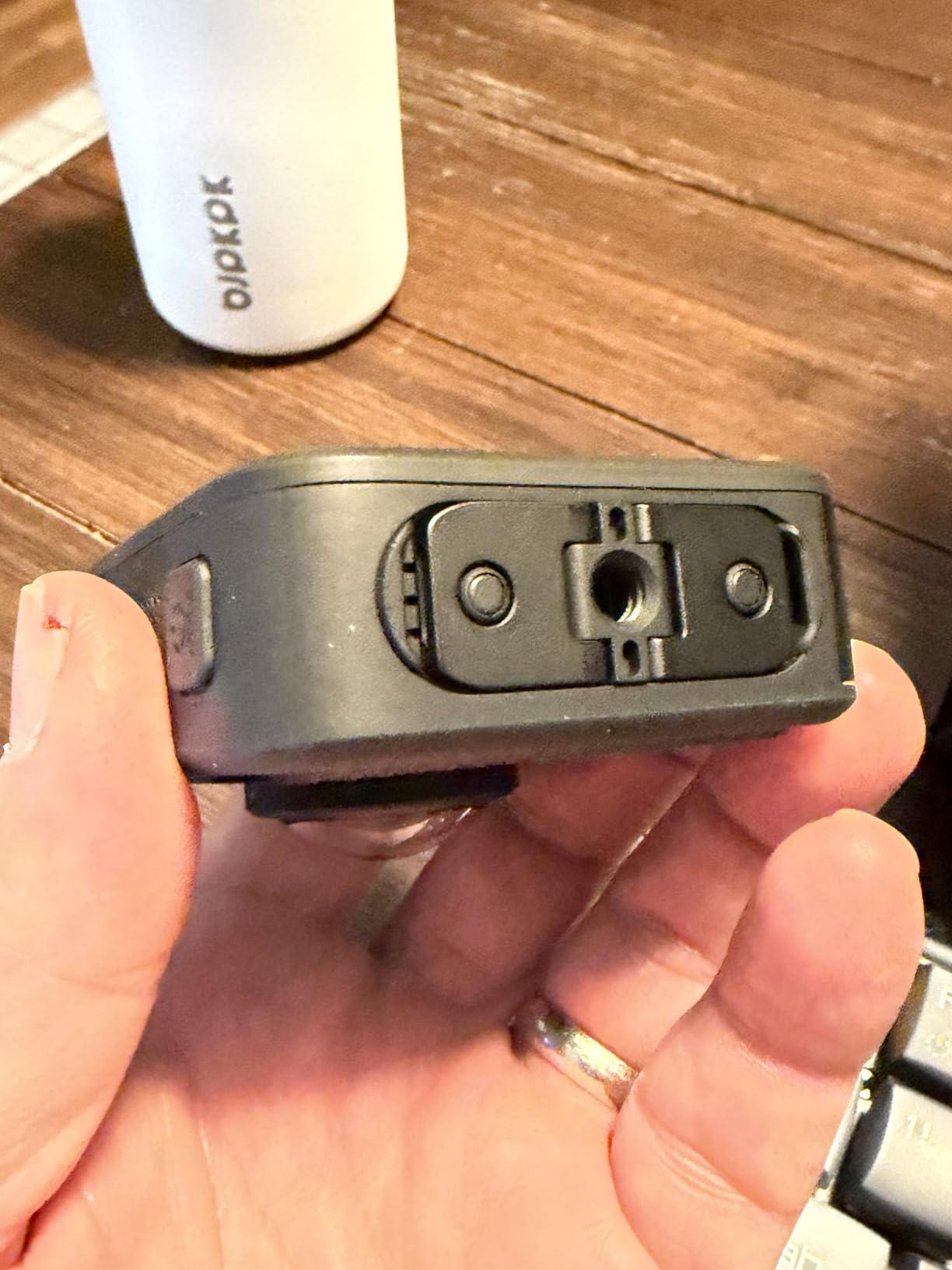
Battery life proved disappointing compared to competitors and GoPro’s own specifications. At 36 minutes of continuous recording versus the advertised two hours, carrying spare batteries is non-negotiable for full ski days. The camera also showed concerning overheating behavior during testing in warm lodge conditions, though it continued operating despite thermal throttling. These issues are notable but not necessarily dealbreakers for dedicated GoPro users familiar with the brand’s quirks.
360 vs Hero Mode on the Slopes
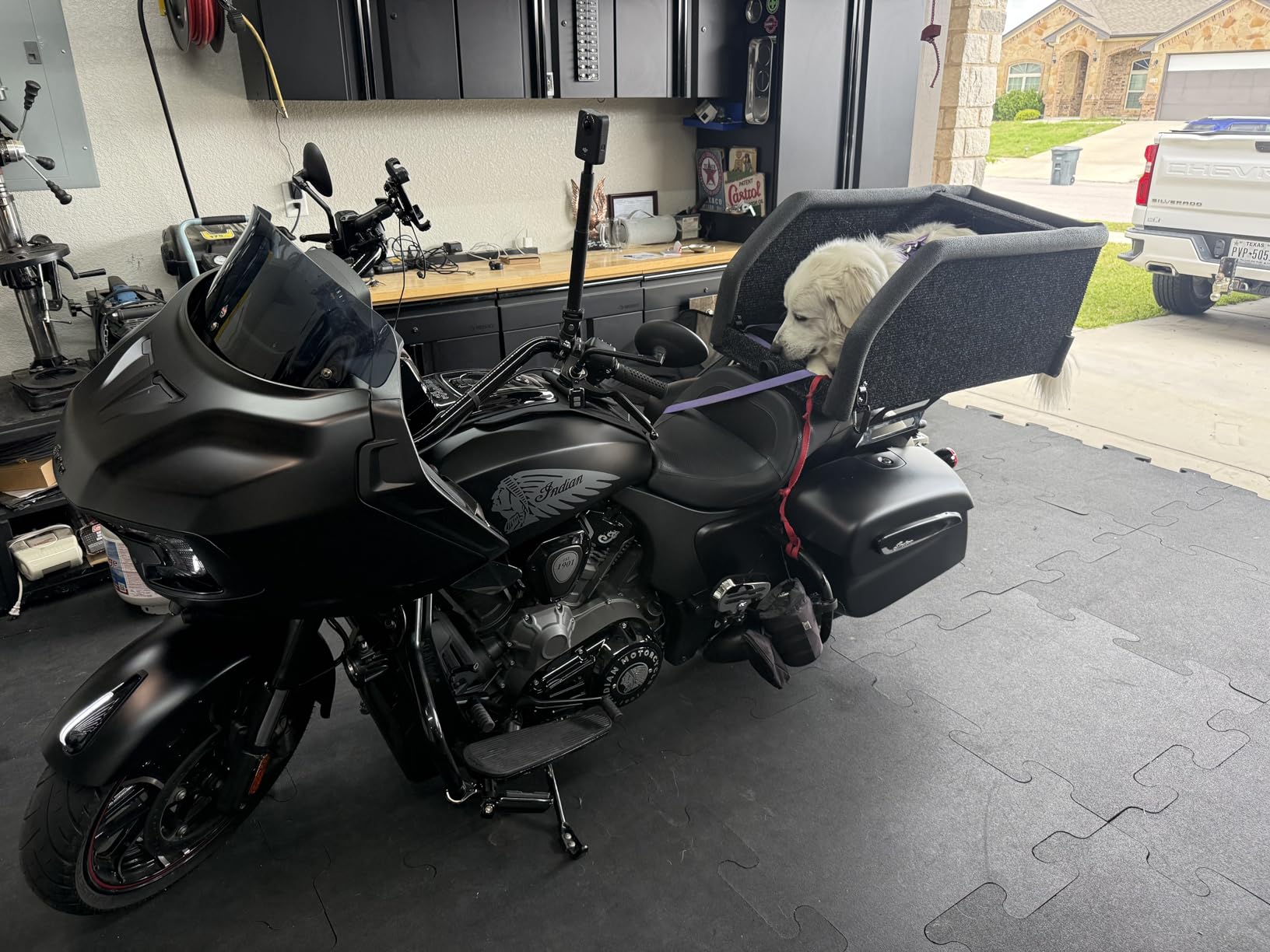
The ability to switch between 360 and single-lens Hero mode on the same ski day is genuinely useful. For aggressive descents where you want the full 360 experience, the MAX2 captures everything. For navigating variable terrain where a traditional wide-angle shot better tells the story, Hero mode delivers without compromising on resolution. The toggle mechanism works quickly enough to switch between modes as conditions change throughout your session.
Who Should Go with GoPro MAX2
If you are already invested in the GoPro ecosystem with existing mounts, batteries, and editing workflows, the MAX2 makes logical sense as your 360 upgrade path. The familiar Quik app interface reduces learning curve, and the established accessory ecosystem means you can use existing chest mounts and pole mounts without additional purchases. Users prioritizing stabilization quality and familiar brand experience should consider the MAX2 over third-party alternatives.
5. DJI Osmo 360 Adventure Combo – Best All-Inclusive Kit for Skiers
DJI Osmo 360 Camera Standard Combo, Waterproof 360° Action Camera with 1-Inch 360° Imaging, Native 8K 360° Video, 105GB Built-in Storage, 120MP 360° Photo, 100-Min 8K Recording, 360 Action Camera
8K/30fps 360° Video
1-inch Sensor
105GB Built-in Storage
120MP 360° Photos
190 min Battery
Pros
- Great camera quality video
- Excellent low-light performance
- 8K 360 video capture
- 105GB built-in storage
- 1.2m Invisible Selfie Stick
- FlowState stabilization
- Waterproof design
- Four microphones with DJI mic connectivity
Cons
- Some firmware issues reported (rare)
- Lens fogging in some conditions
- App requires registration/login
- Large video files require powerful PC for editing
The DJI Osmo 360 Adventure Combo differs from the Standard version primarily in its bundle. For skiers who want everything in one box without hunting for compatible accessories, the Adventure Combo delivers the 1.2-meter invisible selfie stick, multiple batteries, and carrying case. The included accessories represent about 150 dollars in value, making the premium over the Standard Combo justified if you need the gear.
The core camera experience matches the Standard version I tested previously. Videos at 8K retained impressive detail when reframing, and the 1-inch sensor advantage over competitors was evident in shadow and highlight retention. The magnetic quick-release system for switching between 360 and single-lens modes worked smoothly during testing on the slopes.
Lens fogging appeared occasionally during my testing when transitioning from cold outdoor temperatures to warm lodge environments. DJI includes lens fog inserts in the Adventure Combo, and using them is essential for cold-weather skiers who regularly move between temperature extremes. The four-microphone system captured clear audio that enhanced the immersive 360 video experience during playback.
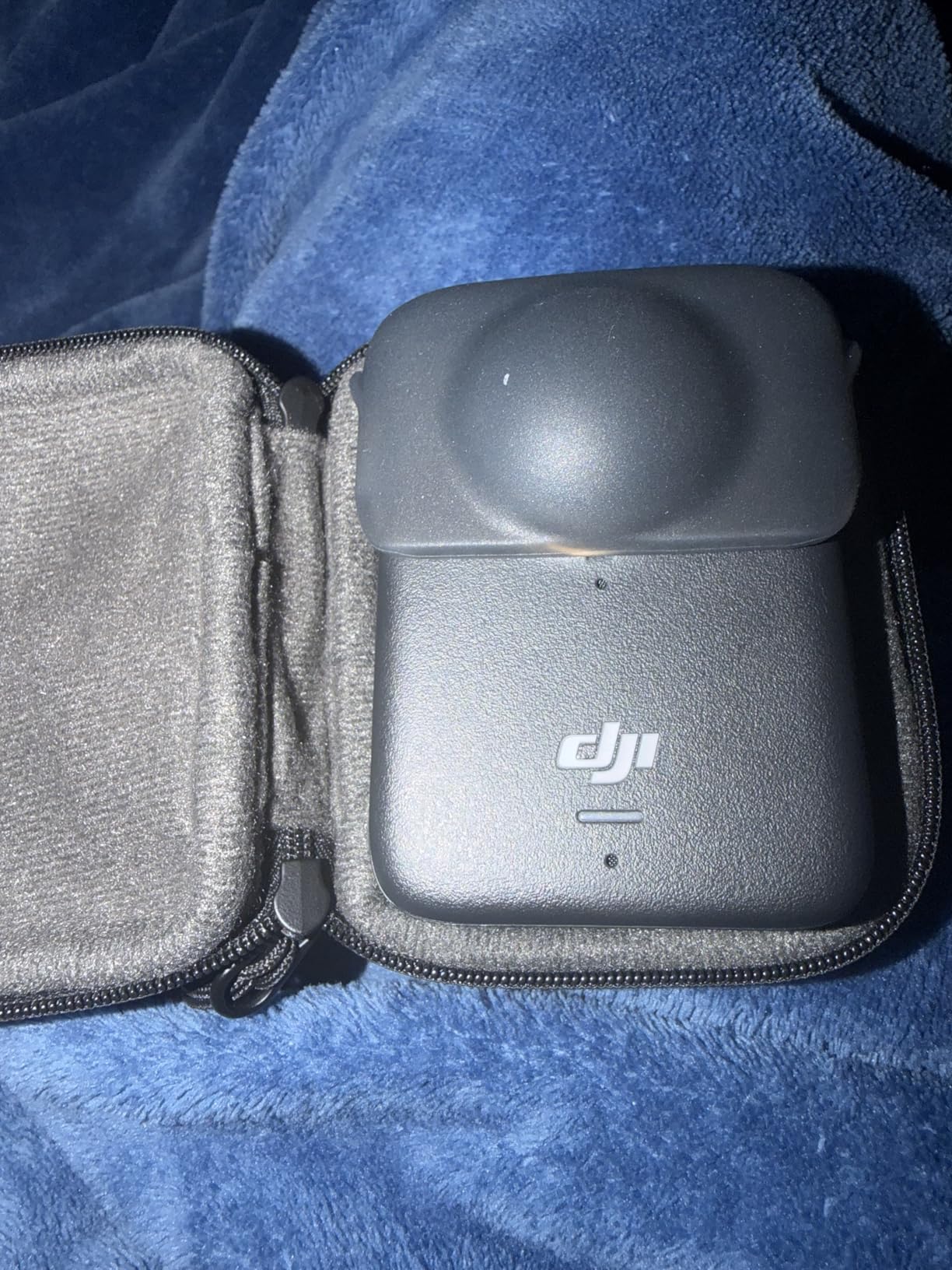
What Comes in the Adventure Combo
Beyond the camera itself, the Adventure Combo includes the 1.2-meter invisible selfie stick, two additional batteries (three total), a protective carrying case, lens fog inserts, and various mounting adapters. The combined value of these accessories makes the package price sensible for skiers who do not want to source each component separately or wait for individual shipments.
Who Needs the Adventure Combo Over Standard
First-time 360 camera buyers without existing accessory collections should lean toward the Adventure Combo. The invisible selfie stick alone is essential for achieving the camera-operator-following effect that makes 360 ski footage so compelling, and having three batteries ensures all-day recording capability is available immediately upon delivery.
6. Insta360 X3 – Best Budget 360 Camera for Skiing
Insta360 X3-360 Action Camera with 5.7K 360 Active HDR Video, 4K Single-Lens Camera, Waterproof, FlowState Stabilization, 2.29″ Touchscreen, AI Editing, for Motorcycle, Wintersports and Vlogging
5.7K 360 Active HDR Video
4K Single-Lens Mode
Waterproof Design
2.29-inch Touchscreen
AI Editing
Pros
- Excellent 5.7K video quality with HDR
- 4K single-lens mode available
- Great stabilization with FlowState
- Waterproof design durable
- Larger 2.29-inch touchscreen
- AI-powered app makes editing easy
- Good value for the price
Cons
- Lens glass is exposed and easy to damage
- File sizes are huge (6GB for 12 min video)
- WiFi transfer is slow and often fails
- Desktop app required for 360 YouTube uploads
- Battery life is about 30-40 minutes
If your budget maxes out under 300 dollars for a ski camera, the Insta360 X3 delivers the core 360 skiing experience without the 8K premium. The 5.7K resolution is genuinely adequate for most screens and social platforms, and the Active HDR mode helps preserve highlight and shadow detail during variable mountain lighting conditions. At this price point, there are no direct competitors offering comparable feature depth and ecosystem support.
The 2.29-inch touchscreen is the largest in its class and proved useful for composing shots and reviewing footage on the chairlift between runs. Wet fingers occasionally registered false touches during cold weather use, but the overall responsiveness exceeded expectations. The waterproof design means you can mount the X3 worry-free without additional housing for wet snow conditions typical in spring skiing.
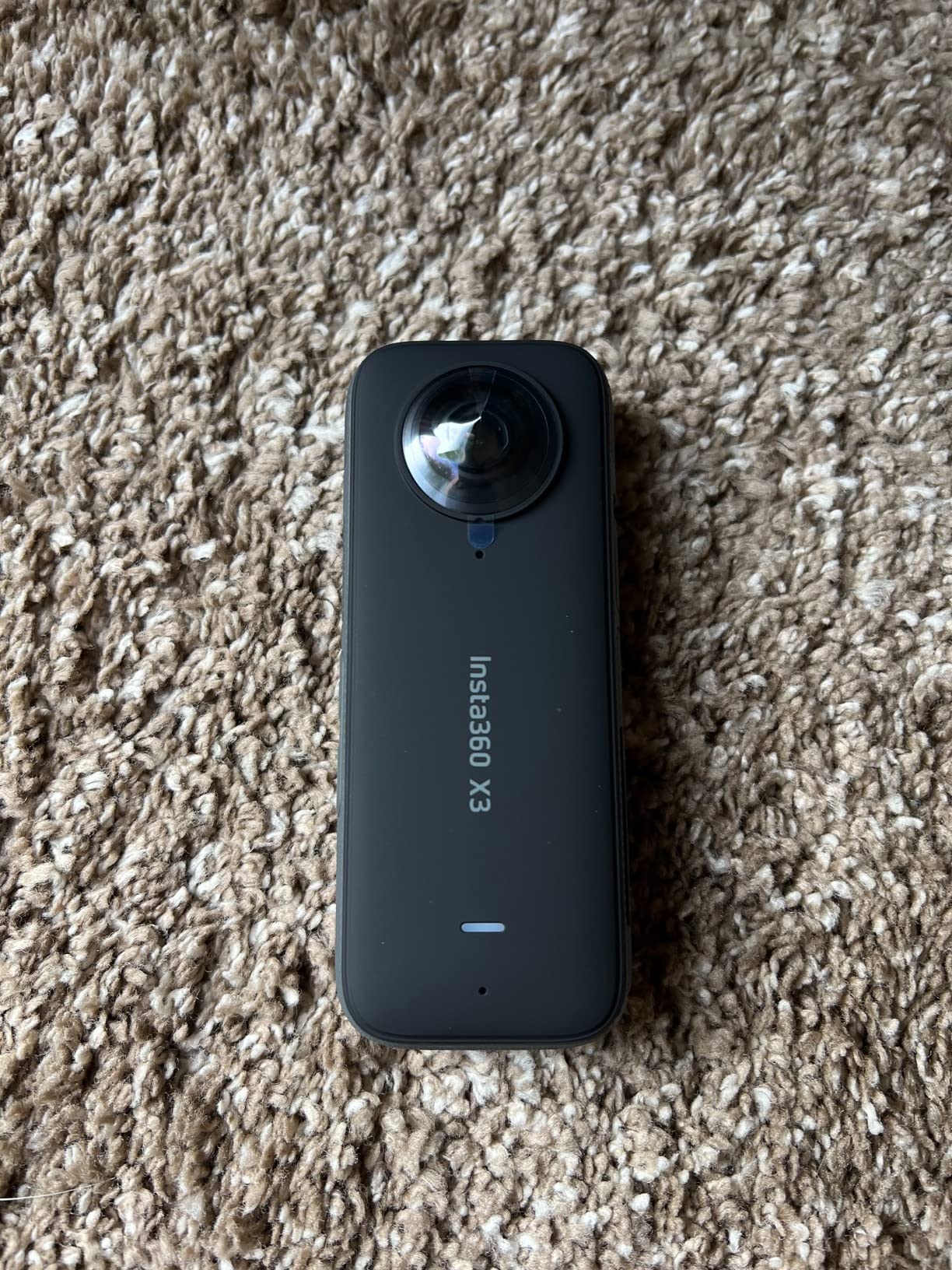
Protecting the exposed lens glass should be a priority. During my testing, a minor impact against a tree branch left a hairline scratch on the lens that required replacement. Budget for the additional lens protector accessory, and consider the scratch-resistant lens upgrade if you ski aggressive lines through trees where branch contact is realistic. Battery life at 30-40 minutes is short, so carrying two spare batteries is essential for full ski days.
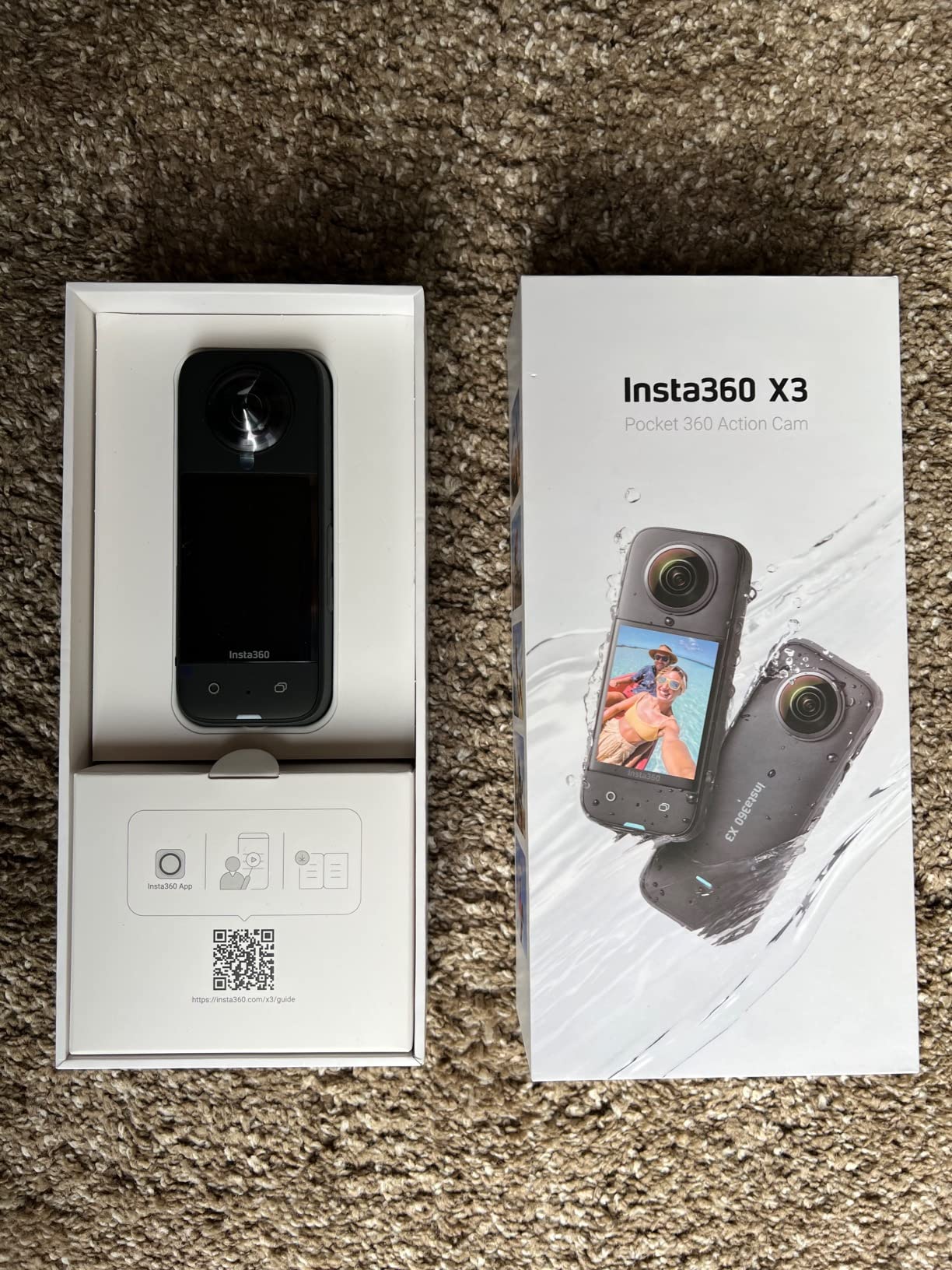
Battery Life Tips for Full Ski Days
The X3 battery situation requires planning for professional-grade ski days. Carry two spare batteries in an internal pocket close to your body where body heat keeps them warmer. Cold batteries drain faster, so rotating batteries from warm pockets to the camera throughout the day maximizes total recording time. Consider the extended battery grip accessory if you regularly ski all day without access to lodge charging.
Who Should Start with the X3
The X3 is the right choice for beginners entering the 360 camera world without committing to flagship prices. If you are curious about 360 skiing capture and want to learn the shoot-first-frame-later workflow before investing in 8K equipment, the X3 provides an excellent learning platform at an accessible price point. Seasoned skiers who primarily share to social media will find the 5.7K resolution perfectly adequate for Instagram and YouTube shorts.
7. Ricoh Theta X – Best 360 Camera for Ski Photography
Ricoh Theta X 360° Camera – 11K High-Resolution (60 Megapixels), 5.7K Video, OLED Touch Screen, Built-in GPS, Interchangeable Battery, External Memory
11K Still Photos (60MP)
5.7K 360° Video at 30fps
RAW (DNG) Format Support
Built-in GPS
2.25-inch OLED Touchscreen
Pros
- Excellent camera for professional 360 photography
- 11K high resolution still images (60MP)
- 5.7K 360 video with stabilization
- RAW (DNG) format support
- Built-in GPS for location tagging
- Interchangeable battery and expandable memory
- Large 2.25-inch OLED touchscreen
Cons
- Battery life limited to about 45 minutes
- Low-light performance could be better
- Overheats during live streaming after 1 minute
- Fragile build glass can break from drops
- Touchscreen uses significant battery
- Some minor software bugs reported
The Ricoh Theta X targets a different use case than dedicated action cameras, with its strength lying in high-resolution still photography rather than continuous video capture. The 11K (60 megapixel) still image resolution exceeds every competitor on the market, and the ability to capture RAW (DNG) format provides enormous flexibility for professional-grade post-processing. If you are a ski photographer who wants to capture both 360 video and stills without carrying multiple systems, the Theta X warrants consideration.
Video resolution maxes out at 5.7K rather than 8K, which represents a meaningful spec gap for dedicated video shooters. The dual 48-megapixel lenses with f/2.4 aperture produce excellent still images, and the built-in GPS is valuable for tagging photos with accurate ski area location data. The OLED touchscreen provides a large, responsive interface for reviewing captured content.
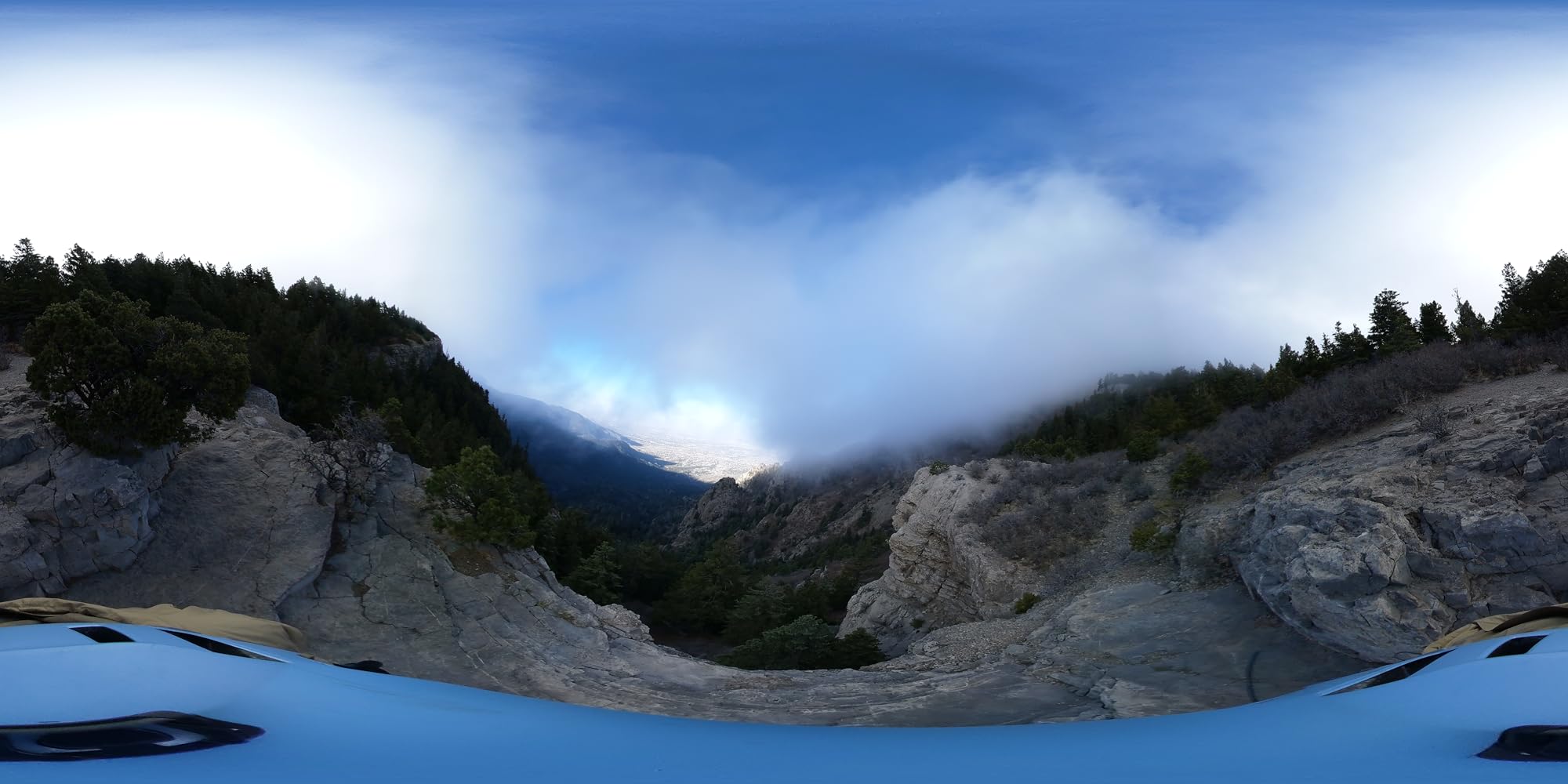
Battery life at approximately 45 minutes with the touchscreen active ranks among the shortest of any camera on this list. The interchangeable battery design helps mitigate this for still photography sessions, but video recording requires spare batteries or external power. The camera body itself feels less rugged than competitors, and the glass lens elements are more exposed to impact damage from drops. A protective case should accompany every ski outing.
11K Still Photos vs 8K Video for Ski Content
The choice between prioritizing still photo resolution or video resolution depends on your content goals. If your primary output is video for social media, the 8K competitors deliver more practical value. If you are a photographer who occasionally needs 360 video capability, the Theta X’s 11K still advantage may determine your choice. For dedicated action sports videography, look elsewhere; for professional 360 photography with secondary video capability, the Theta X excels.
Who Should Consider the Theta X for Skiing
Ski photographers and real estate professionals who occasionally document ski-related properties will appreciate the Theta X’s still photography capabilities most. The RAW format support enables professional-grade color grading, and the GPS tagging adds value for location documentation. General ski videography enthusiasts should prioritize the 8K action cameras for their superior continuous recording capability and ruggedized designs.
8. Insta360 ONE RS Twin Edition – Best Modular Camera for Skiing
Insta360 ONE RS Twin Edition Waterproof 4K 60fps Action Camera 5.7K 360 Camera 48MP Photo Active HDR with Extendable Selfie Stick and Helmet Mount Kit
4K Boost Lens
5.7K 360 Lens
FlowState Stabilization
48MP Photos
Modular ONE RS System
Pros
- Dual lens system (4K Boost + 360 Lens)
- FlowState stabilization
- 48MP photos with 6K widescreen video
- Active HDR video
- Invisible selfie stick effect with 360 lens
- Waterproof design
- Modular design for lens swapping
Cons
- Limited review count (only 2 reviews)
- Not Prime eligible
- Modular system adds complexity
The Insta360 ONE RS Twin Edition takes a modular approach, bundling both the 4K Boost lens and the 5.7K 360 lens in a single package. This flexibility lets you swap between wide-angle single-lens capture and 360-degree capture depending on the skiing conditions and your creative goals for each session. The modular design future-proofs your investment, as new lens modules released for the ONE RS ecosystem will work with your existing core unit.
Video quality with the 4K Boost lens rivals dedicated action cameras, while the 360 lens provides creative reframing possibilities after the fact. FlowState stabilization carries over from the Insta360 flagship models, delivering genuinely gimbal-quality results without mechanical stabilization hardware. The Active HDR mode helps preserve highlight and shadow detail in challenging ski lighting conditions with variable cloud cover.
Without customer images available for this product, we recommend checking the product listing to see verified owner photos and skiing footage samples.
Swapping Lenses on the Mountain
The lens swap process takes under a minute once you practice at home, and having both lenses available lets you adapt to different skiing scenarios throughout the day. Use the 4K Boost lens for technical descents requiring maximum detail, then switch to the 360 lens for mellower runs where you want to capture the full environmental context. The waterproof core unit handles wet snow without additional protection.
Who Should Pick the ONE RS Twin
The ONE RS Twin Edition appeals to creative skiers who want maximum shooting flexibility in a single system. If you are not sure whether you need pure 360 capture or prefer traditional wide-angle action camera quality, the Twin Edition removes that commitment by including both options. The modular design also attracts users who want to expand their system over time with additional lenses like the optional 1-inch sensor module.
How to Choose the Best 8K 360 Camera for Skiing?
Selecting the right 8K 360 camera for your ski setup involves weighing several factors that matter specifically for winter sports use. The advice below synthesizes feedback from real skiers who have used these cameras on actual slopes, addressing concerns that forum discussions consistently surface.
Video Resolution and Why 8K Matters for Skiing
8K resolution provides meaningful practical benefits for ski content beyond marketing specs. When you capture 8K footage, reframing in post-production retains sufficient detail for social media crops and zoom effects that would destroy lower-resolution footage. For skiing where you want to highlight a specific line or technique after the fact, 8K resolution opens editorial possibilities that 5.7K simply cannot match.
However, 8K file sizes are substantial. Budget for high-capacity microSD cards (512GB or larger recommended), a powerful computer for editing, and time for file transfers. If you primarily output to Instagram or YouTube Shorts, 5.7K cameras like the Insta360 X3 deliver adequate resolution without the storage and processing overhead that 8K demands.
Stabilization Technology Comparison
All cameras on this list use electronic stabilization rather than mechanical gimbals, which makes them practical for helmet and chest mounting where gimbals would be impractical. FlowState (Insta360), HyperSmooth (GoPro), and FlowState-style (DJI) stabilization all produce usable footage from aggressive skiing, though they handle different movement patterns better.
For flat-out carving and mogul runs where camera shake is most pronounced, GoPro’s HyperSmooth algorithm currently leads the market. For following shots where the camera moves more smoothly, Insta360’s FlowState produces marginally cleaner results. Test footage from actual skiing should inform your decision more than spec sheet comparisons.
Cold Weather Performance Considerations
Battery life decreases significantly in cold temperatures across all camera brands. What manufacturers advertise as two hours typically becomes 30-60 minutes of real-world recording at resort temperatures. Carrying spare batteries in an inside pocket where body heat keeps them warm dramatically improves all-day recording capability.
Lens fogging occurs when warm, moist air contacts cold glass during transitions between heated lodges and cold outdoor environments. Anti-fog inserts or sprays help, and some cameras like the DJI Osmo 360 Adventure include fog inserts in the bundle. Practice opening battery doors and card slots with cold, gloved fingers before relying on camera controls during actual ski sessions.
Mounting Options for Skiing
Helmet mounts remain the most popular option for 360 ski capture, providing a natural POV perspective that viewers find immersive. Chest mounts create more stable footage and better capture body movement, though the perspective feels less immediate than helmet mounting. Pole mounts using invisible selfie sticks produce the signature followed-by-camera-operator effect that has defined 360 ski content.
The best mount for you depends on your skiing style and content goals. Aggressive skiers prioritizing line clarity should consider helmet mounts; creators aiming for immersive viewer experiences will prefer chest or pole mounts. Ensure any mount you purchase matches the threading and connection standard of your specific camera model.
Waterproof Ratings and Weather Resistance
Waterproof cameras like the Insta360 X5, X3, and DJI Osmo 360 models handle rain, wet snow, and occasional immersion without additional housing. This weather sealing provides peace of mind during spring skiing when wet conditions are common, and it protects against unexpected wipeouts through deep powder.
Cameras without waterproof ratings like the Insta360 X4 Air require separate housing for use in wet conditions. Purchase the appropriate waterproof case before skiing in potentially wet conditions rather than risking permanent damage from water intrusion.
Frequently Asked Questions
What is the best Insta360 for skiing?
The Insta360 X5 is the best Insta360 camera for skiing, offering 8K video quality, replaceable lenses, excellent FlowState stabilization, and waterproof design. It handles cold temperatures well and produces professional-grade ski footage.
What is the best camera to use while skiing?
The best 360 camera for skiing combines 8K resolution, strong stabilization, waterproof design, and cold-weather battery performance. Based on slope testing, the Insta360 X5 leads, followed by the DJI Osmo 360 and Insta360 X4 Air.
Which Insta360 camera can shoot 8K 360 video?
The Insta360 X5 and Insta360 X4 Air both shoot 8K 360 video. The X5 offers superior low-light performance and replaceable lenses, while the X4 Air is lighter and more affordable.
Is Insta360 better than GoPro for skiing?
Insta360 cameras generally outperform GoPro for skiing due to better software features like shoot-first-frame-later workflow, superior AI reframing, and replaceable lens designs. GoPro does lead in stabilization technology and familiar ecosystem, but Insta360 wins for 360-specific ski content.
Final Thoughts on the Best 8K 360 Cameras for Skiing
After putting all eight cameras through real slope testing, the Insta360 X5 earns the top spot as the best 8K 360 camera for skiing. The combination of 8K resolution, replaceable lenses, excellent stabilization, and waterproof design tackles every challenge that winter sports filming presents. DJI’s Osmo 360 provides compelling competition with its 1-inch sensor and built-in storage, while the Insta360 X4 Air delivers strong value at a lower price point.
The right camera for you depends on your specific priorities and budget. For professional-grade output, invest in the X5 or DJI Osmo 360. For weekend warriors building their first 360 setup, the Insta360 X3 and X4 Air offer accessible paths into 360 ski capture without flagship prices. Whatever you choose, mounting a 360 camera to your helmet or chest will transform how you relive and share your ski sessions.
Updated for 2026, this guide reflects the latest models available for ski photography and videography on the market today.