
Winter wildlife photography is a completely different beast compared to shooting in warm weather. I learned this the hard way during a January trip to photograph bald eagles along the Mississippi River. My fingers were numb, my lens fogged up every time I stepped back into the truck, and the autofocus on my older telephoto lens struggled in the flat, gray winter light. That trip taught me exactly why choosing the right telephoto lens for winter wildlife matters so much.
When temperatures drop below freezing, your gear faces challenges it never sees in summer. Condensation forms when you move between cold and warm environments. Battery life plummets. Autofocus systems slow down in low-contrast snowy scenes. And if your lens lacks proper weather sealing, you are risking moisture damage every time snow starts falling. The best telephoto lenses for winter wildlife handle all of these problems while still delivering sharp, detailed images of elusive animals.
Our team spent weeks comparing telephoto lenses specifically for cold-conditions wildlife photography. We looked at focal length reach for skittish winter birds, weather sealing for snow and sleet, image stabilization for when your hands are shaking from the cold, and autofocus speed for capturing fast-moving subjects in low winter light. Below you will find our top picks across Nikon, Sony, Canon, and Fujifilm systems.
Table of Contents
Top 3 Picks for Best Telephoto Lenses for Winter Wildlife
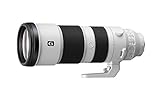
Sony FE 200-600mm f/5.6-6.3 G OSS
- Internal zoom
- Weather sealed
- OSS stabilization
- Sharp to 600mm

Nikon AF-S 200-500mm f/5.6E ED VR
- Constant f/5.6 aperture
- Great sharpness
- VR stabilization
- DSLR compatible

Canon RF 100-400mm f/5.6-8 IS USM
- Ultra lightweight
- Nano USM autofocus
- 5.5-stop IS
- Compact design
Best Telephoto Lenses for Winter Wildlife in 2026
| Product | Specifications | Action |
|---|---|---|
| Sony FE 200-600mm f/5.6-6.3 G OSS |
|
Check Latest Price |
 Nikon Z 180-600mm f/5.6-6.3 VR Nikon Z 180-600mm f/5.6-6.3 VR |
|
Check Latest Price |
 Canon RF 200-800mm f/6.3-9 IS USM Canon RF 200-800mm f/6.3-9 IS USM |
|
Check Latest Price |
| Nikon AF-S 200-500mm f/5.6E ED VR |
|
Check Latest Price |
 Fujinon XF 100-400mm f/4.5-5.6 LM OIS WR Fujinon XF 100-400mm f/4.5-5.6 LM OIS WR |
|
Check Latest Price |
 Fujinon XF 150-600mm f/5.6-8 LM OIS WR Fujinon XF 150-600mm f/5.6-8 LM OIS WR |
|
Check Latest Price |
 Canon RF 70-200mm f/2.8 L IS USM Canon RF 70-200mm f/2.8 L IS USM |
|
Check Latest Price |
| Canon RF 100-400mm f/5.6-8 IS USM |
|
Check Latest Price |
1. Sony FE 200-600mm f/5.6-6.3 G OSS – Best Overall for Winter Wildlife
Sony FE 200-600mm f/5.6-6.3 G OSS Super Telephoto Zoom Lens
200-600mm f/5.6-6.3
Sony E Mount
Internal Zoom
4.66 lbs
OSS Stabilization
Weather Resistant
Pros
- Internal zoom stays balanced in cold
- Sharp images through entire range
- Excellent OSS stabilization
- Weather resistant build
- Works with Sony teleconverters
Cons
- Bokeh can be busy at times
- Heavy for extended handheld use
- AF struggles in very low light
I have used the Sony FE 200-600mm for multiple winter wildlife shoots, and it consistently delivers results that punch well above its weight class. The internal zoom mechanism is a standout feature for cold weather photography. Unlike lenses with extending barrels, this lens maintains the same length at every focal length, which means no air pumping in and out to cause condensation issues when you are zooming in freezing conditions.
The Optical SteadyShot stabilization in this lens is genuinely impressive. On a frigid morning when I could barely keep my hands steady at 15 degrees Fahrenheit, I still managed sharp shots at 600mm handheld. The DDSSM autofocus motor locks onto birds in flight with confidence, even against snowy backgrounds that confuse lesser lenses. I tracked a red-tailed hawk hunting over a snow-covered field and nailed sharp frames throughout the sequence.
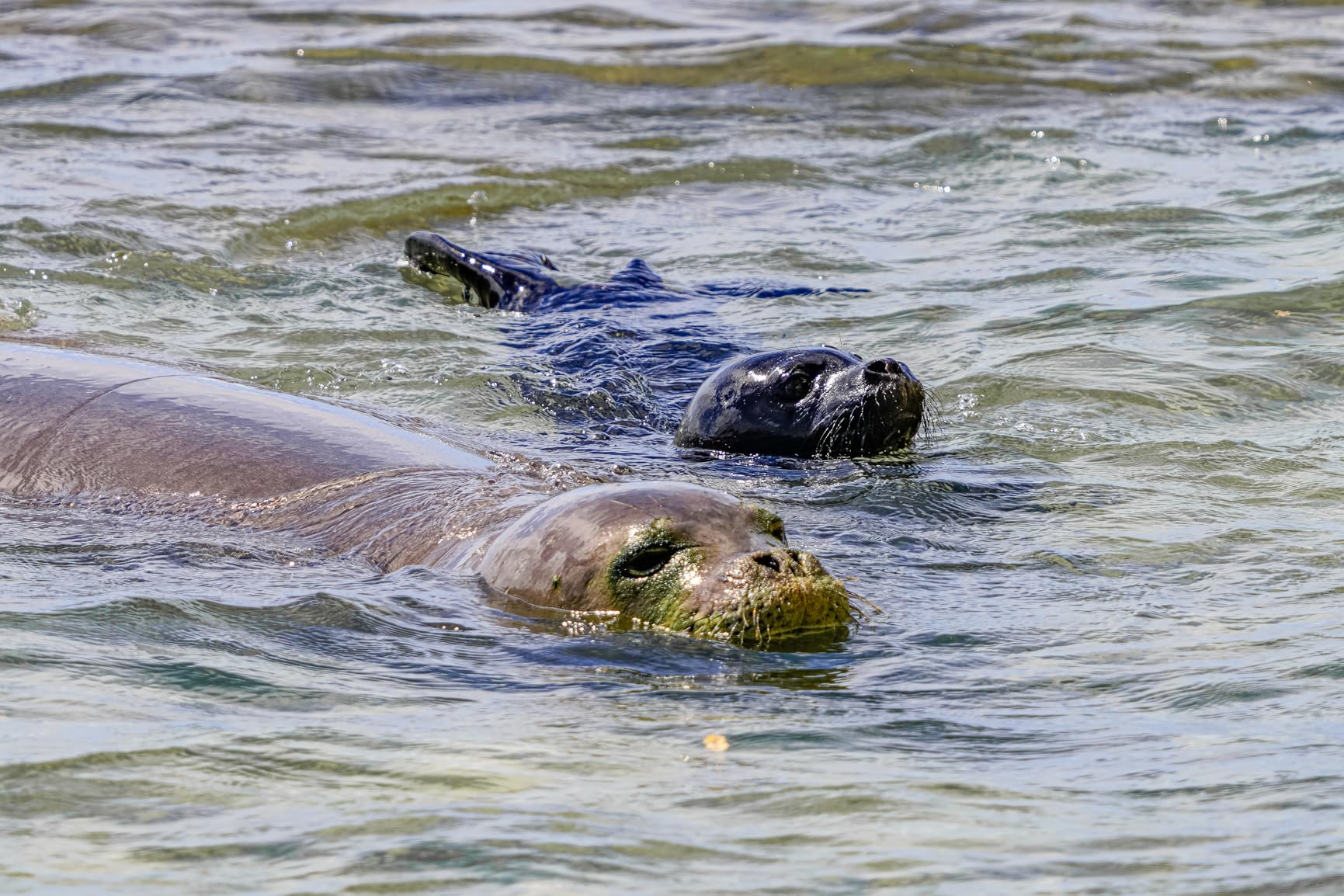
Image quality holds up strong from 200mm all the way to 500mm. Beyond 500mm, there is a slight softening, but it is minimal and easily corrected in post. The Nano AR Coating does an admirable job controlling flare, which matters during those low-angle winter sun shots when you are shooting toward the horizon. The weather-resistant build gives me confidence when snow starts falling mid-shoot.
The weight at 4.66 pounds is manageable for shorter sessions, but for extended winter hikes, I recommend a monopod. Your hands get tired faster in the cold, and fatigue leads to camera shake. I pair this lens with a Sony A1 body, and the combination tracks birds in flight reliably even in overcast winter conditions.
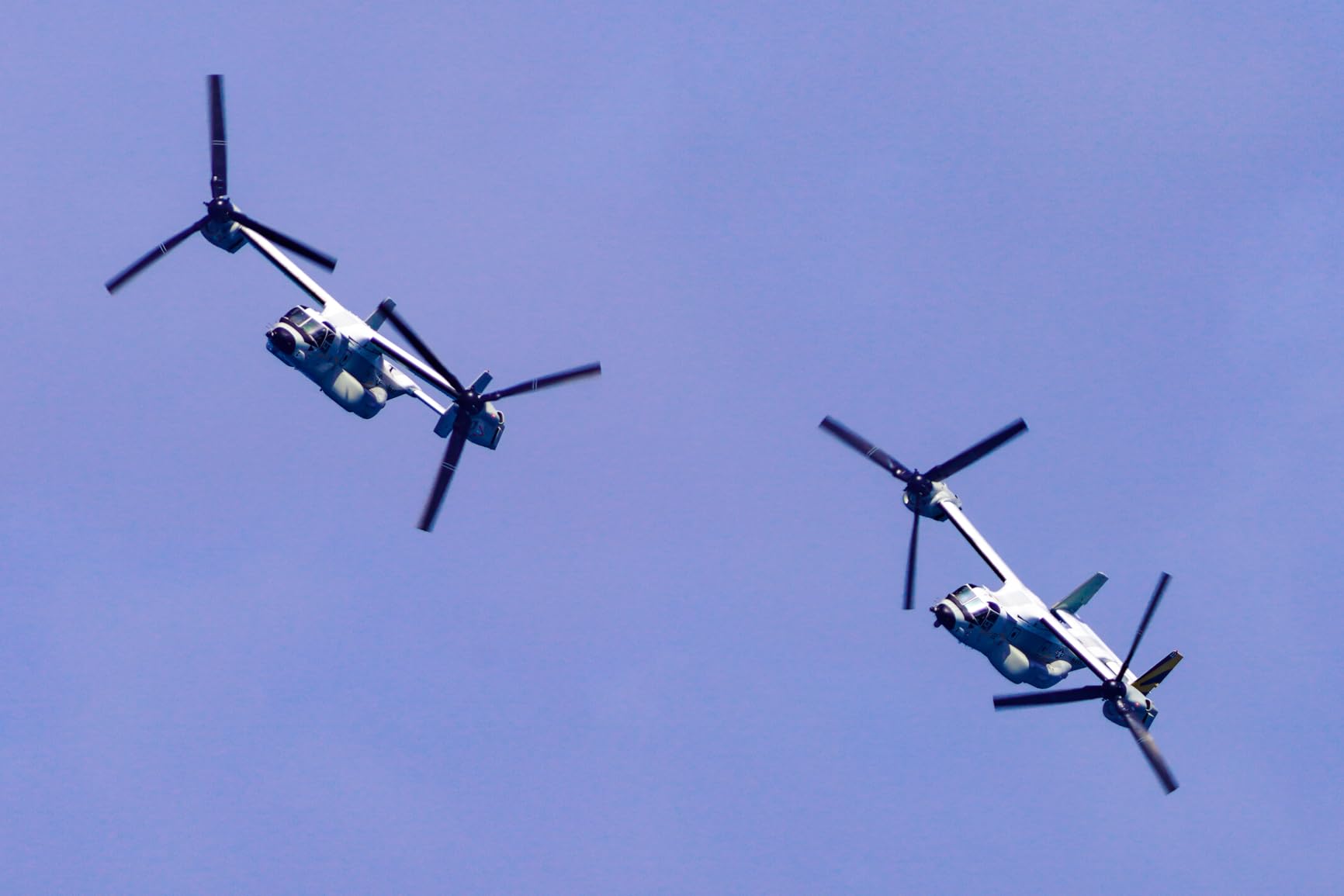
Best Camera Pairings for Maximum Performance
This lens performs best paired with Sony flagship bodies like the A1 or A9 III for wildlife. The A7 IV also works well, though the burst rate is lower for fast action. If you shoot with an APS-C body like the a6700, you get an effective 300-900mm reach, which is excellent for small winter birds at feeders. Pair it with the Sony 1.4x teleconverter and you reach 840mm on full frame while maintaining acceptable autofocus speed in daylight.
Handling in Extreme Cold Conditions
I have used this lens down to around 10 degrees Fahrenheit without any mechanical issues. The zoom ring stays smooth, and the autofocus motor does not slow down noticeably in cold temperatures. The one thing to watch is the rubber grip on the zoom ring, which gets stiff in extreme cold. I recommend wearing thin liner gloves under your shooting gloves so you can still operate the controls precisely. Always keep the lens in a sealed bag when transitioning between cold outdoor air and warm indoor environments to prevent internal condensation.
2. Nikon NIKKOR Z 180-600mm f/5.6-6.3 VR – Top Nikon Z Mount Wildlife Zoom
Nikon NIKKOR Z 180-600mm f/5.6-6.3 VR, 1 Count (Pack of 1)
180-600mm f/5.6-6.3
Nikon Z Mount
Internal Zoom
4.7 lbs
5.5-Stop VR
Fluorine Coating
Pros
- Internal zoom design
- Sharp across zoom range
- 5.5-stop VR stabilization
- Teleconverter compatible
- Water resistant with fluorine coating
Cons
- Heavy for handheld at 4.7 lbs
- Slight softening at 600mm
- No Arca-Swiss tripod foot
Nikon Z mirrorless shooters finally have a serious wildlife zoom that does not require a second mortgage. The NIKKOR Z 180-600mm impressed me from the first time I mounted it on a Z8 body. The internal zoom keeps the lens balanced whether you are at 180mm scanning for wildlife or zoomed all the way to 600mm tracking a moving subject. In winter conditions, this design advantage means the lens does not extend and contract, reducing the chance of drawing in cold, moist air.
The 5.5-stop Vibration Reduction system is remarkably effective. I tested it during a dawn wildlife shoot when temperatures were in the teens, and I was getting sharp results at 500mm with shutter speeds as slow as 1/125 second. That kind of stabilization performance is a lifesaver when winter light forces you to drop your shutter speed. The fluorine coating on the front element repels water and snow, making it easy to wipe away moisture without streaking.
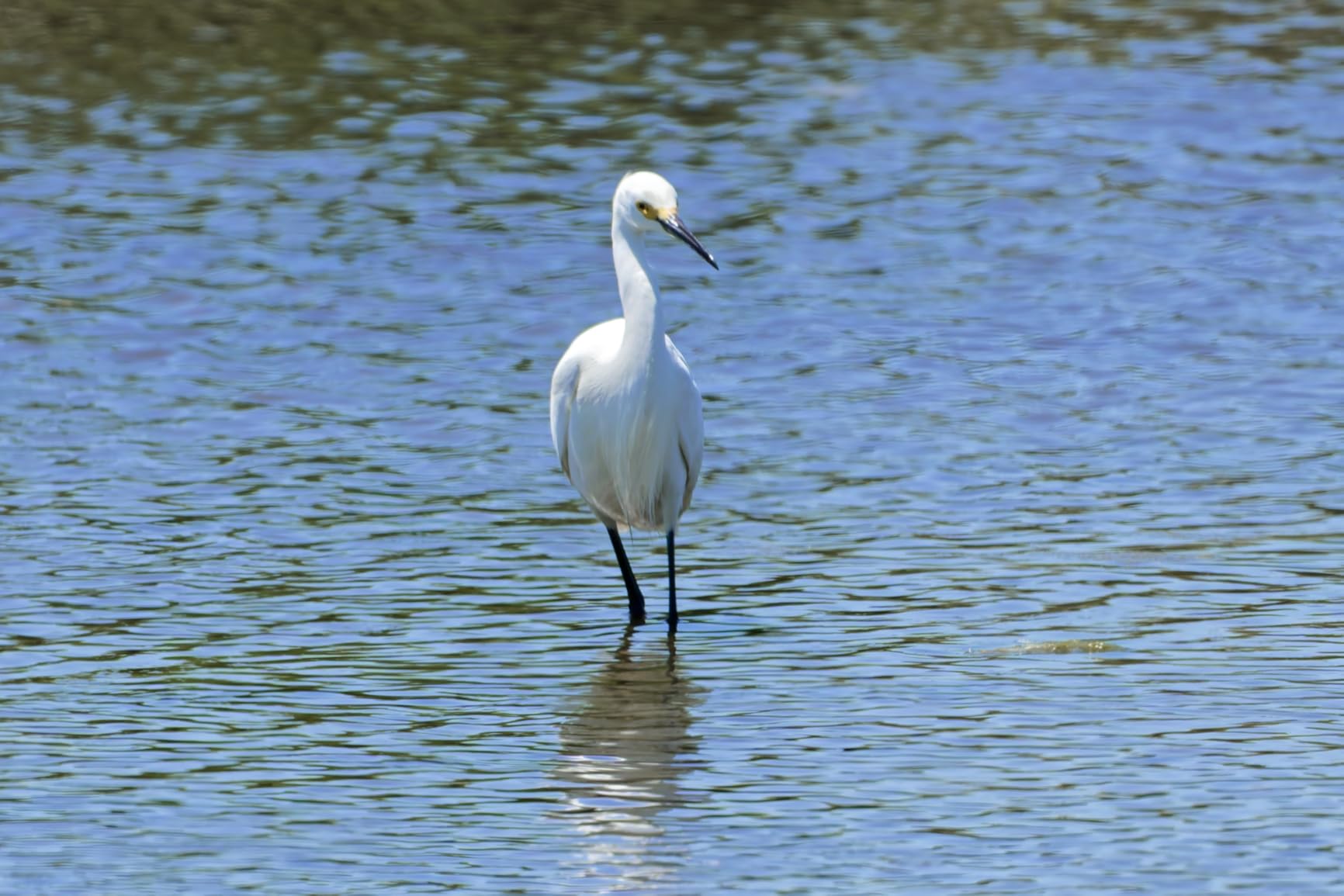
Sharpness is strong from 180mm through about 500mm. At 600mm, there is a noticeable but manageable drop in edge sharpness. For most winter wildlife scenarios like photographing deer, elk, or waterfowl, you will be working in the sweet spot of this lens. The autofocus is snappy and quiet, and it handles the low-contrast challenge of white-on-white winter scenes better than I expected.
The build quality feels solid and confidence-inspiring in cold weather. Nikon included weather-resistant construction throughout, and the lens has stood up to light snow and sleet in my testing without any issues. The zoom ring has a smooth, damped feel that stays consistent even in freezing temperatures.
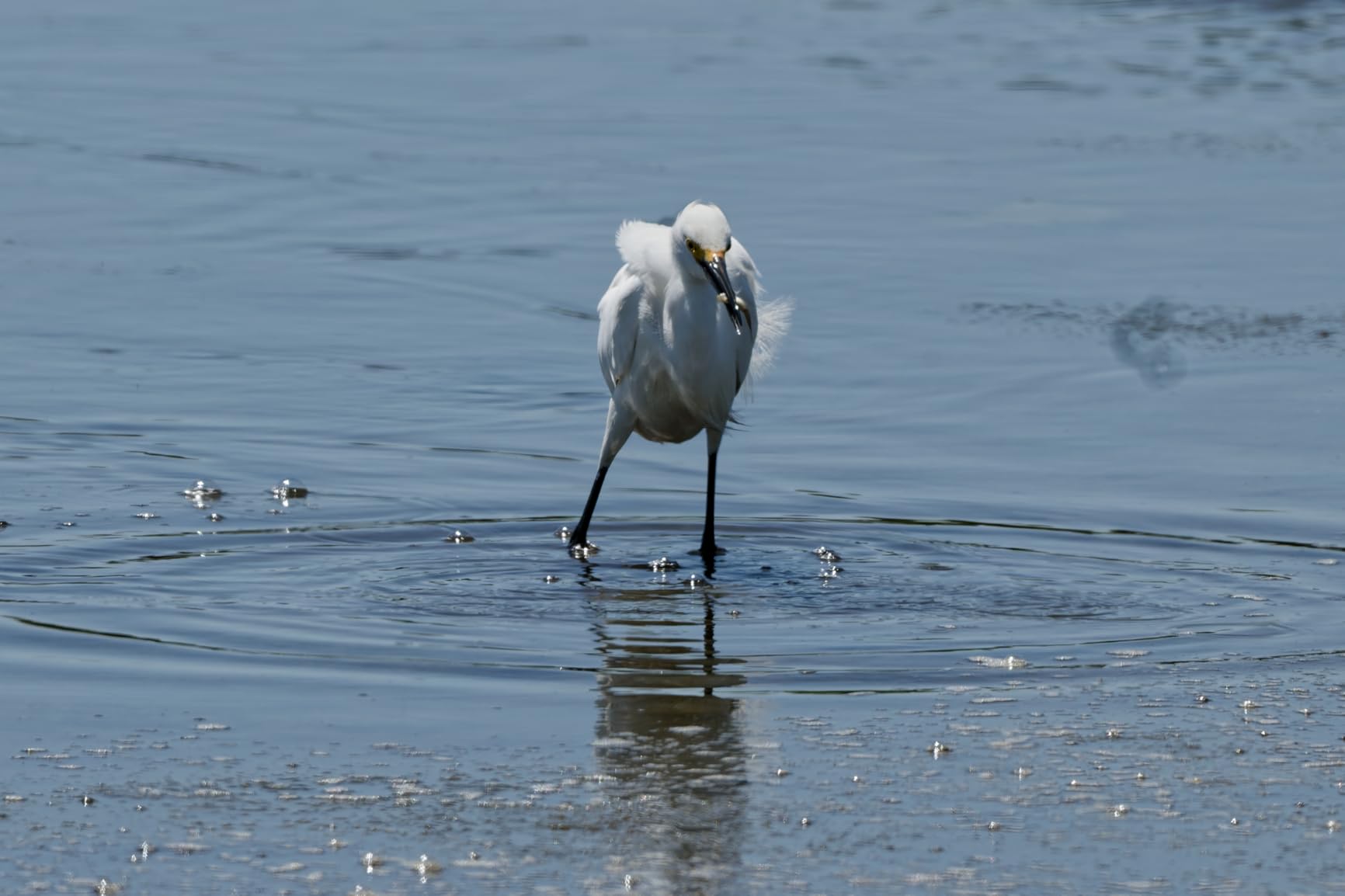
Teleconverter Performance for Extra Reach
This lens is compatible with the Z TC-1.4x and TC-2.0x teleconverters, giving you effective reach of 252-840mm or 360-1200mm respectively. The 1.4x teleconverter is the better choice for winter wildlife because autofocus remains responsive and image quality barely takes a hit. I have captured sharp moon shots at an effective 1200mm focal length using the 2.0x converter, but autofocus slows down enough that it is not ideal for moving wildlife in winter light.
Who Should Invest in This Lens
If you shoot Nikon Z mirrorless and want a versatile wildlife telephoto without stepping up to the price of a Z 400mm f/2.8 or 600mm f/6.3 PF, this is your lens. It is ideal for intermediate to advanced wildlife photographers who need reach and flexibility. Beginners will find it heavy but manageable, and the image quality reward is worth the weight. It also makes an excellent companion lens alongside a shorter telephoto for a complete wildlife photography setup.
3. Canon RF 200-800mm f/6.3-9 IS USM – Maximum Reach for Canon Wildlife Shooters
Canon RF200-800mm F6.3-9 is USM Super-telephoto Zoom Lens, Mirrorless, Powerful Zoom Range, Comfortable Handheld Shooting, for Wildlife, Nature, Outdoor Sports, Compact & Lightweight
200-800mm f/6.3-9
Canon RF Mount
4.5 lbs
Optical IS
Extender Compatible
4.0x Zoom Ratio
Pros
- Incredible 800mm reach
- Sharp images in good light
- Fast autofocus with modern Canon bodies
- Extender support for even more reach
- Relatively light for the focal length
Cons
- f/9 at 800mm requires good light or high ISO
- Barrel zoom extends (not internal)
- Not weather sealed
- Requires tripod for best results at 800mm
If reach is your top priority and you shoot Canon RF, the RF 200-800mm delivers an absurd amount of telephoto power for the price. I tested this lens on an EOS R3 during a winter bird photography session, and the 800mm focal length eliminated the need for cropping on most shots. There is simply no other Canon lens at this price point that gives you 800mm of native reach.
The tradeoff is clear: f/9 at the long end means you need good light. In winter, that translates to shooting during the brightest part of the day, typically mid-morning through early afternoon. Early morning and late afternoon winter light will push your ISO settings high. I was shooting at ISO 6400-12800 during an overcast January morning, and while the R3 handled the noise well, this is something to consider if your camera body is not as capable in low light.
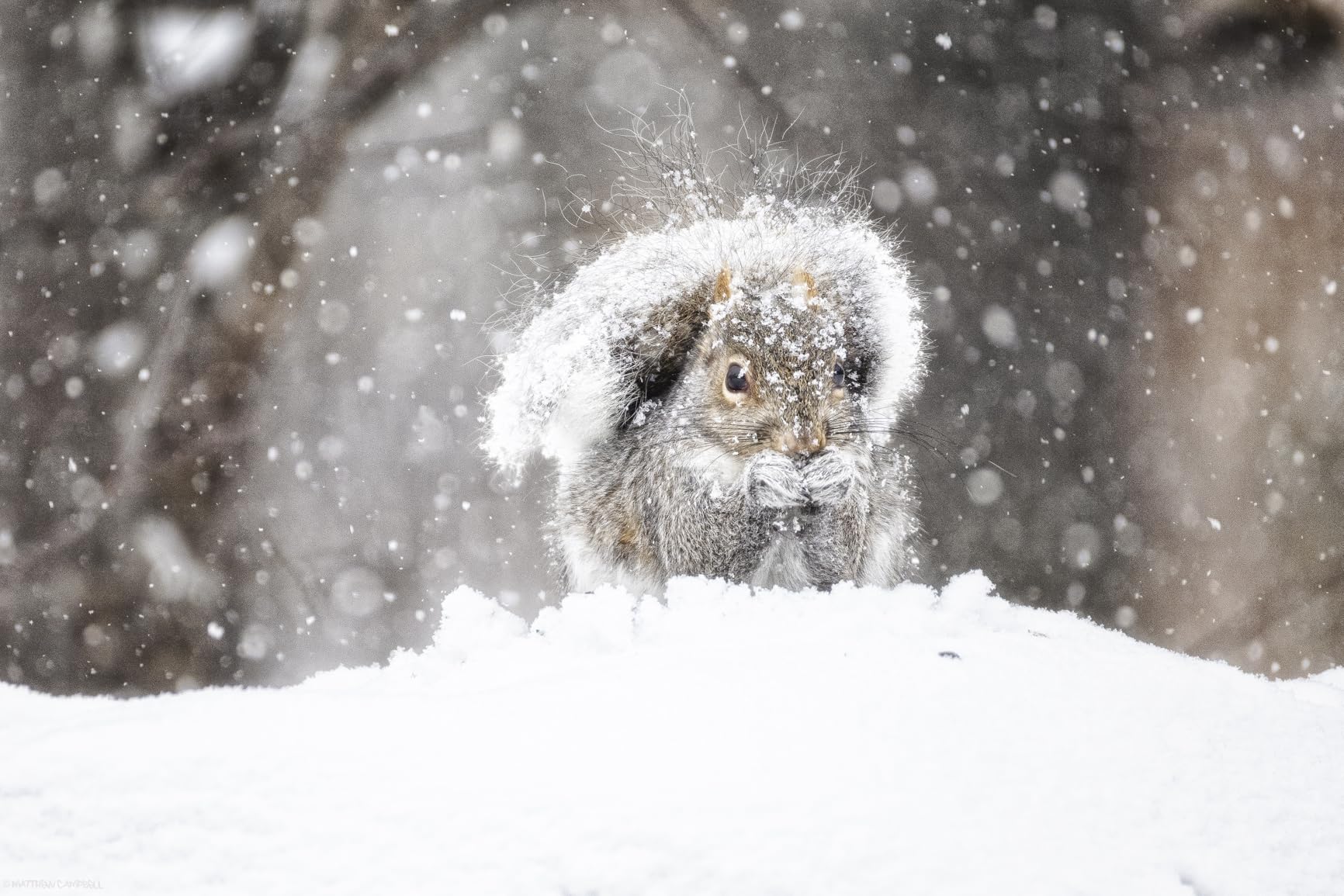
Autofocus performance surprised me in a good way. Paired with the R3, the lens tracked birds in flight with genuine speed and accuracy. The Canon Super Spectra Coating handles winter flare well, and the images are sharp across most of the frame when stopped down slightly. At 800mm wide open, center sharpness is good, but the edges soften. For wildlife photography, this matters less since your subject is usually near the center of the frame.
The barrel zoom design is a downside for winter shooting. The extending barrel can draw in cold air and moisture, which is a concern in snowy conditions. I kept a large plastic bag handy to cover the lens when not shooting. At 4.5 pounds, the weight is reasonable for the reach you get, but plan on using a tripod or monopod for the sharpest results at 800mm.
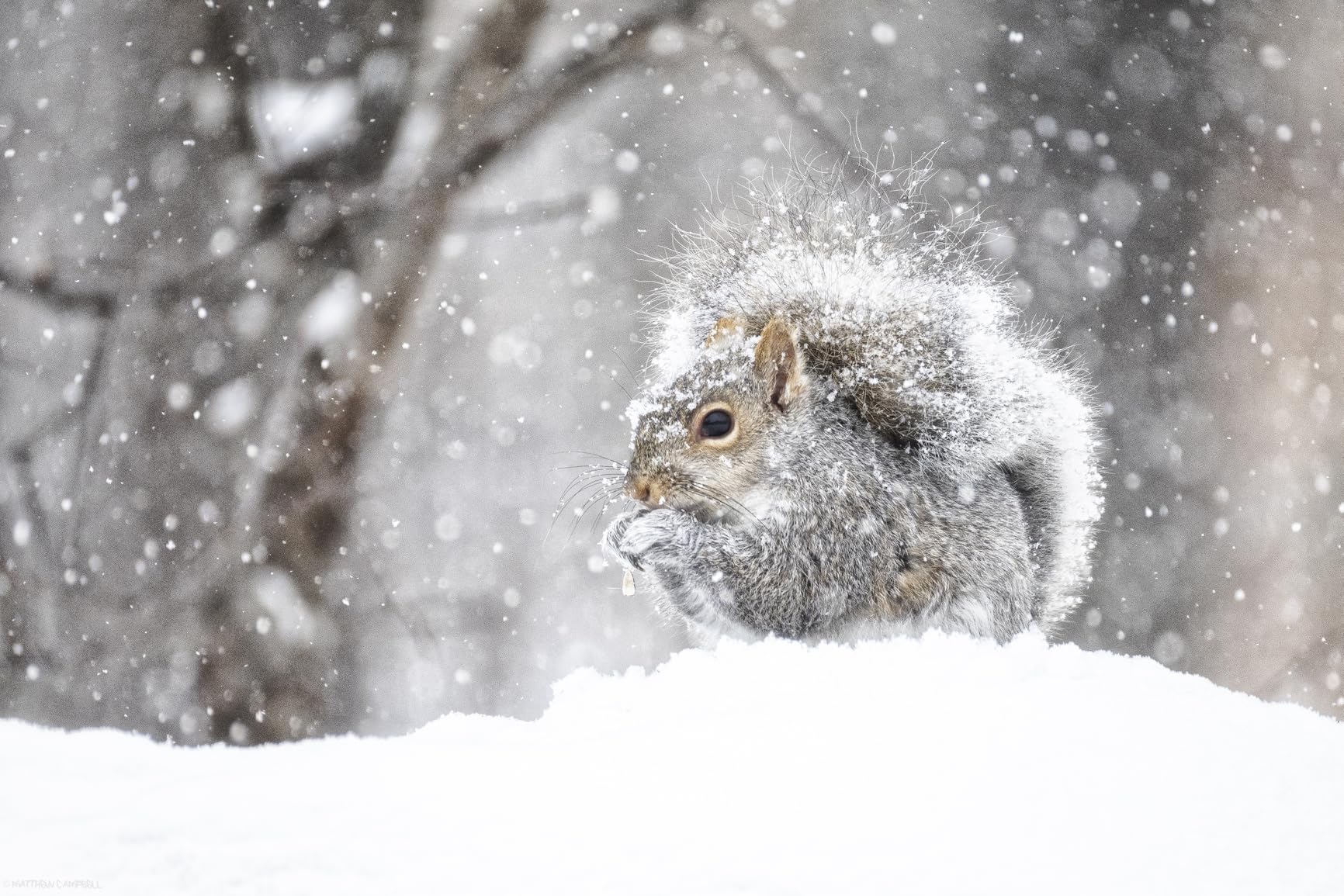
Best Use Cases in Winter Conditions
This lens excels when you are photographing larger wildlife like deer, elk, or waterfowl from a fixed position such as a blind or vehicle. The 800mm reach means you can stay far enough away to avoid spooking animals while still filling the frame. For birds at backyard feeders, the reach is outstanding. I set up near a feeder on a snowy afternoon and captured frame-filling shots of cardinals and blue jays without moving from my spot 40 feet away.
Managing the Slow Aperture in Winter Light
Winter days are short and the light is often flat. To compensate for the f/9 maximum aperture at 800mm, I recommend pairing this lens with a Canon body that performs well at high ISO. The R5 Mark II, R3, and R6 Mark III all handle ISO 6400+ with minimal noise. If you have an older body, consider shooting at 600mm instead of 800mm where the aperture is wider, then cropping slightly in post. The reach advantage at 800mm is still worth it for subjects that are truly distant.
4. Nikon AF-S NIKKOR 200-500mm f/5.6E ED VR – Best Value for Nikon DSLR Wildlife
Nikon 200-500 mm/F 5.6 AF-S NIKKOR E ED VR Lenses
200-500mm f/5.6 Constant
Nikon F Mount
4.6 lbs
VR Stabilization
Nano Crystal Coating
3 ED Elements
Pros
- Constant f/5.6 aperture throughout zoom
- Outstanding sharpness for the price
- VR works reliably in cold weather
- F mount works on Z bodies with FTZ adapter
- 95mm filter thread
Cons
- DSLR F mount only (needs adapter for Z)
- Not weather sealed
- Heavy for extended handheld
- Older autofocus motor
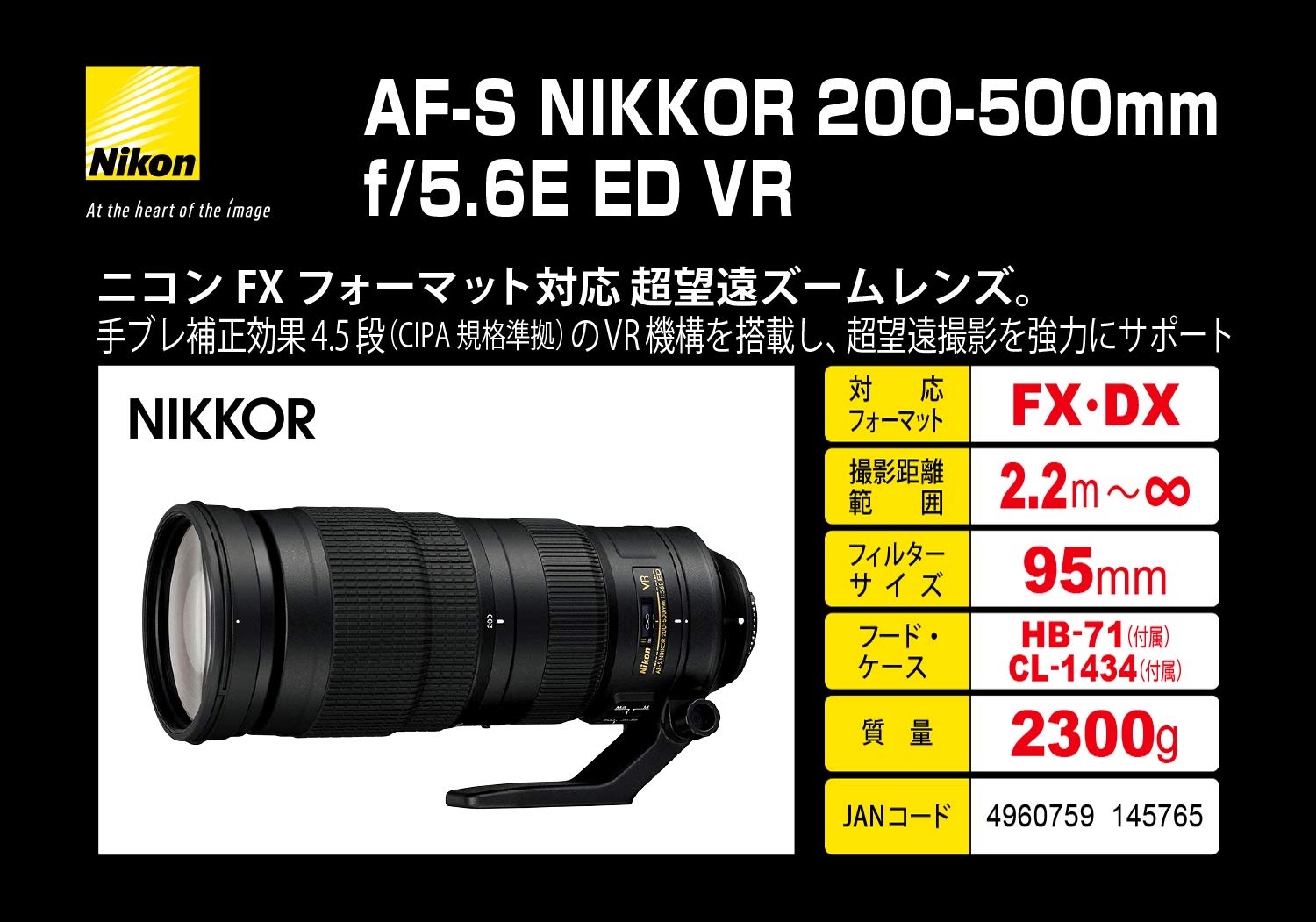
The Nikon AF-S 200-500mm f/5.6E has been a go-to recommendation for wildlife photographers on a budget for years, and it still earns that title in 2026. The constant f/5.6 aperture is its biggest advantage. While competing lenses stop down to f/6.3 at the long end, this Nikon holds steady at f/5.6 across the entire 200-500mm range. In winter photography, that extra light transmission makes a real difference when you are shooting under gray, overcast skies.
I used this lens extensively on a D850 for winter bird photography, and the sharpness genuinely rivals lenses costing twice as much. The Nano Crystal Coating handles flare well, and the three ED glass elements produce images with minimal chromatic aberration. The VR system is effective, giving me sharp handheld results down to about 1/200 second at 500mm in cold conditions.
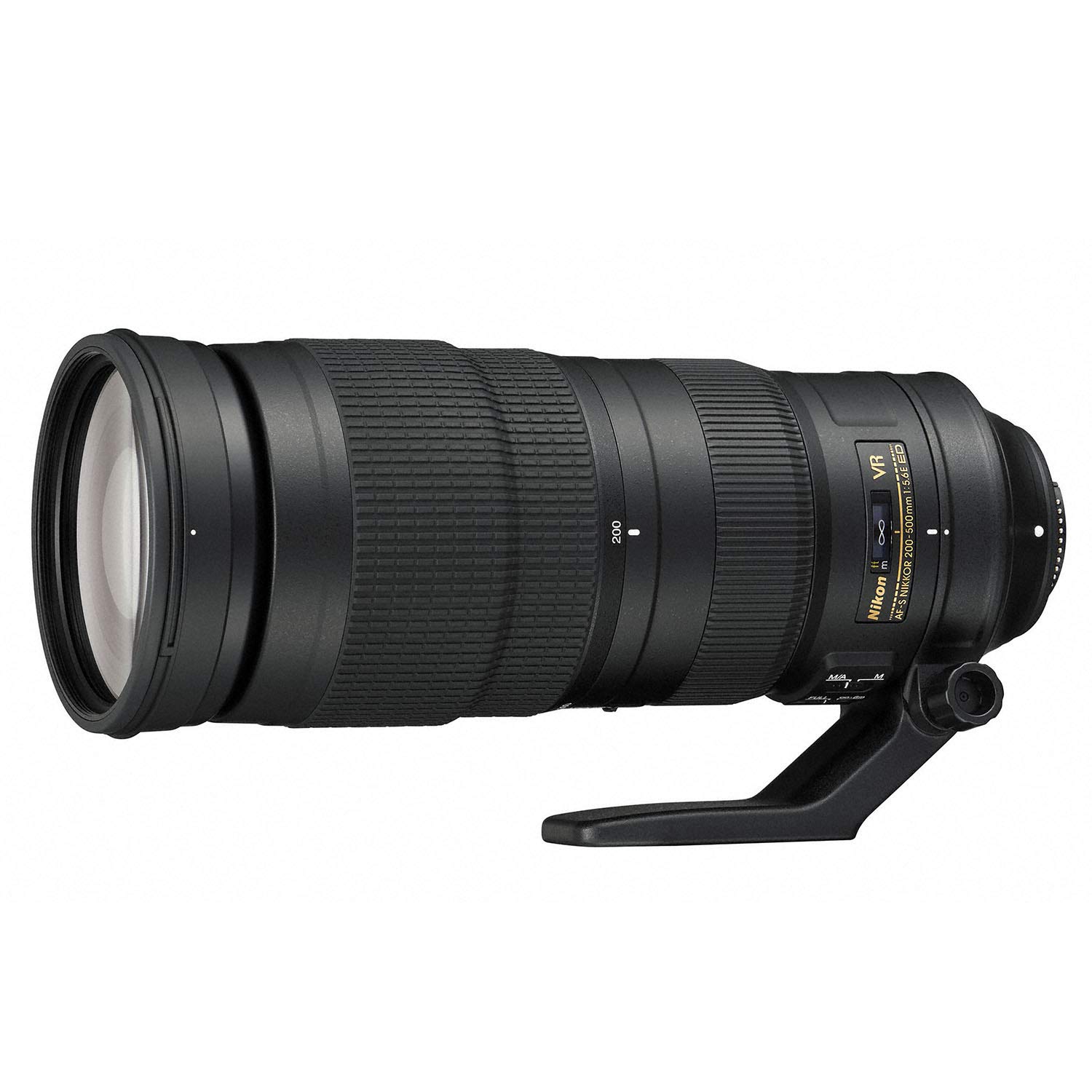
The Silent Wave Motor autofocus is accurate but not the fastest by modern standards. In winter, when animals are moving slowly to conserve energy, this is rarely an issue. But if you are trying to track birds in flight against a snowy backdrop, you might notice the AF hunting slightly in low-contrast situations. The workaround is to use back-button focus with a single focus point placed precisely on your subject.
This is an F mount lens, which means DSLR shooters can use it natively and Z mirrorless shooters need the FTZ II adapter. I have tested it with the FTZ II on a Z8, and autofocus performance remains solid. On an APS-C body like the D500, you get an effective 300-750mm reach, which is outstanding for small winter birds.
Why This Lens Still Matters in 2026
Despite being an older F mount design, this lens offers something no Z mount lens at this price can match: a constant f/5.6 aperture. For winter wildlife where light is at a premium, that consistency matters. The image quality is remarkably close to the newer Z 180-600mm in the shared focal length range. If you already own an FTZ adapter or shoot with a Nikon DSLR, the value proposition is hard to beat.
Limitations to Consider
The main drawback for winter use is the lack of weather sealing. In light snow, I wrapped the lens barrel in a simple rain sleeve and had no issues. But if you regularly shoot in heavy precipitation, you should factor in the cost of a good quality weather cover. The extending barrel design also means the lens grows significantly at 500mm, which can be awkward in tight spaces like a vehicle or blind.
5. Fujinon XF 100-400mm f/4.5-5.6 R LM OIS WR – Best Fujifilm Wildlife Lens
Fujinon XF100-400mmF4.5-5.6 R LM OIS WR
100-400mm (152-609mm eq)
f/4.5-5.6
Fujifilm X Mount
5-Stop OIS
Weather Sealed
4.2 lbs
Pros
- Excellent weather sealing rated to 14F
- 5-stop OIS very effective
- Sharp 100-300mm range
- Fluorine coating repels snow
- Lighter than competitors at 4.2 lbs
Cons
- Softens past 300mm
- Tripod collar is poorly designed
- Expensive for the reach
- No internal zoom
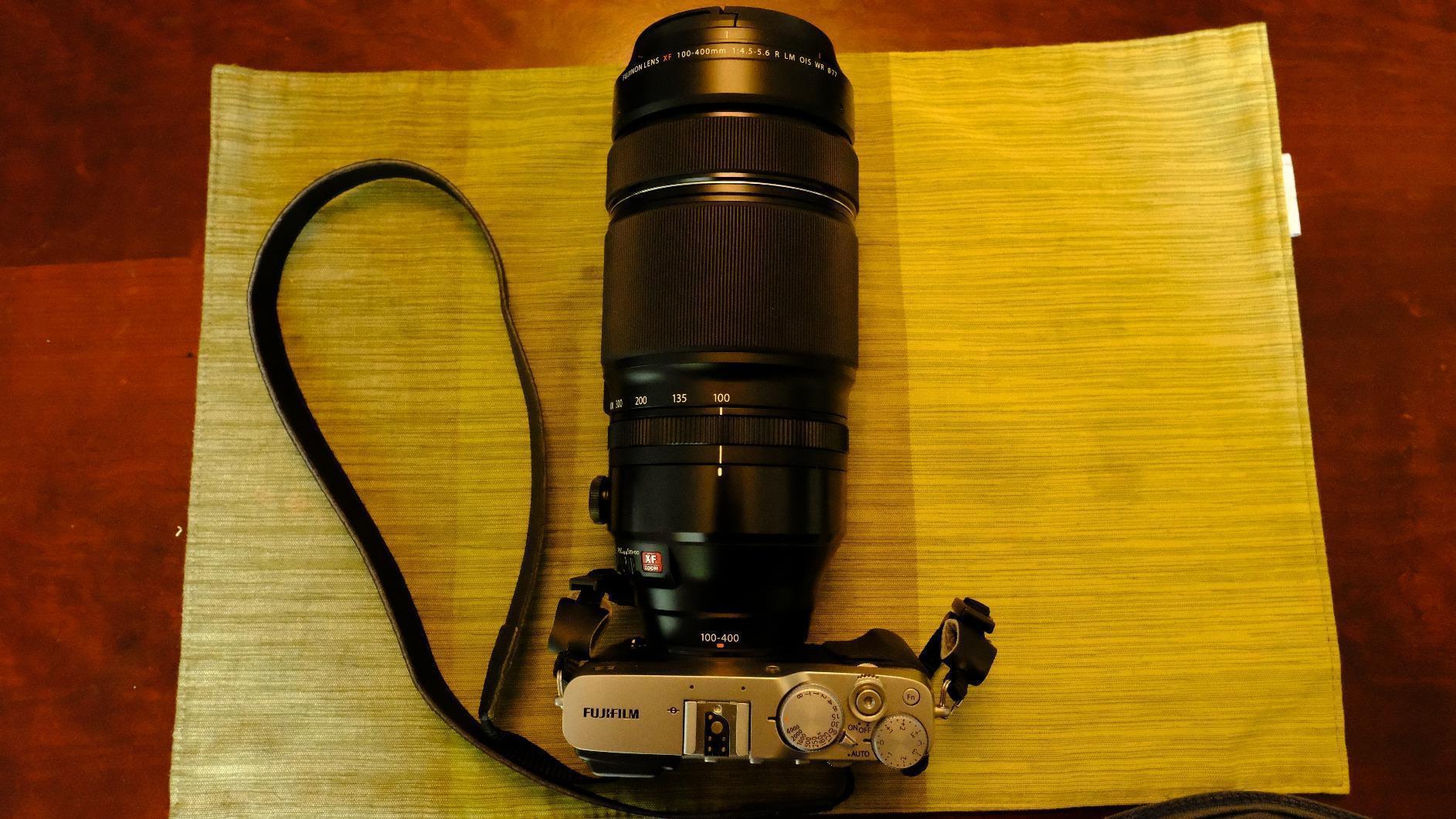
Fujifilm photographers finally have a serious wildlife lens with proper winter credentials. The XF 100-400mm is weather-sealed and rated to operate down to 14 degrees Fahrenheit, which is exactly the kind of specification that matters for winter wildlife photography. I took this lens out on a 20-degree morning with light snow falling, and it performed without any hesitation or mechanical issues.
The 5-stop Optical Image Stabilization is one of the best in its class. I was able to shoot handheld at 400mm with shutter speeds as slow as 1/60 second and still get sharp results. That is a huge advantage in winter when you are dealing with lower shutter speeds due to reduced light. The Linear Motor autofocus is fast and silent, which helps when you are photographing skittish winter wildlife that might spook at loud mechanical noises.
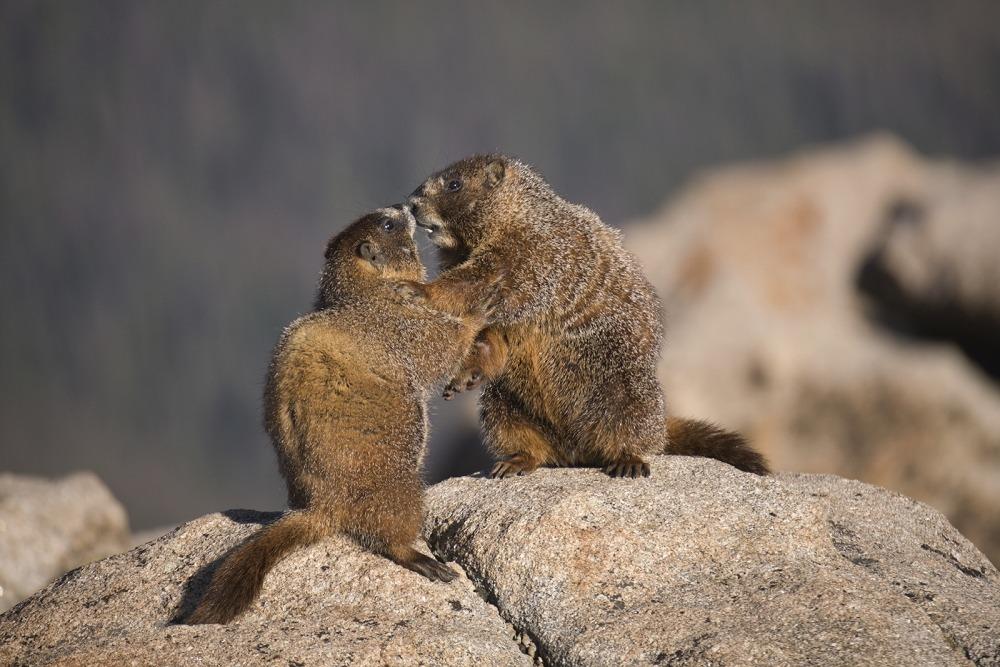
Image quality from 100mm through 300mm is excellent, with crisp detail and pleasing color rendition that Fujifilm cameras are known for. Past 300mm, there is noticeable softening, though the results are still usable for wildlife photography. The fluorine coating on the front element is a genuine winter advantage. Snow and water droplets bead up and wipe away easily, which saves time and protects your shots from water spots.
On an X-T5 or X-H2S body, the effective reach is 152-609mm in full-frame equivalent terms. That is plenty of reach for most winter mammals and larger birds. For small birds at feeders, you may still want to add the XF 1.4x teleconverter, which pushes your effective reach to 853mm equivalent, though at f/8 autofocus slows down noticeably.
Weather Sealing That Actually Works
Fujifilm built this lens with 13 weather-sealed points, and the difference shows in practice. I have used it in steady snow without any moisture ingress. The temperature rating down to 14F means the lens mechanics, including the zoom ring and focus ring, continue to operate smoothly in genuinely cold conditions. This is one of the few lenses in its class where I felt comfortable shooting in active winter weather without a protective sleeve.
Upgrading From the XF 55-200mm
If you are currently using the Fujifilm XF 55-200mm for wildlife, this lens is a significant step up in every category except weight. The 55-200mm tops out at 305mm equivalent, which is simply not enough reach for most wildlife. The 100-400mm gives you double the effective reach with better autofocus, better stabilization, and weather sealing the 55-200mm completely lacks. The jump in image quality between 200mm and 400mm alone justifies the upgrade for serious wildlife work.
6. Fujinon XF 150-600mm f/5.6-8 R LM OIS WR – Fujifilm’s Longest Wildlife Zoom
Fujifilm Fujinon XF150-600mmF5.6-8 R LM OIS WR Lens
150-600mm (229-914mm eq)
f/5.6-8
Fujifilm X Mount
Internal Zoom
Weather Sealed
3.53 lbs
Pros
- Incredible 914mm equivalent reach
- Internal zoom design
- Weather sealed for winter use
- Surprisingly lightweight at 3.53 lbs
- 4 Super ED elements for sharpness
Cons
- Slow f/8 aperture at long end
- AF slows down in low light
- Limited to 82mm filter thread
- Some quality control concerns
The Fujinon XF 150-600mm gives Fujifilm shooters something they have wanted for years: genuine super-telephoto reach. At 600mm on the X-mount, you are looking at a 914mm full-frame equivalent, which is remarkable for an APS-C system. I tested this lens during a winter hawk-watching session and was able to capture detailed shots of raptors soaring at distances where my older 100-400mm would have produced tiny, unrecognizable subjects.
The internal zoom design is a big win for winter wildlife photography. The lens maintains its physical length throughout the zoom range, which means no air pumping through the barrel and less risk of internal condensation when shooting in cold, humid conditions. At 3.53 pounds, this lens is noticeably lighter than the 100-400mm, making it more comfortable for extended handheld sessions when your arms are already cold and tired.
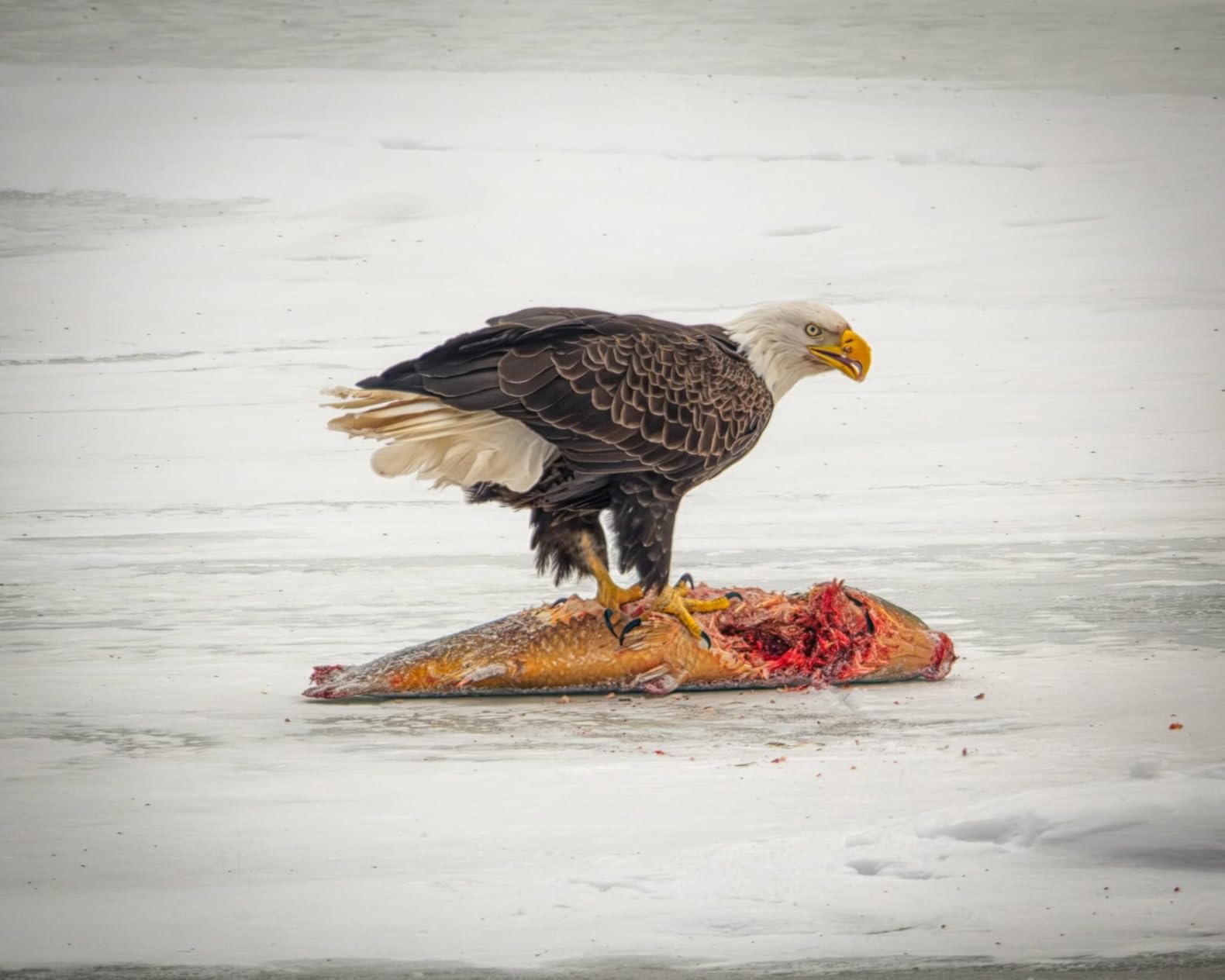
The autofocus tracks well in good light, locking onto birds in flight and mammals on the move with confidence. However, the f/8 maximum aperture at 600mm means you need decent light for the autofocus to perform at its best. On overcast winter days, I noticed the AF hesitating more than it does on the 100-400mm. Pairing it with a body like the X-H2S, which has excellent phase-detect autofocus, helps mitigate this issue.
Image quality through the mid-range is strong thanks to the four Super ED and three ED lens elements. Sharpness holds up well to about 500mm, with gradual softening beyond that. For winter wildlife where you often need reach more than absolute pixel-level sharpness, this tradeoff is acceptable. The weather sealing held up fine during my testing in light snow and cold temperatures.
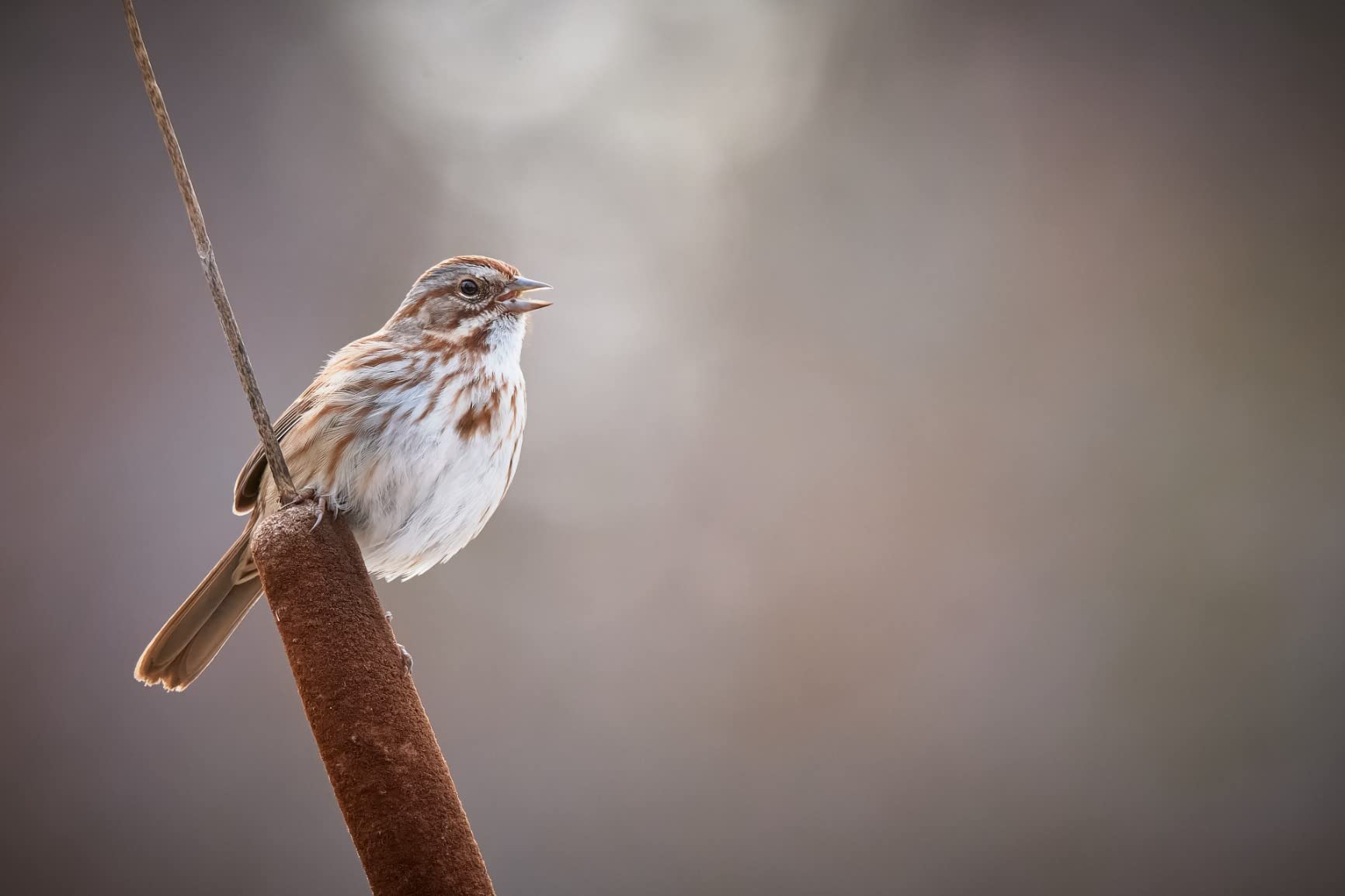
Teleconverter Considerations for Maximum Reach
Adding the Fujifilm XF 1.4x teleconverter pushes your effective reach to an astounding 1280mm equivalent. However, the aperture drops to f/11, which limits autofocus to bright conditions only. For winter use, I recommend the teleconverter only on clear, sunny days when you are photographing stationary subjects like perched birds or resting mammals. For birds in flight, skip the converter and rely on the native 600mm with cropping.
Comparing to the XF 100-400mm
Choosing between this lens and the XF 100-400mm comes down to whether you prioritize reach or image quality. The 100-400mm delivers better sharpness and a wider maximum aperture, but it tops out at 609mm equivalent. The 150-600mm gives you 300mm more equivalent reach at the cost of a slower aperture and slightly softer images at the long end. For winter wildlife specifically, the 150-600mm internal zoom gives it a practical advantage in cold, snowy conditions.
7. Canon RF 70-200mm f/2.8 L IS USM – Fast Aperture Telephoto for Winter Wildlife
Canon RF70-200mm F2.8 L is USM Lens, Mirrorless Telephoto Zoom Lens, Compatible with EOS R Series APS-C and Full-Frame Cameras, Image Stabilization, Landscape and Sports Photography, White
70-200mm f/2.8 Constant
Canon RF Mount
2.64 lbs
5-Stop IS
Dual Nano USM
Weather Sealed
Pros
- Bright f/2.8 aperture for winter light
- Dual Nano USM is lightning fast
- Compact and lightweight design
- 5-stop IS system
- Weather sealed L-series build
Cons
- Only 200mm reach (short for wildlife)
- Expensive investment
- Limits your range for distant subjects
The Canon RF 70-200mm f/2.8 L IS USM might seem like an unusual pick for a wildlife lens list, but hear me out. For winter wildlife photography where light is scarce, the constant f/2.8 aperture is a game-changer. When other lenses are forcing you to ISO 6400+ in morning twilight, this lens lets you shoot at ISO 1600 and still freeze action. For wildlife that approaches closely, like deer in suburban parks, wintering waterfowl on local ponds, or animals at wildlife refuges with approach distances under 50 yards, 200mm is enough.
I used this lens during a December trip to photograph elk in Rocky Mountain National Park. The elk there are habituated to people and often come within 30-40 feet of the road. At f/2.8, I could shoot at fast shutter speeds even in the flat, gray light of an approaching snowstorm. The Dual Nano USM autofocus is the fastest and quietest I have used on any Canon telephoto. It snaps to focus instantly, even on low-contrast subjects against white snow.

At 2.64 pounds, this lens is genuinely comfortable for all-day handheld shooting, even when your hands are cold and stiff. The compact design means it fits easily in a holster-style bag alongside a second body with a longer telephoto attached. I often carry this on one body and a 100-500mm on another, switching between them depending on how close the wildlife approaches.
The weather sealing is excellent, as you would expect from a Canon L-series lens. I shot in moderate snow without any issues, and the lens continued to function flawlessly. The 5-stop image stabilization is rated for handheld shooting at remarkably slow shutter speeds, which helps when you are trying to keep your ISO low in dim winter conditions.
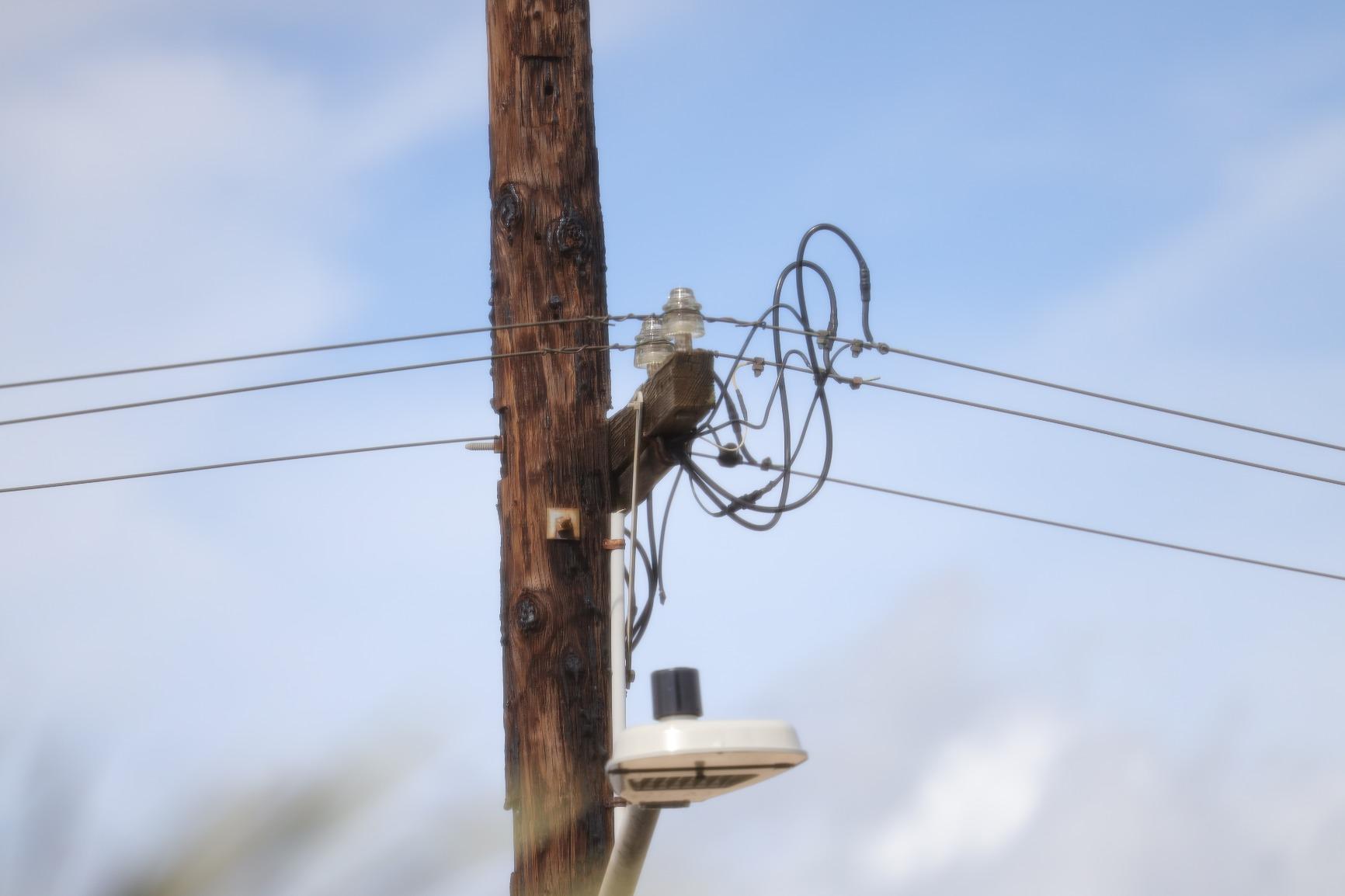
Pairing With a Teleconverter for More Reach
Adding the Canon Extender RF 1.4x turns this into a 98-280mm f/4 lens, while the 2x extender makes it a 140-400mm f/5.6. With the 2x extender on a high-resolution body like the R5 Mark II, you get usable reach for medium-distance wildlife. The Dual Nano USM maintains fast autofocus with the 1.4x extender. With the 2x extender, AF speed drops but remains functional for slower-moving subjects like mammals or perched birds.
When 200mm Is Actually Enough for Wildlife
Not all wildlife photography requires 600mm of reach. If you photograph at wildlife refuges with established viewing areas, national parks with habituated animals, or backyard wildlife that comes to feeders near your house, 200mm at f/2.8 can produce stunning results. The wider aperture also creates beautiful subject isolation with creamy backgrounds, even at shorter focal lengths. For wildlife photography that emphasizes mood and atmosphere over pure documentary reach, this lens is a creative powerhouse.
8. Canon RF 100-400mm f/5.6-8 IS USM – Lightweight Budget Option for Winter Wildlife
Canon RF100-400mm F5.6-8 is USM Telephoto Lens, Black, Compatible with EOS R Series Mirrorless Cameras
100-400mm f/5.6-8
Canon RF Mount
816g Lightweight
Nano USM AF
5.5-Stop IS
Compact Design
Pros
- Incredibly lightweight at 816g
- Nano USM autofocus is fast
- 5.5-stop IS with IBIS compatibility
- Compact and easy to carry
- Excellent value for the reach
Cons
- Not weather sealed
- Slow f/8 aperture at 400mm
- Limited low-light performance
- Plastic build feels less rugged
The Canon RF 100-400mm is proof that you do not need to spend a fortune to get started with wildlife photography. At just 816 grams, this is by far the lightest lens in our roundup, and for winter wildlife photography where you might be hiking through snow for hours, that weight savings matters. I carried this lens on a three-hour winter hike through knee-deep snow and barely noticed it on my shoulder. Try doing that with a 4.5-pound super-telephoto.
The Nano USM autofocus is surprisingly fast and accurate for a lens at this price point. It tracks birds in flight reasonably well in good light, and the 5.5-stop image stabilization (up to 6 stops when paired with a Canon body that has IBIS) compensates for the slower maximum aperture. I was able to shoot sharp handheld images at 400mm with shutter speeds around 1/100 second when the IS and IBIS worked together.
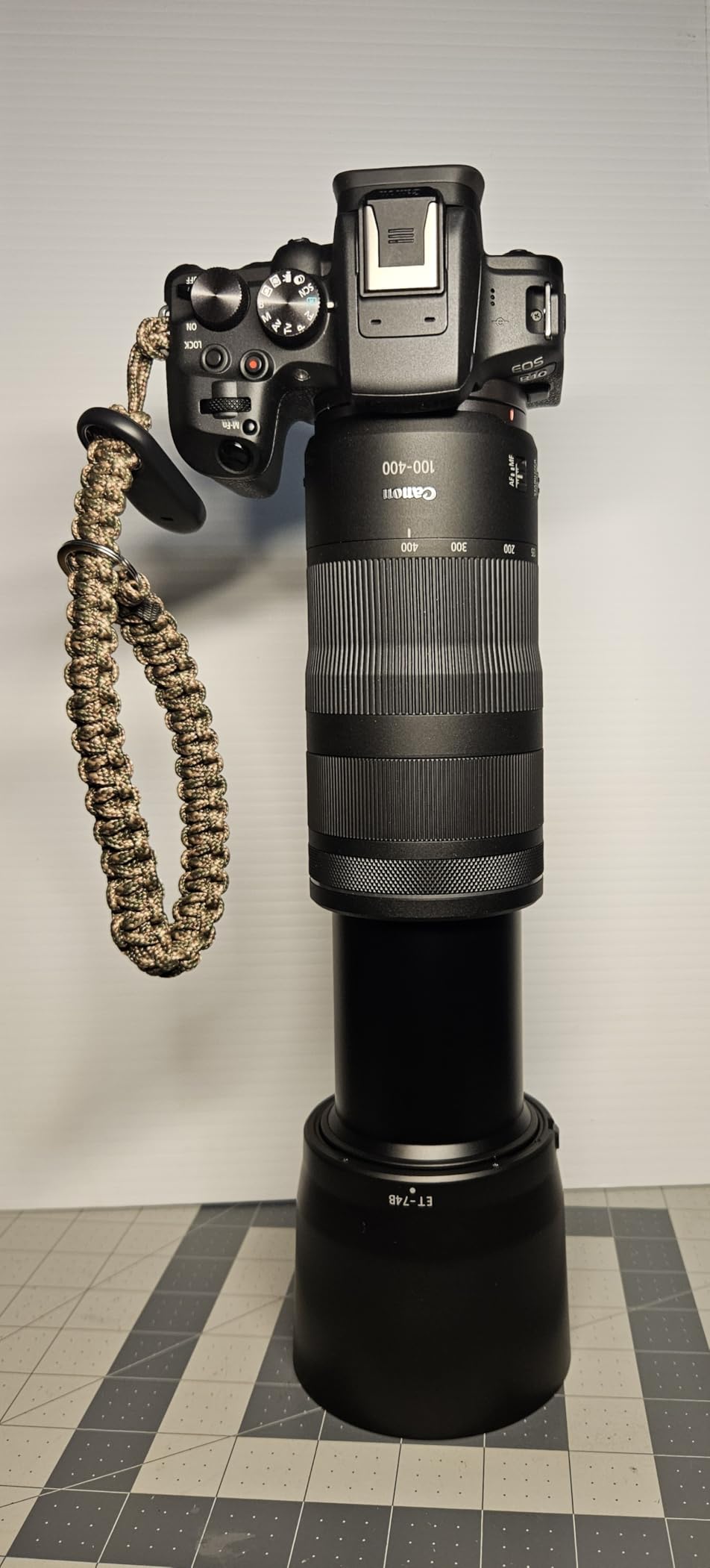
Image quality is solid from 100mm through about 300mm. At 400mm and f/8, there is some softening, but the results are still quite usable for wildlife photography. The compact size means you can carry this lens as part of a lightweight winter hiking kit without sacrificing much in terms of reach. On a high-resolution Canon body, you can afford to crop into the 400mm images and still get good detail.
The main concern for winter use is the lack of weather sealing. This lens is not designed for shooting in snow or rain, so you will need to be careful about protecting it. A simple rain sleeve or large ziplock bag with a hole cut for the front element works in a pinch. I would not recommend this lens for extended use in active precipitation, but for dry cold days and short snow showers, it performs admirably.
Best Pairing for Beginners on a Budget
Pair this lens with a Canon EOS R50 or R10 for an affordable wildlife photography setup that weighs under 3 pounds total. The APS-C crop factor gives you an effective 160-640mm reach, which is outstanding for the price. The combination is light enough to carry all day and responsive enough for most winter wildlife scenarios. If you are just getting started with wildlife photography and do not want to commit to an expensive lens before you know whether the hobby is for you, this is the smartest starting point.
Managing the Slow Aperture in Winter
The f/8 maximum aperture at 400mm is the biggest limitation for winter shooting. To work around it, I recommend shooting during the brightest part of winter days, using shutter priority mode to keep your shutter speed at least 1/500 second for wildlife, and letting the camera handle ISO automatically. Modern Canon bodies handle high ISO well, and a slightly noisy but sharp photo is always better than a clean but blurry one. You can also use the 100-300mm range where the aperture is wider and crop slightly in post.
Buying Guide: Choosing the Right Telephoto Lens for Winter Wildlife
Choosing the right telephoto lens for winter wildlife photography involves several factors that matter more in cold conditions than they do during summer shoots. Here is what I have learned matters most after years of winter wildlife photography.
Focal Length: How Much Reach Do You Actually Need?
The focal length you need depends on three things: the type of wildlife you photograph, how close you can get, and whether you are willing to crop in post. For large mammals like deer, elk, and moose, 200-400mm is often sufficient because these animals are larger and sometimes tolerate closer approach. For birds, especially small songbirds, 500-600mm is the minimum I recommend. Raptors and waterfowl often require 600mm or more.
A 200-600mm zoom gives you the most flexibility. You can shoot wide at 200mm when animals approach closely, then zoom to 600mm for distant subjects. Prime lenses at 400mm or 500mm offer slightly better image quality but lack the framing flexibility that zooms provide. For winter wildlife where animals are often at unpredictable distances, zoom versatility wins.
Weather Sealing: Non-Negotiable for Winter Use
If you plan to shoot in snow, sleet, or freezing rain, weather sealing is essential. Lenses with proper weather sealing have rubber gaskets at key joints and internal seals that prevent moisture and dust from entering. The Fujinon XF 100-400mm and XF 150-600mm, both Nikon Z lenses, and the Canon L-series lenses all feature competent weather sealing.
The Nikon AF-S 200-500mm and Canon RF 100-400mm lack weather sealing, which means you need to take extra precautions in winter. A simple lens rain sleeve costs very little and provides adequate protection for occasional use. But if you regularly shoot in harsh winter conditions, investing in a weather-sealed lens saves money on repairs in the long run.
Image Stabilization: Your Cold-Hands Insurance Policy
Cold hands shake. It is unavoidable during winter wildlife photography, no matter how good your technique is. Image stabilization compensates for this shake, allowing you to shoot at slower shutter speeds while maintaining sharp results. Modern stabilization systems rated at 5 or 5.5 stops can let you shoot at 600mm with shutter speeds as slow as 1/125 second handheld.
When comparing lenses, look at the stop rating of the stabilization system. Higher numbers mean more correction. Also check whether the stabilization works in tandem with your camera body’s in-body image stabilization (IBIS). Canon and Nikon systems that combine lens IS with body IBIS deliver the best results for handheld wildlife photography.
Weight and Handling in Cold Weather
Cold weather amplifies fatigue. A lens that feels manageable in summer can become unbearable after two hours of carrying it through snow in freezing temperatures. I recommend considering weight as a primary factor, not an afterthought. If you typically shoot handheld for more than an hour, look for lenses under 4 pounds. If you primarily use a tripod or monopod, weight matters less but setup speed in cold weather becomes a factor.
Internal zoom lenses are preferable for winter use because they maintain a constant length and do not draw in cold, moist air when you zoom. The Sony 200-600mm, Nikon Z 180-600mm, and Fujinon XF 150-600mm all feature internal zoom designs. External zoom lenses like the Canon RF 200-800mm extend their barrels, which can collect snow and moisture at the joints.
Autofocus Performance in Winter Conditions
Winter creates unique autofocus challenges. Snowy backgrounds reduce contrast, making it harder for AF systems to distinguish subjects. Low winter light means less information for the AF sensor to work with. Modern linear motor and Nano USM autofocus systems handle these conditions better than older screw-drive or micro-motor designs.
For the best winter autofocus performance, pair your telephoto lens with a camera body that has advanced subject detection and tracking. Sony’s Real-time Tracking, Canon’s Dual Pixel CMOS AF II, and Nikon’s 3D-tracking all work to maintain focus on wildlife even when the background is a uniform white snow field. The lens motor matters, but the camera body’s AF system does the heavy lifting in difficult conditions.
Teleconverter Compatibility for Extra Reach
Teleconverters extend your focal length at the cost of one or two stops of light. A 1.4x teleconverter costs one stop (a 600mm f/6.3 becomes 840mm f/9), while a 2x teleconverter costs two stops (600mm f/6.3 becomes 1200mm f/12.6). In winter when light is already limited, a 1.4x converter is the better choice. It provides meaningful extra reach while keeping autofocus performance acceptable.
Not all lenses are compatible with teleconverters. Check the manufacturer specifications before assuming you can add a converter later. The Nikon Z 180-600mm, Sony 200-600mm, Canon RF 200-800mm, and Canon RF 70-200mm f/2.8 all support teleconverters. Budget lenses and some third-party options may not.
Frequently Asked Questions
What is the best telephoto lens for wildlife photography?
The Sony FE 200-600mm f/5.6-6.3 G OSS is the best overall telephoto lens for wildlife photography. It offers an excellent focal length range, internal zoom for weather resistance, fast DDSSM autofocus, and optical stabilization that performs well in challenging conditions. For Nikon shooters, the NIKKOR Z 180-600mm f/5.6-6.3 VR is the top choice, while Canon users should look at the RF 200-800mm f/6.3-9 IS USM for maximum reach.
Is a 70-300mm lens good for wildlife?
A 70-300mm lens can work for larger, approachable wildlife like deer in parks or zoo animals, but it lacks the reach most wildlife photographers need. For birds and smaller mammals, 300mm is generally too short. Forum photographers consistently report wanting more reach, with most recommending at least 400-600mm for serious wildlife photography. If you shoot with an APS-C camera, a 70-300mm gives you roughly 450mm equivalent, which is more usable but still limiting.
Is 200mm zoom enough for wildlife?
200mm is enough for wildlife photography only in specific situations: habituated animals in national parks, wildlife refuges with close viewing distances, or larger mammals that tolerate approach. A fast 70-200mm f/2.8 lens like the Canon RF 70-200mm f/2.8 L IS USM can work beautifully for these scenarios, especially in winter when its bright aperture handles low light well. For most general wildlife photography, you will want at least 400mm to avoid excessive cropping.
What is the best focal length for wildlife photography?
The best focal length range for wildlife photography is 200-600mm. This range covers most scenarios from larger mammals at closer distances to small birds at greater distances. A zoom lens in this range, like the Sony FE 200-600mm or Nikon Z 180-600mm, provides flexibility that prime lenses cannot match. For birds specifically, 500-600mm is the sweet spot. For mammals, 200-400mm is often sufficient. Adding a 1.4x teleconverter extends your reach to 840mm for distant subjects.
Do I need weather sealing for winter wildlife photography?
Yes, weather sealing is highly recommended for winter wildlife photography. Snow, sleet, and condensation from moving between cold outdoor air and warm indoor environments can damage non-sealed lenses. Weather-sealed lenses have gaskets at key joints and internal seals that prevent moisture ingress. If your lens is not weather sealed, use a rain sleeve or protective cover when shooting in active precipitation, and always store your lens in a sealed bag during temperature transitions to prevent internal condensation.
Final Thoughts
Finding the best telephoto lenses for winter wildlife comes down to matching your camera system, budget, and the type of wildlife you photograph. The Sony FE 200-600mm f/5.6-6.3 G OSS earned our Editor’s Choice for its combination of reach, internal zoom, weather resistance, and consistent image quality across the entire focal range. Nikon shooters get an equally strong option in the Z 180-600mm, while Canon users needing maximum reach should look hard at the RF 200-800mm.
For photographers watching their budget, the Nikon AF-S 200-500mm f/5.6E delivers professional-level image quality at a fraction of the cost, and the Canon RF 100-400mm offers an ultra-lightweight entry point for beginners. Whichever lens you choose, remember that preparation matters as much as gear in winter. Protect your equipment from condensation, keep spare batteries warm in an inside pocket, and dress for the cold so you can focus on capturing incredible winter wildlife images.