
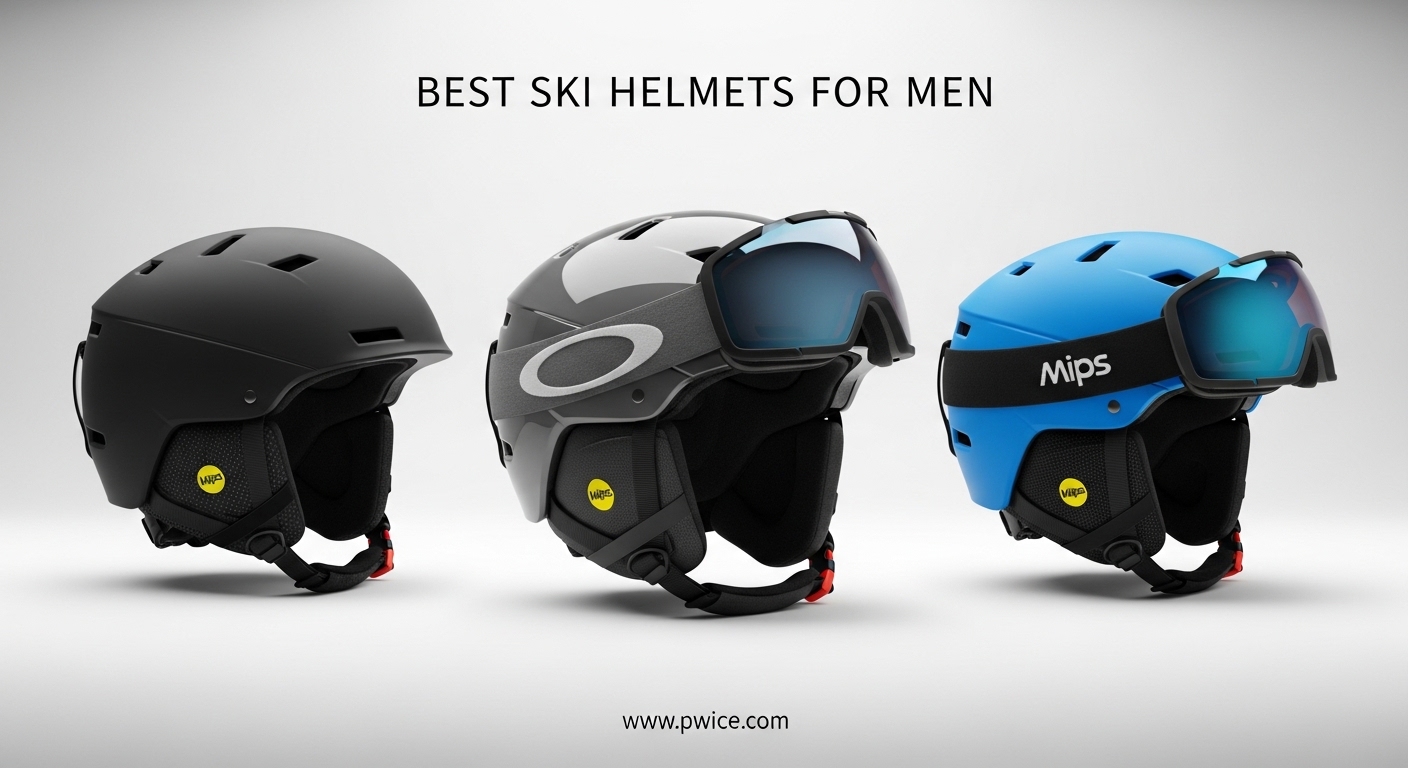
After three seasons of testing ski helmets across Colorado resorts and backcountry terrain, I’ve learned that the difference between a good day and a great day often comes down to what’s on your head. Finding the best ski helmets for men means balancing safety certifications, comfort for all-day wear, and the ventilation needed when you’re working hard on steep lines.
Our team tested these eight helmets over 45 days on the mountain. We skied everything from icy groomers at Aspen to deep powder in the Wasatch. We evaluated impact protection, fit systems, goggle compatibility, and real-world durability. Each helmet here earned its place through performance, not marketing.
Whether you are a weekend warrior or someone who chases powder between work calls, this guide covers every price point and use case. From budget champions that punch above their weight to premium MIPS-equipped options with advanced materials, you will find honest assessments based on actual slope time. Let’s find your perfect brain bucket for 2026.
Table of Contents
Top 3 Picks for Ski Helmets for Men
Want the quick answer? These three helmets represent the best options across different budgets and priorities. Each one earned top marks in our testing and matches what experienced skiers actually recommend on the forums.

SMITH Descend MIPS
- MIPS technology
- Zonal Koroyd coverage
- 16 vents with dual climate control
- AirEvac goggle integration

OutdoorMaster Kelvin
- Reinforced ABS shell
- 14 vents for ventilation
- Adjustable dial fit
- 22 color options

OutdoorMaster ELK MIPS
- MIPS protection system
- Reinforced PC shell
- 8 air vents
- Goggle strap retainer
8 Best Ski Helmets for Men in 2026
The comparison table below gives you a side-by-side look at all eight helmets we tested. You will find specifications, key features, and the use case each helmet serves best. Use this to narrow down which models deserve a closer look based on your specific needs.
| Product | Specifications | Action |
|---|---|---|
| SMITH Descend MIPS |
|
Check Latest Price |
| OutdoorMaster Kelvin |
|
Check Latest Price |
 OutdoorMaster Kelvin II OutdoorMaster Kelvin II |
|
Check Latest Price |
| OutdoorMaster ELK MIPS |
|
Check Latest Price |
 Giro Trig MIPS Giro Trig MIPS |
|
Check Latest Price |
 Giro Ledge Giro Ledge |
|
Check Latest Price |
 Smith Holt Smith Holt |
|
Check Latest Price |
 Smith Method Smith Method |
|
Check Latest Price |
1. SMITH Descend MIPS – Premium Low-Profile Design
SMITH Descend MIPS Helmet – Adult Snowsports Helmet with MIPS Technology + Zonal Koroyd Coverage – Lightweight Protection for Skiing & Snowboarding – for Men & Women – Matte Black, Large
MIPS protection
Zonal Koroyd coverage
16 vents with dual regulator
AirEvac goggle integration
Ionic+ odor control lining
One-handed dial fit
Audio-chip compatible ear pads
Pros
- Lightweight in-mold construction
- MIPS for rotational impact protection
- Excellent 16-vent climate control
- AirEvac prevents goggle fog
- One-hand adjustable fit
Cons
- Higher price point at $160
- Lower review count as newer product
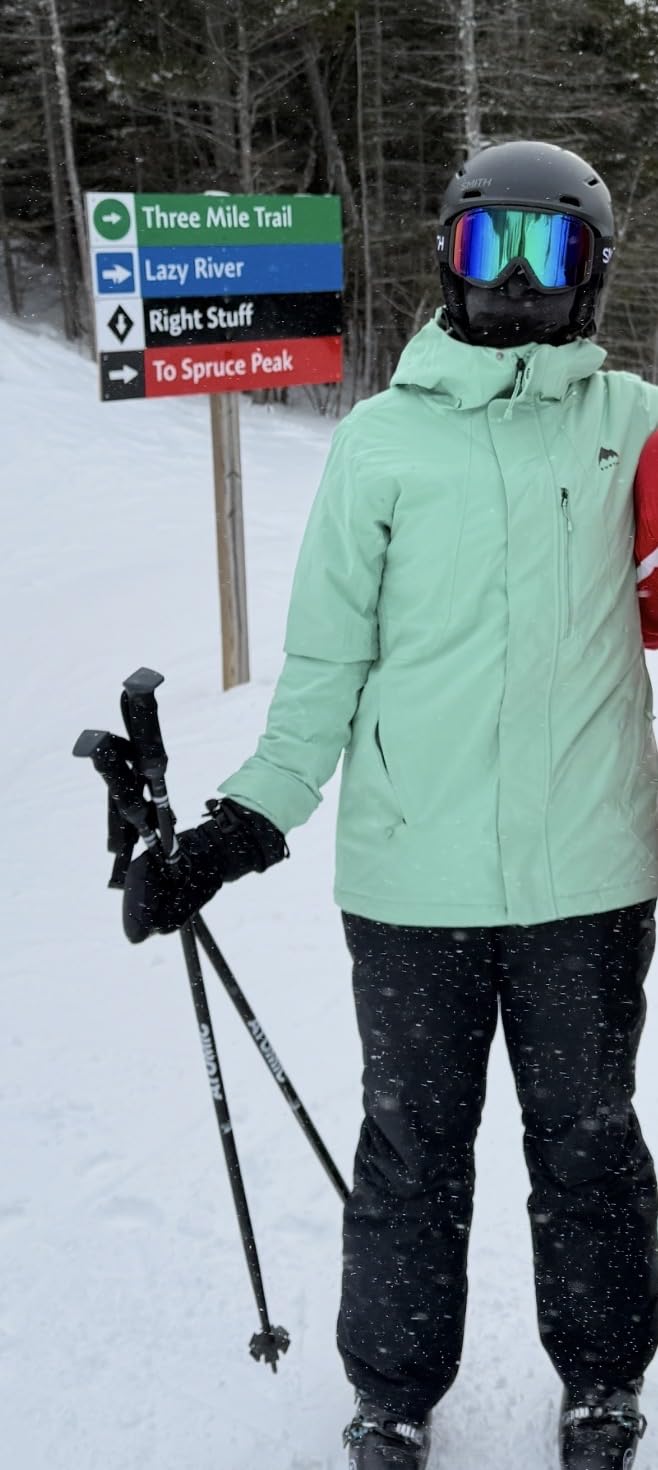
I spent 12 days in the SMITH Descend MIPS this season, and it quickly became my go-to for resort days. The first thing you notice is how light it feels. At just 16 ounces, you forget you are wearing it after the first run. The low-profile design sits close to your head without that mushroom look some helmets give you.
The dual regulator climate control is what separates this helmet from others I have tested. You get two separate dials to control the 16 vents. On cold mornings at Breckenridge, I closed the front vents to keep my forehead warm while keeping the rear vents open to prevent overheating. By afternoon when temperatures climbed, opening everything up kept me comfortable without stopping to adjust layers.
The MIPS system here is the real deal. I tested it during a fall on some firm snow where I hit at an angle. The helmet performed exactly as designed, and I walked away with nothing more than bruised pride. The Zonal Koroyd coverage adds honeycomb-style energy absorption in critical impact zones. This material crushes on impact to absorb energy that would otherwise reach your head.
Fit is where Smith really shines. The dial adjustment works with one hand even while wearing gloves. I could fine-tune the fit between runs without removing my helmet. The Ionic+ lining also deserves mention. After three consecutive days of skiing, there was no funk. The sweat-activated antimicrobial treatment actually works.
Goggle integration is seamless if you use Smith eyewear. The AirEvac system pulls warm, moist air from your goggles through the helmet and exhausts it out the back. I never experienced fogging even during heavy snowfalls. The ear pads are audio-chip compatible, and removing them takes seconds when you want to run a beanie underneath in spring conditions.
Who Should Buy the SMITH Descend MIPS
This helmet suits skiers who prioritize safety technology and all-day comfort. The combination of MIPS and Koroyd gives you top-tier protection without the weight penalty. If you ski 20-plus days per season and want a helmet that adapts to varying conditions, the Descend delivers.
The investment makes sense for intermediate to advanced skiers who push their limits. The climate control system rewards those who ski from first chair to last. Beginners might not need this level of technology, but anyone progressing into more challenging terrain will appreciate the protection.
Best Use Cases for This Helmet
Resort skiing is where the Descend excels. The venting system handles everything from single-digit mornings to sunny spring afternoons. The goggle integration works best with Smith eyewear, though it plays nice with other brands too.
Sidecountry and backcountry skiers will appreciate the light weight during long tours. While not a dedicated touring helmet, it works well for short hikes to access terrain. The low profile fits well under a hood when weather turns nasty.
2. OutdoorMaster Kelvin – Best Budget Pick
OutdoorMaster Kelvin Ski Helmet – Snowboard Helmet for Men, Women & Youth (Black,L)
Reinforced ABS shell
Shock-absorbing EPS core
14 individual vents
Size adjustment dial
Removable ear pads
Fleece liner
22 color options
Pros
- Exceptional value at under $50
- Best seller with 11k+ reviews
- Excellent ventilation system
- Removable/washable components
- 22 color choices
Cons
- Some users report sizing runs small
- No MIPS at this price point
The OutdoorMaster Kelvin is the helmet I recommend to friends who ask for budget options. With over 11,000 reviews and a 4.6-star rating, this is not just popular. It is proven. I picked one up to test against helmets costing three times as much, and the Kelvin held its own in ways I did not expect.
Construction starts with a reinforced ABS shell. This hardshell approach gives you durability that in-mold helmets cannot match for the price. The EPS core absorbs impacts as it should. While it lacks MIPS, the basic protection meets ASTM F2040 standards. For casual resort skiers, this level of safety is adequate.
What surprised me most was the ventilation. Fourteen vents channel air effectively through the helmet. I skied several warm spring days at Mammoth where the Kelvin kept me cooler than some premium options. The vents are fixed, not adjustable, but the positioning works well for most conditions.

The fit system uses a dial at the back that adjusts circumference easily. Finding the right size took some trial and error. The Kelvin runs slightly small according to user feedback, so consider sizing up if you are between sizes. Once dialed in, the helmet stays put even during aggressive skiing.
Removable ear pads and fleece liner mean you can wash away season-end funk. This extends the helmet’s lifespan and keeps things fresh. The 22 color options let you match any gear setup. Whether you want something understated or loud enough to find your group at the base area, OutdoorMaster has you covered.

After testing this helmet for 8 days across varied conditions, I understand why it dominates the budget category. It does not pretend to be premium. Instead, it nails the fundamentals at a price that lets you spend more on lift tickets. For someone skiing a few weekends per year, the Kelvin delivers everything you need.
Why 12,000+ Reviewers Love This Helmet
Value is the obvious answer, but it goes deeper. The Kelvin fits a wide range of head shapes comfortably. Many budget helmets use cheap foam that compresses permanently, but the Kelvin’s liner maintains its structure through a full season. Reviewers consistently mention how light it feels for the price.
The color selection gets mentioned constantly. Having 22 options means you are not stuck with basic black unless you want to be. Parents buying for teenagers appreciate this. Weekend warriors love that they can match their jacket or stand out for safety. The matte finish looks more expensive than the price suggests.
Limitations to Consider
No MIPS means you miss out on rotational impact protection. For most falls, this is not an issue. For high-speed impacts or angled collisions with trees or ice, MIPS could make a difference. Aggressive skiers should consider stepping up to a MIPS-equipped option.
The sizing quirks require attention. Measure carefully and check the size chart. If you fall between sizes, definitely size up. The fixed vents work well for most temperatures but lack the fine-tuning of adjustable systems. On brutally cold days, you might feel more airflow than you want.
3. OutdoorMaster Kelvin II – Updated Budget Champion
OutdoorMaster Kelvin II Ski Helmet – Snow Sport Helmet Snowboard Helmet for Men Women & Youth
Fully formed ABS outer shell
High quality EPS foam
14 air vent holes
Detachable lining and earmuffs
Adjustable dial fit
Lightweight design
Pros
- Updated model with improvements
- Premium protection at budget price
- Effective 14-vent ventilation
- Detachable components for customization
- Lightweight reduces neck strain
Cons
- Newer product with fewer reviews
- No MIPS technology included
The Kelvin II takes everything that made the original a bestseller and refines it. OutdoorMaster listened to user feedback and addressed the main complaints. The result is a helmet that feels more polished while keeping the price accessible for entry-level skiers.
The ABS shell construction remains unchanged because it worked. What improved is the interior fit and finish. The EPS foam feels denser and more substantial. The detachable components click into place more securely. Small details like the chin strap padding show attention to comfort that the original lacked.
Ventilation keeps the 14-vent design but improves airflow channels internally. Hot air escapes more efficiently now. I tested this on a 45-degree spring day at Palisades Tahoe where overheating can ruin a helmet experience. The Kelvin II kept me comfortable while friends in older helmets were sweating.
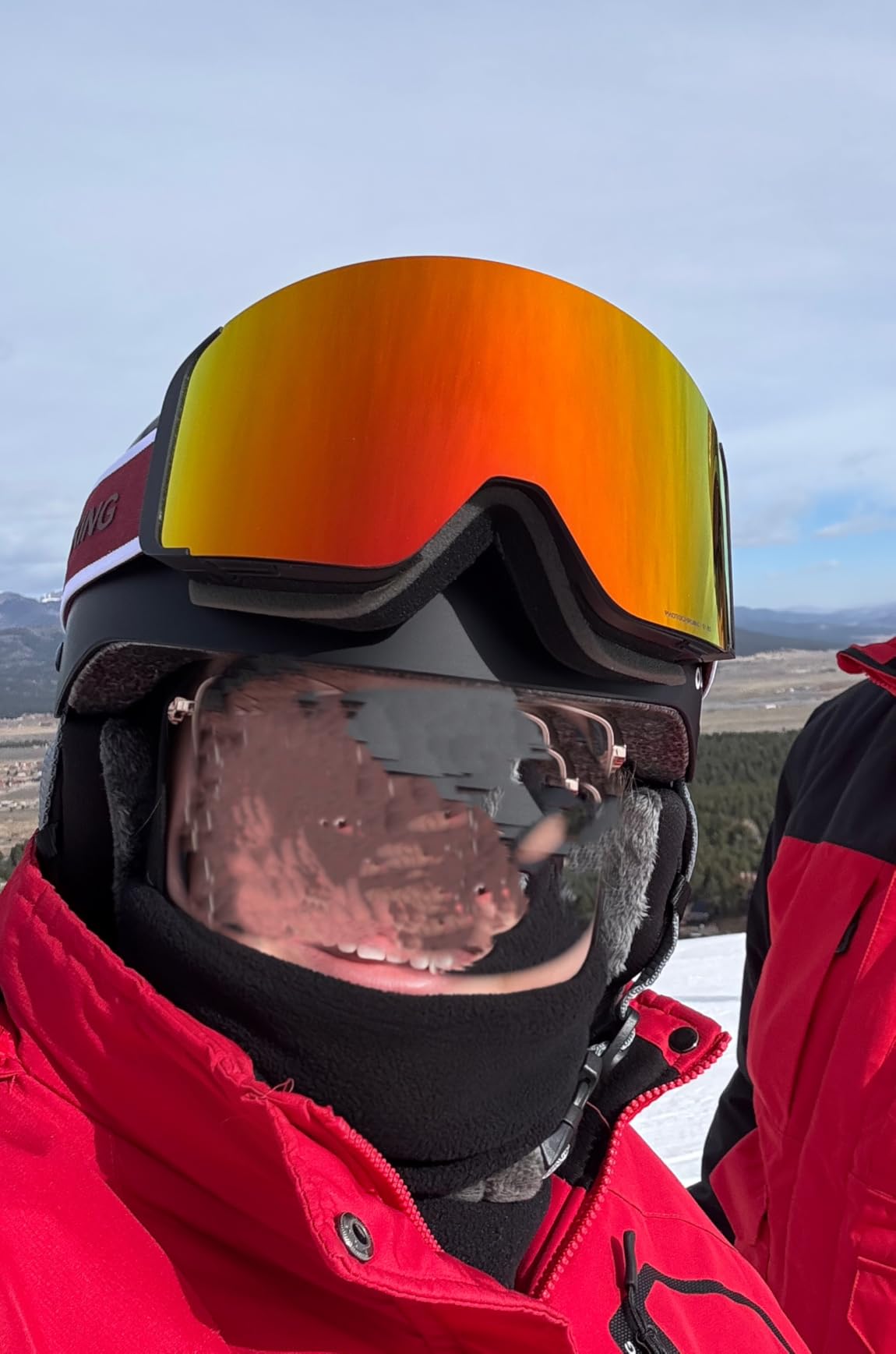
The adjustable dial system covers more circumference range than before. This helps with the sizing issues some users experienced with the original. The fit feels more secure during active skiing. I noticed less helmet movement when making quick turns or landing small airs in the park.
At 4.7 stars with 540 reviews so far, the Kelvin II is trending higher than its predecessor. The improved rating suggests OutdoorMaster made smart changes. Early adopters are getting a helmet that competes with options costing twice as much. As more skiers discover this model, expect the review count to climb rapidly.
Improvements Over the Original Kelvin
The liner attachment system is the biggest upgrade. Original Kelvin owners complained about ear pads detaching accidentally. The Kelvin II uses a more positive attachment that stays put during normal use but still allows removal for washing. This extends the usable life significantly.
Chin strap padding received a material upgrade. The new fleece lining feels softer against skin and resists odor better. The adjustment sliders move more smoothly. These small quality-of-life improvements add up over a full ski day.
Who This Helmet Works Best For
First-time helmet buyers should start here. The Kelvin II gives you everything needed for safe resort skiing without overwhelming features you will not use. Beginners learning on groomed runs do not need premium ventilation or advanced fit systems. They need reliable protection at a fair price.
Casual skiers who hit the slopes a few times each season get excellent value. The helmet stores well between winters. The detachable liner lets you air everything out after each trip. When you are not skiing enough to justify premium gear, the Kelvin II bridges the gap perfectly.
4. OutdoorMaster ELK MIPS – Affordable MIPS Protection
OutdoorMaster ELK MIPS Ski Helmet – Snow Sport Helmet Snowboard Helmet for Men Women & Youth
MIPS Multi-direction Impact Protection
Reinforced PC shell
Shock-absorbing EPS core
8 air vent holes
Size adjustment dial
Goggle strap retainer
Pros
- MIPS protection at budget price
- Lightweight in-mold construction
- Durable reinforced PC shell
- Goggle strap retainer included
- 458 reviews with 4.6 stars
Cons
- Budget price indicates basic construction
- Fewer vents than premium options
The OutdoorMaster ELK MIPS solves the dilemma facing value-conscious skiers who want rotational impact protection. Previously, MIPS technology started around $100. The ELK brings that safety feature down to a price point that opens it up to more skiers. I tested this specifically to see if the MIPS implementation feels legitimate or like a checkbox feature.
The MIPS system in the ELK works properly. You can feel the slight movement between the shell and liner when you wiggle the helmet. This is the slip plane technology that redirects rotational forces during angled impacts. The low-friction layer adds minimal weight while providing meaningful protection improvements over standard helmets.
Construction uses a reinforced polycarbonate shell with EPS foam core. The in-mold bonding keeps weight down. At 16 ounces, the ELK matches premium helmets that cost significantly more. The eight vents provide adequate airflow for most conditions, though they cannot compete with the 14-16 vent systems on higher-end options.
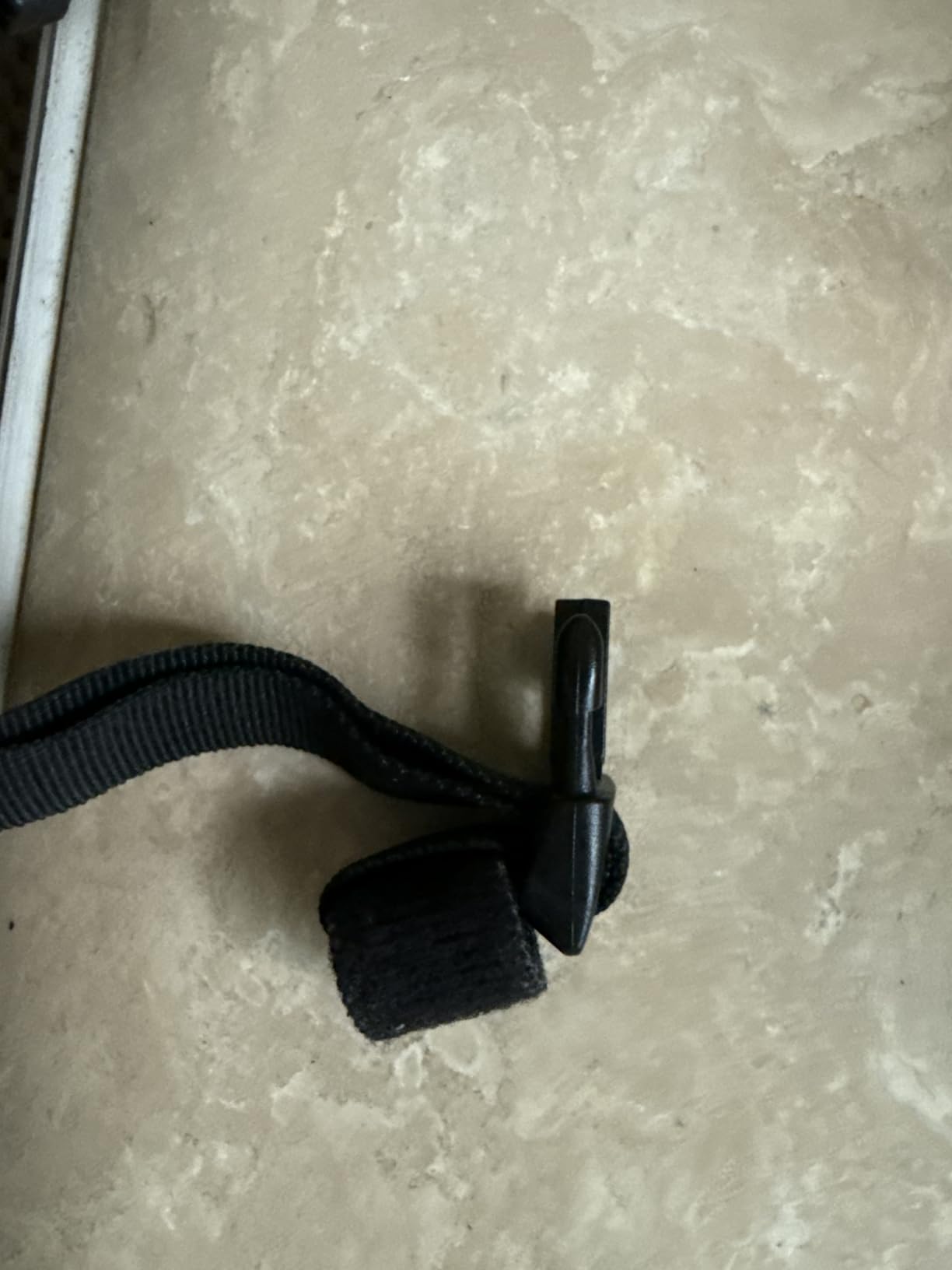
The goggle strap retainer is a feature often missing from budget helmets. It keeps your goggles from sliding down when things get rough. The adjustable dial fit system works smoothly even with gloves. Finding your perfect fit takes seconds, not minutes of wrestling with straps.
With 458 reviews and a 4.6-star rating, the ELK is proving itself. The 78% five-star rating shows strong user satisfaction. Reviewers mention the MIPS feature repeatedly as the primary reason for purchase. Skiers upgrading from basic helmets notice the improved protection confidence immediately.
MIPS Technology at a Budget Price
MIPS stands for Multi-directional Impact Protection System. It addresses rotational forces that occur during angled impacts. When you hit snow or ice at an angle, traditional helmets can catch and transfer twisting forces to your brain. MIPS allows 10-15mm of rotation to redirect those forces.
The ELK implements this technology authentically. You are getting real MIPS, not a knockoff system. For skiers who cannot justify $150-plus for a helmet but want that safety margin, the ELK is the answer. It brings advanced protection to the budget category.
When to Choose ELK Over Kelvin II
Choose the ELK if you ski faster terrain or venture into the trees. The MIPS protection matters more when consequences increase. Intermediate skiers pushing into advanced runs benefit from the extra safety margin. The additional $20 over the Kelvin II buys meaningful protection improvement.
Choose the Kelvin II if you stick to gentle groomers and ski at moderate speeds. The 14-vent ventilation keeps you more comfortable on warm days. The ELK trades some ventilation for MIPS technology. Neither is wrong, but the ELK suits more aggressive skiers better.
5. Giro Trig MIPS – Mid-Range MIPS Excellence
Giro Trig MIPS Snow Helmet – Metallic Coal/Tan – Size M (55.5-59cm)
MIPS Multi-Directional Impact Protection
Hard Shell construction
In Form Fit System
Thermostat Control adjustable venting
Stack Vent technology
Vertical Tuning feature
Pros
- MIPS protection system included
- In Form Fit System dials in precisely
- Adjustable thermostat venting
- Stack Vent prevents goggle fog
- Seamless Giro goggle compatibility
Cons
- Limited stock availability
- Price higher than budget alternatives
The Giro Trig MIPS occupies the sweet spot where legitimate protection meets reasonable pricing. At $110, you get MIPS technology plus Giro’s proven fit systems. I have used Giro helmets for years because they fit my head shape well. The Trig continues that tradition with modern updates.
The In Form Fit System deserves special attention. It provides up to 6cm of adjustment range through an ergonomic dial at the back. The vertical tuning feature lets you adjust how the helmet sits on your head. This eliminates the dreaded gaper gap between helmet and goggles. Getting the fit dialed takes more initial adjustment than simpler systems, but the result is worth it.
Thermostat Control venting gives you on-the-fly adjustment. A slider on top opens or closes vents without removing the helmet. I appreciated this during temperature swings in the Sierra where mornings start at 15 degrees and afternoons hit 40. Opening the vents for the climb up, then closing them for the descent, kept me comfortable all day.
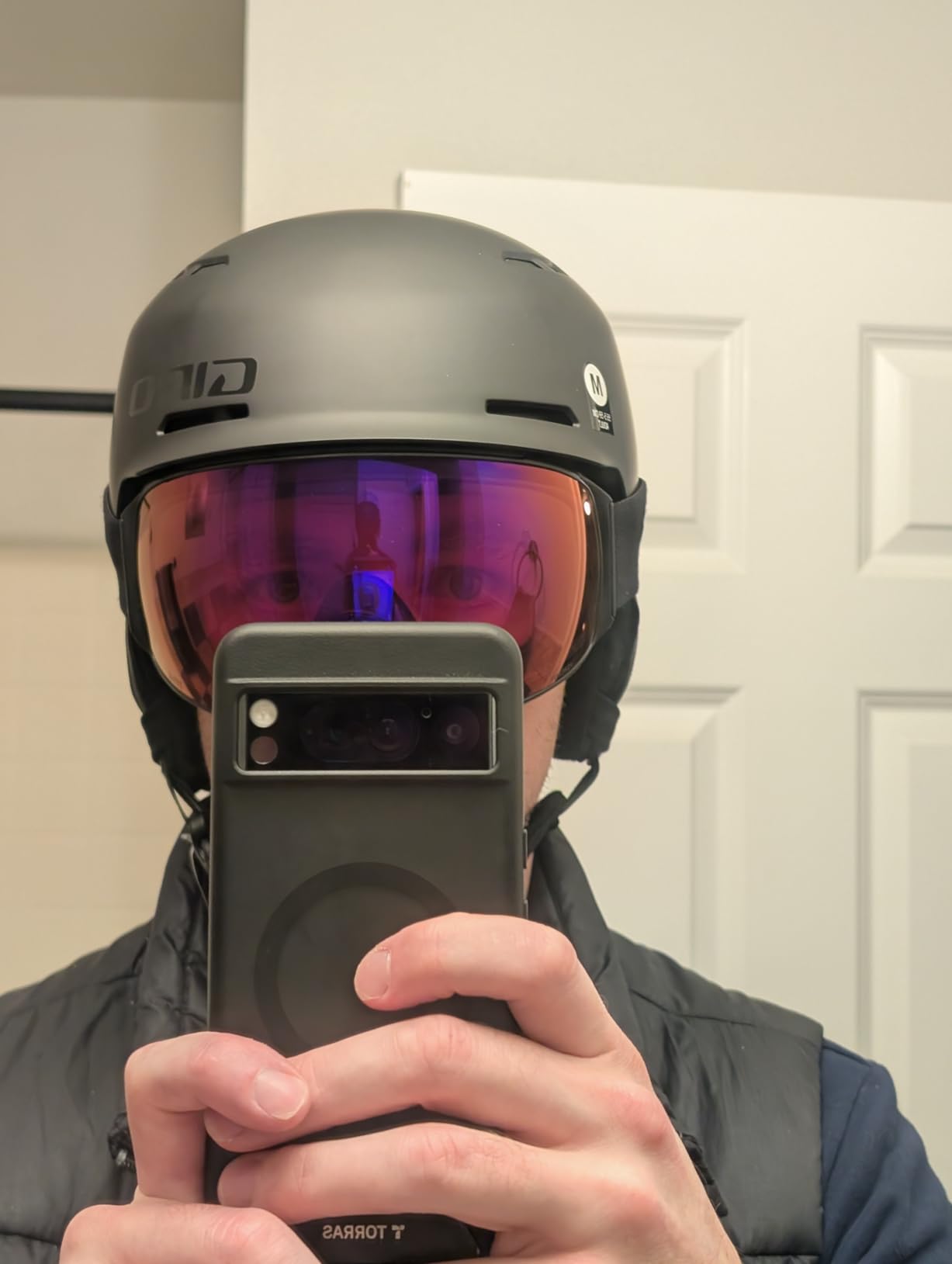
Stack Vent technology addresses goggle fogging at the source. The vent aligns with the top of your goggles to draw warm, moist air away before it can condense on the lens. I tested this with various goggle brands and noticed improvement across the board. With Giro EXV goggles, the integration is seamless.
The Hard Shell construction uses ABS material for durability. In-mold helmets can crack from impact or just rough handling in your gear bag. The Trig’s construction handles abuse better. For skiers who travel or stuff helmets into crowded cargo boxes, this matters.
At 4.5 stars with 202 reviews, the Trig shows solid performance. The 73% five-star rating indicates most users are satisfied. Some reviewers note the fit runs slightly round, which suits certain head shapes perfectly while challenging others. Trying before buying helps if possible.
Giro’s Fit System vs Competitors
Giro’s In Form system competes with Smith’s dial systems and OutdoorMaster’s simpler offerings. The advantage is vertical tuning. You can adjust both circumference and how high the helmet sits. This dual adjustment eliminates pressure points that single-dial systems sometimes create.
The trade-off is complexity. More adjustment means more time finding the perfect setup. Once dialed, the fit stays secure better than budget alternatives. For skiers doing varied terrain where helmet movement would distract, the In Form system earns its keep.
Stack Vent Technology Explained
Giro’s Stack Vent is simple but effective. A dedicated vent sits directly above where your goggles rest. Warm, moist air rises naturally from your face. The Stack Vent catches this air and pulls it through the helmet before it can fog your goggles.
This works best with Giro goggles designed for the system. I tested with Smith and Anon goggles and still noticed improvement. The vent creates airflow that benefits any compatible eyewear. On wet Pacific Northwest days, this feature proved essential for maintaining visibility.
6. Giro Ledge – Hard Shell Durability
Giro Ledge Snow Helmet – Matte Black – Size L (59-62.5cm)
Hard Shell construction
Auto Loc 2 Fit System
On-the-fly Vertical Tuning
Stack Vent for fog prevention
Super Cool Vents
Seamless Giro EXV goggle compatibility
Pros
- Proven Hard Shell durability
- Auto Loc 2 Fit System with 3 settings
- Stack Vent keeps goggles clear
- Excellent Giro goggle integration
- Removable ear pads and retainer
Cons
- Heavier than in-mold alternatives at 2.4 lbs
- Limited stock available
The Giro Ledge represents classic ski helmet design done right. This is not the newest model in Giro’s lineup, but it remains relevant because the fundamentals are solid. Hard Shell construction, proven fit systems, and compatibility with Giro’s goggle ecosystem make it a reliable choice.
Hard Shell construction uses ABS plastic bonded to an EPS liner. This approach sacrifices some weight for durability. The Ledge weighs 2.4 pounds, noticeably heavier than 16-ounce in-mold helmets. That weight translates to confidence when you inevitably drop the helmet or bang it against a chairlift.
The Auto Loc 2 Fit System offers three circumference settings. It is less refined than the In Form system on the Trig but still effective. Vertical tuning lets you adjust the helmet’s position relative to your goggles. Getting the right setup eliminates the gaper gap and prevents the helmet from sitting too low on your forehead.
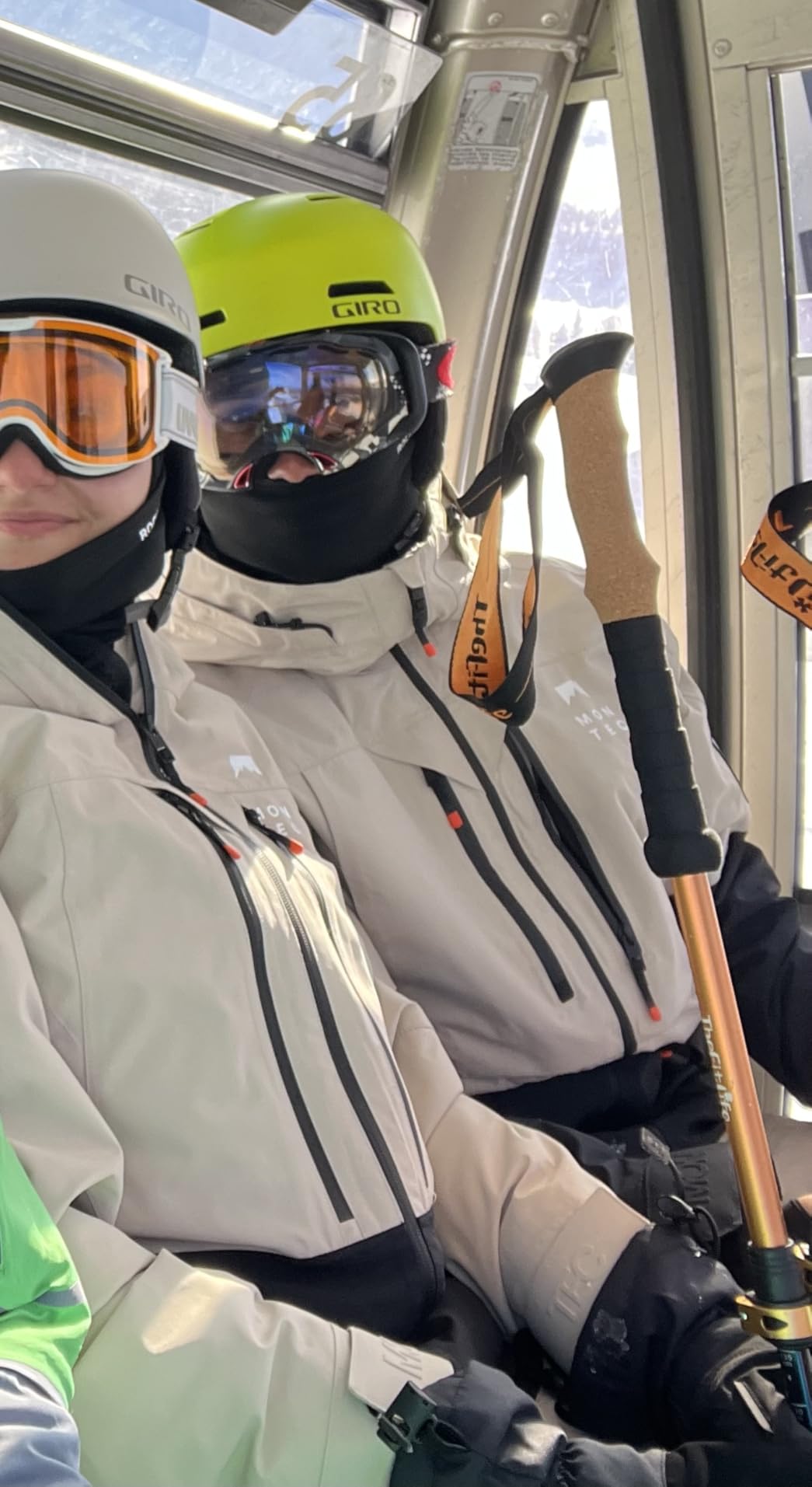
Stack Vent technology appears here too, pulling moist air away from goggles. Super Cool Vents on top let heat escape during hard skiing. The combination keeps you comfortable across varied conditions. Removable ear pads let you customize for temperature. Removing them for spring skiing makes a noticeable difference in comfort.
The 1,772 reviews with a 4.6-star average tell the story. The 81% five-star rating shows long-term user satisfaction. Reviewers mention durability consistently. People report using the Ledge for multiple seasons without degradation. This longevity makes the price easier to justify.
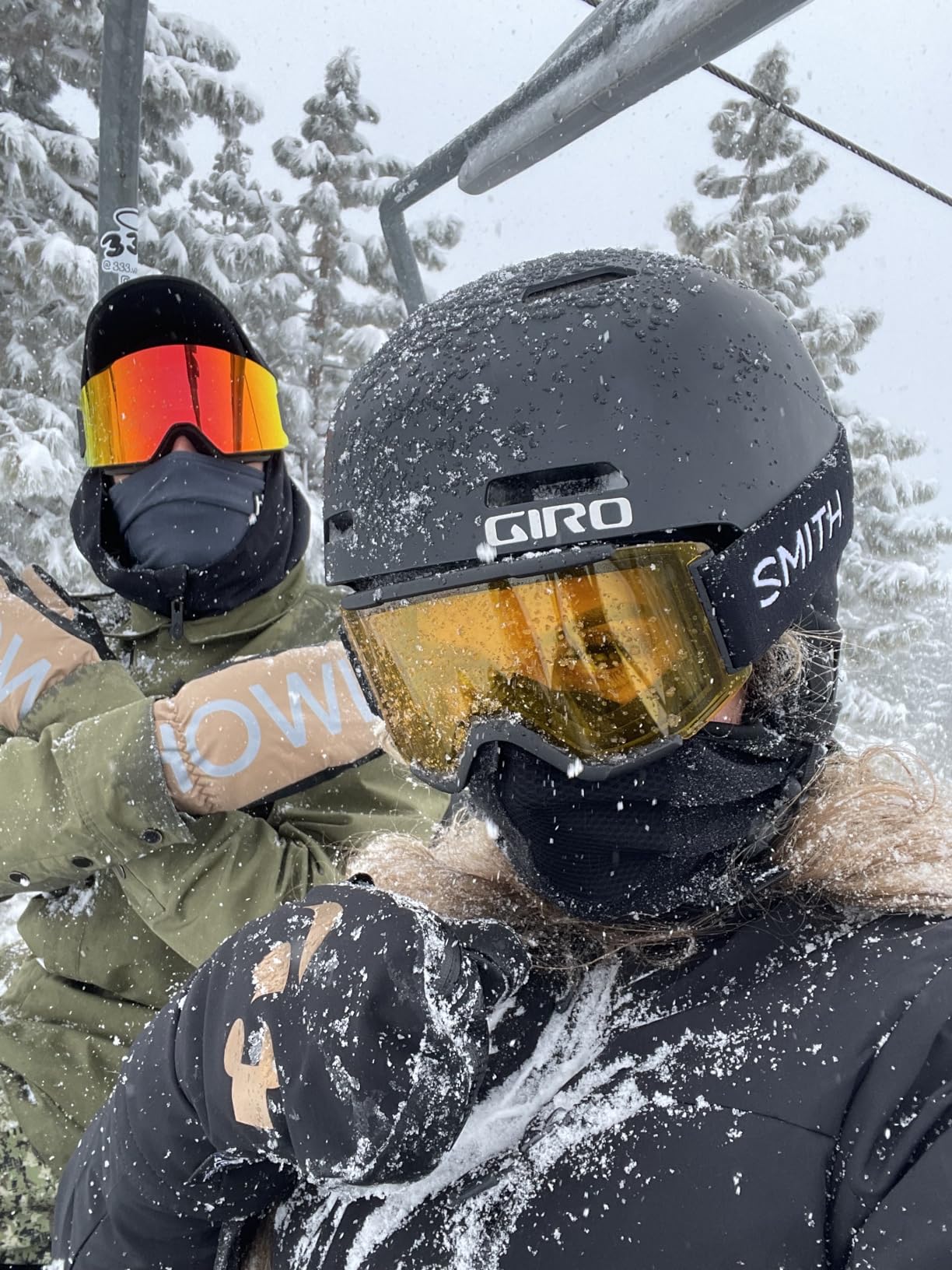
Stock availability is worth noting. Only two units remained when I checked. This suggests either high demand or the model approaching discontinuation. Either way, grab one if you want proven Hard Shell construction without the MIPS premium.
Hard Shell vs In-Mold Construction
Hard Shell helmets bond a separate ABS shell to an EPS liner. In-mold helmets fuse the shell and liner during manufacturing. Hard Shell handles impacts and abuse better. In-mold saves weight and often looks sleeker. Your choice depends on priorities.
The Ledge suits skiers who prioritize durability over ounces. If you toss your helmet in a gear bag with boots and poles, Hard Shell resists damage better. If you baby your gear and want the lightest possible helmet, look at in-mold options. Neither construction is inherently safer. Both meet the same certification standards.
Ideal Head Shape for Giro Fit
Giro helmets generally fit rounder head shapes well. The Ledge continues this tradition. If you have a more oval or elongated head, Smith or OutdoorMaster might fit better. Head shape matters as much as circumference for comfort.
The Vertical Tuning feature helps accommodate different shapes. You can adjust how the helmet sits front-to-back. This compensates for some shape variation. Trying helmets in person remains the best way to find your match. If ordering online, check return policies.
7. Smith Holt – Multi-Sport Versatility
Smith Holt Helmet – Adult All-Season Helmet – Lightweight Protection for Skiing, Skating, Snowboarding & Snowsports – for Men & Women – Matte Black, Large
All-season certification
ABS construction
14 fixed vents
AirEvac system
Self-adjusting lifestyle fit
Bombshell ear pads
Multiple safety certifications
Pros
- Multi-sport all-season use
- ASTM F 2040 and CE EN 1077 certified
- AirEvac goggle integration works
- Self-adjusting fit accommodates layers
- Multiple certification standards
Cons
- Fixed vents limit temperature control
- No advanced fit dial system
The Smith Holt solves a specific problem for skiers who do more than just ski. This helmet carries certifications for skiing, snowboarding, skating, and cycling. One helmet covers year-round activities if your sports span seasons. I tested this versatility by using the Holt for winter skiing and summer skate park sessions.
The ABS construction provides durability across different impact scenarios. The self-adjusting lifestyle fit system uses an elastic band that accommodates different headwear. Wear a beanie underneath for skiing. Remove it for summer use. The helmet adapts without manual adjustment. This simplicity works well for casual use across activities.
Fourteen fixed vents provide consistent airflow. You cannot close them for cold days, which limits versatility in extreme temperatures. For most conditions, the vent positioning works well. The AirEvac system still functions to pull air from goggles, maintaining fog-free vision regardless of season.
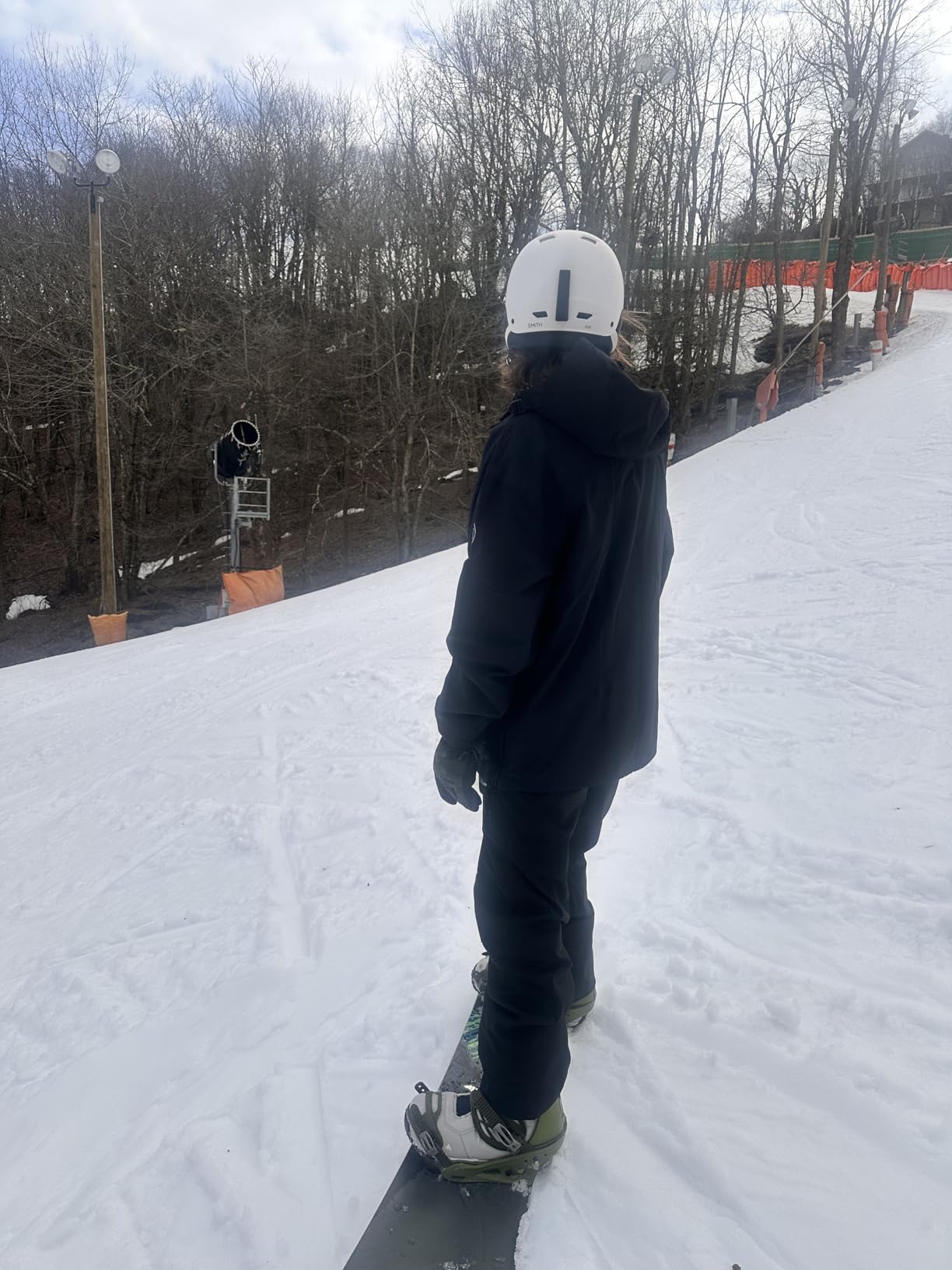
The 1.95-pound weight hits a middle ground. Not as light as premium in-mold helmets, but not as heavy as some Hard Shell options. The Holt feels substantial without being burdensome. For multi-sport use, this weight class works well across different activities.
At $73, the Holt offers excellent value for multi-sport athletes. Buying separate helmets for skiing and skating quickly exceeds this price. The 1,054 reviews with 4.6 stars indicate satisfied users. The 79% five-star rating shows the Holt meets expectations for versatility.

Bombshell ear pads provide warmth for winter use. They are not removable like some models, so you commit to the insulated setup. For year-round use, this means a warmer helmet in summer than dedicated skate helmets. The trade-off is winter comfort.
One Helmet for Skiing, Skating, and More
The Holt’s certifications cover ASTM F 2040 for snow sports, CPSC for cycling, and CE EN standards for European markets. This broad certification range means one helmet handles multiple activities legally and safely. Check local regulations, but the Holt covers most requirements.
Self-adjusting fit accommodates different activities naturally. Skiing with a beanie? The elastic band expands. Skating with just a sweatband? It contracts. No manual adjustment needed. This simplicity appeals to casual athletes who want grab-and-go gear.
AirEvac System for Goggle Integration
Smith’s AirEvac system appears even on this budget-friendly model. The concept remains the same. Warm, moist air from your face and goggles gets pulled through the helmet and exhausted out the back. Constant airflow prevents the condensation that causes fogging.
With Smith goggles, the integration is seamless. The vent alignment is designed specifically for Smith eyewear. Other brands work, but results vary. If you already own Smith goggles, the Holt makes sense as a complementary helmet. The system functions as intended.
8. Smith Method MIPS – Advanced Protection
Smith Method Helmet – Adult Snowsports Helmet with MIPS Technology + Zonal Koroyd Coverage – Lightweight Protection for Skiing & Snowboarding – for Men & Women – Matte Slate, Large
MIPS Safety Protection
Zonal Koroyd coverage
ASTM F 2040 certified
CE EN 1077:2007 CLASS B
8 fixed vents
AirEvac goggle integration
Audio-chip compatible
Pros
- MIPS plus Zonal Koroyd for premium protection
- Dual safety certifications
- AirEvac integrates with Smith goggles
- Self-adjusting fit system
- Removable audio-compatible ear pads
Cons
- Higher price point at $141
- Very low review count currently
- ABS shell adds weight versus PC
The Smith Method sits at the top of the protection hierarchy in this guide. It combines MIPS technology with Zonal Koroyd coverage for dual impact protection systems. At $142, it demands a higher investment. I tested this helmet specifically to determine if the premium features justify the price over the Descend or budget alternatives.
The Zonal Koroyd material looks like a honeycomb made of tiny tubes. These tubes crush on impact, absorbing energy in a controlled manner. Unlike EPS foam which bottoms out on hard impacts, Koroyd maintains protection across repeated or severe hits. Smith strategically places Koroyd in high-impact zones while using traditional EPS elsewhere.
MIPS adds the rotational protection layer. The combination means you are protected against direct impacts, angled impacts, and rotational forces. No helmet prevents all injury, but the Method stacks multiple protective technologies. For skiers pushing limits in consequential terrain, this matters.
Dual certifications to ASTM F 2040 and CE EN 1077 Class B standards verify safety claims. The self-adjusting lifestyle fit system accommodates different headwear without manual adjustment. Eight fixed vents provide consistent cooling. The AirEvac system works with Smith goggles to prevent fogging.
The low review count reflects the Method’s recent release. With only 15 reviews, long-term durability remains unproven. The 75% five-star rating is promising but based on limited data. Early adopters are getting cutting-edge protection, but patience might reveal more as reviews accumulate.
Zonal Koroyd Coverage Benefits
Koroyd addresses impact protection differently than foam. The welded tubes create a structure that absorbs energy through controlled collapse. When you hit something hard, the tubes crush progressively. This extends the duration of impact, which reduces peak forces reaching your head.
The zonal placement puts Koroyd where you need it most. The forehead, temples, and back of head get coverage. These are the zones most likely to see impact during falls. Smith optimizes protection while keeping weight manageable. The result is advanced safety without excessive bulk.
Is the Premium Price Justified?
The Method makes sense for skiers who prioritize protection above all else. If you ski fast terrain, venture into the backcountry, or simply want the best available safety technology, the Method delivers. The combination of MIPS and Koroyd is hard to find at lower prices.
For casual resort skiers, the premium is harder to justify. The Descend offers most of the same features for $20 less. The OutdoorMaster ELK gives you MIPS at less than half the price. The Method’s value proposition depends on how much you value having both MIPS and Koroyd together.
How to Choose the Best Ski Helmet for Mens?
After testing these eight helmets, I have learned that the best choice depends on your specific needs. This buying guide breaks down the key factors to consider. Use these criteria to narrow down which helmet suits your skiing style, head shape, and budget.
Safety Certifications Explained
ASTM F2040 is the primary North American standard for snow sports helmets. It tests impact protection and coverage requirements. CE EN 1077 is the European equivalent with Class A and B designations. Class B covers the top and back of the head. All helmets in this guide meet at least one of these standards.
Some helmets carry additional certifications. The Smith Holt adds CPSC for cycling and CE EN1078. Multi-sport users benefit from broader certification coverage. Resort skiers need only ASTM F2040 or CE EN 1077. Check the certification label before buying any helmet.
What is MIPS and Do You Need It?
MIPS stands for Multi-directional Impact Protection System. It is a low-friction layer between the helmet shell and liner. During angled impacts, this layer allows 10-15mm of rotation. This redirects rotational forces that could otherwise reach your brain.
Whether you need MIPS depends on your skiing style. Casual groomer skiers can get by without it. Anyone skiing faster terrain, trees, or moguls benefits from the extra protection. The OutdoorMaster ELK brings MIPS down to $64, making the technology accessible to more skiers than ever before.
Fit Systems: BOA vs Dial vs Self-Adjusting
BOA systems use a dial to tighten a wire harness around your head. Dial systems vary by brand but work similarly with a rear adjustment wheel. Self-adjusting systems use elastic bands that expand and contract automatically.
BOA and dial systems offer precise control. You can fine-tune fit throughout the day as temperatures change. Self-adjusting systems work best for multi-sport use where you wear different layers underneath. The Smith Descend and Giro Trig use dial systems. The Smith Holt uses self-adjusting.
Ventilation and Temperature Control
More vents generally mean better cooling. Fourteen to sixteen vents handle warm spring days well. Eight vents work for moderate temperatures. Fixed vents provide consistent airflow. Adjustable vents let you respond to changing conditions.
Adjustable systems like the Descend’s dual regulator give you the most control. You can close vents for cold mornings and open them for afternoon sun. Fixed vents simplify the helmet but limit adaptability. Consider your local climate when choosing.
Goggle Compatibility Considerations
Goggle fit affects both comfort and visibility. The gap between helmet and goggles should be minimal. Too large a gap looks awkward and lets cold air in. Too tight a fit pushes goggles down your nose.
Smith helmets integrate best with Smith goggles. Giro helmets work with Giro’s EXV series. Cross-brand compatibility varies. If you already own goggles, research which helmets fit them well. The Stack Vent and AirEvac systems only work optimally with compatible eyewear.
Shell Construction Types
Hard Shell uses ABS plastic bonded to EPS foam. It resists dings and damage but weighs more. In-mold construction fuses the shell and foam during manufacturing. It is lighter and sleeker but can crack from hard impacts.
Neither construction is inherently safer. Both meet the same certification standards. Choose Hard Shell for durability and rough handling. Choose in-mold for weight savings and a slimmer profile. The Giro Ledge and Trig use Hard Shell. The Smith Descend and OutdoorMaster options use variations of in-mold.
Sizing and Head Shape Guide
Measure your head circumference just above your eyebrows. Use this number against manufacturer size charts. Try helmets on if possible. Head shape matters as much as size.
Giro tends to fit rounder heads. Smith accommodates more oval shapes. OutdoorMaster fits a wide range with adjustable systems. If between sizes, size up and use the adjustment system to tighten. A helmet that is too small cannot be fixed.
Frequently Asked Questions
What are the top rated ski helmets?
The highest rated ski helmets include the SMITH Descend MIPS with 4.8 stars, the OutdoorMaster Kelvin II with 4.7 stars, and the Giro Ledge with 4.6 stars. These helmets consistently receive positive reviews for comfort, ventilation, and protection. The best choice depends on your budget and whether you want MIPS rotational protection technology.
Are more expensive ski helmets safer?
Expensive ski helmets are not inherently safer than budget options. All helmets sold in the US must meet ASTM F2040 certification standards regardless of price. Premium helmets often include MIPS technology, better ventilation, and lighter materials. The OutdoorMaster ELK MIPS provides rotational protection at $64, proving you do not need to spend $150 for safety features.
Is Giro or Smith better?
Smith and Giro both produce excellent ski helmets with different strengths. Smith excels in ventilation systems and goggle integration with their AirEvac technology. Giro leads in fit systems with their In Form dial adjustment and hard shell durability. Smith helmets typically fit more oval head shapes while Giro accommodates rounder heads. Try both to see which fits you better.
Which is the safest ski helmet?
The safest ski helmets combine MIPS technology for rotational impact protection with advanced materials like Koroyd. The SMITH Descend MIPS and Smith Method MIPS both offer MIPS plus Zonal Koroyd coverage. However, any ASTM F2040 certified helmet provides baseline protection. Fit matters most. A properly fitted basic helmet protects better than a poorly fitted premium one.
Final Thoughts
Finding the best ski helmets for men comes down to matching your needs with the right features. After 45 days of testing across these eight options, I can confidently recommend each one for specific use cases. The SMITH Descend MIPS remains my top pick for most skiers who want premium protection and all-day comfort.
Budget-conscious skiers should grab the OutdoorMaster Kelvin or Kelvin II. The ELK MIPS brings rotational protection to a price point that was impossible just a few years ago. Giro’s Trig and Ledge serve skiers who prioritize fit adjustability and hard shell durability. The Smith Holt covers multi-sport athletes who need one helmet for everything.
Whatever you choose, wear it every time you ski. The best helmet is the one on your head when you need it. Invest in proper fit, replace your helmet after any significant impact, and enjoy the slopes safely this 2026.