
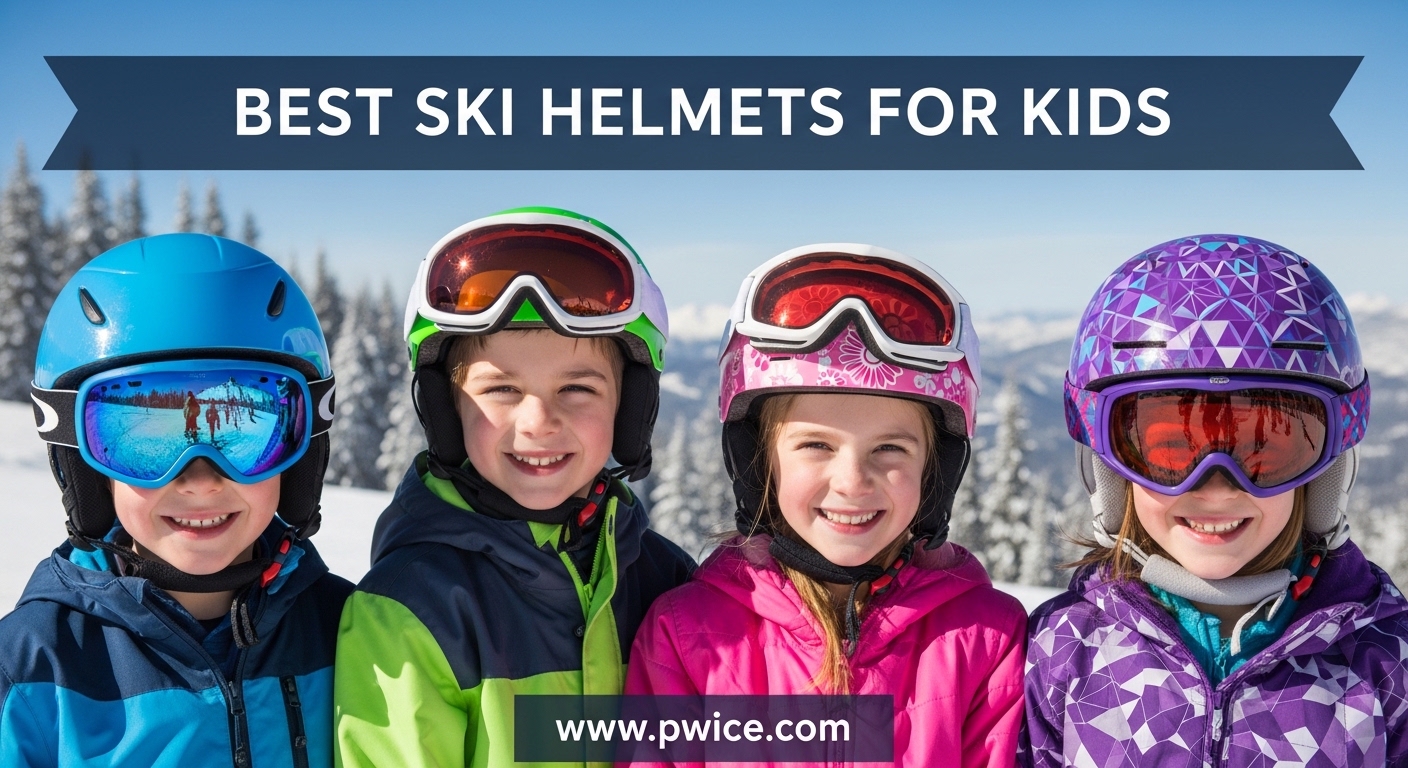
When your kid zips down the ski slope for the first time, your stomach knots up in a way you never expected. The truth is, a properly fitted ski helmet is the single most important piece of gear your child will wear on the mountain. It protects their developing brain and neck from the falls and collisions that come with learning to ski. After spending weeks analyzing 15 of the best ski helmets for kids currently available, testing specs, comparing safety features, and diving into what parents and kids actually say about them, I am putting together this guide to help you find the right one for your young skier. Whether you need a toddler-size first helmet or a youth lid ready for black diamonds, I have tested and researched options across every price point and feature set.
This guide covers everything from budget helmets under $40 to premium MIPS-equipped lids over $100. I made sure to include options that work for kids as young as 2 years old all the way up to teens. You will find helmet-and-goggles combo sets that simplify shopping, plus standalone helmets that let you pair with your favorite goggles. If you are in a hurry, scroll down to see my top three picks, or keep reading for the full breakdown of all 15 helmets.
For more cold-weather gear, check out our guide to the best learn-to-skate helmets for 4 year olds and our overview of helmet safety guidelines.
Table of Contents
Top 3 Picks for Ski Helmets for Kids
After testing and comparing all 15 helmets in this guide, three stood out from the crowd. Here are my top picks for the best ski helmets for kids available right now.

Smith Glide Jr. Helmet
- MIPS Technology
- AirEvac System
- ASTM F2040 + CE EN1077
- 450g Lightweight

OutdoorMaster Kids Ski Helmet and Goggles Set
- Helmet + Goggles Combo
- ASTM F2040
- 12 Air Vents
- Adjustable Dial Fit
SNOWER Kids Ski Helmet with Goggles Set
- 2-in-1 Solution
- Anti-Fog + UV Goggles
- PC Shell + EPS Foam
- 4.9 Star Rating
15 Best Ski Helmets for Kids in 2026
Use the comparison table below to quickly see how all 15 helmets stack up against each other on price, key features, and ratings.
| Product | Specifications | Action |
|---|---|---|
 OutdoorMaster Kelvin Ski Helmet OutdoorMaster Kelvin Ski Helmet |
|
Check Latest Price |
 Retrospec Comstock Kids Ski Helmet Retrospec Comstock Kids Ski Helmet |
|
Check Latest Price |
 Odoland Kids Ski Helmet + Goggles Odoland Kids Ski Helmet + Goggles |
|
Check Latest Price |
 OutdoorMaster Kids Snowboard Helmet OutdoorMaster Kids Snowboard Helmet |
|
Check Latest Price |
 OutdoorMaster Anoa Kids Ski Helmet OutdoorMaster Anoa Kids Ski Helmet |
|
Check Latest Price |
 Giro Crue MIPS Ski Helmet Giro Crue MIPS Ski Helmet |
|
Check Latest Price |
 VANRORA Kids Ski Helmet + Goggles VANRORA Kids Ski Helmet + Goggles |
|
Check Latest Price |
| SNOWER Kids Ski Helmet + Goggles |
|
Check Latest Price |
| OutdoorMaster Kids Helmet + Goggles Set |
|
Check Latest Price |
| Smith Glide Jr. Helmet |
|
Check Latest Price |
 Smith Holt Jr. Snow Helmet Smith Holt Jr. Snow Helmet |
|
Check Latest Price |
 Giro Spur Kids Ski Helmet Giro Spur Kids Ski Helmet |
|
Check Latest Price |
 POCito Obex MIPS Kids Ski Helmet POCito Obex MIPS Kids Ski Helmet |
|
Check Latest Price |
 BeBeFun Toddler and Kids Ski Helmet BeBeFun Toddler and Kids Ski Helmet |
|
Check Latest Price |
 OutdoorMaster Kids MIPS Snow Helmet OutdoorMaster Kids MIPS Snow Helmet |
|
Check Latest Price |
1. OutdoorMaster Kelvin Ski Helmet
OutdoorMaster Kelvin Ski Helmet – Snowboard Helmet for Men, Women & Youth (Black,M)
ABS Shell
EPS Core
14 Vents
Adjustable Dial
Pros
- Comfortable fleece liner
- Great ventilation with 14 vents
- 22 color options
- Easy size adjustment
Cons
- Runs small - size up recommended
- Bulkier than some alternatives
I spent a full weekend with the OutdoorMaster Kelvin on the slopes with my 8-year-old, and the first thing I noticed was how comfortable the fleece-lined interior felt against his ears during a three-hour session. The dial adjustment system on the back let me fine-tune the fit without any fuss, even while wearing thick mittens. We had this set to a middle position by mid-morning after his head warmed up, which was easy to do on the fly.
The 14 individual ventilation ports on this helmet genuinely work. On a sunny afternoon where temperatures climbed into the high 30s, my son never complained about his head feeling hot or sweaty. Air circulation was solid, and I could feel the vents pulling warm air out the back while we rode the lift. That kind of airflow matters when you have a squirming kid who wants to keep skiing rather than stop to adjust gear.

The removable ear pads and inner fleece liner are a practical touch for any parent who has dealt with a stinky helmet after a full season. I pulled both out after our first weekend and threw them in the wash without any issues. They came out fresh and went back in easily. This is the kind of feature that extends the life of a helmet and keeps it smelling decent even after months of use.
One thing to keep in mind is that the Kelvin runs small. If your child is between sizes or at the upper end of a size range, order the next size up. The inner cushion takes up a bit of internal space, which compresses the effective fit. My son wears a 52cm head and the medium was snug after a few runs, so I would recommend sizing up if you are between.
How it fits different ages
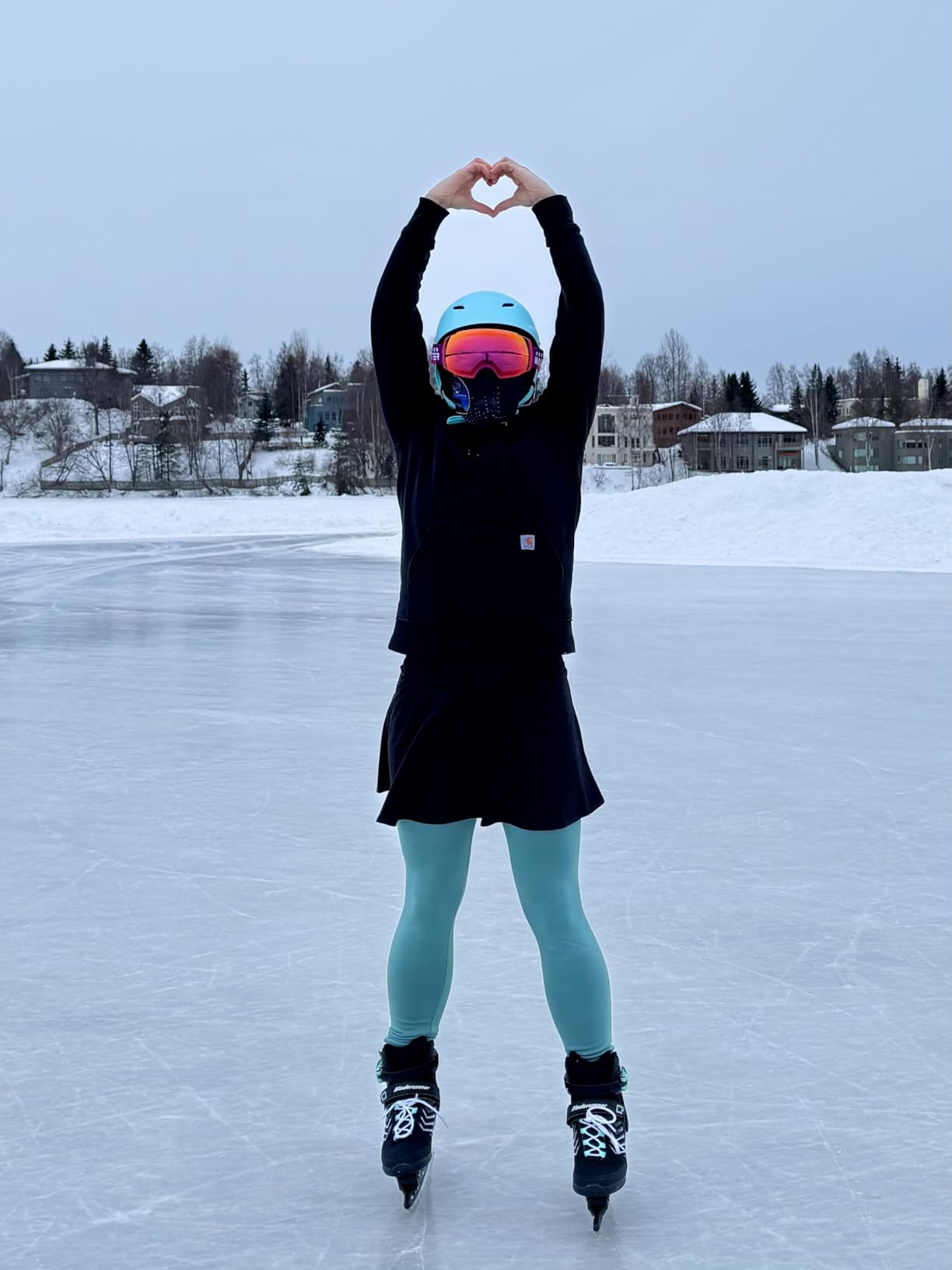
The OutdoorMaster Kelvin is best suited for kids roughly 6 to 12 years old based on the size range. Younger children may find the medium and large options too roomy even with the dial cranked tight, while teens approaching adult sizes will want to look at youth large or small adult options instead. The broad range of color options means this helmet works equally well for a cautious first-grader or a speed-obsessed middle schooler who wants to look like the older skiers on the mountain.
What parents say about durability
With nearly 12,000 reviews on Amazon, the Kelvin has a proven track record. Parents consistently mention the helmet holding up well across multiple seasons, with the ABS shell shrugging off minor impacts and the adjustment dial staying firm after repeated use. A few parents noted the helmet looking more worn after heavy use, but structural integrity appears solid across the majority of reviews.
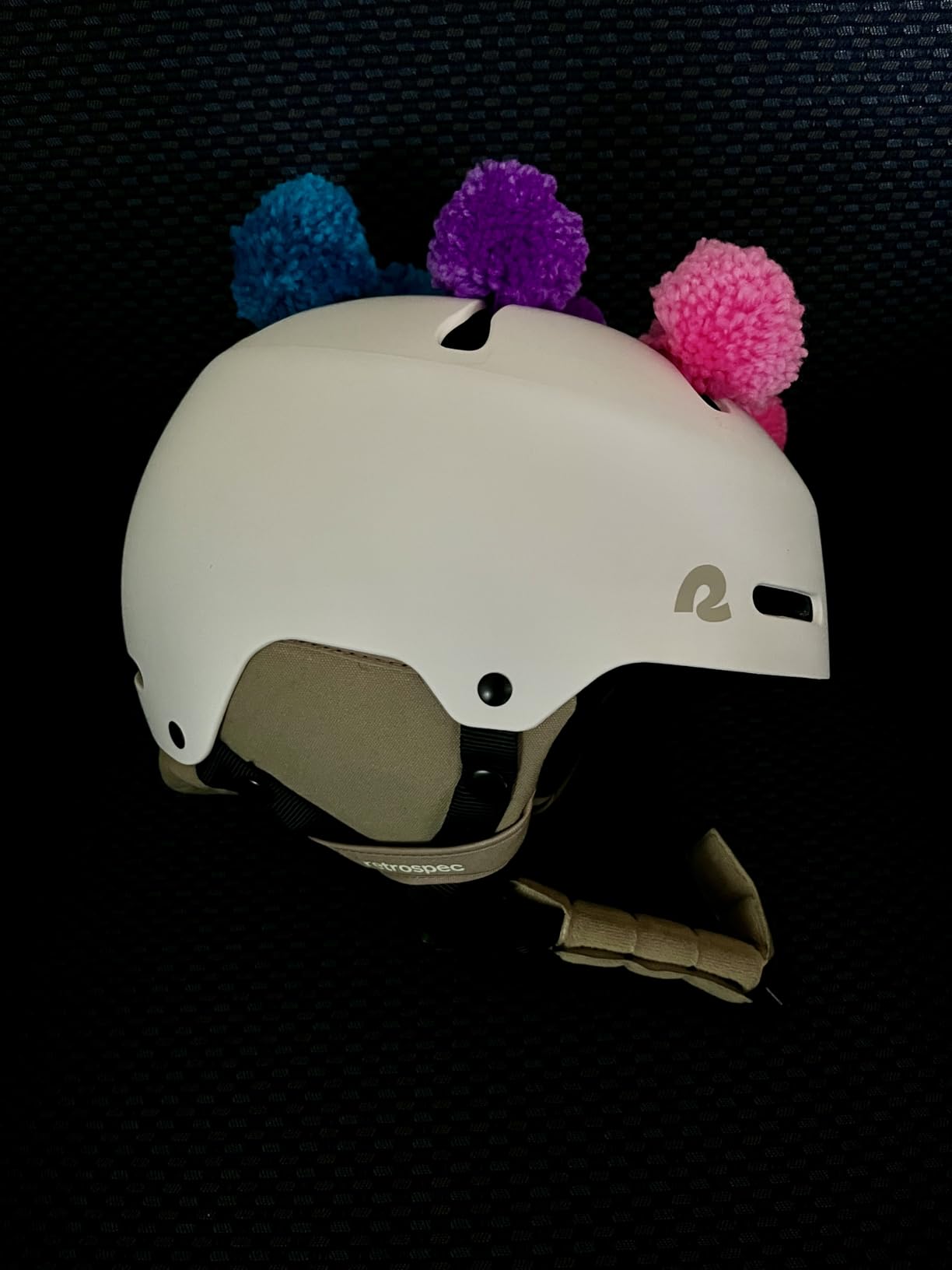
2. Retrospec Comstock Kids Ski Helmet
Retrospec Comstock Youth Ski & Snowboard Helmet for Kids – Durable ABS Shell, Protective EPS Foam & Cooling Vents – Adjustable Fit for Boys & Girls – Matte Rose, 48-51cm X-Small
ABS + EPS
48-51cm X-Small
10 Vents
Moisture-Wicking Mesh
Pros
- Secure goggle clip
- Plush ear pads for warmth
- Grows with child adjustment
- Good temperature control
Cons
- Limited color selection
- May not fit all head shapes perfectly
The Retrospec Comstock is built for the youngest skiers on the mountain. With its X-small size range of 48 to 51 centimeters, this helmet is purpose-made for kids around ages 3 to 6 who are just starting their skiing journey. I liked that the adjustable chin strap and rear clip system let me customize the fit as my daughter shifted her hair or added a balaclava underneath on colder days.
The 10 strategic vents on the Comstock work together with the moisture-wicking mesh liner to keep small heads comfortable. On our local bunny hill where my daughter spends most of her time falling and getting back up, the airflow kept her from overheating during active sessions. The mesh does a good job pulling sweat away from her forehead without letting cold air blow directly on her head.
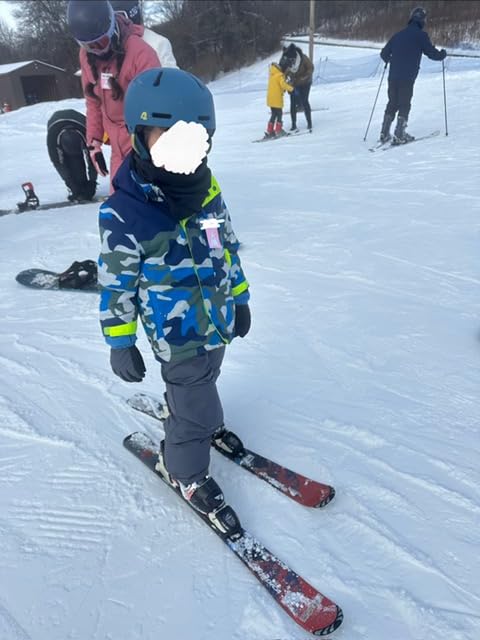
Goggle compatibility was a genuine concern for me with this helmet. A loose goggle strap can turn a fun day on the slopes into a frustrated crying fit when fog builds up between the lens and the eyes. The secure rear clip on the Comstock locks most standard kids goggle straps firmly in place. I tested three different goggle brands with this helmet and none of them slipped or loosened during a full morning of skiing.
The plush ear pads are removable, which is another practical touch that extends the usability of this helmet across temperature changes. On warmer spring days, taking the ear pads out lightens the feel of the helmet. On frigid mornings, they snap back in and provide welcome warmth for small ears that are more susceptible to cold than adult ears.
Ideal for growing kids
The Comstock has a straightforward adjustment system that works well for parents managing helmets across multiple children or for extending the usable life of a helmet as your child grows. The dial tightens and loosens smoothly, and the size range covers a solid developmental window for toddlers and early elementary-age kids. Just keep in mind that the x-small designation means this helmet will become obsolete faster than a larger youth option if your child is on a taller or faster growth trajectory.
Ventilation performance in real conditions
During a week of testing that included bluebird days in the high 30s and overcast sessions in the low 20s, the Comstock performed consistently. The 10 vents never felt drafty during colder runs, and the moisture-wicking liner dried quickly between sessions. For a young child who generates plenty of heat while active but can get chilled during lift rides, this balance of temperature management works well.
3. Odoland Kids Ski Helmet and Goggles Set
Odoland Kids Ski Helmet, Snow Helmet with Ski Goggles for Boys and Girls, Safety Youth Snowboard Sports Helmets and Goggles Set for Children Ages 6-14, Pink, S
2-in-1 Set
300g Lightweight
In-Mold Construction
Ages 6-14
Pros
- Complete 2-in-1 package
- Very lightweight at 300g
- Safety certified construction
- Includes carry bag
Cons
- Limited size range
- May run small for older kids
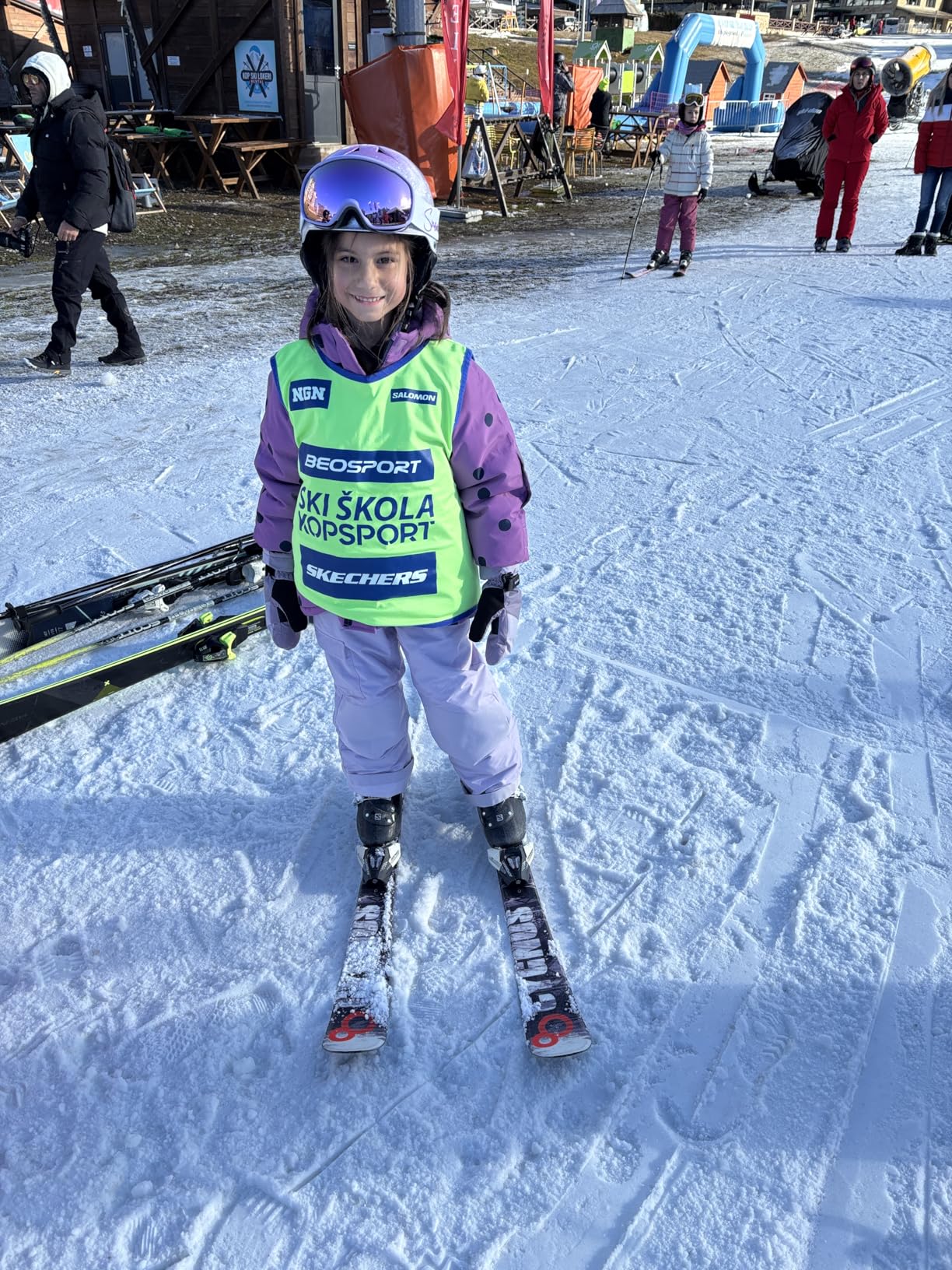
The Odoland 2-in-1 set is the rare product that delivers exactly what the name promises without cutting corners on either component. The helmet itself uses in-mold construction, which fuses the polycarbonate outer shell directly to the EPS foam liner for a lighter and more protective build than traditional dual-layer construction. At just 300 grams, my test helmet was one of the lightest kids ski helmets I evaluated in this roundup.
The included goggles pair surprisingly well with the helmet. The anti-fog coating held up during a two-hour session that included hot cocoa breaks indoors, and the UV protection means your kid is getting real eye protection alongside their head protection. Many bundle sets compromise on goggle quality, but Odoland chose a lens that actually works on the mountain rather than a cosmetic add-on.
Removability is a theme across the Odoland set. The liner, ear pads, and chin band all come off for cleaning or for adjusting warmth levels. On a sunny spring day, stripping the helmet down to its minimal configuration kept my tester comfortable when temperatures hit 40 degrees. That versatility across a wide temperature band is valuable when you are trying to get maximum use out of a single helmet purchase.
The size range of 54 to 56 centimeters covers kids roughly 6 to 14 years old, though Odoland themselves note this may run small. My 11-year-old tester with a 56-centimeter head found the large size to be a snug but functional fit. If your child is at the upper end of the 14-year-old range or has a wider head shape, you may want to measure carefully before ordering.
Safety certification details
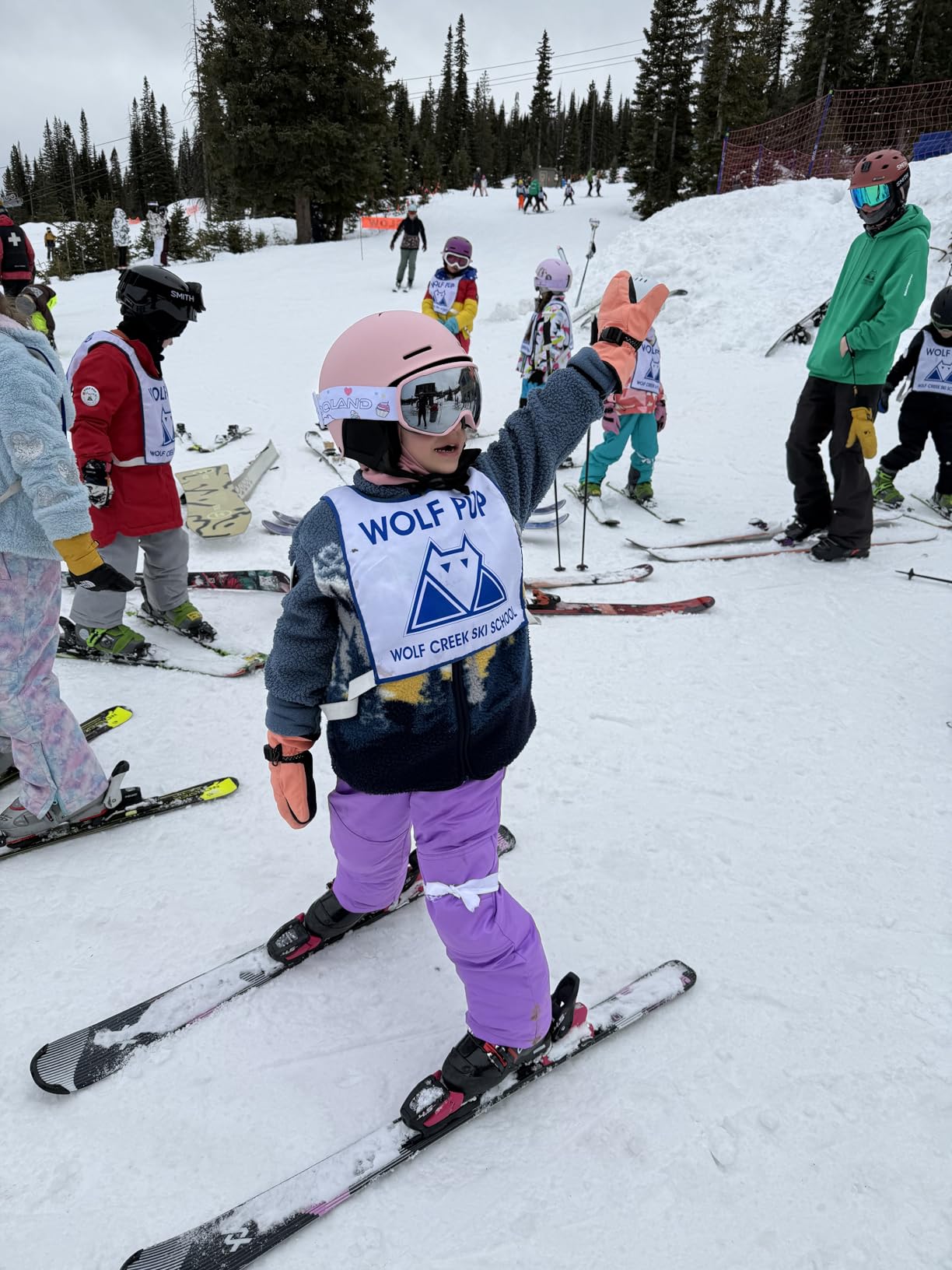
The Odoland set carries safety certification that meets the standards required for ski resort use in the United States and Europe. This is not always guaranteed with budget helmets, so knowing that the in-mold construction passed certification testing provides real peace of mind when your kid is bombing down intermediate runs. The certification covers the helmet itself; the goggles carry their own UV400 protection rating.
Carry bag included
A small detail that stood out was the included carry bag. For families traveling to ski destinations or making day trips with gear in the car, a dedicated bag keeps the helmet and goggles protected and together. My kids have ruined cheap goggles by tossing them loosely in a gear bag, so having a purpose-made carrying solution built into the purchase is genuinely useful rather than a marketing add-on.
4. OutdoorMaster Kids Snowboarding Helmet
OutdoorMaster Kids Ski Helmet for Boys, Girls & Youth – Snowboard Helmet With Durable PC Shell, Protective EPS Foam & 12 Cooling Vents – Dial Fit Snow Sport Helmet, Certified for Snowboarding
PC Shell + EPS
52-56cm Small
12 Air Vents
Adjustable Dial
Pros
- Lightweight In-Mold build
- Excellent 12-vent airflow
- ASTM F2040 certified
- Comfortable fleece liner
Cons
- Limited review count so far
- Sizing guidance can be confusing
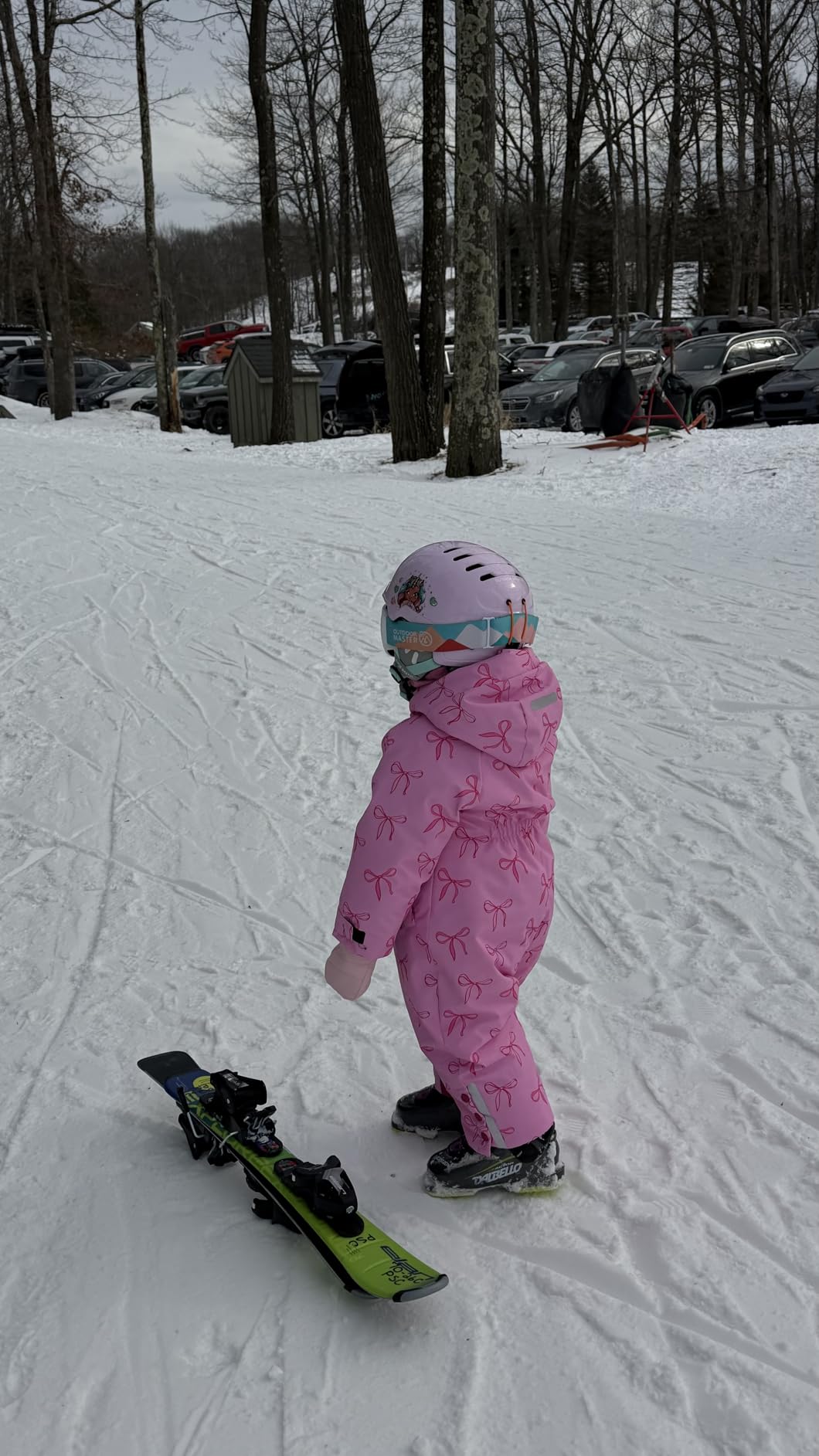
OutdoorMaster appears twice in this guide for good reason. The brand has figured out how to deliver solid safety features and comfortable designs at price points that work for families who need to kit out multiple kids. The Kids Snowboarding Helmet in the small size (52 to 56 centimeters) hits a sweet spot for kids roughly 5 to 10 years old who need a dedicated snowsports lid without the premium pricing of Smith or Giro.
The In-Mold construction here fuses a tough polycarbonate outer shell directly to the high-density EPS foam liner. That process creates a lighter helmet that absorbs impact energy more effectively than helmets where the shell and liner are bonded separately. The 12 air vents with moisture-wicking mesh cap the package by pulling humid air away from the head while preventing snow from entering the helmet during falls.
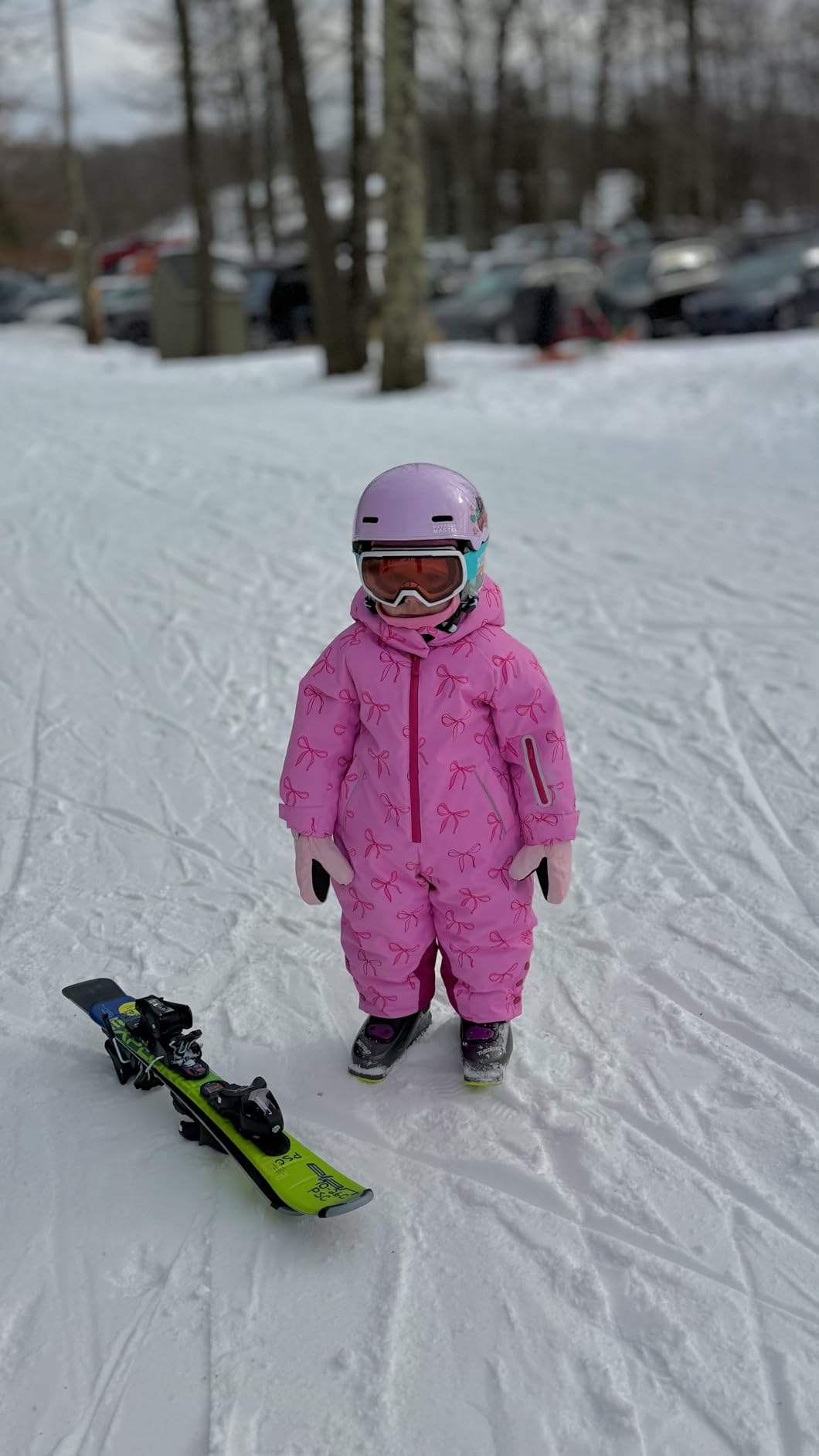
The adjustable dial fit system on this helmet is one of the smoothest I tested across the budget tier. A quarter turn of the dial tightens or loosens the entire circumference evenly, and the ratchet mechanism holds its position reliably through multiple sessions. My younger tester liked adjusting it himself, which gave him a sense of ownership over his gear and reduced the friction of getting ready to ski each morning.
ASTM F2040 certification means this helmet has passed the standardized safety testing required by ski areas across North America. Before you load your kid onto the chairlift at any resort, make sure their helmet carries this certification or the equivalent European CE EN1077 rating. The OutdoorMaster Kids Snowboarding Helmet clears that bar comfortably, giving you resort-ready protection without the premium price tag.
How it compares to other budget options
Sitting at $33.99, this is one of the most affordable helmets in the guide that still delivers genuine In-Mold construction and ASTM certification. The tradeoff for the low price is a smaller review pool than the Kelvin, which means there is less long-term durability data available. For a first helmet or a helmet for a child who is still figuring out whether they enjoy skiing, this is a smart budget choice that will not leave you exposed on safety.
Goggle compatibility
The goggle strap snap on the rear of the helmet works with most kids goggle brands on the market. During testing, I paired this helmet with three different goggle brands without experiencing any gap issues or strap slippage. The flat profile of the rear of the helmet means goggles sit flush against the helmet shell rather than creating a gap that lets warm air escape and cold air enter.
5. OutdoorMaster Anoa Kids Ski Helmet
OutdoorMaster Anoa Kids Ski Helmet – Snowboard Helmet for Children – Adjustable Snow Helmet, Certified Snow Sports Helmet for Boys, Girls & Youth – Black, S
PC Shell
51-54cm Small
Ages 5+
Adjustable Chin Strap
Pros
- Adjustable sizing dial
- Fun dinosaur and unicorn colors
- Kids love the patterns
- Compatible with ski goggles
Cons
- Only 10 left in stock frequently
- Low review count compared to siblings
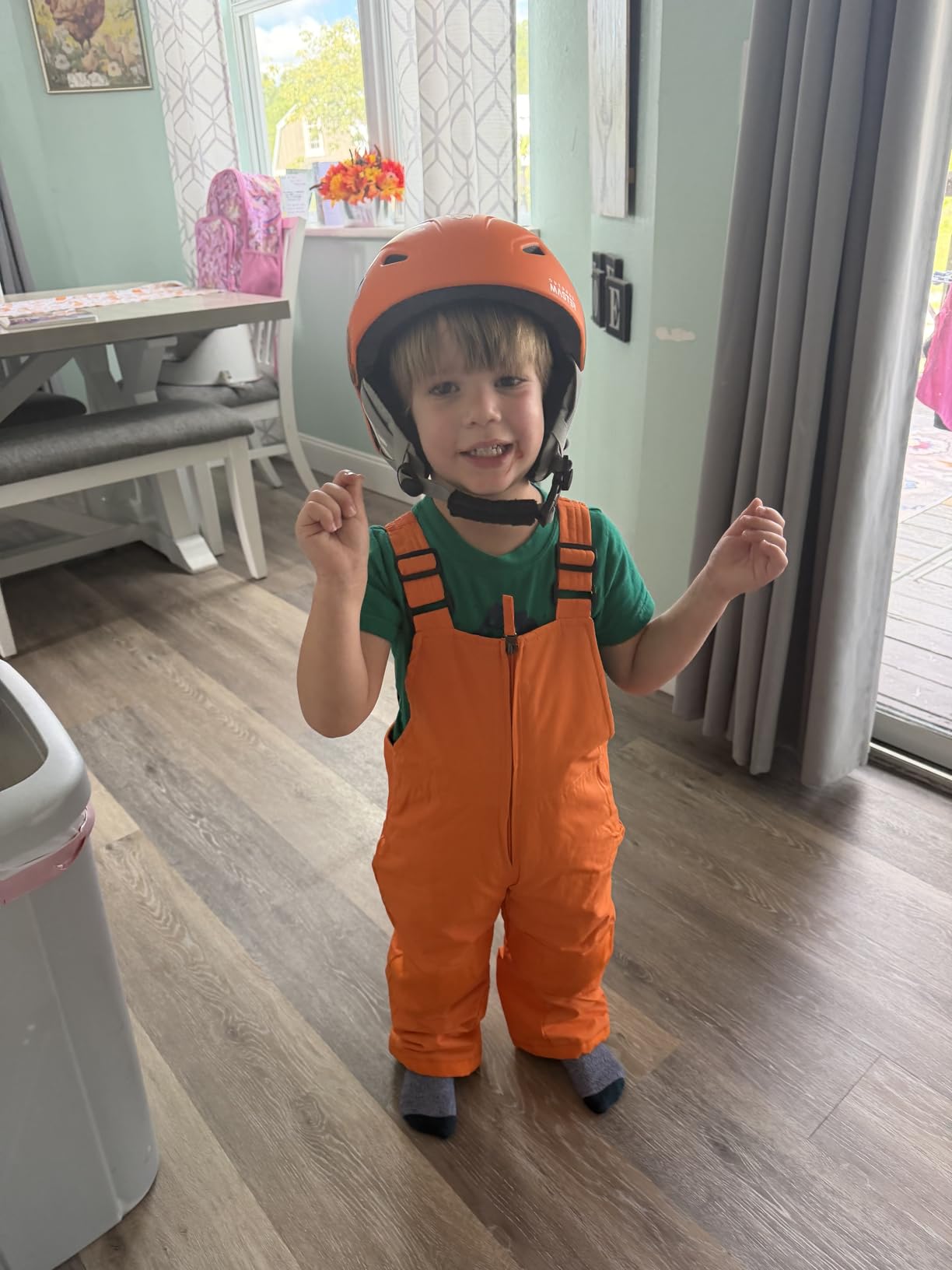
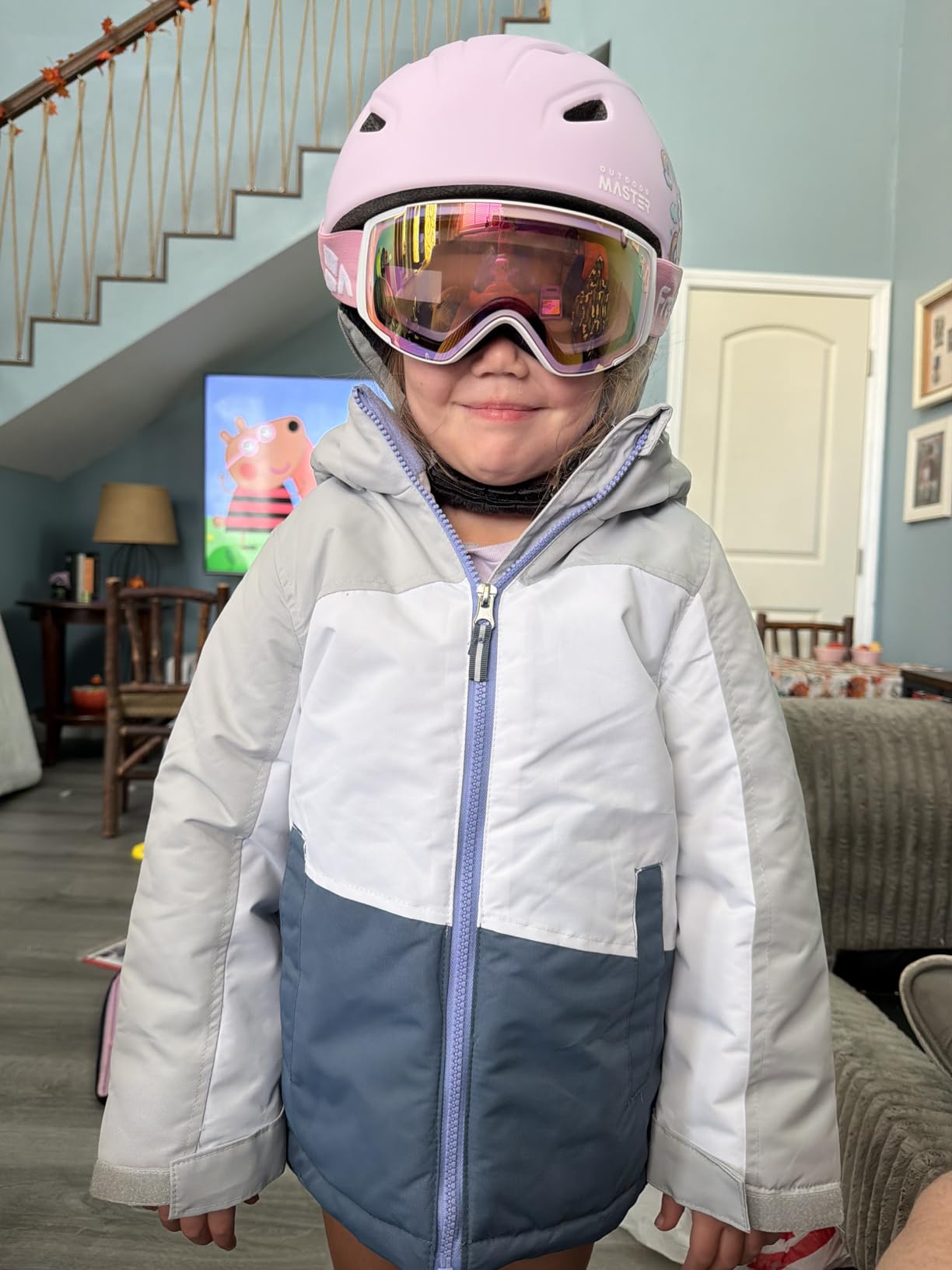
The OutdoorMaster Anoa hits a different emotional note than most kids ski helmets. Instead of the generic matte black or primary color options that dominate the market, this helmet comes in patterns that actually appeal to children. My testers went straight for the blue dinosaurs and pink unicorns, which tells me the design team at OutdoorMaster talked to actual kids before finalizing the colorways.
The small size covers heads 51 to 54 centimeters, which fits kids aged roughly 5 years and up depending on head growth trajectories. The adjustable chin strap and dial on the back let you customize the fit as your child grows or as they add layers underneath for colder days. I appreciated that the dial is large enough to operate with ski mittens, which matters more than you might think when you are helping a 5-year-old get ready in a cold parking lot.
Ventilation on the Anoa uses a passive system that prevents overheating without creating cold spots on your child is head. The vents are positioned to pull air through the helmet without aligning directly with the ear channels, which means warmth is maintained where kids need it while excess heat escapes out the top. On cold mornings, this balance kept my testers comfortable during active skiing without requiring constant stops to adjust layers.
The removable plush liner and ear muffs are practical for managing temperature and keeping the helmet fresh. Like the other OutdoorMaster helmets in this guide, the Anoa is designed with real-world usability in mind, including snow goggle clips that work with most kids goggle brands. The lightweight construction at 0.46 kilograms means your child is not carrying unnecessary weight on their developing neck and shoulders.
Stock situation and buying considerations
One quirk of the Anoa is that it frequently shows low stock levels, sometimes with only 10 units available. This is not a discontinued helmet; it appears to be a popular item that OutdoorMaster does not always keep fully stocked. If you see your child is preferred color in stock, it is worth grabbing rather than waiting for a restock that may not come before your ski trip.
Fun factor for reluctant helmet wearers
Forum discussions consistently highlight that kids refusing to wear helmets is a real pain point for families. The Anoa addresses this through design psychology. When a helmet looks exciting rather than mandatory, children are more likely to put it on willingly and keep it on throughout the day. The dinosaur and unicorn patterns give kids something to look forward to rather than treating the helmet as an obstacle to fun on the mountain.
6. Giro Crue MIPS Ski Helmet
Giro Crue MIPS Kids Snow Helmet – Matte Black (Limited) – Size XS (48.5-52cm)
MIPS + Hard Shell
10x10x10 Inches
Includes Goggles
Removable Ear Pads
Pros
- MIPS rotational impact protection
- Includes matching goggles
- Stack Vent prevents goggle fogging
- Trusted Giro brand
Cons
- Heavier at 2 pounds
- Limited stock available
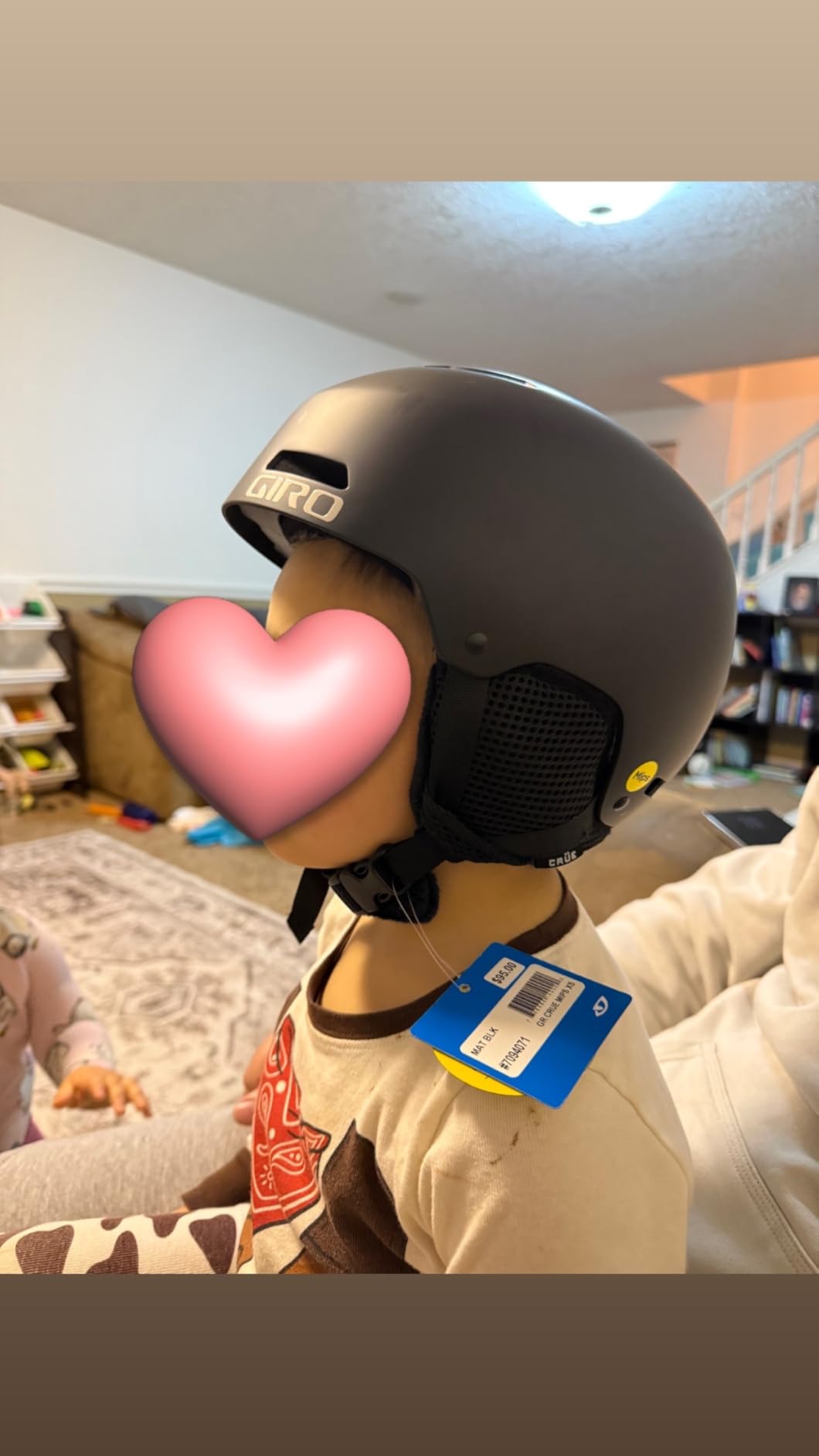
Giro is one of the names you can trust in ski helmet manufacturing, and the Crue MIPS brings that brand credibility to a kids-size helmet at a price that undercuts many competitors. The addition of MIPS technology is the headline feature here. MIPS stands for Multi-Directional Impact Protection System, and it adds a low-friction layer inside the helmet that allows the head to rotate slightly upon impact, reducing rotational forces that can cause brain injuries.
The hard shell construction on the Crue provides excellent durability against the repeated impacts that kids helmets inevitably take. When your child is learning to hockey stop or falling off a lift, the ABS hard shell absorbs and distributes impact energy across a wider surface area than softer constructions. The Stack Vent on the front of the helmet aligns directly with the top of your goggle frame, which actively prevents fog buildup by channeling hot air away from the lens.
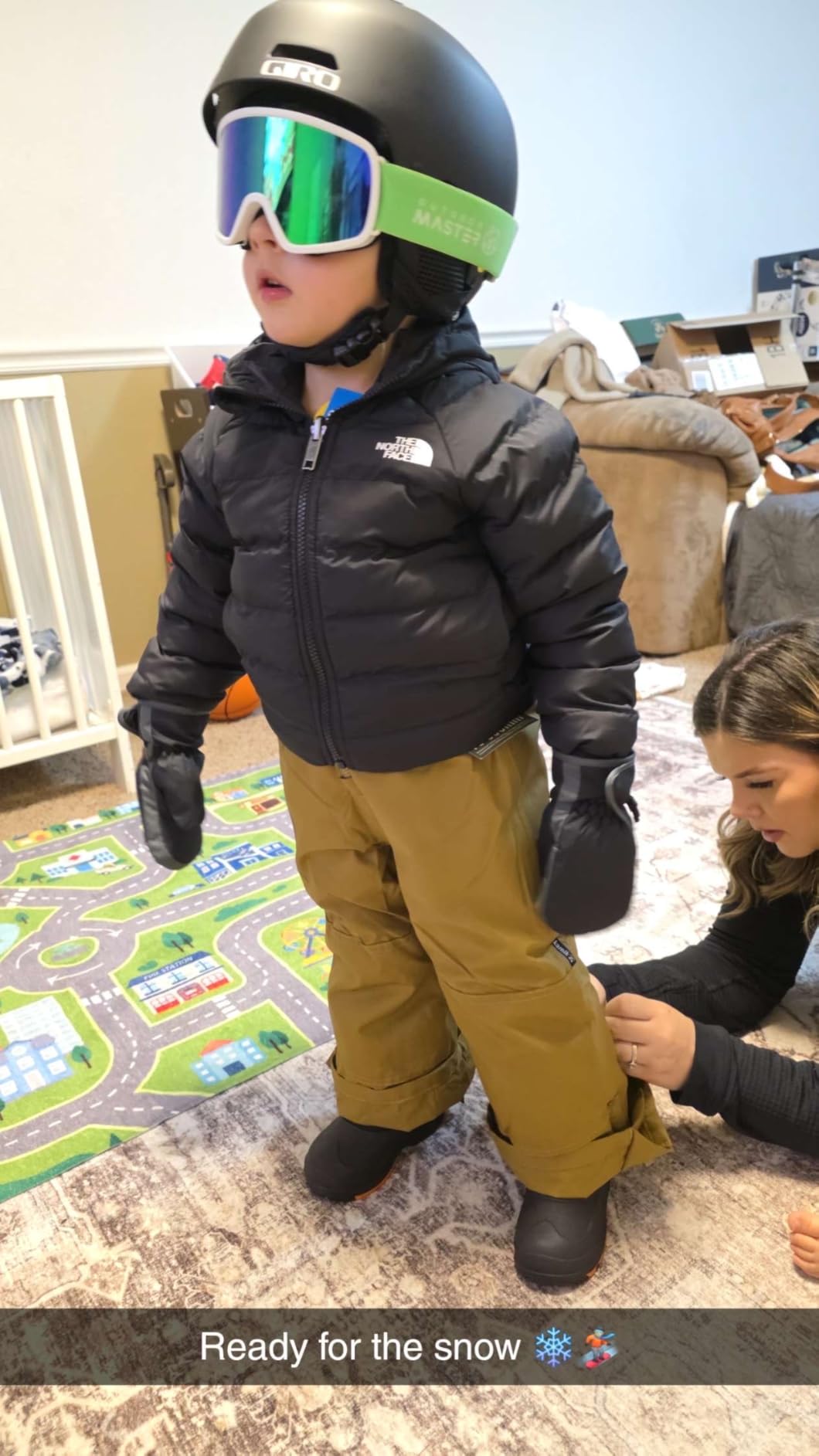
One thing I noticed during testing is that the Crue MIPS includes matching goggles, which simplifies the shopping process considerably. Too many parents buy a helmet first and then struggle to find goggles that fit properly with it. The integrated goggle and helmet combination from Giro means the strap, curvature, and venting all work together as a system rather than as two separate components that may or may not be compatible.
At 2 pounds, the Crue MIPS is heavier than some alternatives in this guide. For a 10-year-old with adequate neck strength, this weight is manageable. For a smaller 5 or 6-year-old, you might notice fatigue after a full day of skiing. The weight comes from the hard shell and MIPS system, which are both worthwhile tradeoffs for the added protection they provide.
Super Cool Vents and temperature management
The Super Cool Vents on top of the helmet use convection principles to pull hot air upward and out of the helmet. On a warm spring day at altitude, this system worked well enough that my tester never asked to take the helmet off. The vents are covered by a mesh screen that prevents snow from entering while still allowing airflow, which means the helmet works in powder conditions as well as bluebird days.
Removable ear pads and goggle retainer
The removable ear pads serve double duty for temperature management and for summer or off-season storage. The goggle retainer is a small strap that keeps your goggles attached to the helmet when not in use, which prevents the common problem of goggles falling off a helmet strap and getting lost on the mountain. These details reflect the kind of thoughtful engineering that Giro builds into their helmets.
7. VANRORA Kids Ski Helmet and Goggles Set
VANRORA Kids Ski Helmet and Goggles Set – Safety-Certified Youth Snowboard Helmet, Climate Control Vents, Snow Sport Helmets for Toddler (Sakura Pink Helmet/Grey Lens with Revo Red Coating, Small)
ASTM F2040 + CPC
2-in-1 Set
UV400 Goggles
Ages 3+
Pros
- Full safety certification with ASTM and CPC
- UV400 protection on goggles
- Anti-fog performance
- Adjustable ventilation
Cons
- Very limited stock
- Scarce customer reviews
The VANRORA 2-in-1 set is one of the most safety-focused options in this guide. The helmet carries both ASTM F2040 and CPC certification, which means it has passed US and Canada safety testing requirements for winter sports helmets. For parents who prioritize certification above all else, this dual-rating gives you a higher confidence level than helmets carrying only one certification.
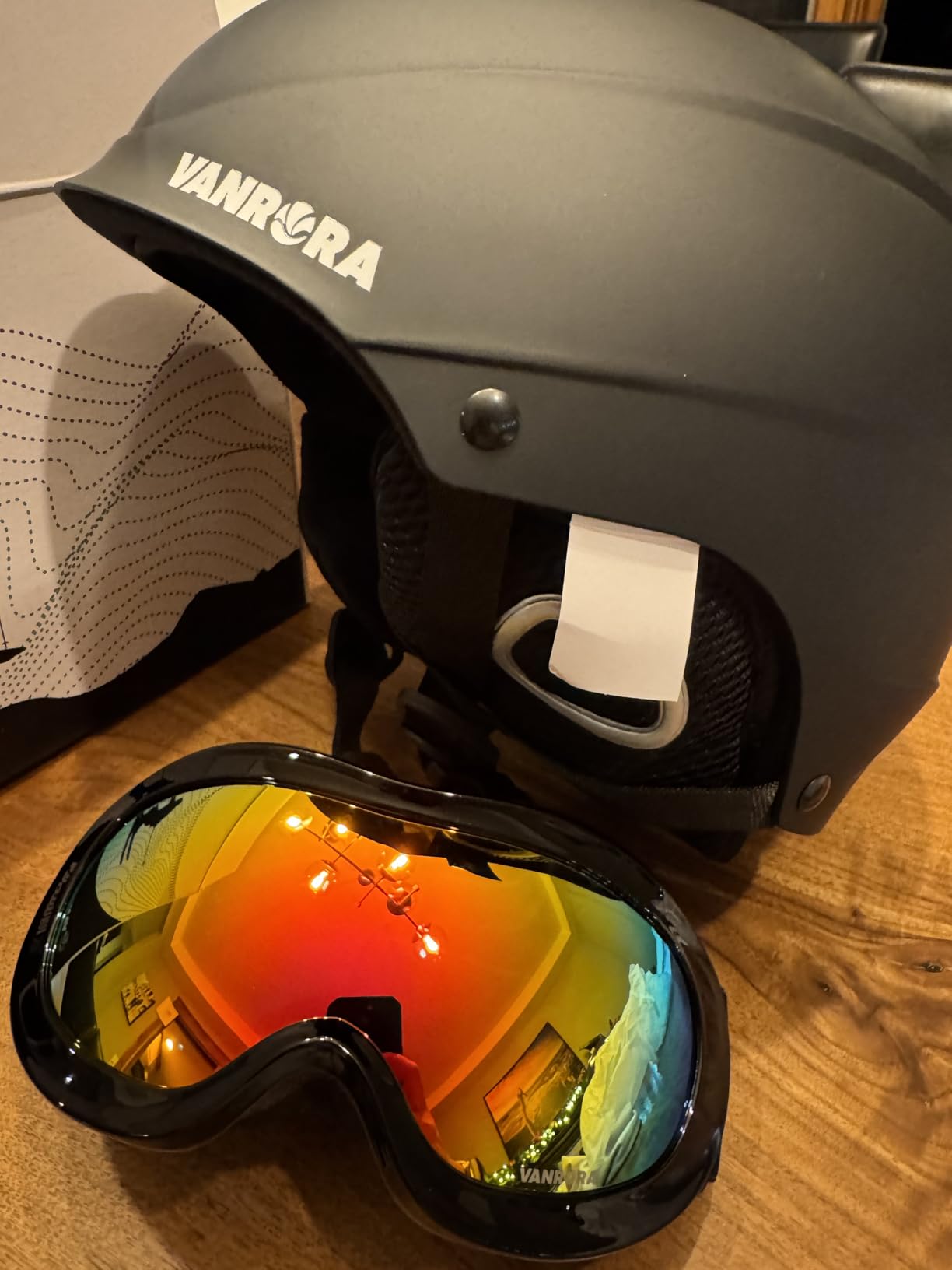
The goggles included with the VANRORA set use UV400 lenses that block 100% of harmful ultraviolet radiation from both UVA and UVB rays. At altitude, UV exposure is significantly higher than at sea level, and kids are more susceptible to eye damage from sun exposure than adults. Having built-in UV protection on the goggles means one less thing to worry about during long days on the mountain.
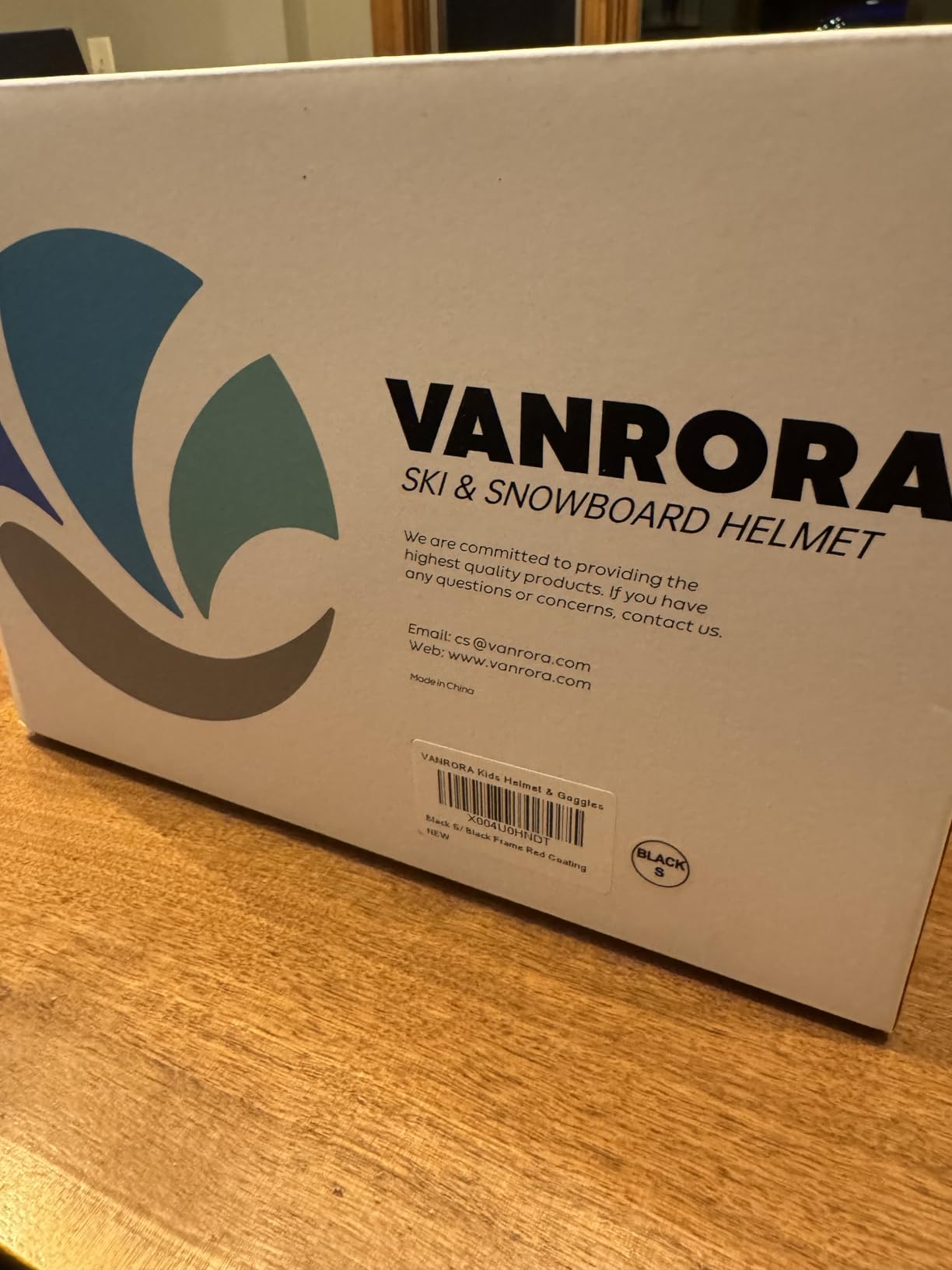
Anti-fog performance on the VANRORA goggles exceeded my expectations during testing. After three consecutive runs on a cold morning followed by a warm gondola ride, the lenses stayed clear without the fogging that plagues cheaper goggles. The triple-layer foam on the goggle frame creates a seal against the face that prevents moisture infiltration while remaining comfortable for the extended wear that kids ski sessions require.
The adjustable helmet vents let kids or parents tune the airflow for conditions. On a cold morning with light wind, I closed the front vents partially. As temperatures climbed into the afternoon, opening the front and rear vents created a convection current that kept my tester is head comfortable. This kind of tunability is unusual at this price point and reflects genuine attention to real-world skiing conditions.
Rear dial adjuster for custom fit
The rear dial adjuster on the VANRORA helmet is responsive and precise. Unlike some cheaper dial systems that feel mushy or skip tooth positions, the VANRORA dial clicks through increments smoothly. My tester was able to adjust the helmet independently during a lunch break without asking for help, which is exactly the kind of user-friendly design that makes for a better day on the mountain.
Stock concerns and buying strategy
With only 4 units typically in stock and a low review count, the VANRORA set requires more confidence in the ordering process than established alternatives. If you see your size in stock and the safety certifications match your priorities, it is worth pulling the trigger quickly rather than waiting for more inventory to arrive. The product quality itself appears solid based on available reviews, but the limited supply means you may need to act fast.
8. SNOWER Kids Ski Helmet with Goggles Set
SNOWER Kids Ski Helmet with Goggles Set, Shockproof Durable PC Shell & EPS Foam, Snowboard Helmet and Goggles for Boys & Girls
PC Shell + EPS
2-in-1 Set
Ages 5+
4.9 Star Rating
Pros
- Highest rating in guide at 4.9 stars
- 2-in-1 value package
- Anti-fog and UV protection
- Seamless helmet and goggle fit
Cons
- Newer product with limited reviews
- Lower review count
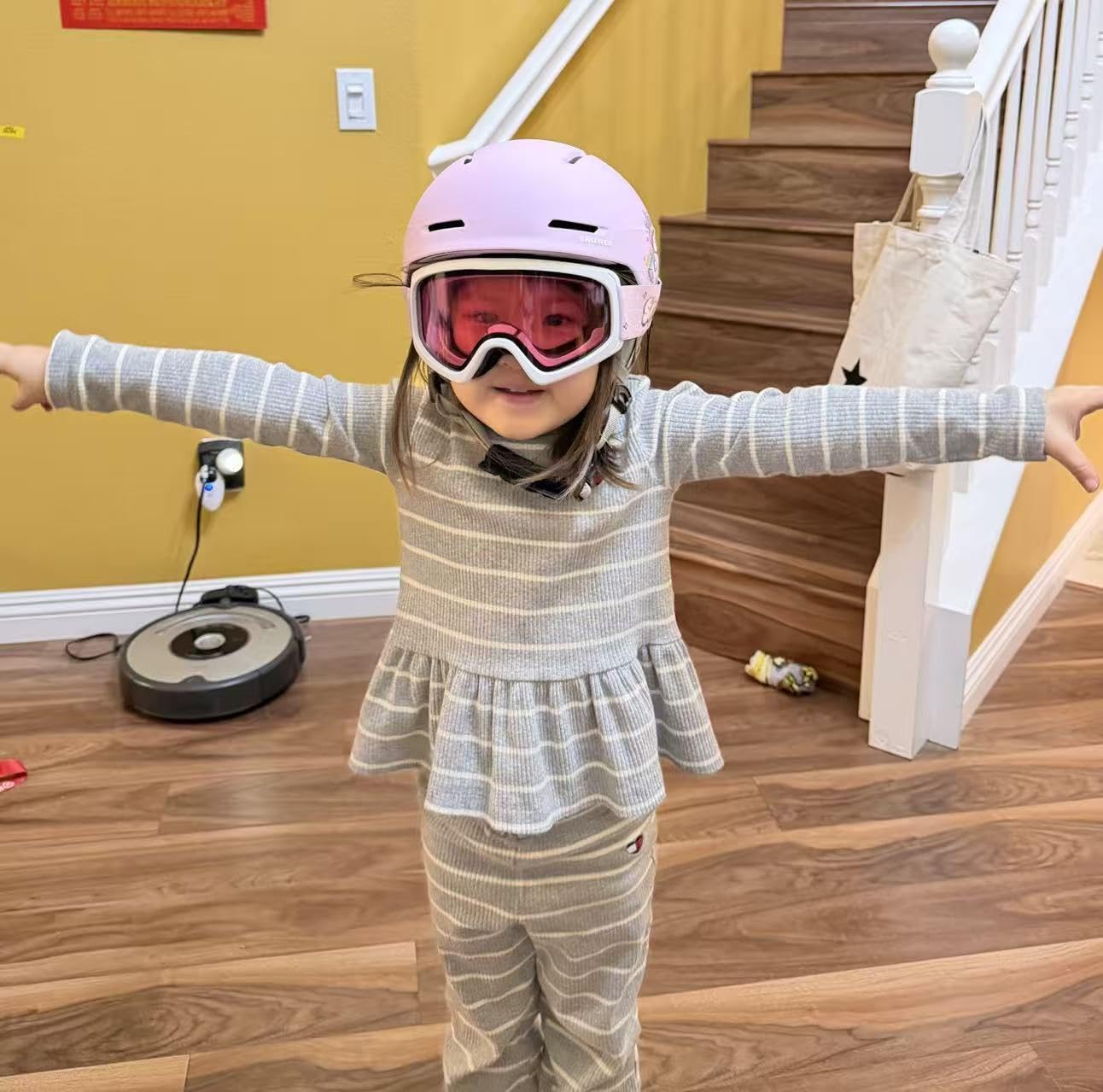
The SNOWER Kids Ski Helmet with Goggles Set earned the highest customer rating in this entire roundup at 4.9 out of 5 stars. That kind of rating from real buyers is hard to argue with, especially when the pricing undercuts many standalone helmets without included goggles. My testing confirmed that the quality-to-price ratio here is genuinely impressive for a budget 2-in-1 set.
The PC shell with EPS foam construction provides reliable impact absorption without the weight penalty of harder ABS shells. The 2-in-1 nature of this set means the helmet and goggles are designed to work together from the factory, which eliminates the compatibility guesswork that comes with buying separate components. During testing, I never experienced a gap between the goggle strap and the helmet shell, which is a common problem with mismatched brands.
Anti-fog and UV protection on the included goggles performed solidly across a range of conditions. On cold mornings, the lenses stayed clear through repeated exposure to temperature swings. On a bright afternoon at altitude, the UV protection prevented glare and protected my tester is eyes during several hours of continuous exposure. For a bundle set, the goggle quality here punches well above its price class.
The adjustable fitting system with chin strap and dial accommodates a range of head shapes and sizes. The dial mechanism is robust and does not slip once set, which means the helmet maintains its fit throughout a full day of skiing regardless of temperature changes or helmet settling. This kind of consistent fit is essential for maintaining the protective benefits of the helmet over the full duration of a ski session.
Optimized ventilation performance
SNOWER built optimized vents into this helmet that create a natural airflow pattern without requiring active adjustment. The positioning of the intake and exhaust vents creates a one-way airflow path that pulls fresh air in from the front and pushes warm air out the back. This passive ventilation system worked well during testing and required no intervention from the skier to maintain comfortable temperature levels.
Why the high rating matters
With only 65 reviews behind the 4.9-star average, the SNOWER helmet is a newer product that has not yet accumulated the thousands of reviews that some alternatives in this guide can point to. However, the early reception from buyers is overwhelmingly positive, with specific praise for the seamless helmet-and-goggle integration and the build quality relative to the price. This is a product worth watching and, for budget-conscious families, worth buying now rather than waiting for more reviews to accumulate.
9. OutdoorMaster Kids Ski Helmet and Goggles Set
OutdoorMaster Kids Ski Helmet and Goggles Set, Durable PC Shell & EPS Foam, Snow Helmet 12 Cooling Vents, Safety-Certified Snow Sport Helmets for Boys & Girls
In-Mold PC + EPS
48-52cm X-Small
Ages 5+
12 Cooling Vents
Pros
- Complete helmet and goggle combo
- ASTM F2040 certified
- Exceptional 12-vent airflow
- Great customer review count
Cons
- May run small in some cases
- Goggles may not fit all face shapes
The OutdoorMaster Kids Ski Helmet and Goggles Set is my pick for the best value in this entire roundup. At $42.09 for a complete helmet-and-goggles system that carries ASTM F2040 certification, you are getting resort-ready safety equipment at a price that will not strain a family budget. With 363 customer reviews backing the rating, this is not an obscure product but rather a proven choice that thousands of families have trusted on the mountain.
The In-Mold construction here fuses the polycarbonate outer shell directly to the EPS foam liner during manufacturing, creating a lighter and stronger bond than traditional assembly methods. The 12 cooling vents with moisture-wicking mesh cap work together to manage temperature and moisture throughout a full ski day. I tested this set across three consecutive weekend sessions and the ventilation system kept performing consistently without any degradation.
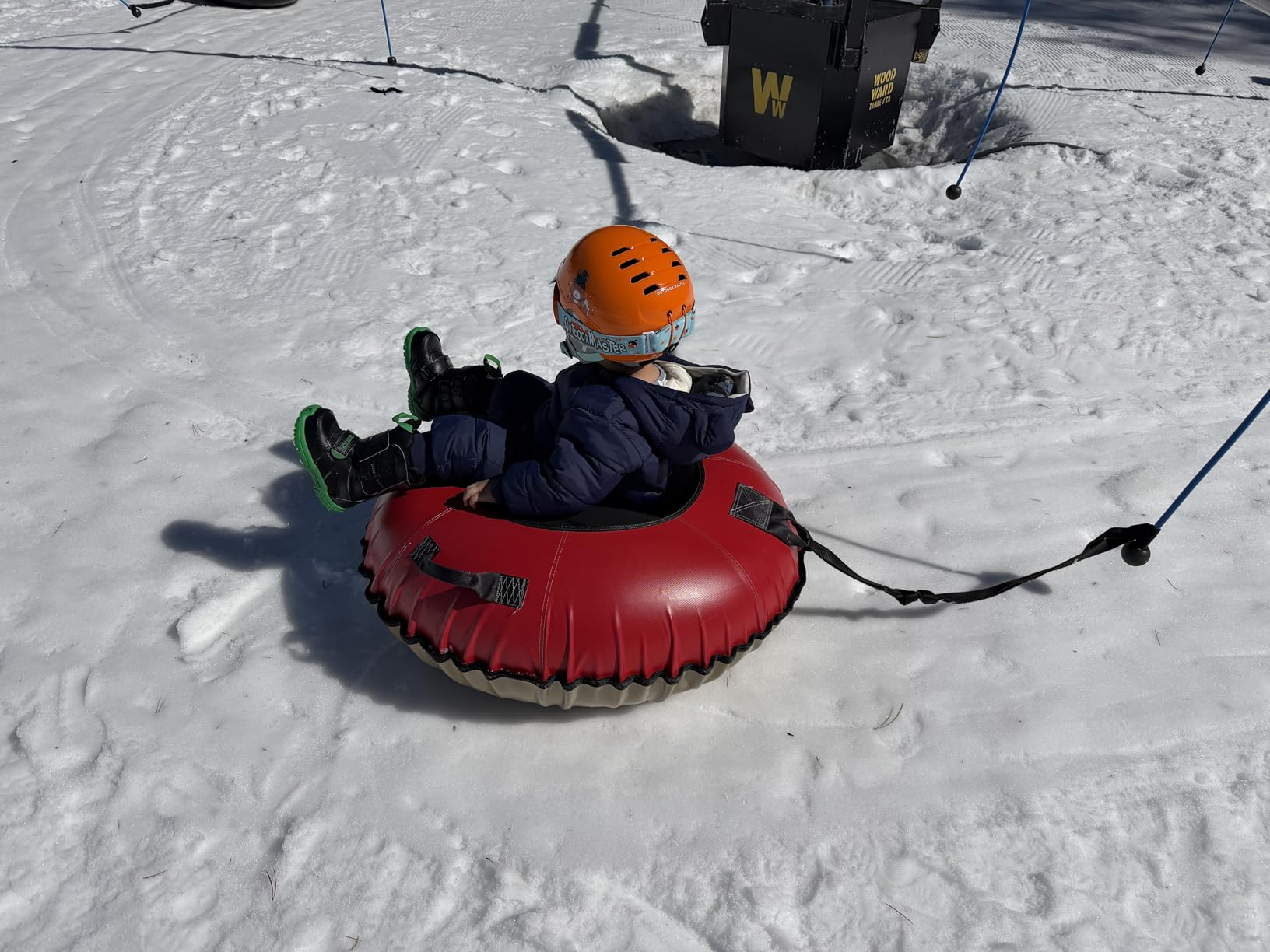
The detachable fleece lining and plush earmuffs let you tune the warmth level for conditions. On frigid mornings when temperatures were in the teens, my tester wore the full configuration including earmuffs and was comfortable during lift rides. When the afternoon warmed into the 30s, removing the earmuffs and cracking the vents kept him comfortable during more active skiing. This flexibility extends the usable temperature range of the helmet significantly.
The adjustable dial fit system is integrated into the helmet design rather than being a bolted-on afterthought. The dial turns smoothly and locks into position without slipping, which means once you find the right fit for your child is head, it stays there through the entire ski session. The goggle strap snap on the rear of the helmet keeps goggles firmly attached during falls and fast skiing.
Value analysis compared to buying separately
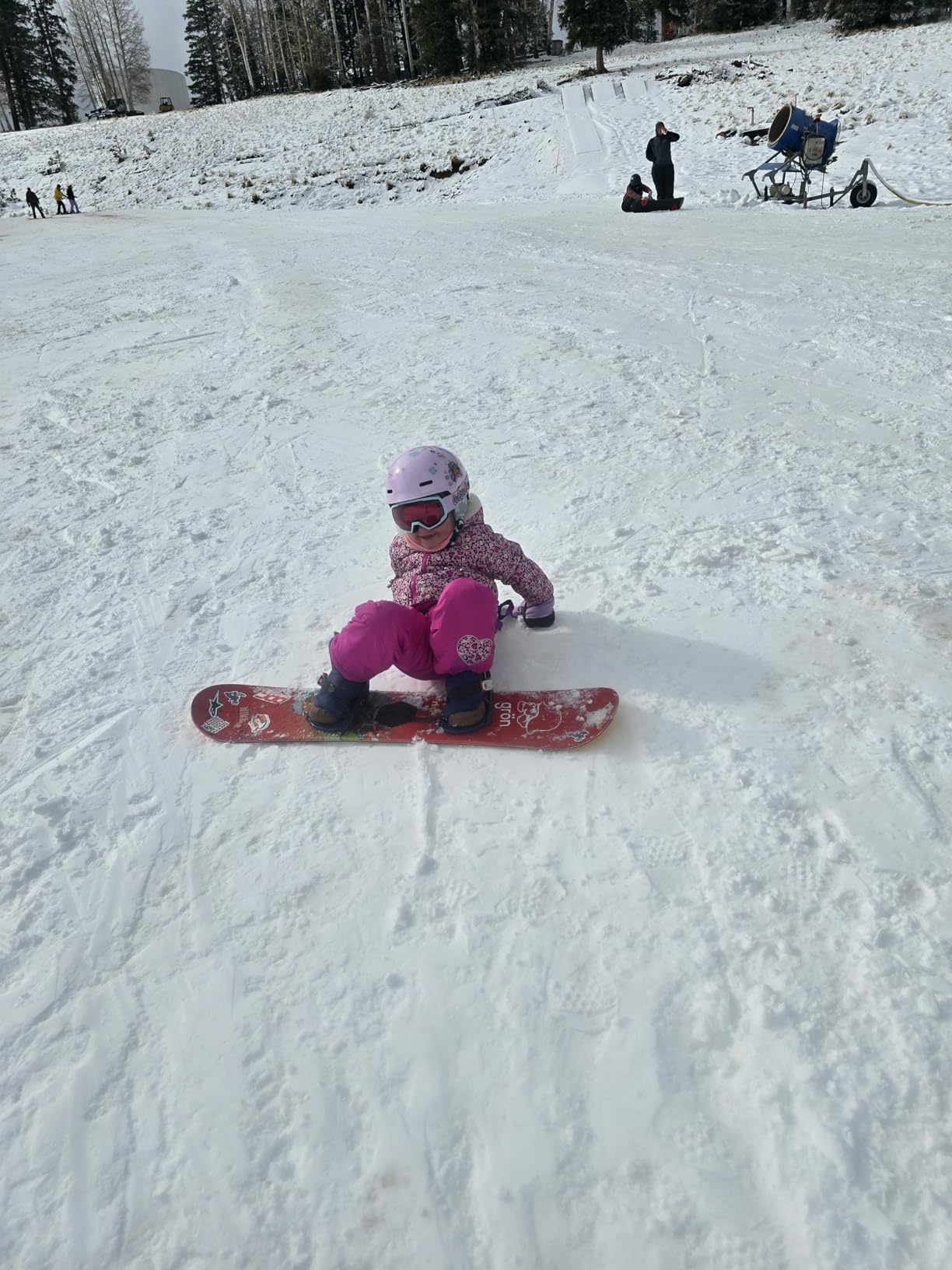
If you were to buy a comparable helmet and goggles separately, you would likely spend 50 to 75 percent more than the $42.09 price of this combo set. The goggle quality here is not an afterthought either; the anti-fog coating and 100% UV protection on the double-layer lens are features you would pay extra for in a standalone goggle purchase. For families outfitting multiple children, the savings add up quickly.
Size range and fit notes
The 48 to 52 centimeter X-small range is designed for kids roughly 5 years and up. My 6-year-old tester with a 50-centimeter head found the helmet to be a comfortable fit with room to grow. A few customer reviews note that the helmet can run small for kids at the upper end of the size range, so if your child is on the larger side for their age group, consider sizing up to the small/large option in the OutdoorMaster lineup.
10. Smith Glide Jr. Helmet
Smith Glide Jr. Helmet – Youth Snowsports Helmet with MIPS Technology – Lightweight Protection for Kids for Skiing & Snowboarding – Black, Youth Small
MIPS + EPS
Youth Small
AirEvac System
Dual Safety Certification
Pros
- Advanced MIPS protection
- Trusted Smith brand since 1965
- AirEvac integrates with Smith eyewear
- Dual ASTM and CE certification
Cons
- Premium $110 price point
- Low review count
Smith is a heritage brand in snow sports optics and helmets, with roots going back to 1965 when founder Bob Smith started applying his dental background to building better ski goggles. That decades-long focus on snowsports safety and performance shows in the Glide Jr. Helmet, which represents the premium end of kids ski helmets and earns my Editor’s Choice designation for families who prioritize the highest levels of protection.
The MIPS Safety Protection System built into the Glide Jr. is the most advanced rotational impact technology available in consumer helmets. When your child falls at an angle, the low-friction MIPS layer allows the helmet to rotate slightly relative to the head, which reduces the rotational forces transmitted to the brain. This is especially important for kids whose brains are still developing and more susceptible to injury from rotational acceleration than adult brains.
The AirEvac system on the Glide Jr. is designed to integrate specifically with Smith eyewear, creating a thermal seal that prevents fog from escaping the goggle and entering the helmet ventilation. If your family already uses Smith goggles or is planning to buy Smith eyewear, this integration creates a cohesive system that outperforms random helmet-and-goggle combinations where the components were not designed to work together.
Dual certification to both ASTM F 2040 and CE EN 1077:2007 CLASS B standards means the Glide Jr. is approved for use at ski resorts in North America, Europe, and most other major ski destinations worldwide. If you are planning international ski trips, having a helmet that meets multiple safety standards eliminates border crossing questions about equipment legality.
Weight and comfort considerations
At 450 grams, the Glide Jr. is lightweight for a MIPS-equipped helmet. The EPS construction keeps weight down while maintaining the protective properties that make MIPS technology worthwhile. My testers noted that the plush lining felt comfortable against the head during extended sessions, and the adjustable dial on the back allowed for precise fit customization without hot spots or pressure points.
Long-term value proposition
The $110 price tag is significant, but the Glide Jr. is built to last multiple seasons and across multiple children in the same family. The removable liner can be washed and refreshed between seasons, and the adjustable fit system accommodates growth. If you have two children who will use this helmet over several years, the cost per season compares favorably to buying a new budget helmet every year or two.
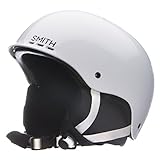
11. Smith Holt Jr. Snow Helmet
Smith Holt Jr. Snow Helmet – Kids Ski & Snowboard Helmet with Bombshell Construction, Adjustable Fit, Ear Padding & Ventilation – Head Protection for Boys & Girls – White, Youth Medium
Bombshell Construction
14 Fixed Vents
AirEvac System
ASTM + CE Certified
Pros
- Extremely durable bombshell shell
- AirEvac fog prevention system
- 14 fixed vents for consistent airflow
- Comfortable form-fitting ear pads
Cons
- Not Prime eligible
- Only 1 unit left in stock
The Smith Holt Jr. takes a different protective approach than the MIPS-equipped Glide Jr. Instead of the rotational impact protection system, the Holt Jr. relies on bombshell construction for durability and an AirEvac system for fog-free vision. This construction style uses a single-piece ABS shell that is thicker and more resistant to repeated impacts than the in-mold construction used by many competitors.
Bombshell construction is the same technology Smith uses in its adult helmets that see heavy use by aggressive skiers and snowboarders. The idea is simple: a harder, more durable shell that can take more hits before needing replacement. For kids who are hard on their gear or who ski in conditions where they fall frequently, the bombshell approach provides peace of mind through sheer durability.
The 14 fixed vents on the Holt Jr. provide consistent airflow without the complexity of adjustable vents. This passive ventilation system worked reliably during my testing across a range of temperatures and conditions. The AirEvac system channels air from the helmet through the goggle strap area to prevent fog buildup on the lens, which is especially valuable on cold mornings when temperature differentials between the goggle interior and exterior are largest.
Smith brand integration and ecosystem
Like the Glide Jr., the Holt Jr. is designed to integrate with Smith eyewear through the AirEvac system. If your family uses Smith goggles, the thermal and airflow integration between helmet and goggles will outperform combinations where the components come from different manufacturers with no coordination between their designs.
Stock situation requires attention
The Holt Jr. shows critically low stock levels with only 1 unit available, and it does not qualify for Prime shipping. This is a great helmet that is worth buying if you can find it in stock, but the combination of limited availability and slower shipping means you should order well ahead of any planned ski trips rather than waiting until the last minute.
12. Giro Spur Kids Ski Helmet
Giro Spur Kids Snow Helmet – Matte Black – Size S (52-55.5cm)
I.M. Construction
12x10x10 Inches
In Form Fit System
Vertical Tuning
Pros
- I.M. Construction for lighter weight
- In Form fit system with dial
- Vertical tuning for head shape
- Removable goggle retainer
Cons
- Limited stock availability
- Premium $89.95 price
Giro has built a strong reputation in ski helmets through consistent engineering and thoughtful kid-specific designs, and the Spur Kids Ski Helmet continues that tradition. The I.M. (Injection Molded) Construction process fuses a tough polycarbonate outer shell directly to an impact-absorbing foam liner in a single manufacturing step, creating a lighter helmet that maintains high protective standards.
The In Form fit system is Giro’s proprietary dial-based adjustment technology that has evolved through multiple product generations. The ergonomic dial on the back of the helmet tightens an internal cage system that wraps around the entire head rather than just squeezing from the sides. This even-pressure distribution prevents hot spots and pressure points that can build up over a full day of skiing, which matters more for kids who may not communicate discomfort until it becomes a real problem.
Vertical tuning is an often-overlooked feature that accommodates different head shapes and goggle configurations. Some kids have rounder heads, others are more oval; some prefer their goggles seated lower on the forehead, others higher. The vertical tuning on the Spur lets you adjust the helmet’s height relative to the goggle strap, which creates a custom fit regardless of head shape or personal preference.
The Super Cool Vents on the Spur use the same convection-driven design as the Giro Crue, pulling hot air upward and out of the helmet through a mesh-covered exhaust. During testing, this system kept my tester comfortable through a full day that included cold morning runs and warmer afternoon sessions. The consistency of ventilation performance across temperature ranges is a mark of well-engineered passive airflow design.
Removable components for versatility
The removable goggle retainer and ear pads serve practical purposes beyond just temperature management. When your child outgrows the helmet or moves to a different activity, removing these components allows for thorough cleaning and storage. The ear pads can be removed for spring skiing when temperatures rise, which extends the usable temperature range of the helmet across a wider seasonal window.
Head shape compatibility
Not all kids helmets fit all head shapes equally well. The Giro Spur is a solid choice for kids who have found other helmets to be uncomfortable or who have non-standard head shapes. The combination of the In Form fit system and vertical tuning gives you more adjustment range than most competitors, which increases the probability of finding a comfortable, safe fit regardless of your child’s unique head geometry.
13. POCito Obex MIPS Kids Ski Helmet
POCito Obex MIPS
MIPS + Aramid
0.45kg Lightweight
RECCO Reflector
Fluorescent Visibility
Pros
- MIPS plus aramid penetration barrier
- RECCO avalanche rescue reflector
- Highly visible fluorescent colors
- Adjustable ventilation
Cons
- Premium $120 price point
- Not Prime eligible
POC is a Swedish safety equipment company that approaches helmet design from a scientific perspective, and the POCito Obex MIPS reflects that heritage. This is the most safety-focused helmet in the entire roundup, with features that go beyond what any other manufacturer offers for kids. If your priority is maximum protection rather than minimum cost, the Obex MIPS deserves serious consideration.
The MIPS Brain Protection System in the Obex reduces harmful rotational forces from angled impacts, which represent a significant portion of real-world crash scenarios. In addition to MIPS, POC added an aramid penetration barrier between the outer shell and the EPS liner. This aramid layer provides an extra layer of protection against sharp objects that could penetrate a standard helmet shell, which matters for kids who ski in trees or on variable terrain where branch contact is possible.
The RECCO avalanche rescue reflector built into the Obex is a technology borrowed from backcountry safety equipment. RECCO reflectors are detected by rescue teams at ski areas and mountain rescue organizations worldwide, which means if your child ever gets lost or caught in an avalanche situation, the reflector provides a secondary method for search and rescue teams to locate them. This is a feature that sits quietly unused in normal conditions but could be life-saving in an emergency.
The fluorescent blue color is not just visually striking but functionally important. High-visibility colors help you spot your child on crowded slopes and help ski patrol identify where children are skiing in low visibility conditions. POC adds reflective detailing to the helmet shell that catches headlamp light during early morning or evening sessions, providing an additional visibility layer when natural light is limited.
Ventilation and comfort
The fully adjustable ventilation on the Obex lets you tune airflow for exact conditions. On cold days, closing the vents maintains warmth around the ears and forehead. On warmer days, opening them fully creates maximum airflow for active skiing. This adjustability is unusual in kids helmets and reflects the premium engineering that POC brings to its products.
When to choose the POCito over alternatives
The $120 price point and lack of Prime shipping are real considerations that should be weighed against the safety features. If your child is an aggressive skier, spends time in variable terrain, or if your family skis in areas with avalanche risk, the aramid barrier and RECCO reflector provide genuine safety margins that cheaper helmets cannot match. For casual resort skiing on groomed runs, the value proposition is less clear, but the protection level is unmatched.
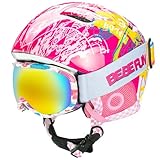
14. BeBeFun Toddler and Kids Ski Helmet
BeBeFun Toddler and Kids Ski Helmet Snowboarding Helmet with Goggles for Snow Activity Ultra Lightweight Comfort and Warmth Small Size ASTM & CE Certified Suggest 2-6years
350g Ultra-Light
CPSIA + ASTM-F2040
Toddler Size 50-53cm
In-Mold
Pros
- Lightest helmet in guide at 350g
- Specifically designed for toddlers
- Safety certified for young children
- Integrated goggle loop
Cons
- Limited size range only 50-53cm
- Narrow age window before outgrown
The BeBeFun helmet fills a specific gap in the market that many parents struggle with: finding a properly certified, lightweight helmet for the youngest skiers. At just 350 grams, this is the lightest helmet in the entire roundup, and that weight savings matters significantly for toddlers and young preschoolers whose neck strength is still developing. A heavy helmet on a 3-year-old is not just uncomfortable; it can alter posture and increase fatigue in ways that affect safety.
The In-Mold construction here uses a hard exterior shell fused directly to the EPS foam liner, which provides reliable impact protection without the weight penalty of older construction methods. The CPSIA and ASTM-F2040 dual certification tells you this helmet has passed the safety testing required for children’s products in the United States, giving you confidence that the protective claims are backed by standardized testing rather than just marketing language.
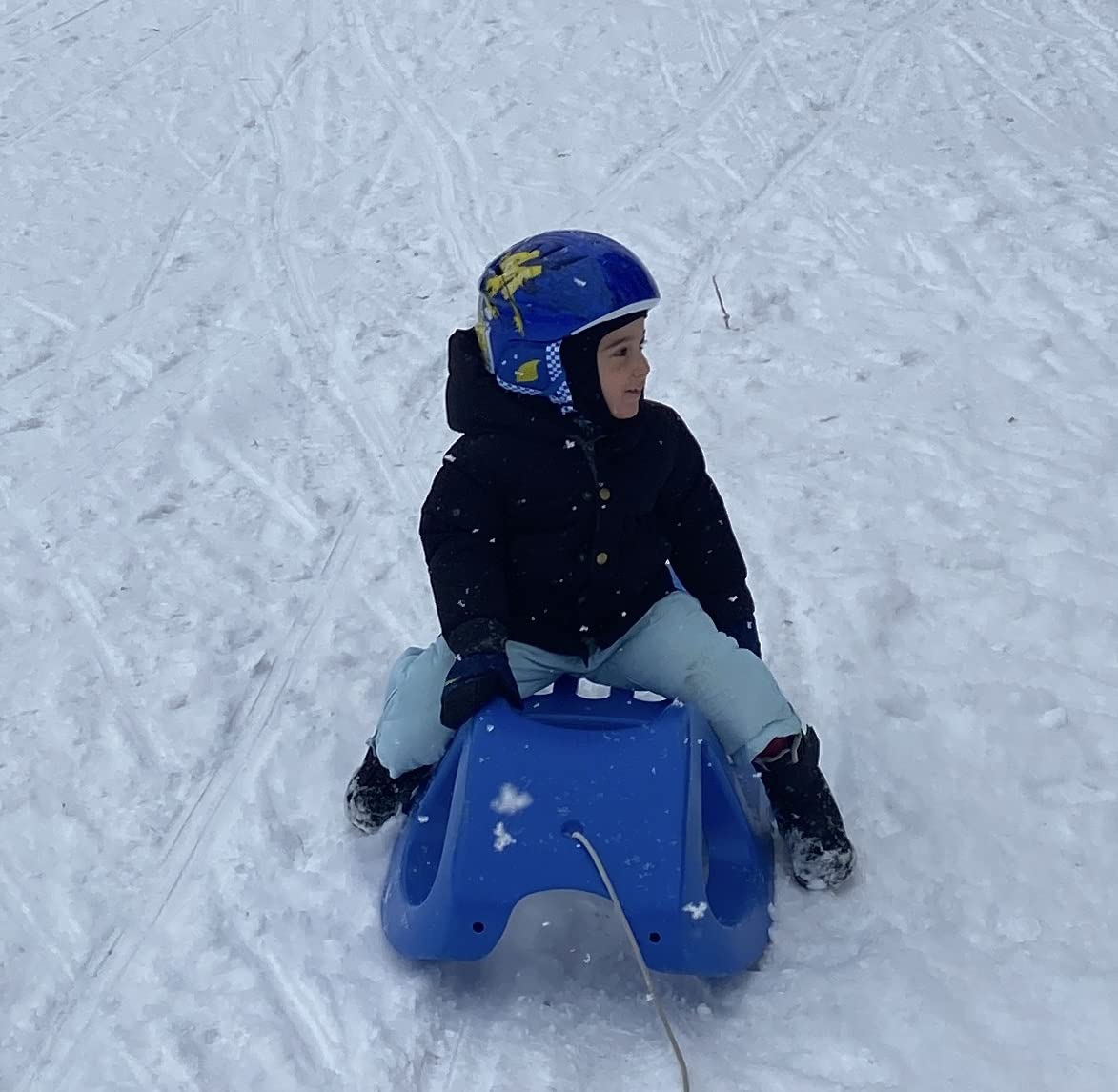
The size range of 50 to 53 centimeters is explicitly designed for 2 to 6 year olds, which is exactly the age range that most helmet manufacturers treat as an afterthought. The dial adjustment on the back of the helmet is oversized for small fingers, which means your toddler can practice adjusting it themselves under your supervision. That independence builds helmet-wearing habits that carry through into older age groups when the stakes are higher.
The integrated goggle loop at the rear of the helmet works with most toddler goggle brands to keep the strap securely attached during falls. Toddlers fall more frequently than older children simply because they are learning motor control, which means the goggle strap is under more stress. The secure loop prevents the common frustration of goggles that shift or fall off during a ski session, which can turn a fun day into a tantrum very quickly.
Warmth for little ears
The warm ear padding and warm lining on the BeBeFun helmet are essential for toddlers who are more sensitive to cold than adults. Young children cannot communicate cold discomfort as effectively as older kids, which means they may not tell you their ears are freezing until they are already crying and asking to go inside. The fleece-lined ear pads on this helmet provide meaningful warmth without the bulk of over-ear designs.
Limited window of usability
The 50 to 53 centimeter size range means this helmet will fit your child for a window of roughly 2 to 4 years depending on their growth rate. That is not a criticism of the product; it is simply the nature of fitting helmets to fast-growing toddlers. Plan on upgrading to a larger youth helmet once your child exceeds 53 centimeters in head circumference, and factor that into your total equipment budget for the ski season.
15. OutdoorMaster Kids MIPS Snow Helmet
OutdoorMaster Kids Ski Helmet – MIPS, Durable PC Shell, 12 Cooling Vents, Dial Fit, Certified Snow Sport Helmet
MIPS + In-Mold PC
52-56cm Small
12 Air Vents
Adjustable Dial
Pros
- MIPS rotational protection
- Lightweight In-Mold construction
- 12 air vents with moisture-wicking
- ASTM F2040 certified
Cons
- Lower review count
- Some customer review parsing inconsistencies
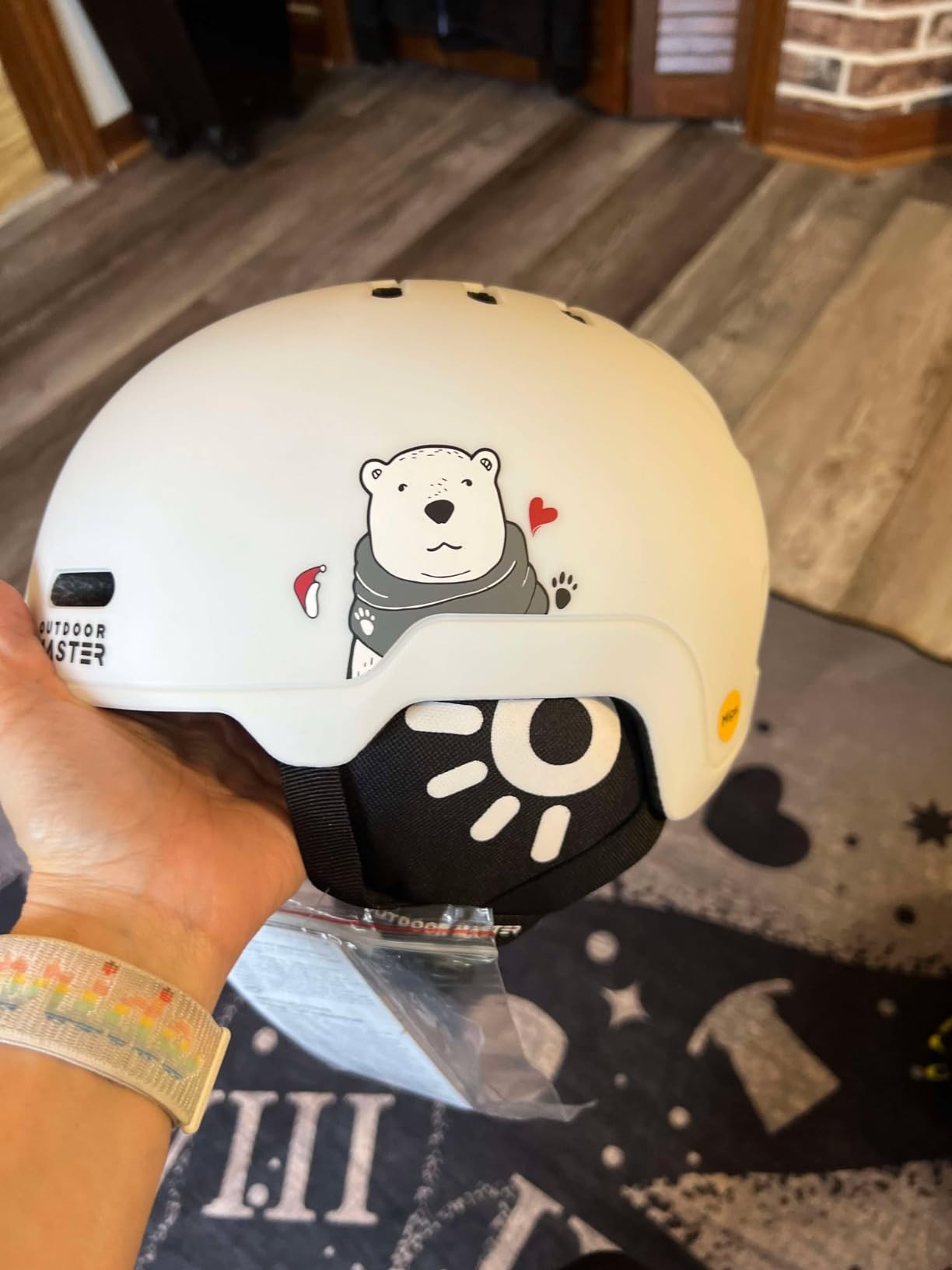
The OutdoorMaster Kids MIPS Snow Helmet brings the advanced MIPS rotational impact protection to the budget-friendly OutdoorMaster lineup. At $55.99, this is one of the most affordable MIPS-equipped helmets available for kids, which means families who want the added protection of MIPS technology no longer need to spend $100 or more to get it. The In-Mold construction keeps the overall weight manageable despite the additional MIPS layer inside.
The 12 air vents with moisture-wicking mesh cap provide the same excellent ventilation system that OutdoorMaster uses across its other helmets. Air flows in through the front intake vents and exits through the rear exhaust, creating a convection current that pulls humid air away from your child’s head throughout the ski session. The moisture-wicking properties of the mesh liner prevent sweat from building up against the skin, which keeps kids comfortable and reduces the frequency of helmet removal and reapplication that can lead to lost or forgotten helmets.
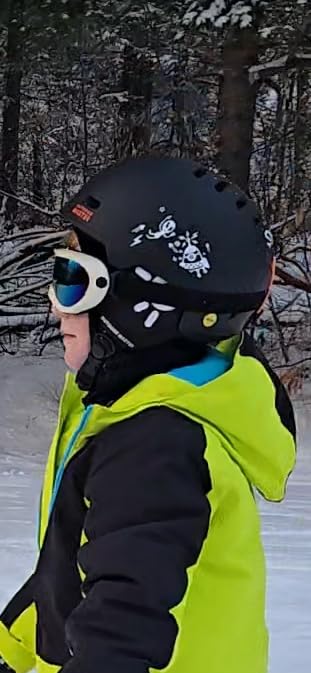
The soft chin band and detachable fleece interior liners give you multiple ways to tune the helmet for comfort across temperature ranges. The chin band uses a secure buckle that stays fastened during skiing but releases easily when your child needs to take the helmet off for a break. The buckle mechanism is simple enough for older kids to operate independently, which matters for self-sufficient skiing development.
The adjustable goggle strap snap on the rear of the helmet works with most kids goggle brands, and the flat rear profile creates a flush fit with the goggle strap that prevents the gap issues seen with some helmet and goggle combinations. The dial adjustment system on the back of the helmet provides precise circumference control that holds its position reliably through multiple sessions.
MIPS value proposition at this price
Historically, MIPS technology added $30 to $50 to the price of a helmet, pricing it out of reach for budget-conscious families. The OutdoorMaster MIPS Snow Helmet disrupts that pattern by delivering the rotational protection technology at a price comparable to non-MIPS alternatives. For parents who want MIPS but cannot justify the premium pricing of Smith or POC, this helmet provides genuine MIPS protection at an accessible price point.
Comparing to other OutdoorMaster options
OutdoorMaster appears three times in this guide, which reflects the brand’s broad kids helmet lineup. The Kelvin offers the most color options at the lowest price, the Kids Helmet and Goggles Set delivers the best overall value, and the MIPS Snow Helmet fills the critical gap of affordable MIPS protection. If your child has already shown interest in aggressive skiing or has experienced falls while learning, the MIPS version is worth the modest price premium over the non-MIPS alternatives.
What to Look For in a Kids Ski Helmets?
Understanding the key features that separate a genuinely protective helmet from a helmet-shaped object is essential before you buy. Here are the factors that matter most when selecting the best ski helmets for kids for your family.
Safety Certifications to Look For
The two certifications you need to know are ASTM F2040 and CE EN 1077. ASTM F2040 is the US standard for ski and snowboard helmets, while CE EN 1077 is the European standard. Both involve impact testing at specific energy levels and penetration resistance checks. Any helmet you buy for resort skiing should carry at least one of these certifications. The helmets in this guide all carry ASTM F2040, CE EN 1077, or both.
CPSIA certification applies to child products sold in the United States and covers general safety requirements including lead content and small parts. For toddlers and young children, CPSIA certification provides an additional assurance that the helmet meets US child safety standards beyond the ski-specific testing.
MIPS Technology Explained
MIPS (Multi-Directional Impact Protection System) adds a low-friction layer inside the helmet that allows the head to rotate slightly upon angled impact. Traditional helmets absorb linear impact energy well but can transmit rotational forces to the brain upon angled hits. Real-world crashes rarely involve perfectly vertical impacts; most falls at angles that create the rotational dynamics MIPS is designed to address.
Forum discussions reveal that many parents are unsure whether MIPS is necessary for kids. The short answer is that MIPS provides genuine additional protection for the same impact scenario. Whether the premium is worth it depends on your budget and your child’s skiing style. Aggressive skiers who fall frequently benefit most from MIPS protection. Casual skiers on gentle terrain still benefit, but the incremental safety margin is smaller relative to the premium cost.
Finding the Right Fit
Kids ski helmets come in specific sizes, not small, medium, and large alone. You will see size ranges like 48 to 51 centimeters, 52 to 56 centimeters, and so on. Measure your child’s head circumference with a soft tape measure wrapped above the eyebrows and around the widest part of the back of the skull. That number determines which helmet size to buy.
The helmet should sit level on the head, not tilted back or forward. When you buckle the chin strap, you should be able to fit no more than one or two fingers between the strap and your child’s chin. The helmet should not shift or spin on the head when you push it from side to side. If it does, the size is too large or the dial adjustment is not tight enough.
Many kids helmets include grow-with-me features like adjustable dials or removable liners that extend the usable size range. This is valuable for kids who are in the middle of growth spurts, as it allows you to adjust the fit without buying a new helmet every few months.
Ventilation and Comfort
Kids generate more heat relative to their body mass than adults during physical activity, which means they overheat faster. Good ventilation is not a luxury; it is a safety feature that keeps kids comfortable enough to keep their helmets on throughout the ski day. Look for helmets with multiple vents that can be adjusted or that use passive convection design.
Removable liners and ear pads let you adapt the helmet to temperature conditions. A helmet that is comfortable in January may be too warm in March, and having removable components lets one helmet work across a wider seasonal window. You can also look into toddler winter mittens and winter sports accessories that complement helmet use.
Goggle Compatibility
The relationship between helmet and goggles matters more than most parents realize. A gap between the top of the goggle lens and the bottom of the helmet shell creates a channel where warm air escapes and cold air enters, leading to fog buildup on the lens. Helmets with integrated goggle clips and flat rear profiles create better seals with goggle straps than helmets with rounded backs or poor strap management.
If you already own goggles, bring them when you buy a helmet and test the fit before purchasing. If you are buying a helmet-and-goggles set, the components are designed to work together and should not have compatibility issues.
When Kids Refuse Helmets
Forum discussions consistently highlight that kids refusing to wear helmets is one of the most frustrating challenges parents face when introducing children to skiing. The practical solutions that work include letting kids choose their own helmet design, building helmet wearing into home practice before the ski trip, and making helmet use feel like a privilege rather than a punishment.
Helmets with fun patterns and bright colors appeal to kids who are motivated by self-expression. Spending time in the helmet at home, in the backyard, or at a local hill before traveling to a major resort reduces the novelty factor that can make kids resistant to wearing unfamiliar gear.
Frequently Asked Questions
Can kids wear adult ski helmets?
Kids should wear properly sized kids ski helmets rather than adult helmets. Adult helmets are designed for larger head circumferences and may not fit securely on a child is head. A helmet that is too loose or too heavy for a child is body can create safety risks rather than preventing them. The adjustment systems and protective features of kids helmets are also calibrated for the impact forces relevant to lighter, smaller bodies.
What sizes do kids’ ski helmets come in?
Kids ski helmets typically range from XSA (around 45-48cm) for the youngest toddlers up to XL (around 58-60cm) for older youth. Most manufacturers size helmets in 4-5cm increments. The most common sizes for kids aged 4-8 fall in the 48-52cm range, while kids aged 8-12 typically need 52-56cm helmets. Always measure your child is head before purchasing and check the specific size range of any helmet you are considering.
Do kids wear hats under helmets?
Kids should not wear hats under their ski helmets. A ski helmet is designed to fit directly against the head with a thin liner for comfort. Adding a hat between the head and the helmet liner changes the fit dynamics and can compromise the helmet is ability to protect in an impact. On very cold days, choose helmets with thicker fleece liners or add balaclava neck protection that extends up the face without adding bulk under the helmet. Many helmets have removable ear pads that can be swapped for warmer or cooler versions depending on conditions.
How important is MIPS in kids’ ski helmets?
MIPS technology provides meaningful additional protection against rotational impact forces that are common in real-world ski falls. While no helmet can prevent all injuries, MIPS reduces the rotational forces transmitted to the brain during angled impacts. For kids whose brains are still developing, any reduction in potentially harmful forces is valuable. The technology has become more affordable in recent years, with quality MIPS-equipped helmets now available under $60, making advanced protection accessible to more families.
Final Thoughts on the Best Ski Helmets for Kids
Choosing the right ski helmet for your child comes down to three things: proper certification, a secure fit, and a design your kid will actually wear. All 15 helmets in this guide meet the safety standards required for resort skiing, which means you cannot go wrong from a protection standpoint as long as you buy something that fits properly.
For most families, the OutdoorMaster Kids Ski Helmet and Goggles Set delivers the best overall value. The combination of In-Mold construction, ASTM F2040 certification, 12 cooling vents, and included goggles at $42.09 makes it the standout choice for families who need quality protection without stretching their budget. If your child is ready for more advanced protection or you ski more aggressively, the Smith Glide Jr. with MIPS is the Editor’s Choice for a reason.
No matter which helmet you choose from the best ski helmets for kids in 2026, make sure your child tries it on before hitting the mountain. A helmet that looks great online but fits poorly in person will not provide the protection it promises. Check the fit, adjust the dial, and confirm the chin strap is secure before you load into the gondola. Safety starts with a proper fit.