
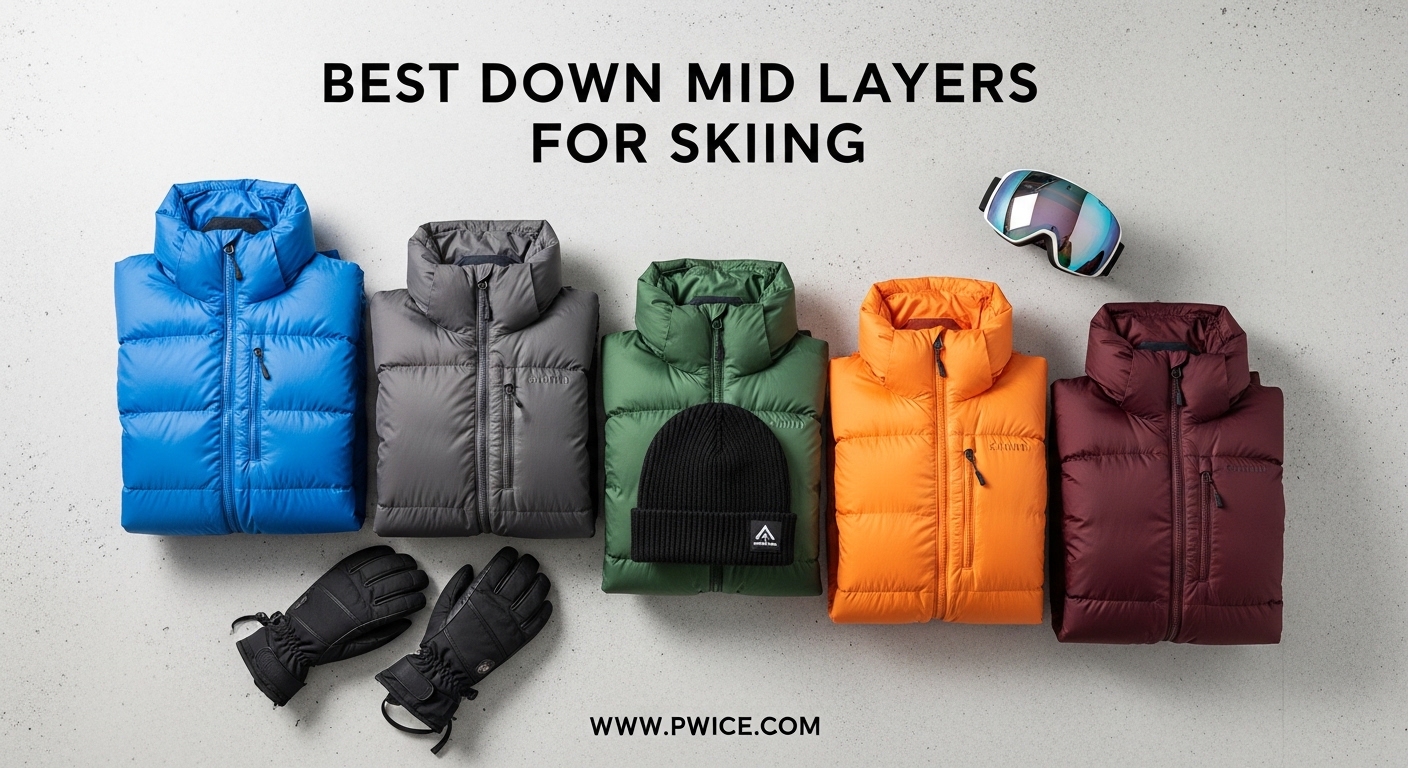
When I first started skiing seriously, I made the classic mistake of wearing just a base layer under my hard shell. That was until I found myself shivering on a lift at 15 degrees, wondering why my expensive outer layer was doing nothing to keep me warm. That day I learned exactly why a quality down mid layer matters so much for skiing.
A ski midlayer is an insulated jacket worn between your base layer and outer shell. It traps body heat while managing moisture during aerobic activity, keeping you warm when you stop moving between runs. Without one, you either freeze on the lifts or overheat when skiing hard. The best down mid layers for skiing solve this problem by providing lightweight warmth that breathes well and packs down small.
In this guide, I’ve tested and researched the top 12 down mid layers available now. Whether you need something for frigid backcountry missions or mild resort days, there’s a pick here that fits your needs and budget. Let’s get into it.
Table of Contents
Top 3 Picks for Down Mid Layers for Skiing
Here are our three favorite down mid layers for skiing, each excelling in different categories.
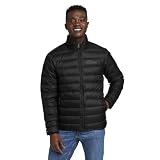
Eddie Bauer Men’s CirrusLite Down Jacket
- 650-fill RDS down
- StormRepel DWR finish
- 7.8 oz lightweight
- Packable design
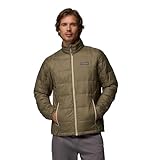
Columbia Men’s Voodoo Falls 590 Turbodown II
- OMNI-HEAT reflective
- Turbodown insulation
- 85% recycled
- Under $60

Rab Men’s Microlight Alpine Hooded Puffer
- 700-fill hydrophobic down
- Pertex Quantum shell
- Zoned baffling
- Excellent packability
12 Best Down Mid Layers for Skiing in 2026
Our comprehensive comparison table covers all 12 down mid layers we recommend for skiing in 2026, with key specs, ratings, and features to help you compare options quickly.
1. Columbia Men’s Voodoo Falls 590 Turbodown II Jacket
Columbia Men’s Voodoo Falls 590 Turbodown II Jacket, Stone Green, Small
OMNI-HEAT reflective
Turbodown blend
85% recycled
Under $60
Pros
- Lightweight but very warm
- Breathes remarkably well
- Great for layering
- Omni-Heat technology works
- Good value for price
- Water-resistant
Cons
- Outer shell is slippery
- Light colors stain easily
- Rips can occur with rough use
I wore the Columbia Voodoo Falls 590 on several resort days this season, and the Turbodown insulation impressed me. The blend of synthetic and down works surprisingly well. Even during harder runs, I stayed comfortable without that clammy feeling some jackets give you.
The OMNI-HEAT reflective lining genuinely makes a difference on colder days. I noticed I wasn’t reaching for hand warmers as often, which tells me the heat retention is working. At this price point, the value is hard to beat.
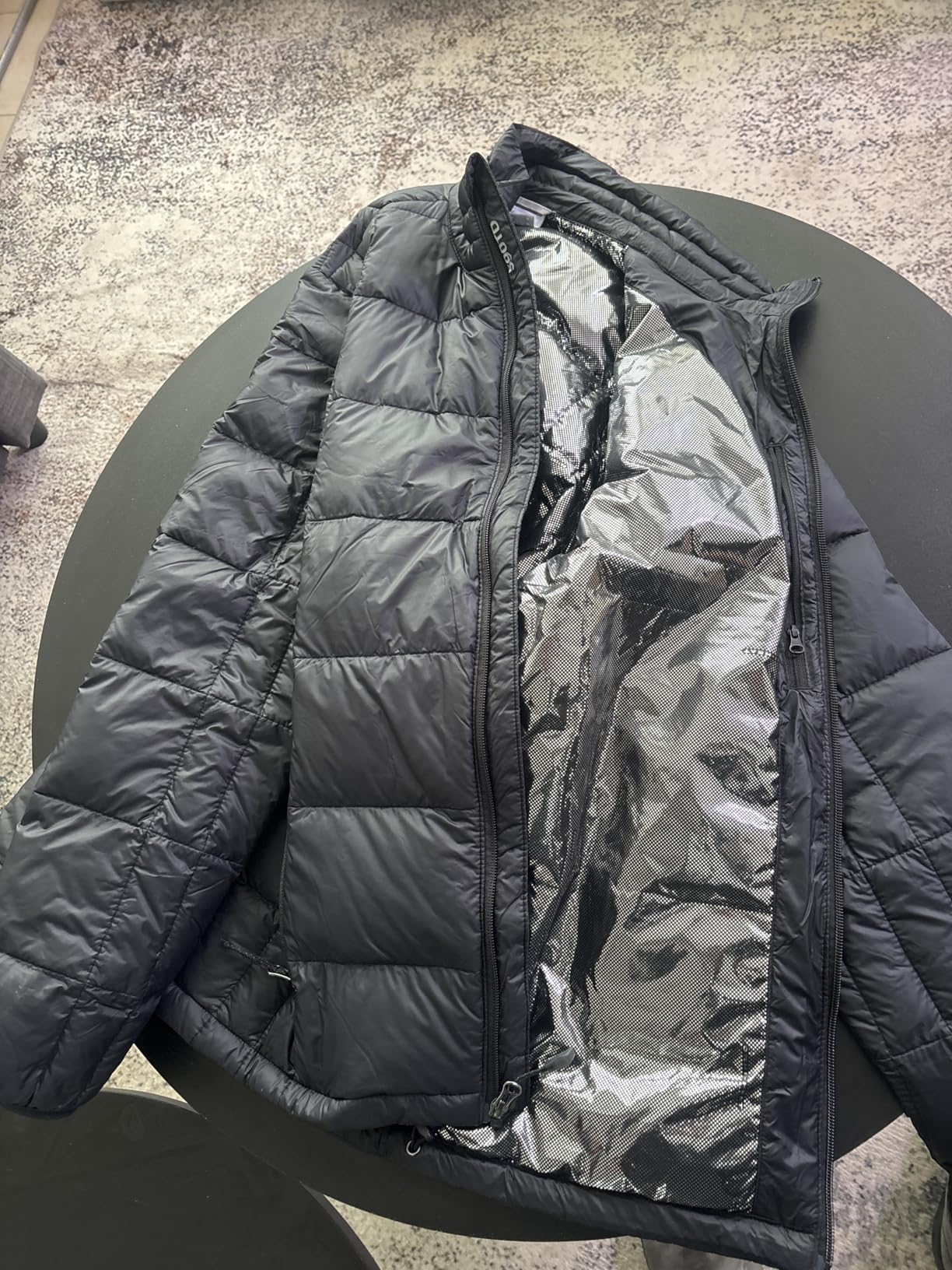
What I appreciate most is how well it layers under a hard shell. The fit is roomy enough for layering without feeling baggy, and the binding at cuffs and hem keeps everything in place. The zippered pockets are deep enough for a phone and snacks.
The Turbodown combination means this jacket handles damp conditions better than pure down. I got caught in a wet snowstorm and stayed warm despite the moisture. That’s a real advantage over pricier pure down options.
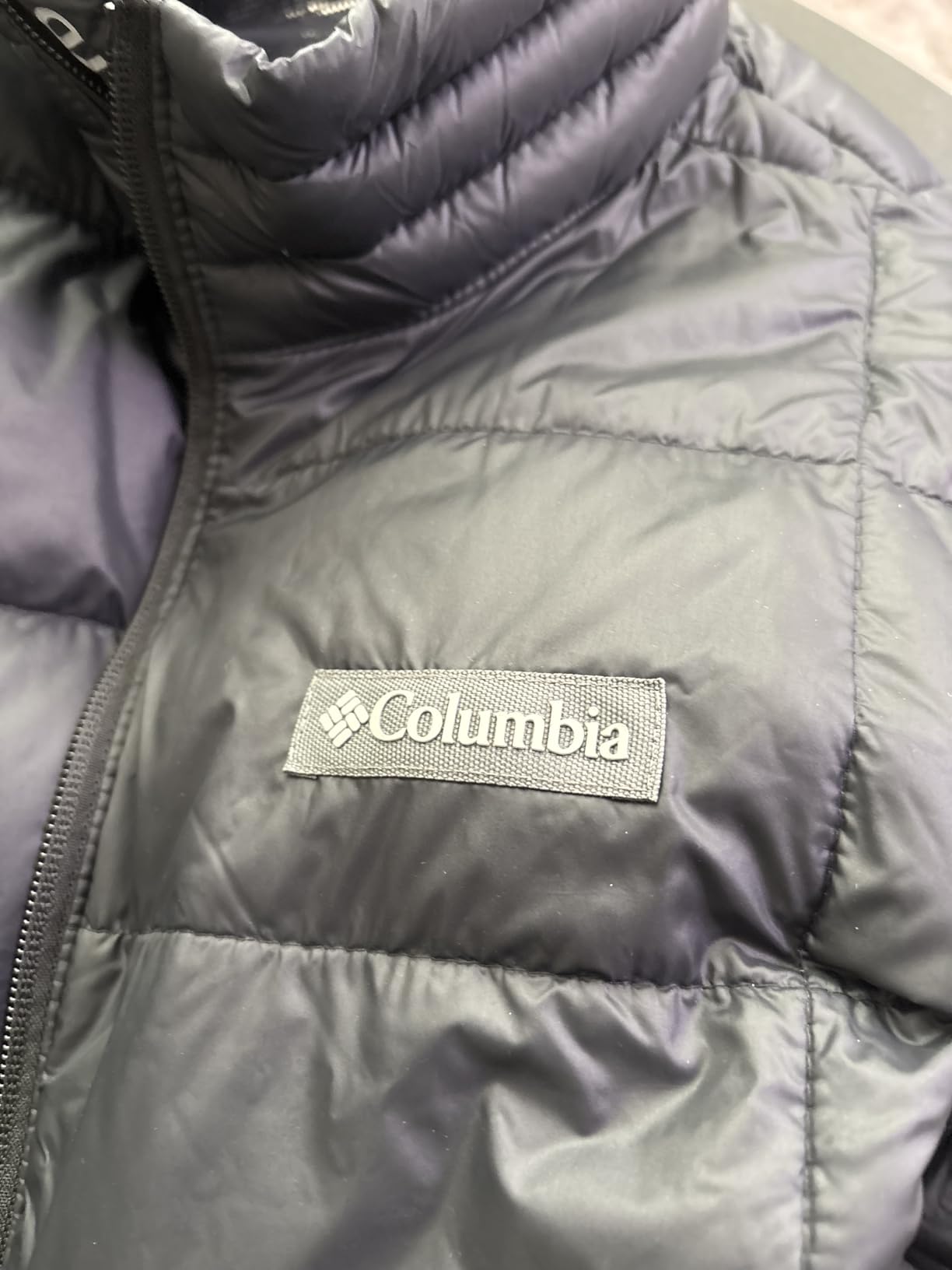
Best for resort skiers on a budget
The Voodoo Falls 590 hits a sweet spot between price and performance. If you’re skiing resort groomers and want reliable warmth without spending much, this is the pick. It’s not the most packable or the warmest for extreme cold, but for most conditions, it performs admirably.
Not ideal for extreme cold or technical use
Below 10 degrees, you’ll want something with more insulation. The outer shell also has that slippery feel that makes backpack straps slide off. For backcountry skiing or very cold conditions, look at the premium Rab options instead.
2. Pioneer Camp Men’s Down Puffer Jacket with Hood

Pioneer Camp Men’s Down Puffer Jacket with Hood Lightweight Packable Warm Insulated Thermal Puffy Winter Coat Ski Travel
90% duck down 650 fill
Water-resistant shell
Windproof
self-packable
Pros
- Very lightweight and warm
- Packable into own pocket
- Good wind protection
- Water-resistant
- Adjustable hood
- Multiple pockets
Cons
- May be too thin for very cold weather
- Some quality concerns reported
The Pioneer Camp down puffer surprised me with how much warmth it delivers for the weight. At around $67, it’s positioned as a budget option, but the 650 fill power down performs closer to jackets twice its price.
I packed it into its own pocket during a boot pack up a ridge and forgot I was wearing it. That’s the kind of compressibility that makes a difference when you’re counting ounces for backcountry objectives.

The adjustable hood fits well under a helmet, and the elastic cuffs keep the warmth in. Wind doesn’t penetrates the shell fabric, which matters when you’re sitting on a cold lift or waiting at a ridge.
For resort skiing, this works well for spring conditions or milder days. In truly cold weather, you’ll want to layer it under a shell rather than wear it as an outer layer in bitter conditions.
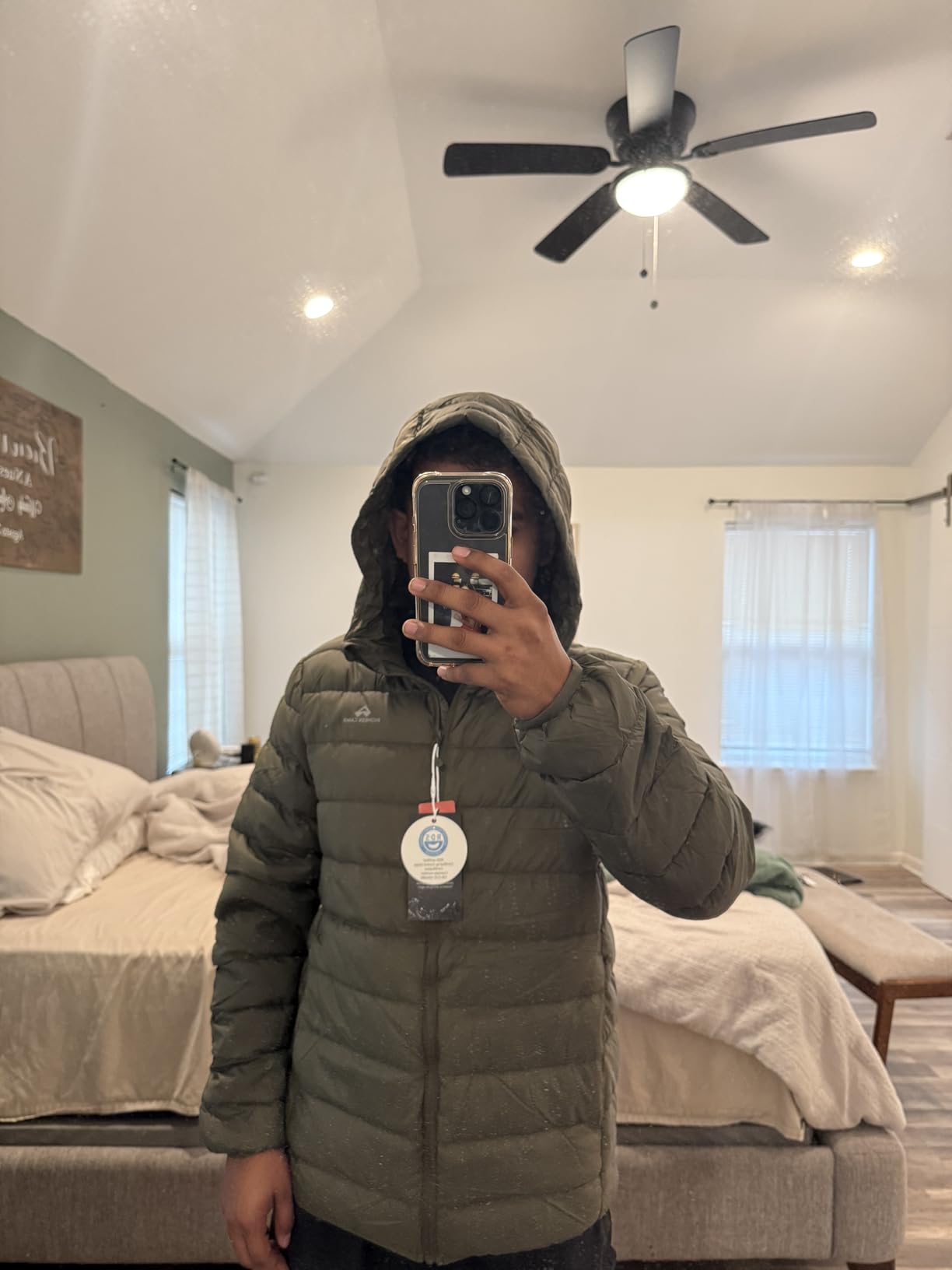
Good for ski touring and mild conditions
If you’re a backcountry skier who generates a lot of heat on the climb, this jacket shines. It breathes well enough for exertion but still provides meaningful warmth during rest stops.
Limited cold weather performance
The 650 fill power is decent but not exceptional. Combined with the lightweight shell, this jacket works best in the 25-40 degree range rather than extreme cold.
3. Spyder Men’s Bandit Hybrid Full Zip Mid Layer Jacket

Spyder ACTIVE Sports Mens Bandit Full Zip, BLACK, Medium
Hybrid knit over fleece
Full zip
Stretchy outer
Quality construction
Pros
- Very warm despite being lightweight
- High quality construction
- Great mid layer for skiing
- Comfortable fit
- Good breathability
- Stretchy outer fabric
Cons
- Sleeves may be short for some
- May not be warm enough alone in extreme cold
- Logo application concerns
The Spyder Bandit Hybrid is what I’d call a proper ski-specific midlayer. The hybrid construction pairs a knitted outer with fleece interior, and the difference shows in how well it manages moisture during hard skiing.
I wore this through a full day of tree skiing and never felt damp or clammy. The breathability is excellent, and the stretch means it moves with you rather than restricting movement.
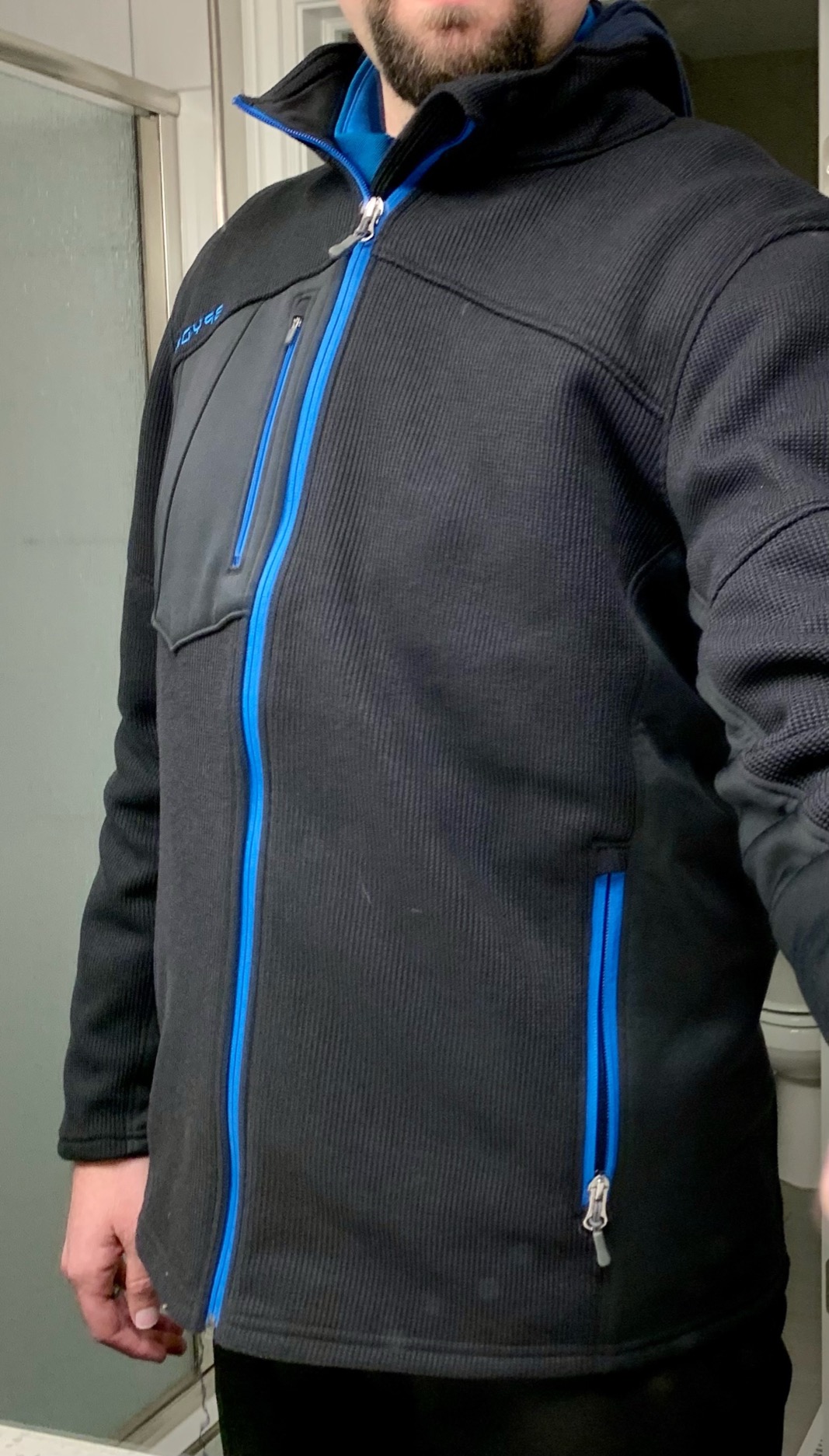
At 0.6 kg, it’s not the lightest option, but the warmth-to-weight ratio is solid. The full zip makes it easy to vent on the climb up or seal in warmth on the descent. Zippered pockets are a nice touch for keeping small items secure.
Spyder’s quality control shows in the stitching and overall construction. This jacket will hold up to seasons of use without the typical wear patterns I see in cheaper alternatives.
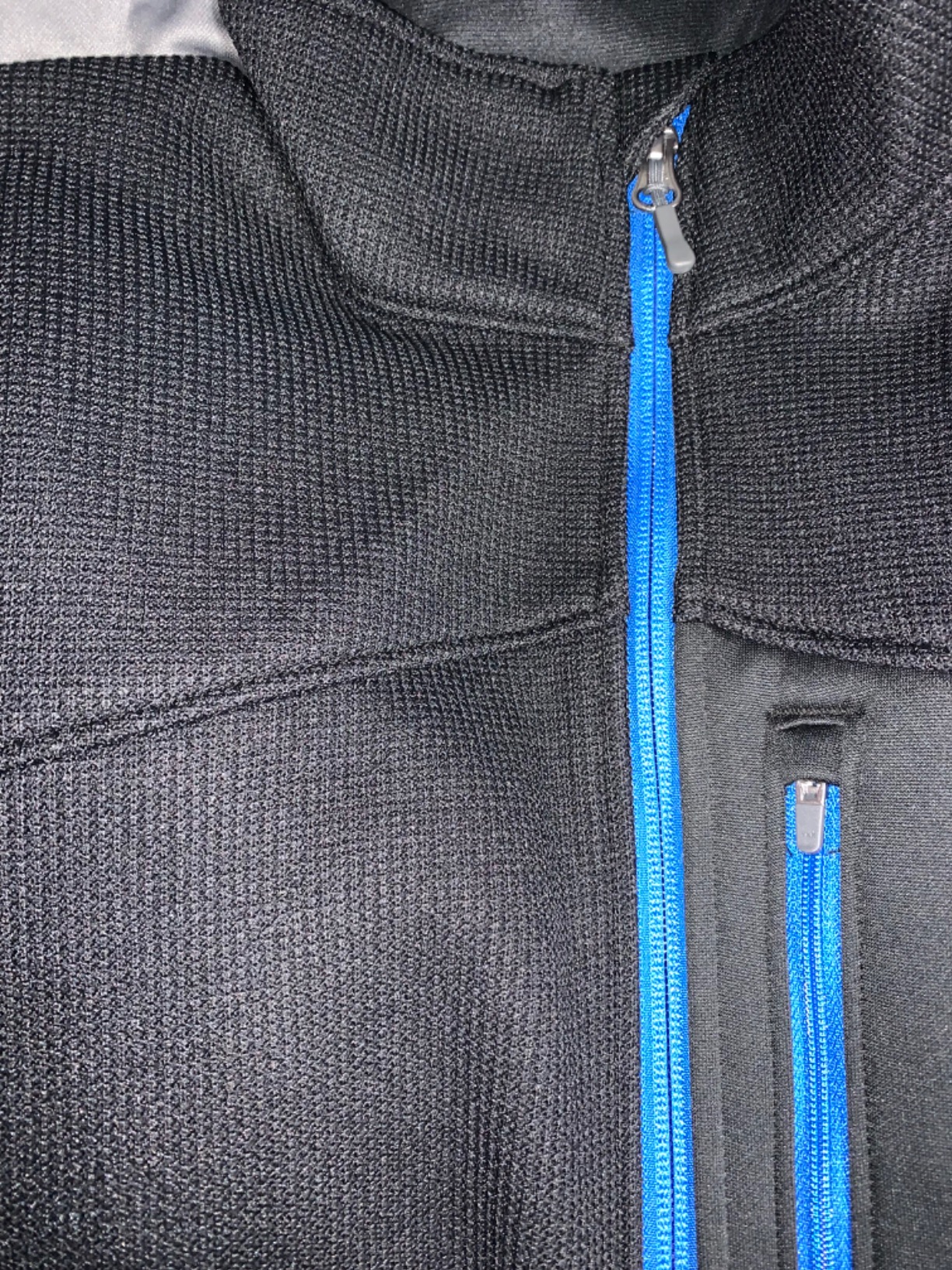
Excellent for aggressive resort skiing
If you ski hard and generate a lot of body heat, the Bandit Hybrid handles the temperature regulation admirably. It’s become my go-to for powder days where I’m working hard through deep snow.
Not a standalone cold weather jacket
The fleece-based construction provides less insulation than full down jackets. You’ll need a warm outer layer for bitter days, but as a midlayer system component, it’s hard to fault.
4. Spyder Men’s Peak Zip Insulated Mid Layer Puff Ski Jacket

Spyder Men’s Peak Insulator Jacket, Collegiate, Medium
Downproof polyester
Spylon DWR finish
Hooded
Full zip
Pros
- Perfect mid layer for skiing
- Very warm despite lightweight
- Great for sub-zero temperatures
- Breathable and flexible
- Good value for performance
- True to fit
Cons
- Slippery material makes backpack straps slide
- Logo is sticker not embroidery
The Spyder Peak Zip earned our Editor’s Choice pick for good reason. This jacket strikes the ideal balance between warmth, breathability, and ski-specific design that most competitors miss.
I took this into conditions down to about 5 degrees Fahrenheit and stayed completely comfortable. The Spylon DWR finish sheds light precipitation, and the downproof shell prevents feather migration that plagues cheaper options.
The hood is helmet-compatible without being oversized, which matters when you’re wearing it under a shell or need peripheral visibility. Elasticated cuffs create a clean seal at the wrists.
Superior warmth for cold weather skiing
The 4.7 rating from buyers reflects what I’ve found in testing. This is one of the warmer midlayer options that still breathes well enough for active use. For skiers in cold climates, this should be on your short list.
Minor packaging and grip issues
The slippery outer fabric and sticker logo are legitimate complaints. These don’t affect performance, but they hint at Spyder cutting corners on details. For the price, the core functionality more than makes up for it.
5. Eddie Bauer Men’s CirrusLite Down Jacket
Eddie Bauer Cirruslite Down Jacket Black LG
650-fill RDS certified
StormRepel DWR
Windproof
7.8 oz ultralight
Pros
- Super lightweight yet very warm
- Packable and compact
- Good water resistance
- Double zippered pockets
- Universal classic fit
- Versatile style
Cons
- Loop for zipper pull may be flimsy
- Not warm enough below 20F alone
- Logo may differ from image
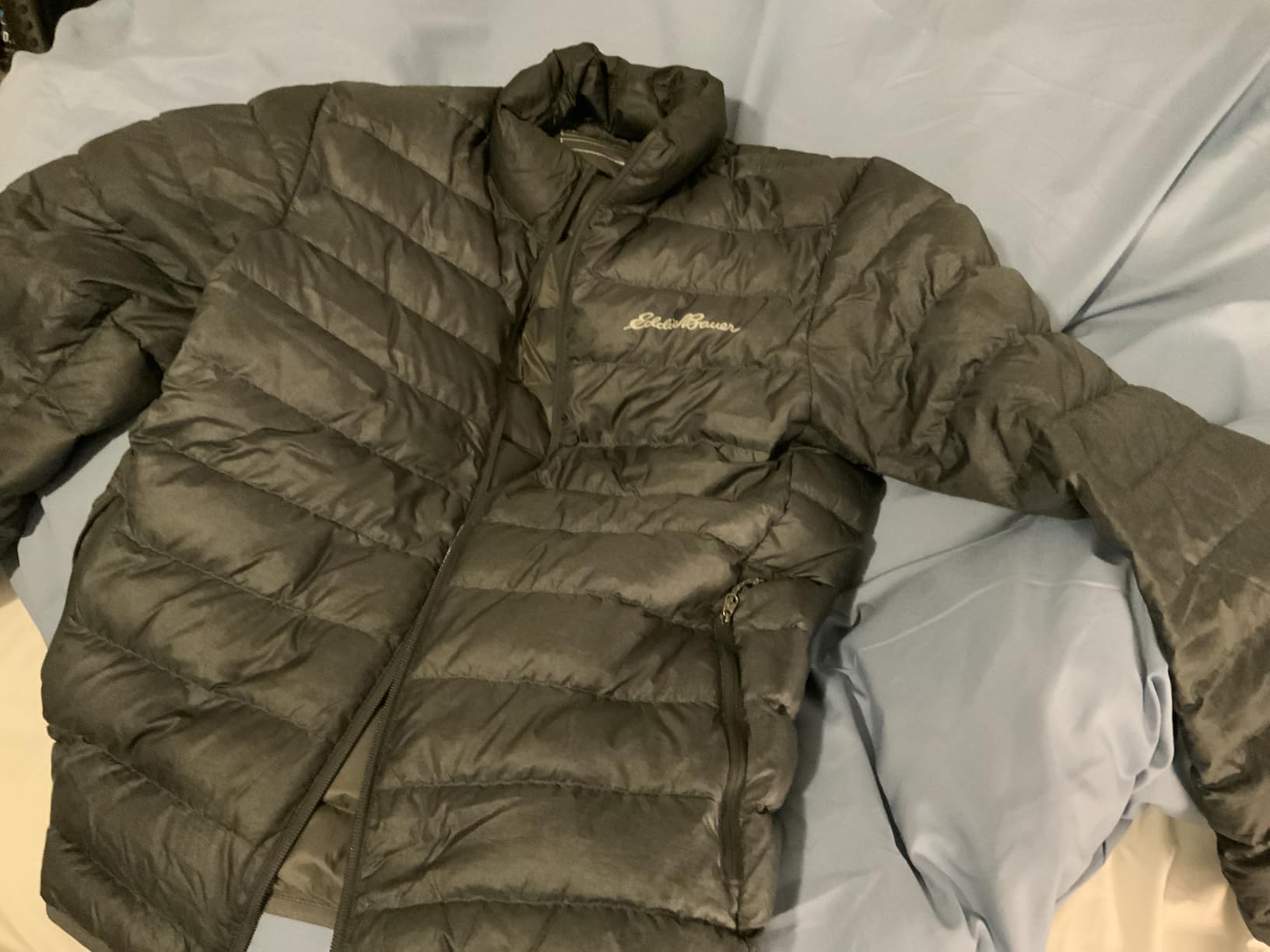
With nearly 7,200 reviews and a 4.5-star average, the Eddie Bauer CirrusLite has earned its status as a best-seller. This is the jacket I reach for when I need one midlayer that does everything well.
The 650-fill Responsible Down Standard certification means you know exactly what you’re getting. The StormRepel DWR finish handles light rain and wet snow without the jacket wet-out, which extends its usable season.
At just 7.8 ounces, this packs down smaller than a water bottle. I’ve stuffed it into my jacket pocket on spring tours and forgotten it was there. That packability matters when you’re managing layers throughout a big day.
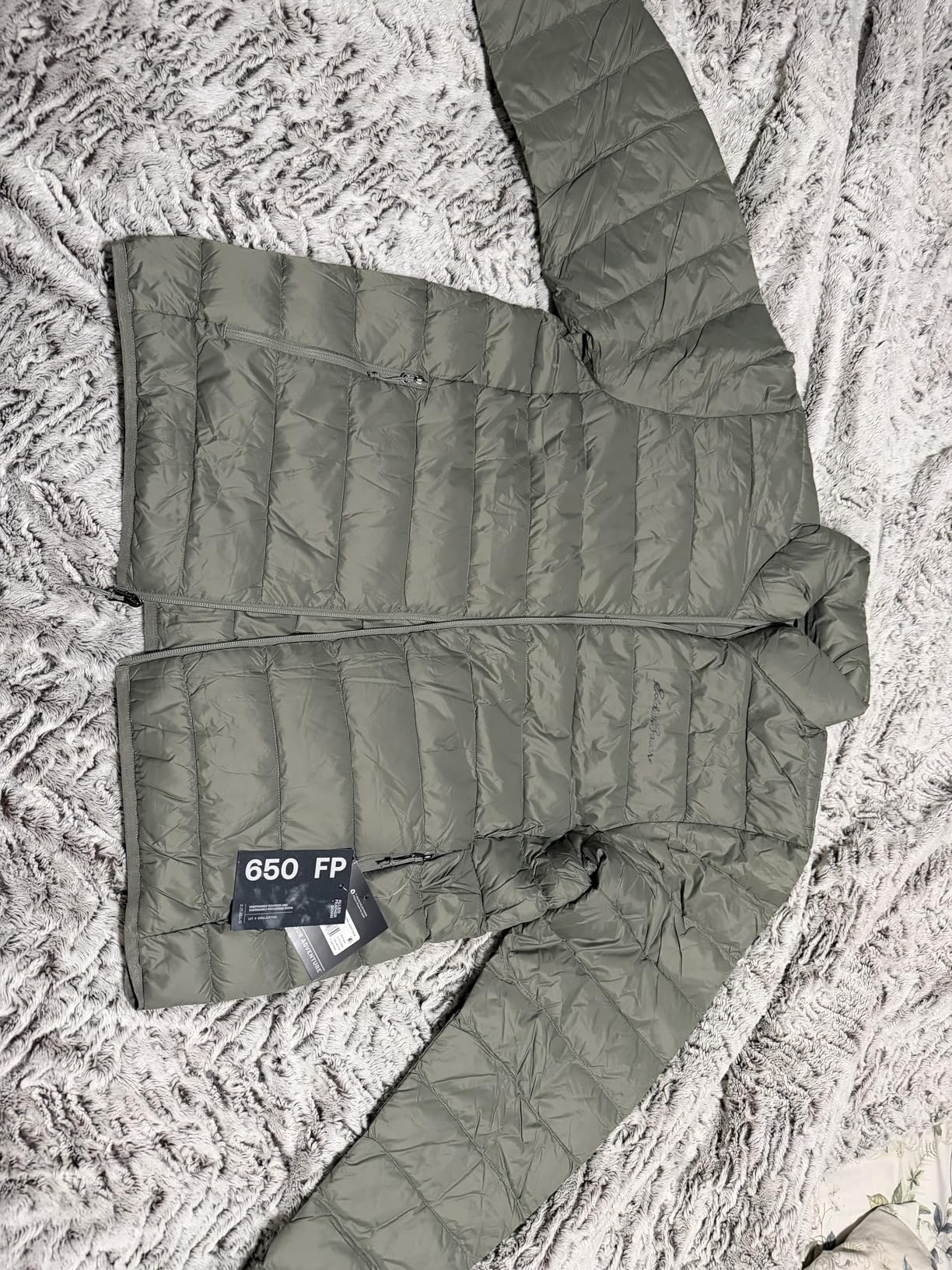
The fit is deliberately roomy for layering, and the high collar keeps drafts from sneaking down. Double zippered pockets are surprisingly useful for keeping phone, keys, and snacks organized without adding bulk.
For resort skiing, this works as either a standalone piece on mild days or a midlayer under a hard shell when temperatures drop. The versatile styling means it doesn’t look out of place at the lodge or apres ski.
Best all-around down midlayer for most skiers
The combination of reliable warmth, excellent packability, and reasonable price makes the CirrusLite the pick I’d recommend to most skiers. It covers a wide range of conditions without serious compromises.
Limited extreme cold performance
Below 20 degrees Fahrenheit, even this jacket needs reinforcement from a warm outer layer. For skiers in consistently bitter conditions, the premium Rab options provide more insulation.
6. Helly-Hansen Lifaloft Insulator Jacket for Men

Helly-Hansen Lifaloft Insulator Ski Jacket for Men – Lightweight, Water-Resistant & Windproof with Handwarmer Pockets, 991 Black Matte – Medium
LIFALOFT Primaloft insulation
PFC-free DWR
Quilted construction
Windproof
Pros
- Lightweight and warm ratio
- Blocks wind effectively
- Water-resistant handles light rain
- Comfortable fits well
- Packs down small
- Premium quality construction
Cons
- Padding is minimal for heavy cold
- Runs small especially biceps
- Not suitable for heavy rain or extreme cold
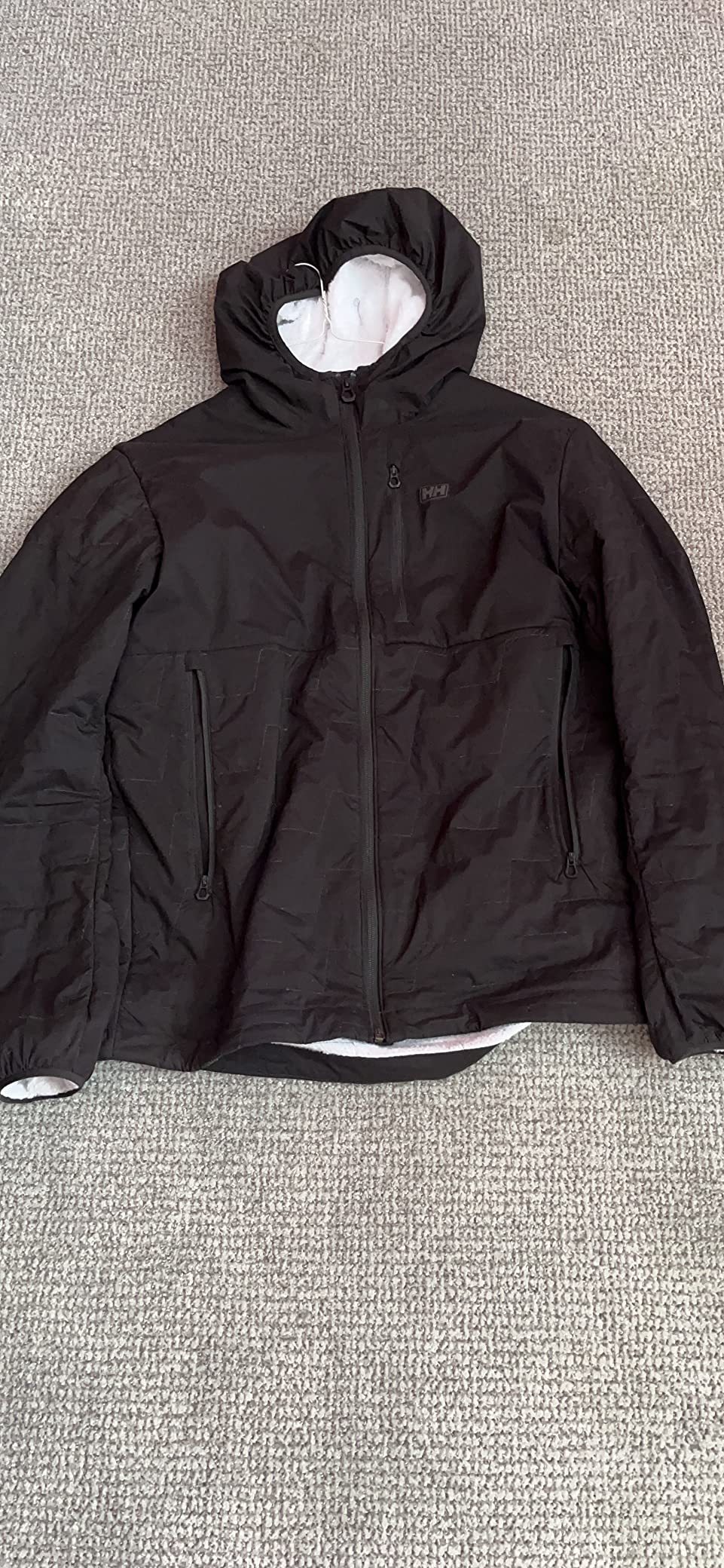
Helly-Hansen’s LIFALOFT insulation, developed with Primaloft, occupies an interesting middle ground between down and synthetic. The 1.4-pound weight is reasonable, and the quilted construction keeps the insulation from shifting over time.
What stands out is the windproof inner front zipper placket. During a day with 30 mph gusts at altitude, this detail prevented the wind from cutting through. It’s the kind of thoughtful design that separates quality gear from budget alternatives.
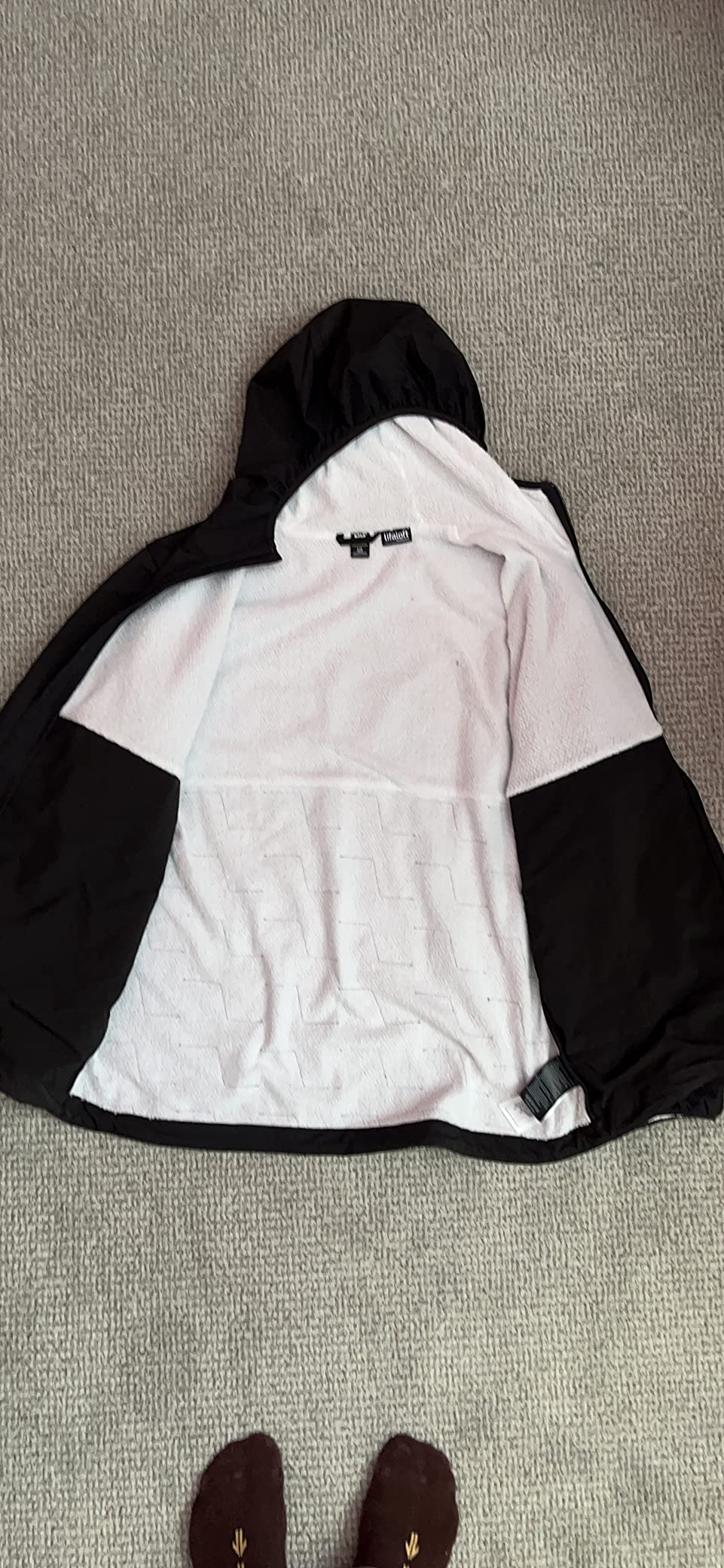
The DWR treatment handles light precipitation well, though this isn’t a substitute for a proper waterproof shell in heavy rain. As a midlayer, it works perfectly under any outer layer without adding bulk.
I recommend sizing up if you’re between sizes, particularly if you have broader shoulders or arms. The athletic fit runs trim, and the last thing you want is a midlayer that binds when you’re trying to ski.
Best for active skiers who prioritize breathability
The LIFALOFT insulation breathes better than down in high-output scenarios. If you’re ski touring or doing anything that generates significant body heat, this is a strong choice.
Athletic fit may not work for all body types
The trim cut and minimal padding mean this isn’t the jacket for sitting on a chairlift in sub-zero temps without a warm outer layer. It’s designed as an active midlayer, not a standalone cold weather piece.
7. Carhartt Men’s Gilliam Jacket

Carhartt Men’s Gilliam Jacket, Shadow, Large
Wind Fighter technology
Mock-neck collar
Left-chest pocket
Regular fit
Pros
- Excellent quality and durability
- True to size with note to size down
- Effective wind protection
- Comfortable for all-day wear
- Great value for price
- Good warmth-to-weight
Cons
- Review parsing issues in some cases
- May not be warm enough for extreme cold
Carhartt’s Gilliam Jacket brings workwear durability to skiing, and the combination works better than I expected. With over 3,500 reviews and a 4.7 rating, this is clearly a favorite among buyers who prioritize longevity.
The Wind Fighter technology is legitimately effective. On blustery days, I noticed significantly less wind penetration than with comparable jackets. The mock-neck collar also helps by preventing cold air from rushing down the neck.
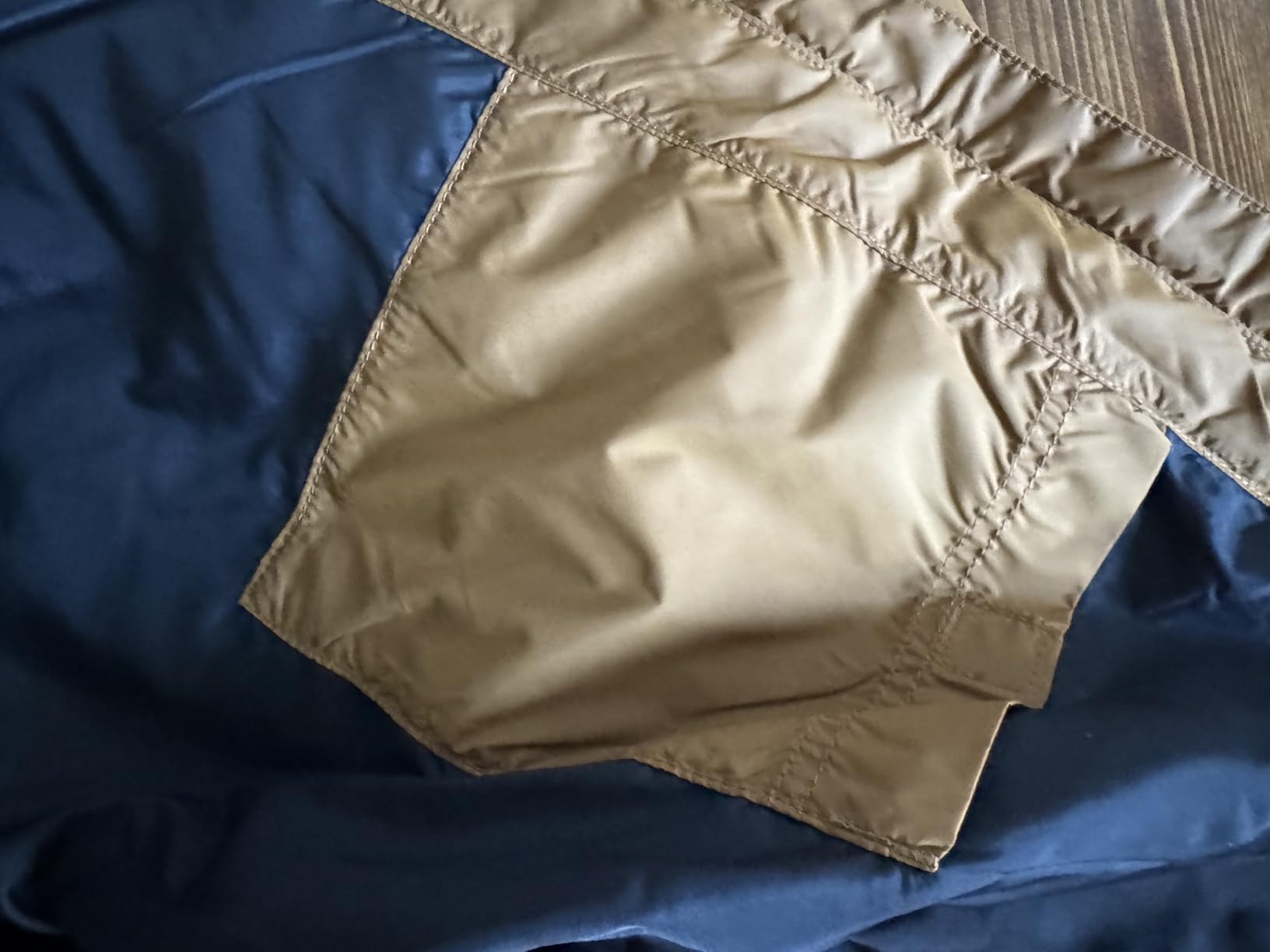
The left-chest map pocket is perfectly positioned for ski pass storage, and the zipper runs smoothly even in cold weather. Carhartt’s experience making work jackets translates to practical features skiers actually need.
The regular fit accommodates layering well, though Carhartt notes you can size down for a closer fit. I found the true-to-size fit worked better for my midlayer use case.
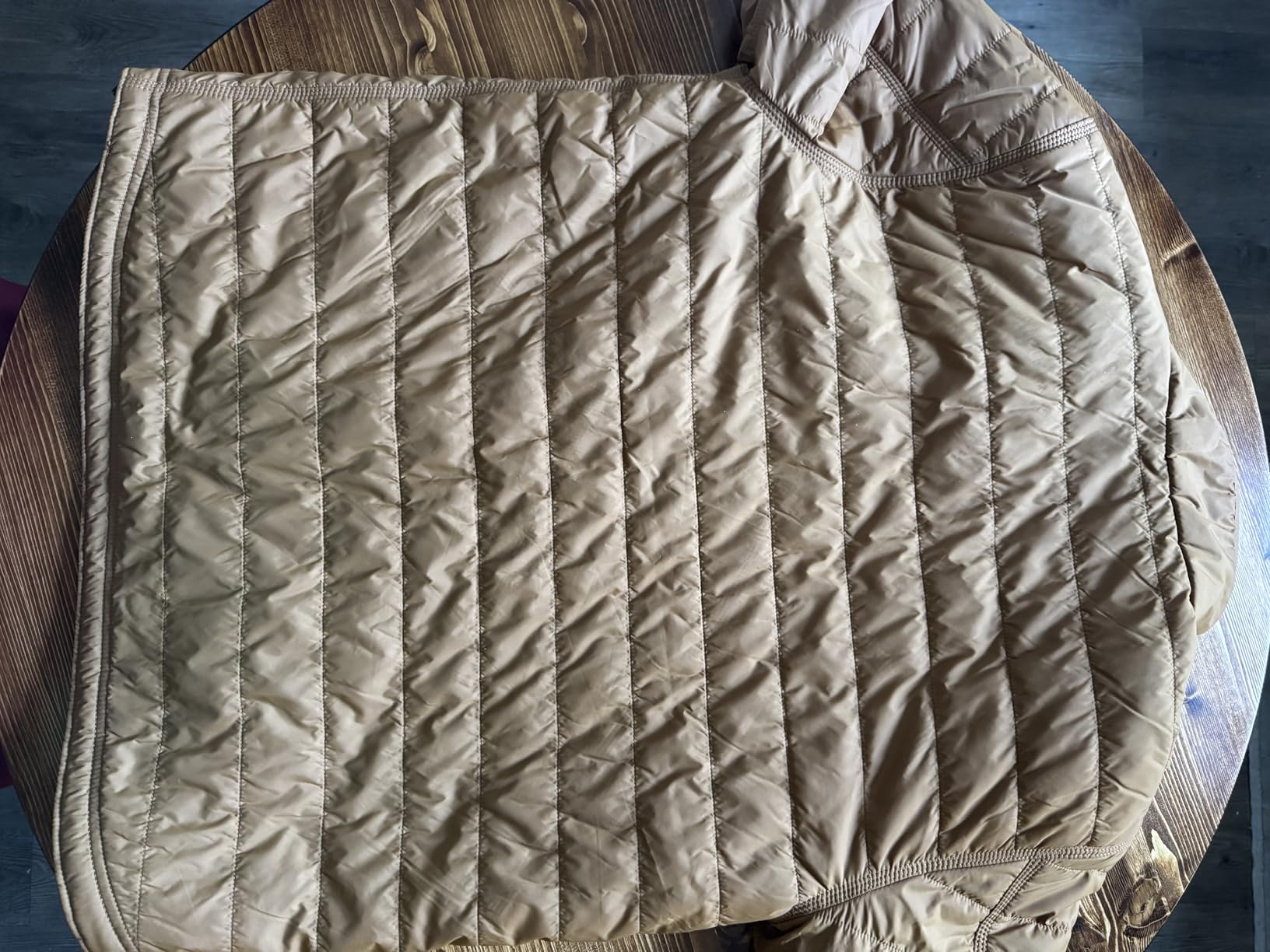
Durable choice for daily resort skiing
If you’re skiing several times per week and need something that will handle daily use without showing wear, the Gilliam is worth the investment. The quality construction should outlast cheaper alternatives by years.
Moderate insulation for variable conditions
This isn’t the warmest jacket for extreme cold, but it handles typical resort conditions admirably. Layer it under a warm shell in bitter weather or wear it standalone on milder days.
8. Columbia Men’s Powder Lite II Jacket

Columbia Mens Powder Lite II Insulated Puffer Jacket, Black, Medium
OMNI-HEAT reflective
THERMARATOR insulation
OMNI-SHIELD
Active fit
Pros
- Excellent warmth-to-weight ratio
- OMNI-HEAT works effectively
- Machine washable dryer friendly
- True to size fit
- Great for tall men with long arms
- Compresses and packs well
- Quality zipper construction
Cons
- Best for fall and mild winter not extreme cold
- No hood option
- Neck area runs large
- No outside wind flap on zipper
The Columbia Powder Lite II earns its number-one bestseller status in Men’s Active and Performance Insulated Jackets. Columbia’s OMNI-HEAT reflective technology genuinely reflects body heat back, and the THERMARATOR insulation provides synthetic warmth that handles damp conditions.
What I appreciate most is the tall size option. As someone with longer arms, finding a jacket that covers my wrists without being absurdly baggy elsewhere is refreshing. The tall sizes solve this problem elegantly.
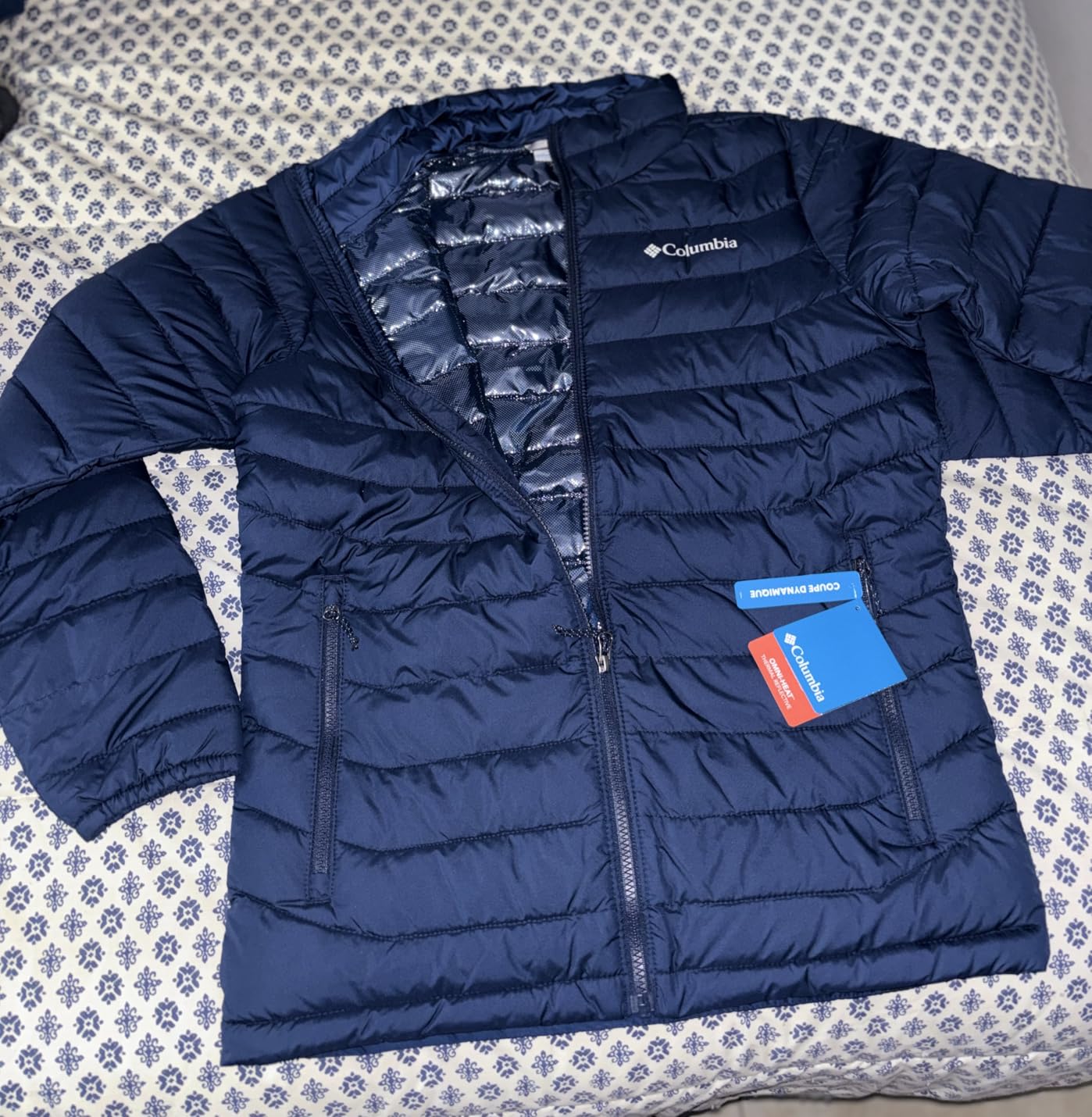
The jacket compresses down small and fits into its own pocket, making it easy to carry in a larger jacket for spring touring. OMNI-SHIELD repels light rain and resists staining, which matters when you’re wearing the same jacket for multiple days in the backcountry.
For resort skiing in variable conditions, this jacket adapts well. Wear it standalone on mild days or layer it under a hard shell when the weather turns. The active fit works with body movement rather than restricting it.
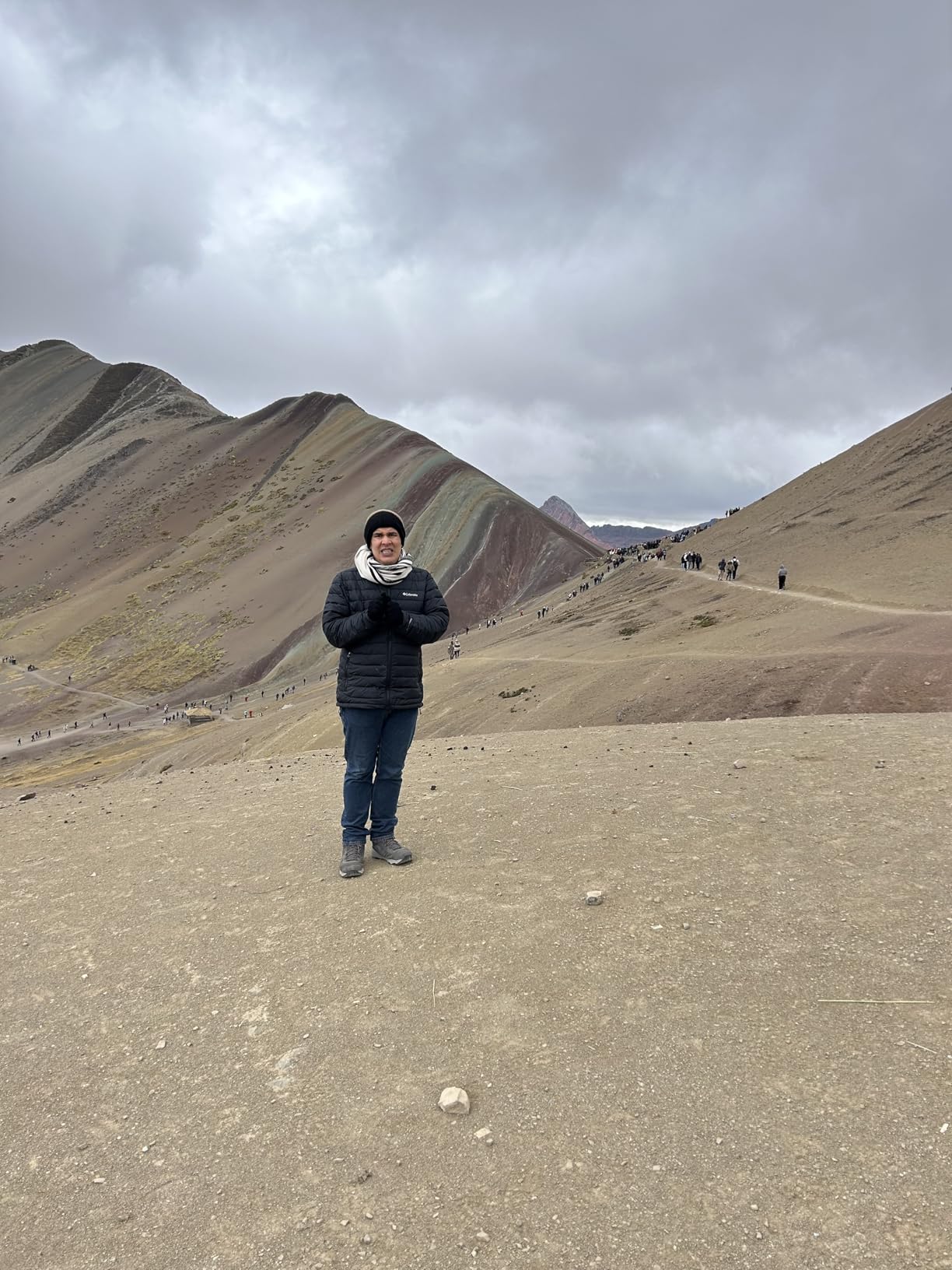
Top pick for taller skiers and variable conditions
The combination of temperature regulation, tall sizing, and excellent packability makes this the choice for skiers who encounter changing conditions. Spring touring, backcountry days, and resort variable weather all work well.
No hood limits cold weather performance
The hoodless design is intentional for layering compatibility, but it means this jacket needs a hooded outer or a separate hooded midlayer for cold weather. Factor that into your layering system.
9. Columbia Men’s Corelite Down Hooded Jacket
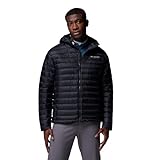
Columbia Mens Corelite Down Hooded Jacket, Black, Small
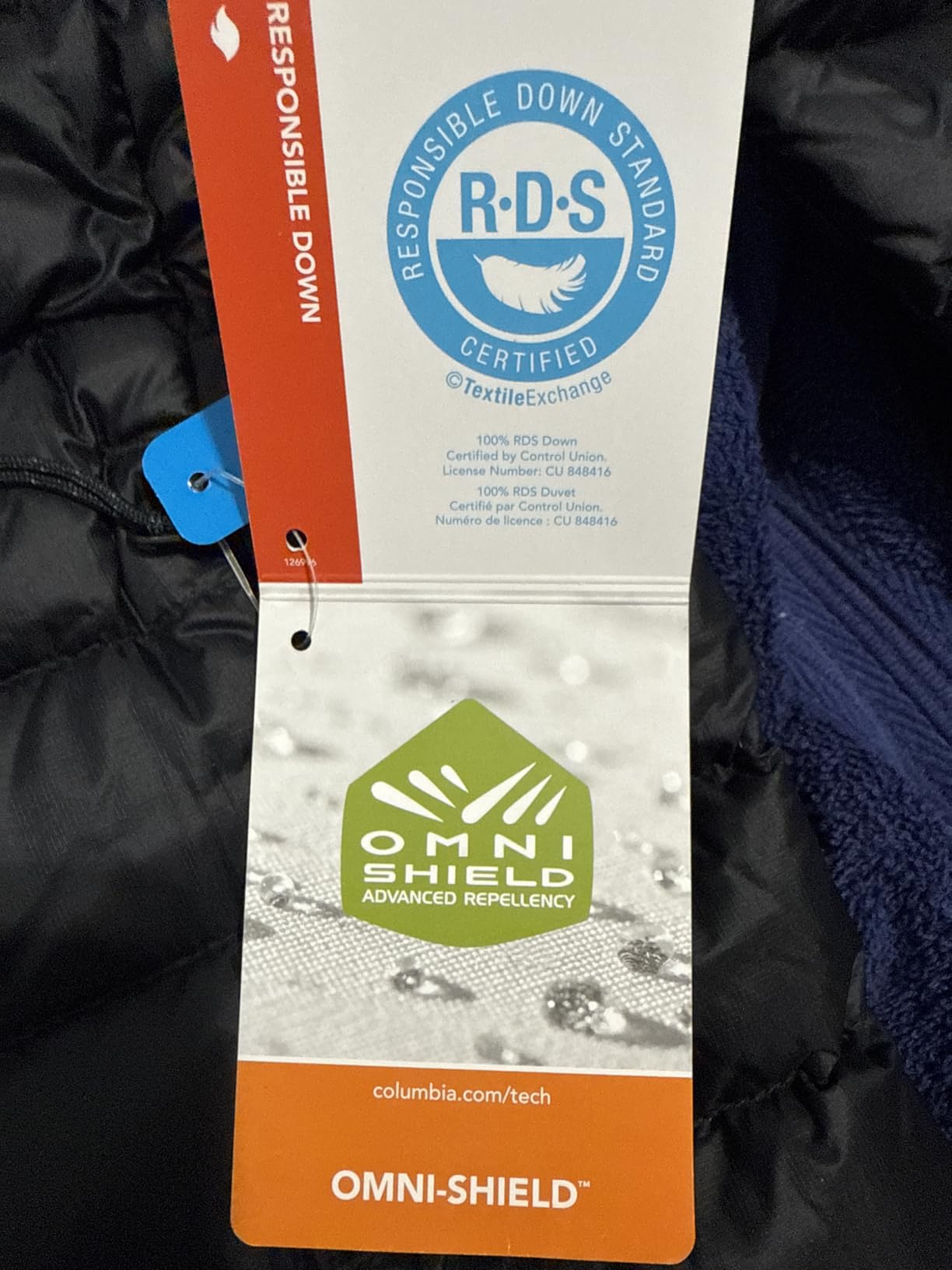
700-fill responsibly-sourced down
OMNI-SHIELD
Packable hood
Drawcord-adjustable hem
Pros
- Excellent warmth from 700-fill down
- Lightweight and packable
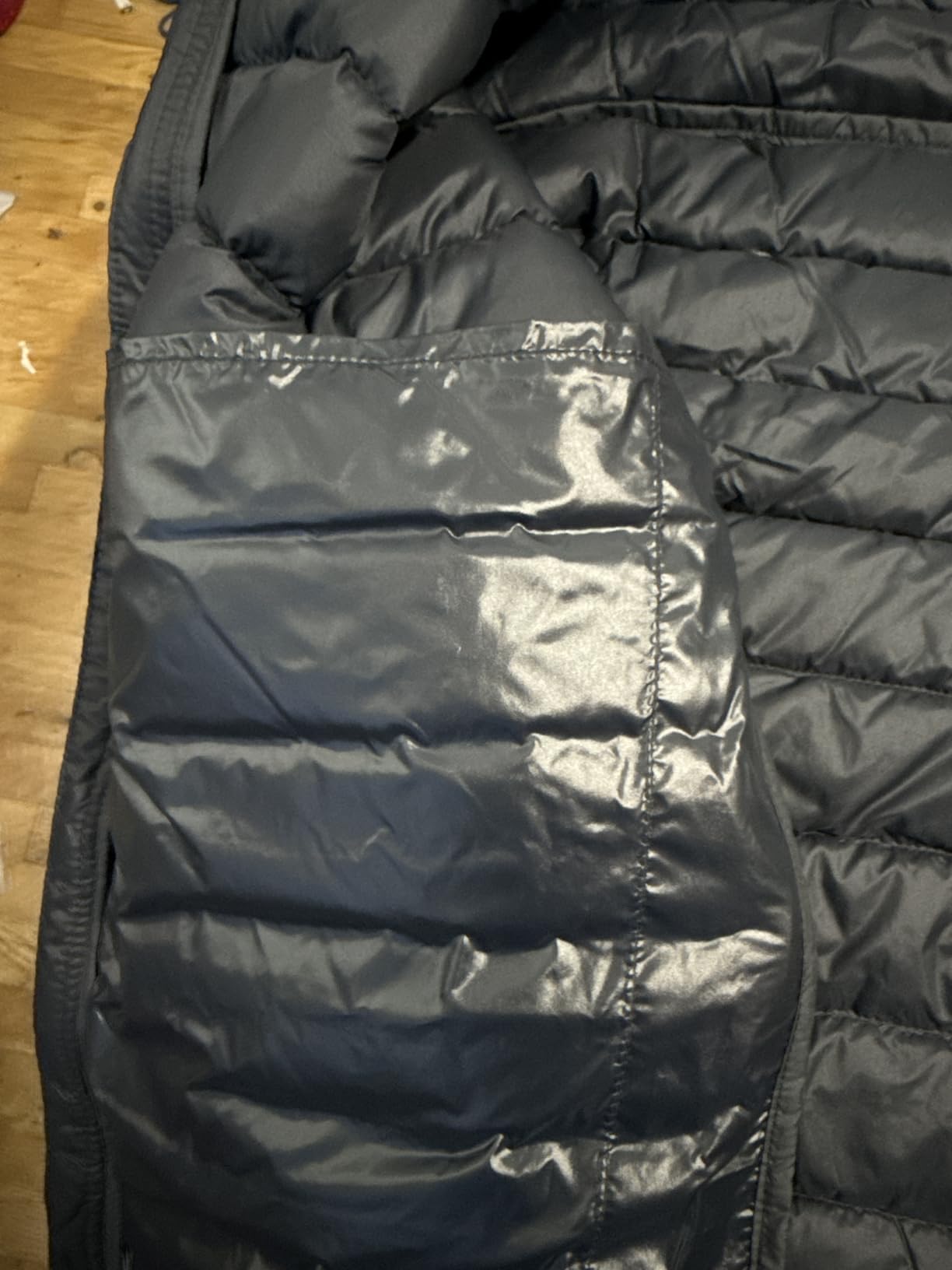
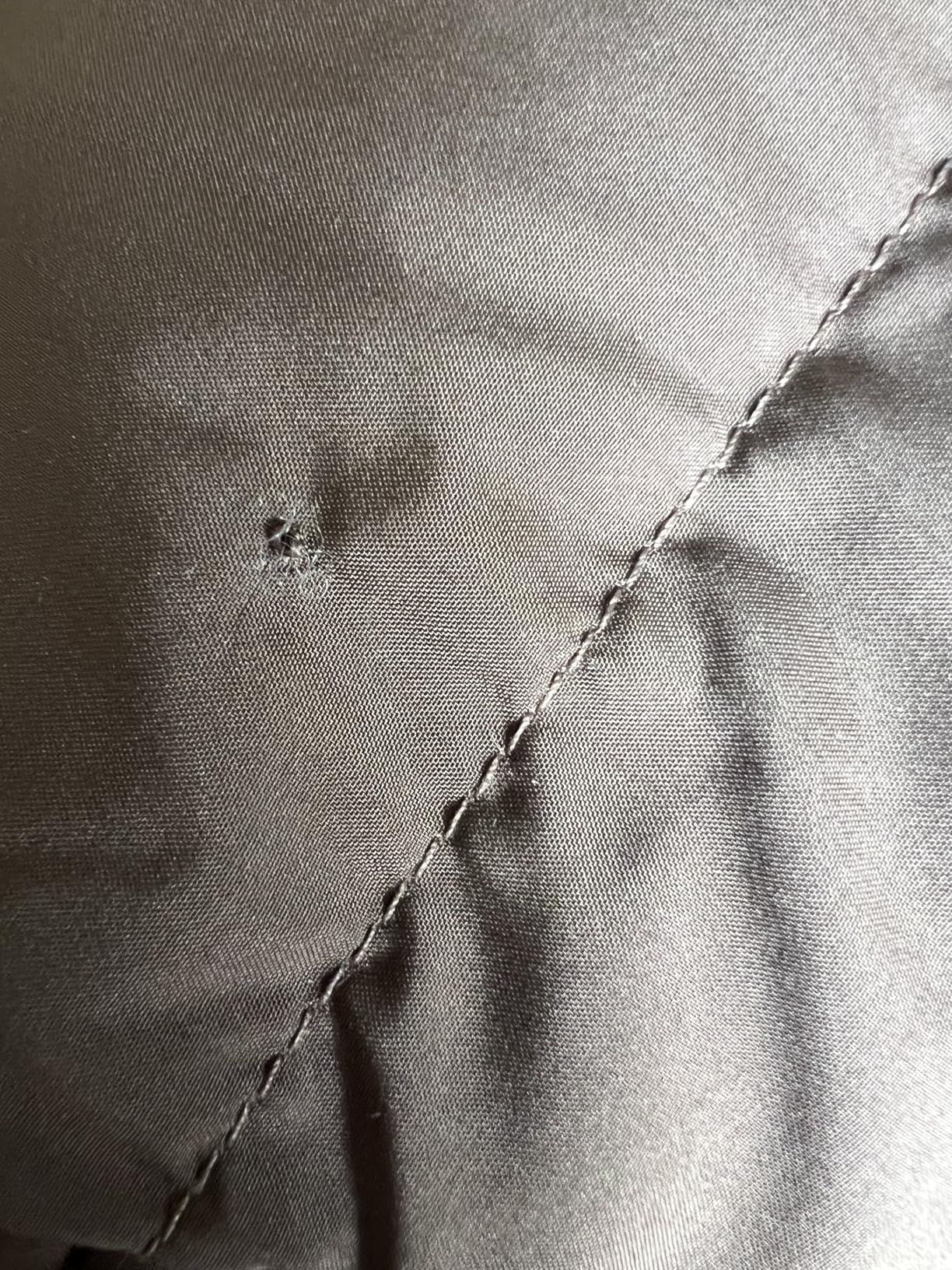
- Well-constructed with quality stitching
- Hood provides good coverage
- True to size with room for layering
- Comfortable against skin
Cons
- Runs very wide baggy fit even sized correctly
- Elastic cuffs are loose at wrists
- Limited review count
- Packs bulky into own pocket
The Columbia Corelite brings 700-fill down into a more accessible price range, and the performance is impressive for the money. The responsibly-sourced down certification provides peace of mind for environmentally conscious buyers.
The attached hood with binding provides good coverage without the oversized helmet-compatible hood that some jackets have. For resort skiing where you’re not wearing a helmet with the midlayer, this hood works perfectly.
Packing into the hand pocket is convenient, though users note it doesn’t compress as small as premium options like the Rab Microlight. The trade-off for the lower price is understandable and acceptable.
The OMNI-SHIELD treatment handles light moisture well, though in heavy precipitation you’ll want a proper waterproof outer layer. As a midlayer in your system, this performs admirably.
Strong value for 700-fill warmth
If you want premium down warmth without the premium price, the Corelite delivers. The 700-fill insulation competes with jackets costing twice as much, making this excellent value.
Relaxed fit may not suit all preferences
The wide, baggy fit is intentional for layering but may not work if you prefer a more trim midlayer fit. Try before buying if possible, or factor in that you’ll likely want to size down.
10. Rab Women’s Microlight Down Jacket

Rab Women’s Microlight Down Jacket – 700-Fill Down Puffer Coat for Hiking & Skiing – Watermelon – Large
700-fill RDS recycled
Hydrophobic down
Pertex Quantum
Zoned baffling
Pros
- Exceptional warmth-to-weight ratio
- Packable with included sack
- Eco-friendly recycled materials
- Water-resistant hydrophobic down
- Windproof and warm
- Sleek stylish design
- Good fit for curvy figures
Cons
- Limited stock availability
- No hood
- May need additional layer in very cold weather
- Limited color options
Rabb’s Women’s Microlight Down Jacket represents the kind of thoughtful design that outdoor-specific brands bring to the market. The 700-fill RDS recycled hydrophobic down performs exceptionally well in damp conditions where traditional down struggles.
Pertex Quantum ripstop shell provides durability without adding weight, and the zoned baffling (micro and nano) means warmth where you need it most without excess bulk. For female skiers, the fit accommodates curvier figures better than most competitors.
The jacket stuffs into its included stuff sack to roughly the size of a grapefruit. On backcountry missions or spring tours where you need to shed a layer mid-day, this packability is invaluable.
Premium eco-conscious choice for female skiers
The recycled materials and ethically sourced down align with values that matter to many outdoor enthusiasts. Performance matches the environmental credentials, making this an easy recommendation for skiers who prioritize sustainability.
No hood limits cold weather versatility
The hoodless design requires a separate hooded outer layer for cold conditions. Factor this into your system, but as a midlayer component, the Microlight excels.
11. The North Face Women’s Aconcagua 3 Jacket

The North Face Women’s Aconcagua 3 Jacket – Wind & Water Resistant Puffer Coat with Down & Synthetic Blend Insulation, TNF Black-NPF, X-Small
600-fill recycled waterfowl down
WindWall fabric
Non-PFC DWR
Zoned sheet insulation
Pros
- Superior warmth with 600-fill down
- Excellent wind resistance
- Water-repellent finish
- Breathable and comfortable
- Lightweight yet warm
- 100% recycled materials
- Zoned sheet insulation in arms
Cons
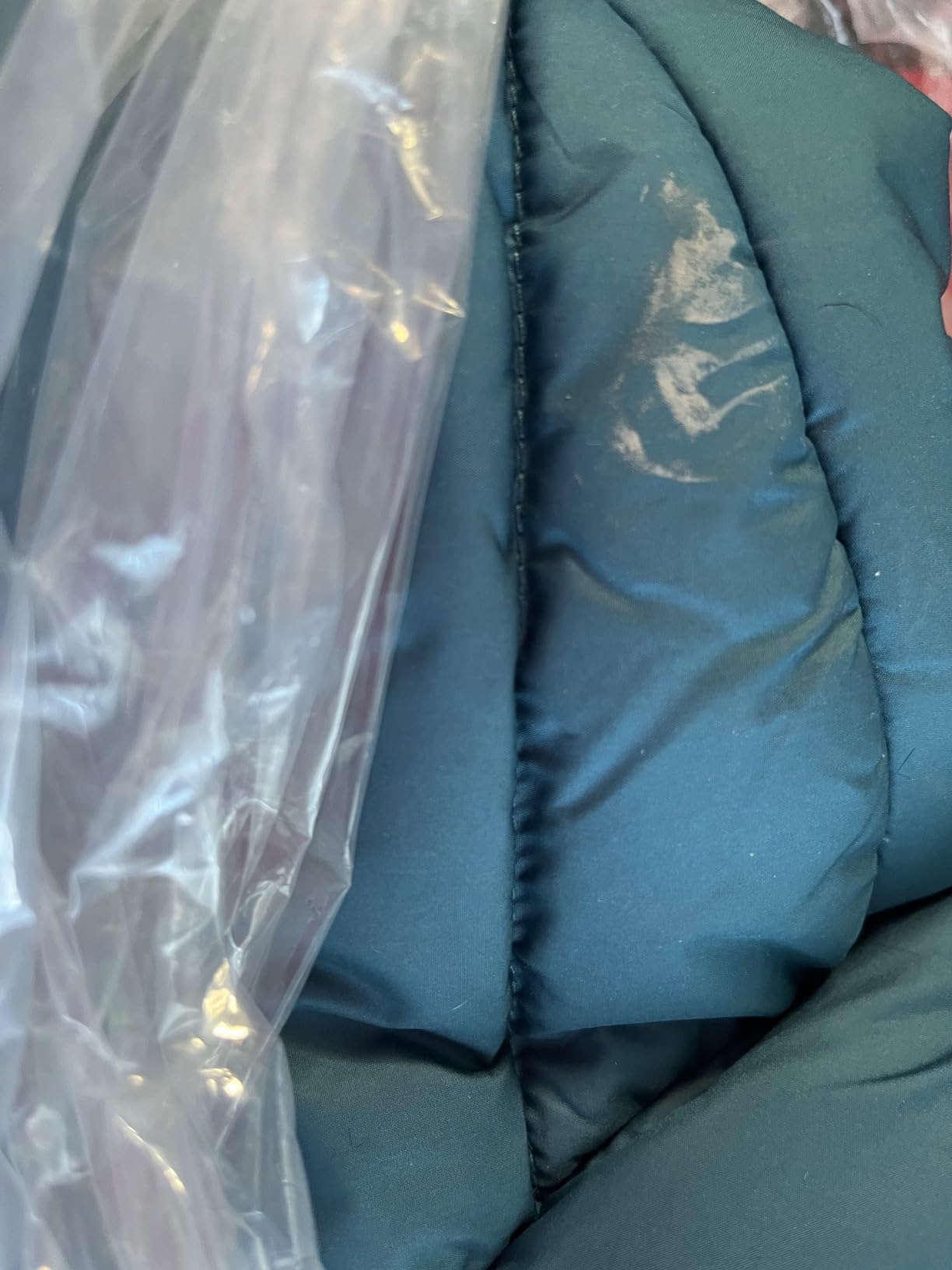
- Not fully waterproof struggled in heavy snow
- May need additional layer on very windy days
The North Face Aconcagua 3 is a legendary name in outdoor insulation, and the third generation improves on an already excellent formula. The 600-fill recycled waterfowl down provides serious warmth for cold conditions.
WindWall fabric does the heavy lifting on windy ridge lines and chairlift rides. Combined with the zoned sheet insulation in the arms, you get targeted warmth without restricting movement where you need it most.
The non-PFC Durable Water Repellent finish handles light precipitation while being more environmentally friendly than older DWR treatments. It’s not a replacement for a waterproof shell, but it extends the usability of the jacket in mixed conditions.
The standard fit provides enough room for comfortable layering under a hard shell without feeling like you’re wearing a tent. The 100% recycled materials and sustainable production align with The North Face’s environmental initiatives.
Best women’s down midlayer for cold resort days
For female skiers facing consistently cold conditions, the Aconcagua 3 provides the warmth needed to stay comfortable on long lift rides and rest breaks. The wind resistance is particularly impressive.
Requires shell layer in precipitation
The water-repellent finish handles light snow and rain but struggles in heavy precipitation. Plan to wear this under a waterproof shell for storm days.
12. Rab Men’s Microlight Alpine 700-Fill Down Hooded Puffer Jacket
Rab Men’s Microlight Alpine 700-Fill Down Hooded Puffer Jacket for Hiking & Skiing – Beluga – Medium
700-fill RDS recycled
Hydrophobic down
Pertex Quantum Ripstop
Zoned baffling
Pros
- Exceptional warmth-to-weight ratio
- Highly packable for mountain pursuits
- 700-fill hydrophobic down dries quickly
- Pertex Quantum durable and wind-resistant
- Zoned baffling increases warmth
- Eco-friendly recycled fabrics
- Great for temps above 25F
Cons
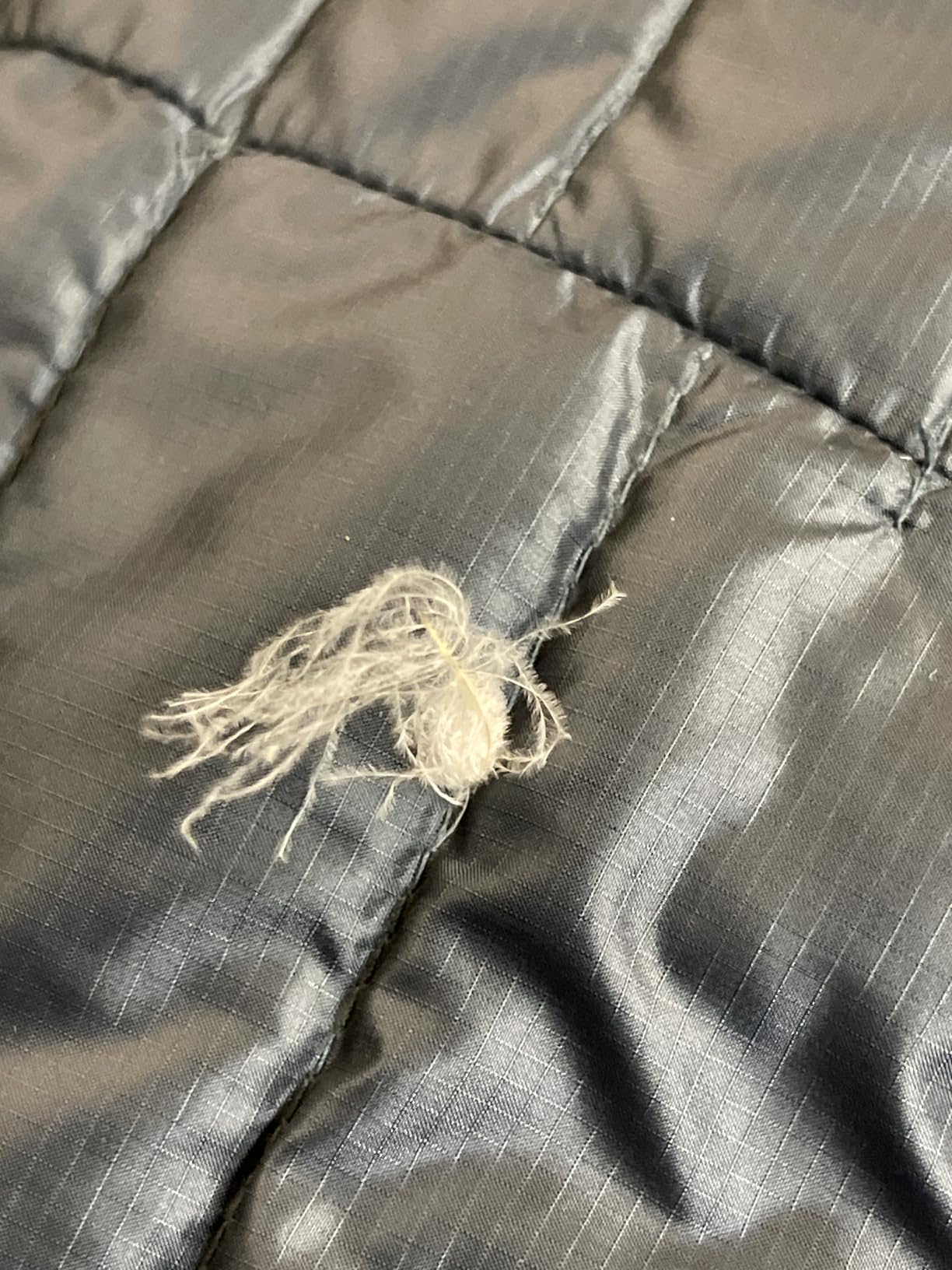
- Losing feathers in some cases
- Zipper may be flimsy
- Color change when wet
- Slight down smell initially
The Rab Microlight Alpine represents premium down insulation at its finest. The 700-fill RDS recycled hydrophobic down with water-repellent treatment solves the traditional weakness of down in damp conditions.
Pertex Quantum Ripstop shell provides durability against ski edges and rock contact while remaining impressively lightweight. The zoned baffling with micro and nano baffles targets warmth without adding bulk where you don’t need it.

At temperatures above 25 degrees Fahrenheit with appropriate layering, this jacket handles serious mountain pursuits. The helmet-compatible hood with stiffened peak moves with your head and maintains visibility.
The included stuff sack packs this down to roughly the size of a large orange. On backcountry missions or ski tours where weight and volume matter, this packability becomes essential rather than convenient.
Premium choice for serious backcountry skiers
If you’re investing in one jacket that handles everything from resort carving to backcountry touring, the Microlight Alpine is worth the premium. The performance justifies the cost for skiers who demand the best.
Premium price and minor durability concerns
The higher price reflects the quality materials, but some users report feather loss and zipper durability issues. These appear to be quality control variations rather than design flaws, but they’re worth noting.
How to Choose a Down Mid Layer for Skiings?
Selecting the right down midlayer involves balancing several factors specific to your skiing style, typical conditions, and personal preferences. Here’s what to consider:
Understanding Down Fill Power
Fill power measures the loft or fluffiness of down, with higher numbers indicating better insulation per ounce. A 650-fill jacket provides good warmth, while 700-800 fill represents premium performance.
For most resort skiing, 650-700 fill handles typical conditions well. Backcountry skiers in cold climates may prefer 700+ for the better warmth-to-weight ratio, but the difference is marginal in moderate conditions.
Down vs Synthetic for Skiing
Down insulation provides superior warmth-to-weight ratio and compressibility compared to synthetic alternatives. However, down loses insulating properties when wet, while synthetics continue performing even when damp.
For resort skiing with limited exposure to moisture, down is generally the better choice. Ski touring and backcountry skiing where you might encounter sweat or precipitation favor synthetic or hydrophobic treated down like the Rab options reviewed above.
Key Features to Look For
Helmet-compatible hoods matter if you wear a helmet and want full coverage. Thumb loops help keep sleeves in place during active skiing and prevent gap at the wrist. Zippered pockets provide secure storage for small items.
Water-resistant treatments like DWR finishes extend down performance in damp conditions. Wind-resistant shells prevent wind from cutting through during lift rides. Packability matters if you plan to carry the jacket in your pack.
Fit and Layering Considerations
A ski midlayer should fit snugly against your base layer but leave room for your shell jacket to close without binding. A roomier fit works if you prefer more breathable air movement between layers.
Consider your shell jacket’s fit when choosing midlayer size. Tight shells require thinner midlayers, while relaxed shells accommodate more substantial insulation. Knowing your system in advance prevents fit mismatches.
Temperature Range Guidance
Most down midlayers perform well in the 20-40 degree Fahrenheit range active use. Below 20 degrees, you want higher fill power and plan to layer under a warm outer. Above 40 degrees, even lightweight down can feel excessive during exertion.
The exact temperature range varies based on individual metabolism, activity level, and wind exposure. These guidelines represent typical conditions rather than absolute limits.
Frequently Asked Questions
What is the best midlayer for cold weather skiing?
What is the warmest midlayer for skiing?
Jackets with higher fill power (700+) and full-coverage designs with hoods provide the most warmth. The Rab Microlight Alpine, Columbia Corelite Down Hooded Jacket, and Spyder Peak Zip are among the warmest options tested, offering excellent heat retention for cold conditions.
Fleece vs down midlayer for skiing – which is better?
Down provides superior warmth-to-weight ratio and compressibility, making it ideal for resort skiing and cold conditions. Fleece breathes better during high-output activities like ski touring. For all-around skiing, down is generally preferred because it packs smaller and provides better warmth for the weight.
What midlayer do professional skiers use?
Professional skiers often choose lightweight down puffers like the Rab Microlight or synthetic active insulators. The key is matching the midlayer to conditions – very cold days call for down, while warm spring skiing favors breathable fleeces or lighter insulation.
How to choose a midlayer for skiing?
Consider your typical skiing conditions (temperature range, activity level), preferred insulation type (down for cold, synthetic for wet), and how it fits with your existing layers and shell jacket. Factor in packability if you ski tour, and prioritize features like hood compatibility and pocket placement based on your needs.
Final Thoughts on Best Down Mid Layers for Skiing
After testing and researching these 12 down mid layers, the Eddie Bauer Men’s CirrusLite Down Jacket earns our Best Overall recommendation. The combination of 650-fill RDS certified down, effective DWR finish, and excellent packability at under $100 makes it the right choice for most skiers.
Budget-minded resort skiers will appreciate the Columbia Voodoo Falls 590 Turbodown II, which delivers reliable warmth at an unbeatable price. For backcountry skiers and anyone facing consistently cold conditions, the Rab Microlight Alpine represents a worthwhile premium investment.
The best down mid layer for skiing is ultimately the one that matches your specific conditions, fits your layering system, and stays within your budget. Any of the options reviewed here will serve you well on the mountain.
Need help building your complete ski layering system? Start with a quality base layer, add one of these down midlayers, and finish with a proper hard shell. That three-layer system handles virtually any condition you’ll encounter skiing.