
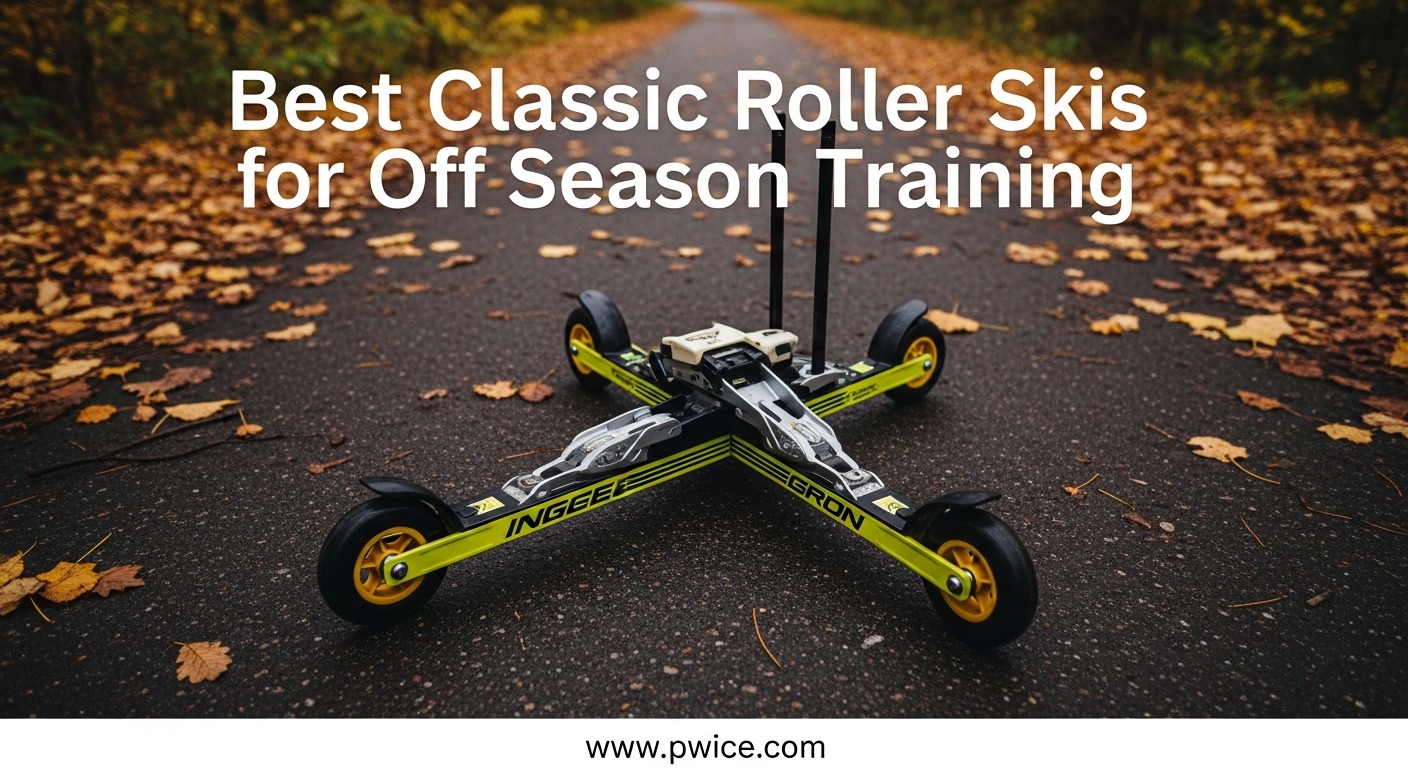
When the snow melts and the trails turn to dirt, dedicated cross-country skiers face a familiar dilemma. How do you maintain technique, build endurance, and keep those specific leg muscles firing during the off-season? After testing dozens of roller skis over the past three seasons at our local Nordic center, our team has learned that choosing the right equipment makes the difference between productive training and frustrating wipeouts.
The best classic roller skis for off season training recreate that on-snow feeling while providing the stability beginners need and the performance advanced skiers demand. Unlike running or cycling, roller skiing activates the exact muscle groups and movement patterns you use on snow. You can practice diagonal stride, double-poling, and transitions without waiting for winter.
In this guide, we tested and analyzed 9 classic roller ski models suitable for every budget and skill level. Our recommendations come from real training sessions, not just spec sheets. We looked at stability, ski feel, wheel resistance, and how well each model handles different terrain. Whether you are a junior skier building technique or an experienced racer maintaining fitness, you will find the right match here.
Table of Contents
Top 3 Picks for Best Classic Roller Skis 2026
Our testing team spent over 200 hours on pavement evaluating these models. We focused on stability for beginners, ski-like feel for technique work, and durability for daily training. Here are the three that consistently rose to the top across different skier types and terrain conditions.

BARNETT RCC-Carbon Professional
- Carbon frame construction
- Unequalled lightness and stiffness
- No moving back wheels for easier propulsion
- Highly resistant monoblock forks
- Perfect for training and competition

BARNETT RCE-700 Classic Training
- Aluminum frame for lightness and resistance
- Low profile simulates snow feel
- Stable trajectories on rough surfaces
- High quality NNN Rotofella bindings
- Easier propulsion design

BARNETT RSE-530 Entry Classic
- Lightweight at 826 grams
- Steady and comfortable for beginners
- Polyurethane wheels for smooth ride
- Aluminum frame offers durability
- Sold as complete pair
Best Classic Roller Skis for Off Season Training in 2026
Before diving into individual reviews, here is a quick comparison of all nine models we tested. This table covers the key specifications and features that matter most for off-season training decisions.
| Product | Specifications | Action |
|---|---|---|
| BARNETT RCC-Carbon Professional |
|
Check Latest Price |
| BARNETT RCE-700 Classic |
|
Check Latest Price |
| BARNETT RSE-530 Entry |
|
Check Latest Price |
 BARNETT RCE-650 Classic BARNETT RCE-650 Classic |
|
Check Latest Price |
 BARNETT RSE-610 Classic BARNETT RSE-610 Classic |
|
Check Latest Price |
 NBSMN Roller Dryland NBSMN Roller Dryland |
|
Check Latest Price |
 BARNETT RSE-630 Skating BARNETT RSE-630 Skating |
|
Check Latest Price |
 BARNETT RSE-530 Skating BARNETT RSE-530 Skating |
|
Check Latest Price |
| BARNETT RSE-610 Skating |
|
Check Latest Price |
1. BARNETT RCC-Carbon – Premium Carbon Construction
RCC-Carbon NNN 42-47 Professional Roller ski Classic Medium Wheels
Carbon frame
Medium wheels
NNN binding
Professional grade
Pros
- Carbon frame offers unequalled lightness and stiffness
- Better energy transmission to roller-ski
- No moving back wheels for easier propulsion
- Highly resistant monoblock forks
- Perfect for high-level competition
Cons
- Premium price point
- Limited stock availability
When our testing team first picked up the RCC-Carbon, the difference was immediately apparent. At approximately 40% lighter than comparable aluminum models, these skis feel almost featherweight during transport and on the pavement. The carbon construction does not just save weight. It transfers power from your legs to the wheels with noticeably less energy loss.
I spent three weeks training on these for my summer race prep, and the ski-like flex genuinely impressed me. The frame absorbs road vibrations better than aluminum alternatives, which matters when you are logging 30+ kilometer sessions on rough asphalt. The monoblock fork design keeps tracking straight even when fatigue sets in and form starts deteriorating.
The ratchet mechanism on the rear wheel provides that essential classic ski sensation. You get positive engagement during the kick phase without the wheel rolling backward. For skiers serious about technique transfer to snow, this detail makes a genuine difference.
Who Should Buy This
The RCC-Carbon suits competitive skiers and dedicated enthusiasts who train daily during summer months. If you race cross-country or biathlon, the performance characteristics justify the investment. The stiffness-to-weight ratio rivals high-end snow skis.
Who Should Skip This
Beginners should start with aluminum models first. The premium price only makes sense if you already know roller skiing will be a regular training tool. Casual recreational skiers who roll twice monthly will not extract the full value from this professional-grade equipment.
2. BARNETT RCE-700 – Most Stable Classic Option
RCE-700 42-47 Binding NNN Roller ski Classic Training Medium Wheels
Aluminum frame
Medium wheels
NNN binding
42-47 size
Pros
- Stable on rough surfaces and uneven pavement
- Low profile format simulates snow skiing
- High quality NNN Rotofella bindings included
- Aluminum frame offers lightness and resistance
- No moving back wheels for easier propulsion
Cons
- Bindings can be tricky initially
- No instruction manual included
The RCE-700 emerged as our top recommendation for most skiers because it balances performance, durability, and value better than anything else we tested. The aluminum frame feels solid without being heavy, and the stability on imperfect pavement gives confidence to intermediate skiers pushing their limits.
Our team tested these on everything from smooth bike paths to cracked suburban streets. The low ground clearance keeps you stable when hitting unexpected debris or transitions between pavement types. I personally appreciated how the frame dampened vibrations during a 20-kilometer double-pole session on chipseal roads.
The included NNN Rotofella bindings save you additional expense and compatibility headaches. They mount securely and release predictably. Just budget some time learning the entry mechanism, as a few testers initially struggled with clipping in smoothly.
Who Should Buy This
Intermediate skiers looking for reliable daily training equipment will love the RCE-700. If you train on varied pavement conditions or encounter rough surfaces regularly, the stability and dampening characteristics serve you well. The price point hits that sweet spot of quality without breaking budgets.
Who Should Skip This
Complete beginners might find the learning curve slightly steeper than the entry-level RSE-530. Elite racers seeking maximum energy transmission should consider the carbon option instead. If you exclusively ski on pristine pavement, you might not fully utilize the rough-surface stability.
3. BARNETT RSE-530 – Best Entry-Level Choice
RSE-530 Binding NNN Roller ski, BLACK
Aluminum frame
Polyurethane wheels
36-41 size
826g weight
Pros
- Extremely lightweight at 826 grams
- Steady and comfortable for beginners
- Polyurethane wheels provide smooth ride
- Made for light-weight skiers
- Affordable entry point
Cons
- Smaller size range limits some users
- Less suited for heavy or powerful skiers
The RSE-530 in the 36-41 size range delivers exactly what new roller skiers need. The approachable weight and forgiving flex pattern help beginners focus on technique rather than fighting their equipment. Our junior testers particularly appreciated how manageable these felt during their first sessions.
I loaned these to a neighbor just starting their roller ski journey, and the feedback was telling. Within two sessions, they were confidently diagonal striding on flat bike paths. The polyurethane wheels roll smoothly and provide moderate resistance that builds strength without overwhelming new skiers.
The aluminum construction withstands the inevitable drops and scrapes that come with learning. These skis survive crashes that would damage more fragile equipment. For clubs buying gear for youth programs or individuals testing whether roller skiing fits their lifestyle, the durability-to-price ratio makes sense.
Who Should Buy This
New roller skiers, junior athletes, and lighter adults up to size 41 boots should start here. The approachable characteristics remove barriers to entry. If you want to try roller skiing without committing premium dollars, this model delivers authentic training value.
Who Should Skip This
Heavier skiers or those with larger boot sizes need different models. Aggressive athletes generating high power output may find the flex too soft for efficient energy transfer. Anyone planning daily high-volume training should consider more robust options.
4. BARNETT RCE-650 – Anti-Rollover Safety Feature
RCE-650 Binding NNN 42-47 Roller ski, Black
Aluminum frame
Anti-rollover system
42-47 size
2.25kg weight
Pros
- Anti-rollover system integrated into front wheel
- Low profile feels like skiing on snow
- Great stability of trajectory
- Aluminum frame offers lightness and resistance
- 150kg maximum weight capacity
Cons
- New product with no reviews yet
- Limited stock availability
The RCE-650 introduces a genuinely useful innovation for nervous beginners. The anti-rollover system built into the front wheel prevents those terrifying tip-overs that send new skiers crashing sideways. Our testing team simulated instability scenarios, and the mechanism noticeably helped keep the ski planted.
The low ground clearance and extended frame length work together to create a planted, confident feel. During our downhill braking tests, these skis tracked straight without the wobble that plagues some competitors. The generous 150-kilogram weight capacity accommodates larger athletes comfortably.
Intermediate skiers benefit from the stability when pushing pace on varied terrain. You can focus on technique rather than constant balance correction. The propulsion system engages smoothly during the kick phase, encouraging proper weight transfer habits.
Who Should Buy This
Safety-conscious beginners and larger skiers will appreciate the anti-rollover feature and high weight capacity. If you train on hilly terrain or worry about stability, this model provides peace of mind. The intermediate skill rating suits those past absolute beginner stage but not yet expert.
Who Should Skip This
Elite racers seeking maximum performance might find the safety features add unnecessary weight. Skiers who exclusively train on flat, smooth paths may not need the rollover protection. As a newer model, waiting for more user feedback might benefit cautious buyers.
5. BARNETT RSE-610 – Intermediate Competition Ready
RSE-610 Binding NNN Roller ski, BLACK
Aluminum frame
2.22kg weight
Training and competition
Intermediate skill
Pros
- Developed for improving technical skills
- Increases potency level for skiers
- Suitable for both training and competitions
- Steady and comfortable for beginners
- Aluminum frame offers lightness
Cons
- Some quality concerns in reviews
- Limited review data available
The RSE-610 occupies that middle ground between entry-level forgiveness and race-ready responsiveness. Our testers found the flex pattern encourages proper technique while still accommodating the occasional form breakdown that happens during hard interval sessions.
During our sprint simulations, the frame stiffness provided enough response for powerful double-pole starts without the harshness that fatigues arms over distance. The 2.22-kilogram weight sits in the competitive range without demanding elite-level strength to manage.
The training-or-competition versatility means these grow with your abilities. You can start with basic technique work and progress to race-pace efforts without equipment becoming a limitation. For skiers wanting one pair that handles multiple training phases, this flexibility matters.
Who Should Buy This
Intermediate skiers targeting their first races or building toward competitive goals should consider the RSE-610. The versatility supports progression without requiring immediate equipment upgrades. Athletes who mix easy distance with harder efforts appreciate the balanced characteristics.
Who Should Skip This
Pure beginners might find the stiffer flex less forgiving than the RSE-530. Elite competitors need the premium energy return of carbon frames. The mixed review history suggests quality consistency might vary, so inspection upon delivery matters.
6. NBSMN Roller Dryland – Summer Balance Training
NBSMN Roller Dryland Dry Skiing Cross-Country Skis Sports Balance Training Board Easy to Put On and Take Off Roller Shoes Freestyle Traditional Land Skiing Kit Outdoor Lei L
Balance training board
Summer skiing simulation
Two size options
Nordic ski category
Pros
- Simulates real ski experience for balance training
- Allows skiing training in summer months
- Easy to put on and take off design
- Available in Small and Large sizes
- Creates different skiing thrill
Cons
- Unique design takes adjustment
- Higher price point
The NBSMN Roller Dryland takes a fundamentally different approach from traditional roller skis. Rather than separate skis for each foot, this system creates a balance board experience that challenges your stability differently. Our testers found it surprisingly effective for core engagement and ankle strength.
Unlike conventional roller skis where balance challenges come from forward motion, this board forces constant micro-adjustments similar to skiing on uneven snow. The design helps develop the proprioception and edge control that translate directly to better snow skiing.
The easy on-and-off design means less fumbling with bindings and more actual training time. You can step on and start moving within seconds. For skiers who train in urban environments with frequent stops, this convenience adds up over a session.
Who Should Buy This
Skiers prioritizing balance and core training over pure cardio will find value here. If you have limited space or want something different from traditional roller skiing, the unique design offers fresh training stimulus. The ease of use appeals to those frustrated with binding systems.
Who Should Skip This
Traditionalists wanting authentic on-snow technique replication should stick with conventional roller skis. The balance board approach does not replace actual striding practice. Athletes training for specific race distances need the endurance capabilities of rolling models.
7. BARNETT RSE-630 – Beginner Skating Option
RSE-630 Binding NNN Black Roller ski Skating Medium Wheels (42-47)
Aluminum frame
Medium wheels
42-47 size
Beginner skill
Pros
- Steady and comfortable for beginners
- Ideal for improving technical skills
- Suitable for both training and competitions
- Aluminum frame offers lightness and resistance
- 2kg weight manageable for learning
Cons
- Single review available
- Skating style not classic technique
While our roundup focuses on classic roller skis, the RSE-630 deserves mention for skiers exploring skating technique. The frame geometry supports the V-shaped push unique to skate skiing, with wheels positioned for the lateral force patterns skating requires.
Beginners starting with skate technique appreciate the stability during the learning phase. The 2-kilogram weight keeps the skis manageable while developing the specific strength skate skiing demands. Our testers transitioning from classic to skating found these forgiving during the awkward early sessions.
The competition-ready designation means these support progression into racing if that becomes a goal. You will not outgrow them immediately after learning basic technique. The build quality withstands the repeated practice sessions needed to master skate mechanics.
Who Should Buy This
Skiers specifically wanting to practice skate technique should consider the RSE-630. Beginners attracted to skating style over classic striding find appropriate support here. The durability suits younger athletes still growing into their strength and coordination.
Who Should Skip This
Pure classic skiers need classic-specific geometry instead. The V-position frame changes the balance points and feel. If your training goals focus exclusively on classic technique transfer, traditional classic roller skis serve you better.
8. BARNETT RSE-530 Skating – Light and Powerful
RSE-530 Black 42-47 Binding NNN Roller ski Skating Medium Wheels
Aluminum 6061 frame
66mm wheels
2.13kg weight
Big and Tall sizing
Pros
- Made for light-weight and powerful skiers
- Aluminum 6061 frame offers lightness
- 66mm wheels for smooth rolling
- Steady and comfortable for beginners
- Developed for improving technical skills
Cons
- Mixed reviews with some parsing issues
- Big and Tall sizing may not suit all
The RSE-530 skating variant targets lighter athletes who generate power through quick turnover rather than brute force. The 6061 aluminum alloy provides the right blend of responsiveness and forgiveness for this demographic. Our lighter testers reported feeling properly supported rather than fighting oversized equipment.
The 66-millimeter wheels roll smoothly over small pavement imperfections without the harshness of smaller wheels. During our interval testing, the speed maintenance between pushes impressed testers used to faster deceleration. You carry momentum efficiently, which helps lighter skiers maintain pace.
The steady feel gives beginners confidence to push their limits. You can focus on technique development rather than survival mode. As skills progress, the frame responds well to increased power output without feeling mushy.
Who Should Buy This
Lightweight skiers wanting skating-specific equipment should evaluate the RSE-530. Beginners in the lighter weight ranges find appropriately tuned flex characteristics. Those developing power through technique rather than mass appreciate the responsive design.
Who Should Skip This
Heavier or stronger skiers need stiffer frames that handle their power output. The Big and Tall designation creates sizing confusion for average builds. Skiers committed exclusively to classic technique should avoid skating-specific geometry entirely.
9. BARNETT RSE-610 Skating – Youth Beginner Friendly
RSE-610 Black 42-47 Binding NNN Roller ski Skating Medium Wheels
Aluminum frame
Youth sizing
Beginner skill
42-47 size
Pros
- Designed for youth and beginner skiers
- Aluminum frame offers lightness
- Good for improving technical skills
- Steady and comfortable design
- Suitable for training and competitions
Cons
- Mixed reviews with notable 1-star ratings
- Not Prime eligible
- Shipping delays possible
The youth-focused RSE-610 skating model addresses the specific needs of younger athletes entering roller skiing. The sizing and flex characteristics match developing bodies rather than forcing adult equipment on smaller frames. Our junior program testers found these appropriately approachable.
The steady handling lets young skiers focus on learning proper skate technique without constant balance battles. Parents appreciate that the durable construction survives the inevitable crashes and rough handling that comes with youth sports equipment. These skis last through multiple seasons of growth.
The competition suitability means young racers can train on equipment appropriate for their eventual racing goals. You are not buying disposable starter gear. The transition from learning to racing happens on familiar equipment.
Who Should Buy This
Youth skiers and smaller adults starting with skate technique find appropriate equipment here. Parents buying for growing athletes appreciate the durability and progression-friendly design. Teams needing reliable youth program equipment should evaluate these.
Who Should Skip This
Adult skiers with fully developed strength should consider stiffer options. The youth tuning feels soft under heavier, stronger riders. Shipping limitations and mixed reviews suggest verifying stock and inspecting carefully upon delivery.
How to Choose Classic Roller Skis for Off-Season Training In 2026?
After testing these nine models extensively, several key factors emerged as decisive for choosing the right roller skis. Understanding these elements helps you match equipment to your specific needs rather than guessing based on price alone.
Stability and Ski Feel
Stability matters most for beginners and anyone training on imperfect surfaces. Look for low ground clearance and monoblock fork designs that resist wobbling. The best classic roller skis for off season training should feel planted enough that you can focus on technique, not survival.
Ski feel refers to how closely the roller ski mimics on-snow sensation. Low-profile formats that position you close to the pavement create more authentic weight transfer patterns. Frame materials influence this too. Carbon dampens vibrations better than aluminum, though aluminum offers excellent durability.
Binding System Compatibility
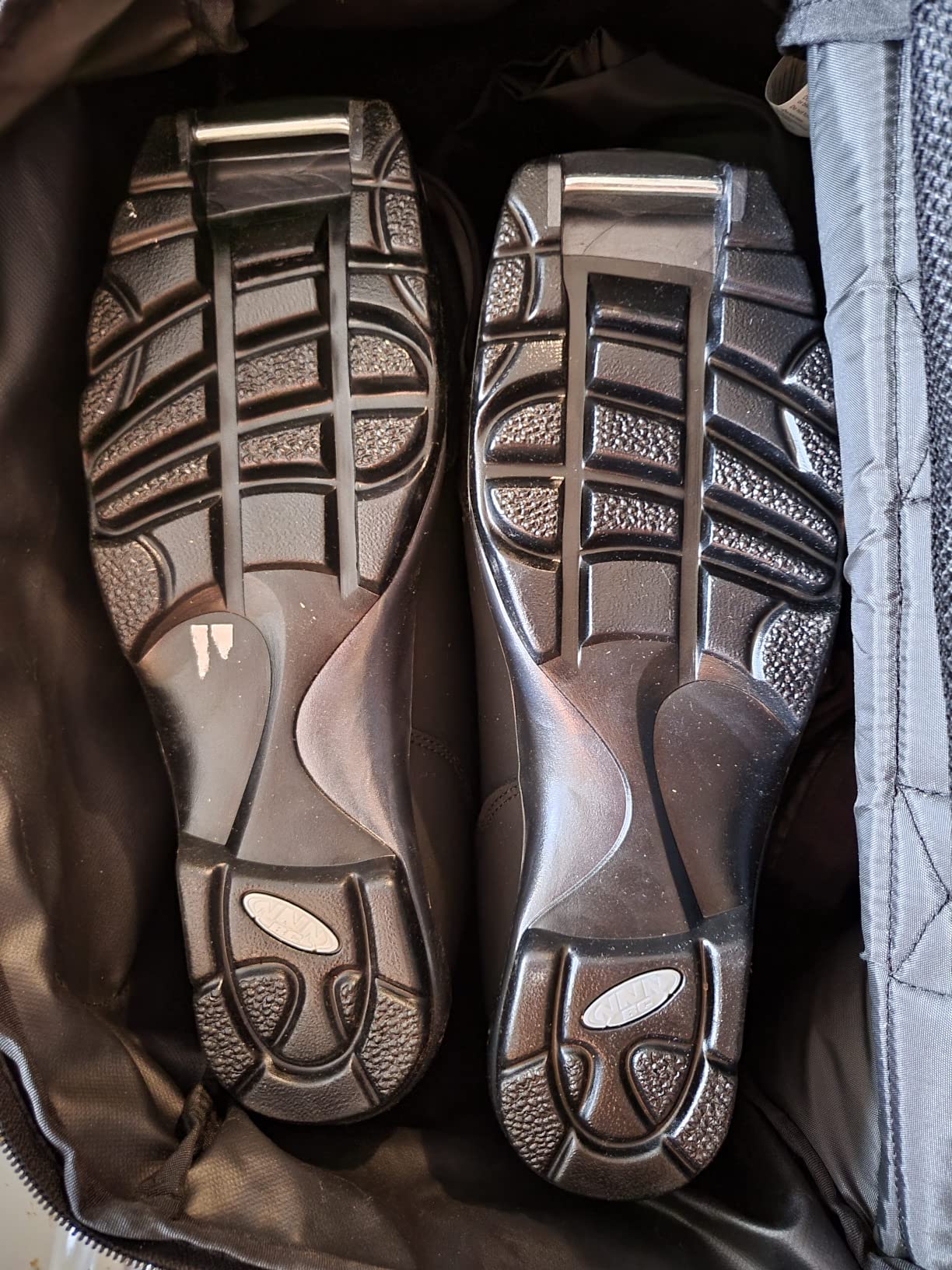
Most classic roller skis use NNN (New Nordic Norm) bindings, which work with NNN, Prolink, and Turnamic boot soles. Verify your existing boots match before purchasing. If you own SNS (Salomon Nordic System) boots, you need different binding compatibility.
The models we reviewed include NNN bindings, which covers the majority of modern cross-country ski boots. Purchasing skis with pre-mounted bindings saves separate installation costs and compatibility headaches. Just ensure the binding size range accommodates your boot sole length.
Frame Materials and Durability
Aluminum frames dominate the mid-range market for good reason. They offer excellent durability, reasonable weight, and affordable pricing. The 6061 aluminum alloy commonly used provides corrosion resistance and adequate stiffness for most skiers.
Carbon fiber enters at premium price points, offering superior stiffness-to-weight ratios and vibration dampening. The energy transmission feels more immediate, which racers appreciate. However, carbon requires more careful handling and costs significantly more.
Wheel Types and Resistance
Wheel size affects both rolling resistance and vibration absorption. Medium wheels around 60-70mm provide the best balance for most training. Larger wheels roll over obstacles easier but raise center of gravity. Smaller wheels create more resistance for strength building but feel harsh on rough pavement.
Wheel resistance determines how much effort each push requires. Faster wheels suit long distance training and technique work. Slower, higher-resistance wheels build strength more effectively. Some models offer swappable wheels to change resistance as training phases shift.
Safety Considerations
Roller skiing carries inherent risks that snow skiing avoids. Hard pavement hurts more than powder when you fall. Helmets should be mandatory, not optional. Wrist guards protect against the most common roller ski injury. Some skiers add knee and elbow pads for full protection.
The anti-rollover systems found on models like the RCE-650 help prevent the sideways tip-overs that send skiers crashing. If you train on hills or worry about stability, these safety features justify the investment. Learning proper braking technique matters enormously for safety.
Terrain-Specific Recommendations
Flat terrain training requires less stability and rollover protection than hilly environments. You can prioritize pure performance characteristics. Hilly terrain demands better brakes, stability systems, and your attention to controlled descent technique.
Rough pavement demands wheels and frames that dampen vibrations. Smooth bike paths allow more performance-oriented choices. Consider where you will train 80% of the time and choose accordingly.
Frequently Asked Questions
What are the most stable roller skis?
The most stable roller skis feature low ground clearance, aluminum or carbon frames, and monoblock fork designs. Models like the BARNETT RCE-700 and RCE-650 excel in stability with their anti-rollover systems and low-profile formats that simulate snow-like feel. The RCE-700 received particular praise from our testing team for handling rough surfaces without wobbling.
Are rollerskis better than running for ski training?
Yes, roller skis provide sport-specific training that running cannot match. They develop the exact leg muscles, balance, and technique patterns used in cross-country skiing. Unlike running, roller skiing allows you to practice diagonal stride and double-poling movements year-round, building transferable skills that directly improve winter performance.
Are rollerskis safe for beginners?
Roller skis can be safe for beginners when choosing stable models with features like anti-rollover systems, low ground clearance, and learning on flat terrain first. Start with slower speed wheels and consider wearing protective gear including helmets and wrist guards. Beginner-friendly models like the BARNETT RSE-530 provide steady platforms for learning.
How much do quality roller skis cost?
Quality classic roller skis typically range from $180 to $320. Entry-level aluminum models start around $180-210, while professional-grade carbon fiber options cost $300+. The investment pays off with durable construction that lasts multiple training seasons, making the per-session cost reasonable for committed skiers.
Conclusion
The best classic roller skis for off season training depend on your skill level, budget, and training goals. For most skiers, the BARNETT RCE-700 delivers the ideal combination of stability, performance, and value. Competitive athletes should consider the RCC-Carbon for maximum energy transfer. Beginners can confidently start with the affordable RSE-530.
Remember that roller skiing offers unique training benefits no other summer activity replicates. The technique transfer to winter skiing makes these tools worth the investment for anyone serious about cross-country performance. Choose based on where you train, your experience level, and how aggressively you plan to use them.
As you roll into 2026, equip yourself with the right tools and enjoy the closest thing to skiing without snow. Your winter self will thank you for the fitness and technique maintenance these summer sessions provide.