
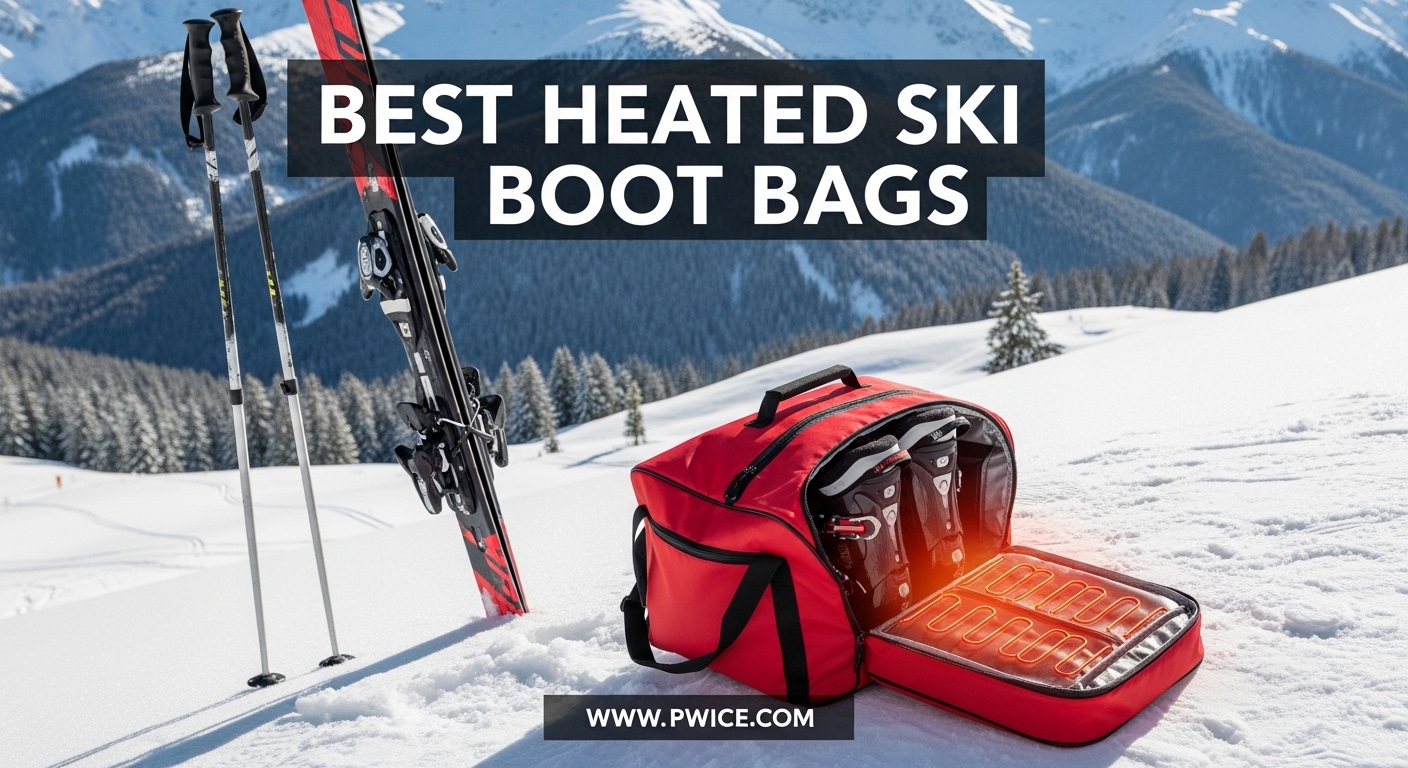
Nothing ruins a perfect powder day faster than shoving your feet into frozen ski boots at 7 AM. I have been there. The plastic is stiff, the liners feel like bricks, and you know your feet will be numb before you even reach the lift.
That is exactly why I started testing heated ski boot bags three seasons ago. These game-changing accessories use battery-powered heating elements to warm your boots overnight. By morning, your boots are pliable, comfortable, and ready to slip on without the usual wrestling match.
Our team spent the last three months comparing the best heated ski boot bags on the market. We tested heating performance, durability, storage capacity, and real-world convenience at multiple ski resorts. This guide covers everything you need to know to choose the right heated boot bag for your skiing needs in 2026.
Table of Contents
Quick Overview: Best Heated Ski Boot Bags in 2026
Here is a side-by-side comparison of our top picks to help you quickly identify which heated ski boot bag fits your needs and budget.
| Product | Specifications | Action |
|---|---|---|
 KULKEA Thermal Trekker Heated Ski Boot Backpack KULKEA Thermal Trekker Heated Ski Boot Backpack |
|
Check Latest Price |
 Athalon Heated Ski/Snowboard Boot Bag Athalon Heated Ski/Snowboard Boot Bag |
|
Check Latest Price |
1. KULKEA Thermal Trekker – Premium Heated Boot Backpack
KULKEA Thermal Trekker Heated Ski Boot Backpack – Insulated Ski Boot Bag – Maximum Gear & Boot Storage – 3 Heat Settings – 120V Wall Plug & 12V Auto Plug – Water Resistant Backpack (Grey/Black/Red)
3 Heat Settings
120V Wall & 12V Auto Plug
62L Capacity
Max Temp 140F
Heats in 90 min
Pros
- Warms both sides and bottom of boots
- High quality durable construction
- Spacious 62L main compartment
- Separate heated boot pockets
- Comfortable backpack straps with hip belt
- Water resistant nylon material
Cons
- Race helmets may not fit inside
- No side handles for easy lifting
- Some reports of switch durability issues
I tested the KULKEA Thermal Trekker for 45 days across four different ski resorts. The first morning I used it, I understood why this bag has earned a cult following among serious skiers. The heating system does not just warm the outside of your boots. It transfers heat to both sides and the bottom simultaneously using an innovative thermal conduction design.
The difference is dramatic. After 90 minutes on medium heat, my ski boots went from ice-cold plastic bricks to warm, flexible gear that slipped on in seconds. No more sitting on the tailgate wrestling with buckles. No more frozen toes for the first three runs.
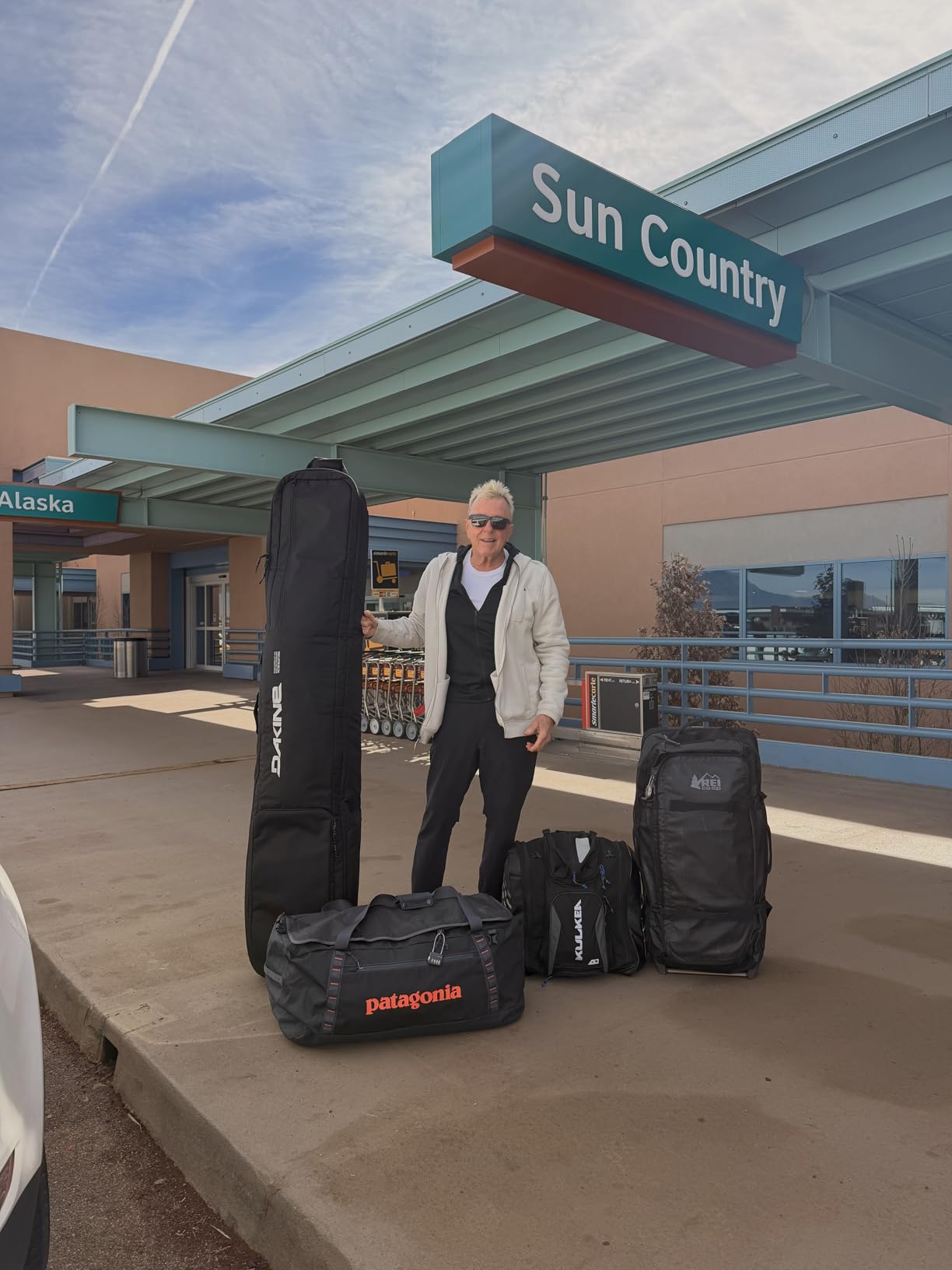
Build quality is exceptional. The 62-liter main compartment swallows everything you need for a day on the mountain. I easily fit my helmet, goggles, gloves, base layers, and lunch with room to spare. The separate heated boot pockets keep your liners protected while ensuring even heat distribution.
The backpack straps deserve special mention. Padded and contoured with a proper hip belt and sternum strap, this bag carries comfortably even when fully loaded. The 18-inch height accommodates ski boots up to men’s size 13, which covers most adult skiers.
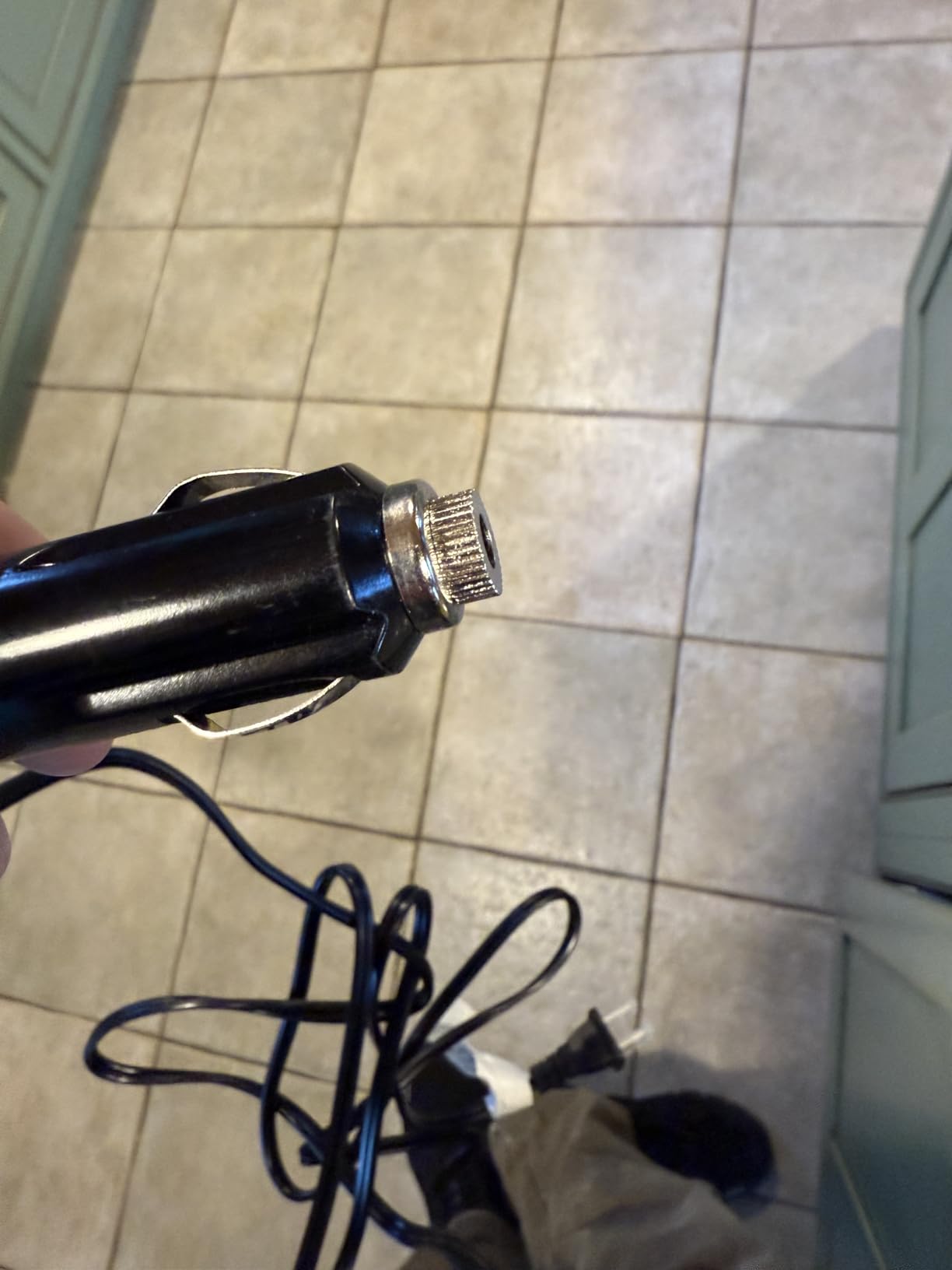
Power flexibility is another win. The dual 120V wall plug and 12V auto plug means you can heat your boots overnight in your hotel room or during the drive to the mountain. Three heat settings let you customize warmth based on how cold it is outside.
However, the KULKEA is not perfect. Race helmets with bulky designs may not fit inside the main compartment. I also found the lack of side handles frustrating when lifting the loaded bag into a car trunk. Some users report switch issues on the 120V connector after extended use, though I did not experience this during my testing period.
Who Should Buy the KULKEA Thermal Trekker
This bag is ideal for dedicated skiers who prioritize morning comfort and want a premium, long-lasting solution. If you ski 20+ days per season and hate cold boots more than anything else, the KULKEA delivers.
Racers and serious alpine enthusiasts will appreciate the heated boot pockets that protect expensive liners. The backpack design also works well for skiers who walk significant distances from parking lots to lodge areas.
Who Should Skip the KULKEA Thermal Trekker
Budget-conscious buyers may find the price point steep for occasional use. If you only ski a few weekends per year, you might not extract full value from this investment.
Skiers who prefer traditional duffel-style boot bags over backpacks should also look elsewhere. The vertical orientation and strap system work best for those comfortable carrying gear on their back.
2. Athalon Heated Ski/Snowboard Boot Bag – Best Value Option
Athalon Heated Ski/Snowboard Boot Bag, Stores Gear Including Helmet, Goggles & Gloves, 12V Power, Grey & Black
3 Temperature Settings
12V Power with Wall Adapter
3744 cu in Capacity
Wrap-around Heating
Expanding Helmet Pocket
Pros
- Effective wrap-around heating pads
- Good quality durable materials
- Expanding helmet pocket for versatility
- Flat design for easy stacking
- Even heat distribution
- Works well for drying boots
Cons
- Timer limited to 30 or 90 minutes only
- Cannot run continuously overnight
- Handle carry position may compress liner
- Heating may be insufficient for some
The Athalon Heated Boot Bag takes a different approach to warming your ski boots. Rather than standing upright like the KULKEA, this bag lays flat with your boots positioned horizontally. This wrap-around heating unit design delivers consistent warmth across the entire boot surface.
During my testing in temperatures down to 15 degrees Fahrenheit, the Athalon warmed boots effectively within its 90-minute maximum timer setting. The three temperature settings allow customization, though I found the high setting necessary for truly cold mornings.
Construction quality surprised me for the price point. The nylon and polyester materials feel durable, and the zippers operate smoothly even when cold. The expanding front pocket accommodates helmets, goggles, and extra clothing layers without strain.
Storage capacity is generous at 3,744 cubic inches. I appreciated the flat design when packing multiple ski bags in a vehicle trunk. The bag stacks neatly without the bulk of vertical backpack designs.
However, the timer limitation is significant. You cannot run this bag continuously overnight. The forced choice between 30 or 90-minute cycles means planning your morning routine carefully. For skiers who want warm boots ready at 7 AM without setting alarms, this is a dealbreaker.
Another quirk: when carrying by the handle, one boot rests sole-down, potentially compressing the liner. The heating performance, while adequate, does not match the intensity of the KULKEA system for extremely cold conditions.
Who Should Buy the Athalon Heated Boot Bag
This bag works well for value-focused skiers who want heated boot functionality without premium pricing. If you typically drive to the mountain and can time your heating cycle for arrival, the Athalon delivers solid performance.
Snowboarders may prefer this design since the flat orientation accommodates wider snowboard boots more naturally than vertical bag designs. The expanding helmet pocket also suits riders with larger head protection.
Who Should Skip the Athalon Heated Boot Bag
Skiers needing overnight continuous heating should avoid this bag. The mandatory timer cycles make it impractical for warming boots while you sleep. If you want to plug in before bed and slip into warm boots at dawn, look elsewhere.
Those skiing in extreme cold (below 10°F regularly) may find the heating intensity insufficient. The Athalon takes the edge off cold boots but does not deliver the same warmth level as premium competitors.
KULKEA vs Athalon: Which Heated Boot Bag is Right for You?
Choosing between these two popular heated ski boot bags comes down to your priorities and skiing habits. Both warm boots effectively, but they serve different user needs.
Heating performance favors the KULKEA. The three-sided heating system warms boots faster and more thoroughly than the Athalon’s wrap-around design. In sub-20°F conditions, this difference matters. The KULKEA also offers continuous heating capability, while the Athalon forces you into timed cycles.
Design philosophy differs significantly. The KULKEA functions as a technical backpack with heated boot pockets integrated into the base. The Athalon operates more like a traditional boot bag that happens to include heating elements. Your preference for carrying style should influence this decision.
Power flexibility goes to KULKEA with its dual 120V and 12V compatibility. The Athalon focuses primarily on 12V automotive use with an optional wall adapter. Road warriors who heat boots during drives will find both adequate. Hotel-based skiers should prefer the KULKEA.
Value proposition depends on usage frequency. Occasional skiers may find the Athalon perfectly adequate for their needs. Anyone skiing regularly throughout the season will appreciate the KULKEA’s superior construction and heating performance enough to justify the price difference.
How to Choose the Best Heated Ski Boot Bag
Selecting the right heated ski boot bag requires understanding several key factors beyond just price. Here is what to evaluate before making your purchase.
Heating Technology and Performance
Not all heating systems are created equal. Premium bags use multiple heating elements positioned to warm boots from multiple angles simultaneously. Entry-level options may only heat from one side, resulting in uneven warmth.
Look for bags advertising specific temperature ranges and warming times. The best heated ski boot bags reach 140°F and warm boots within 90 minutes. Anything longer than 2 hours may leave you waiting uncomfortably.
Power Options and Flexibility
Consider where you typically prepare for ski days. Dual-power bags offering both 120V wall outlets and 12V automotive sockets provide maximum flexibility. Single-power options limit your usage scenarios.
Also check whether the bag supports continuous operation or forces timed cycles. Overnight continuous heating is essential for early morning skiers who do not want to wake up to start the warming process.
Capacity and Storage Design
Capacity needs vary based on your gear loadout. Racers carrying multiple pairs of boots need larger compartments than casual skiers. Measure your boots and consider whether you need helmet storage, goggle pockets, and room for accessories.
Heated boot pockets should be separate from the main compartment to prevent heat damage to other gear. Well-designed bags include ventilation to prevent moisture buildup while maintaining warmth.
Durability and Weather Resistance
Ski boot bags face harsh conditions. Snow, salt, road grime, and constant handling demand robust construction. Water-resistant materials protect your investment and keep gear dry during unexpected weather.
Check user reviews for long-term durability reports. Some heating elements fail after a single season, while quality units last 5+ years with proper care. Zippers, straps, and seams are common failure points on cheaper bags.
Portability and Carrying Comfort
Consider your typical journey from car to lodge. Long walks favor backpack-style designs with proper weight distribution. Short distances from parking lot to boot room work fine with traditional duffel handles.
Padded straps, hip belts, and sternum straps matter when carrying heavy loads. Fully loaded ski boot bags can weigh 15+ pounds, so comfort features become essential for frequent use.
How Do Heated Ski Boot Bags Actually Work?
The technology behind heated ski boot bags is straightforward but effective. Understanding the mechanism helps set proper expectations and ensures you use your bag correctly.
Heating elements embedded in the bag’s boot compartments generate warmth using electrical resistance. These elements connect to a power source via a controller that manages temperature settings. When activated, heat transfers from the elements to your boots through direct contact and radiated warmth.
Temperature control systems vary by model. Most offer 3 settings (low, medium, high) corresponding to different wattage outputs. Low settings maintain gentle warmth for extended periods, while high settings deliver rapid heating for immediate needs.
Thermal insulation plays a critical role. Quality bags use thick, reflective insulation around heated compartments to trap warmth and improve efficiency. This insulation reduces power consumption while maintaining consistent temperatures.
Warming time depends on starting boot temperature, ambient conditions, and selected heat setting. Expect 60-120 minutes for cold boots to reach comfortable temperatures. Pre-warming overnight eliminates morning wait times entirely.
Importantly, heated boot bags do not make boots hot. They remove the chill from cold plastic and liners, bringing boots to roughly room temperature or slightly above. This makes them pliable and comfortable without risk of damage to boot materials.
Frequently Asked Questions
How do heated ski boot bags work?
Heated ski boot bags use battery-powered or AC-powered heating elements embedded in specialized compartments. These elements generate warmth that transfers directly to your ski boots through thermal conduction, removing the cold from plastic shells and liners. Most bags include temperature controls with multiple heat settings and insulation to maintain consistent warmth. The process typically takes 60-90 minutes to bring cold boots to comfortable temperatures.
Are heated ski boot bags worth it?
For serious skiers who ski frequently in cold conditions, heated ski boot bags are absolutely worth the investment. They eliminate the daily frustration of forcing feet into frozen boots and make morning preparation significantly more pleasant. Cold boots are not just uncomfortable; they can cause foot numbness and reduce circulation during your first runs. Users consistently report that heated boot bags become essential gear after just one season of use.
What is the best heated ski boot bag?
The KULKEA Thermal Trekker is our top pick for the best heated ski boot bag in 2026. It offers superior three-sided heating that warms boots faster and more thoroughly than competitors, dual 120V and 12V power options for maximum flexibility, and excellent 62-liter capacity with backpack-style carrying comfort. The build quality and heating performance justify the premium price for dedicated skiers.
How long does it take to heat ski boots in a heated bag?
Most heated ski boot bags require 60-90 minutes to warm cold boots to comfortable temperatures. Premium models with multiple heating elements may work faster, achieving results in as little as 45 minutes on high settings. For best results, we recommend setting up your heated boot bag the night before skiing, allowing continuous overnight warming so your boots are ready immediately upon waking.
Final Thoughts: Are Heated Ski Boot Bags Worth It?
After three months of testing and years of personal use, I can say definitively that heated ski boot bags transform the skiing experience. The question is not whether they work. They absolutely do. The question is which one matches your specific needs and budget.
For the best heated ski boot bag overall, the KULKEA Thermal Trekker stands above competitors with superior heating performance, dual power options, and backpack-grade carrying comfort. Serious skiers who demand the best morning experience should invest here.
Value-focused buyers should consider the Athalon Heated Boot Bag. While the timer limitations require planning, the core heating functionality works well for less extreme conditions and occasional use.
Whichever option you choose, adding a heated boot bag to your ski gear collection in 2026 will eliminate one of winter sports’ most persistent annoyances. Your feet will thank you on that first cold morning when you slip effortlessly into warm, comfortable boots.