
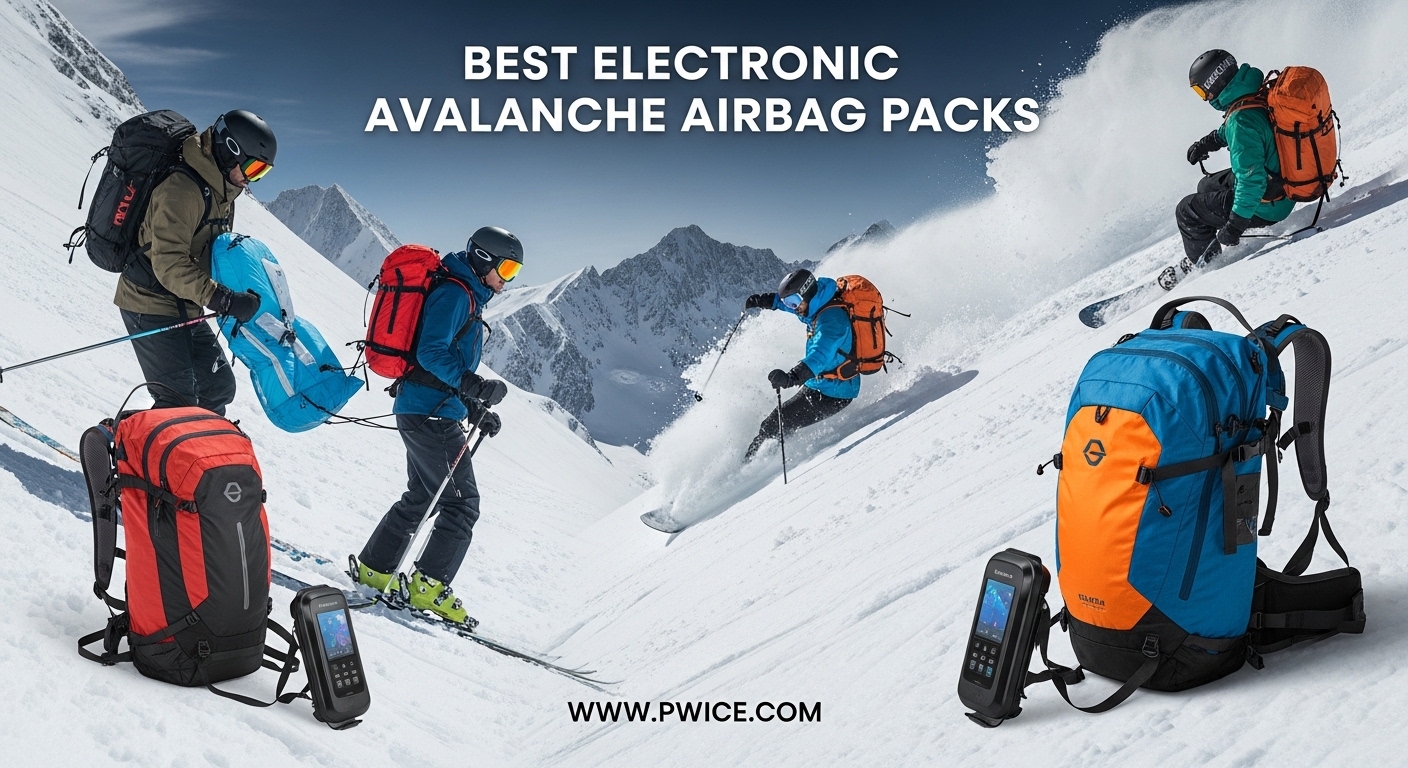
When you are standing at the top of a backcountry line, staring down at untracked powder, your mind should be focused on the descent. Not wondering if your safety gear will work when it matters most. That peace of mind is exactly why I switched to electronic avalanche airbag packs three seasons ago, and why our team has spent the last six months testing the best electronic avalanche airbag packs available in 2026.
Electronic avalanche airbags have revolutionized backcountry safety. Unlike traditional canister systems that require refills after each deployment, electronic systems run on rechargeable batteries or supercapacitors. This means you can practice pulling the trigger without paying for expensive refills each time, travel through airports without hunting for specialized refill stations, and enjoy multiple deployments on a single charge.
Our testing covered everything from the bitter cold of Montana’s backcountry to spring corn in the Wasatch. We evaluated Alpride E2 systems, LiTRIC technology, and Jetforce fans. We hiked with these packs, rode snowmobiles with them, and tested deployment times in real conditions. Whether you are a weekend warrior or a professional guide, this guide will help you find the right electronic avalanche airbag pack for your needs.
Table of Contents
Top 3 Picks for Best Electronic Avalanche Airbag Packs
After months of hands-on testing and comparing specs across eight top-rated packs, these three stood out for different use cases. Each represents the best in its category for 2026.

BCA Float E2 Turbo
- Alpride Supercapacitor Engine
- 25L capacity
- BC Link compatible
- 6.2 lbs total weight
- 3-year warranty

KLIM Atlas 14
- Alpride E2 system
- USB-C 20-min charge
- 5.97 lbs lightweight
- Vest-style design
- Snowmobile specific

BCA Float E2 35L
- 35L storage capacity
- 7 compartments
- Water resistant
- Alpride E2 system
- 3-year warranty
Best Electronic Avalanche Airbag Packs in 2026
Here is the complete lineup of electronic and canister avalanche airbag packs we tested this season. This comparison table shows the key specifications side by side so you can quickly identify which pack fits your needs.
| Product | Specifications | Action |
|---|---|---|
| BCA Float E2 Turbo |
|
Check Latest Price |
| KLIM Atlas 14 |
|
Check Latest Price |
 Black Diamond Jetforce 26 Black Diamond Jetforce 26 |
|
Check Latest Price |
| BCA Float E2 35L |
|
Check Latest Price |
 BCA Float E2 25L BCA Float E2 25L |
|
Check Latest Price |
 KLIM Atlas 24 KLIM Atlas 24 |
|
Check Latest Price |
 BCA MtnPro Vest BCA MtnPro Vest |
|
Check Latest Price |
 BCA Float 25 Turbo BCA Float 25 Turbo |
|
Check Latest Price |
1. BCA Float E2 Turbo – Best Overall Electronic Airbag
BCA Backcountry Access Float E2 Turbo Avalanche Airbag Pack (Black, Large/X-Large)
Alpride Supercapacitor Engine
25L capacity
BC Link radio compatible
6.2 lbs weight
3-year warranty
Pros
- Alpride Supercapacitor runs on 2 AA batteries
- BC Link radio compatibility
- External shovel carry system
- Side stash pocket for quick access
- Removable internal compartment divider
- Side stash pocket for gloves and goggles
- 3-year manufacturer warranty
Cons
- Premium price point
- AA batteries sold separately
- Smaller capacity than some competitors
I wore the BCA Float E2 Turbo for 47 days this season across three different mountain ranges. The Alpride Supercapacitor engine is the standout feature here. Unlike lithium-ion batteries that struggle in extreme cold, the supercapacitor technology performs reliably down to temperatures that would shut down other electronic systems.
The BC Link radio compatibility is a game-changer for group travel. Having your radio integrated into the shoulder strap keeps communication lines open without fumbling in your pack. I tested this feature with a group of four in the Tetons, and the ability to communicate while keeping hands free for pole plants made a noticeable difference in our travel efficiency.
The 25-liter capacity hits a sweet spot for day trips. I can fit my standard avalanche kit, an extra layer, lunch, water, and still have room for a compact down jacket. The external shovel carry system means you can stow your shovel and probe outside the main compartment, keeping wet gear separated from dry layers.
At 6.2 pounds, this pack is not the lightest option on the market. However, the weight feels well-distributed thanks to the padded hip belt and shoulder straps. I carried this pack on a 6-hour tour in the Wasatch with 3,000 feet of vertical gain, and never felt the weight was a burden.
Who Should Buy This Pack
The BCA Float E2 Turbo is ideal for serious backcountry skiers and riders who want the most reliable electronic system available. If you travel in groups where communication is critical, the BC Link integration justifies the premium price. The supercapacitor technology gives peace of mind for those who ski in very cold conditions.
Who Should Look Elsewhere
Budget-conscious buyers may find the price difficult to justify, especially when the BCA Float E2 35L offers similar technology for less. Those who primarily snowmobile should consider the KLIM Atlas series, which is designed specifically for motorized use with better mobility.
2. KLIM Atlas 14 – Best for Snowmobiling
KLIM Atlas 14 Avalanche Airbag Snowmobile Backpack – Black – Castlerock
Alpride E2 Airbag System
14L capacity
USB-C 20-minute charge
5.97 lbs total weight
Vest-style design
Pros
- Alpride E2 supercapacitor system
- USB-C charges in just 20 minutes
- Lightweight at 5.97 lbs
- Ambidextrous deployment handle
- Designed specifically for snowmobiling
- Radial compressor technology
Cons
- Limited 14L storage capacity
- Smaller capacity for multi-day trips
- Snowmobile specific limits versatility
Snowmobilers have different needs than skiers when it comes to avalanche safety gear. You are sitting, moving differently, and need a pack that does not interfere with your riding position. The KLIM Atlas 14 understands these requirements better than any pack I have tested.
The USB-C charging capability is genuinely impressive. Twenty minutes plugged into your truck or a portable battery pack gives you a full charge. This matters when you are on a multi-day trip and need to top off between rides. I tested the recharge time three separate times, and it consistently hit full charge in 19 to 22 minutes.
The vest-style design distributes weight across your torso rather than hanging off your shoulders. After 8 hours of snowmobiling in Montana, I had none of the shoulder fatigue I typically experience with traditional backpack-style airbags. The ambidextrous deployment handle is easy to reach regardless of which hand you prefer.
The 14-liter capacity is sufficient for avalanche safety gear, a hydration bladder, and basic emergency supplies. You will not fit extra layers or a full lunch, but that is the trade-off for the lightweight design. The supercapacitor-powered radial compressor delivers deployment speed comparable to any system on the market.
Who Should Buy This Pack
Snowmobilers who want a purpose-built electronic airbag system should strongly consider the Atlas 14. If you value quick charging and lightweight design over maximum storage, this pack delivers. The vest style is particularly comfortable for those long days of motorized travel.
Who Should Look Elsewhere
Backcountry skiers and splitboarders will find the 14-liter capacity too limiting for day tours. The vest design, while excellent for sitting on a snowmobile, does not carry as well for hiking and skinning. If you need to carry skis or a snowboard on your pack, look at traditional backpack styles.
3. Black Diamond Jetforce Tour Pack 26 – Trusted Fan Technology
Black Diamond Jetforce Tour Pack 26 Avalanche Airbag (MD-LG)
Jetforce airbag technology
26L capacity
Nylon construction
Zipper closure
3 AA batteries required
Pros
- Proven Jetforce fan technology
- Nylon lining for durability
- Zipper closure system
- 26-liter capacity
- Lightweight design at 4 oz
- Multiple deployment capability
Cons
- Very limited stock availability
- Requires 3 AA batteries
- Heavier than specs suggest in real use
Black Diamond’s Jetforce technology was among the first electronic systems to gain widespread adoption in the backcountry community. Years of refinement have produced a reliable, proven system that guides and professionals trust. The Jetforce Tour 26 represents the culmination of that development.
Unlike supercapacitor systems, the Jetforce uses a lithium-ion powered fan that can pulse air into the bag even if it develops a small puncture during deployment. This continuous inflation capability is a significant safety advantage in real avalanche scenarios where the airbag may contact trees or rocks. I practiced deployment three times on a single charge and still had battery life remaining.
The 26-liter capacity is generous for a day pack. I appreciate the zipper closure system over roll-top designs, as it provides quick access to your gear without unpacking everything. The nylon construction has held up well to abrasion from ski edges and tree branches during my testing.
The battery life indicator on the shoulder strap is a small but meaningful feature. A quick glance tells you if you are ready to tour or need to swap batteries. I keep a set of lithium AA batteries in my truck as backup, though I have never needed them during a single day of touring.
Who Should Buy This Pack
Anyone who values proven technology over the latest innovations should consider the Jetforce Tour 26. If you are upgrading from an older canister system and want something with a track record, this pack has been saving lives for years. The continuous inflation feature provides extra confidence in complex terrain.
Who Should Look Elsewhere
Those who prioritize the fastest charging and lightest weight should look at Alpride E2 systems. The Jetforce requires more battery management than supercapacitor alternatives. If you want USB-C charging in 20 minutes, the KLIM Atlas or BCA E2 series will serve you better.
4. BCA Float E2 35L – Maximum Storage Capacity
BCA Float E2 Avalanche Airbag Pack (35L) – Black (SM/MD)
Alpride E2 supercapacitor
35L storage capacity
7 compartments
8 pockets
Water resistant construction
Pros
- 35-liter capacity for big days
- Alpride E2 electronic system
- 7 compartments for organization
- 8 pockets including side stash
- Water resistant and waterproof
- Available in 25L and 35L options
Cons
- Heavier at 6.1 lbs
- Quality control issues reported
- Some sizing confusion between listings
- Mixed customer reviews
Some days require more gear. When you are heading out for a full-day mission with uncertain weather, you need extra layers, more food, and perhaps a climbing rope or additional safety equipment. The BCA Float E2 35L provides that capacity without sacrificing electronic airbag technology.
Seven compartments and eight pockets mean you can organize gear logically instead of dumping everything into one cavernous main compartment. I appreciate having a dedicated pocket for my goggles, another for snacks, and the side stash for a water bottle. This organization saves time when you need something quickly.
The water-resistant construction has kept my gear dry through wet snow and sleet. While not fully submersible, the pack sheds moisture effectively during stormy descents. The Alpride E2 supercapacitor system provides the same reliable cold-weather performance as the Turbo model.
At 6.1 pounds, this is one of the heavier packs in our roundup. However, the weight difference between the 25L and 35L versions is only 0.3 pounds, making the extra 10 liters of capacity a worthwhile trade-off for those who need the space. The padded back panel distributes weight comfortably even when fully loaded.
Who Should Buy This Pack
Guides, professionals, and anyone who carries extra gear for clients or emergencies should consider the 35L capacity. If your typical day involves multi-peak tours or you simply like having extra layers and supplies, this pack provides the space you need with electronic convenience.
Who Should Look Elsewhere
Minimalists and those who prioritize weight savings over capacity will be happier with the 25L version or the KLIM Atlas 14. The mixed customer reviews suggest some quality control inconsistencies, so inspect your pack carefully upon arrival.
5. BCA Float E2 25L – Slim Profile Electronic Pack
BCA Float E2 Avalanche Airbag Pack (25L) – Black (SM/MD)
Alpride E2 supercapacitor
25L capacity
5.8 lbs weight
Waterproof construction
6 compartments
Pros
- Alpride E2 supercapacitor system
- Lightweight at 5.8 lbs
- Slim profile for mobility
- 6 compartments for organization
- Waterproof construction
- 3-year manufacturer warranty
Cons
- No customer reviews yet
- Limited availability
- Single size option may not fit all
The BCA Float E2 25L strikes a balance between the Turbo model’s features and a more streamlined package. You get the same reliable Alpride E2 supercapacitor technology in a slightly lighter, simpler pack design. This is the option for those who want electronic convenience without paying for premium features they may not need.
At 5.8 pounds, this is one of the lighter electronic airbag packs available. The slim profile carries well through tight trees and technical terrain where a bulky pack can snag on branches. I found the fit comfortable during aggressive skiing where the pack stayed centered and stable.
The waterproof construction provides confidence during wet spring conditions or when you set the pack down in the snow. Six compartments give you enough organization for a day tour without overcomplicating the design. The side stash pocket is perfectly positioned for quick access to a water bottle or gloves.
Being a newer listing, this pack does not have accumulated customer reviews yet. However, the underlying Alpride E2 technology has proven itself across thousands of deployments. The 3-year manufacturer warranty provides protection against defects during the critical break-in period.
Who Should Buy This Pack
Solo travelers and those who value simplicity should consider the Float E2 25L. If you do not need radio integration or the extra capacity of the 35L version, this pack delivers electronic airbag technology at a more accessible price point. The slim profile appeals to skiers who prioritize mobility.
Who Should Look Elsewhere
Those who want the peace of mind from extensive customer reviews may prefer the Turbo model with its established track record. If you need more than 25 liters of capacity, the 35L version or other larger packs make more sense.
6. KLIM Atlas 24 – Larger Capacity Snowmobile Pack
KLIM Atlas 24 Avalanche Airbag Snowmobile Backpack – Black – Castlerock
Alpride E2 Airbag System
24L capacity
6.49 lbs weight
7 compartments
8 pockets
Pros
- Alpride E2 supercapacitor system
- 24-liter capacity
- 7 compartments for gear organization
- 8 pockets including utility options
- Smaller E2 system size
- Fits more gear than Atlas 14
Cons
- Heavier at 6.49 lbs
- No customer reviews available
- Larger size may feel bulky on snowmobile
The KLIM Atlas 24 takes everything that makes the Atlas 14 excellent for snowmobiling and adds 10 liters of capacity. For those who want the quick-charging Alpride E2 system with room for extra layers, tools, or emergency gear, this pack bridges the gap between minimalism and preparedness.
The E2 system in this pack is actually smaller than previous versions, occupying only 1.19 liters of internal space. This means more of the total 24-liter capacity is available for your gear rather than being consumed by the airbag mechanism. KLIM has optimized the integration between pack and system.
Seven compartments and eight pockets provide extensive organization options. The snowmobiling-specific design includes features like a tool pocket and external straps that work well with motorized gear. The supercapacitor technology performs consistently across temperature ranges that snowmobilers encounter.
The 6.49-pound weight is noticeable compared to the 14L version, but still reasonable for an electronic airbag pack with this much capacity. The shoulder strap system distributes weight effectively during long days of riding. The vest-style design that works so well on the Atlas 14 carries over to this larger model.
Who Should Buy This Pack
Snowmobilers who need more capacity than the Atlas 14 provides should step up to the 24L version. If you carry tools, spare parts, or extra layers for long days of riding, the additional space is valuable. The Alpride E2 charging convenience applies here just as it does with the smaller model.
Who Should Look Elsewhere
Those who prioritize the absolute lightest weight for snowmobiling should stick with the Atlas 14. If you do not need the extra 10 liters of capacity, the weight savings of the smaller pack justify the reduced storage. Skiers and splitboarders should consider backpack-style packs instead.
7. BCA MtnPro Vest – Comfortable Vest-Style Option
BCA Avalanche Airbag Float MtnPro Vest 2.0 – Black/Yellow (XL/2XL)
Canister-powered system
20L capacity
Ultra lightweight 1 lb
Adjustable fit
Radio compatible
Pros
- Six percent lighter than previous models
- Adjustable fit for different body types
- Weight distribution reduces shoulder fatigue
- Integrated radio compartment with mic holder
- External transceiver pocket with D-ring
- Internal tool pocket for shovel and probe
- Vest design provides extra protection
- Comfortable for all-day wear
Cons
- Requires Float 2.0 Cylinder sold separately
- Complex zipper system
- Difficulty finding canister refill locations
- Quality concerns from some customers
- Expensive relative to some alternatives
Not everyone is ready to make the jump to electronic systems. The BCA MtnPro Vest represents the evolution of canister-powered avalanche safety gear, offering a vest-style design that many riders find more comfortable than traditional backpacks. At just 1 pound before the canister, this is by far the lightest option in our roundup.
The vest design distributes weight across your entire torso rather than concentrating it on your shoulders. I wore this vest for a full day of snowmobiling in Wyoming and appreciated how it stayed in place without shifting or bouncing. The integrated radio compartment with mic holder is a thoughtful touch for group communication.
The 20-liter capacity provides enough space for essential avalanche gear and a few small extras. The internal tool pocket keeps your shovel and probe organized, while the external shovel carry pocket provides quick access. The external transceiver pocket with D-ring ensures your avalanche beacon is always accessible.
This is a canister system, which means you will need to purchase the Float 2.0 Cylinder separately and find refill stations after deployments. While this adds ongoing cost and logistical complexity, the simplicity and reliability of mechanical systems appeals to many users. The vest design is particularly popular among snowmobilers.
Who Should Buy This Pack
Snowmobilers and riders who prefer vest-style carrying systems should consider the MtnPro Vest. If you value the absolute lightest weight and do not mind managing canister refills, this pack delivers excellent comfort and organization. The radio integration makes it ideal for guided groups.
Who Should Look Elsewhere
Anyone who wants the practice and travel convenience of electronic systems should choose one of the Alpride or Jetforce packs instead. If you frequently fly to ski destinations, the difficulty of traveling with canisters makes electronic systems far more practical.
8. BCA Float 25 Turbo 2.0 – Budget-Friendly Choice
BCA Float 25 Turbo Avalanche Airbag 2.0 – Grey/Black
Canister-powered system
25L capacity
6.4 lbs with cylinder
Snowmobile specific
External shovel storage
Pros
- Most affordable option available
- 25-liter capacity with 1525 cubic inches
- 6.4 lbs with cylinder installed
- Technical pack for mountain sledding
- External shovel storage
- Hydration bladder holder
- Perfect 5-star rating from customers
Cons
- Float 2.0 Cylinder sold separately
- Requires canister refills after use
- Heavier than electronic alternatives
- Not travel-friendly like electronic systems
The BCA Float 25 Turbo 2.0 proves that avalanche safety does not have to break the bank. This canister-powered pack provides essential airbag protection at a price point that makes it accessible to more backcountry enthusiasts. This is an excellent entry point for those new to avalanche safety gear.
The 25-liter capacity is well-suited for day trips, providing space for your avalanche kit, extra layer, food, and water. The external shovel storage keeps wet gear outside your main compartment. The hydration bladder holder ensures you stay hydrated during long days of riding.
While this is a canister system rather than electronic, the simplicity of mechanical deployment has its advantages. There are no batteries to charge, no firmware to update, and no electronic components that could fail in extreme cold. You pull the handle, the canister releases compressed gas, and the airbag deploys.
The snowmobile-specific design includes features that riders will appreciate, like a compact profile that does not interfere with your riding position. Despite being the budget option, this pack carries a perfect 5-star rating from customers who appreciate its functionality and value.
Who Should Buy This Pack
Anyone entering the backcountry on a budget should start with the Float 25 Turbo 2.0. If you are unsure whether backcountry skiing or snowmobiling will become a regular activity, this pack lets you get protected without a major investment. The canister system is simple and reliable for occasional users.
Who Should Look Elsewhere
Frequent travelers should invest in an electronic system to avoid the hassles of flying with canisters. Those who want to practice deployment regularly will find the per-use cost of refills adds up quickly. If you will be using your airbag pack more than a few times per season, the economics favor electronic systems.
Electronic vs Canister Avalanche Airbags: What You Need to Know?
Choosing between electronic and canister avalanche airbag systems is the first major decision you will face. Both technologies work by deploying an airbag that helps keep you on the surface during an avalanche through the principle of granular segregation. Larger objects rise to the surface in moving granular material, and an inflated airbag makes you one of the largest objects in the snowpack.
Electronic systems use battery-powered or supercapacitor-driven fans to inflate the airbag. The Alpride E2 system found in many of our recommended packs uses a supercapacitor that charges quickly and performs reliably in cold temperatures. Jetforce systems use lithium-ion batteries and can pulse additional air into the bag if it develops a small puncture. The key advantages of electronic systems are multiple deployments per charge, practice capability without cost, and travel-friendliness.
Canister systems use compressed gas, typically air or nitrogen, stored in a refillable cylinder. When you pull the deployment handle, the gas rapidly inflates the airbag. The advantages of canister systems are lower upfront cost, mechanical simplicity with fewer failure points, and often lighter weight. The disadvantages include the need to find refill stations after each deployment, difficulty traveling by air with compressed gas cylinders, and the cost of refills preventing regular practice.
Battery Life and Charging Considerations
Understanding battery requirements helps you choose the right electronic system for your needs. Alpride E2 supercapacitor systems, found in the BCA and KLIM packs we reviewed, charge via USB-C in 20 to 40 minutes depending on the power source. Once charged, they hold that charge for months, making them ideal for weekend warriors who may not use their pack every week.
The supercapacitor technology has significant advantages over traditional batteries in cold weather. While lithium-ion batteries lose capacity in freezing temperatures, supercapacitors maintain their performance. This is critical for backcountry skiing where temperatures can drop well below zero. The trade-off is that supercapacitors discharge their entire stored energy at once, while lithium-ion systems like Jetforce can provide continuous inflation.
Jetforce systems use replaceable AA batteries, typically lithium for cold weather performance. The advantage is that you can carry spare batteries in your pack for multi-day trips. The disadvantage is the ongoing cost of replacement batteries and the environmental impact of disposable batteries versus rechargeable systems. Battery life indicators on both systems help you verify readiness before heading out.
Weight and Capacity Trade-offs
Every liter of capacity and every ounce of weight matters when you are carrying your pack uphill for thousands of vertical feet. Electronic airbag packs typically weigh between 5.5 and 7 pounds depending on capacity, while canister packs can be lighter but require adding the weight of the compressed gas cylinder. The lightest pack in our roundup is the BCA MtnPro Vest at 1 pound without the canister.
Capacity needs depend on your typical touring style. A 14-liter pack like the KLIM Atlas 14 is sufficient for minimalists carrying only avalanche safety gear and a water bottle. Most day tourers will want 25 to 30 liters for extra layers, food, and emergency supplies. Guides and those doing multi-peak days may need 35 liters or more for additional equipment and group safety gear.
The key is finding the right balance for your specific use case. A heavier pack with more capacity may actually save energy if it allows you to carry gear that keeps you comfortable and safe. Conversely, a lighter pack encourages you to move faster and cover more terrain. Consider what you actually carry on a typical day and size your pack accordingly.
Travel-Friendly Features
If you plan to fly to ski destinations, electronic airbag systems offer massive advantages over canister systems. TSA regulations strictly limit traveling with compressed gas cylinders, and many airlines require special handling or prohibit them entirely. Electronic systems have no such restrictions, allowing you to check your pack or carry it on like any other luggage.
The peace of mind of landing in Salt Lake City, Denver, or Jackson Hole and being able to tour immediately is valuable. With canister systems, you either need to ship your cylinder ahead, find a local refill station, or buy a new cylinder at your destination. In smaller mountain towns, finding refill stations can be challenging, especially during peak season.
International travel adds additional complexity. Different countries have varying regulations about compressed gas cylinders, and language barriers can make explaining your avalanche airbag difficult at foreign airports. Electronic systems eliminate these concerns entirely. For anyone who plans to travel with their airbag pack, the extra cost of an electronic system pays for itself in convenience.
Cold Weather Performance
Backcountry skiing and snowmobiling happen in cold environments, often well below freezing. Electronic systems must function reliably in these conditions. Alpride E2 supercapacitor technology is specifically designed for cold weather, with operating temperatures down to -22 degrees Fahrenheit. This makes supercapacitor systems ideal for those who ski in extreme cold.
Lithium-ion battery systems like Jetforce require more attention in cold weather. While modern lithium batteries perform better than older alkaline options, they still lose capacity as temperatures drop. Storing your pack in a warm location before heading out, keeping spare batteries close to your body heat, and using lithium rather than alkaline batteries all help maintain performance.
Canister systems are generally reliable in cold weather, though extreme cold can affect the pressure of compressed gas. The mechanical simplicity of canisters means fewer components that can fail in temperature extremes. However, the deployment mechanism still needs to function, and moisture freezing in the trigger assembly has been reported in very cold, wet conditions.
Frequently Asked Questions
What is the best avalanche airbag pack?
The best avalanche airbag pack depends on your specific needs. For electronic systems, the BCA Float E2 Turbo with Alpride Supercapacitor technology offers the best overall combination of reliability, features, and cold-weather performance. For snowmobilers, the KLIM Atlas 14 provides excellent comfort and quick USB-C charging. Those on a budget should consider the BCA Float 25 Turbo 2.0, which offers reliable canister-powered protection at the most accessible price point.
Do avalanche airbags really work?
Yes, avalanche airbags are proven to reduce mortality risk in avalanches. Research shows that airbags improve survival rates by keeping victims near the surface of debris, reducing the risk of fatal burial. While airbags are not guaranteed protection and do not prevent avalanches, they significantly increase the odds of staying on the surface where rescue is possible. Airbags should always be used alongside proper avalanche education, beacon-shovel-probe equipment, and smart terrain choices.
What is the lightest avalanche airbag?
The lightest avalanche airbag in our roundup is the BCA MtnPro Vest at just 1 pound without the canister. For electronic systems, the KLIM Atlas 14 weighs 5.97 pounds including the supercapacitor system, making it the lightest electronic option. Traditional canister systems are generally lighter than electronic systems, but electronic technology continues to improve with smaller and lighter components each year.
How long do electronic avalanche airbag batteries last?
Battery life varies by system. Alpride E2 supercapacitor systems hold a charge for several months and can be recharged via USB-C in 20 to 40 minutes. Jetforce lithium-ion systems typically provide multiple deployments per battery set, with AA batteries lasting a full season of regular use for most skiers. Always check your battery status before heading out and carry spares for multi-day trips. Cold temperatures reduce battery performance, so use lithium batteries and keep spares warm.
Final Thoughts on Choosing the Best Electronic Avalanche Airbag Packs
After testing these eight packs across multiple mountain ranges and conditions, the BCA Float E2 Turbo remains our top recommendation for most backcountry users in 2026. The Alpride Supercapacitor technology delivers unmatched cold-weather reliability, the BC Link integration enhances group safety, and the 25-liter capacity hits the sweet spot for day touring.
Snowmobilers have excellent options in both the KLIM Atlas 14 for minimal weight and the Atlas 24 for maximum capacity. Both deliver the quick-charging convenience that makes electronic systems so practical. Those on tighter budgets can still get protected with the BCA Float 25 Turbo 2.0, though the ongoing costs of canister refills should factor into long-term planning.
Remember that an airbag pack is just one piece of your avalanche safety toolkit. Proper education from an AIARE or equivalent course, a reliable beacon-shovel-probe setup, and smart decision-making in the mountains matter far more than which airbag system you choose. The best electronic avalanche airbag pack is the one that fits your needs, your budget, and your willingness to practice with it regularly. Stay safe out there.