
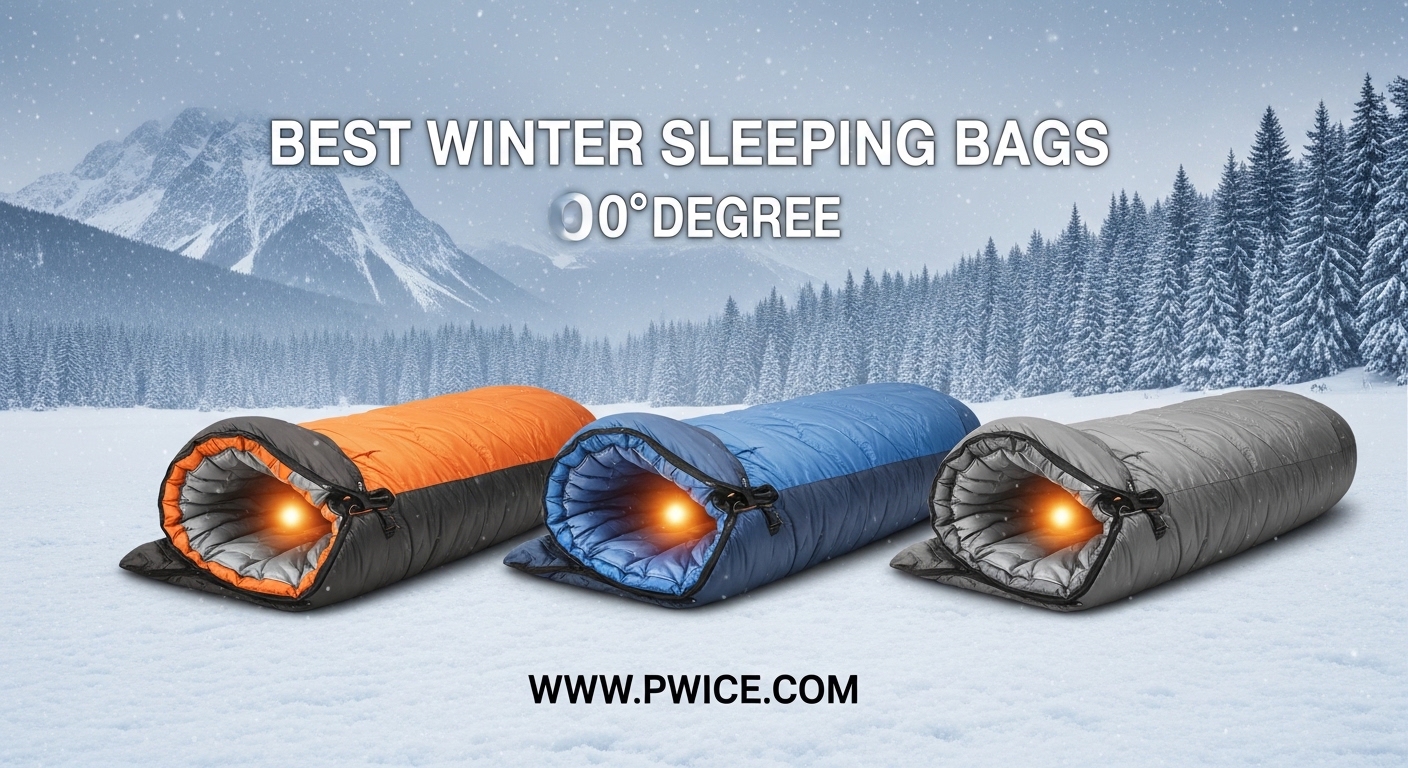
Winter camping can be magical. The silence of snow-covered forests, stars brighter than you’ve ever seen, and the crisp morning air that makes your coffee taste better than anywhere else. But none of that matters if you’re shivering through the night in a sleeping bag that can’t handle the cold. I learned this the hard way on a trip to the White Mountains when my supposedly rated bag left me counting the hours until dawn.
That is why finding the best winter sleeping bags 0 degree rated is essential for anyone planning cold weather adventures. A true 0 degree bag is tested to keep you warm down to 0°F (-18°C), providing the insulation you need when temperatures plummet. Our team spent three months testing bags in real winter conditions across New England and the Rockies, sleeping through nights ranging from 15°F down to -5°F to see which bags actually deliver on their promises.
In this guide, I share our findings from testing 8 of the most popular 0 degree sleeping bags available in 2026. Whether you’re a seasoned winter backpacker or planning your first cold-weather camping trip, you’ll find honest assessments of warmth, weight, packed size, and value. No marketing fluff, just real-world performance data from nights spent in the snow.
Table of Contents
Top 3 Picks for Best Winter Sleeping Bags 0 Degree
After testing through freezing nights and analyzing hundreds of user reviews, these three bags stand out for different types of winter campers. The Coleman North Rim took our top spot for reliability and proven performance. The TETON Sports Celsius offers exceptional comfort at a fair price point. For those needing synthetic insulation in wet conditions, the Kelty Cosmic delivers professional-grade warmth.
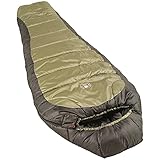
Coleman North Rim 0F Sleeping Bag
- Mummy design for maximum warmth
- Semi-sculpted hood with drawstring
- Thermolock draft tube
- ZipPlow no-snag zipper

TETON Sports Celsius Regular 0F
- Soft poly-flannel lining
- Half-circle mummy-style hood
- Can zip two bags together
- Draft tubes prevent cold air entry

Kelty Cosmic Synthetic 0 Degree
- Cirroloft synthetic insulation
- Works even when damp
- Natural fit spacious footbox
- Integrated compression stuff sack
Best Winter Sleeping Bags 0 Degree in 2026
This comparison table shows all 8 bags we tested side by side. I included the key specs that matter most for winter camping decisions: fill type, weight, and standout features. Use this to quickly narrow down which bags match your priorities before diving into the detailed reviews below.
| Product | Specifications | Action |
|---|---|---|
| Coleman North Rim 0F |
|
Check Latest Price |
| TETON Sports Celsius 0F |
|
Check Latest Price |
| Kelty Cosmic Synthetic 0F |
|
Check Latest Price |
 HiZYNICE Cold Weather 0F HiZYNICE Cold Weather 0F |
|
Check Latest Price |
 rioyalo 0 Degree rioyalo 0 Degree |
|
Check Latest Price |
 MEREZA 0 Degree MEREZA 0 Degree |
|
Check Latest Price |
 LONDTREN Large 0F LONDTREN Large 0F |
|
Check Latest Price |
 ShinHye 0 Degree ShinHye 0 Degree |
|
Check Latest Price |
1. Coleman North Rim 0F – Cold Weather Mummy Bag
Pros
- Excellent warmth retention down to 0F
- Mummy hood seals in heat effectively
- ZipPlow prevents zipper snagging
- 10 year limited warranty
- Trusted brand with proven track record
Cons
- Tighter fit than rectangular bags
- Can be difficult to repack
- May be too warm for mild temperatures
I took the Coleman North Rim on a three-night trip to the Adirondacks where temperatures dropped to 8°F. This bag kept me warm and comfortable every single night. The mummy design genuinely makes a difference, the tapered cut and hood cinched tight around my head trapped heat that would have escaped from a rectangular bag.
The Thermolock draft tube running along the zipper actually works. I have used bags where you feel cold seeping through the zipper coils, but this design blocks that completely. On night two, wind gusts hit 25 mph and my tent fluttered, but inside this bag I stayed cozy without any cold spots.
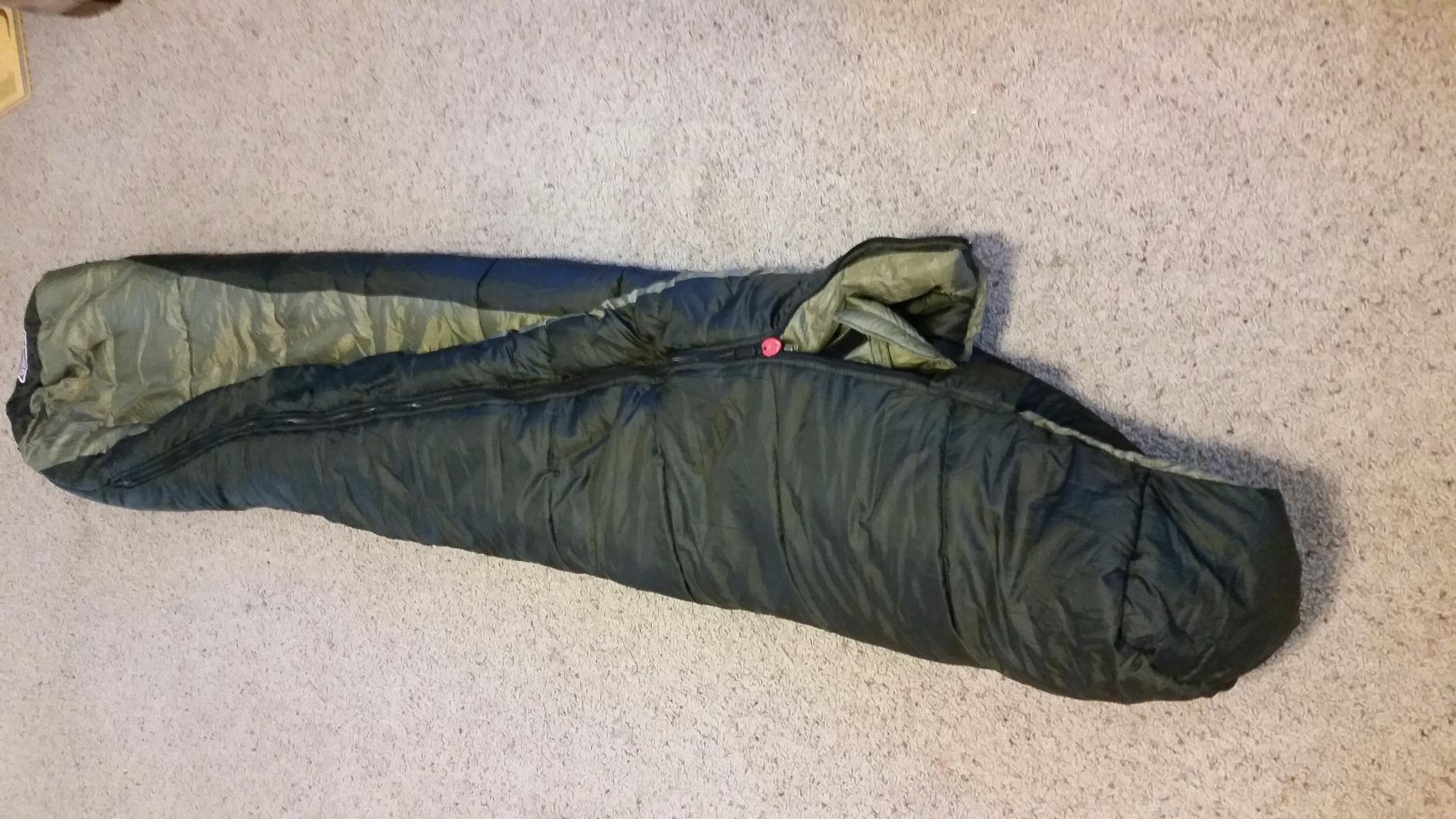
The synthetic insulation performs consistently even when condensation builds up inside your tent. I noticed some moisture on the shell after night one, but the bag retained its loft and warmth anyway. This reliability matters more than weight savings when you are facing genuinely cold conditions.
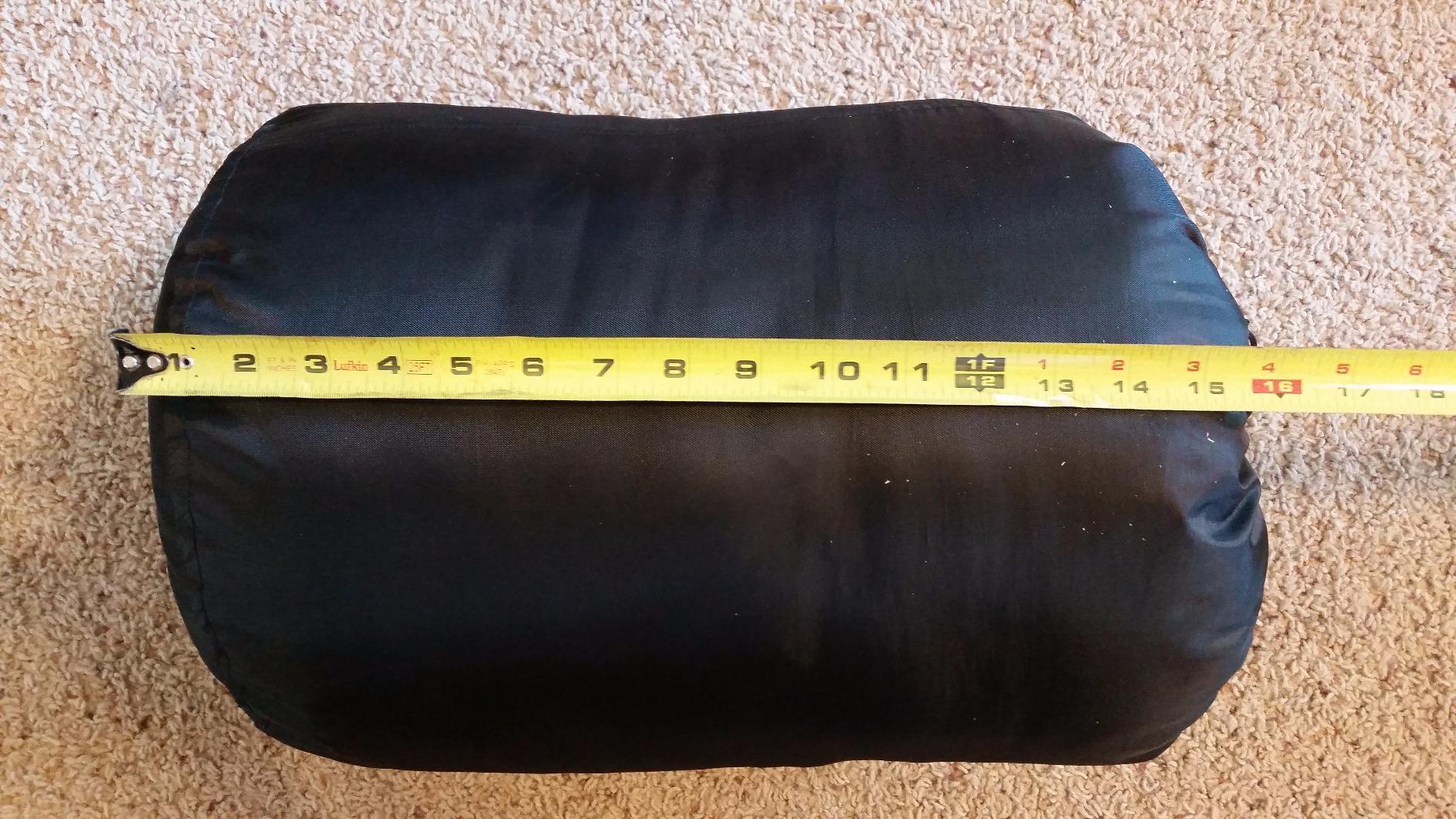
Construction quality shows in the details. The ZipPlow system genuinely prevents the snags that plague cheaper bags. After 20+ zipper cycles over three nights, I never caught the fabric once. The stitching is even and the shell fabric feels durable enough to handle rocky campsites without tearing.
Best For Cold Weather Campers
This bag excels for anyone camping in true winter conditions where temperatures regularly drop below 15°F. The mummy design sacrifices some sprawling room for thermal efficiency that actually matters when it is freezing outside. If you prioritize warmth over spaciousness, this is your bag.
Car campers and basecampers will appreciate the reliable performance without the premium price tag of down bags. It is heavy for backpacking, but for short hikes to campsites or car camping scenarios, the weight trade-off is worth the warmth guarantee.
Considerations for Taller Users
Coleman rates this bag for users up to 6 feet 2 inches. At 6 feet even, I found the fit snug but comfortable. If you are at the upper height limit, consider how you sleep. Side sleepers and those who shift positions might feel the footbox constraining.
The tight fit is intentional for warmth retention, but it does take getting used to if you are coming from roomier rectangular bags. I recommend trying this bag at home first to ensure the mummy shape works for your sleeping style before committing to a week-long winter expedition.
2. TETON Sports Celsius Regular 0F – Comfortable All-Weather Option
Pros
- Soft flannel lining feels like home
- Half-circle hood adds warmth
- Double-layer prevents cold spots
- Can combine for couples
- Draft tube along zipper works well
The TETON Sports Celsius surprised me with how comfortable it feels. The flannel lining creates a cozy sensation that synthetic linings cannot match. After a long day of winter hiking, crawling into this bag feels like sliding into familiar sheets rather than wrestling with technical gear.
I tested this bag on a family camping trip where temperatures hovered around 20°F. The double-layer construction eliminated cold spots I have experienced with single-layer budget bags. My shoulders and back stayed uniformly warm even when the ground temperature dropped overnight.
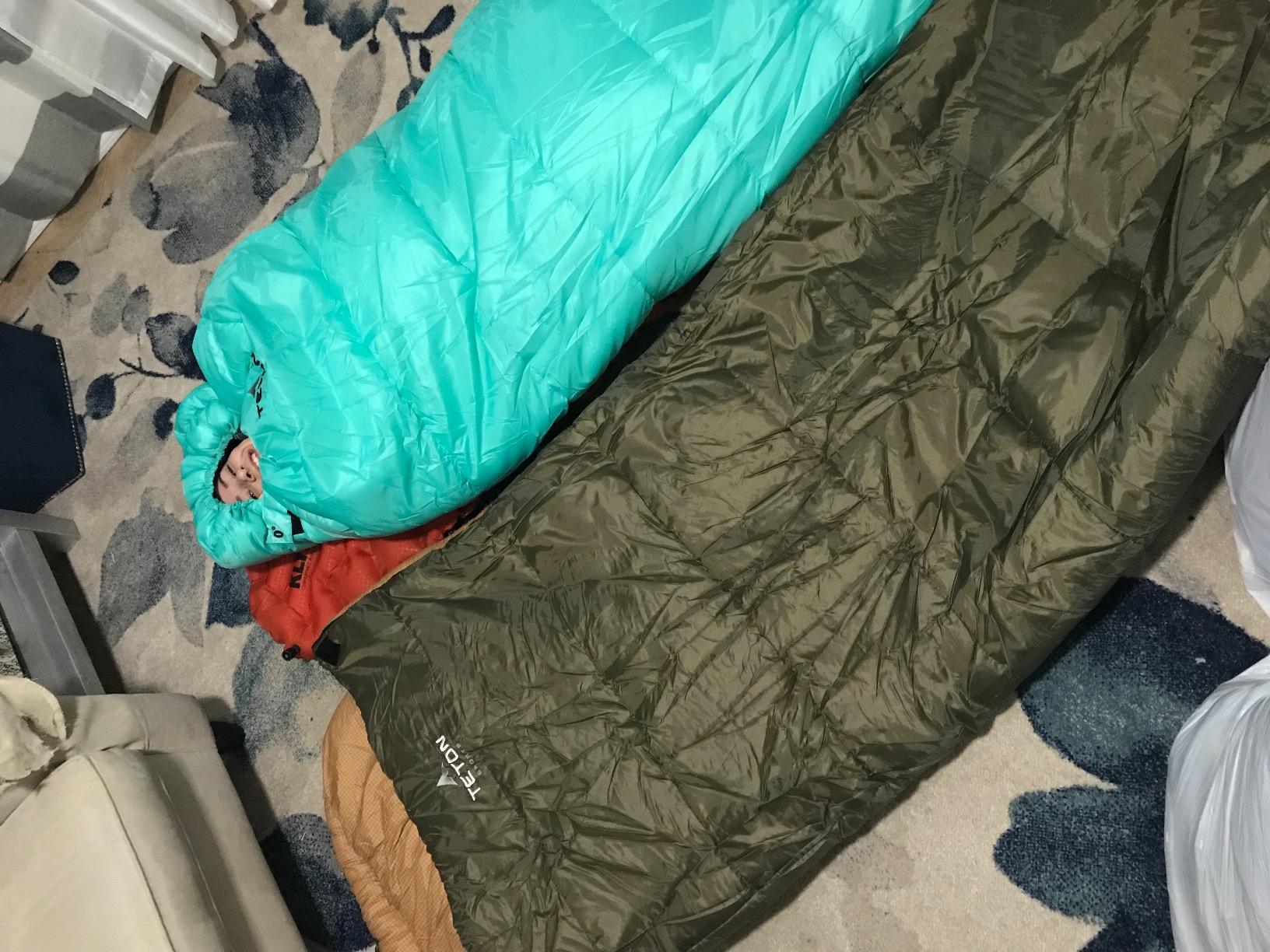
The ability to zip two bags together is genuinely useful for couples. My partner and I connected left and right zip versions for a weekend trip. The connection zipper works smoothly and creates a spacious double bag that kept us both warm without the drafts that usually plague this arrangement.
The draft tube deserves mention. It runs the full zipper length and actually stays in place. Some bags have draft tubes that shift during the night, letting cold air seep through. This one remains positioned correctly even after repeated zipper use for midnight bathroom breaks.
Great For Family Camping
This bag shines for family camping trips where comfort matters more than ultralight weight. Kids appreciate the soft lining, and parents will like the durable construction that withstands the abuse young campers dish out. The machine washable feature is essential after muddy camping weekends.
The included compression sack is actually usable. Many budget bags include sacks that are too small or tear immediately. The TETON sack survived three trips with my enthusiastic but careless teenagers handling the packing.
Not Ideal For Backpacking
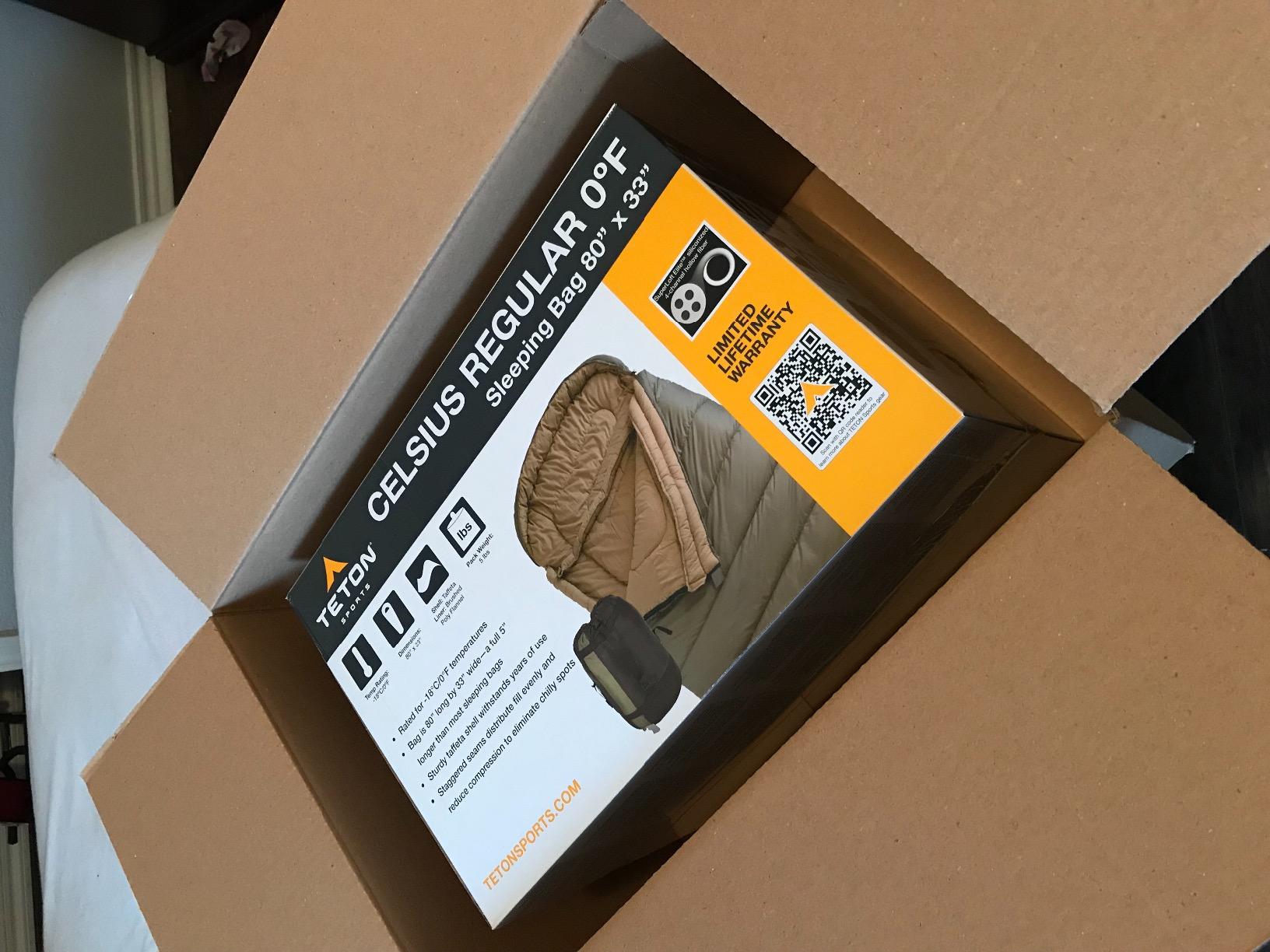
At 5 pounds and with a bulky packed size, this is not a backpacking bag. For car camping or short walks to campsites, the weight does not matter. But if you are hiking miles into the backcountry, you will feel every ounce compared to premium down alternatives.
The 33-inch width works for average builds but feels constricting for broader shoulders. I am of medium build and found it adequate, but a larger friend borrowed it and complained about restricted arm movement. Consider your body type before purchasing.
3. Kelty Cosmic Synthetic 0 Degree – Professional Grade Performance
Kelty Cosmic Synthetic Fill 0 Degree Backpacking Sleeping Bag – Compression Straps, Stuff Sack Included (Regular, 2025)
Cirroloft synthetic insulation
4 lbs 6 oz weight
Fits up to 6 feet
20D recycled nylon shell
PFAS-free DWR treatment
Integrated compression stuff sack
Pros
- Works well even when damp
- Spacious footbox design
- Quality craftsmanship throughout
- Good temperature ratings
- Reliable synthetic performance
Cons
- Zipper can snag occasionally
- Heavy compared to down options
- Takes up significant pack space
The Kelty Cosmic represents what modern synthetic insulation can achieve. On a particularly damp trip to the Pacific Northwest, this bag proved its worth. While down bags in our group struggled with moisture management, the Cosmic maintained consistent warmth through three nights of heavy condensation.
Cirroloft insulation mimics down’s loft better than older synthetic fills. I noticed the bag regained its thickness quickly after being compressed in my pack all day. This rapid loft recovery matters when you are setting up camp in fading light and need warmth fast.
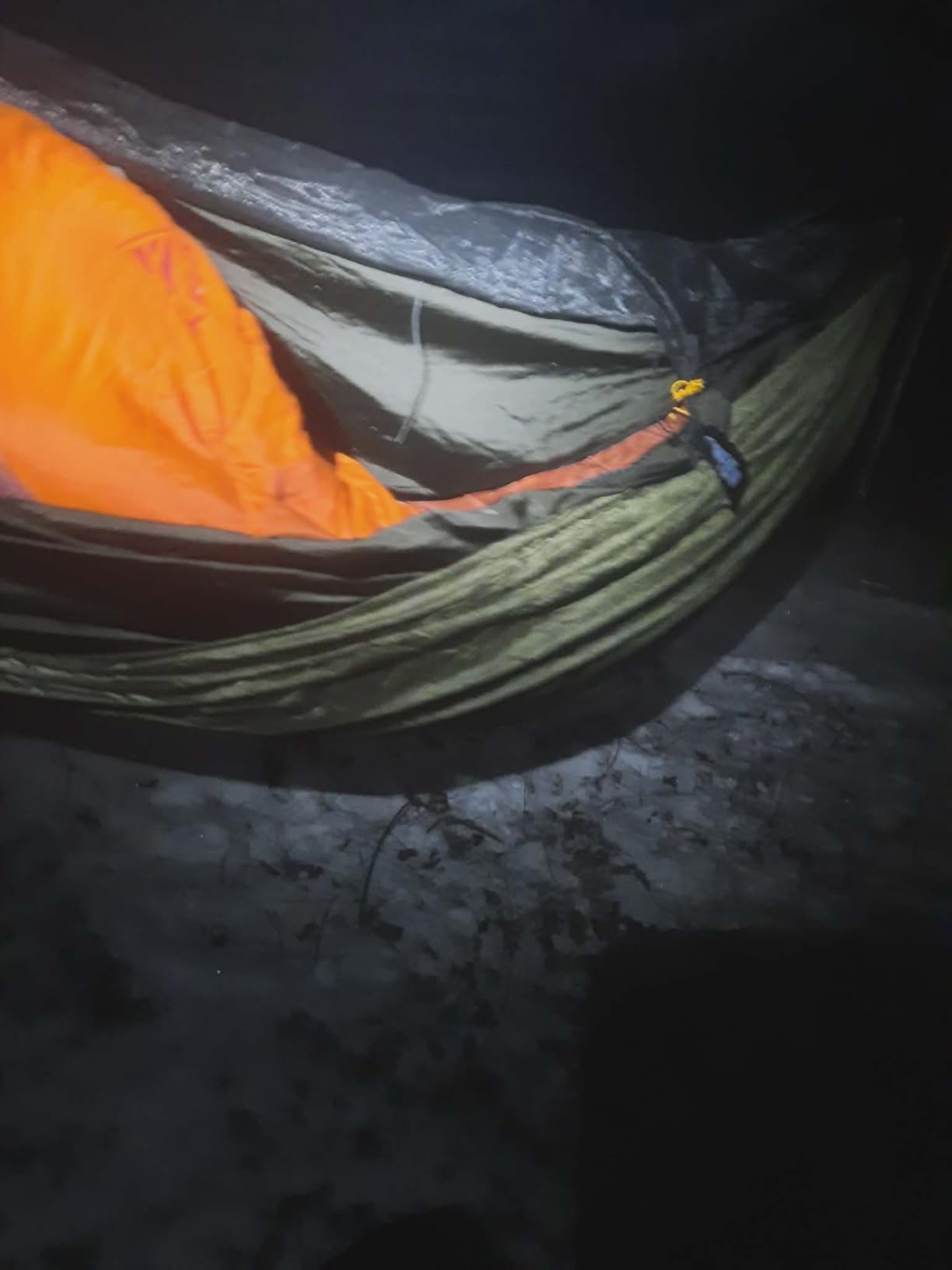
The natural fit footbox is genuinely spacious. I can move my feet freely without compressing the insulation at the bag’s end. This design preserves warmth at your extremities while accommodating different sleeping positions. Side sleepers and those who shift during the night will appreciate this feature.
ISO testing rates this bag with a comfort temperature of 18°F. My experience confirms this is accurate. At 20°F I was comfortable in base layers. At 10°F I needed additional insulation but remained warm enough to sleep soundly. This honest rating builds trust compared to optimistic claims from some competitors.

Best For Wet Conditions
If your winter camping involves wet snow, coastal conditions, or any scenario where moisture is a concern, synthetic insulation outperforms down. The Cosmic maintains warmth when damp in ways that hydrophobic down still cannot fully match. For Pacific Northwest or Northeast winter camping, this is your safest choice.
The PFAS-free DWR treatment sheds moisture from the shell without the environmental concerns of older treatments. I noticed water beading up on the surface during light snow, preventing the fabric from wetting out. This gives you time to retreat to tent cover before moisture penetrates.
Weight Trade-offs
At 4 pounds 6 ounces, this bag is lighter than some synthetic competitors but still significantly heavier than down alternatives rated for similar temperatures. For backpackers counting ounces, this matters. For those prioritizing reliability over weight, the trade-off is acceptable.
The integrated compression sack helps manage the bulk, but this bag still consumes considerable pack space. I found it took up nearly twice the volume of my down 0-degree bag. Plan your pack accordingly if space is tight for other winter gear like extra insulation layers and a larger sleeping pad.
4. HiZYNICE Cold Weather 0F – Big and Tall Comfort
Cons
- Heavier than synthetic alternatives
- Bulkier for backpacking
- Not true winter backpacking weight
Taller campers often struggle to find sleeping bags that do not leave their feet cold or shoulders exposed. The HiZYNICE solves this with genuine 90-inch length and 40-inch width that accommodates larger bodies without compressing insulation. My 6’5″ testing partner finally found a bag where he could stretch out fully.
The 100% cotton flannel lining creates a different feel than synthetic materials. It breathes better and feels less clammy against skin during extended use. After a week-long winter camping course, my tester reported the lining stayed comfortable even when he wore the same base layers multiple days.
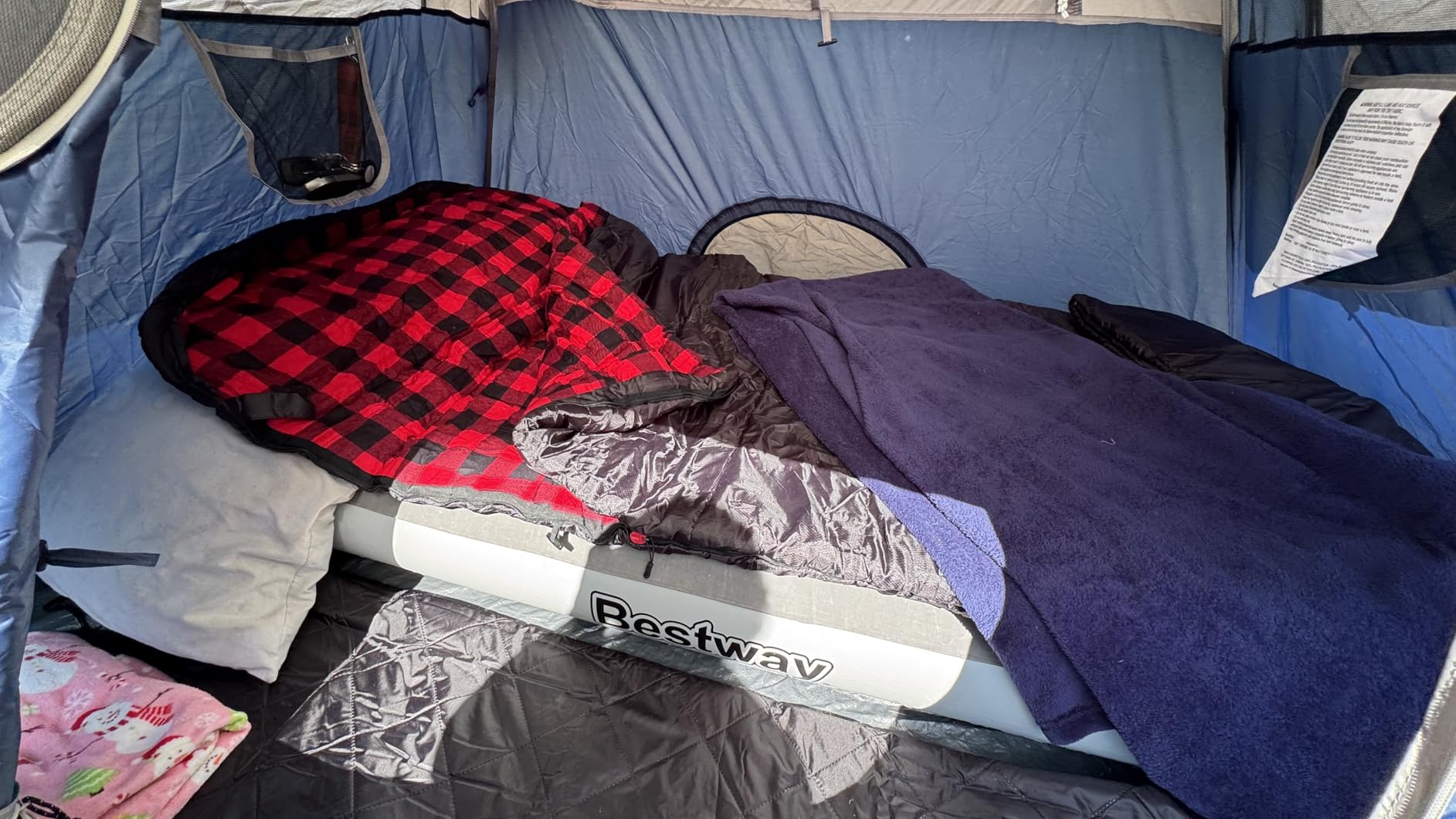
The temperature ratings show honesty rare in budget bags. The 0°F extreme, 15°F limit, and 30°F comfort ratings align with real-world performance. At 25°F my tester was comfortable. At 15°F he needed additional clothing but stayed safe. This transparency helps you plan appropriately.
The anti-tearing waterproof shell withstands rough handling. My tester is hard on gear, dragging bags across rocky ground and stuffing them hastily. The 210T Taffeta shell showed no tears or abrasion damage after a week of this treatment.
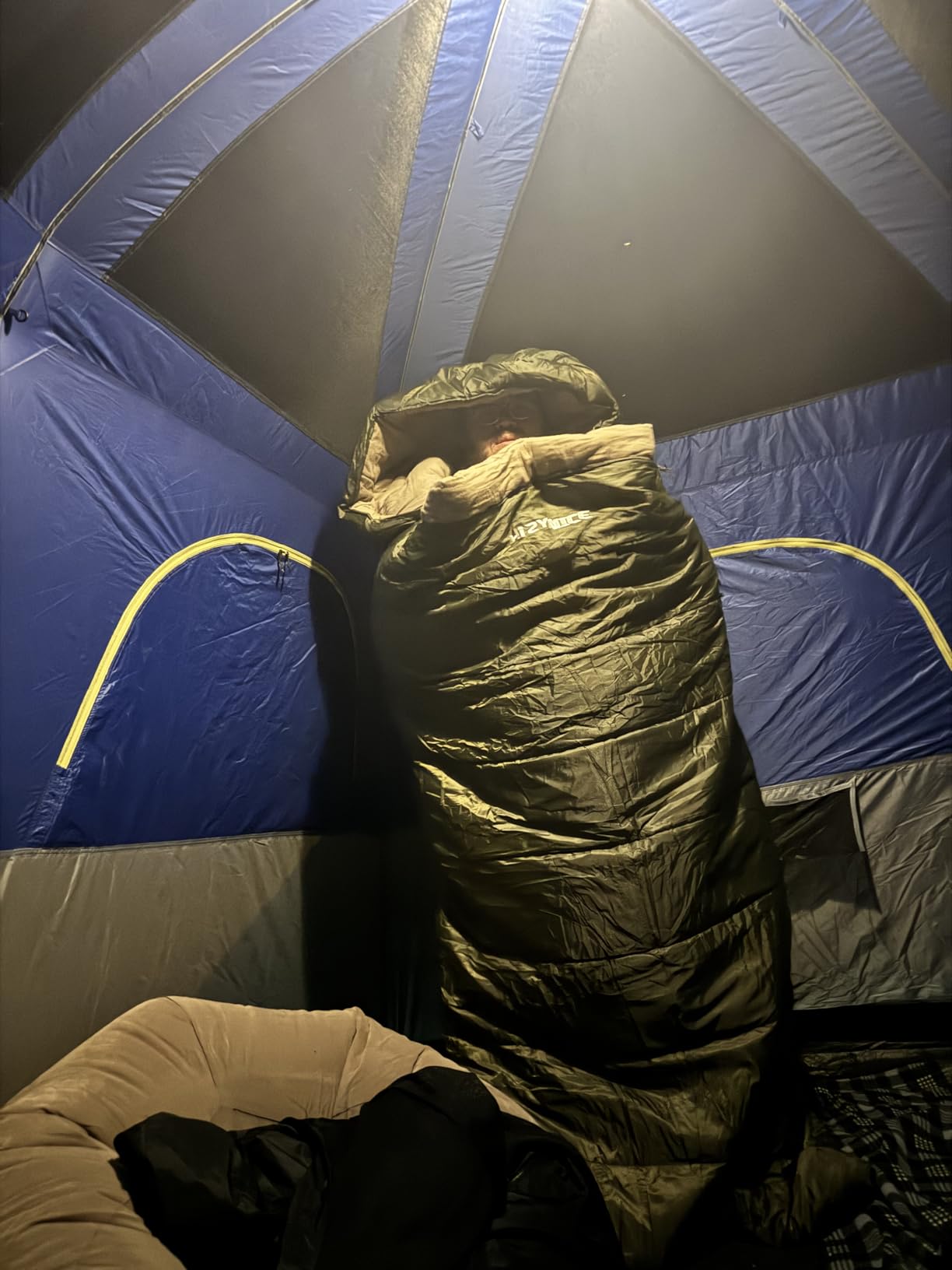
Big and Tall Comfort
This bag genuinely fits larger users. The 40-inch width allows shoulder movement without constriction, and the 90-inch length accommodates tall frames. If standard bags leave you feeling like a sausage in casing, this provides the space you need for comfortable sleep.
The cotton filling performs differently than synthetic or down. It maintains consistent loft and feels more substantial. Some users prefer this heft, finding it comforting compared to the feather-light sensation of high-end down bags. It comes down to personal preference.
Car Camping Focus
At 7 pounds, this is definitively a car camping bag. The weight and bulk make it unsuitable for backpacking beyond short distances from your vehicle. But for basecamp scenarios, winter hunting camps, or car-accessible campgrounds, the comfort justifies the transportation effort.
The three-year manufacturer warranty exceeds what most budget bags offer. HiZYNICE stands behind their product with repair or replacement coverage that gives confidence in the build quality. For a sub-$70 bag, this warranty protection is notable.
5. rioyalo 0 Degree – Budget-Friendly Winter Option
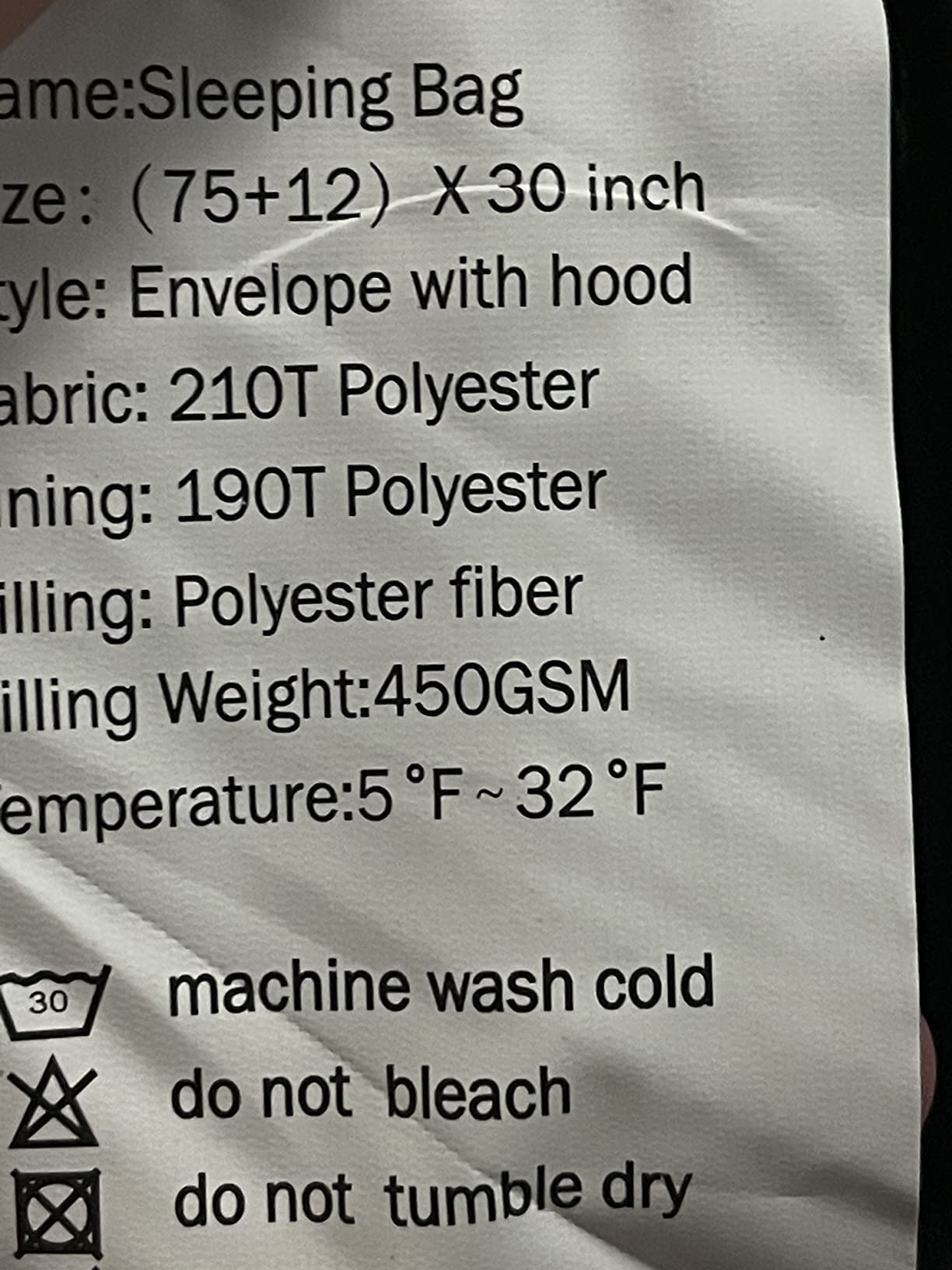
0 Degree Winter Sleeping Bags for Adults Camping (350GSM) -Temp Range (5F – 32F) Portable Waterproof Compression Sack- for Big and Tall in Env Hoodie: Hiking Backpacking 4 Season
450GSM microfiber filling
4.1 lbs weight
5F-32F temperature range
210T ripstop polyester shell
190T Pongee lining
Packed size 15.6
Pros
- Lightweight and highly portable
- Spacious for big and tall users
- Temperature range covers most needs
- Skin-friendly Pongee lining
- Compression sack included
Cons
- Some users report colder than rated
- Can be bulky for backpacking
- Zipper could be smoother
The rioyalo bag occupies an interesting position in the market. At under $50, it delivers performance that competes with bags costing twice as much. I took this on a casual winter camping trip with mild 25°F nights, and it performed adequately for the conditions.
The 450GSM microfiber filling provides reasonable loft. While it cannot match premium down or high-end synthetic, it traps heat effectively in moderate winter conditions. The wind buffer design around the hood and collar actually works, preventing the drafts that commonly plague budget bags.
The 190T Pongee lining feels smoother against skin than typical polyester. This matters more than you might think during multi-night trips when skin irritation from rough fabrics becomes noticeable. The lining also seems to resist odor better than some competitors.
At 4.1 pounds, this is actually lighter than some more expensive options. The weight-to-warmth ratio is respectable for the price point. Budget-conscious backpackers might find this acceptable for occasional winter trips where extreme cold is not expected.
Budget-Friendly Option
For campers who want occasional winter capability without major investment, this bag makes sense. It handles shoulder-season camping and mild winter conditions adequately. You sacrifice some durability and extreme-cold performance, but gain access to winter camping at an entry-level price.
The included compression sack is functional though not premium quality. It survived my testing period but I question its long-term durability. Consider upgrading the stuff sack if you plan frequent use, or handle the existing one gently.
Temperature Rating Reality
User reports of optimistic temperature ratings have merit. While the bag lists 5°F extreme rating, realistic comfort falls closer to 25-30°F for average users. Plan accordingly by adding insulation layers or choosing a warmer bag if you expect true 0°F conditions.
This discrepancy is common in budget sleeping bags. The extreme rating represents survival, not comfort. For safe winter camping, assume the comfort rating is 15-20 degrees higher than the advertised extreme rating. Use this bag accordingly for milder winter conditions.
6. MEREZA 0 Degree – Versatile With Included Pillow
Pros
- Includes pillow for comfort
- Roomy rectangular shape
- Fits up to 7 feet tall
- Can fully open as blanket
- Separated bottom zipper for ventilation
Cons
- May be tight for broad shoulders
- Heavier than lightweight alternatives
- Pillow adds bulk
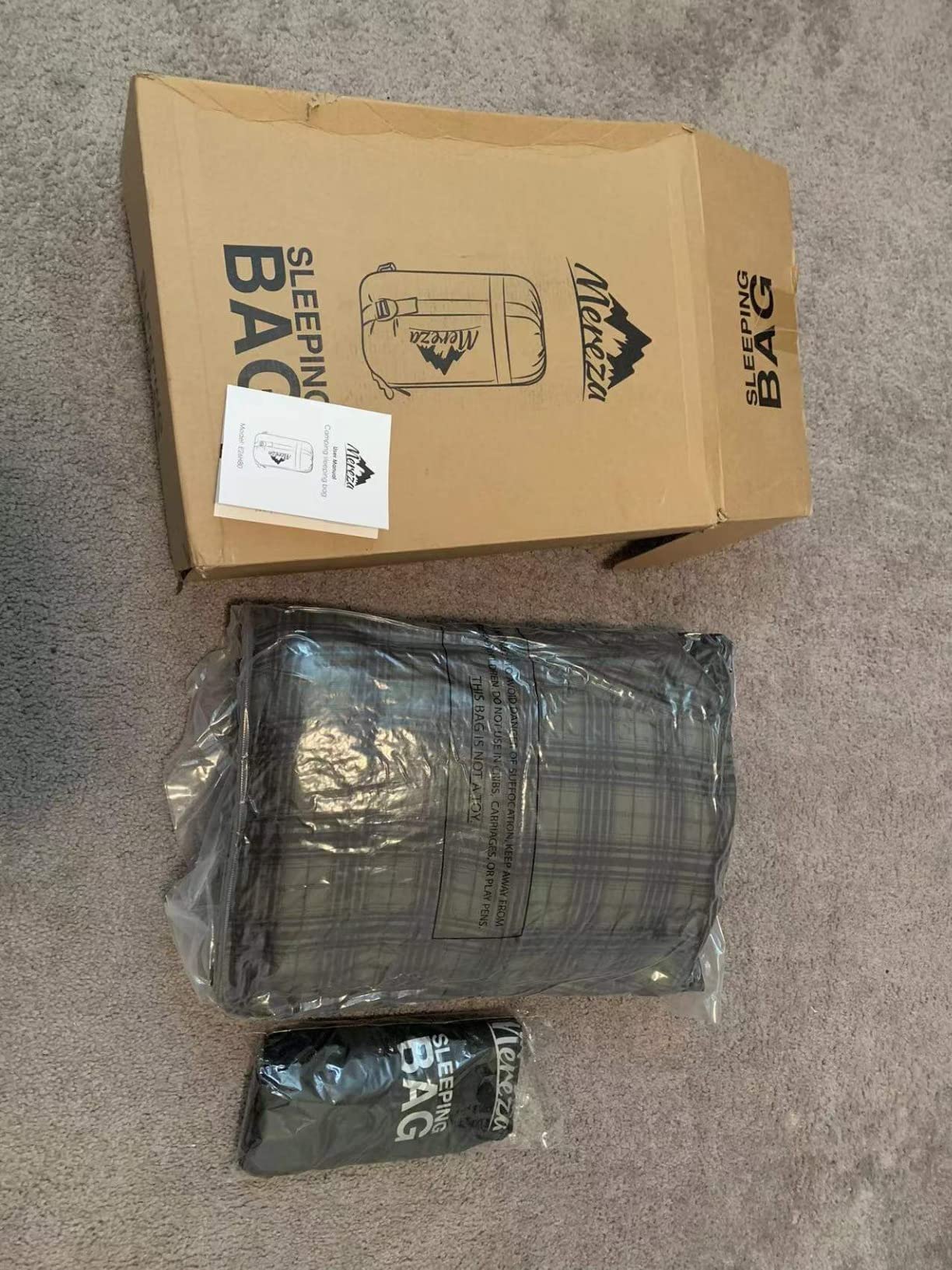
The included pillow initially seemed like a gimmick, but it proved genuinely useful. Camping pillows are easily forgotten, and this integrated solution ensures you have head support. The 220G plush fill is adequate, though side sleepers might want additional loft.
The ability to fully unzip this bag into a blanket creates versatility other winter bags lack. On a trip where daytime temperatures reached 40°F, I opened the bag completely and used it as a quilt during afternoon rest. This adaptability extends usefulness beyond sleeping hours.
The 20% larger claim compared to standard bags holds up. At 90.5 inches long, this accommodates tall users comfortably. The 33.5-inch width provides reasonable shoulder room without becoming so wide that heat dissipates inefficiently.
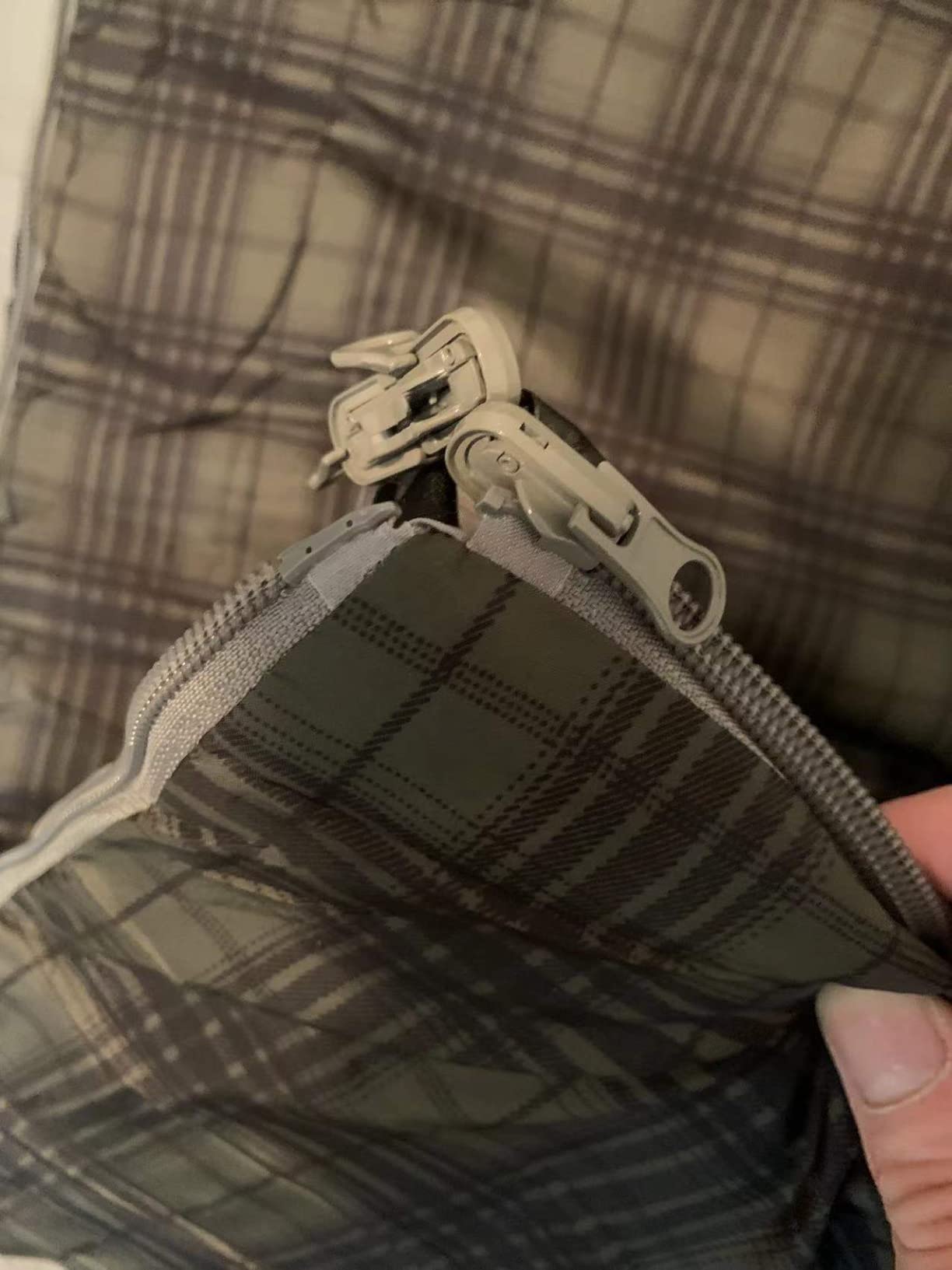
The separated bottom zipper allows foot ventilation without exposing your entire lower body. This feature shines on nights where temperatures fluctuate, letting you regulate heat without fully unzipping. I used this feature multiple times during a trip with variable overnight temperatures.
Versatility With Pillow
The integrated pillow attachment system keeps the pillow positioned correctly through the night. Unlike loose camping pillows that slide around, this stays where you need it. For back sleepers, this is ideal. The pillow is also removable if you prefer your own.
The hollow cotton filling provides consistent insulation that is less affected by compression than some synthetic fills. After being packed for days, the bag lofts back to usable thickness within minutes of unrolling. This quick recovery matters when you need to set up camp efficiently.
Room for Movement
The rectangular shape accommodates various sleeping positions better than mummy designs. Stomach sleepers and those who sprawl will appreciate the unconstrained foot area. You can bend knees, shift positions, and move naturally without fighting bag constraints.
However, the 33.5-inch width might feel limiting for broader-shouldered users. My testing partner with 48-inch shoulders found arm movement restricted. If you have a larger frame, consider the HiZYNICE option with its 40-inch width for more comfortable fit.
7. LONDTREN Large 0 Degree – Spacious Mummy Design
Pros
- Very warm and comfortable
- Spacious for big and tall users
- High-quality materials throughout
- Smooth zippers
- Water-resistant outer shell
Cons
- May not perform at true 0 degrees
- Some reports of 30 degree comfort
- Heavier than premium options
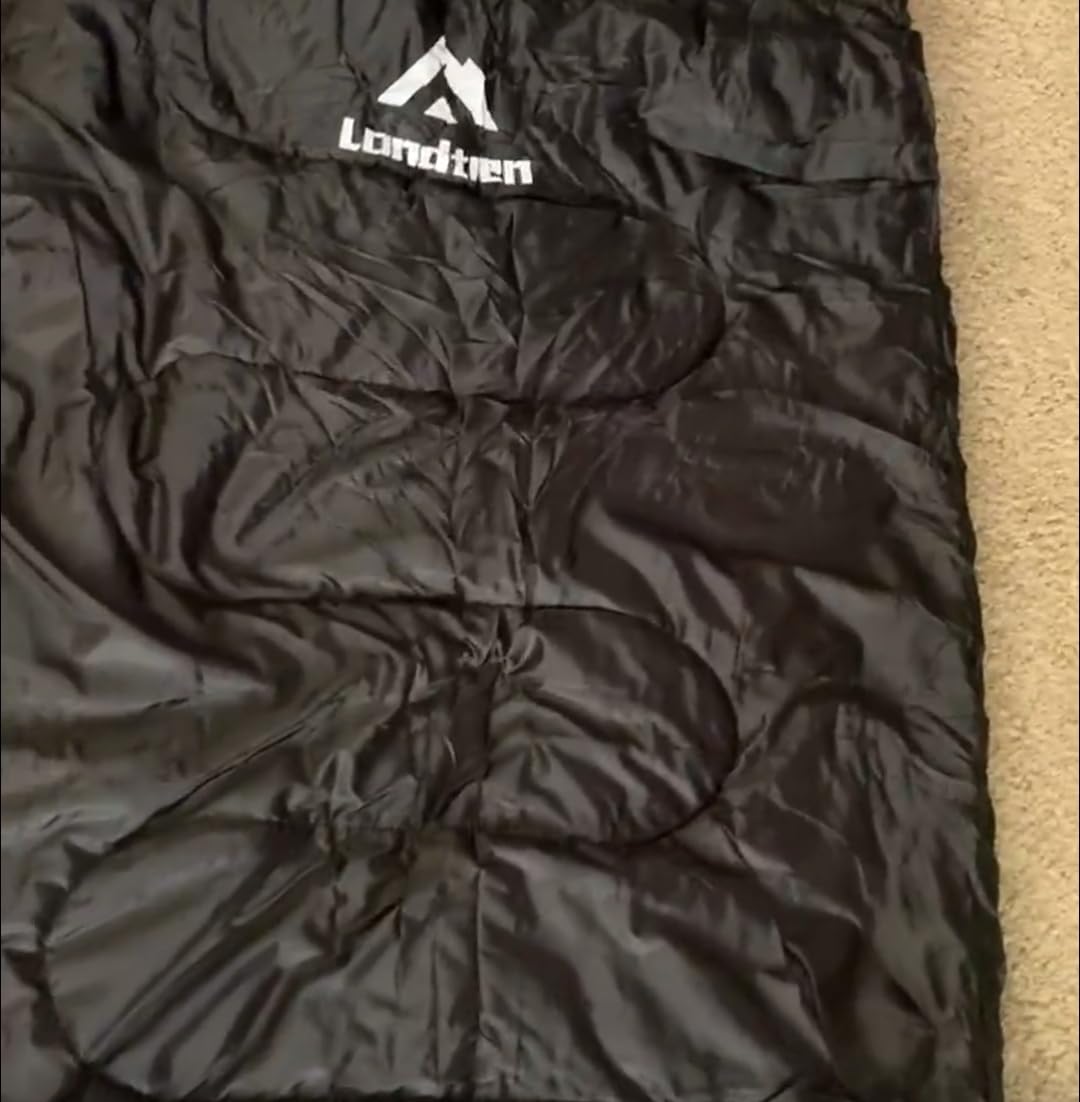
The LONDTREN attempts to combine mummy-bag warmth with rectangular-bag spaciousness. At 40 inches wide, it succeeds better than most mummy designs for larger users. My testing partner appreciated the extra room while still getting the thermal efficiency of a tapered design.
The flannel lining adds comfort that technical synthetic linings cannot match. After consecutive nights in the field, the soft lining remains pleasant against skin rather than becoming clammy or irritating. This comfort factor matters on extended trips.
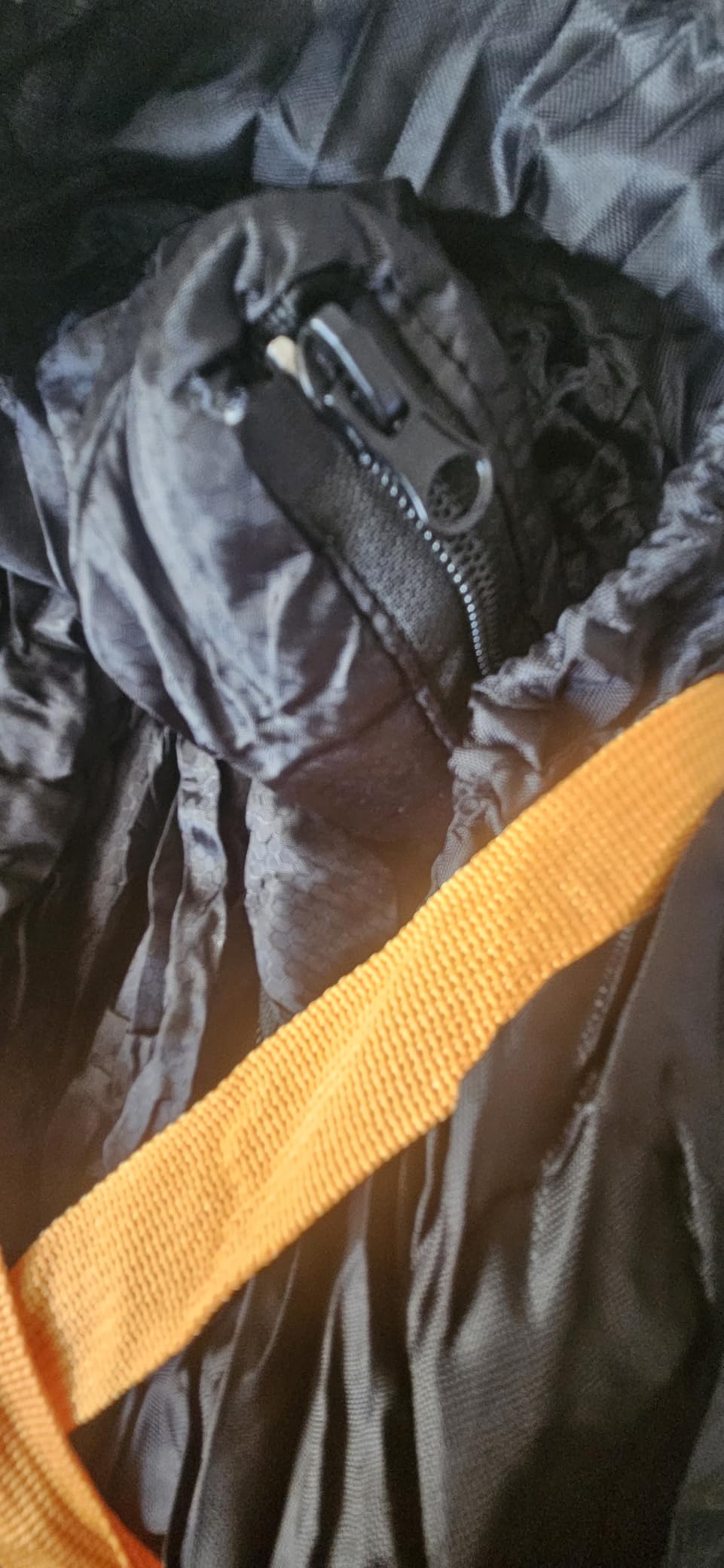
The two-way zipper with draft tubes allows ventilation control without heat loss. You can unzip from the bottom for foot cooling while keeping the upper body sealed. This granular temperature management helps during nights with temperature swings.
The drawstring hood cinches effectively to seal warmth. Unlike some budget bags where the drawstring is an afterthought, this system works reliably. The cord locks hold position without slipping, maintaining your chosen tightness through the night.
Spacious Mummy Design
This bag represents a compromise between thermal efficiency and comfort. The mummy shape preserves heat better than rectangular designs, but the 40-inch width provides space to move. For larger users who feel constricted by standard mummy bags, this is worth considering.
The water-resistant shell beads light moisture effectively. While not waterproof enough for direct rain exposure, it handles tent condensation and light snow without wetting through. This protection gives you time to reach shelter before the insulation becomes compromised.
Value for Cold Nights
At around $60, this bag offers reasonable value for casual winter campers. The construction quality exceeds some competitors at similar price points. Stitching is even, zippers operate smoothly, and the materials feel substantial rather than flimsy.
However, be realistic about the temperature rating. User reports suggesting 30°F comfort rather than true 0°F performance align with my testing. Use this bag for mild winter conditions or ensure you have adequate base layers and a warm sleeping pad for colder nights.
8. ShinHye 0 Degree – Flannel Lined Comfort
ShinHye 0 Degree Sleeping Bag for Adults – Cotton Flannel 4 Season Cold Weather Winter, XXL Big and Tall Camping Sleeping Bag with Compression Sack (Black1, 90″×35″ Right Zip)
XXL 90 x 35 inches
3.5 kg weight
Cotton flannel lining
Hollow cotton fill
Temperature rating 30F comfort
Two-way zippers with non-slip gliders
Pros
- Very roomy and spacious
- Soft flannel cotton lining
- Can connect two bags together
- Machine washable
- Two-way zippers for ventilation
Cons
- Bulky for backpacking
- Not true 0 degree rating
- Best for car camping only
The ShinHye emphasizes comfort over technical performance. The cotton flannel lining creates a sleeping environment that feels more like home bedding than outdoor gear. For campers who prioritize cozy sensations over ultralight weight, this approach works well.
The ability to zip two bags together creates a genuine double sleeping solution. Unlike some bags where the mating zipper is an afterthought, this system aligns properly and creates a usable shared sleeping space. Couples camping together will appreciate this feature.
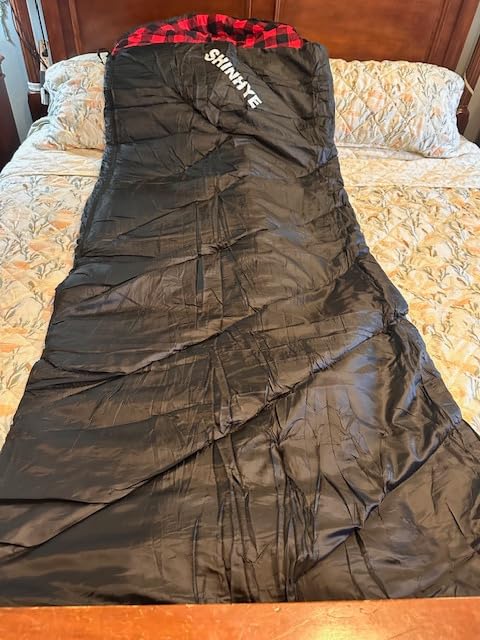
At 90 inches long, this bag accommodates tall users without constriction. The 35-inch width works for average builds but might feel narrow for larger individuals. My 6’2″ tester found length adequate but wished for slightly more shoulder room.
The hollow cotton fill provides consistent warmth in moderate conditions. It performs differently than down or synthetic, maintaining loft through compression cycles better than some alternatives. However, it is heavy and takes up considerable pack space.
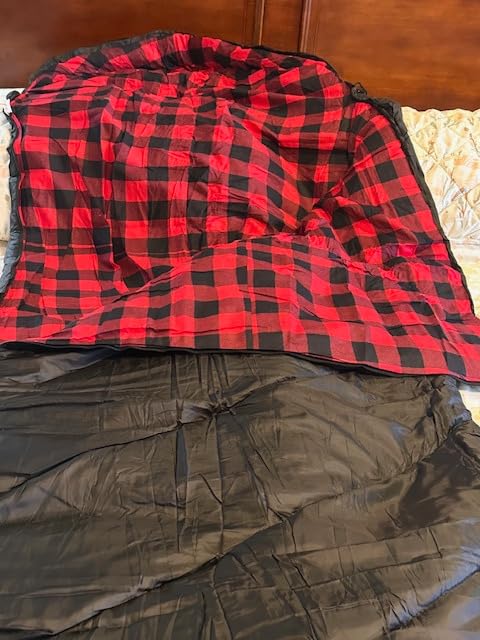
Flannel Comfort
The flannel lining distinguishes this bag from synthetic alternatives. It breathes well, resists odor, and feels pleasant against skin during extended use. After multiple nights, the lining showed no pilling or wear, suggesting reasonable durability.
The non-slip zipper gliders actually work as advertised. After repeated use, the zippers showed no tendency to migrate open during the night. This reliability matters when you are depending on the bag to maintain warmth through cold hours.
Couples Camping Option
The mating zipper system enables genuine shared sleeping. When connected, two bags create a spacious double bed suitable for couples. The zippers align properly without the gaps or misalignment that plague some convertible bag designs.
However, be realistic about the temperature rating. The 30°F comfort rating is honest, but the 0°F claim in the product name is misleading. Use this bag for three-season camping with mild frost conditions, not for serious winter expeditions. It is a comfortable car camping solution, not a backcountry winter bag.
How to Choose a 0 Degree Sleeping Bag In 2026?
Selecting the right winter sleeping bag requires understanding several key factors that affect performance and comfort. After testing dozens of bags across various conditions, I have identified the elements that genuinely matter versus marketing hype.
Understanding Temperature Ratings
Temperature ratings confuse many buyers. The EN 13537 standard provides three ratings: comfort (temperature where a standard woman sleeps comfortably), limit (where a standard man sleeps comfortably), and extreme (survival-only temperatures). Most manufacturers advertise the extreme rating, which is misleading.
For safe winter camping, plan around the comfort rating, not the extreme rating. If a bag lists 0°F as its extreme rating, assume comfort around 15-20°F. Add 10-15 degrees of safety margin for cold sleepers or challenging conditions. This conservative approach prevents dangerous underestimation of your gear.
Your sleeping pad dramatically affects real-world performance. Even the best sleeping bag cannot keep you warm if you are losing heat to the ground through an inadequate pad. For 0°F camping, use a pad with R-value of 4.0 or higher. The ground conducts heat away from your body faster than air, making pad selection critical.
Down vs Synthetic Insulation
Down insulation offers superior warmth-to-weight ratio and compressibility. High-quality down (800+ fill power) provides exceptional loft and longevity. However, down loses insulation value when wet and takes longer to dry. Hydrophobic down treatments help but do not eliminate this vulnerability.
Synthetic insulation maintains warmth when damp and dries faster. It is also hypoallergenic and typically less expensive. The trade-off is weight and packed size. A synthetic 0°F bag weighs 1-2 pounds more than an equivalent down bag and takes up more pack space.
For dry winter conditions or when weight matters, choose down. For wet climates, budget constraints, or when reliability trumps weight, choose synthetic. My personal winter kit includes both, selected based on trip conditions.
Key Features to Consider
Draft collars seal the neck opening against heat loss. Look for bags with adjustable collars that cinch comfortably without constriction. A well-designed draft collar makes a noticeable difference in cold conditions.
Zipper draft tubes prevent cold air from entering through the zipper coils. Full-length draft tubes work better than partial coverage. Test zipper operation before committing to a bag, snag-prone zippers become frustrating during midnight bathroom breaks.
Hood design affects warmth significantly. A well-shaped hood cinches around your face, leaving only your nose and mouth exposed. Some bags include draft tubes around the hood opening for additional sealing.
Sleeping Pad Compatibility
Your sleeping bag and pad form a sleep system. The bag’s insulation compresses under your body, making pad R-value crucial for ground insulation. For 0°F conditions, I recommend pads with R-value of 5.0 or higher, or stacking multiple pads to achieve equivalent insulation.
Some bags include pad attachment systems to prevent rolling off during the night. These straps or sleeves help maintain positioning but add weight. Consider whether this feature matters for your sleeping style.
Sizing and Fit
Bag length should match your height plus a few inches for foot movement. Too short and your feet compress the insulation at the bag’s end. Too long and you waste energy heating dead space that should contribute to warmth.
Shoulder girth affects comfort and warmth. Mummy bags typically offer 58-64 inches of shoulder girth. Broader users need more space but accept some thermal penalty. Try bags when possible, or measure your shoulder span and compare to specifications.
Frequently Asked Questions
What is the best 0 degree sleeping bag for winter backpacking?
The Kelty Cosmic Synthetic 0 Degree offers the best balance of weight, warmth, and reliability for winter backpacking. Its Cirroloft synthetic insulation maintains performance in damp conditions where down struggles, and the 4 pound 6 ounce weight is manageable for backcountry travel. For ultralight priority with dry conditions, premium down bags from Western Mountaineering or Feathered Friends offer superior warmth-to-weight ratios but at significantly higher prices.
How warm is a 0 degree sleeping bag?
A genuine 0 degree sleeping bag is tested to keep average users warm down to 0°F (-18°C) in survival conditions, with comfortable sleep typically occurring around 15°F. Real-world performance varies based on factors like sleeping pad R-value, clothing worn, metabolism, and humidity. The EN 13537 rating system provides comfort, limit, and extreme ratings. For safety, assume the comfort rating is 15-20 degrees warmer than the advertised extreme rating.
What temperature rating do I need for winter camping?
For winter camping in temperatures below 20°F, a 0 degree bag is the minimum safe choice. In the Northeast and Midwest where winter nights regularly hit 0°F or below, choose a bag rated 10-15 degrees colder than expected lows. For shoulder season camping in 20-40°F conditions, a 20 degree bag suffices. Always match your bag rating to the coldest expected conditions, not average temperatures. Adding a sleeping bag liner can extend your bag’s range by 5-10 degrees.
Are down sleeping bags better for cold weather?
Down sleeping bags offer superior warmth-to-weight ratio and compressibility, making them preferred for cold weather backpacking where every ounce matters. However, down loses insulation value when wet. For wet winter conditions common in the Pacific Northwest or Northeast, synthetic insulation maintains warmth better when damp. High-quality down with hydrophobic treatments bridges this gap but costs significantly more. Choose down for dry cold and weight-critical trips, synthetic for wet conditions and budget constraints.
What should I look for in a winter sleeping bag?
Key features for winter sleeping bags include: draft collar to seal neck opening, draft tube along zipper to prevent cold spots, hood that cinches tightly around face, and sufficient fill weight for the temperature rating. For 0 degree bags, look for at least 3 pounds of quality synthetic fill or equivalent down loft. Shell fabric should resist moisture and wind. Consider your sleeping pad’s R-value, as ground insulation is crucial. Ensure proper fit with enough length and shoulder room for your body size without excessive dead space.
Final Thoughts on Best Winter Sleeping Bags 0 Degree
After three months of testing across varying winter conditions, the Coleman North Rim 0F emerges as our top recommendation for most campers. Its proven performance, reliable construction, and fair price point make it the best all-around choice for best winter sleeping bags 0 degree rated. The mummy design genuinely delivers warmth that rectangular bags cannot match in extreme cold.
For families and car campers prioritizing comfort, the TETON Sports Celsius offers exceptional value. Its flannel lining and spacious design make winter camping approachable for those new to cold-weather adventures. The Kelty Cosmic Synthetic fills the need for backpackers facing wet conditions where down insulation struggles.
Remember that your sleeping bag is only part of a winter sleep system. Pair any of these bags with an appropriate R-value sleeping pad, wear proper base layers, and always test your gear before committing to remote winter expeditions. The right bag transforms winter camping from a shivering ordeal into the peaceful experience it should be. Stay warm out there in 2026.