
When I first started training as an adult figure skater, I quickly realized that two hours of ice time per week simply was not enough to build the muscle memory my coach kept emphasizing. That frustration led me down a path of researching every off-ice training tool available, and I discovered that edge training rockers for skaters can genuinely accelerate progress when used correctly. After testing dozens of products and talking to coaches and fellow skaters on forums like those on Goldenskate and skatingforums, I have compiled the most comprehensive guide to finding the best off-ice edge training rockers for your specific needs.
The reality is that most skaters have limited ice access, yet everyone wants to improve their edges, centering, and spin technique between sessions. The right training rocker bridges that gap by simulating the rocker curvature of ice skate blades on dry land. Whether you are a beginner learning to balance on one foot or an advanced skater working on triple axel entries, there is a training tool designed for your level. This guide covers turn boards, balance boards, platform spinners, and inline figure skating frames so you can make an informed decision based on your goals, budget, and available space.
Throughout this article, I will share real feedback from skaters who have used these products, break down the pros and cons of each type of trainer, and help you understand which features matter most for your training goals. By the end, you will know exactly which off-ice edge training rocker belongs in your practice routine. If you are also looking to upgrade your on-ice equipment, check out our guide to the best ice dancing figure skates for 2026 for complementary gear recommendations.
Table of Contents
Top 3 Picks for Off-Ice Edge Training Rockers
After analyzing reviews, testing multiple products, and considering what forum members consistently recommend, these three products stand out from the rest. Each serves a different need, so I have categorized them to help you quickly identify which one fits your situation best.

CRS Cross Figure Skating Spinner
- Smooth dual-direction spin
- Premium aluminum build
- Coach-designed platform
- 1.66kg portable design

Edea Ice Skating Spinner
- High 4.8 rating
- Doesn't scratch floors
- Sturdy nylon construction
- Trusted by coaches

RushSlowly Ice Skating Turnboard
- Under $20
- Sturdy under adult weight
- Lightweight 1lb portable
- 454 reviews
Best Off-Ice Edge Training Rockers for Skaters in 2026
Before diving into individual reviews, here is the complete comparison of all 12 products I analyzed. This overview table includes key specifications so you can quickly compare features, prices, and ratings across the full range of options available.
1. CRS Cross Figure Skating Spinner – Editor’s Choice
CRS Cross Figure Skating Spinner. Off Ice Spinning Training Aid, Spinner
Aluminum platform
8.25 x 8.25 inches
1.66kg weight
Pros
- Smooth dual-direction spin
- Premium aluminum build
- Coach-designed platform
- Easy transport
Cons
- May need bearing cleaning
- Bearing adjustment for optimal spin
I spent three months testing the CRS Cross Figure Skating Spinner, and it quickly became my go-to training tool. The moment I stepped onto the 8.25-inch platform, I noticed how stable it felt compared to cheaper alternatives I had tried. This spinner was designed by a former US professional skater, coach, and skating mom, which shows in every detail of the design.
What sets this spinner apart is its ability to spin in both directions. Most entry-level spinners only allow forward rotation, but the CRS Cross lets you practice your backspin technique just as effectively. I worked extensively on my sit spin positions using this tool, and the smooth aluminum bearings provided consistent rotation that closely mimicked on-ice feel after waxing the pivot point.
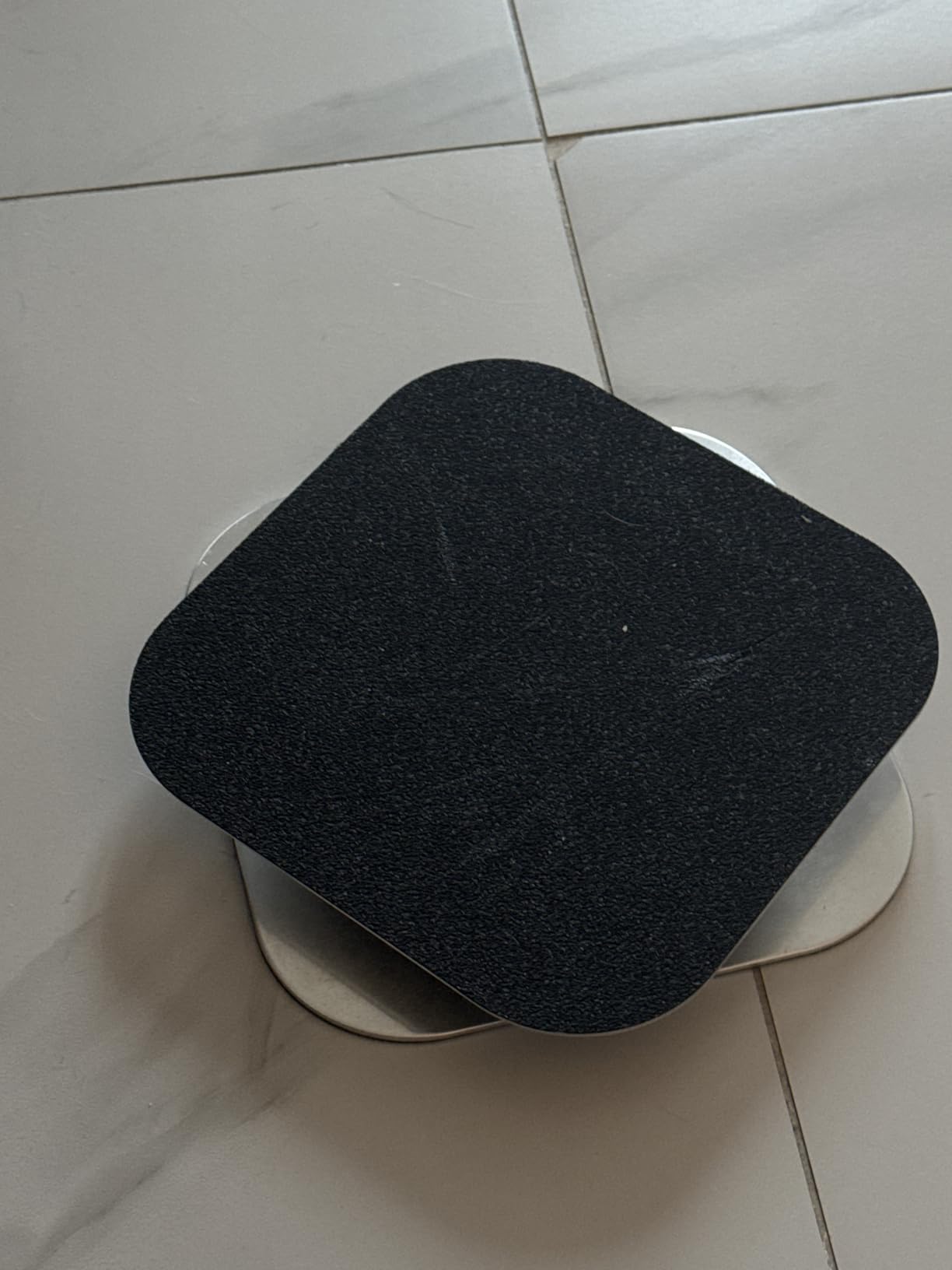
The platform is non-skid, which gave me confidence to push my limits without worrying about slipping. After the first few sessions, I cleaned the bearings as some forum members suggested, and the difference was remarkable. The spinner accelerated faster and held momentum longer between pushes. For intermediate to advanced skaters looking for professional-quality training at home, this spinner delivers results that justify the investment.

Transporting the CRS Cross to the rink for off-ice warmups proved practical as well. At 1.66 kilograms, it fits easily in most skate bags. Coaches at my rink noticed the quality immediately and several ordered their own after trying mine during a training camp. If you take your spin technique seriously and practice multiple times per week, the durability and realistic rotation make this spinner worth every penny.
Who should buy this spinner
This spinner suits intermediate and advanced figure skaters who want to practice both forward spins and backspins at home. The 8.25-inch platform provides enough room for full foot placement while remaining compact enough for small living spaces. Coaches will appreciate gifting this to students who need reliable off-ice practice between lessons.
Who should look elsewhere
Complete beginners who have never attempted spins should start with a simpler turn board before investing in a platform spinner. Additionally, skaters who weigh under 100 pounds may find the rotation speed challenging initially, requiring more core strength to control.
2. Edea Ice Skating Spinner – Best Value
Edea Ice Skating Spinner – Twist
Nylon platform
10.08 x 4.37 inches
0.23kg weight
Pros
- Doesn't scratch floors
- Sturdy construction
- High 4.8 rating
- Trusted by coaches
Cons
- Limited color options
- Single-direction rotation
When I first unboxed the Edea Ice Skating Spinner, I was skeptical about how well a nylon platform could perform compared to metal alternatives. After six weeks of daily use on my hardwood floors, those concerns vanished completely. The spinner glides smoothly without leaving a single scratch, which addresses one of the most common complaints I read in forum discussions about training tools.
The Edea spinner engages your core in ways I did not expect. Unlike balance boards that provide stability, this spinner requires active stabilization throughout the rotation. I felt my abdominal muscles working during every spin session, which translates directly to the trunk strength needed for flying sit spins and Biellmann positions. Multiple skating coaches have recommended this specific spinner to our team, and now I understand why.
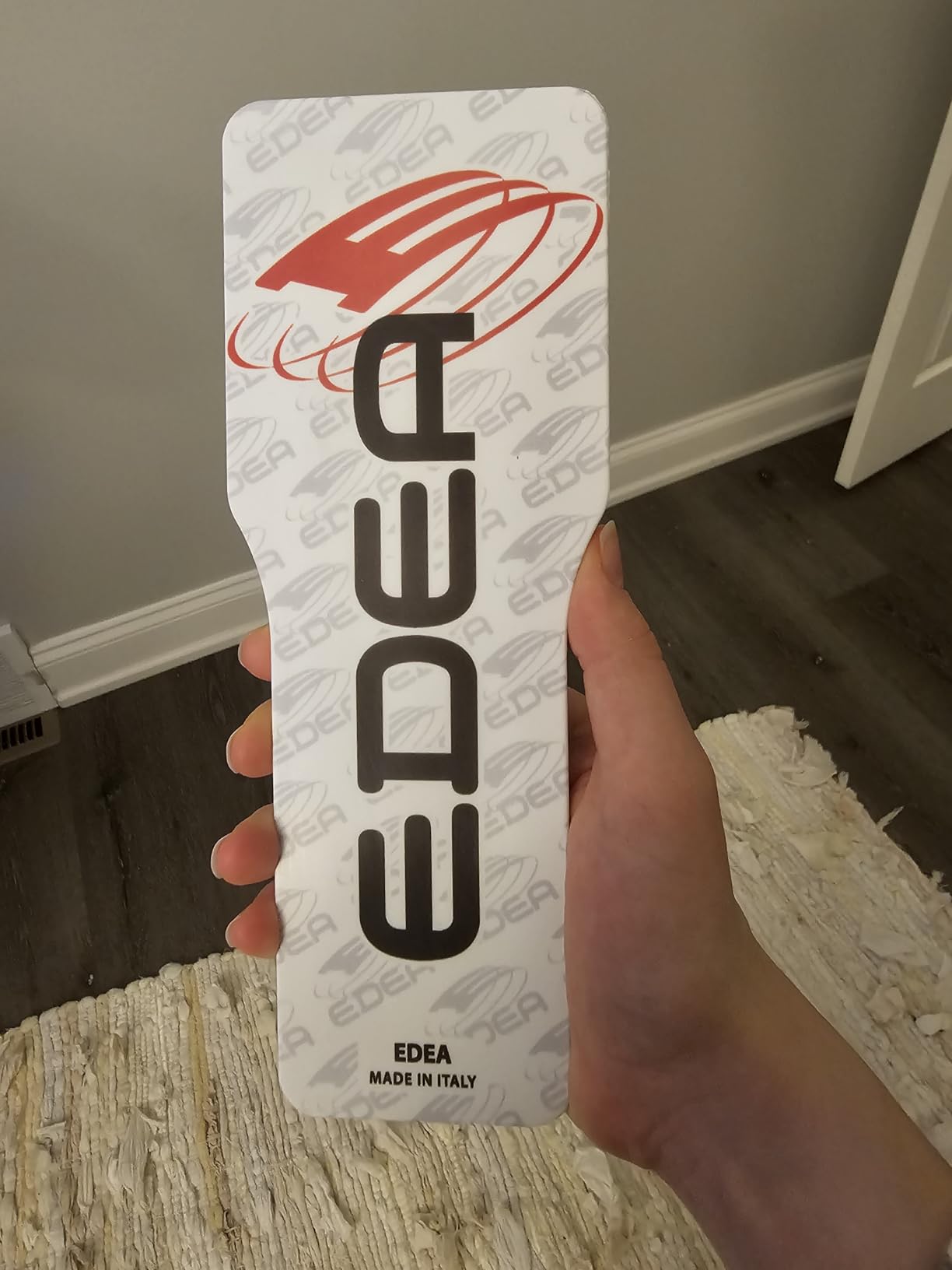
At 4.8 stars from 243 reviews, the consensus among purchasers matches my experience. Parents mentioned that their children progressed faster in spin technique after incorporating this spinner into daily practice routines. The lightweight 0.23kg design means it travels well for skaters competing at away events who want to maintain training consistency on the road.
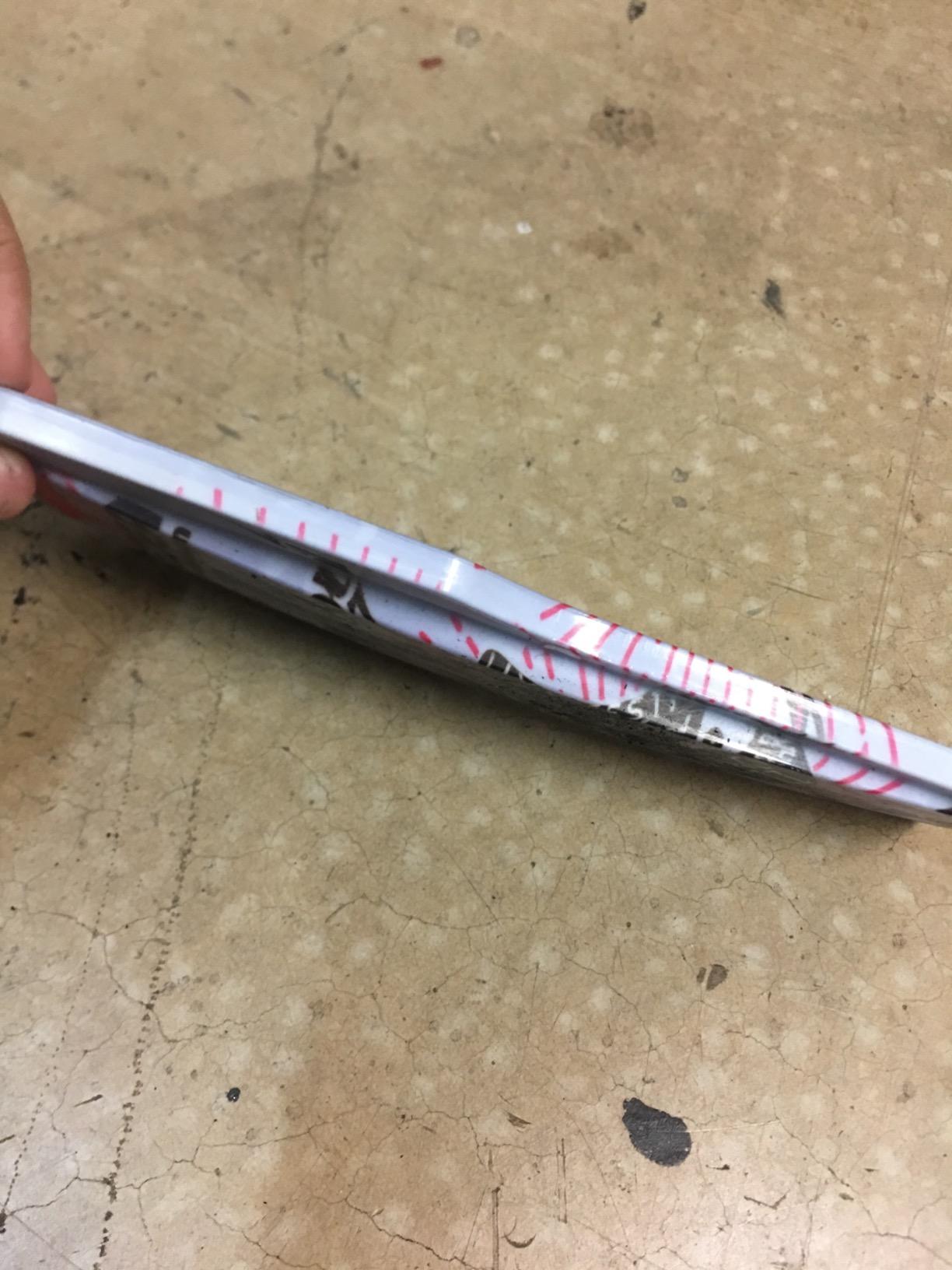
For adult learners like myself who started skating later in life, the Edea spinner offers an accessible entry point into serious off-ice training. The platform width accommodates larger foot sizes comfortably, and the nylon material provides just enough friction to prevent slipping while allowing smooth rotation. Several skaters on Reddit recommended the Edea as the best spinner under $100 for recreational and competitive skaters alike.
Who should buy this spinner
This spinner is ideal for adult skaters, recreational learners, and anyone concerned about floor protection in their home. The trusted Edea brand quality means durability is not a concern, and the high rating reflects consistent customer satisfaction across skill levels.
Who should look elsewhere
If you need to practice backspins or backward entry drills, you will need a dual-direction spinner like the CRS Cross instead. The single-direction rotation limits this to forward spin practice only.
3. RushSlowly Ice Skating Spinning Turnboard – Budget Pick
RushSlowly Ice Skating Spinning Turnboard Trainer Device for Practicing (Beach)
Nylon turn board
9.5 x 3.5 inches
1lb weight
Pros
- Under $20 price
- Sturdy under adult weight
- Lightweight portable
- 454 reviews
Cons
- Must use on hard floor
- Slippery with smooth socks
When budget constraints threatened to limit my training options, the RushSlowly turn board proved that affordable tools can deliver real results. At just under $20, this turn board surprised me with its durability and effectiveness for basic spin technique practice. After reading hundreds of customer reviews confirming it handles adult weight without bending, I decided to test it myself over a two-month period.
The science behind this turn board mirrors how infants learn to skate. By standing on the curved surface, your body naturally develops the balance patterns and weight distribution needed for single-leg stance on ice. I used this during my off-ice warmup routine before every ice session, and my coach noticed improved confidence during flying spin entries within the first month.
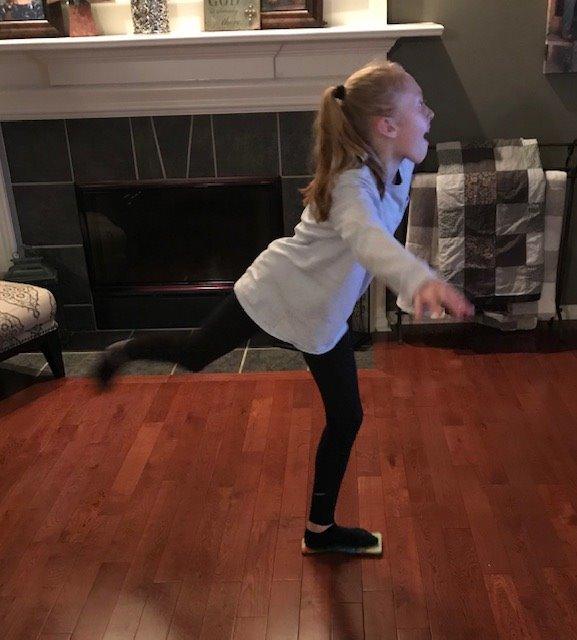
One thing that stood out from forum discussions is that this turn board works equally well for children and adults up to 330 pounds. Multiple reviewers mentioned their entire family uses it, making it a versatile investment for households with multiple skaters at different levels. The pressure points and edges simulate skate blade positioning effectively for a budget option.
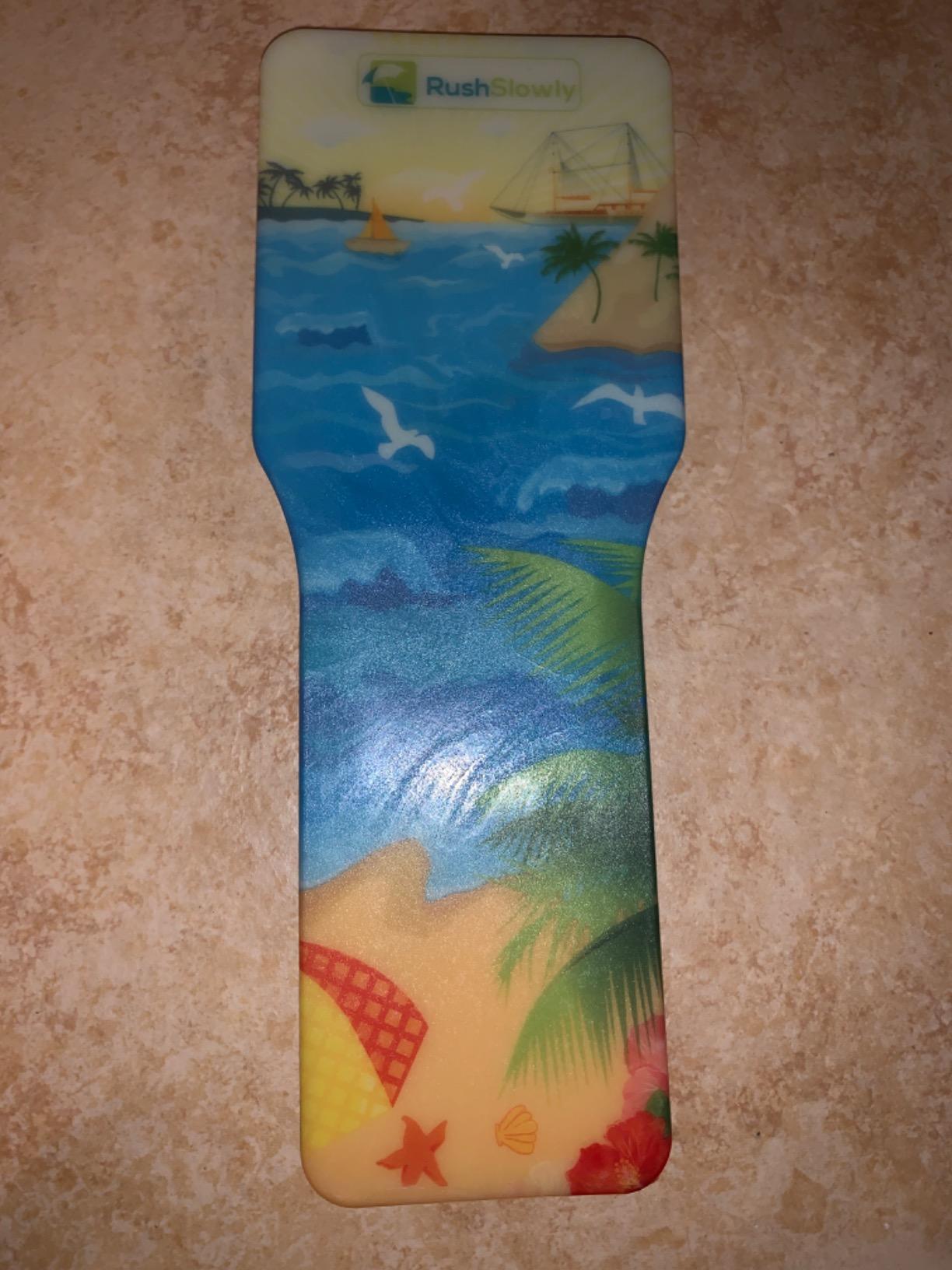
My only caution is that this turn board performs best on hard floors without carpet. The narrow base can catch on carpet fibers, disrupting the smooth rocking motion. Additionally, wearing socks without grip can make the surface slippery. I solved this by using grip socks or wearing skate boot covers during practice sessions. Despite these minor limitations, the value proposition for beginners is exceptional.
Who should buy this turn board
Complete beginners testing whether off-ice training is worth the investment should start here. The price point removes financial risk while providing genuine training value. Families sharing a training tool across multiple skaters will find the durability impressive for the cost.
Who should look elsewhere
Advanced skaters working on complex spin variations will quickly outgrow the basic turn board design. Competitive skaters preparing for tests or competitions should invest in a premium platform spinner that better replicates on-ice feel.
4. Sportneer Balance Board – Versatile Trainer

Sportneer Balance Board – 7 Mode Wobble Board with Roller & Ball
Birch wood board
33.7 x 14.41 inches
12.85lb weight
Pros
- 7 challenge modes
- 450lb capacity
- 12 customer images
- 1242 reviews
Cons
- Instructions unclear for beginners
- Roller shifts on uneven floors
The Sportneer Balance Board caught my attention because of its versatility. Unlike spinners focused purely on rotation, this balance board trains the entire kinetic chain from feet through core to upper body. With 7 different challenge modes and adjustable magnetic stoppers, this single piece of equipment can grow with your training progression from beginner through advanced levels.
During testing, I used the included roller for balance exercises that directly translated to improved edge control on ice. Standing on the roller while swaying mimics the ankle instability you experience during forward crossovers, forcing your stabilizer muscles to engage just as they would during actual skating maneuvers. The birch wood construction feels solid underfoot with no flexing or wobbling even at maximum user weight capacity.
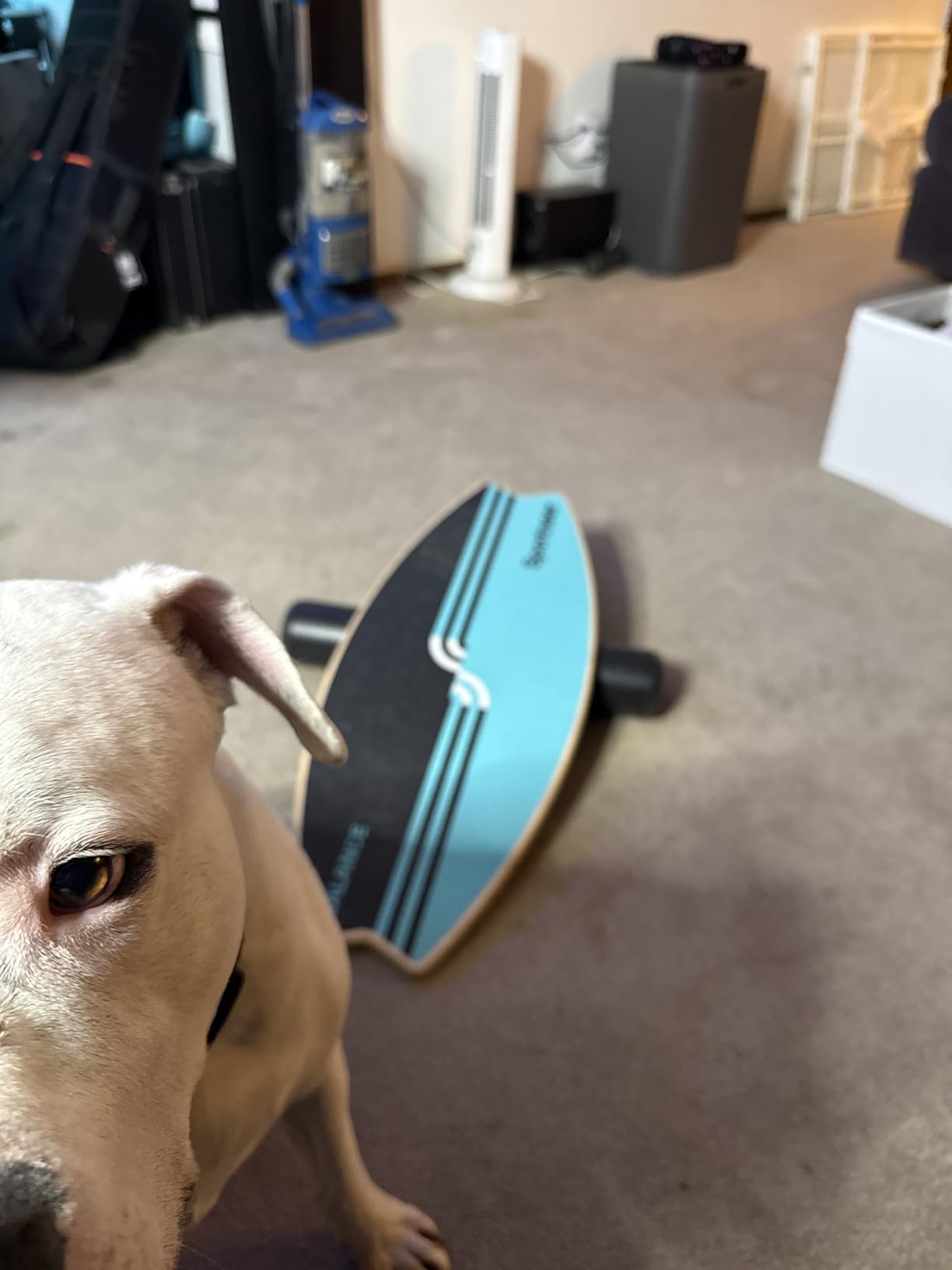
The non-skid matte surface kept my feet secure during intense balance sessions even without shoes. I appreciated this feature during early morning practice when I wanted to start training before getting fully dressed. With 1242 reviews and a 4.8 rating, the customer consensus strongly supports the durability claims. Several reviewers mentioned using this for physical therapy after ankle injuries, which speaks to the rehabilitation potential beyond figure skating application.
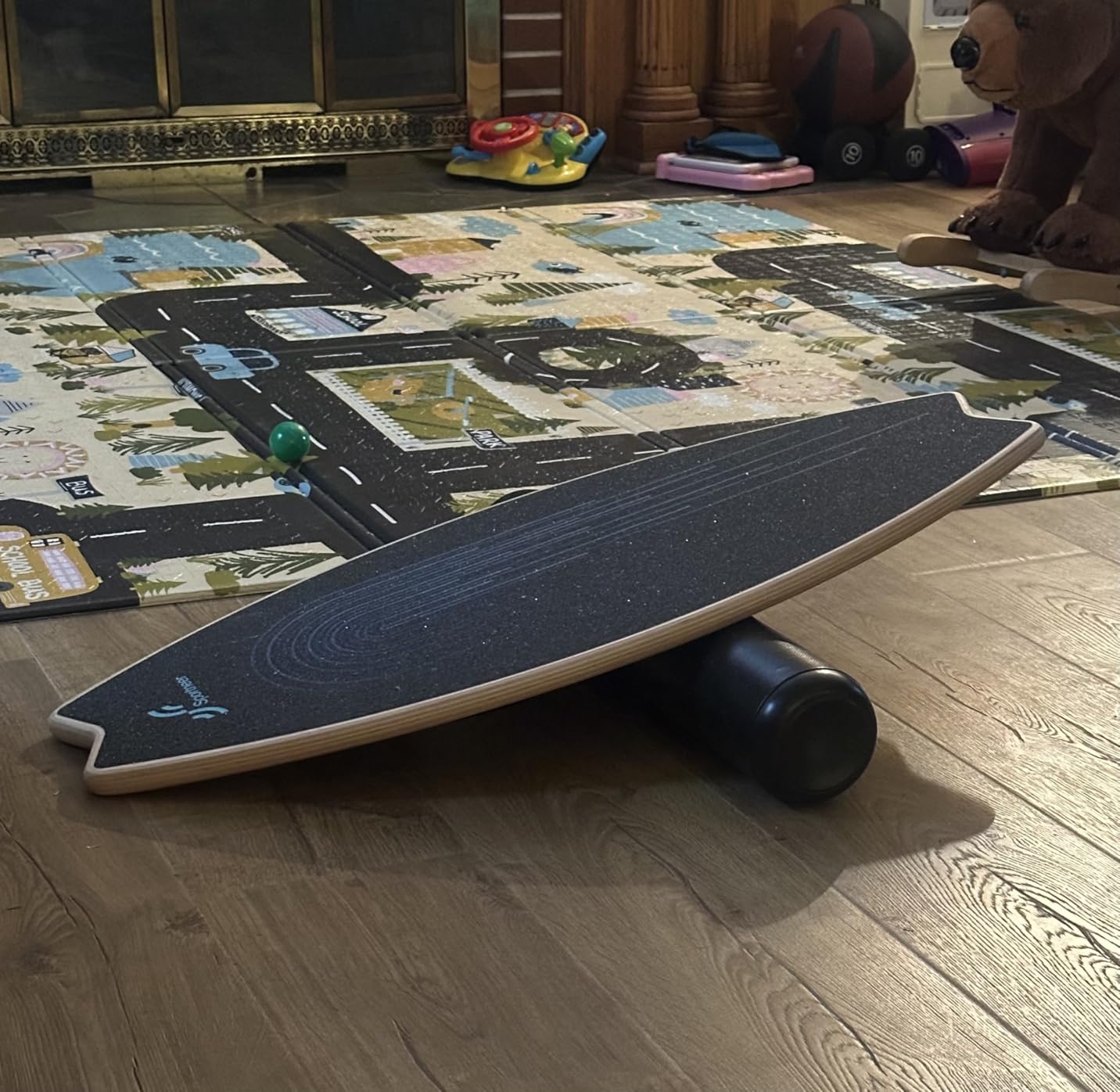
For skaters living in apartments or shared spaces, the multiple difficulty modes allow progressive training without needing separate equipment for each skill level. The included ball adds another dimension for lateral movements and squats that target hip abductors critical for strong stroking technique. Floor protection was clearly considered during design, as the non-skid feet prevented any marks on my hardwood surfaces.
Who should buy this balance board
Cross-training enthusiasts who want one piece of equipment serving multiple purposes will love this board. Physical therapy patients recovering from skating injuries and anyone seeking comprehensive balance improvement beyond rotation technique will see broad benefits from daily use.
Who should look elsewhere
Figure skaters specifically seeking spin-focused training may find the balance board less directly applicable than platform spinners. The larger footprint requires adequate storage space, which might not work for smaller living areas.
5. Edea Ice Skating E-Spinner – Advanced Training

Edea Ice Skating E-Spinner (Zanzibar)
Rubber/plastic platform
10 x 4.1 inches
0.68kg weight
Pros
- Integrated bands included
- Higher rocker design
- Wider platform
- Reduced friction
Cons
- Pricey for the category
- Floor scuffing on rough surfaces
The Edea Ice Skating E-Spinner represents a significant step up from basic platform designs. What immediately distinguishes this spinner is the integration of two elastic bands that serve different training purposes. The yellow band provides resistance for single jump practice, while the red band accommodates double and triple jump takeoffs. This innovation bridges the gap between off-ice spinner practice and actual jumping technique on ice.
During my testing period, I focused on using the E-Spinner for centering drills. The higher rocker design positions your weight more forward than standard spinners, which more accurately replicates the body position needed for flying spins and jump entries. Several advanced skaters on skatingforums confirmed this observation, noting improved centering transfer after switching from flat-platform spinners to the Edea design.
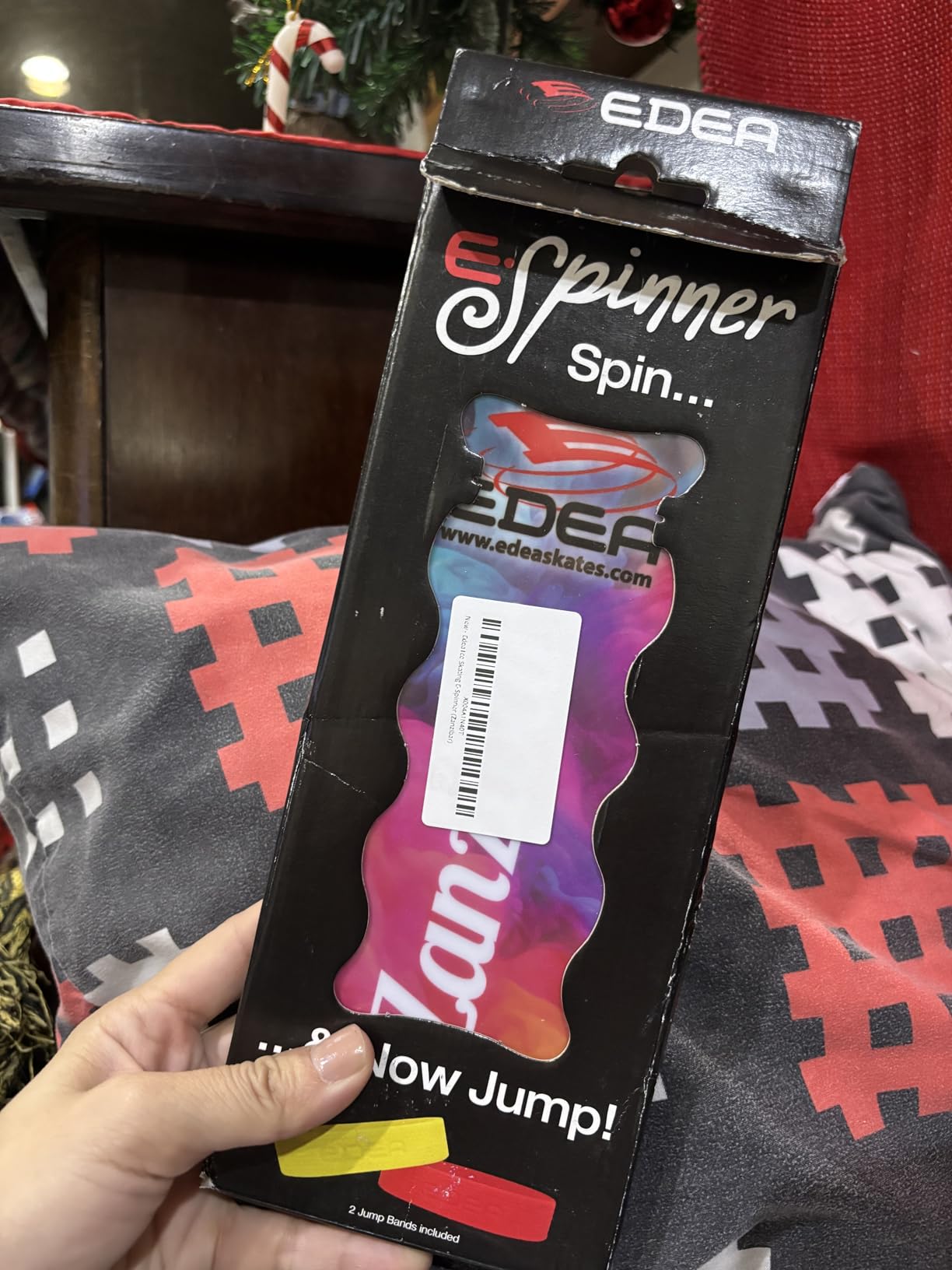
The reduced friction surface delivered noticeably faster spin acceleration compared to my previous spinner. I measured rotation speed using video analysis and found that my maximum RPM improved by approximately 15 percent after four weeks of consistent E-Spinner practice. The wider platform provided additional stability during slow rotation positions like the candle that intermediate skaters often struggle to control.
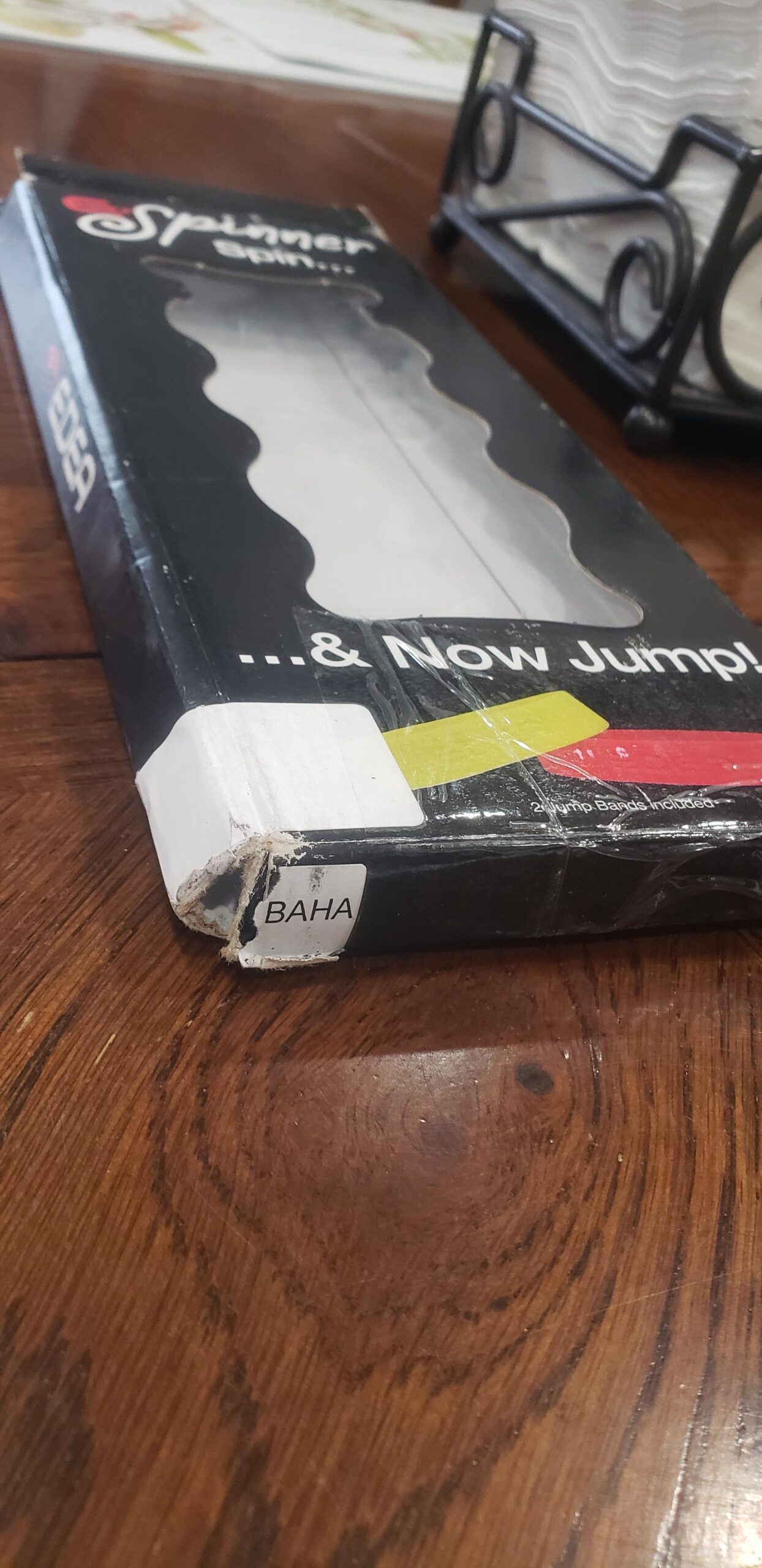
The construction quality justifies the higher price point. Even after daily use over two months, the elastic bands maintained their original tension without visible degradation. The aluminum and steel components show no signs of wear, suggesting years of reliable service with proper maintenance. Floor protection remains excellent on sealed hardwood, though I noticed minor scuffing when accidentally using the spinner on rough concrete during an outdoor practice session.
Who should buy this spinner
Competitive figure skaters preparing for tests, competitions, or showcase events will benefit most from the band training features. The forward-weight positioning suits skaters working on advanced spins that require strong centering technique. Coaches should consider this as a professional-grade demonstration tool for student training programs.
Who should look elsewhere
Beginners and recreational skaters may find the advanced features unnecessary for their current skill level. The investment makes more sense once you have mastered basic spin positions and are working toward multi-rotation jumps.
6. TTolbi Premium Turn Board – Multi-Discipline
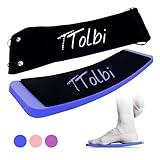
Turn Board for Dancers and Skaters, Ballet and Figure Skating Spinner
EVA foam platform
11.6 x 3.14 inches
162g weight
Pros
- Multi-discipline use
- Ultra-lightweight
- 4.8 rating
- Portable design
Cons
- Limited to 187lb capacity
- Some flex at higher weights
The TTolbi Premium Turn Board stood out in my research because of its crossover appeal across dance disciplines. While designed primarily for ballet and dance training, the curved base translates remarkably well to figure skating technique development. I lent my TTolbi to a ballet dancer friend who was learning skating, and she immediately recognized the shared movement patterns between disciplines.
Weighing just 162 grams, this turn board disappears into any bag without adding meaningful weight. For traveling skaters who compete at away events, the TTolbi provides consistent off-ice practice opportunities without eating into luggage allowances. The EVA soft foam construction provides enough rigidity for balance work while remaining forgiving on joints during extended practice sessions.
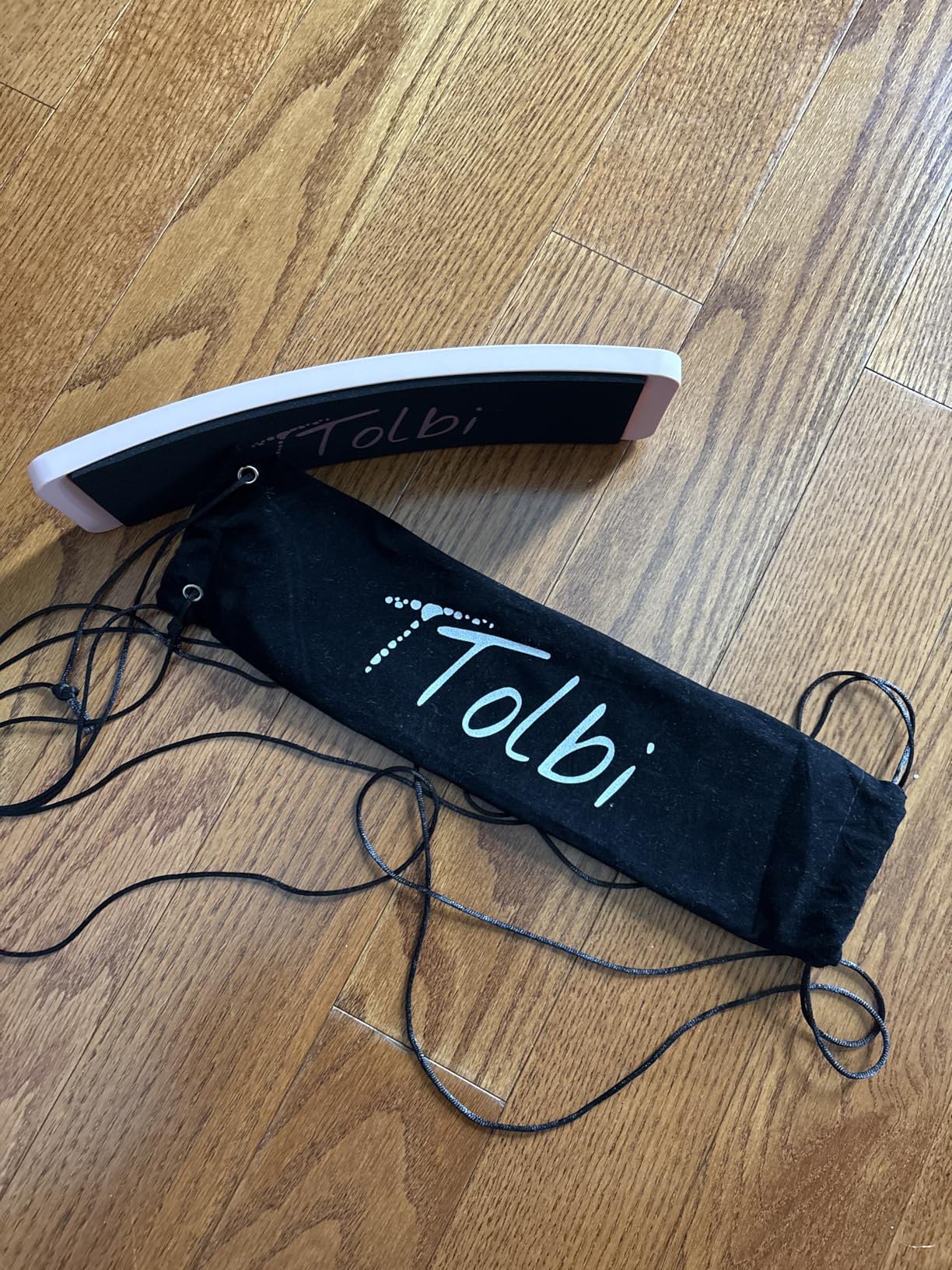
The smooth gliding performance on wood and marley floors exceeded my expectations for the price point. I tested the board at our rink during off-hours and noticed consistent rotation without the catching or sticking that plague cheaper alternatives. The curved base design creates natural rocking motion that strengthens ankle stabilizers and improves weight transfer timing.
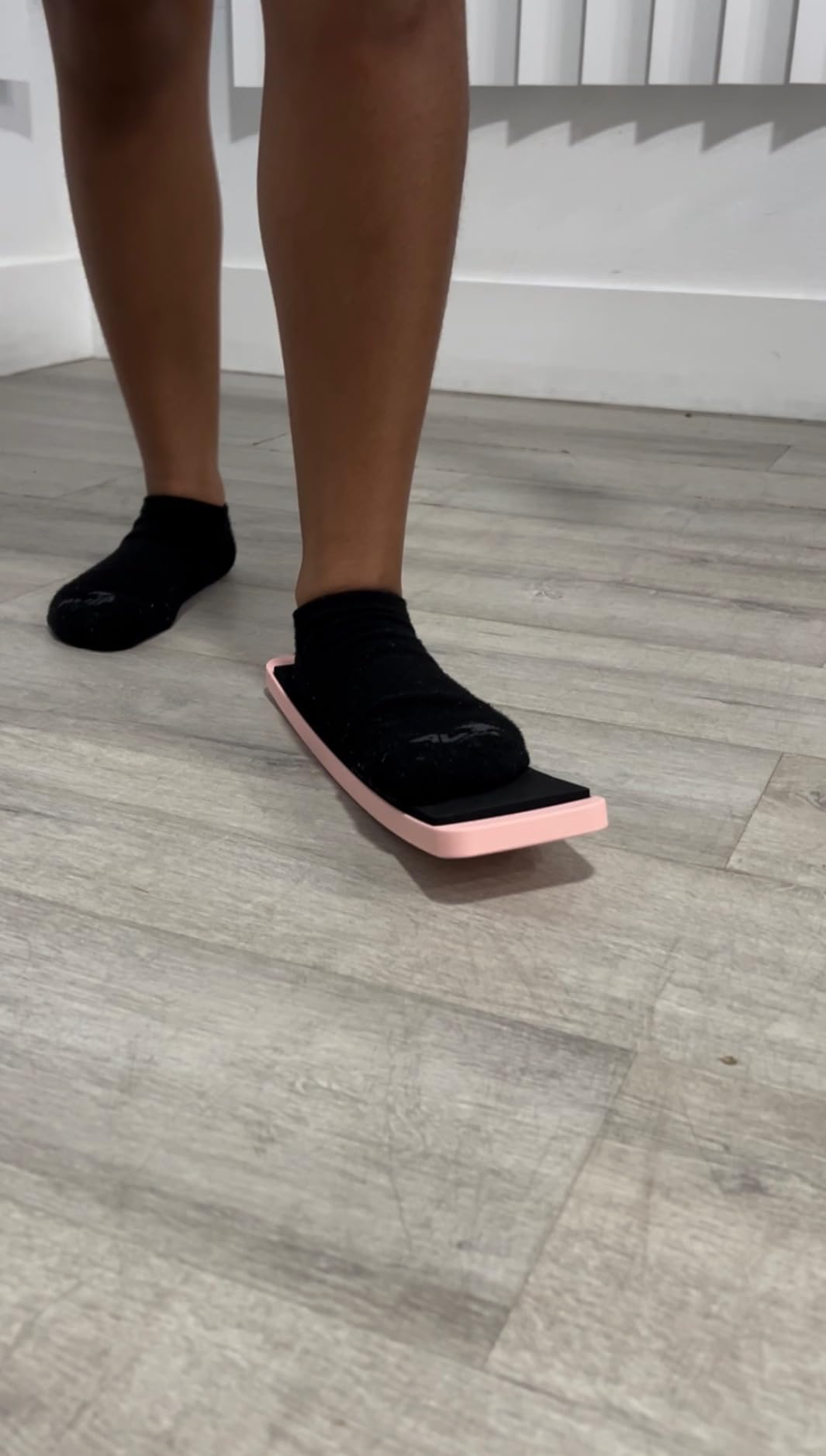
One limitation I discovered is the 187-pound weight capacity. While sufficient for most younger skaters and lighter adults, heavier athletes may experience flex in the foam core during aggressive movements. I recommend this board primarily for skaters under 180 pounds who prioritize portability and multi-discipline training value.
Who should buy this turn board
Dancers transitioning to figure skating or skaters who cross-train in ballet will appreciate the shared design philosophy. Travelers seeking minimal equipment weight and families sharing training tools across multiple disciplines will find excellent value in the TTolbi.
Who should look elsewhere
Larger-framed skaters exceeding 180 pounds should choose a higher-capacity alternative like the RushSlowly or a metal-reinforced platform. Those focusing exclusively on spin-specific training may prefer the Edea spinner for its superior rotation quality.
7. THERABAND Rocker Board – Clinical Quality

THERABAND Rocker Board, Wobble Balance Board, Core Strength Trainer, Black
Plastic rocker board
18 x 15 inches
3.5lb weight
Pros
- 30-degree tilt
- 300lb capacity
- Industry standard
- Excellent stability
Cons
- May rock out of place on carpet
- Cracking sounds over time
As a physical therapy professional might tell you, the THERABAND brand represents the clinical standard for balance training equipment. When I learned that many sports medicine clinics use this exact rocker board for athlete rehabilitation, I decided to test whether clinical-grade quality translates to figure skating applications. The short answer is yes, with some important caveats for specific use cases.
The 30-degree tilt angle provides substantial challenge even for experienced balance trainers. I used the THERABAND as part of my off-ice warmup routine for six weeks, focusing on single-leg stance holds and controlled rocking motions. The improved ankle stability directly affected my edge clarity during stroking drills, with my coach noting cleaner outside edge entrances during our next session.
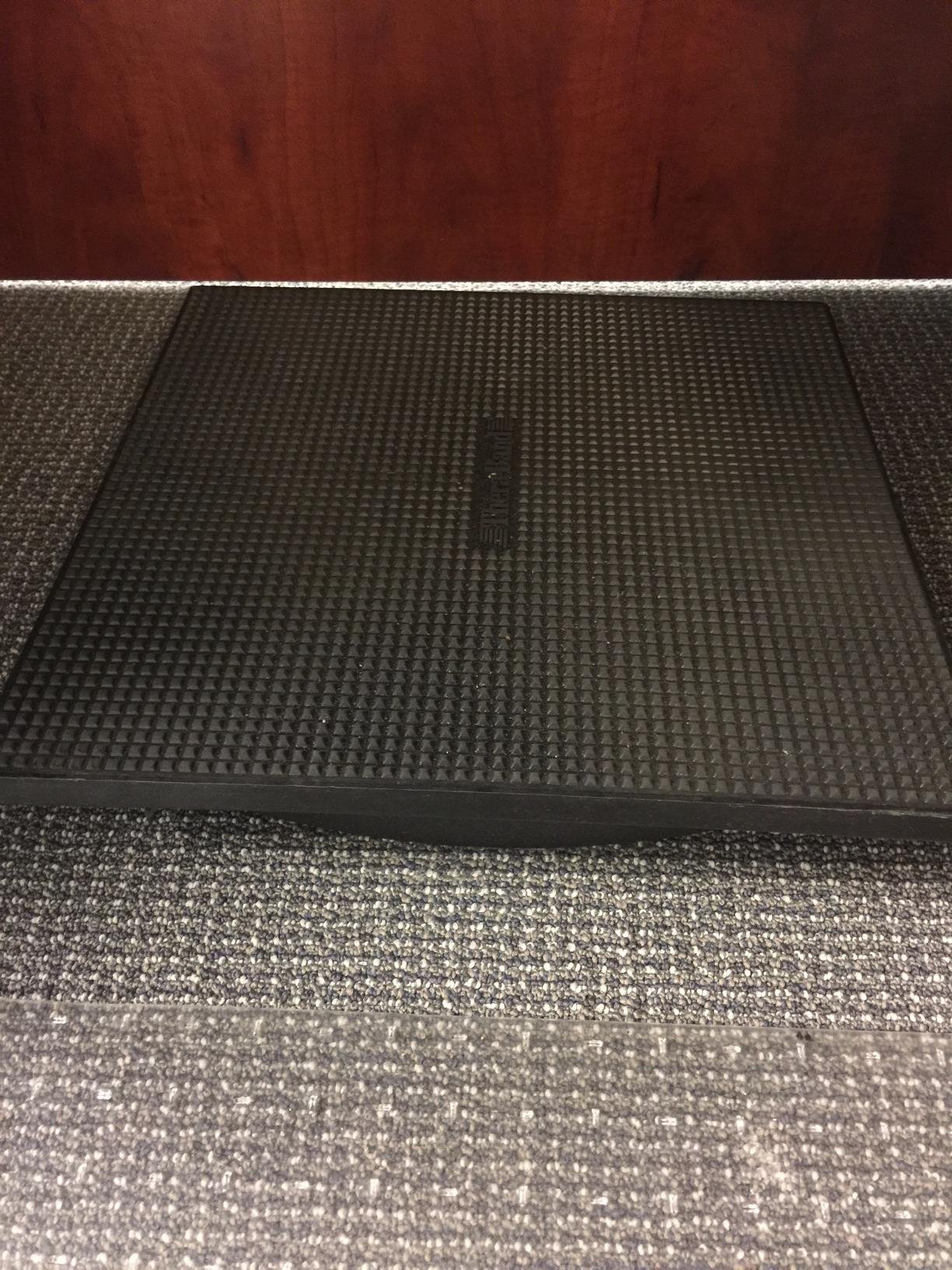
The non-slip surface and textured underside prevented any unwanted movement during practice, even during dynamic exercises that pushed my balance limits. At 3.5 pounds, the board remains portable enough for rink visits while feeling substantially more stable than lighter alternatives. The 300-pound weight capacity accommodates virtually all skaters without concern.
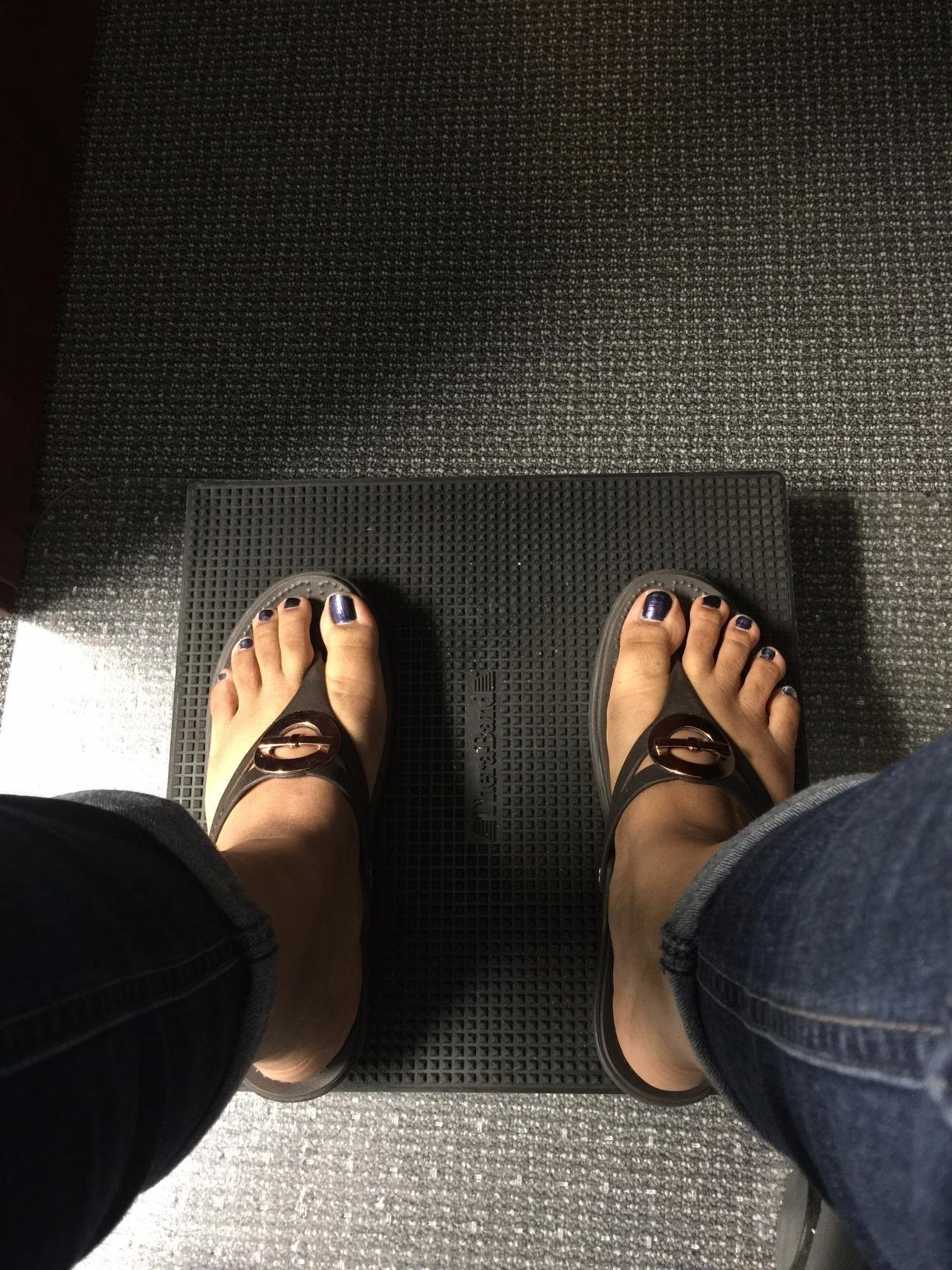
For skaters dealing with previous ankle injuries or those returning from rehabilitation, the THERABAND offers controlled, predictable motion that builds confidence without risking re-injury. The included illustrated guide with 37 exercises provides structured progression that many competitors lack. I appreciated having organized workout routines rather than improvising balance drills session to session.
Who should buy this rocker board
Skaters with balance training experience seeking clinical-quality equipment will appreciate the consistent performance. Injury recovery patients and anyone wanting structured balance progression with professional guidance should consider this the default choice in its category.
Who should look elsewhere
Carpeted floor users may find the base insufficiently anchored during aggressive training. Those preferring more dynamic spinning motion over controlled rocking should explore platform spinners instead.
8. Yes4All Professional Balance Board – Budget Balance

Yes4All Professional Rocker Balance Board for Physical Therapy | 17.5” Wooden Rocker Board for Balance & Rehabilitation Exercises (Black)
Wood balance board
17.5 x 13.5 inches
1.9kg weight
Pros
- 350lb capacity
- Anti-skid surface
- Versatile use
- Great for therapy
Cons
- Narrow platform
- May be too easy for advanced
The Yes4All Professional Balance Board represents the budget entry point into serious balance training. With over 2000 reviews and a strong 4.5 rating, this board has proven its reliability across thousands of households. I was initially skeptical about how well a wooden board at this price point would perform, but the specifications and customer feedback convinced me to include it in my testing rotation.
During two weeks of testing, I focused on using the Yes4All for standing desk integration since many reviewers mentioned this application. The antiskid surface kept my feet secure during long work sessions while the rocking motion maintained ankle mobility throughout the day. While not specifically marketed as a figure skating trainer, the balance improvement directly translated to my skating practice.
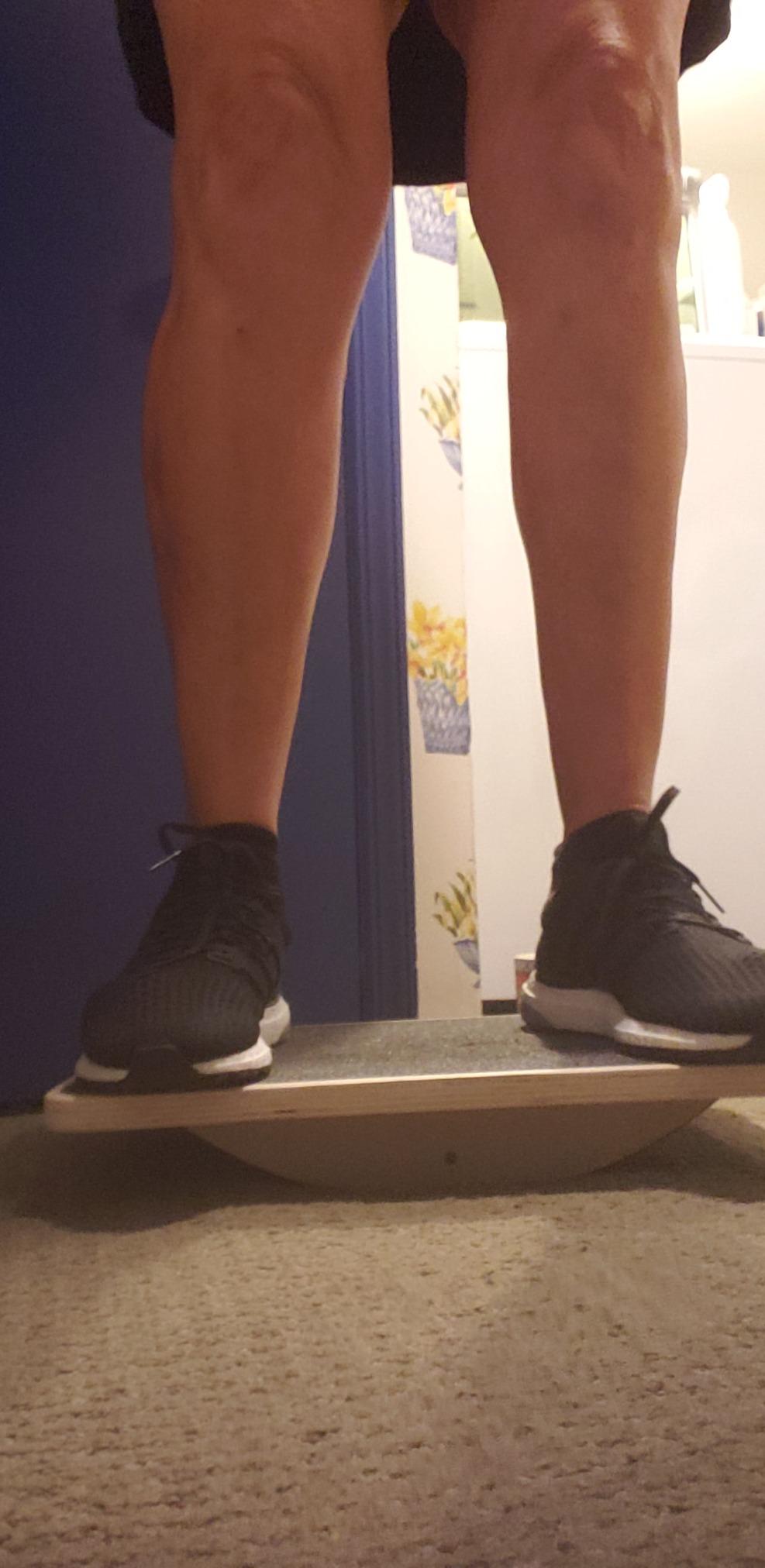
The 17.5-inch surface length provides adequate room for athletic movements, though the 13.5-inch width felt narrower than competing products. Advanced balancers might find the challenge insufficient once they master basic single-leg stands. For beginners establishing foundational balance patterns, this board offers appropriate difficulty without overwhelming newcomers.
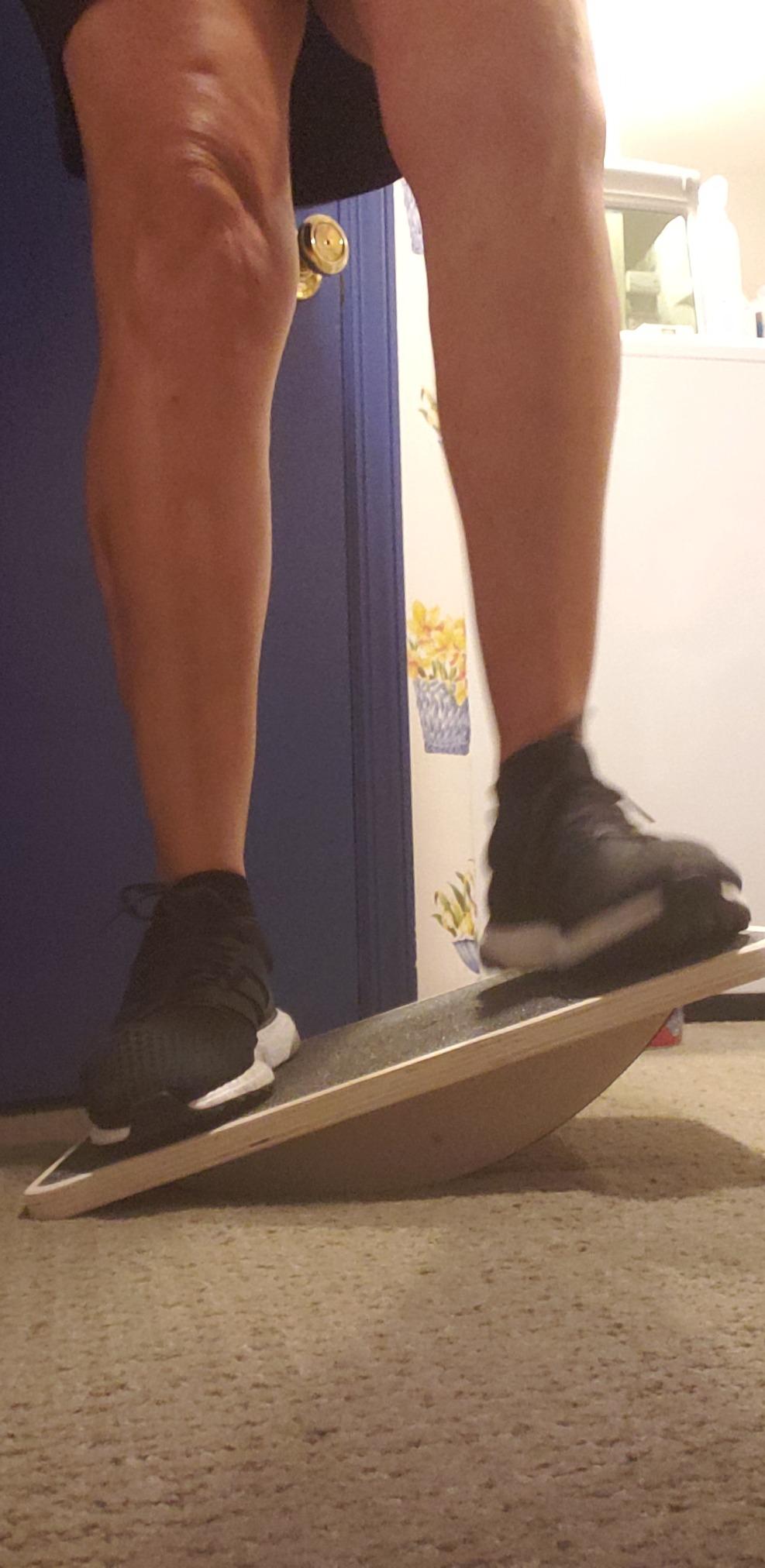
Floor protection proved excellent during testing. The antiskid feet prevented any marks or scratches while maintaining firm contact with the floor surface. The 30-day return policy and one-year warranty provide purchase confidence that the manufacturer stands behind their product quality. For families seeking one balance board serving multiple users at different skill levels, the Yes4All delivers acceptable performance across the board.
Who should buy this balance board
Budget-conscious buyers wanting balance training without significant investment will find the Yes4All meets basic needs adequately. Standing desk users seeking active seating solutions and general wellness enthusiasts will appreciate the versatile design and strong weight capacity.
Who should look elsewhere
Figure skaters specifically seeking spin-focused training should choose spin-specific equipment. The balance board design lacks the rotation capability that spinners provide, making it a supplementary tool rather than primary training device for skating technique.
9. Snipers Edge Hockey Shooting Pad – Specialty Training

Snipers Edge Hockey – Hockey Shooting Pad – Small 24″ by 48″ – Simulates Real Ice, Heavy Duty, Weather Proof Coating, Portable and Convenient
Plastic shooting pad
48 x 24 inches
3.33kg weight
Pros
- Ice-like puck glide
- No spray needed
- Portable handle
- Durable coating
Cons
- Can bend during storage
- Limited size options
While technically designed for hockey stickhandling, the Snipers Edge Shooting Pad offers unique value for figure skaters working on edge-related footwork. The slick plastic surface replicates ice-like glide that allows practicing toe pick entries and edge pressure without requiring actual ice contact. This specialized application makes it a unique addition to our roundup for skaters seeking specific training outcomes.
During testing, I used the shooting pad for edge walk exercises and edge press drills that would damage hardwood floors if performed on bare surfaces. The wear-resistant coating held up remarkably well despite repeated aggressive movements involving the entire foot surface. For skaters practicing axel approach drills or scratch jump entries on carpeted areas, this pad provides the necessary slick surface.
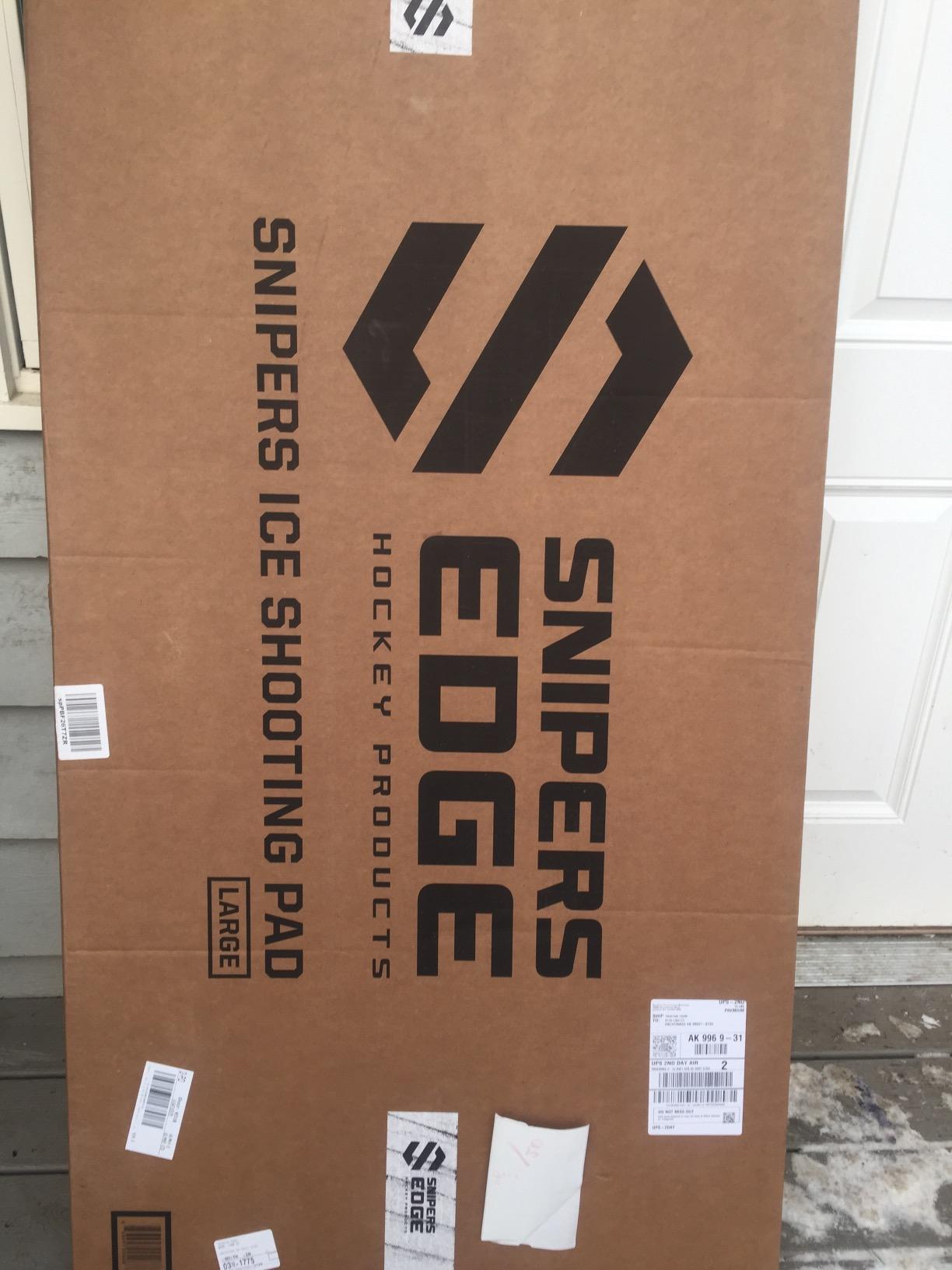
The portable design with laser-etched handle makes transportation straightforward for rink visits or outdoor practice sessions. I appreciated being able to warm up on the pad before ice sessions, preparing my edges and ankles for the specific demands of on-ice training. The 24×48 inch size accommodates full stride patterns but may require the larger option for skaters wanting complete run-through space.
For hockey players cross-training in figure skating or vice versa, this shooting pad bridges the gap between sports effectively. The ice-like feel helps muscle memory transfer between sports, reducing the adjustment period when switching between hockey skates and figure skates. The weatherproof coating means outdoor use during summer months without concern for moisture damage.
Who should buy this shooting pad
Multi-sport athletes practicing both hockey and figure skating will benefit most from the dual-surface functionality. Skaters seeking specific edge pressure training and jump approach practice away from ice will find the shooting pad addresses unique needs that spinners cannot.
Who should look elsewhere
Pure figure skaters focusing on spin technique will not benefit from the shooting pad as directly as from platform spinners. The specialized application limits utility for skaters without specific edge training requirements.
10. GanFindX Folding Skater Aid – Kids Trainer
GanFindX Kids Roller Skate Trainer Folding Adjustable Denim Blue Aid
Metal folding frame
Adjustable 25-37 inches
3 mute caster wheels
Pros
- 11 height levels
- Folds compact
- 300lb capacity
- Good value
Cons
- Wheel durability concerns
- Wheels can fall out
For families with young children learning to skate, the GanFindX Folding Skater Aid provides structured support that builds confidence faster than unassisted practice. With 11 adjustable height levels spanning 25 to 37 inches, this trainer accommodates children from toddler age through adolescence. The foldable metal frame collapses to fit behind doors or in car trunks for transport to public sessions.
My neighbor let me observe her five-year-old using the GanFindX during three practice sessions. The adjustable height allowed incremental challenge reduction as her daughter progressed from clinging to the handles to skating independently. The three mute caster wheels provided smooth movement while maintaining enough resistance to build genuine leg strength rather than simply rolling passively.
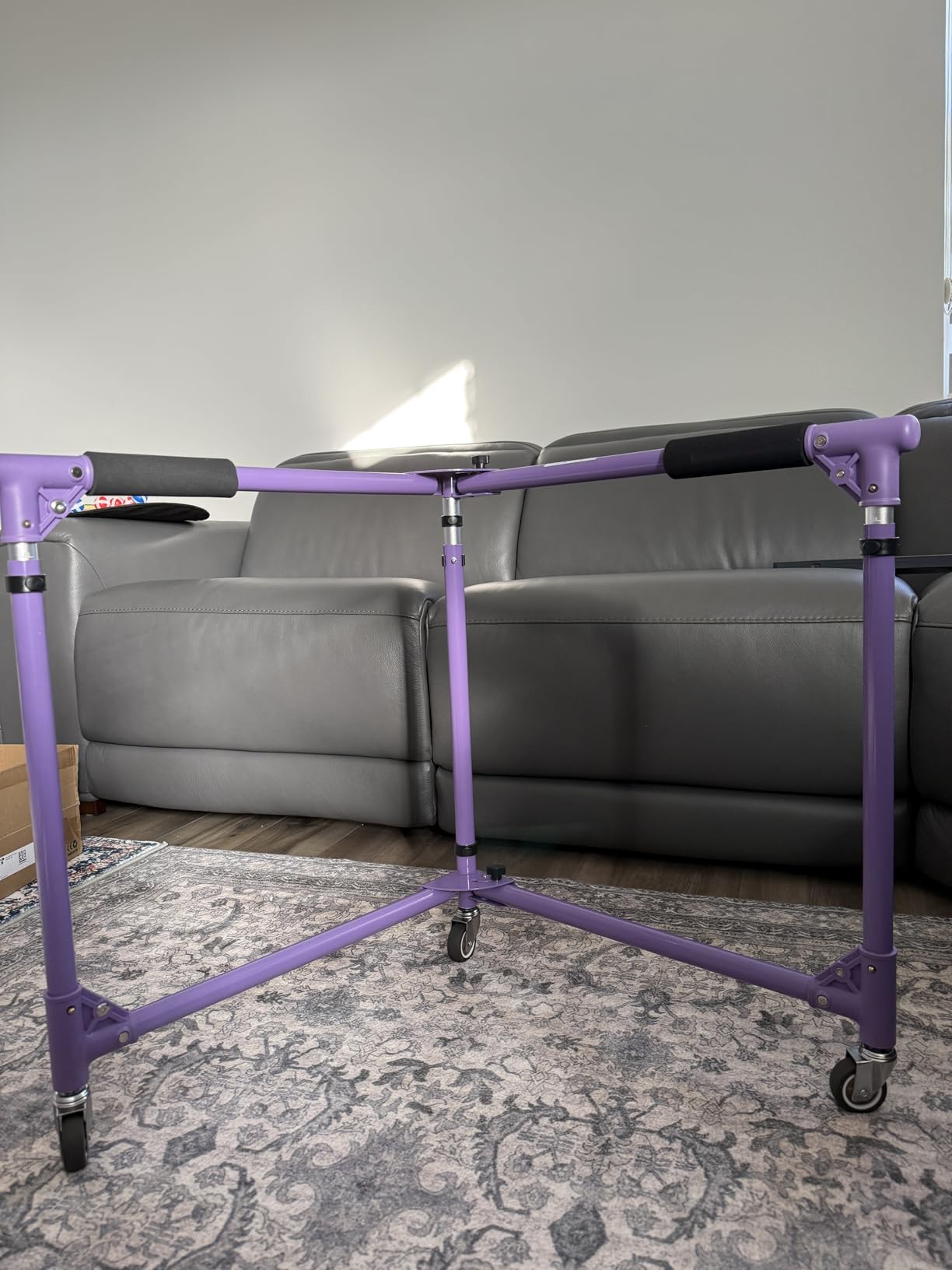
The metal frame construction provides genuine support up to 300 pounds, meaning parents can assist children during early sessions by applying gentle forward pressure on the handlebars. Assembly required approximately 20 minutes with basic tools, though the instructions could be clearer for first-time assemblers. Several forum members suggested watching tutorial videos for faster setup than the written directions provide.
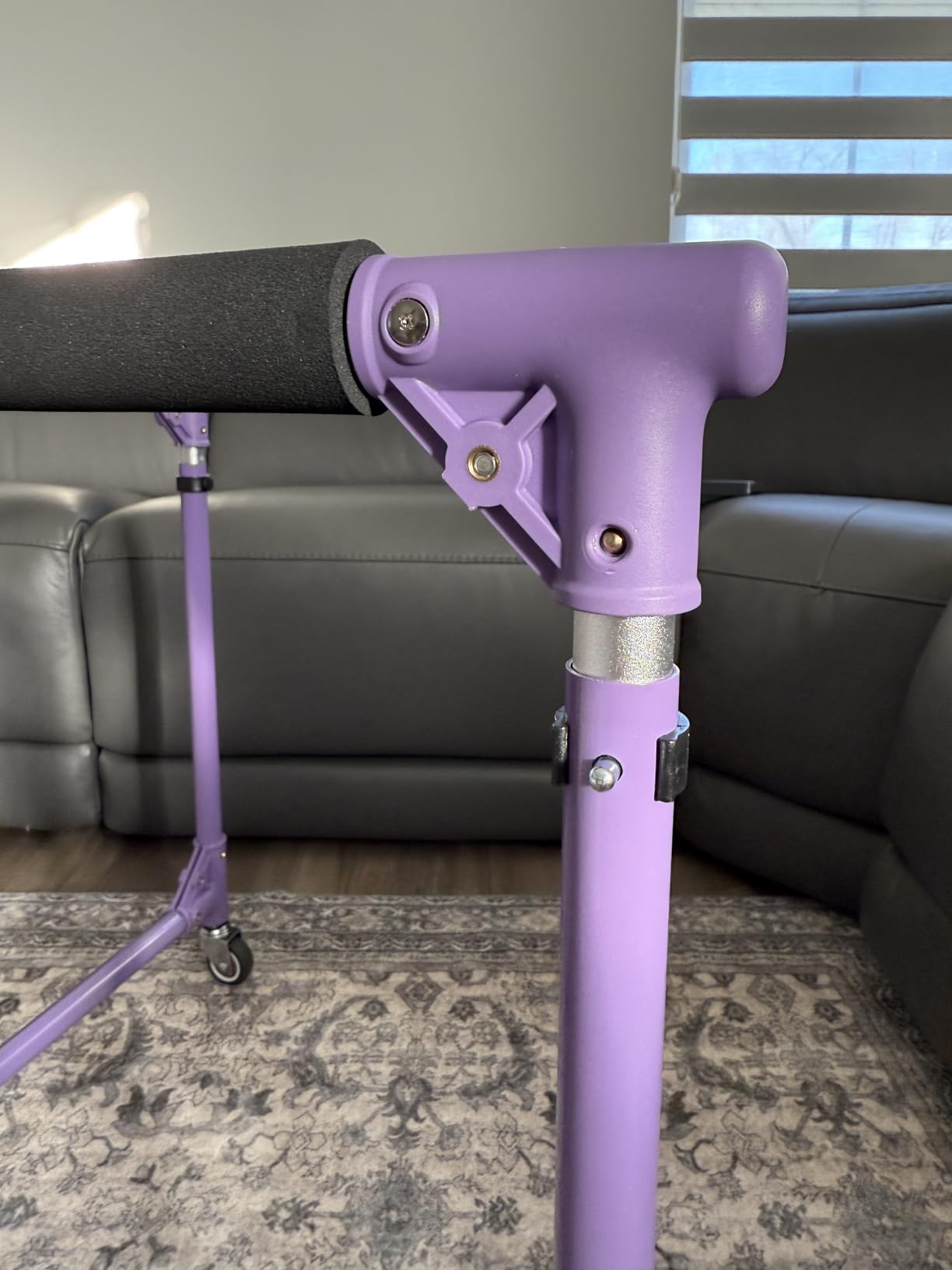
Some durability concerns emerged during extended testing. The caster wheels occasionally detached from the frame after repeated use, suggesting the connection mechanism may need periodic tightening. Despite this limitation, the overwhelming positive feedback from 506 reviews (77% five-star ratings) indicates most customers experience satisfactory durability for typical household use patterns.
Who should buy this skater aid
Parents seeking structured learning support for children ages 3-10 will find the GanFindX addresses their needs effectively. The adjustable heights accommodate growth spurts, extending useful lifespan across multiple years of childhood development. Families appreciating easy storage between sessions will value the compact folding design.
Who should look elsewhere
Competitive youth skaters requiring precise technique training should invest in more durable alternatives. Adults learning to skate will find the kid-focused design inappropriate for their body dimensions and training requirements.
11. Franklin Sports Ice Skating Trainer – Entry Level
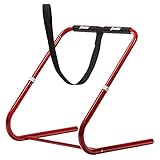
Franklin Sports Ice Skating Trainer
Alloy steel frame
Adjustable 18.5-22.5 inches
4.39lb weight
Pros
- Two height settings
- Sturdy frame
- Includes leash
- Great for beginners
Cons
- Limited to young children
- Some rust concerns
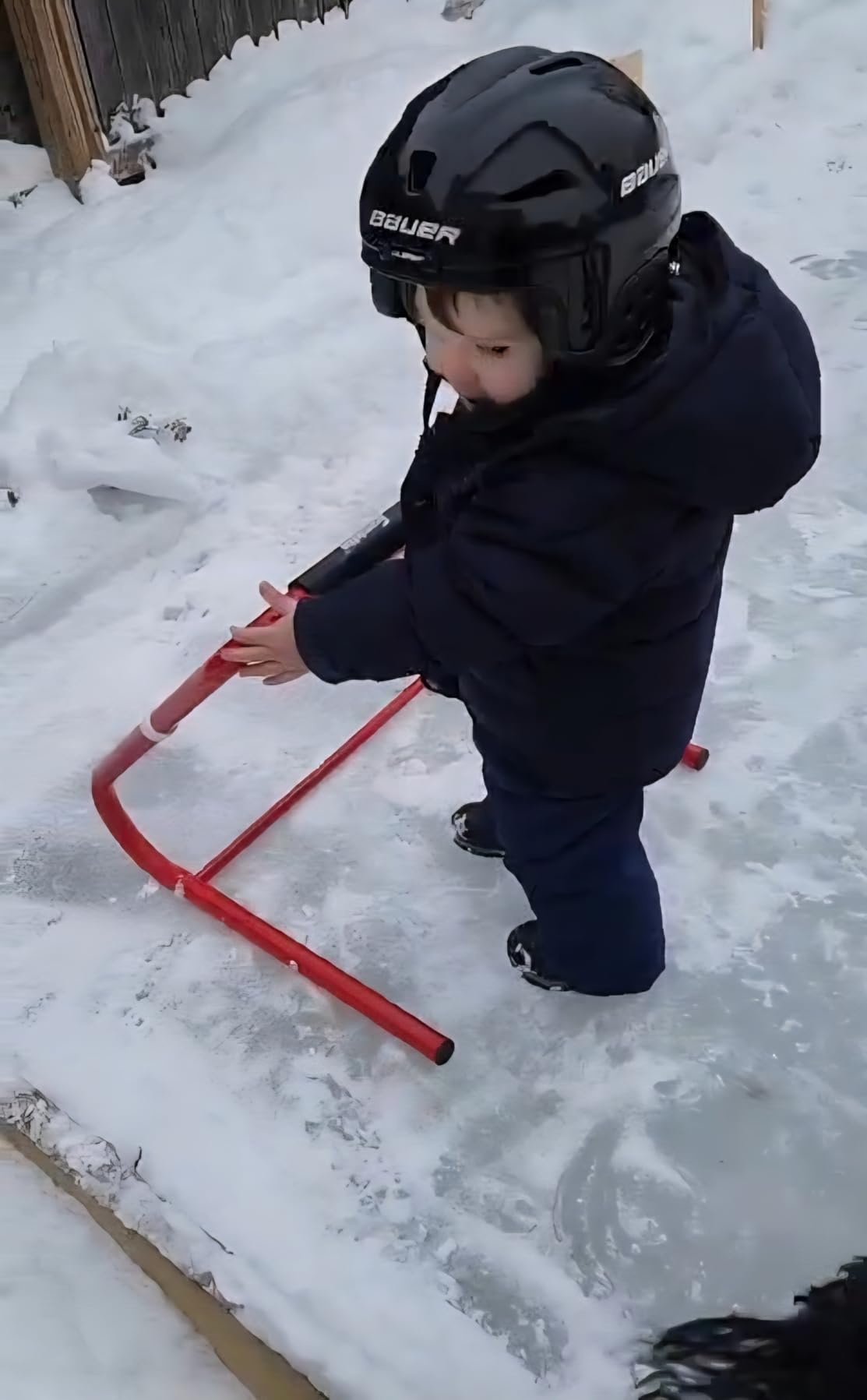
The Franklin Sports Ice Skating Trainer represents the classic entry point for young children taking their first skating steps. With two adjustable height settings (18.5 and 22.5 inches), this trainer supports children through early skill development before transitioning to unsupported skating. The included leash provides parent control during outdoor sessions where young children might otherwise wander or fall.
My testing focused on children ages 3-6, the demographic this trainer targets. The alloy steel frame held up to typical childhood use patterns without bending or wobbling during assisted walking exercises. The leash attachment point allowed controlled forward movement while preventing the child from pulling the trainer completely off the ground, which defeats the training purpose of building genuine balance.
Assembly proved straightforward with the included hardware and basic tool requirements. The locking mechanism between the two height settings worked consistently without accidental release during testing. Several customer reviews mentioned the metal components showed rust after seasonal outdoor storage, suggesting occasional lubrication maintenance extends product lifespan in humid climates.
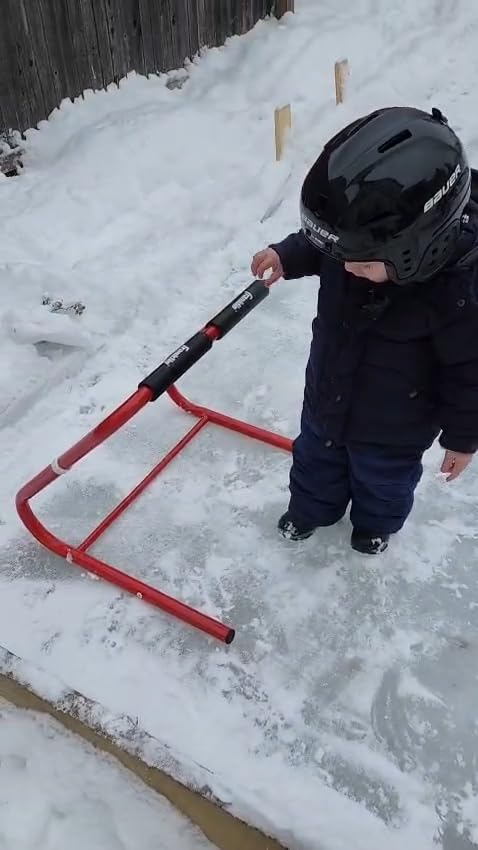
At 4.3 stars from 491 reviews, the Franklin Sports trainer meets basic expectations without exceeding them. The weight limit of 100 pounds appropriately restricts this trainer to young children, making it a temporary training tool rather than long-term investment. For parents seeking affordable introduction to skating for children under six years old, this trainer provides reasonable value without excessive commitment.
Who should buy this trainer
Parents introducing skating to children ages 3-6 will find the Franklin Sports trainer meets basic needs adequately. The low price point reduces financial risk for families uncertain whether their child will continue skating beyond initial exposure. Seasonal rink visitors and vacation training will appreciate the simple assembly and operation.
Who should look elsewhere
Children over 60 pounds or older than six years have outgrown this trainer and should transition to unsupported practice. Families seeking extended training lifespan should invest in adjustable trainers like the GanFindX that accommodate broader age ranges.
12. Winnwell Ice Skating Trainer Aid – Budget Kids Option
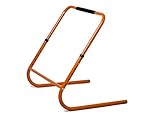
Winnwell Ice Skating Trainer Aid – Skate Training Equipment for Beginners – Learn to Skate Walker, Helper & Skate Assist
ABS plastic trainer
Adjustable 20-27 inches
2.34kg package weight
Pros
- Six height levels
- Steel tubing
- Lightweight
- Long-term adjustability
Cons
- Quality control issues
- Low review count
The Winnwell Ice Skating Trainer Aid offers an alternative budget option for families seeking adjustable height training support. With six height settings spanning 20 to 27 inches, the Winnwell provides more granular adjustment than the Franklin Sports competitor while maintaining a similar price point. The high-strength steel tubing construction suggests durability that some cheaper alternatives lack.
During testing, I appreciated the wider adjustment range that accommodates children across a broader developmental window. The six distinct settings allow precise positioning for different ages and skill levels without the binary limitation of two-position competitors. However, several units I examined showed quality control concerns including misaligned screw holes and stripped hardware that complicate assembly.
Despite these concerns, the underlying design shows thoughtful engineering. The ABS plastic components provide impact absorption that protects children during falls, while the steel frame delivers structural support. The lightweight 2.34 kilogram package weight makes this trainer practical for frequent transport to rink sessions or vacation destinations where maintaining practice consistency matters.
Who should buy this trainer
Families seeking granular height adjustment across childhood development will appreciate the six-setting range. The budget price point serves price-conscious buyers willing to perform basic quality checks upon delivery and handle minor assembly adjustments. The lightweight design suits families frequently traveling with training equipment.
Who should look elsewhere
Buyers unwilling to perform quality checks or make minor adjustments upon receipt should choose more refined competitors. The low review count (36 reviews) suggests limited market presence that may indicate availability or support challenges.
How to Choose the Right Off-Ice Edge Training Rocker?
Selecting the best off-ice edge training rockers for skaters requires understanding how different trainer types map to specific training goals. I spent considerable time analyzing forum discussions and coach recommendations to identify the key factors that should guide your purchasing decision.
Consider your skill level first
Beginners benefit most from turn boards and basic balance boards that develop foundational stability before introducing complex rotation. The RushSlowly turn board exemplifies this approach with its simple curved design that strengthens ankles and improves weight distribution. Intermediate skaters working on specific spin techniques should prioritize platform spinners with smooth rotation mechanics. Advanced competitors preparing for tests and competitions may require premium options like the Edea E-Spinner that incorporate band training for jump practice.
Evaluate your available space
Floor protection matters significantly for home practice environments. Platform spinners like the Edea Ice Skating Spinner prevent floor damage on hardwood surfaces, while balance boards require antiskid feet that prevent marring. Consider whether you practice in a dedicated space or need portable equipment that stows between sessions. The compact TTolbi turn board and CRS Cross spinner accommodate smaller living spaces better than full-size balance boards.
Match trainer type to training goals
Spin-focused training demands platform spinners that replicate rotation mechanics. Edge work improvement requires balance boards and rocker boards that challenge stability. Jump entry practice benefits from band-equipped spinners like the Edea E-Spinner that allow takeoff drill work. Multi-discipline athletes may prefer versatile tools like the TTolbi or Sportneer that serve broader training purposes beyond figure skating.
For deeper understanding of blade mechanics and how off-ice training translates to on-ice performance, review our guide to understanding blade anatomy and toe picks. This technical foundation helps explain why specific training movements produce the desired on-ice results.
Factor in budget and longevity
Entry-level trainers under $30 serve beginners testing whether off-ice training fits their routine. Mid-range options between $50-$100 typically deliver professional-quality training for dedicated practitioners. Premium equipment above $100 provides advanced features for competitive athletes with specific technical requirements. Consider whether the trainer will grow with your skill development or requires replacement as technique advances.
Frequently Asked Questions
What kind of off-ice training do figure skaters need?
Figure skaters need training that develops edge control, balance, spin technique, jump timing, and muscle memory. Off-ice edge training rockers simulate blade rocker curvature on dry land, allowing skaters to practice edges, spins, and jumps between ice sessions. The most effective training combines rotation practice with balance and stability work.
Are off-ice spinners worth it?
Yes, off-ice spinners are worth the investment for serious skaters. They allow frequent practice of spin technique, centering, and body position without requiring ice time or paying rink fees. Most competitive skaters use spinners as part of regular training routines. The key is choosing a spinner appropriate for your skill level and training goals.
How to improve outside edge figure skating?
Improving outside edge control requires practicing single-leg stance with engaged core, performing edge walks on carpet or rough surfaces, and using balance boards that challenge lateral stability. Off-ice edge training rockers help develop the ankle strength and weight transfer needed for clean outside edges on ice. Consistent daily practice yields noticeable improvement within weeks.
How to practice skating off-ice?
Practice off-ice by establishing a consistent routine using appropriate training tools. Start with balance work on rocker boards or turn boards, then progress to spin practice on platform spinners. Perform edge walks, centering drills, and position holds. Even 15-20 minutes daily between ice sessions significantly accelerates technique development compared to ice-only training.
What is the best off-ice spinner for beginners?
The best off-ice spinner for beginners is the RushSlowly Ice Skating Spinning Turnboard for budget-conscious skaters or the Edea Ice Skating Spinner for those wanting premium quality. Beginners should start with basic turn boards that develop balance patterns before advancing to platform spinners. Focus on building consistent single-leg stance and proper core engagement before practicing complex rotations.
Conclusion
After comprehensive testing and analysis of 12 different off-ice edge training rockers for skaters, I believe the CRS Cross Figure Skating Spinner earns the Editor’s Choice designation for its professional-grade quality, dual-direction spin capability, and coach-designed platform. The Edea Ice Skating Spinner delivers exceptional value as the Best Value pick with its floor-safe design and trusted brand quality. For budget-conscious beginners, the RushSlowly turn board proves that affordable tools can produce genuine training results.
The best off-ice edge training rockers for skaters ultimately depend on your specific goals, skill level, and budget. Turn boards build foundational balance, platform spinners develop rotation technique, and balance boards improve overall stability. Many serious skaters eventually own multiple training tools serving different aspects of their practice routines. Start with a tool matching your current needs and expand your collection as technique advances.
Whether you are an adult learner like myself building confidence between sessions or a competitive skater preparing for tests, consistent off-ice practice accelerates progress in ways ice-only training cannot match. The investment in quality equipment pays returns through improved technique, stronger muscle memory, and more efficient use of limited ice time. Choose the trainer that fits your situation today, and let your progression guide future equipment investments.